Tool Care
Build a Better Multi-Tool Maintenance Kit for $70 or Less
A Leatherman-branded maintenance kit costs $70, but a smarter DIY setup covers more ground for less money. Here is what goes in it and why.
Introduction
A dedicated maintenance kit for multi-tools is a genuinely good idea, and the new Leatherman-branded kit makes that case itself. At $70, though, the contents look underwhelming: a nondescript lubricant, a generic pouch, and a handful of loosely specified items. You can put together a kit that does everything that one does, and a bit more, for the same budget or less.
This walkthrough breaks the kit down category by category, with practical alternatives for each slot. Some swaps are upgrades, some are free, and the end result comes in around $59 while roughly tripling the capability of the sharper tool that matters most.
The Case, Brushes, and Repair Tools
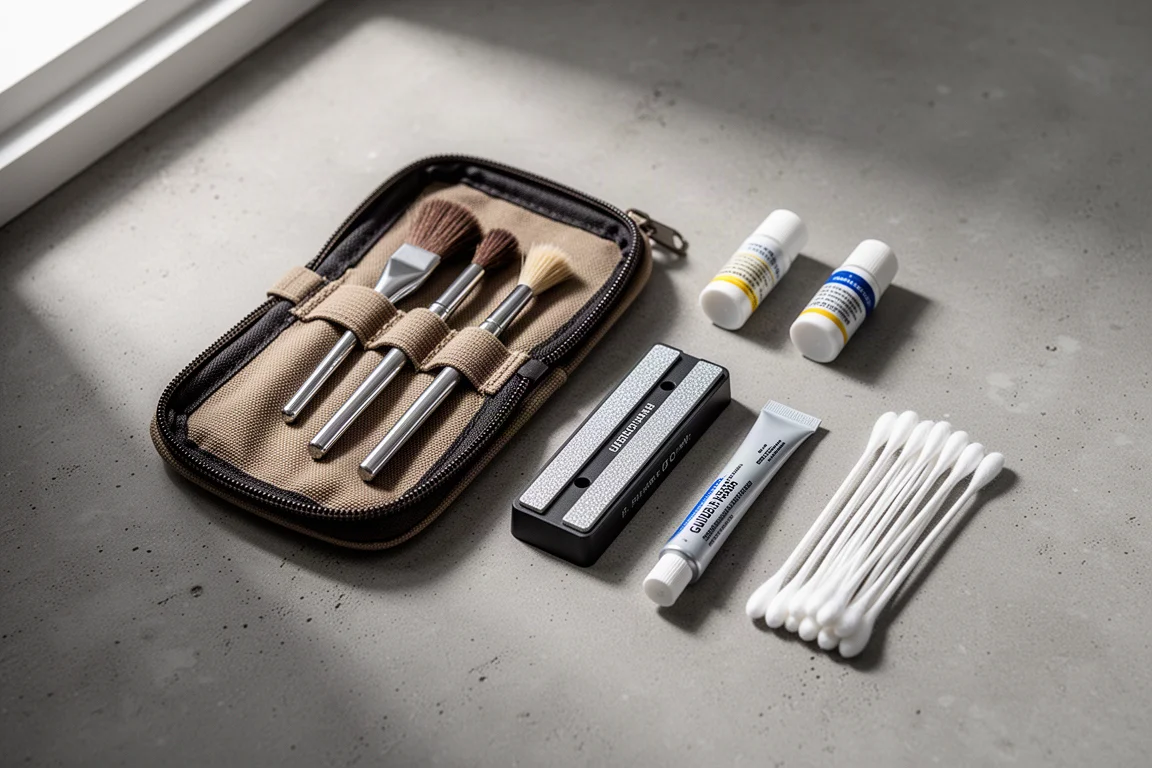
Any good kit starts with something to hold it, and a small case that already includes maintenance tools kills two birds at once. For $12, one option includes six brushes in three bristle types, nylon, brass, and steel, plus two scraping tools for removing stubborn, stuck-on material.
The nylon and brass brushes are the real workhorses: they move hardened gunk without damaging the finish on a multi-tool. The steel brushes are less essential since they can scratch surfaces, so treat them as optional. With the case and tools included, that $12 covers the foundation of the entire kit.

Skip the Pull-Through Sharpener
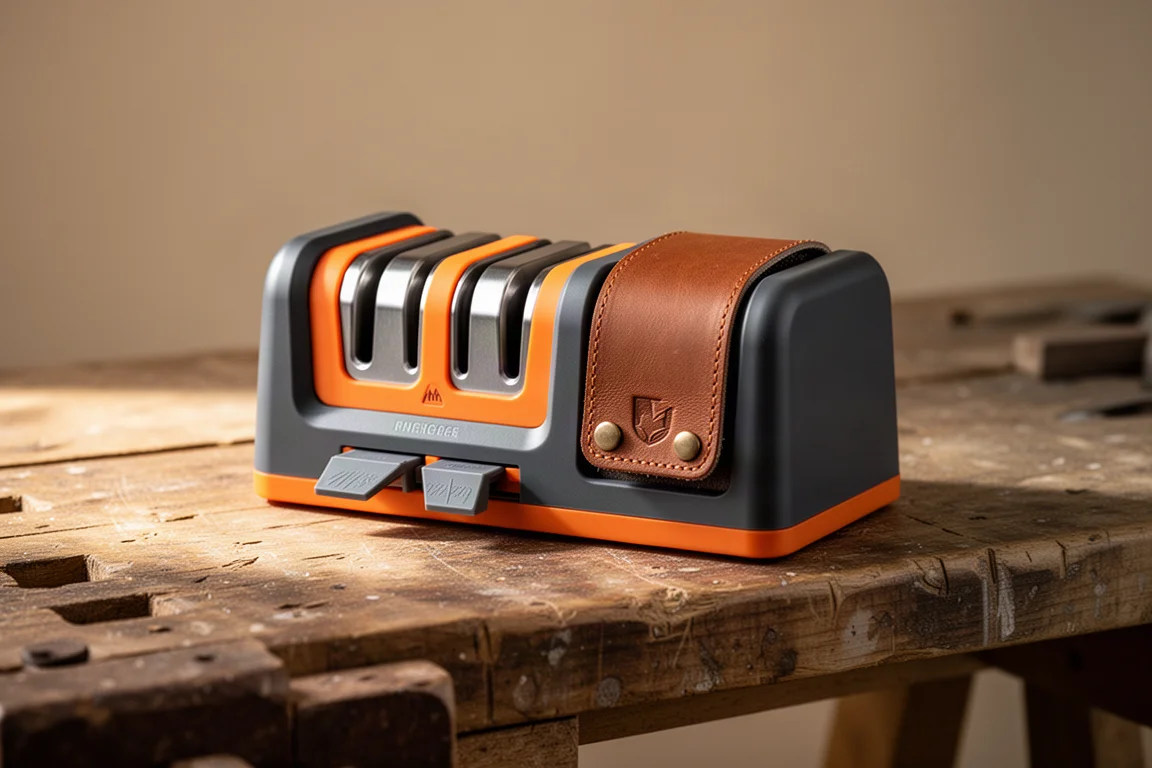
The sharpener in the Leatherman kit is a pull-through, or V-style, sharpener with carbide and ceramic sections and a diamond rod for serrations. It appears to be a rebranded Work Sharp unit, and the brand behind it makes well-regarded diamond and ceramic stones. The problem is the format, not the company: pull-through sharpeners are a fast way to damage a blade. Most people press down into the carbide as they draw the blade through, which leaves uneven cuts in the steel. At around $15, it is not the ideal starting point.
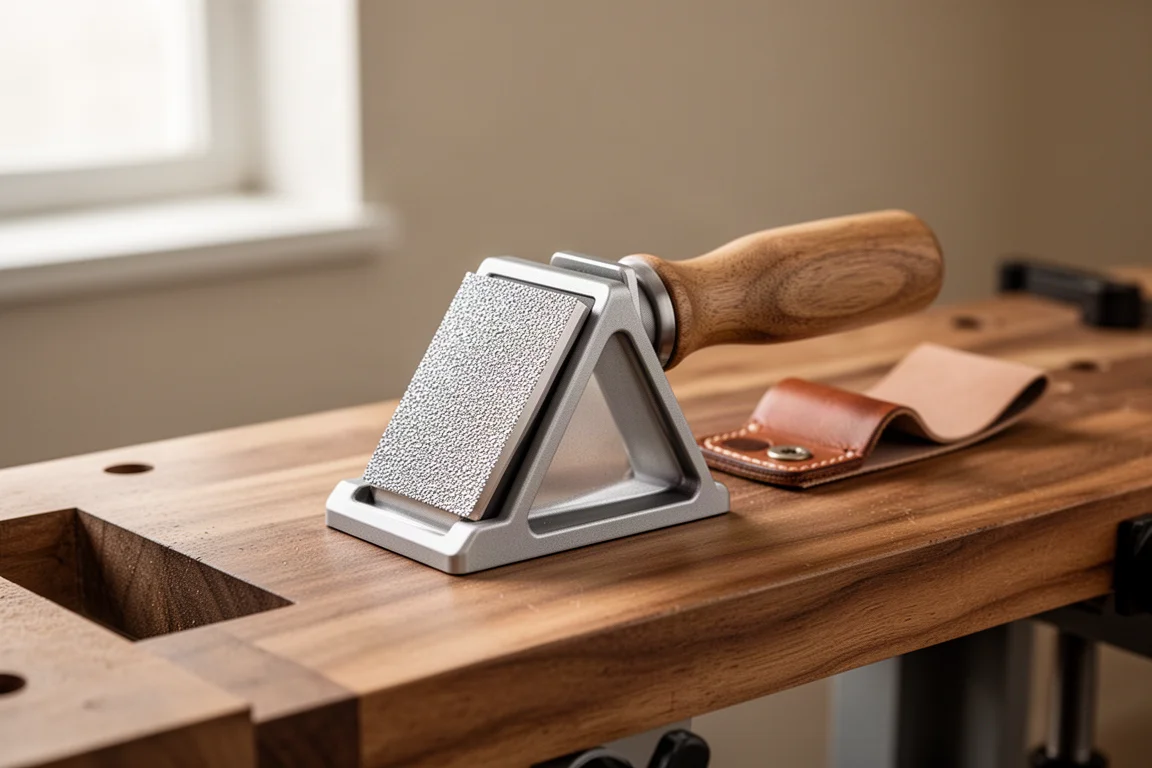
The better choice is the Work Sharp Guided Field Sharpener at $30. Yes, that doubles the sharpener budget, but it more than triples the capability. It sharpens serrations and hooks, includes a replaceable leather strop with built-in compound, and has replaceable diamond plates that can be pulled off and worked into narrow spaces, such as between the teeth of a saw blade. A 20-degree guide on both sides makes it the ideal tool for beginners, and the fine side includes a storage compartment for extras. It is one of the most versatile sharpeners available and easily earns its place as the centerpiece of the kit.
Lubricant You Can Actually Trust
The generic multi-purpose lubricant included in the Leatherman kit is an unknown quantity, possibly without even a label listing its contents. For a tool that cuts food, that matters: some lubricants contain compounds you would not want anywhere near consumables.
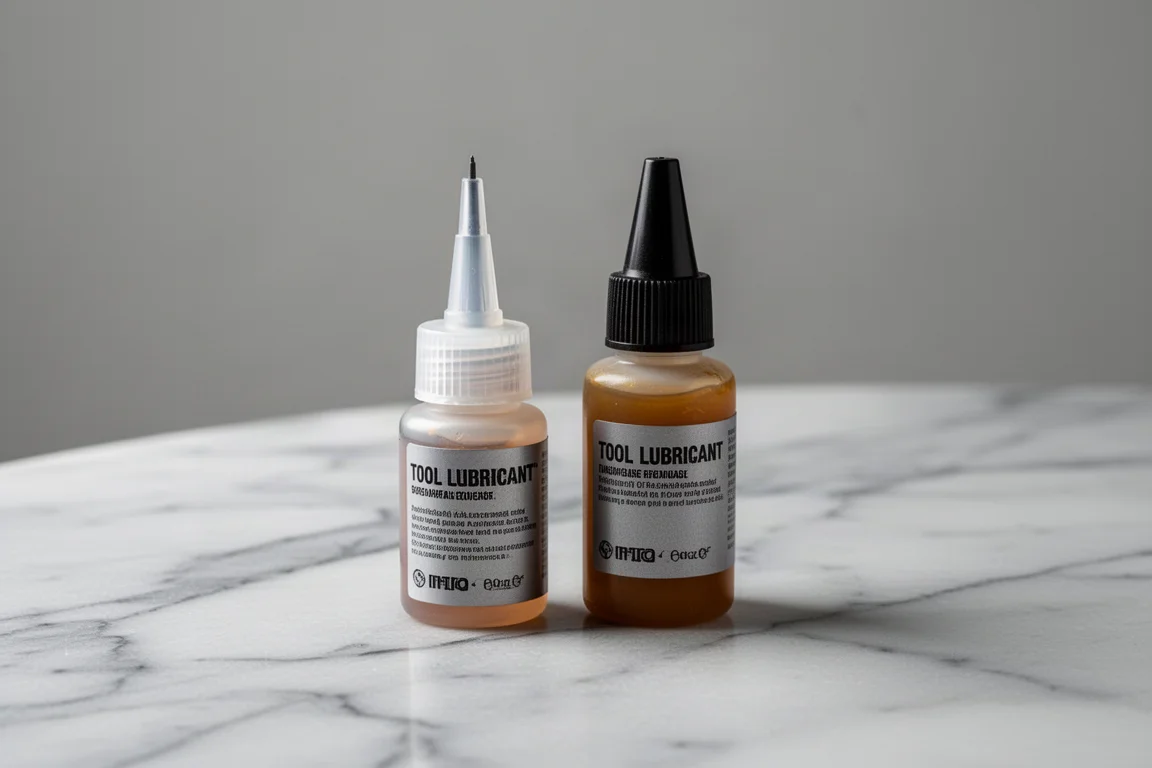
Two certified food-grade options cover both needs at $4 each. A base lubricant with a fine applicator tip soaks into pivots without needing disassembly, while a synthetic grease suits the spots you can actually open up and access directly. Together, the pair costs $8 and brings the running total to $50.
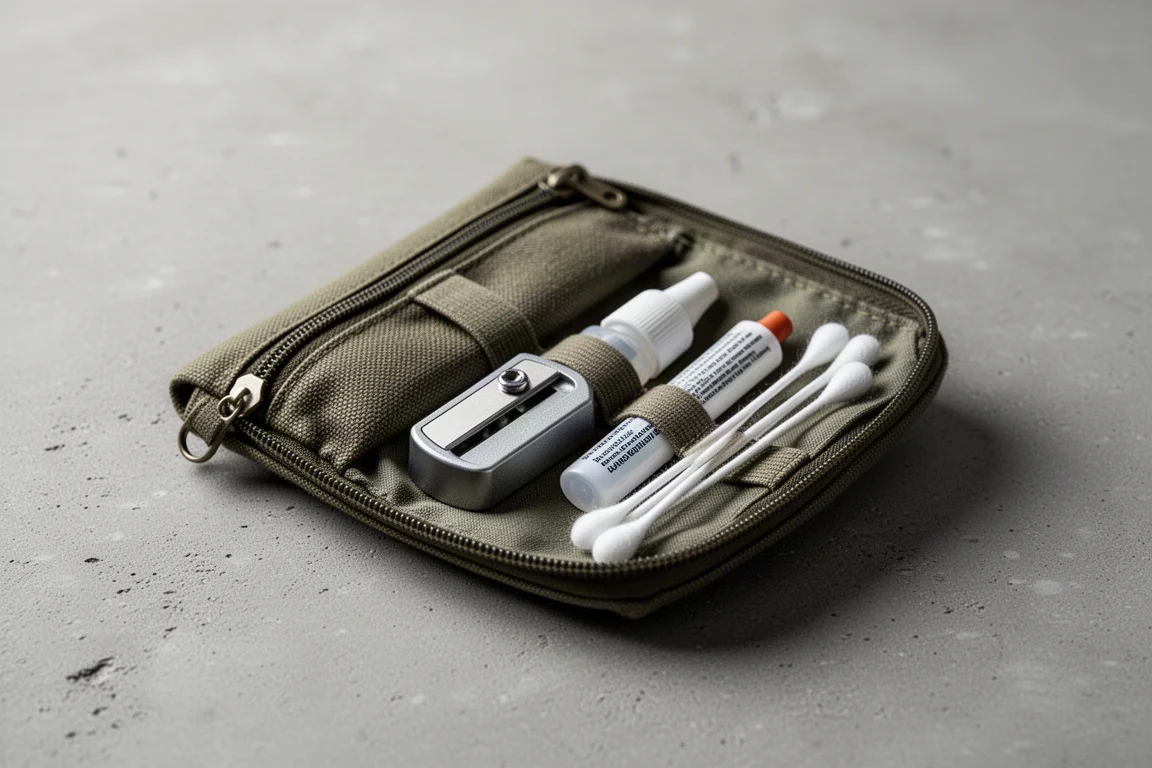
Swabs: Paper Beats Plastic
The Leatherman kit includes a small set of reusable plastic swabs. The intention is good, but in practice swabs gum up quickly and get thrown away, and plastic waste is exactly what you do not want to be generating. Paper swabs biodegrade at the very least.
A pack of 800 costs $9 and includes two tip styles, a fine tip and a bulbous tip, for different cleaning applications. That is likely a lifetime supply for $9, bringing the total to $59.
The Tray and the Rag: Spend Nothing
Two items in the Leatherman kit need no budget at all. The best rag for tool maintenance is a well-worn cotton t-shirt, ideally one that has been washed many times so the loose lint has already rinsed out. The result is a lint-free cloth that costs nothing and works well on tool finishes.

The parts tray is equally simple: use the kit case itself to hold screws while you work. For a small improvement, glue a magnet inside the case so metallic components stay put instead of rolling away. If you already own a work tray, use that. Neither item justifies spending money.
Worth Adding Beyond the Base Kit
With the shirt sacrificed, the lubricants, sharpener, brush kit, and swabs accounted for, the kit sits at $59, ten dollars under the Leatherman price even after doubling the sharpener budget. Two extras push past the $70 ceiling but earn their spot.
First is blue thread locker in stick form, around $13 on its own. A glue-stick format keeps nothing from running where it should not, and blue strength suits most multi-tool applications. One stick lasts a very long time.
Second is a corrosion inhibitor for the internals of the tool itself, where rust collects in the small attachment points that are hard to reach. An option such as CorrosionX performs very well in independent testing, and WD-40 makes a comparable variant that works equally well at a slightly higher price. Applied preemptively, it reduces the rust problems you would otherwise deal with down the line. A cheap L-shaped screwdriver rounds things out if you do not already have one that fits.
Conclusion
The Leatherman maintenance kit is a reasonable concept at a questionable price. For about $59, a self-assembled kit delivers a better sharpener, certified food-grade lubricants, a lifetime supply of swabs, and the same core cleaning tools, with room for thread locker and corrosion protection if you stretch slightly. Every item earns its place, nothing is generic filler, and the total still comes in under $70.
Further reading
Related Reviews

Backpacking Gear
Building a 10 lb Base Weight: An Ultralight Backpacking Gear List
A practical walkthrough of the ultralight pieces behind a 10 lb base weight, from a 765 g pack and a roomy one-person tent to a full camp chair and a dependable water filter.

Road Bikes
10 New Road Bikes Worth Watching: Aero, Titanium, Steel and Endurance Standouts
A practical roundup of 10 new road bikes, from aero flagships chasing single-watt gains to titanium, steel and endurance platforms built for real roads.

Bikepacking Gear
11 Bikepacking Essentials for Long-Distance Cycling
Eleven bikepacking essentials for long-distance cycling, from a steel gravel frame and a two-person tent to helmet lights, packable gloves, and a frame bag that puts weight in the right place.