Automotive Maintenance
Sea Foam Spray Engine Cleaner: Real-World Test Results on a Modern Car Engine
A practical test of Sea Foam intake spray on a 2008 Honda Civic Si reveals measurable carbon removal from pistons and combustion chambers using borescope inspection.
Introduction
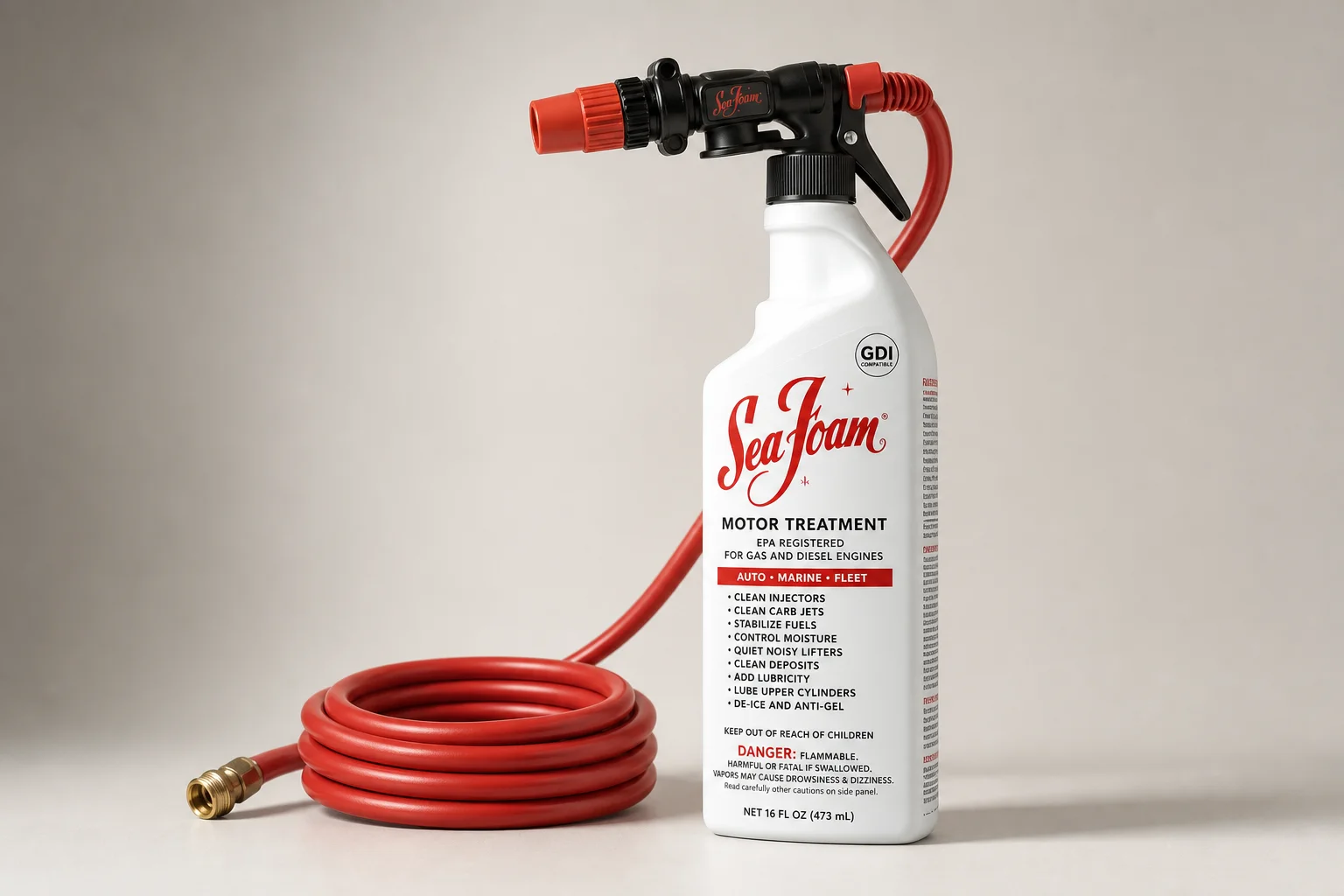
Sea Foam spray is an intake-based engine cleaner designed to remove carbon deposits from combustion chambers and pistons without requiring engine disassembly or vacuum line removal. This test uses borescope camera inspection to document before-and-after results on a 2008 Honda Civic Si with 125,000 miles, providing visual evidence of whether the product delivers measurable cleaning.
How the Test Was Conducted
A borescope camera was inserted through each spark plug hole to photograph the combustion chamber, piston head, and carbon buildup before and after treatment. This method provides undeniable visual documentation of any carbon removal.
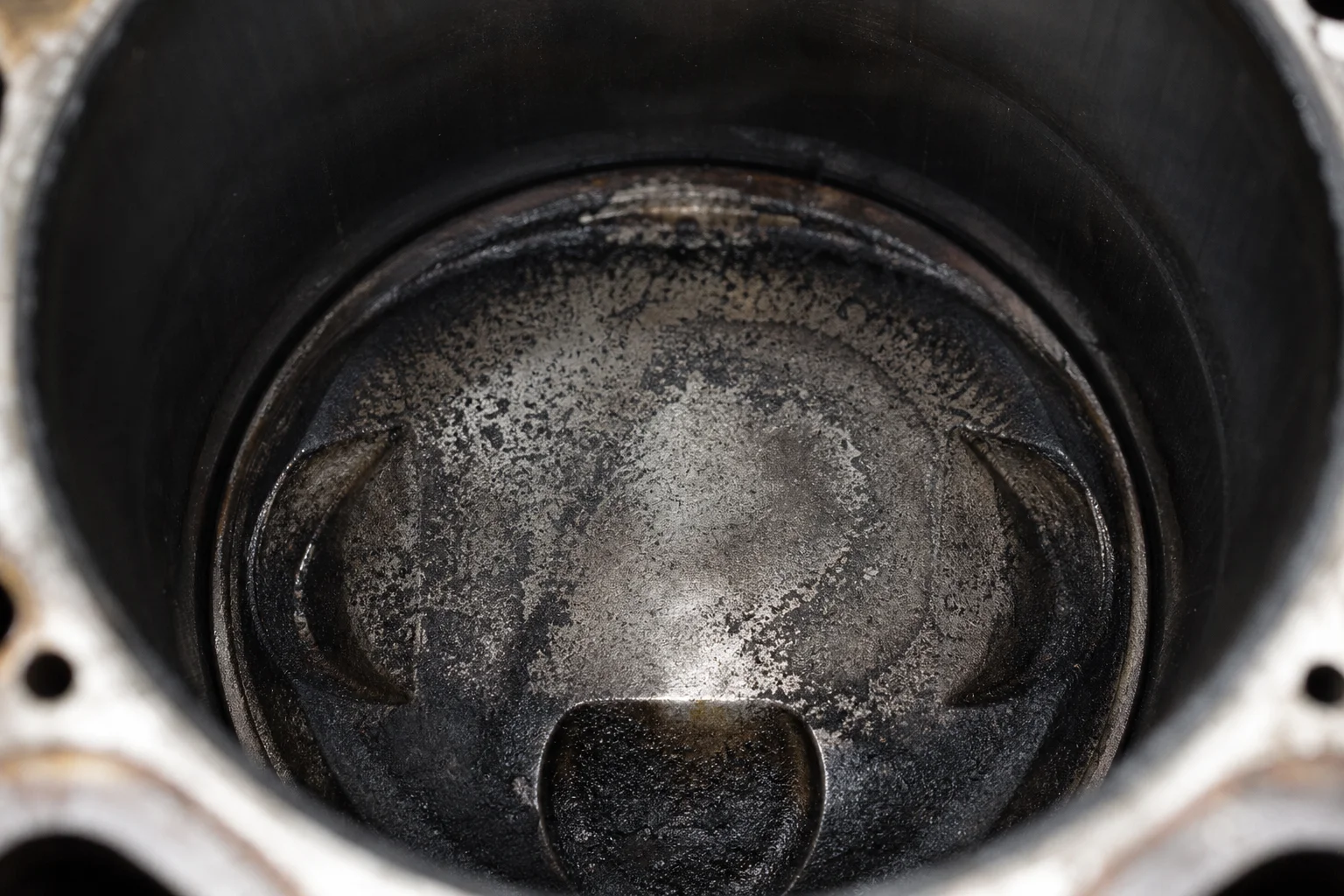
The test engine showed moderate carbon buildup typical of a vehicle with 125,000 miles. Cylinders one through four each displayed carbon deposits around the piston edges and on the top surface of the piston head, with the heaviest accumulation around the outer ring where the piston meets the cylinder wall.
Application Process
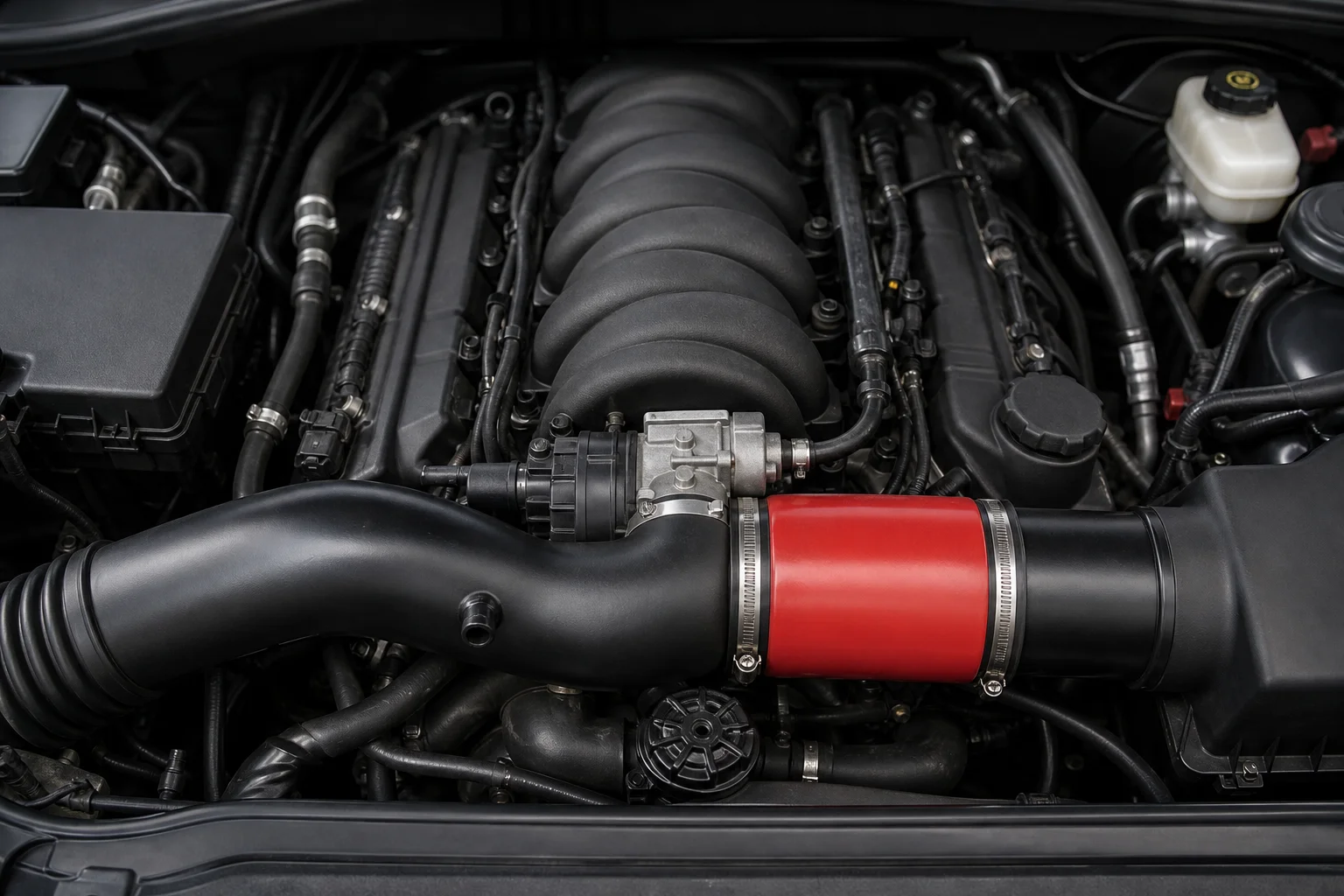
Sea Foam spray comes with a red hose attachment that connects directly to the intake before the throttle body. This design eliminates the risk of hydro-locking the engine and avoids the need to remove vacuum lines.
The application process involves loosening the rubber intake hose clamp, inserting the red tube, retightening the clamp, and then spraying the Sea Foam directly into the intake while the engine runs at 1,500 RPM. The engine must be fully warmed to operating temperature before spraying begins.
The bottle empties in approximately five minutes of continuous spraying. Visible exhaust smoke appears within ten seconds and continues throughout the application. After spraying is complete, the nozzle is removed, the intake hose is retightened, and the engine is allowed to sit for five to ten minutes.

Following the manufacturer’s instructions, the engine is then run aggressively to break up remaining carbon deposits. The test vehicle was driven at highway speeds with multiple hard accelerations to maximize the cleaner’s effect.
Results: Cylinder-by-Cylinder Analysis
Cylinder One
Before treatment, cylinder one showed moderate carbon buildup on the piston edges and top surface. After Sea Foam treatment, the edge of the piston displayed a noticeably shiny, cleaned ring where carbon had been removed. The circled areas in the before-and-after comparison show clear carbon reduction, particularly around the outer edge where the piston meets the cylinder wall.
Cylinder Two
Cylinder two exhibited similar carbon patterns before treatment, with heavy buildup around the piston edges. After treatment, the edge of the piston was visibly cleaned. The bottom right side of the piston head showed significant carbon removal, with the before image displaying heavy dark deposits that were substantially reduced in the after image.
Cylinder Three
The third cylinder followed the same trend. Before treatment, carbon was visible around the piston edges and in the corners of the combustion chamber. After Sea Foam application, the edges of the piston were noticeably cleaner, with the bottom left and bottom right corners showing the most dramatic carbon removal.
Cylinder Four
Cylinder four presented the most interesting result. Before treatment, both sides of the piston displayed substantial hard carbon buildup. After treatment, this hard carbon was almost completely removed from the left and right edges. A light coating appeared on the piston head in the after image, likely from the oil component of the Sea Foam, but the underlying carbon had been cleaned away.
Overall Assessment
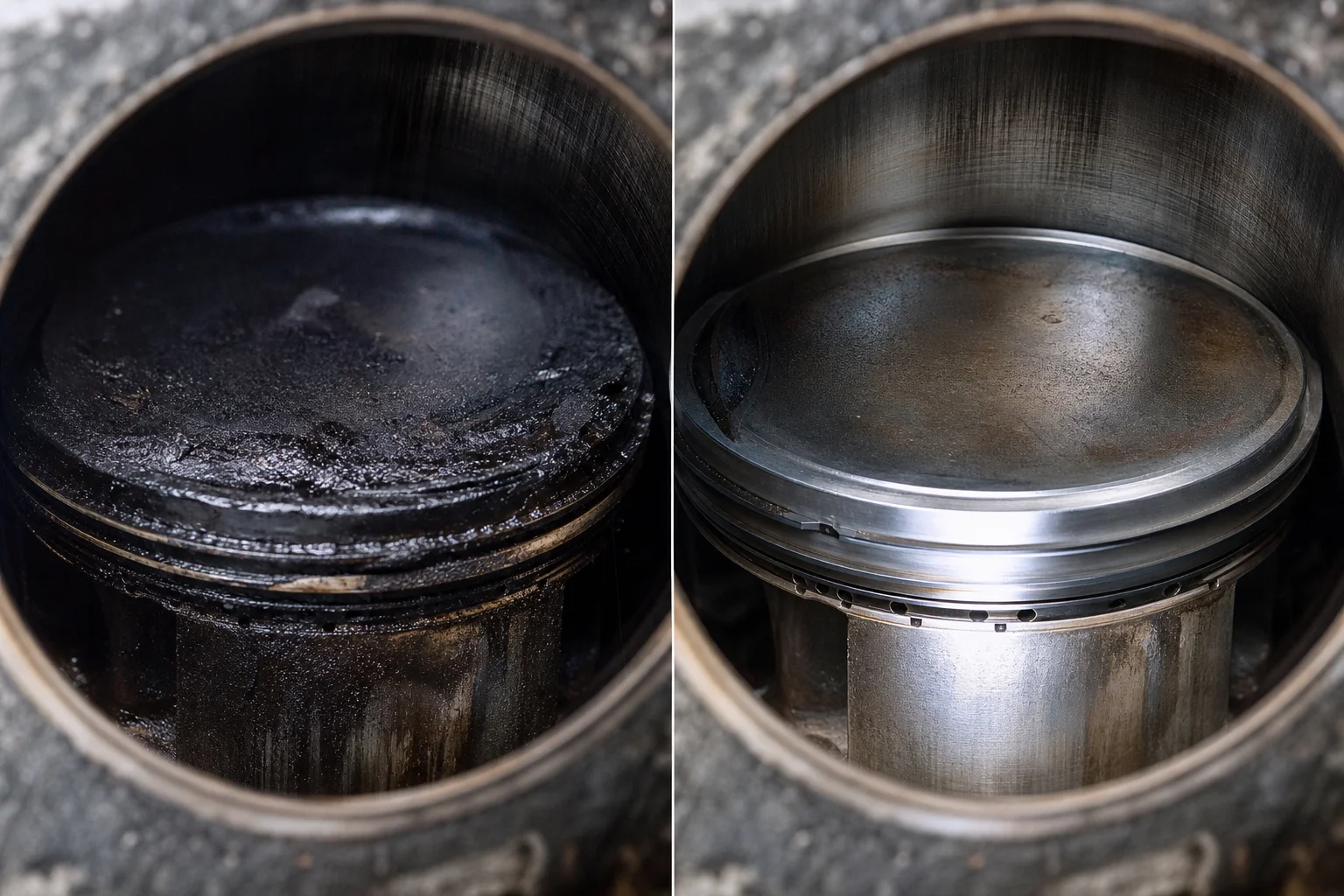
Across all four cylinders, the borescope inspection revealed consistent carbon removal, particularly around the piston edges where carbon deposits can cause friction and wear. The cleaning was most visible at the outer ring of the piston, where the hardest carbon buildup had accumulated.
The spark plugs showed no fouling after treatment, indicating that the Sea Foam did not create combustion problems. The engine ran normally throughout the test with no performance issues.
For a vehicle with 125,000 miles, the results represent a measurable improvement over the baseline condition. The product followed its stated instructions and delivered visible cleaning results in all four cylinders.
Conclusion
Sea Foam spray demonstrates measurable effectiveness in removing carbon deposits from modern engine combustion chambers. The borescope evidence shows consistent carbon reduction across all cylinders, with the most dramatic cleaning visible at the piston edges where deposits had been heaviest. The product is straightforward to apply, requires no engine disassembly, and produces results that are directly observable through visual inspection.
Product link
View more details for Sea Foam Spray
This product is mentioned in the review. Check the specifications, options, and compatibility before buying.
View more details for Sea Foam Spray