Automotive Care
Best Fuel Stabilizers and Headlight Restoration Kits: A 5-Year Long-Term Test
Seven fuel stabilizers and seven headlight restoration kits tested over five years, including corrosion, stale-fuel, and generator running tests plus a full year of UV exposure on restored headlights.
Introduction
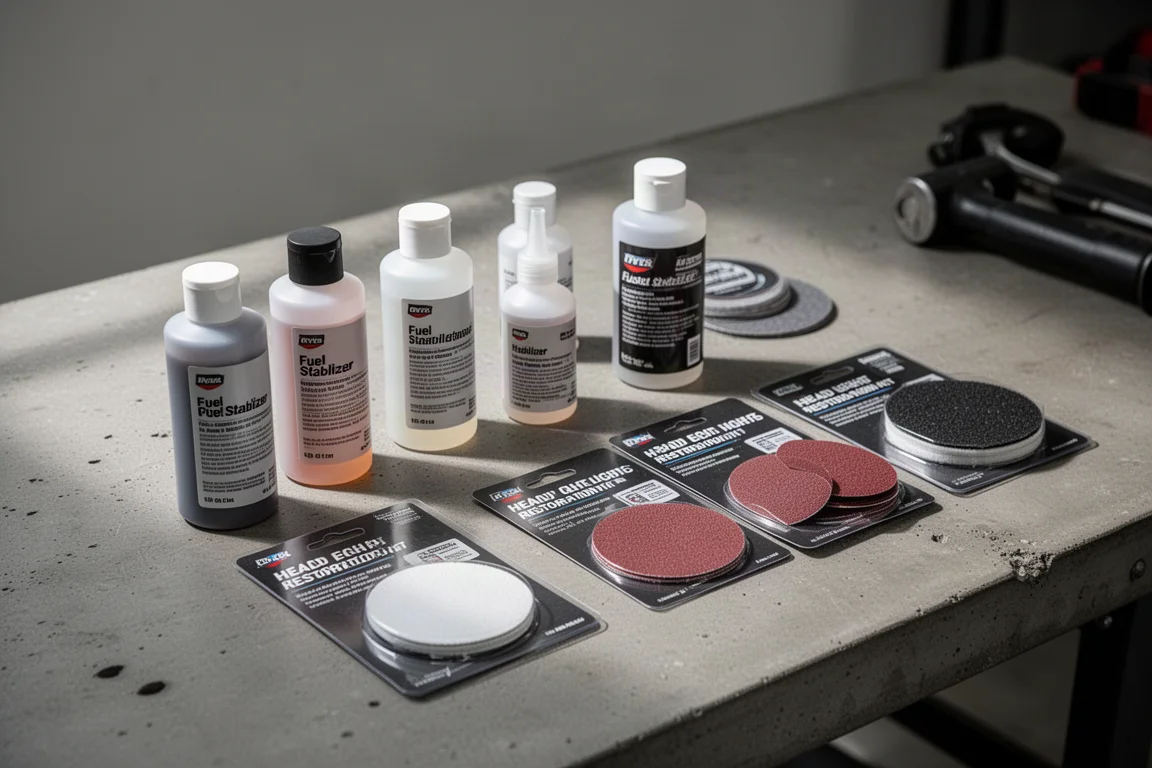
Product testing takes time, and this one took longer than most: fuel stability testing spanned five years across two separate fuel batches, and a set of restored headlights was monitored through a full year of sun and weather. The goal was simple. Find out which fuel stabilizer actually prevents corrosion and keeps fuel usable, and which headlight restoration kit produces a repair that lasts.
Everything here was tested side by side under the same conditions, with untreated ethanol-blended fuel as the baseline. If you store a generator, mower, or seasonal vehicle, or you have hazy headlights, the differences between these products turned out to be significant.
How the Tests Were Set Up
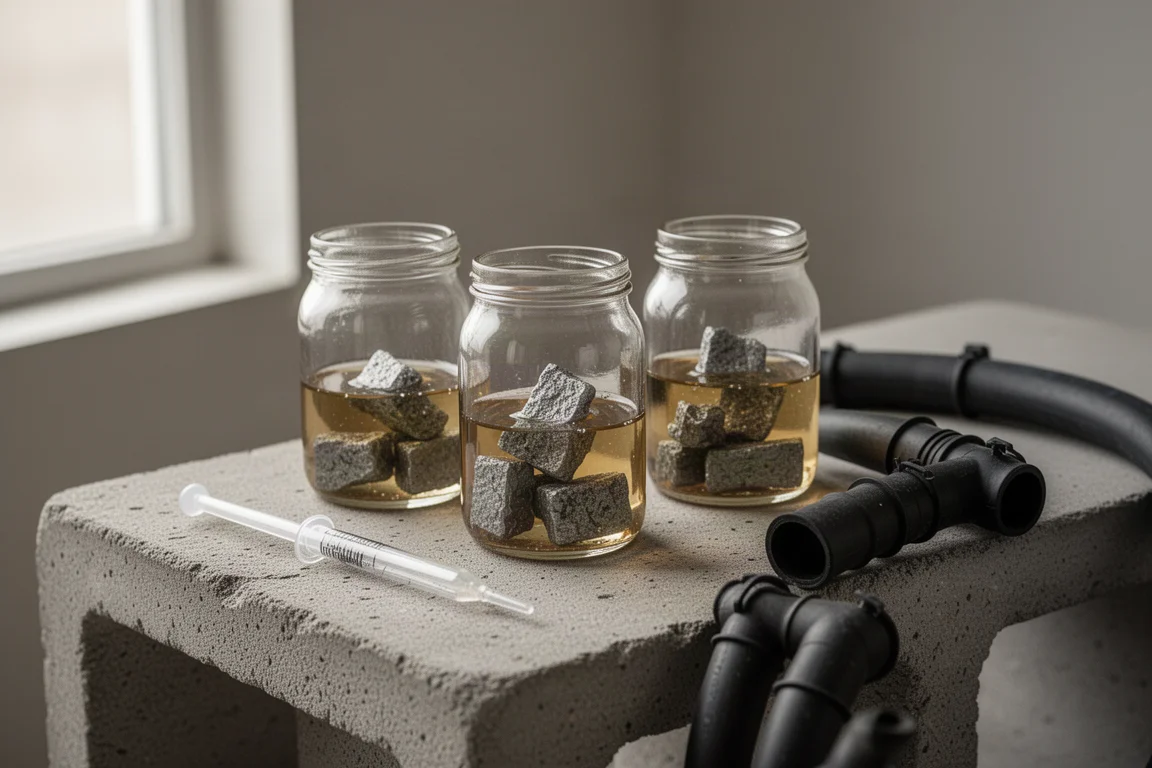
Two long-running fuel tests were underway. The first began three years earlier, using 10% ethanol gasoline treated with each stabilizer, plus a small amount of water added to each container since some products claim to handle water. Each container also held pieces of pot metal, the cheap zinc alloy many carburetors are cast from, and rubber fuel hose sections. Pot metal reacts badly to moisture and long-term exposure to ethanol fuel, which makes it a fair stand-in for a carburetor left sitting with fuel in it.
After three years, most of that first fuel batch had evaporated, so a second batch was stored for 20 months in a climate-controlled space and tested for staleness, including a real running test in a fuel-injected generator.
Corrosion Test Results
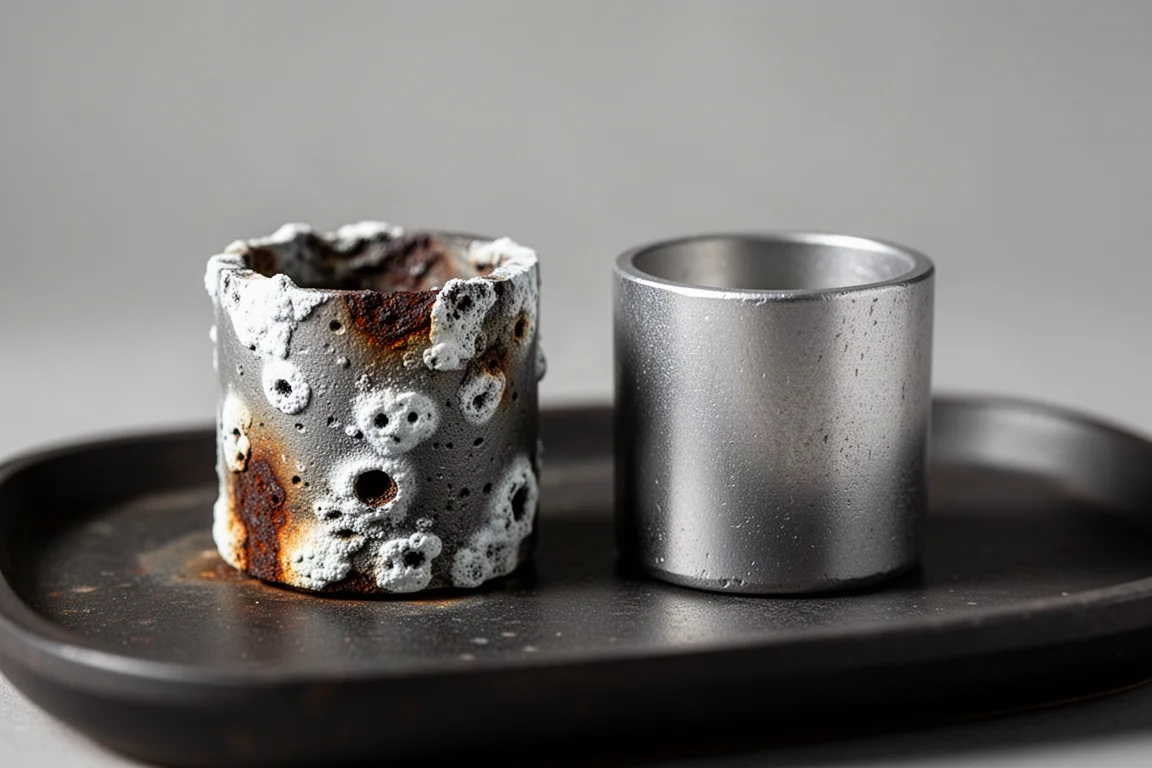
The untreated E10 fuel caused tremendous corrosion to the pot metal, the kind of damage commonly seen when opening carburetors that have sat with ethanol fuel inside. Fresh gasoline, for reference, ignites instantly and burns easily.
Sta-Bil Fuel Stabilizer
At $6 for 8 oz, Sta-Bil claims effectiveness in all ethanol blended fuels and is made in the USA. Its safety data sheet lists roughly 95% hydrotreated light petroleum distillates and 5% isopropylated phenol, so it is not very flammable on its own. In the corrosion test it was the standout performer: the pot metal showed not even a trace of corrosion, dramatically better than the untreated fuel, and it also helped prevent fuel evaporation. The downside is that after three years the treated fuel was not at all flammable.
Star Tron Fuel Treatment
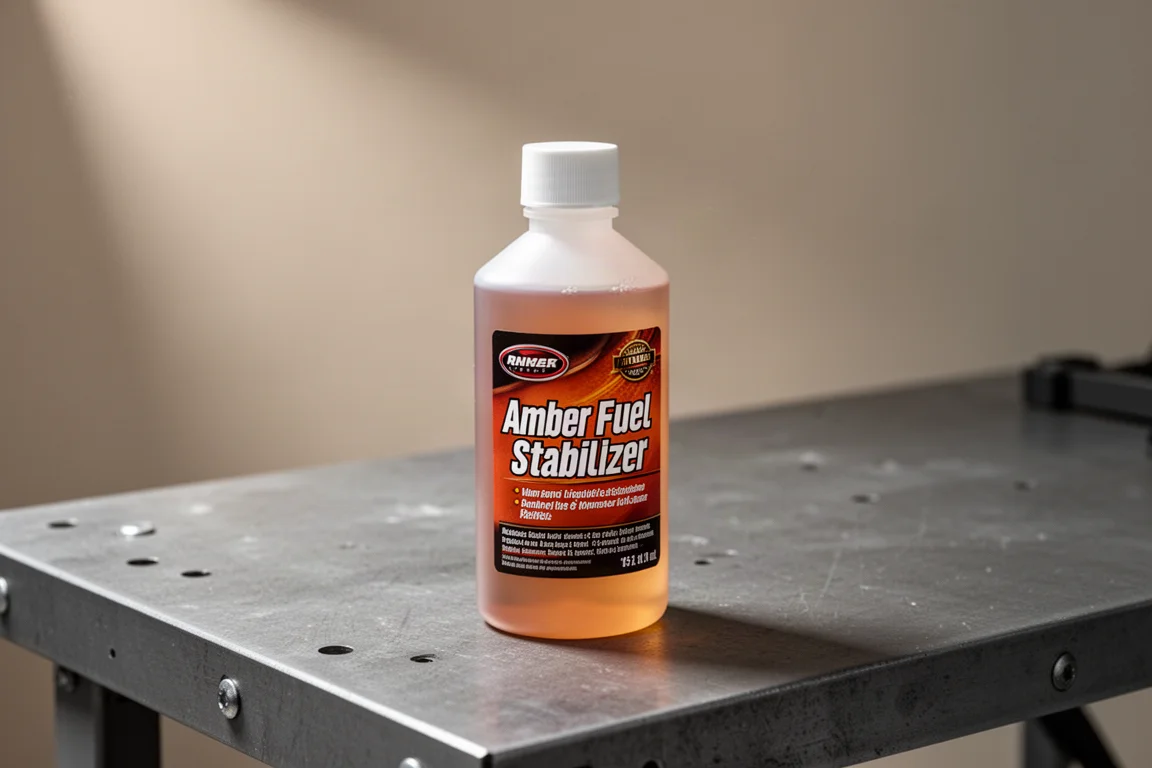
At $7 for 8 oz, Star Tron treats up to 48 gallons of gasoline, works out to less than 10 cents per gallon, and claims to stabilize fuel, improve performance, and clean the fuel system. It is made in the USA and consists of essentially 100% hydrotreated light petroleum distillates. Unfortunately, it did not stop the corrosion in this test: the metal showed pitting and pretty bad damage, a striking contrast with Sta-Bil in the same conditions.
K100 Fuel Stabilizer
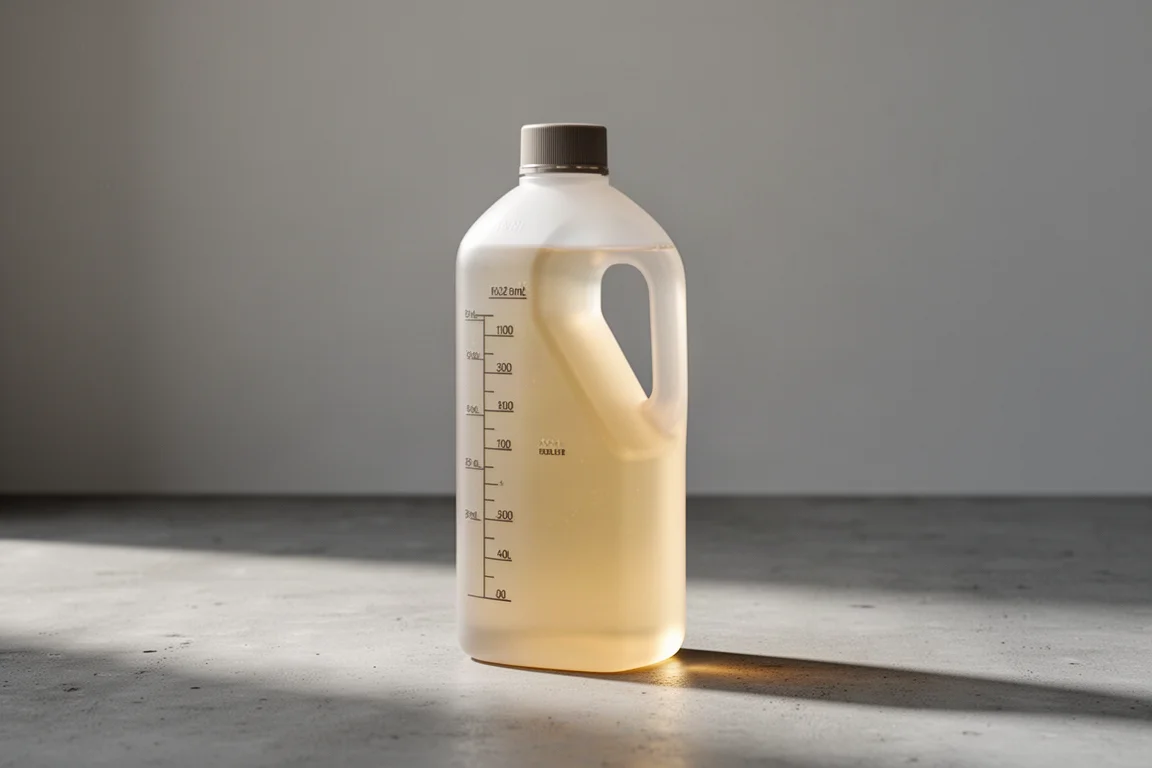
At $12 for 8 oz, K100 claims to treat up to 16 gallons, which works out to 75 cents per gallon, and to stabilize fuel for up to two years. It is made in the USA and contains ethylene glycol plus several alcohol-based ingredients, which made it noticeably more flammable than the petroleum-distillate products. Its corrosion result was mixed: some sludge and a small amount of corrosion on the metal, but far better than Star Tron and clearly better than untreated fuel.
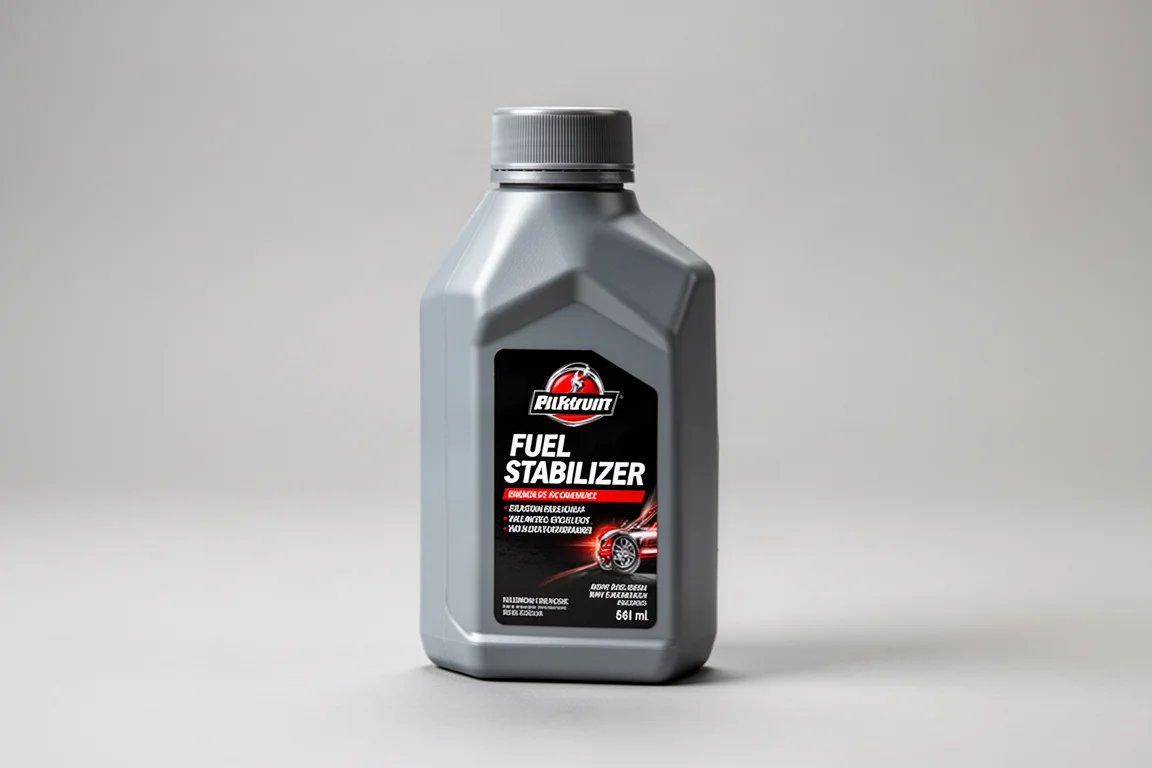
SeaFoam
At $10 for 16 oz, SeaFoam is made in the USA and contains petroleum distillates, a hydrocarbon-based solvent, and alcohol. It is a genuinely useful product for certain jobs, but as a stabilizer it did not prevent the water-contaminated E10 fuel from causing tremendous corrosion, leaving plenty of nasty-looking deposits on the metal.
Marvel Mystery Oil
At $14 for 32 oz, Marvel Mystery Oil does not actually claim to be a fuel stabilizer, though it claims to improve compression, power, and MPG. Its formula includes hydrotreated light petroleum distillates, phosphoric acid, and a couple of dichlorobenzenes. As expected from a non-stabilizer, the metal showed plenty of corrosion, though it still looked better than the SeaFoam sample.
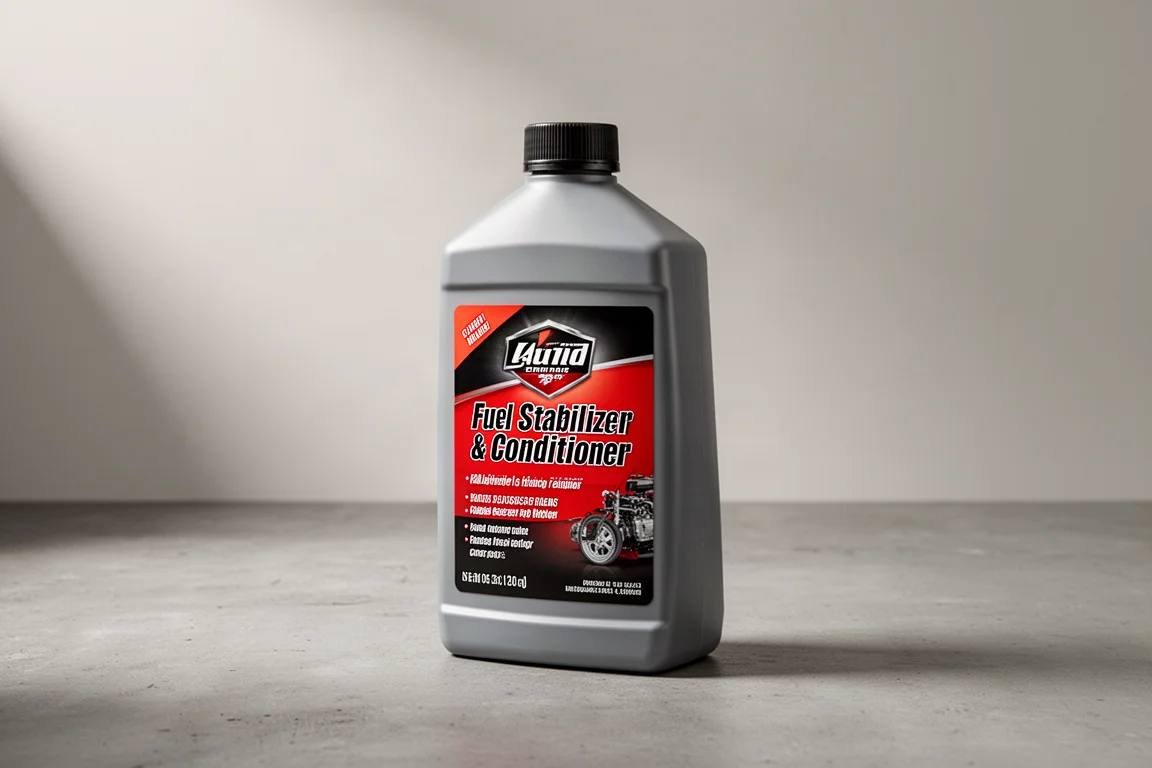
Yamalube Fuel Stabilizer and Conditioner Plus
At $20 for 32 oz, Yamalube is about 99.9% petroleum distillates. The treated fuel turned very dark, almost the color of used motor oil, and the metal experienced some corrosion, though less than the untreated fuel. A 40:1 gas and two-stroke oil premix was also tested as a control, and the two-stroke oil did nothing to prevent corrosion.
On a one-to-five corrosion scale with one being best, Sta-Bil earned the top rating of one and K100 took second with a rating of two.
Rubber Hose Test
Ethanol is a polar solvent that can extract plasticizers and oils from rubber, so rubber fuel hoses sat in each treated fuel for the same long period and were then measured with a durometer. Untreated E10 left the hose at a hardness of 52.5, and SeaFoam, Marvel Mystery Oil, and the premix all matched that. Star Tron measured slightly harder at 55.5, K100 slightly softer at 51, and Yamalube at 52. Sta-Bil came out on top with the softest, best-preserved hose at 48.5. None of the products dramatically changed rubber hardness, but Sta-Bil preserved it best.
Stale Fuel Test: 20 Months Later
The second fuel batch spent 20 months in climate-controlled storage before flammability testing with a fresh pipette for each sample. Untreated E10 was very stale. Star Tron, which claims to stabilize and rejuvenate stale fuel, could not keep it fresh and would not light. Sta-Bil’s fuel was stale too, but it was beginning to ignite, the best result of the batch. The premix, K100, Marvel Mystery Oil, SeaFoam, and Yamalube fuels all failed to light.
The honest conclusion: none of the stabilizers kept fuel fully fresh after 20 months, even in controlled storage. On a one-to-five scale with one indicating excellent flammability, Sta-Bil scored 4.5 and everything else scored 5.
Generator Test: Running on 20-Month-Old Fuel
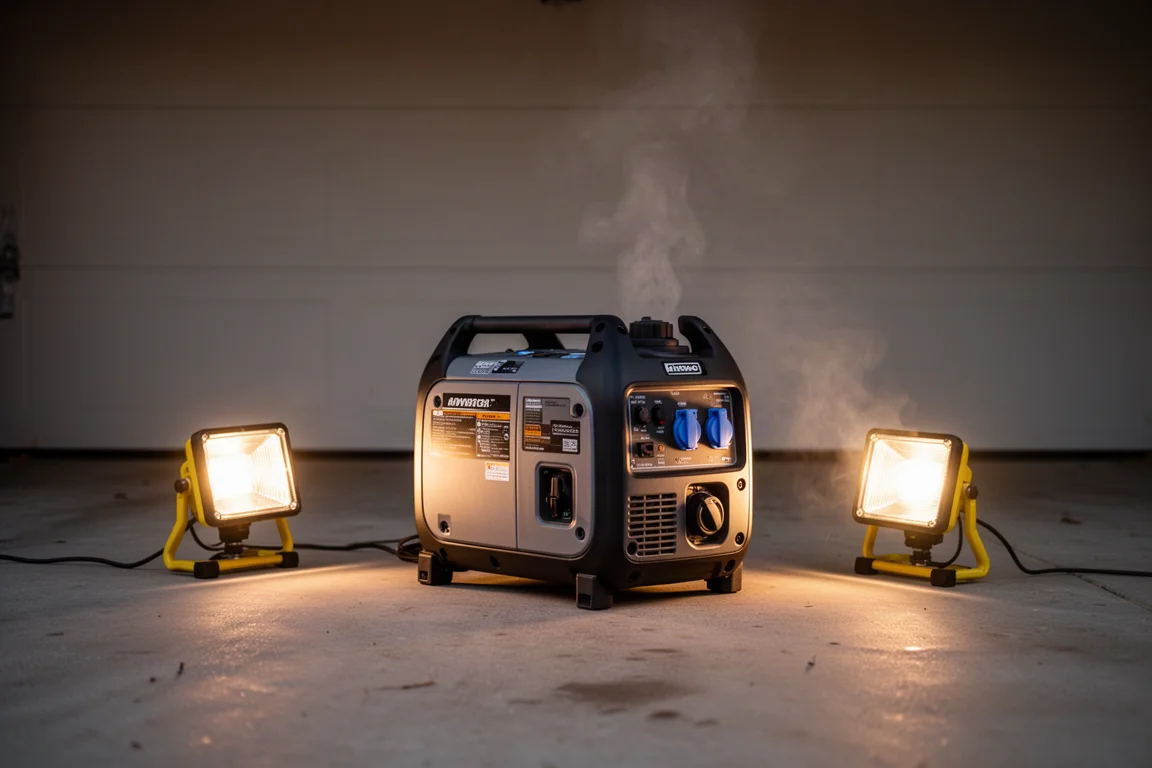
A fuel-injected generator was run on each 20-month-old fuel in turn, with a fresh spark plug and a cool-down plus fresh-fuel flush between tests. Untreated E10 required starting fluid help and heavy carbon buildup on the plug. SeaFoam’s fuel needed 21 shots of starting fluid before the engine could burn it, with lots of smoke and carbon. Star Tron was the surprise winner here: the generator fired up in about 2.5 seconds with no starting fluid, ran the smoothest, and left the plug clean.
Sta-Bil matched that with a 2.5-second start, a smooth run, and a plug that looked almost as good as new. K100 needed a touch of ether to start but then ran without help and left a very clean plug. Yamalube needed a small shot of starting fluid, and Marvel Mystery Oil required ether assistance and produced heavy carbon. The premix, saved for last, started with help, ran rough, belched two-stroke smoke, and left lots of carbon as expected.
On the generator, Sta-Bil and Star Tron tied for best with a rating of three, and K100 finished third at 3.5.
Headlight Restoration Kits: A Year Later
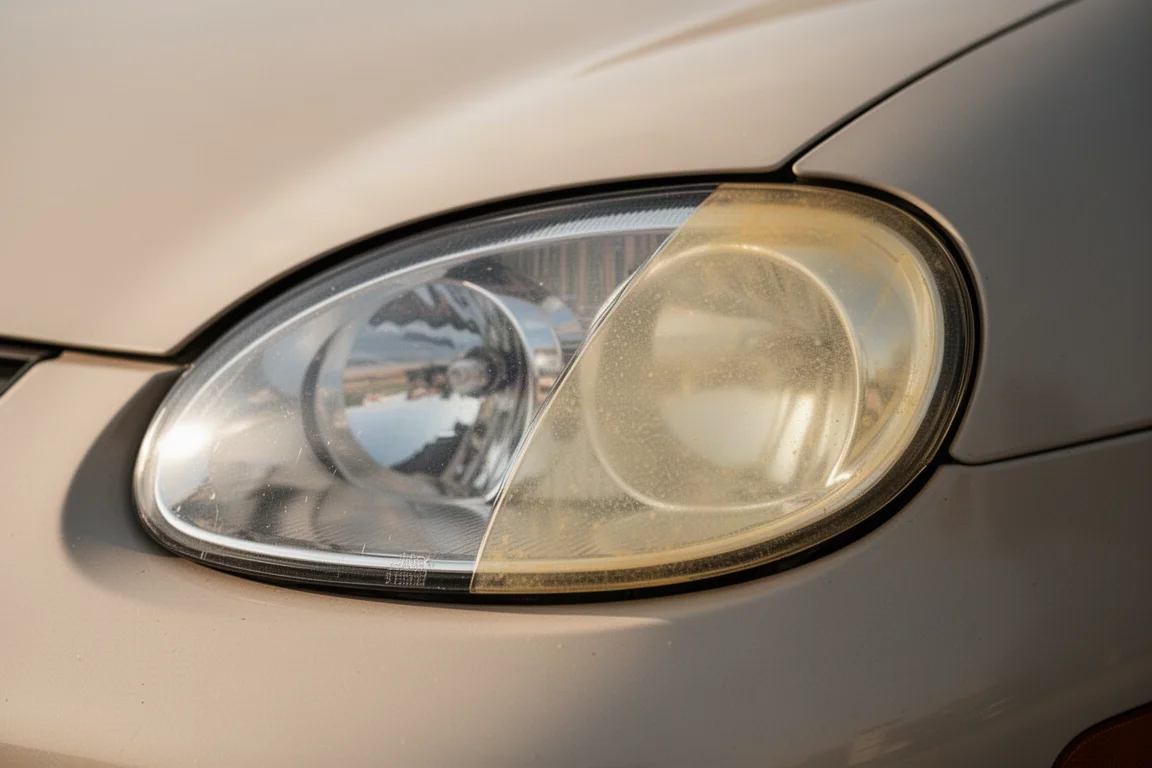
Separately, seven headlight restoration kits were used on badly oxidized polycarbonate lenses, and those headlights then endured a full year of UV exposure before being judged. Every kit except the 3M included some form of protective coating, and that single difference turned out to decide the rankings.
Rust-Oleum Headlight Restoration Kit
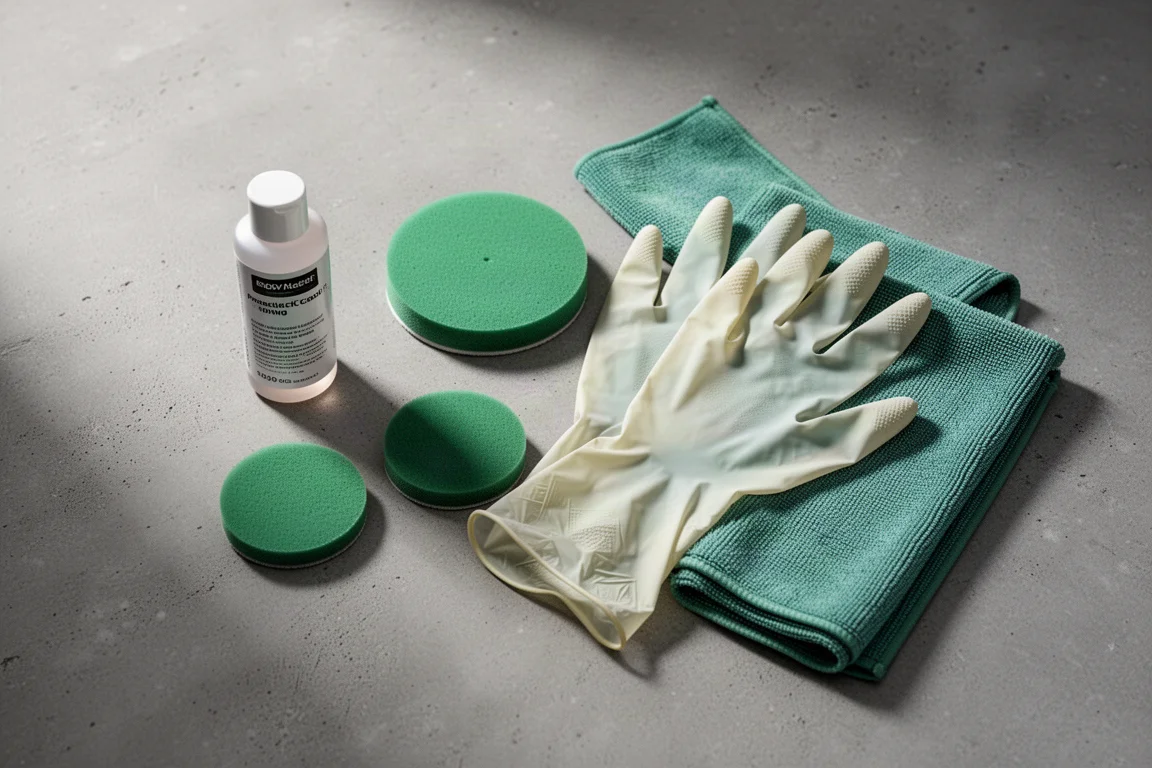
The least expensive kit in the lineup, the Rust-Oleum includes a precision wipe, professional lens polishing pads, nitrile gloves, and a microfiber towel. The polishing pad was used up before the oxidation was fully removed, and the whole process took about 11 minutes. It originally finished fifth: the protective coating never seemed as smooth or transparent as some rivals. A year later, the lens looks ready to be restored again.
Armor All Headlight Restoration Kit
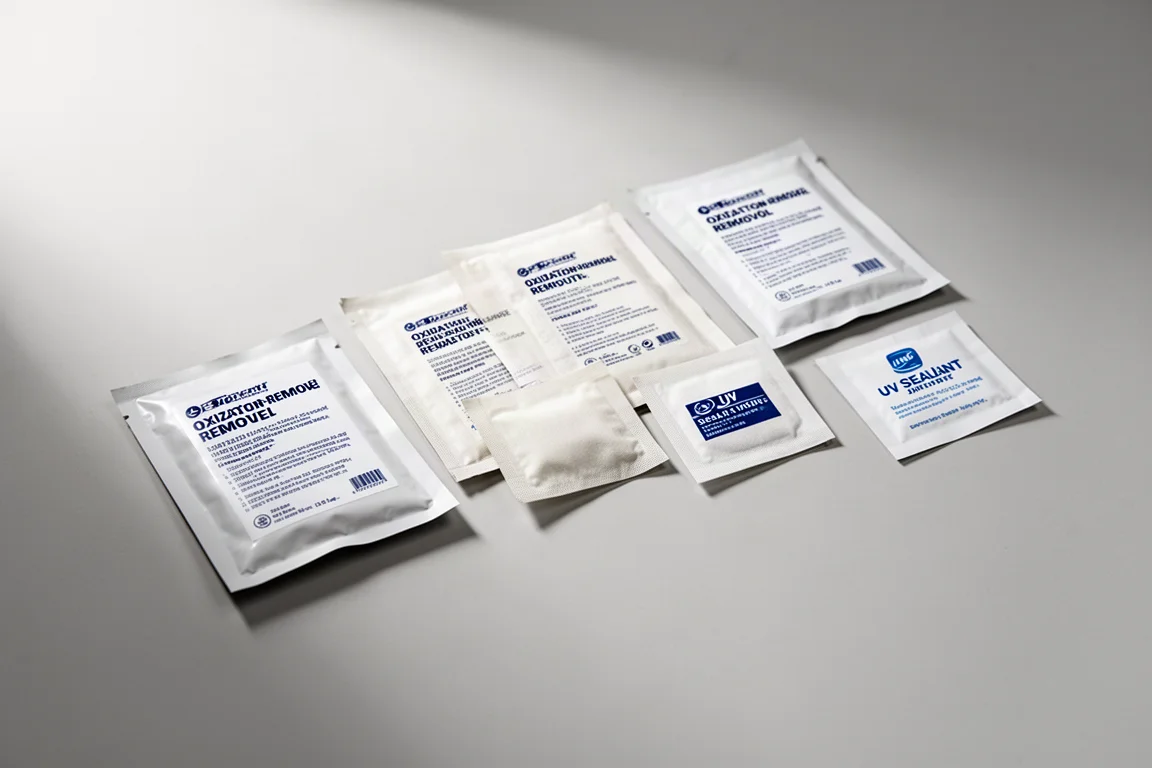
Armor All ships four wipes for step one and two for step two, with a UV sealant in step two. Two oxidation-removal wipes were used for about five minutes, but the wipes could not cut away the oxidized polycarbonate. Any kit without sandpaper or a real abrasive will struggle on badly damaged lenses. The top coat reduced the appearance of oxidation at first, but after a year it was worn away and the headlight was back in bad shape.
3M Headlight Restoration Kit
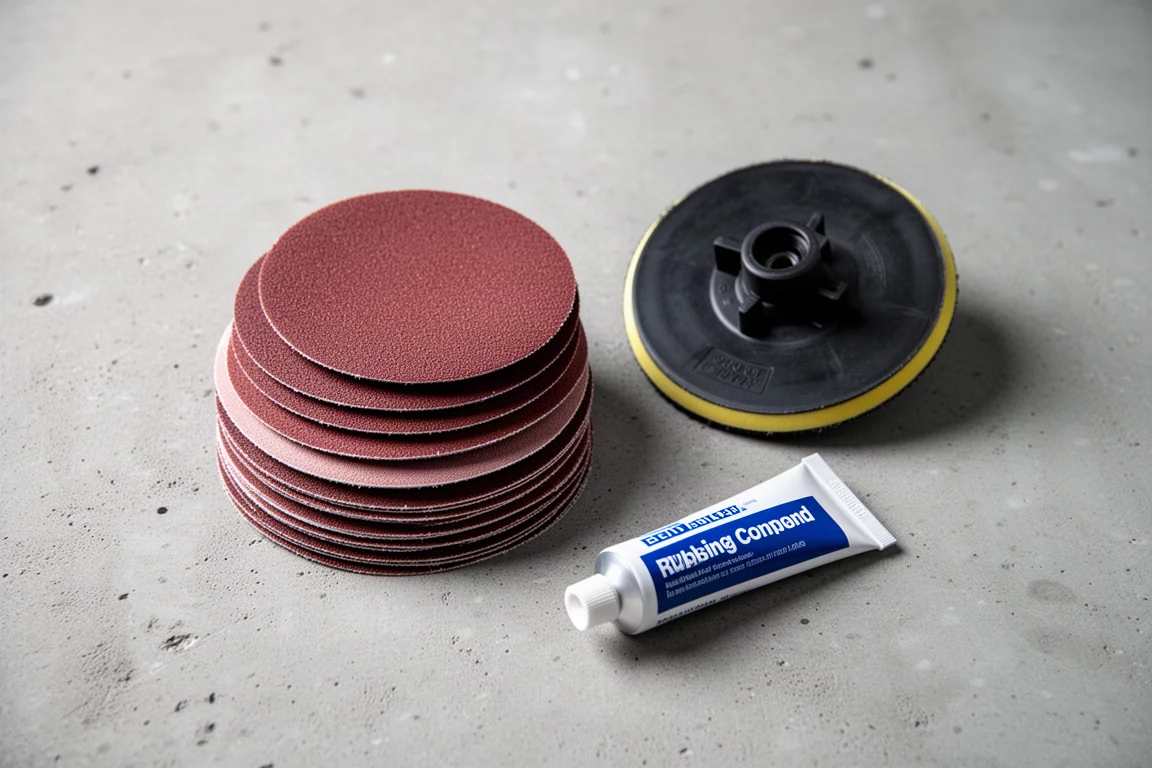
The 3M kit includes a very nice assortment of sandpaper, a disc pad holder, and rubbing compound, and it requires a drill. Multiple grits of sandpaper did a fantastic job cutting away oxidation in about 10 minutes total, finishing with rubbing compound for a smooth surface. It tied for third place originally, and the restoration itself was excellent. The catch: this kit did not include a protective coating, so the freshly restored polycarbonate re-oxidized and now needs restoring again.
Cerakote Headlight Restoration Kit
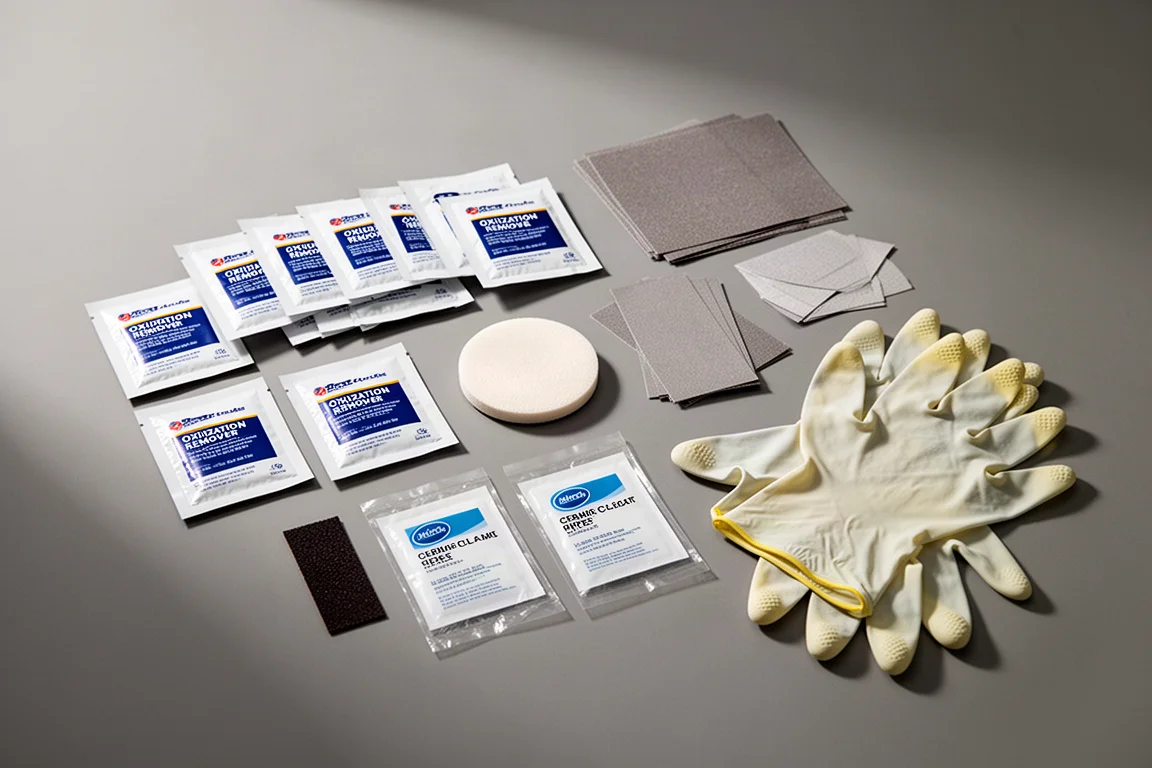
The Cerakote kit is generous: eight oxidation remover wipes, a surface prep pad, several sandpaper types, two ceramic clear coat wipes, and four pairs of gloves. The full process, including a 3-minute scrub and sanding, took about 15 minutes. It finished second in the original comparison with a notably clear finish, and a year later it still looks pretty good. It could use another restoration, but the ceramic coating clearly slowed the oxidation down.
Rain-X Headlight Restoration Kit
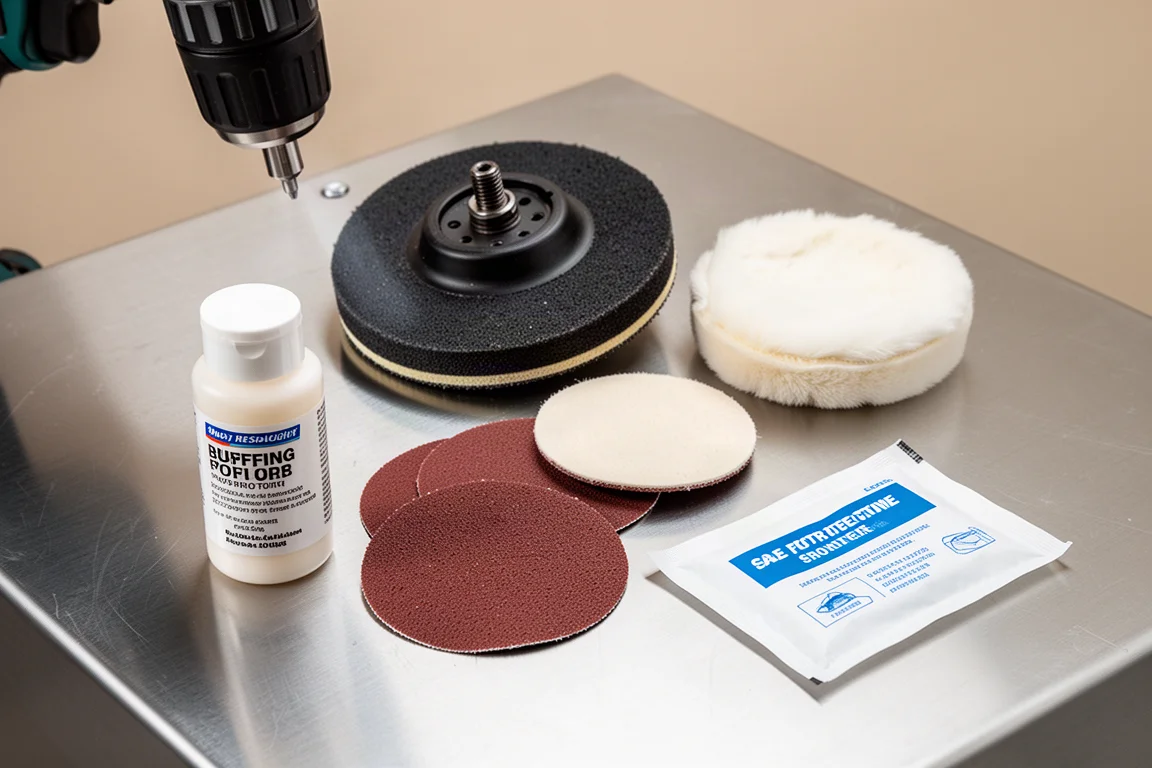
Rain-X includes a drill attachment, sanding discs, a premium polishing pad, buffing polish, and protective wipes. With a drill, the yellowed coating was removed and the lens polished and sealed in about 9 minutes. It tied with 3M for third place a year ago, and the coating helped it look good at the time. Unfortunately the coating did not last, and after a year it is hard to tell which side of the lens was restored.
Meguiar’s Headlight Restoration Kit
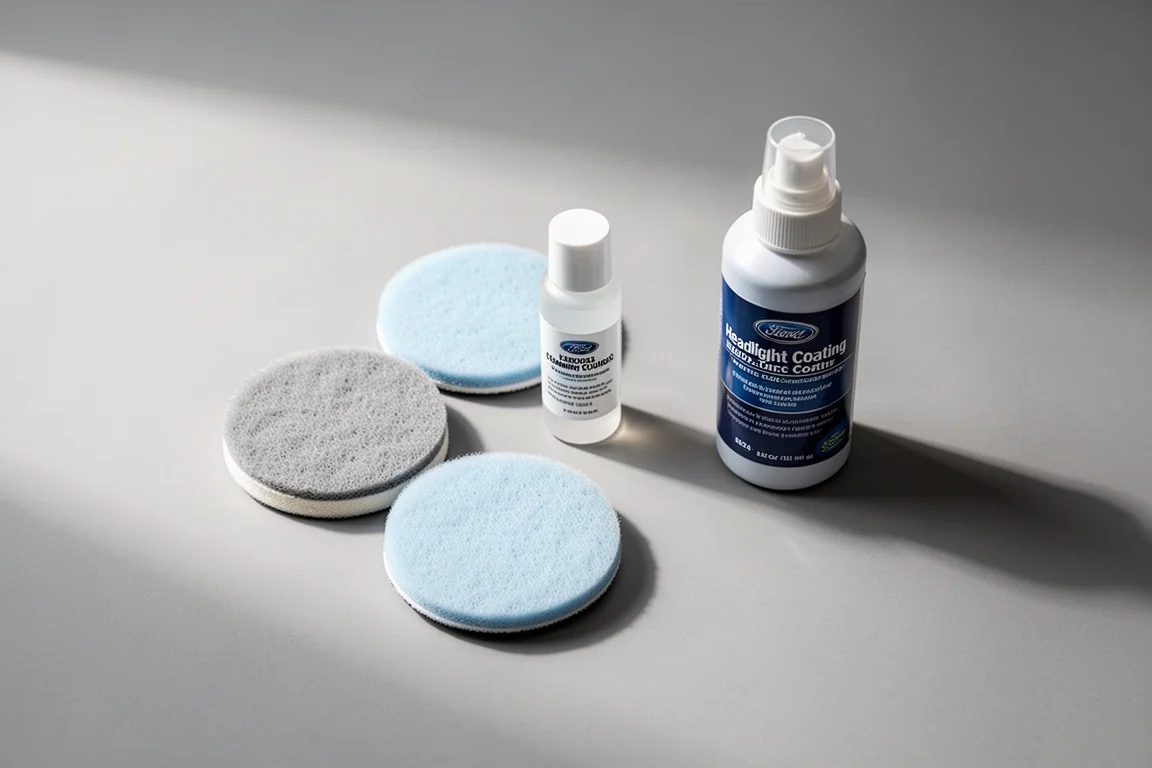
Meguiar’s includes cleaning pads, a cleaning solution, and a headlight coating applied in two coats. The problem was cutting power: the kit lacked an abrasive strong enough to remove all the existing oxidation, and it finished seventh in the original test. A year later, it is hard to tell which side of the headlight was restored at all.
Sylvania Headlight Restoration Kit
Sylvania packs drying towels, purifying compound, surface activator, sandpaper, and a UV block clear coat. The process takes longer than most, roughly 21 minutes, with a 30-second surface activator soak, wet sanding, clarifying compound, and a final UV-blocking clear coat. It won the original comparison, and a year later it still looks good next to the unrestored side. The UV protective coating is what held it together.
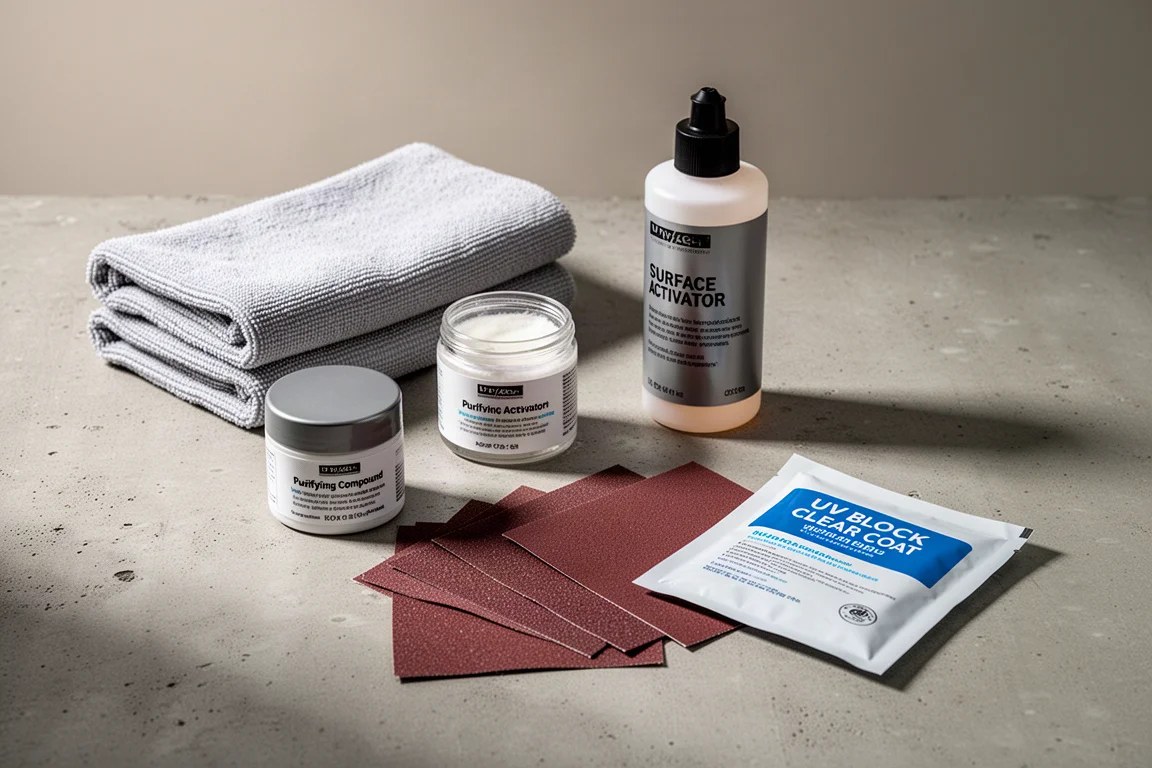
Headlight Restoration Rankings After One Year
After a year of sunlight and weather, the rankings settled like this: seventh, Meguiar’s; sixth, Rain-X; fifth, Rust-Oleum, marginally better than Rain-X; fourth, Armor All, better than the unrestored side but still needing another restoration; third, 3M, let down by the missing protective coating; second, Cerakote, whose ceramic coating did a good job of slowing oxidation; and first, Sylvania, which held up best thanks to its UV-blocking clear coat.
The takeaway is clear: a good abrasive stage matters for the initial clarity, but the protective coating determines whether the repair survives a year. Cerakote and Sylvania both performed well, with a small advantage to Sylvania.
Buying Advice
For fuel stabilizers, none of the products kept fuel truly fresh for 20 months, so storing fuel for very long periods is risky no matter what you add. But if you pick just one, Sta-Bil is the easy call: it is the most affordable option in the group, it delivered the best corrosion protection by a wide margin, it preserved rubber hoses best, and it performed at or near the top in the generator test. Using a stabilizer when storing fuel is absolutely worthwhile; just do not expect it to keep fuel fresh indefinitely.
For headlights, choose a kit with both a real abrasive and a durable protective coating. Sylvania is the safest pick for a lasting result, with Cerakote a close second. Abrasive-only options like the 3M give beautiful short-term clarity but no lasting repair.
Conclusion
Five years of testing narrowed a crowded field quickly. Sta-Bil is the fuel stabilizer to buy, and Sylvania is the headlight restoration kit whose results still held up a year later. Neither will work miracles on fuel freshness or oxidized plastic forever, but both earned their places the slow, honest way: through time.
Further reading
Related Reviews
Automotive Care
SeaFoam Top Engine Cleaner and Lube Review: A Simple Intake Clean That Delivered Noticeable Results
We followed the directions word for word on a first-gen Tacoma SR5 to see whether this popular cleaner and lube actually makes a difference at the throttle body.

Backpacking Gear
Building a 10 lb Base Weight: An Ultralight Backpacking Gear List
A practical walkthrough of the ultralight pieces behind a 10 lb base weight, from a 765 g pack and a roomy one-person tent to a full camp chair and a dependable water filter.
Road Bikes
10 New Road Bikes Worth Watching: Aero, Titanium, Steel and Endurance Standouts
A practical roundup of 10 new road bikes, from aero flagships chasing single-watt gains to titanium, steel and endurance platforms built for real roads.