Sleeping Pads
Sea to Summit Ultralight XR Sleeping Pad Review: Light, Warm, and Genuinely Comfortable
A three-season backpacking pad with a modest 3.6 R value that still delivered real warmth at 30°F, plus the valve placement detail worth knowing before you buy.
Introduction
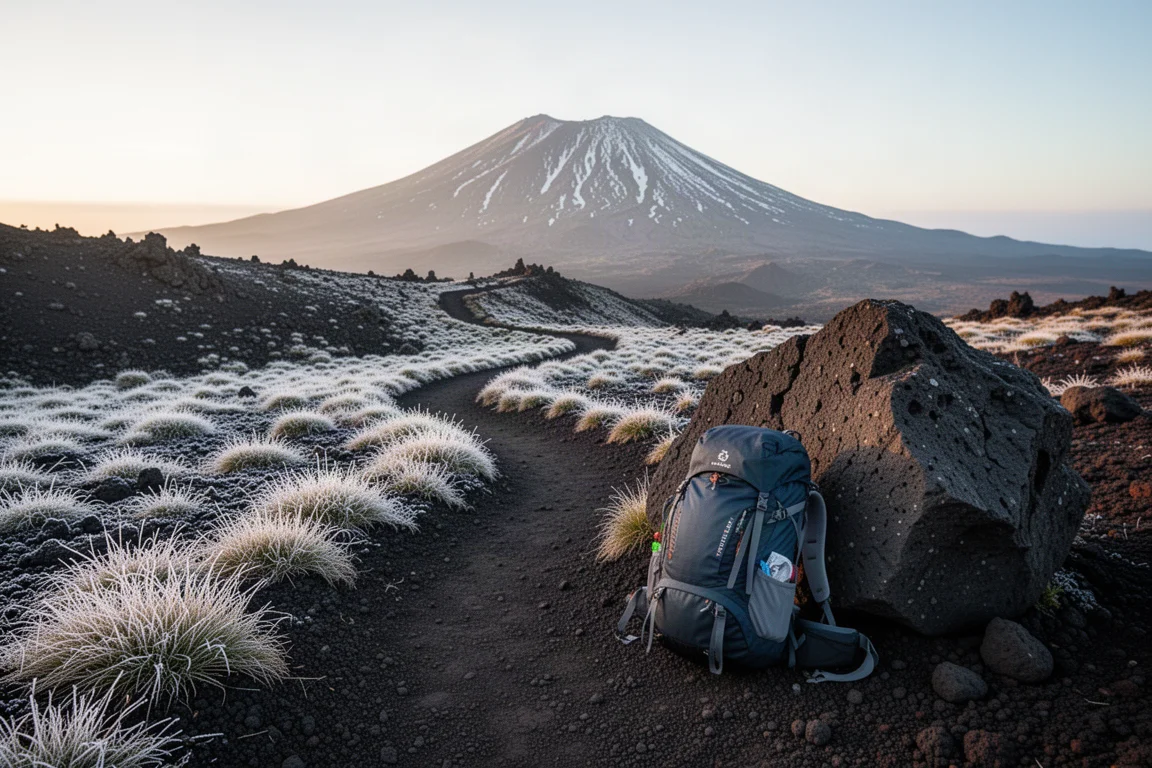
Sea to Summit’s Ultralight XR sleeping pad sits at the light end of the brand’s range, and it was built for backpackers who want to keep pack weight down without giving up a comfortable night. It was tested on a cold backpacking trip below Mount Hood, Oregon, with overnight temperatures around 30°F, and it turned out to be one of the more impressive pads in that category.
The headline numbers are modest and specific: a 3.6 R value, a regular version that weighs 14 oz, and an inflated thickness of up to 2.5 in. Those three figures together are what makes this pad interesting, because it stays light and small while still offering real support and, in practice, more warmth than the rating alone would suggest.
Who This Sleeping Pad Is For
This pad is aimed at three-season backpackers and campers who sleep on the ground in spring, summer, and autumn conditions. It is not intended for snow camping, and it was not used on snow during testing. If your trips stay off snow and you build a reasonable sleep system around the pad, the Ultralight XR is designed for exactly that kind of use.
It also suits people who care about the balance of comfort, weight, and packed size more than they care about chasing the highest possible R value. Campers who need maximum insulation for winter conditions should look at dedicated winter pads instead, because 3.6 is not a winter figure.
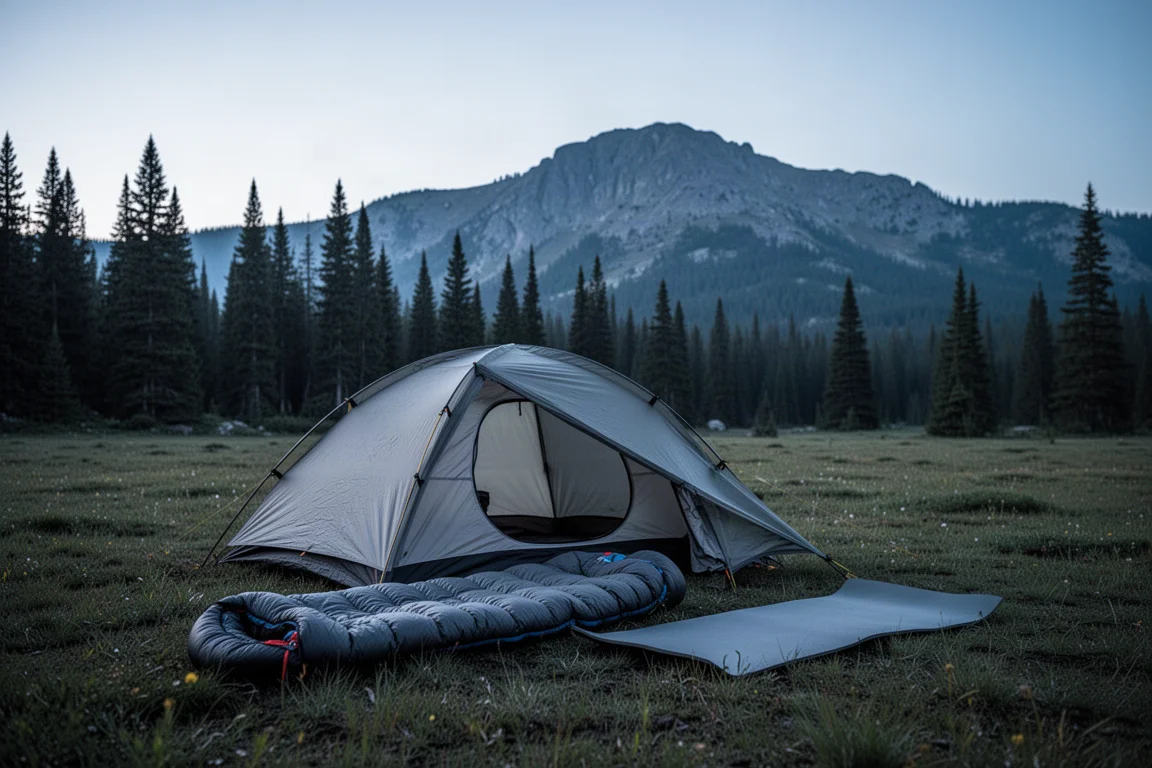
Where it makes the most sense is on longer trips where every ounce is negotiated. The pad disappears into a pack, then still feels like something you can sleep on rather than something you tolerate.
Warmth: What a 3.6 R Value Delivers
On paper, 3.6 is on the low side for a sleeping pad. In practice, in 30°F temperatures, this pad packed a surprising amount of warmth. It is fair to say the numbers alone do not tell the whole story here, since pads with higher R values do not always feel warmer in the field.
Part of that comes down to what Sea to Summit calls thermal core technology: a thin reflective layer inside the pad that reflects body heat back toward the sleeper. It is a familiar approach and now fairly standard in sleeping pads, and it appears to work well in this design.
Context matters, and it is worth being precise about it. This pad was not used on snow, and it was paired with a strong sleep system on top of it. Both of those things contribute to warmth. Even so, as a three-season pad used off snow, it performs convincingly, and it is easy to trust it for spring, summer, and autumn trips.
Comfort, Weight, and Packed Size
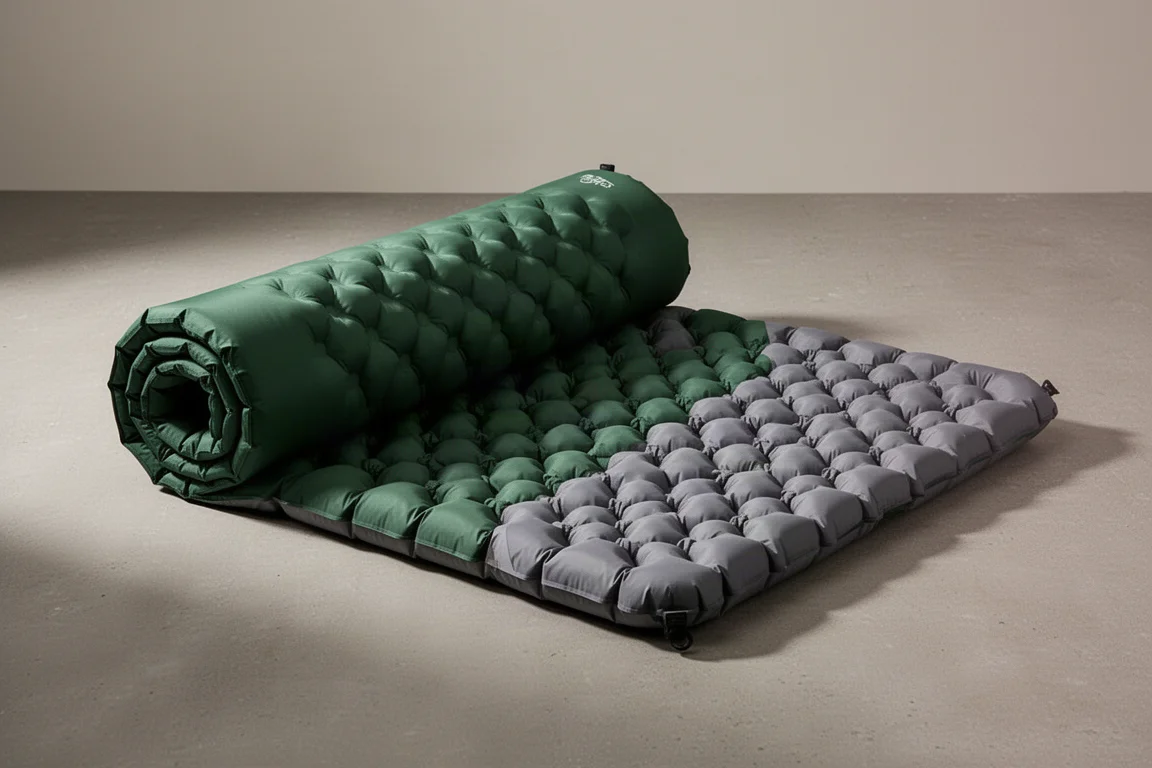
Comfort is where this pad stands out most. Instead of horizontal baffles, the surface is built from air sprung cells: hundreds of small interconnected chambers, each of which compresses independently. When a hip or shoulder sinks in, it does not collapse the whole pad. Pressure is distributed outward rather than creating ridges under the body, and the result feels closer to an air mattress than to a typical pad.
That comfort comes in a package that stays genuinely light. The regular version weighs 14 oz and inflates to as much as 2.5 in thick, which is impressive support for something that packs down so small. For anyone weighing comfort against weight and packed volume, this is the strongest argument for the pad.
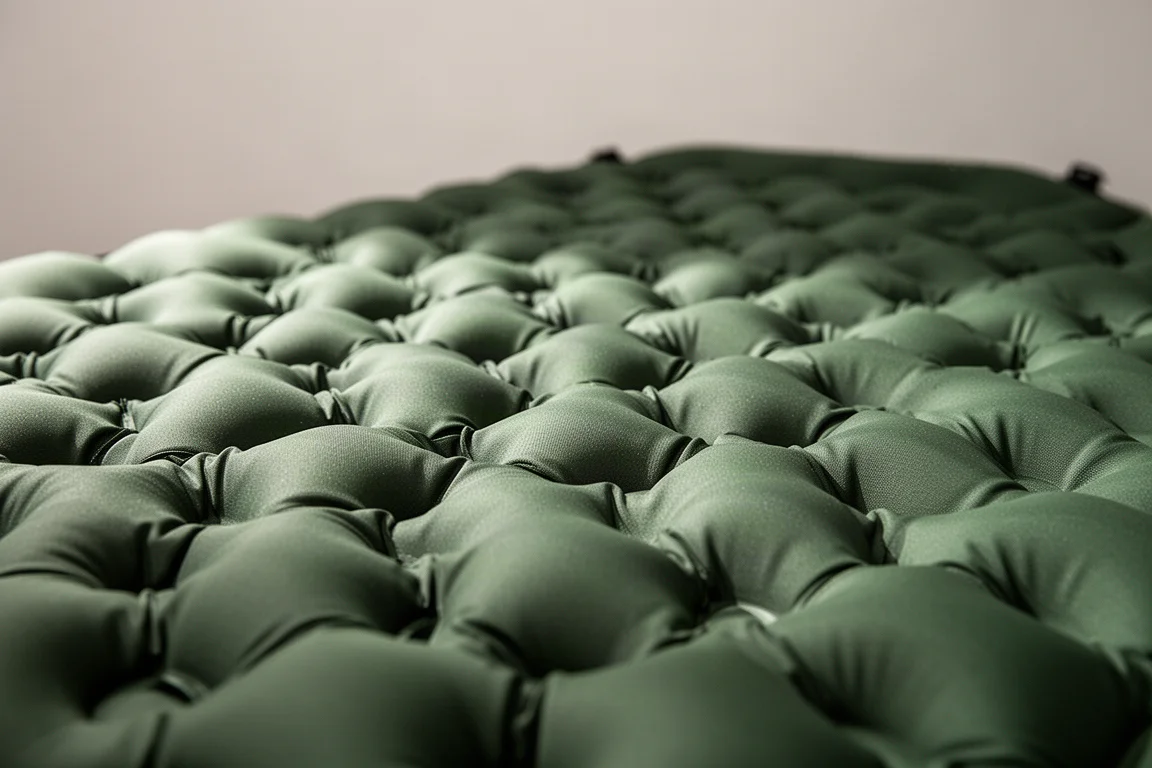
It is also worth noting how little space it takes up in a pack. The combination of low weight, small packed size, and a plush sleeping surface is unusual, and it is the main reason this pad earned a place in the bag even with the drawbacks covered below.
Valve Placement and Pillow Lock
One detail is worth thinking through before buying. The valve sits in the middle of the pad, right where your head would rest, rather than on the side as on most sleeping pads. There are good reasons for the choice: it makes the pad more durable and works better with the seam structure.
The trade-off appears when your gear comes from different brands. In a full Sea to Summit setup, some sleep systems include a cutout for the valve, so the pad can be topped off without dismantling the whole bed. With a third-party quilt or sleeping bag, covering that area is common, and adding air in the middle of the night becomes less convenient than it would be with a side valve. Many backpackers mix gear from several companies, so this is a real consideration rather than a theoretical one.
The pad also includes Sea to Summit’s pillow lock feature. A small bag of hook-and-loop adhesive pieces is supplied, and once they are attached, a compatible pillow such as the Aeros down pillow locks into place on the pad. It is a nice option to have if you prefer your pillow secured underneath your sleeping bag. With a mummy bag the pillow usually goes inside the bag anyway, and many quilt systems already have their own pillow attachment, so this is a bonus rather than a deciding factor.
Customer Support and Long-Term Confidence
There is also the brand itself to weigh up. Sea to Summit is an established outdoor gear company with customer service and warranty support behind its products, and that matters in the backcountry, where gear can break or malfunction far from help. Buying from a company you trust, with support you can actually reach, is a meaningful part of the value of a sleeping pad.
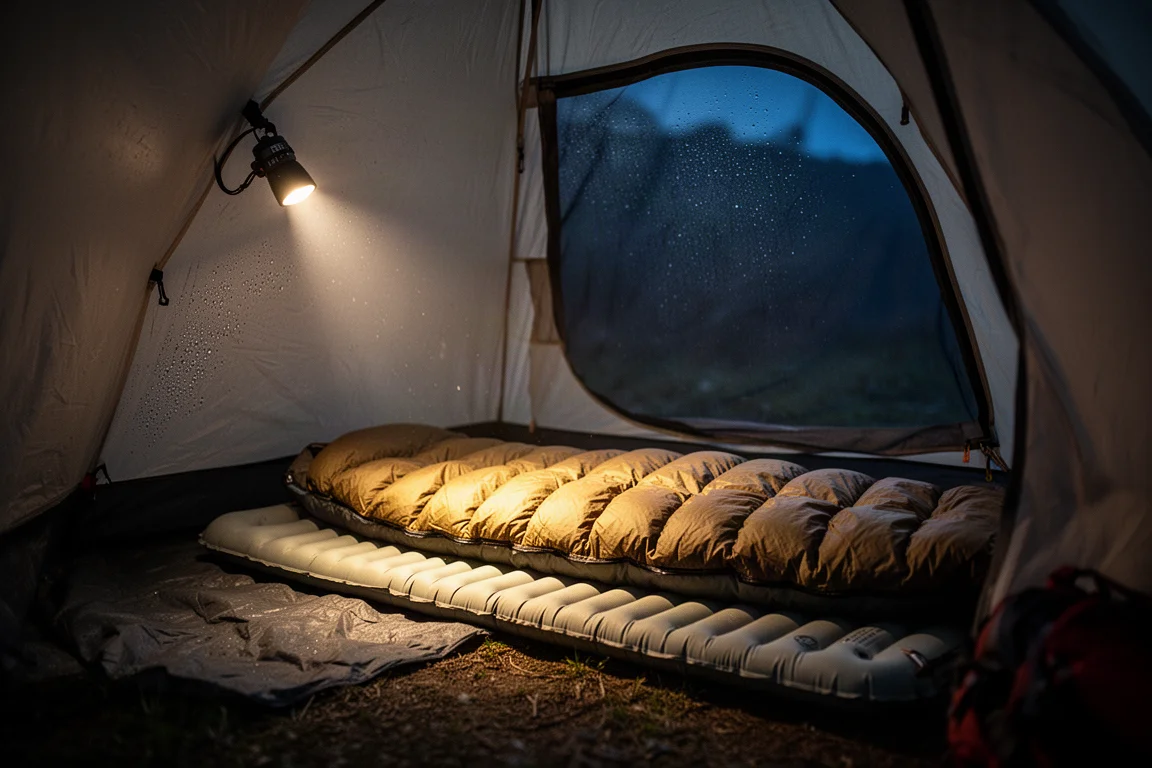
Gear that fails on a trip is more than an inconvenience. Knowing the manufacturer stands behind the product and values the customer experience adds confidence that is hard to put a number on, and it is a reasonable factor when comparing similar pads from lesser-known brands.
Things to Consider Before Buying
- The 3.6 R value is modest on paper, and real-world warmth depends heavily on the rest of your sleep system.
- The centre valve is durable by design, but topping off air at night is less convenient if you use a quilt or bag from another brand.
- This is a three-season pad. It is not intended for snow camping or winter conditions.
- The pillow lock feature relies on adhesive pieces and a compatible pillow, so it is a bonus rather than a core reason to buy.
Buying Advice
If you are shopping for a lightweight, comfortable, genuinely three-season sleeping pad, the Ultralight XR is a highly recommended option. The comfort-to-weight and comfort-to-size ratios are the best in class in this reviewer’s experience, and the pad still earns its place in the pack despite the valve placement.
The honest way to decide is to match it to your system. If you sleep off snow, value a plush surface, and want to keep your pack light, this pad fits that brief closely. If you camp on snow, need a higher R value, or rely on gear from several brands and want the simplest possible inflation routine, that is the point to look elsewhere or accept the trade-off knowingly.
Conclusion
The Sea to Summit Ultralight XR delivers on the two things that matter most in a three-season backpacking pad: it is comfortable, and it is light. Its 3.6 R value understates how warm it feels in real overnight conditions, its air sprung cell construction is genuinely comfortable, and at 14 oz for the regular size with up to 2.5 in of thickness it is easy to carry. The centre valve is the one detail to think through, particularly if your sleep system comes from another brand. For three-season trips off snow, it is a strong choice.
Product link
View more details for Sea to Summit Ultralight XR Sleeping Pad
This product is mentioned in the review. Check the specifications, options, and compatibility before buying.
View more details for Sea to Summit Ultralight XR Sleeping PadFurther reading
Related Reviews
Sleeping Pads
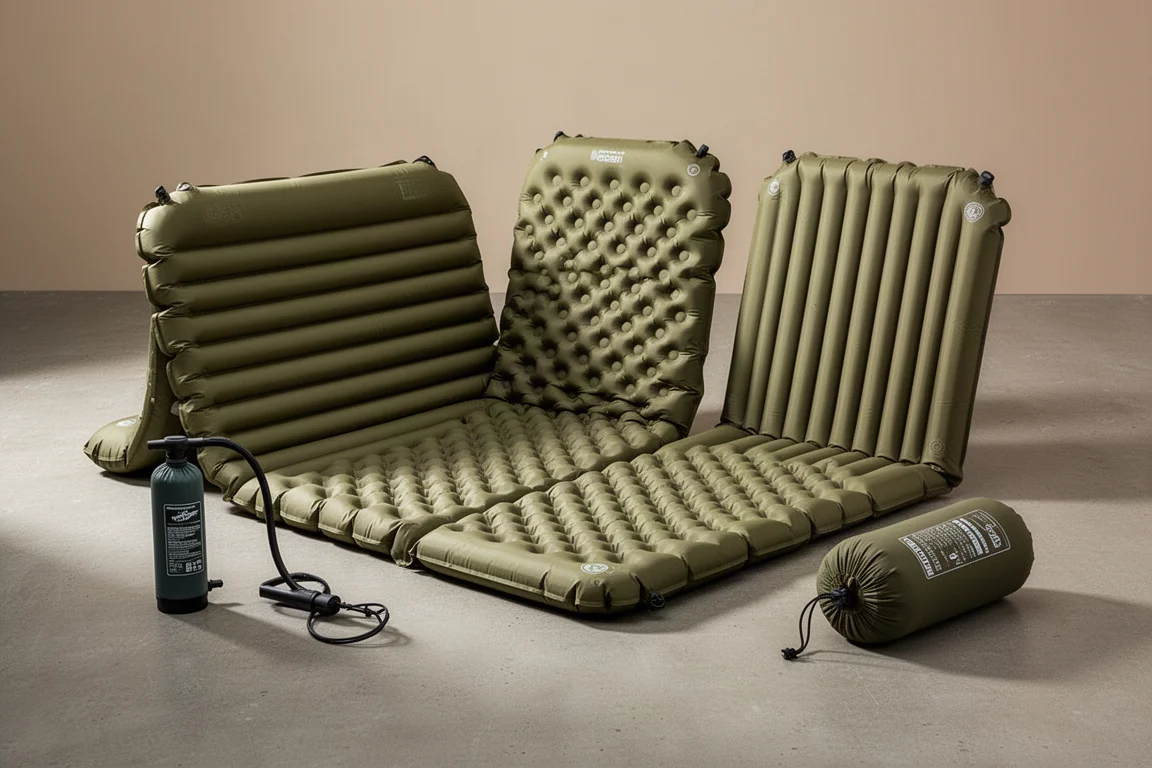
Best Backpacking Sleeping Pads 2026: Nine Pads Rated on Price, Comfort, Warmth, and Weight
Nine backpacking sleeping pads compared on price, comfort, warmth, and weight, from a $65 summer pad to a year-round option rated at R-7.3.
Sleeping Pads
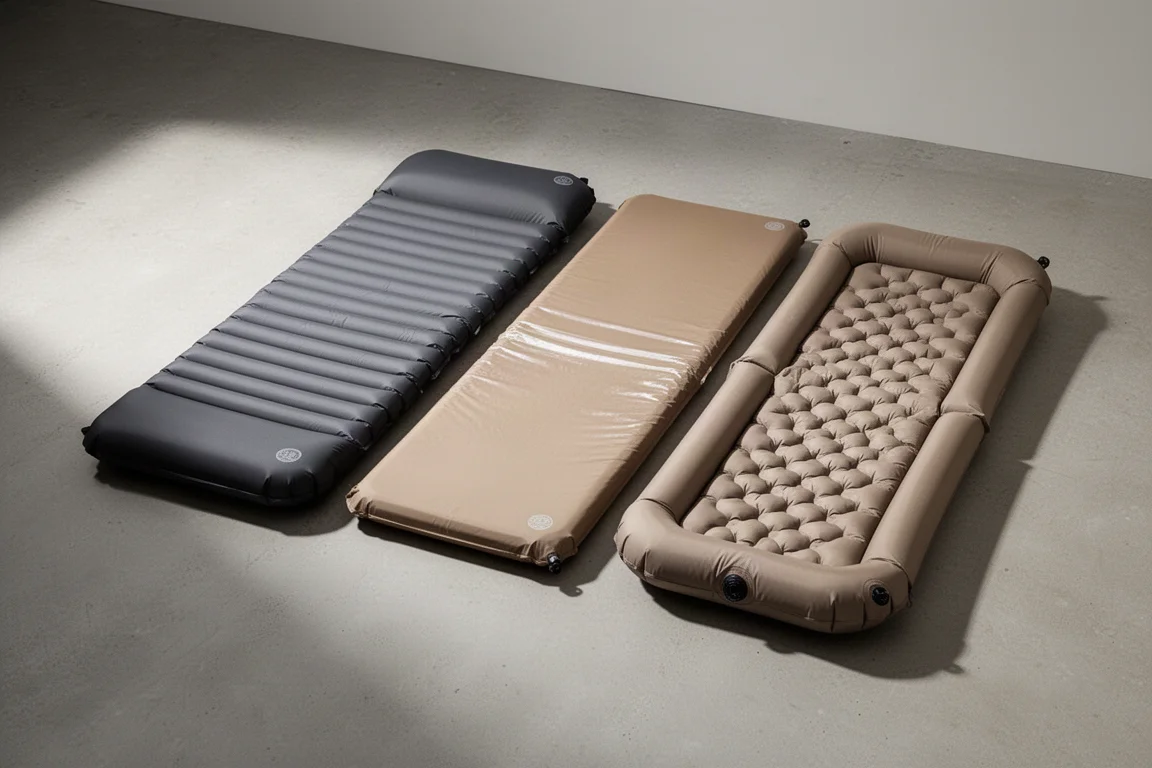
Best Backpacking Sleeping Pads: Comfort, Warmth, and Weight Compared
A practical comparison of the Nemo Quasar 3D, Therm-a-Rest NeoAir XTherm Max, and Big Agnes Rapide SL for backpackers choosing between comfort, warmth, and packed weight.
Sleeping Pads
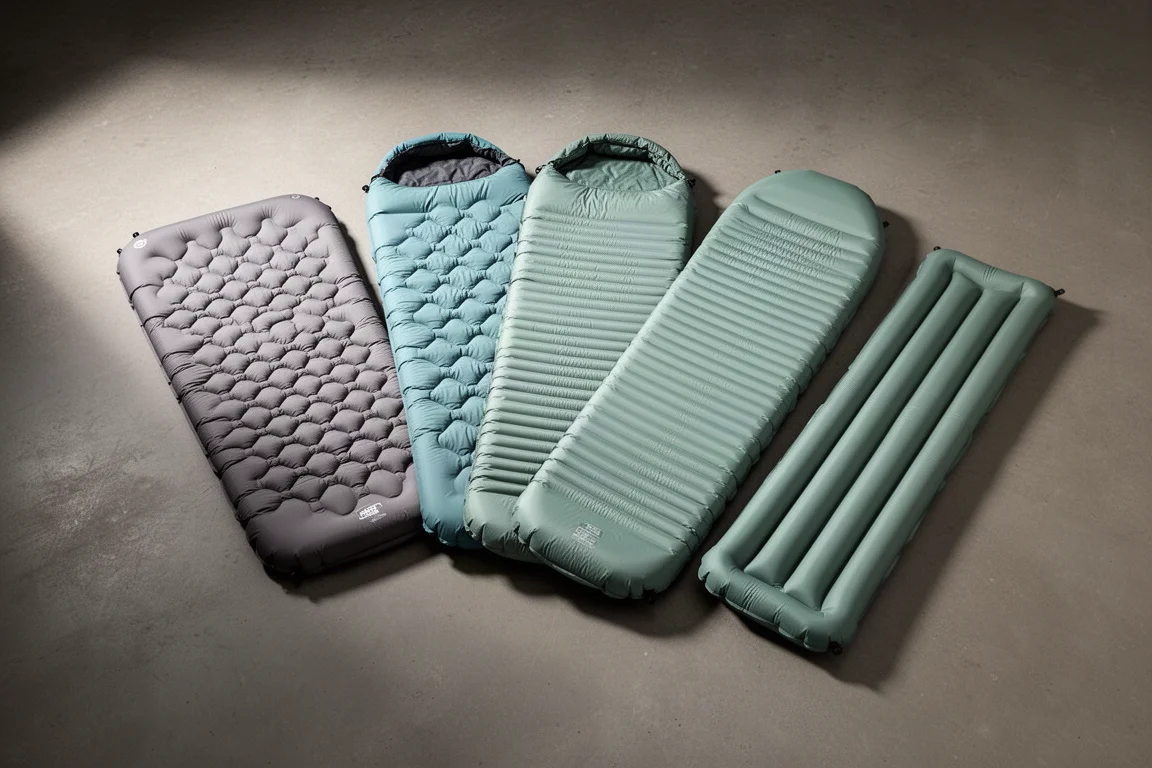
Best Backpacking Sleeping Pads: Ultralight, Winter, Comfort and Budget Picks
A practical roundup of the sleeping pads that stand out for ultralight weight, winter warmth, pressure relief and value, plus three popular pads that fell short.