Sleeping Pads
Sea to Summit Ultra Light XR Review: A Light, Firm Sleeping Pad for Warmer Nights
A first-look field assessment of the Sea to Summit Ultra Light XR, covering comfort, R-value limits, packed weight, price, and how it stacks up against two other backpacking pads.
Introduction
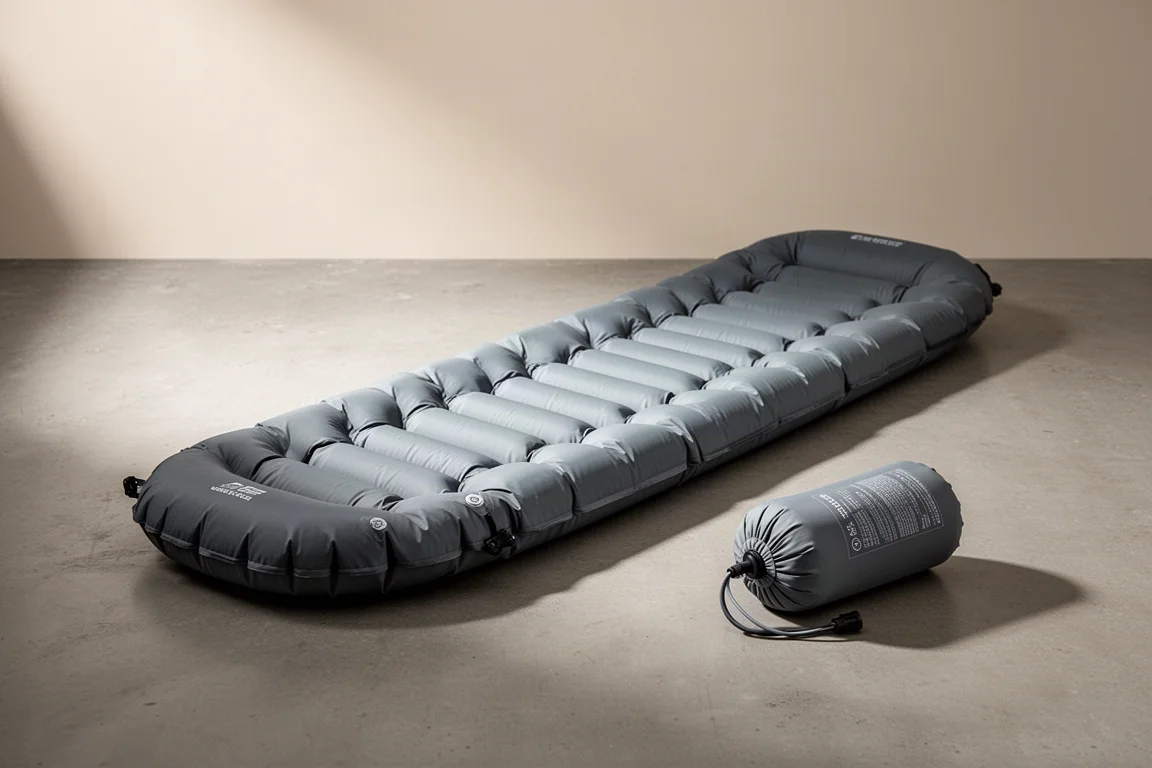
The Sea to Summit Ultra Light XR is a brand-new inflatable backpacking sleeping pad built around an R-value of 3.6, a tapered mummy profile, and a low packed weight. It was taken into the Grand Canyon for a first stretch of testing on nights that turned colder, windier, and wetter than expected, which makes it a useful early read on how the pad behaves at the edge of its comfort range.
This is a first-look assessment rather than a long-term verdict. The pad is new, and a confident recommendation needs more nights in more conditions. What follows is what stood out in use, where the insulation design sets clear limits, and which backpackers should shortlist it.
Who the Ultra Light XR Is For
With an R-value of 3.6, the Ultra Light XR sits firmly in the warm-weather category. It is a pad for three-season backpacking, desert trips, and mild summer nights rather than frozen ground or snow camping. It comes in three sizes, and every size uses the same tapered mummy shape. There is no rectangular option in the line, which fits the ultralight focus of the design.
Weight is the other half of the pitch. The pad runs from 13.8 oz in the size small up to 18.7 oz in the size large, with a little extra for the pump sack and storage bag, which are built together as a single piece.
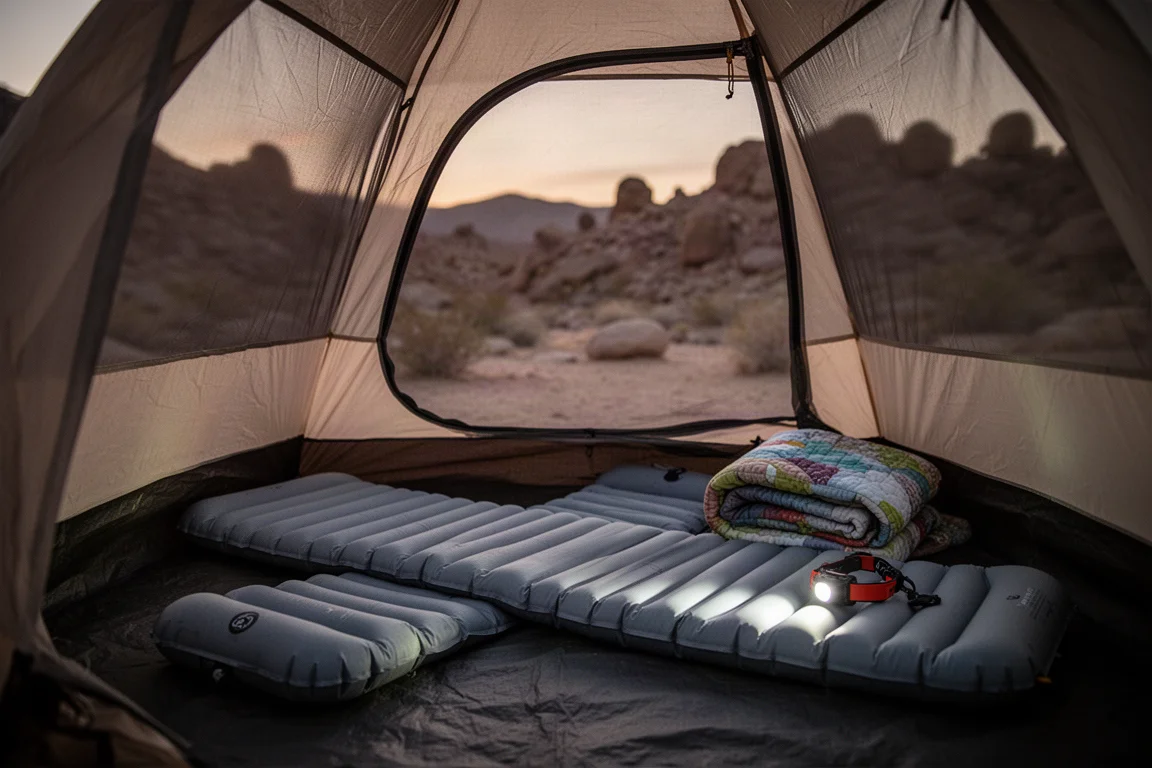
For side sleepers who count grams but still want a supportive surface, this is the profile the pad is aimed at. The tapered shape saves material and weight, and the firmness of the inflated pad does much of the work that extra thickness would otherwise do.
Main Strengths: Comfort and Support
The pad is 2.6 in thick, which is thinner than a plush mat such as the Ether Light. In practice that number undersells it, because the Ultra Light XR can be inflated to a genuinely high pressure and becomes very firm. That firmness is what makes it supportive: side sleepers can lie across it without hips or shoulders pushing into the ground, and the surface holds its shape through the night.
The construction uses Sea to Summit’s Air Sprung Cell design, with roughly 151 individual points of support across the sleeping surface. The result is a pad that feels stable rather than bouncy, and it stays comfortable when pumped up hard. Sitting directly on the pad, some ground contact is expected, but once body weight is spread along the length of the mat, the support is consistent.
Warmth and R-Value Explained
The R-value of 3.6 is the single most important spec here, because it defines the seasons the pad is built for. Inside there is a thermal core insulation layer, but the Air Sprung Cell construction means the weld points that hold the cells together are potential cold spots, with no insulation around each of those points. That is the trade-off that comes with a light, low-profile design.
The practical read is simple. Warm conditions are the sweet spot, and the pad can still work into cool nights when it is paired with an additional closed-cell foam layer underneath for both warmth and puncture protection. On frozen ground or snow, expect to sleep cold. The design does not pretend otherwise.
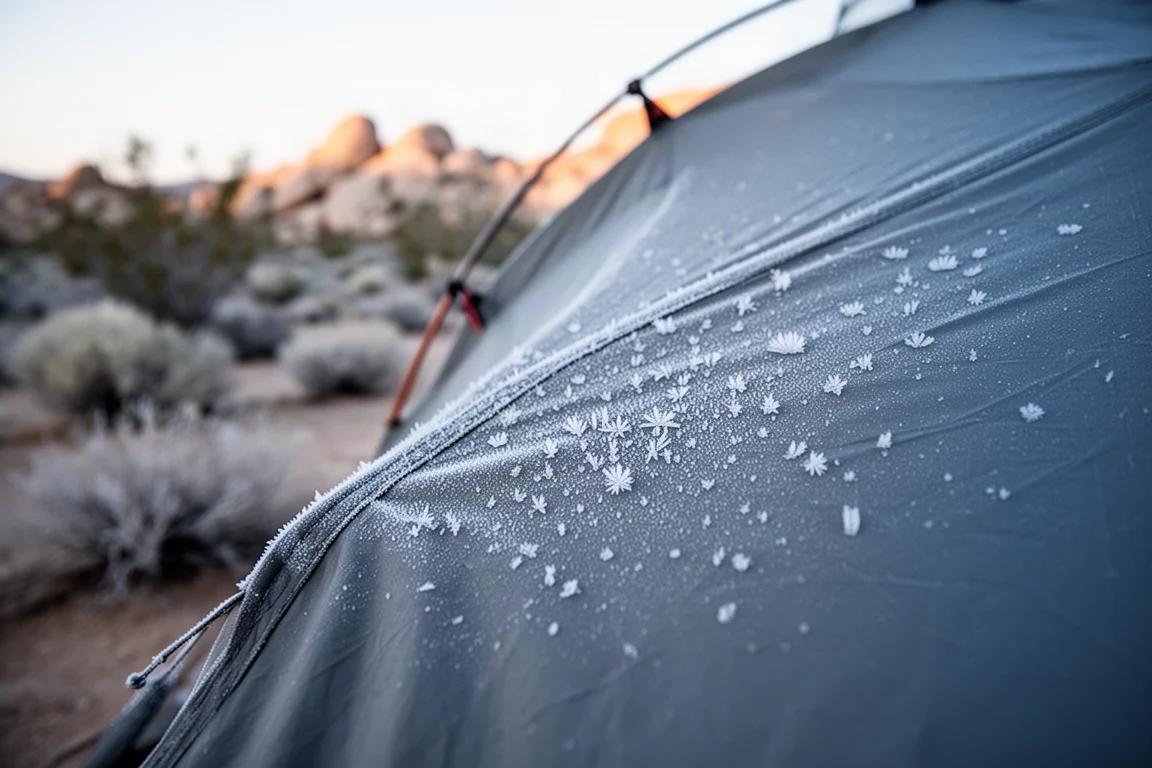
Cold spots also matter more on a thin pad, since there is less air volume between the sleeper and the ground. The Ultra Light XR counters this partly by letting you inflate it firm, which keeps the body higher and reduces contact with the coldest part of the mat.
How It Compares to Other Pads
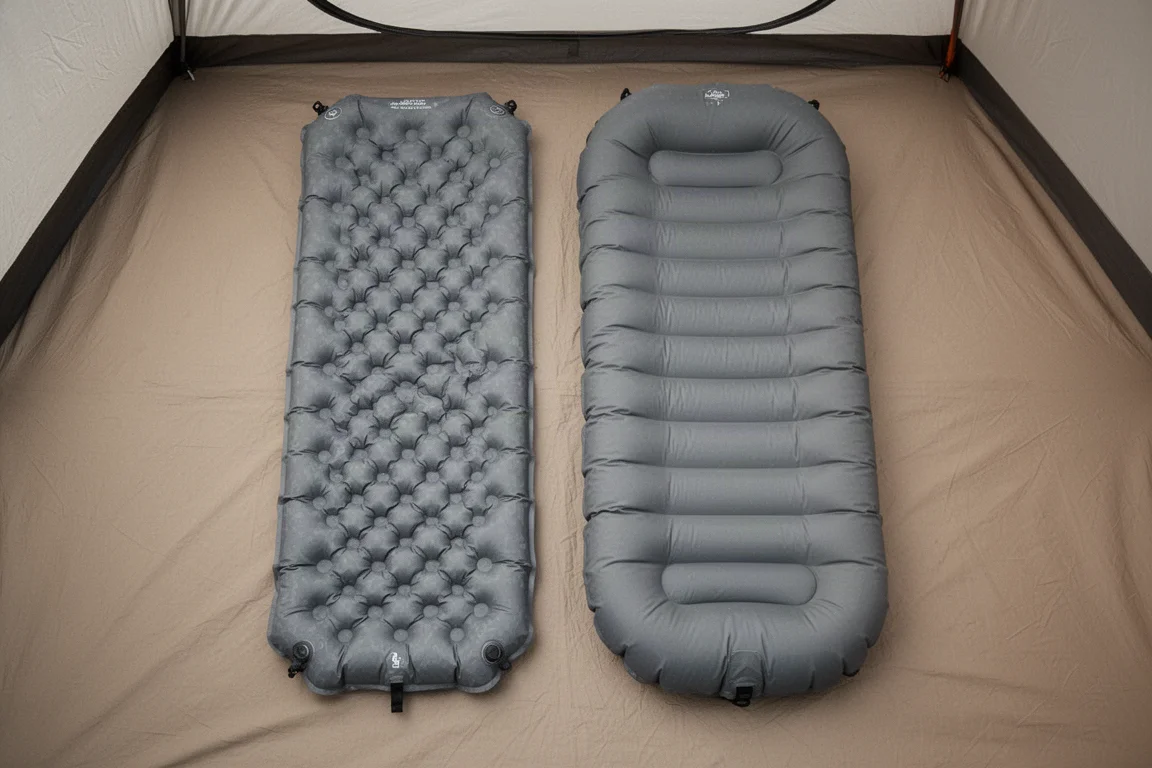
Against the Zen Bivy Ultralight, the Ultra Light XR gives up warmth but wins on weight, packed size, and price. The Zen Bivy pad carries an R-value of 4.8 and uses two layers of Mylar-type insulation with the top and bottom baffles offset from each other, so the weld points never meet. That offset construction limits cold spots and is why it handles shoulder-season and snow camping far better. It is also heavier, packs slightly larger, costs more at roughly $190 to $200 depending on size, and offers rectangular as well as tapered shapes.
Against the Ether Light XR Pro, the choice is about feel rather than warmth. The Ether Light is noticeably thicker and much plusher, and it is harder to pump up to a genuinely firm setting. That makes it a strong pick for maximum comfort, for larger builds that want more height off the ground, and for anyone who prefers a rectangular footprint. The Ultra Light XR answers back with a firmer, more supportive surface and a lighter, smaller package.
Cold-Weather Performance in Practice
The real test came on a Grand Canyon trip with snow, heavy wind, and rain, and overnight temperatures dropping into the high 20s. Resting on a closed-cell foam pad underneath, the Ultra Light XR kept a sleeper warm down to freezing, and it stayed comfortable across multiple nights rather than merely tolerable for one.
That is a meaningful result for a pad with an R-value below 4, because low-R pads have not always performed this well in genuinely cold, exposed conditions. The caveat is the same as before: this was a short, demanding trip, not a full season of use. Long-term durability, valve behaviour, and how the insulation holds up over many nights still need to be proven.
What the early testing does suggest is that the pad’s firmness and its insulation work together better than the spec sheet alone implies, at least in cool conditions where the pad is protected from direct ground contact.
Things to Consider Before Buying
The most important consideration is that this is a new product. The initial experience was positive, but the pad has not yet accumulated the seasons of use that justify an unconditional recommendation. Buyers who prefer a proven, long-established design may want to wait for longer-term reports.
Shape is the second consideration. Every size is tapered mummy, so anyone who wants a rectangular pad, more usable width at the feet, or a wider footprint should look at other options. Third, the listed pad weights do not include the pump sack and storage bag, which are combined into one item and add a small amount to the total carried weight.
Finally, thickness is 2.6 in. That is enough when the pad is inflated firm, but it is not the deep-cushion feel of a thicker mat, and it will not suit sleepers who want the mattress to do more of the work for them.
Buying Advice
At $140 for the size small up to $180 for the size large, the Ultra Light XR sits at a reasonable price for a pad with this build quality and brand support behind it. Choose the size based on your height and how much width you need, and factor in that the large is the heaviest option at 18.7 oz.
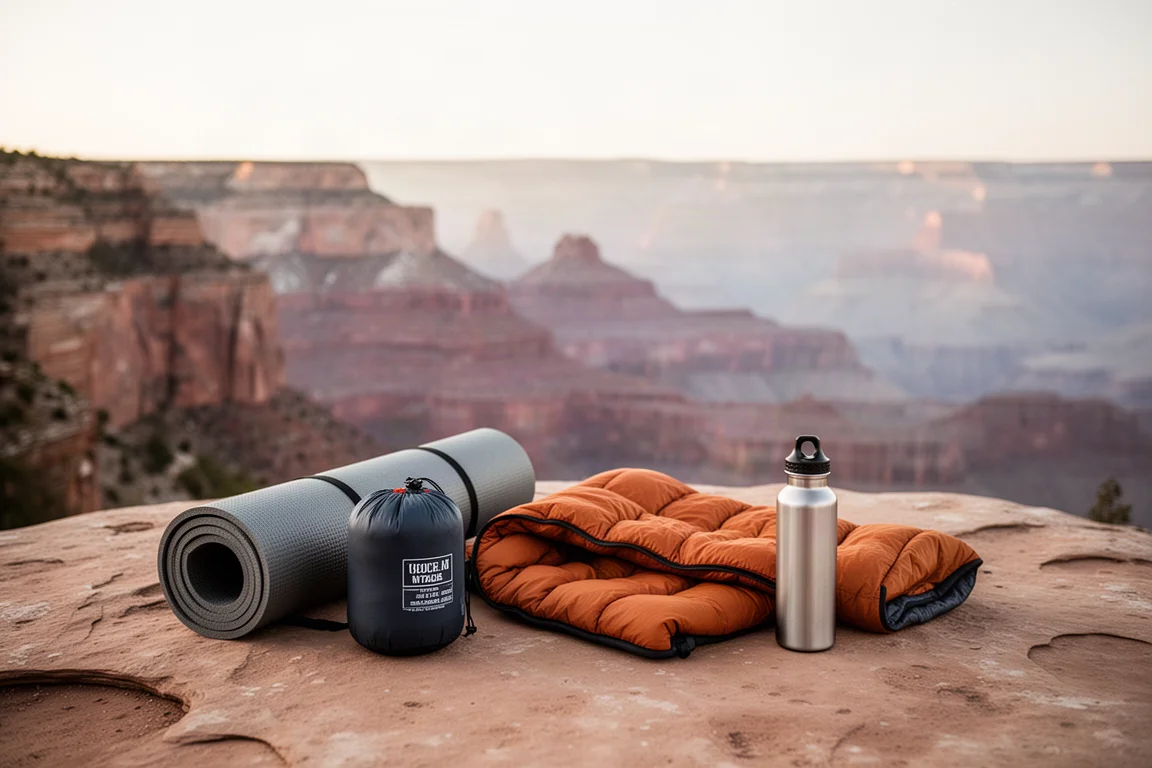
This pad makes the most sense for backpackers who mostly sleep in mild to cool conditions, want a firm and supportive surface, and are willing to add a thin closed-cell layer for colder trips. If your outings regularly involve frozen ground, snow, or shoulder-season alpine weather, a higher-R pad is the more sensible purchase and the extra weight is worth carrying. If maximum plushness matters more to you than packed size, a thicker pad will suit you better.
Conclusion
The Sea to Summit Ultra Light XR is a light, firm, and comfortable sleeping pad with a clear purpose: warm-weather backpacking where low weight and a supportive surface matter most. Its R-value of 3.6 sets honest limits, but in cool, exposed conditions on top of a foam layer it performed better than expected. The price is fair, the build feels solid, and the early signs are good. A final verdict can wait until the pad has more nights behind it.
Product link
View more details for Sea to Summit Ultra Light XR
This product is mentioned in the review. Check the specifications, options, and compatibility before buying.
View more details for Sea to Summit Ultra Light XRFurther reading
Related Reviews
Sleeping Pads
Best Backpacking Sleeping Pads 2026: Nine Pads Rated on Price, Comfort, Warmth, and Weight
Nine backpacking sleeping pads compared on price, comfort, warmth, and weight, from a $65 summer pad to a year-round option rated at R-7.3.
Sleeping Pads
Best Backpacking Sleeping Pads: Comfort, Warmth, and Weight Compared
A practical comparison of the Nemo Quasar 3D, Therm-a-Rest NeoAir XTherm Max, and Big Agnes Rapide SL for backpackers choosing between comfort, warmth, and packed weight.
Sleeping Pads
Best Backpacking Sleeping Pads: Ultralight, Winter, Comfort and Budget Picks
A practical roundup of the sleeping pads that stand out for ultralight weight, winter warmth, pressure relief and value, plus three popular pads that fell short.