Sleeping Bags
Sea to Summit Spark 4 Review: A Cold-Weather Down Bag That Packs Small
A detailed look at the Sea to Summit Spark 4, the warmest bag in the Spark line, covering real comfort temperatures, baffle layout, fit, and the quirks worth knowing before you buy.
Introduction
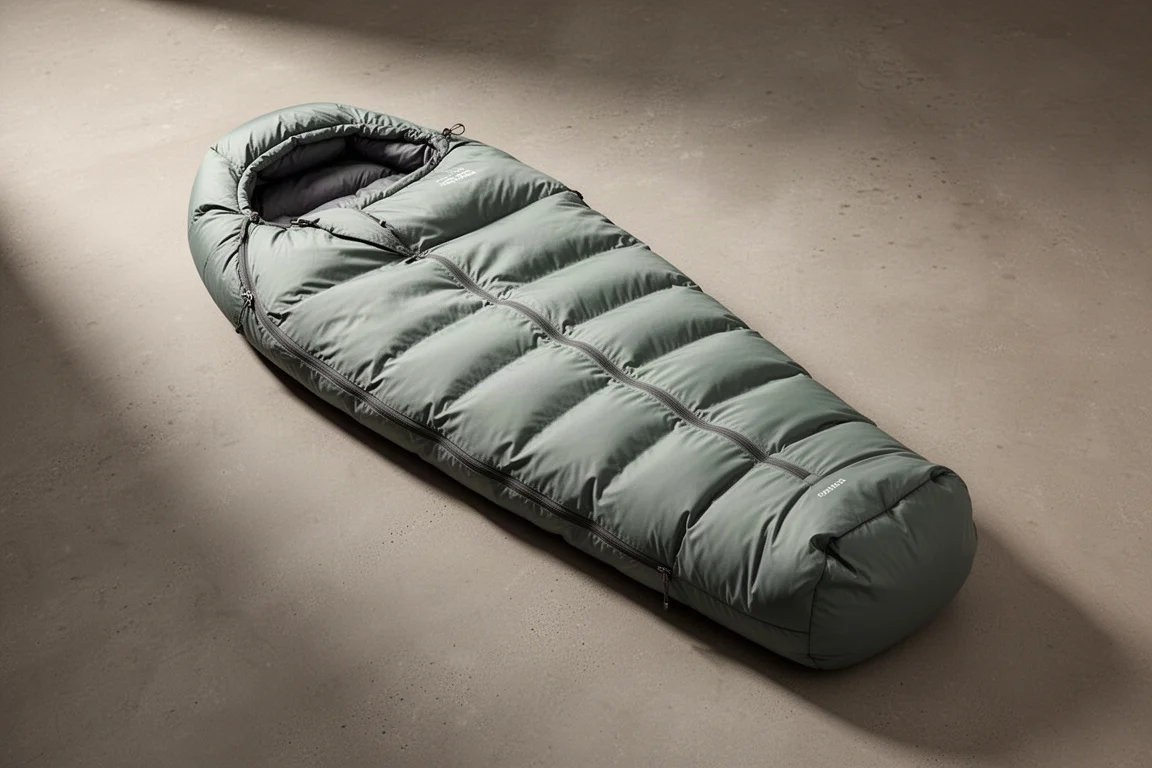
The Sea to Summit Spark 4 is the warmest bag in the Spark range, carrying a 5-degree rating that places it firmly in cold-weather territory. It pairs 850 fill power down with a full box baffle construction and an exceptionally light fabric package, which is the combination that lets it compress far smaller than most bags rated for the same temperatures.
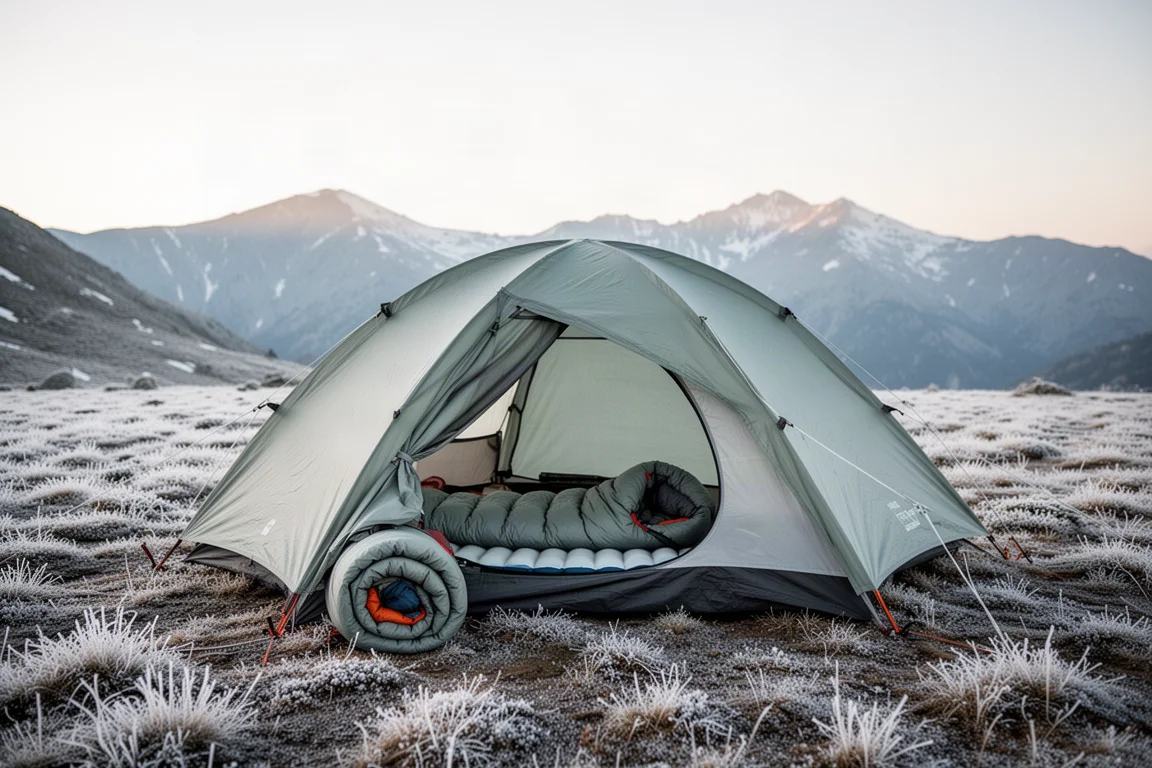
That warmth-to-packed-size ratio is the core of the Spark 4’s appeal. It is a bag for backpackers who want genuine cold-weather capability without surrendering a large share of their pack volume, and it is the point in the line where Sea to Summit adds two features that matter once temperatures drop: a wider cut and a full-length zipper.
Those additions also make the Spark 4 a different proposition from the lighter bags below it. It is not simply a warmer version of the same design. It is built around the assumption that the person inside will be wearing insulation, which changes how it should be sized, packed and used.
Who This Sleeping Bag Is For
The Spark 4 suits backpackers who sleep cold, plan trips through the colder half of the year, or want one bag that can stretch across a wide range of conditions. Its wider dimensions are deliberate, designed so that a down jacket or parka can be worn inside the bag to push the usable range toward three-and-a-half or four-season temperatures depending on how cold a given trip turns out to be.
It makes less sense for warm-weather camping or fast-and-light summer trips. The Spark 1 and Spark 2 cover that ground within the same line, and both use sewn-through construction rather than the box baffles found on the Spark 3 and Spark 4. Anyone shopping primarily for a summer bag will pay for warmth and materials they will not need.
Main Strengths
Warmth and Temperature Performance
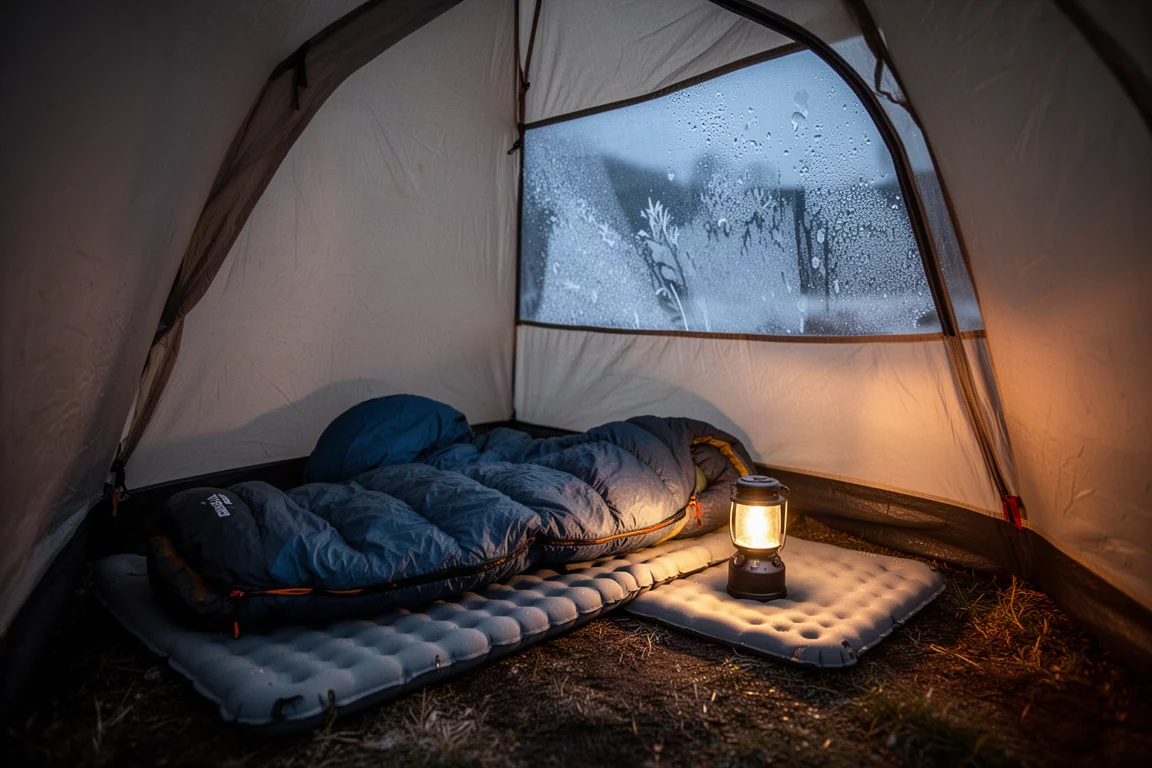
The 5-degree figure is a survival rating rather than a comfort rating, which is standard practice across the sleeping bag market. In practice, the comfortable range sits closer to 15 to 20 degrees. The bag has been used down to the mid-teens wearing only long underwear and a synthetic jacket, and the most comfortable nights land in the low 20s.
That gap is worth planning around. Buyers should generally expect to add roughly 10 to 15 degrees above a stated rating before they are genuinely comfortable, so the Spark 4 behaves much more like a 15 to 20 degree comfort bag than its headline number suggests.
Baffle Layout and Down Distribution
The Spark 4 uses full box baffles rather than sewn-through construction, which lets the down loft fully and avoids the cold lines that can form along stitched seams. The baffles are also zoned: vertical through the torso and the upper half of the bag, where warmth matters most, and horizontal through the legs and foot section.
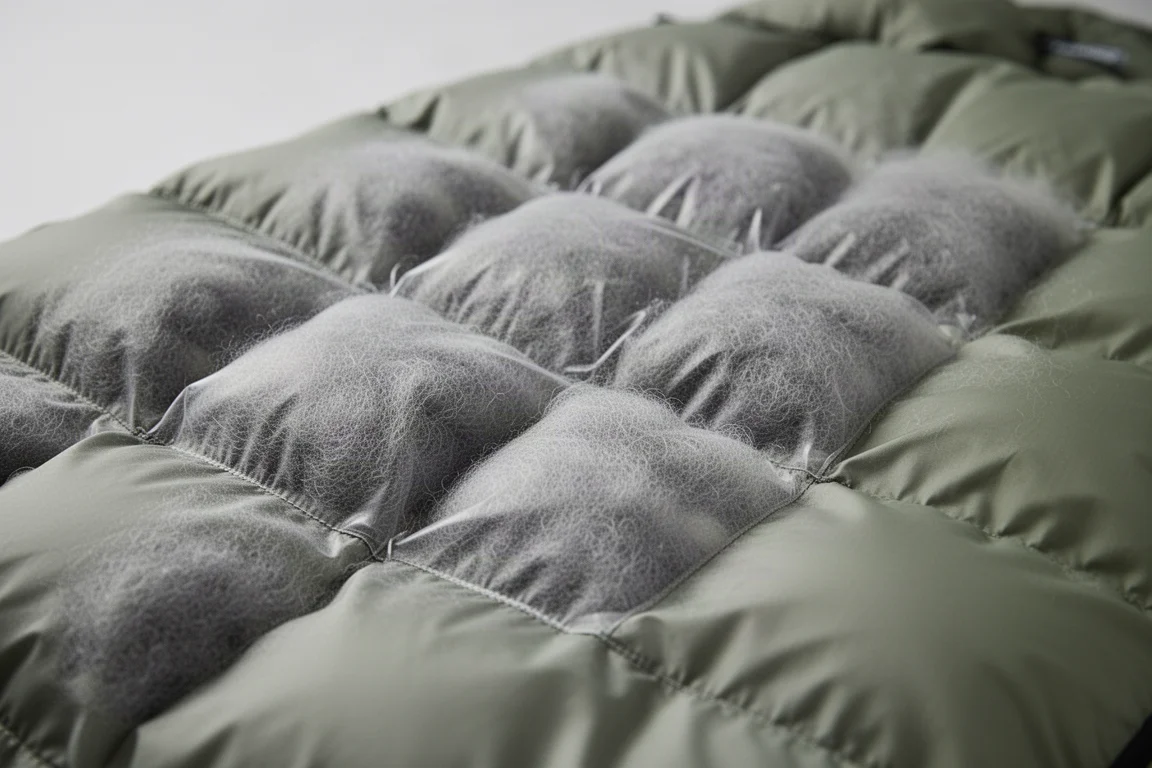
The 850 fill power down is what allows the bag to reach this temperature rating at a small packed size. The trade-off is that the down can shift inside the chambers. Holding the bag up to the light reveals pockets where the fill has clumped and left thin spots, and redistributing it takes real shaking and kneading. It is a maintenance habit rather than a dealbreaker, but it is part of owning this bag.
Hood, Foot Box, and Overall Fit
The hood is one of the better-executed details. It forms a rounded pocket around the face rather than pulling straight across the nose, which keeps the head warm without feeling restrictive. Inside, a draft collar wraps around the back of the neck to limit warm air escaping and cold air creeping in, closing the system off reasonably well.
The foot box is shaped rather than sharply tapered, so knees are not locked into position and side sleeping works well. There is enough room at the end that feet pointing straight up do not feel cramped. At 61 inches of total width, the Spark 4 is wider than the Spark 1 and Spark 2, and the extra girth is the reason it can accommodate a worn puffer without compressing the down around the body.
Things to Consider Before Buying
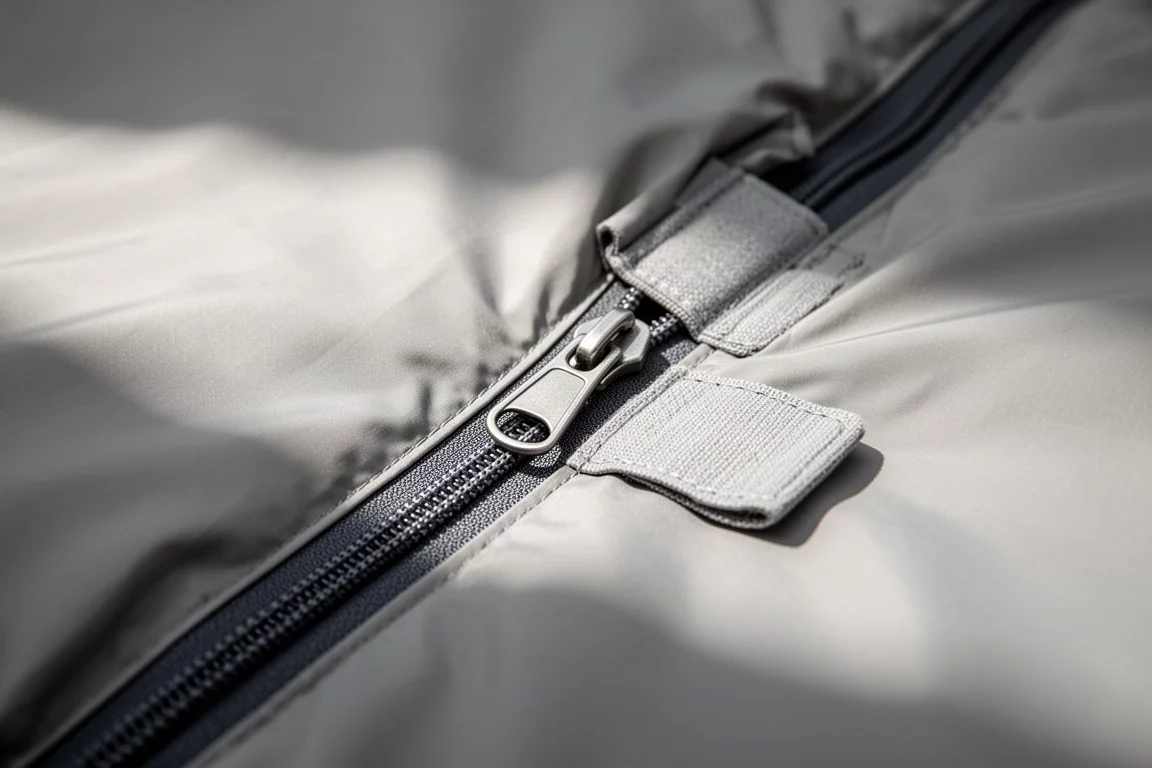
Two quirks stand out. The first is the zipper. The Spark 4 uses a full-length two-way zipper, which is genuinely useful for venting and for getting in and out, and the bottom pull makes it easy to stick a foot out on a warm night. The problem is the top end. The single loop-style pull tends to catch on the zipper baffle, and undoing it from inside the bag can turn into a drawn-out fumble that happens on nearly every use.
The second is the price. This is an expensive bag, well over $500 for this model, and that is a significant investment for a single piece of gear. The cost buys the 850 fill power down, the box baffle construction and the light fabrics, but it also raises the stakes on getting the temperature rating and fit right the first time.
Buying Advice
The Spark 4 is easiest to justify if you already know you sleep cold, or if you want one bag that covers late autumn through early spring and occasional colder trips. In that role it earns its price through versatility and packed size rather than through any single standout feature.
If your trips are mostly warm-weather, the lighter and less expensive bags in the Spark line will serve you better. If you do buy the Spark 4, plan around the comfort range rather than the stated rating, size it knowing you may wear a jacket inside, and accept that the down will need periodic redistribution. Buyers who go in with those expectations tend to be very happy with the nights of sleep this bag provides.
Conclusion
The Sea to Summit Spark 4 is a genuinely capable cold-weather down bag with a well-considered baffle layout, a comfortable hood, a roomy cut and a packed size that belies its temperature rating. The zipper snagging at the top and the tendency of the down to clump are real annoyances, and the price is high. For the right buyer, though, the trade-offs land in the right places.
Product link
View more details for Sea to Summit Spark 4 Down Sleeping Bag
This product is mentioned in the review. Check the specifications, options, and compatibility before buying.
View more details for Sea to Summit Spark 4 Down Sleeping BagFurther reading
Related Reviews
Sleeping Bags
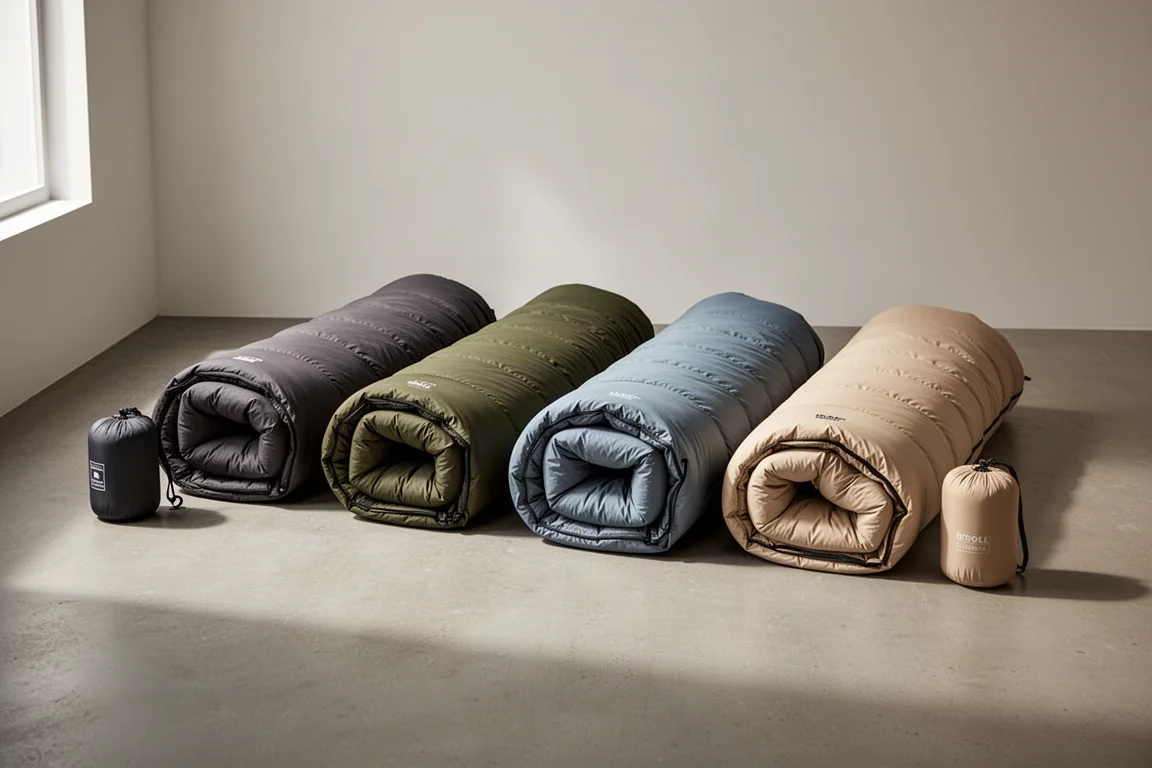
Best Down Sleeping Bags Under $300: Four Backpacking Options Worth a Look
Four down sleeping bags that stay under $300, compared on fill power, baffle design, hood comfort, and packed size.
Sleeping Bags
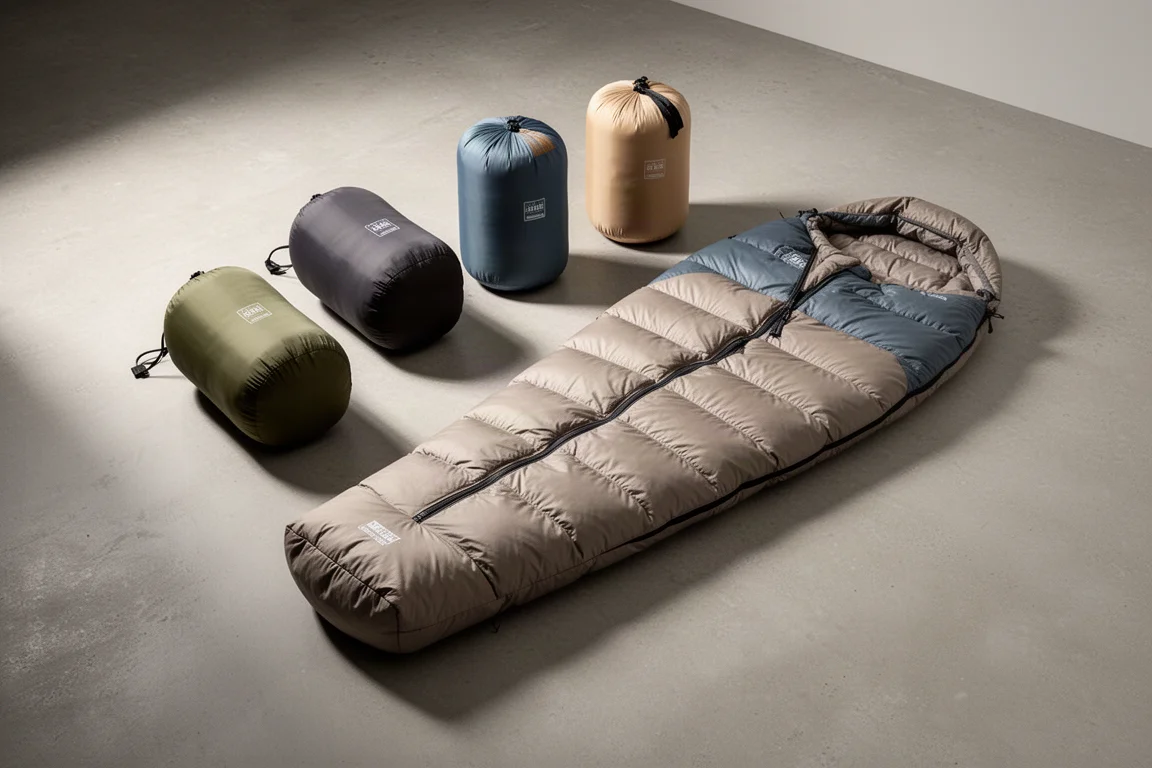
Best Sleeping Bags and Sleep Systems: Five Premium Down Picks Compared
Five premium down sleeping bags and sleep systems compared on warmth, weight, construction, and value.
Sleeping Bags
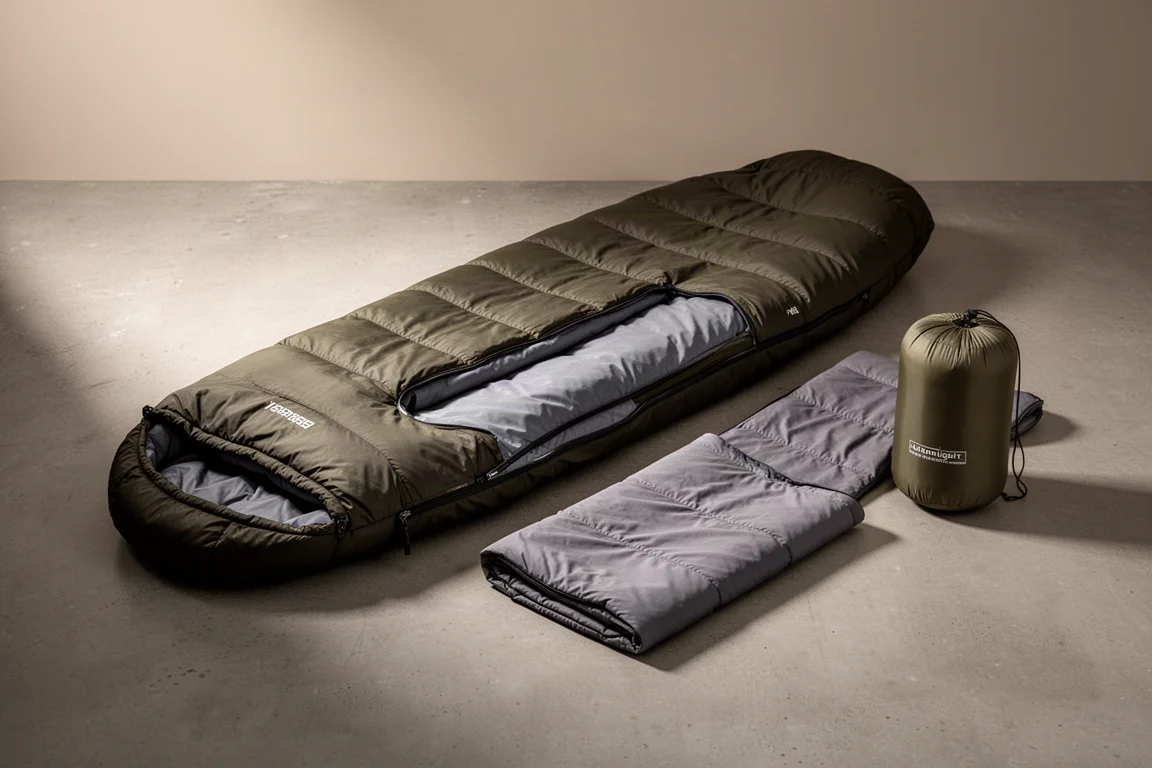
Big Agnes Lost Ranger UL 3-in-1 Sleeping Bag System Review: One Bag, Three Setups
A practical look at the Big Agnes Lost Ranger UL 3-in-1 Sleeping Bag System, covering how the three configurations work, where it shines, and the details worth weighing before buying.