Sleeping Pads
Sea to Summit Ether Light XT vs Nemo Tensor Insulated: Which Sleeping Pad Sleeps Better?
A close comparison of two strong backpacking sleeping pads, covering comfort, warmth, weight, packed size, and the small design details that shape a night outdoors.
Introduction
Sleeping pads are one of the few pieces of backpacking gear that decide how the whole trip feels. A pad that keeps you comfortable through a cold, restless night changes everything the next morning, and two models come up again and again in that conversation: the Sea to Summit Ether Light XT and the Nemo Tensor Insulated.
Both are genuinely capable pads, and neither is a mistake to buy. The difference comes down to what you personally value most: maximum comfort and support, or a lighter, more packable build with a proven track record. This comparison walks through comfort, warmth, weight, packed size, valve design, and the smaller details that quietly shape your experience.
How These Two Pads Compare
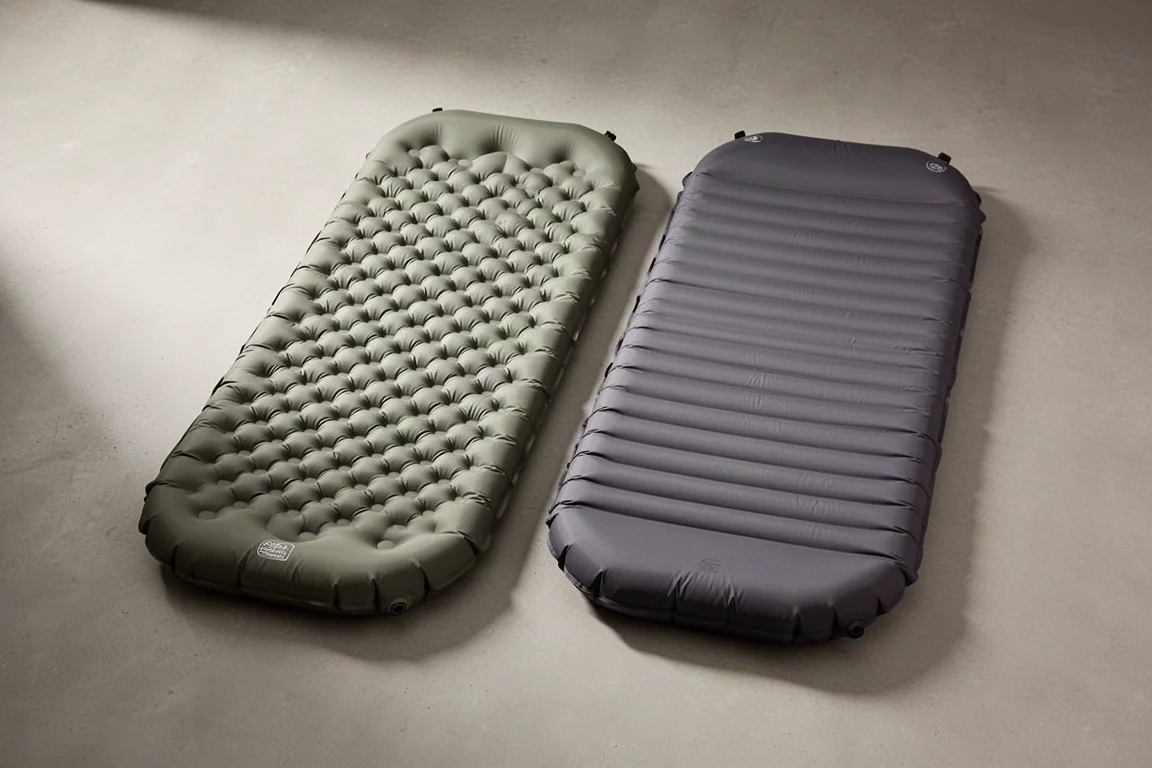
Before the details, it helps to frame the two pads by what they are built to do. The Nemo Tensor Insulated has been a long-standing reference point for lightweight backpacking, with a 3-inch thickness, a space frame baffle system, and a claimed weight of around 18 ounces for the regular size. The Sea to Summit Ether Light XT leans toward plushness, with a 4-inch thickness, an Air Sprung Cell baffle construction, and a 3.2 R-value.
Both pads come in a wide spread of sizes and shapes, including regular, regular wide, long wide, mummy, and short options. Weight shifts by roughly two to four ounces depending on the size you choose. Pricing for both sits in a similar band, roughly 150 to about 225 or 230 dollars depending on size.
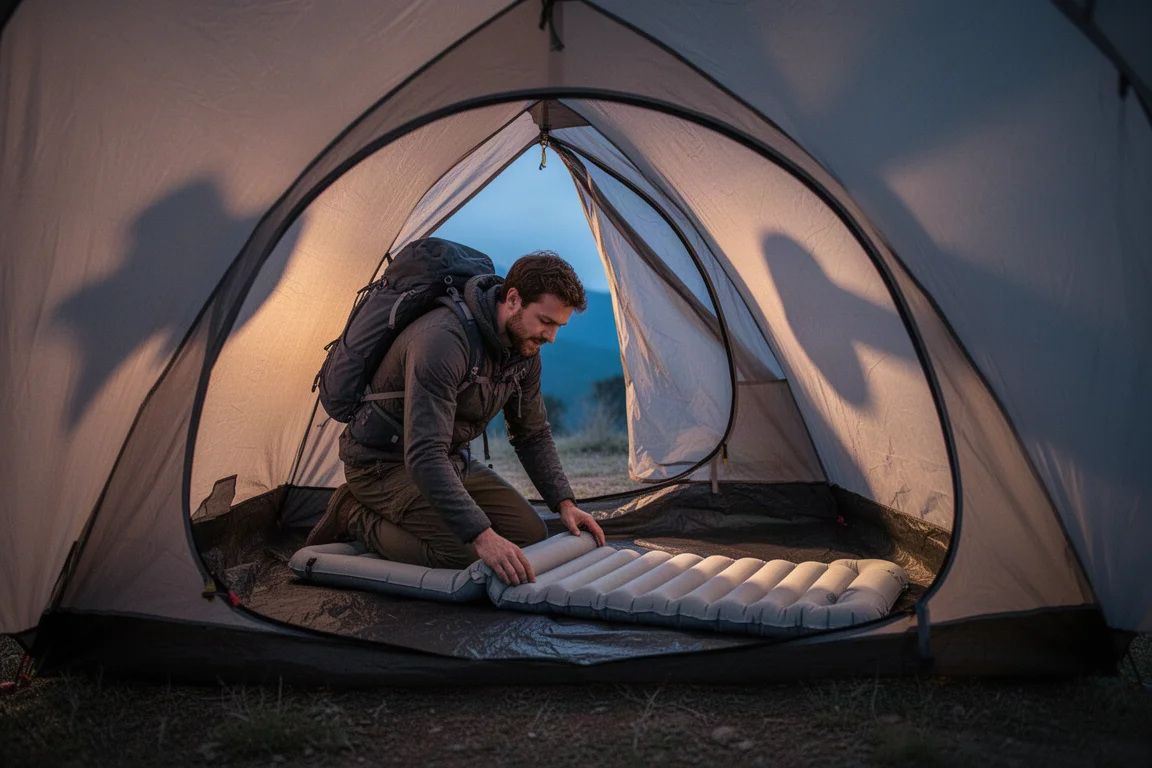
That overlap matters: these are not a budget pad against a premium pad. They are two well-made options at comparable cost, which means the decision rests on comfort priorities and packed volume rather than on price.
Comfort and Support: Sea to Summit Ether Light XT
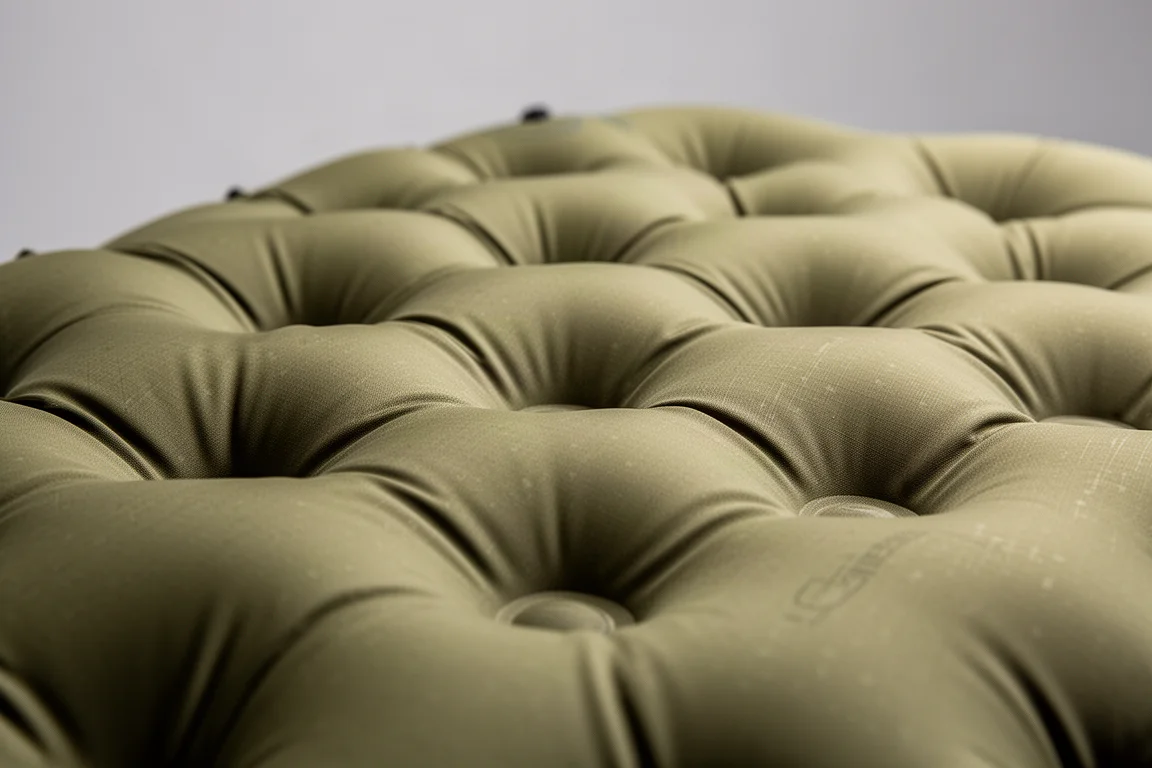
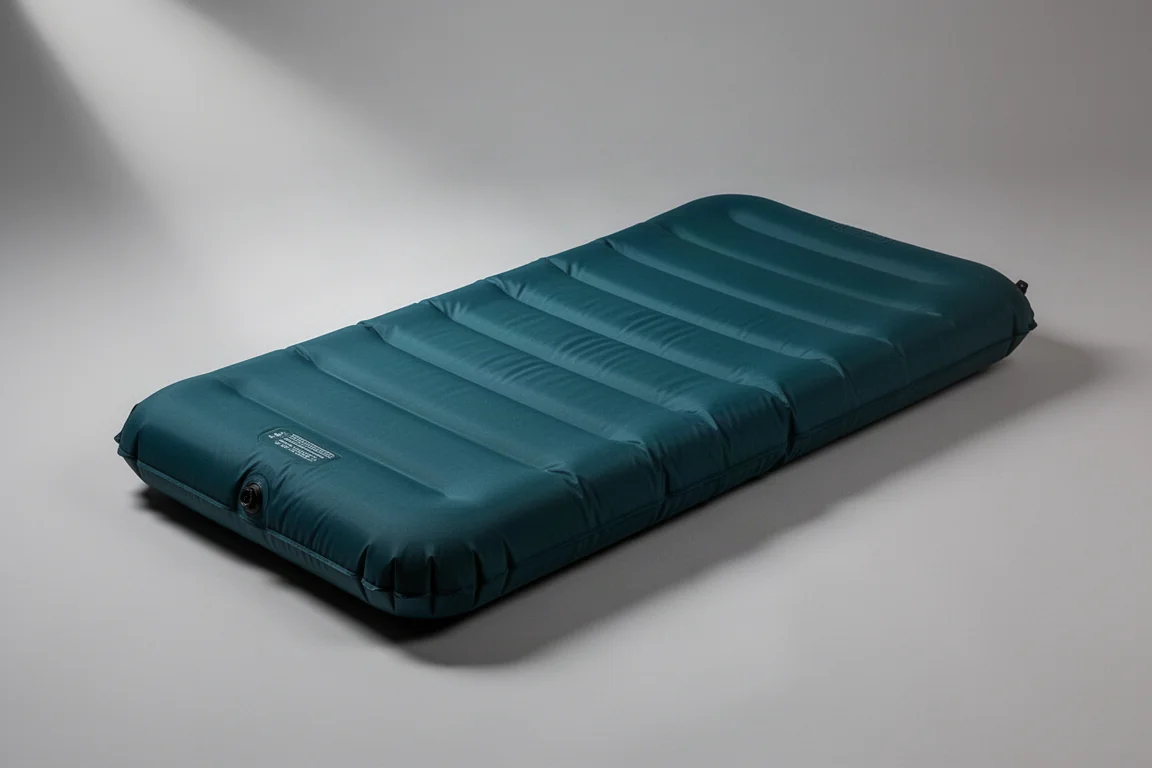
This is where the Ether Light XT pulls ahead for many sleepers. Its Air Sprung Cell construction and the way the layers are laminated create a quilted, dimpled surface that feels closer to a bed at home than to a typical inflatable pad. The 4-inch height gives it a very supportive, planted feel.
Because the baffles are arranged as individual pockets rather than long horizontal channels, the pad resists the rolling sensation that some pads produce at the edges. You can shift position through the night and stay on the pad. Side sleepers and back sleepers both get solid support, and there is enough surface movement available to settle into a natural position.
The trade-off is that the pad is thicker and uses a 30 and 40 denier fabric, so it is heavier and bulkier than the Tensor. That fabric also has a slightly squeakier, more rubbery character, and pad noise can be amplified depending on the coating on your tent floor.
Warmth, Weight, and Packed Size
The Nemo Tensor Insulated carries a 3.5 R-value, which is enough to keep you comfortable down into freezing conditions in the high 20s, provided your sleeping bag matches the temperatures you expect. It achieves that with a 20 denier fabric and a metalized film inside. Notably, it stays quiet in use and avoids the crinkly chip-bag sound associated with some reflective pads.
The Ether Light XT carries a 3.2 R-value and uses a combination of synthetic fill and a metalized film. The thicker air chamber and the synthetic fill work together to provide warmth, and the slight R-value difference between the two is small in practice.
On weight and packed volume, the Tensor has the edge. Its lighter fabric and construction make it lighter overall and it packs down smaller, which matters for long-distance backpackers and anyone counting grams. The Ether Light XT gives up some of that advantage in exchange for its extra thickness.
One practical note on the Tensor: fully inflated, it feels firm and supportive but also somewhat stiff. Deflating it slightly produces a plusher feel closer to the Ether Light, though that reduces insulation slightly and brings you closer to the ground.
Inflation, Valves, and Pump Sacks
Both pads use valve systems that work well, and both include pump sacks that perform reliably. The Nemo vortex pump sack is especially effective and makes inflation easy. Its one quirk is the tight attachment point: because the connection grips firmly, pulling it off too quickly can catch the underside flap of the deflation valve and pop it out, releasing the air you just added. The Sea to Summit design makes that less likely, though it is not entirely immune.
The stuff sack and pump sack on the Ether Light XT are connected to each other, which adds bulk to the packed length of the pad. The Tensor’s pump sack is loose from its stuff sack, which packs more tidily.

The Ether Light XT also includes a pillow lock system, a velcro-based attachment intended to hold a matching pillow in place. It functions as designed with a compatible pillow, but the exposed velcro can catch socks and other fabric, which is a small annoyance in a tent doorway.
Who Each Pad Suits
Choose the Sea to Summit Ether Light XT if comfort is the priority and you are willing to carry a little more bulk and weight for it. The 4-inch height and quilted baffle structure deliver a supportive, home-like sleep, and the R-value is close enough to the Tensor that warmth is not the deciding factor. For three-season trips, this is an easy pad to reach for.
Choose the Nemo Tensor Insulated if you want a lighter, more compact pad with a proven design, quiet materials, and a strong pump sack. It is comfortable, stable, and reliable, and the space frame baffles provide more edge stability than simple horizontal baffles. It remains an excellent all-round backpacking pad.
Conclusion
After extensive time on both, the honest summary is that both pads are excellent and either will serve you well. The Ether Light XT is the more comfortable and supportive of the two, thanks to its 4-inch thickness and quilted Air Sprung Cell construction, at the cost of extra weight, bulk, and a slightly noisier fabric. The Tensor Insulated is lighter, packs smaller, stays quiet, and pairs with one of the best pump sacks available.
If your goal is the best possible night’s sleep and a modest weight increase does not deter you, the Ether Light XT is the pad to take. If packed size and weight savings drive your gear choices, the Tensor remains a strong and dependable option.
Further reading
Related Reviews
Sleeping Pads
Best Backpacking Sleeping Pads 2026: Nine Pads Rated on Price, Comfort, Warmth, and Weight
Nine backpacking sleeping pads compared on price, comfort, warmth, and weight, from a $65 summer pad to a year-round option rated at R-7.3.
Sleeping Pads
Best Backpacking Sleeping Pads: Comfort, Warmth, and Weight Compared
A practical comparison of the Nemo Quasar 3D, Therm-a-Rest NeoAir XTherm Max, and Big Agnes Rapide SL for backpackers choosing between comfort, warmth, and packed weight.
Sleeping Pads
Best Backpacking Sleeping Pads: Ultralight, Winter, Comfort and Budget Picks
A practical roundup of the sleeping pads that stand out for ultralight weight, winter warmth, pressure relief and value, plus three popular pads that fell short.