Sleeping Pads
Sea to Summit Ether Light XT Extreme vs Trekology Aloft UL-80: Two Inflatable Sleeping Pads Compared
Two 10 cm inflatable sleeping pads with a huge price gap. Here is how R-values translate into real warmth and which camper each pad actually suits.
Introduction
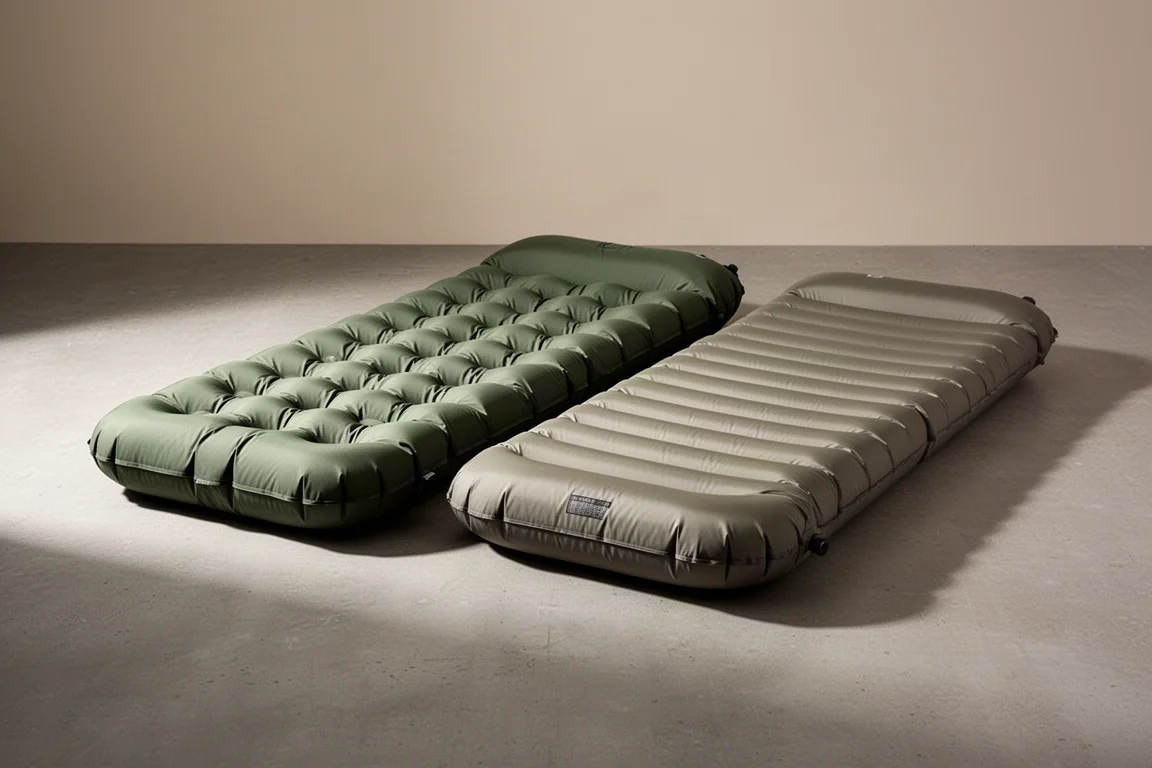
Two inflatable sleeping pads can look almost identical in a photograph and behave completely differently once the temperature drops. Both pads here measure 10 cm thick, and both sit at the top of the comfort scale for anyone who has spent enough nights on thin foam. The difference is what happens underneath you at two in the morning.
The Sea to Summit Ether Light XT Extreme is built for cold conditions. It carries an R-value of 6.2 and is rated for comfort somewhere around minus 11 to minus 15 degrees Celsius. The Trekology Aloft UL-80 is a summer pad with an R-value of 1.6, aimed at campers who are not expecting to sleep below roughly 5 degrees Celsius. The price gap is just as dramatic: around 170 pounds for the Sea to Summit against roughly 40 pounds for the Trekology.
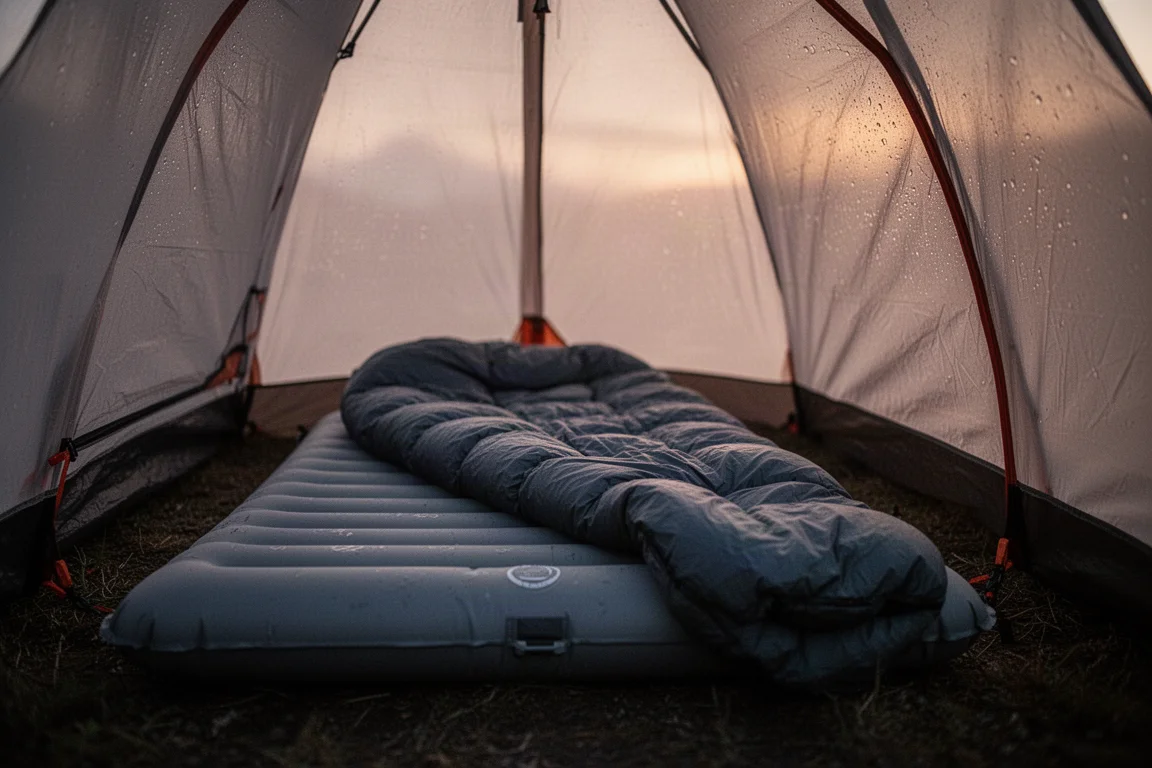
That gap raises an obvious question. If both pads are equally thick and equally comfortable, what exactly are you paying for? The answer sits in the insulation technology inside each pad, and in how the R-value scale is measured in the first place.
How R-Values Work on Sleeping Pads
An R-value is a measurement of thermal resistance. In practice, it describes how much heat from your body is lost downwards through the pad and into the ground while you sleep. A higher number means less heat escapes.
As a rule of thumb, sleeping pads fall into three broad groups. Summer pads typically sit between 1 and 2, which covers the Trekology at 1.6 and suits campers staying above about 5 degrees Celsius. Three-season pads run from 2 to 4.5 and cover roughly 10 degrees Celsius down to minus 10, with the lower end of the scale reserved for the higher numbers. Winter pads sit above 4.5, and the Sea to Summit at 6.2 falls firmly into this category.
Baffle design barely changes the number. Horizontal baffles, longitudinal baffles, or the air-sprung pocket construction used on the Sea to Summit pads all measure similarly. What matters is what is inside the pad, not the shape of the chambers.
It is also worth remembering that R-values are calculated scientifically, while real sleepers vary. Some people run warm and stay comfortable on modest insulation; others feel the chill far earlier. Treat the temperature bands as guidance rather than a guarantee.
Sea to Summit Ether Light XT Extreme: Warmth for Cold Nights
At 720 grams, the Ether Light XT Extreme stays reasonably light for the insulation it offers. The R-value of 6.2 places it in winter territory, with a comfort rating around minus 11 to minus 15 degrees Celsius.
That performance comes from two layers of technology. A thin metallic layer inside the pad, which Sea to Summit calls X Skin Platinum, reflects body heat back upwards instead of letting it drain into the ground. Alongside it, a high-loft fibre called ThermoLite fills the air pockets, adding insulation where a plain air chamber would simply circulate cold air.
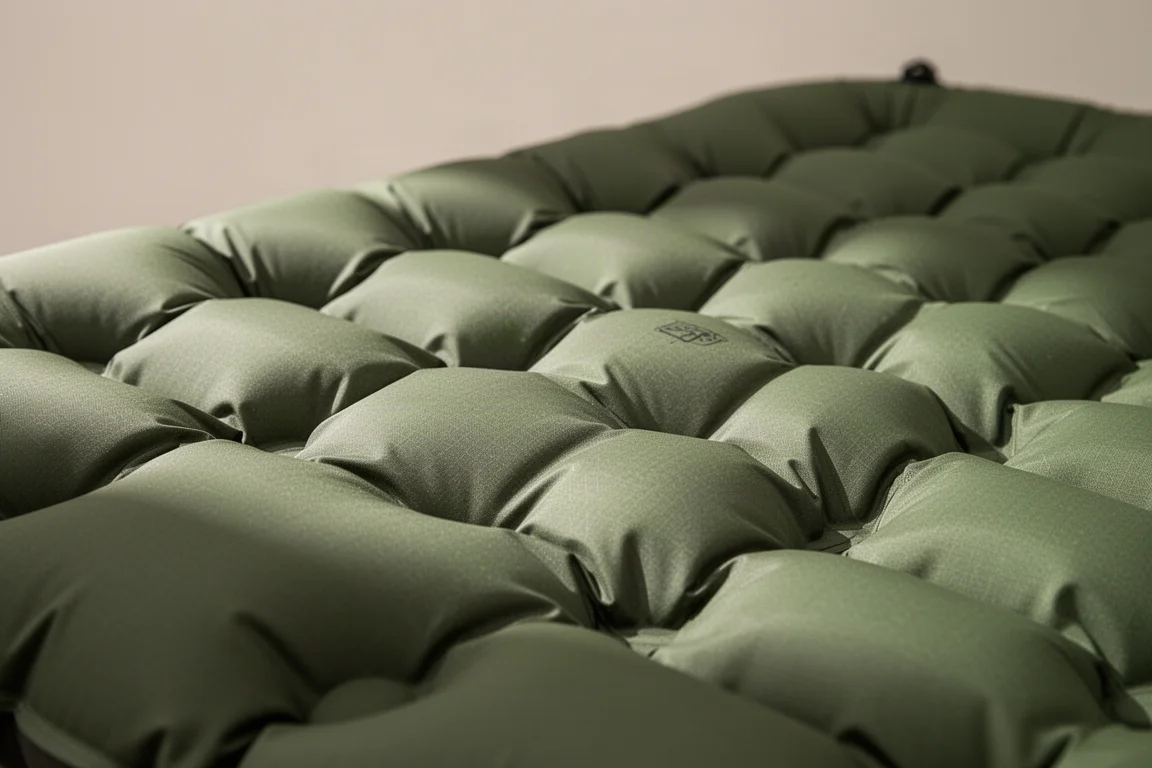
The practical effect is that this pad keeps working when a lighter sleeping bag or quilt is doing less. On cold ground, most heat loss happens through the floor, so a high R-value pad can carry a larger share of the job and let you travel with less insulation above you. Many campers find themselves pushing a quilt off in the night when the pad underneath is doing its work properly.
Trekology Aloft UL-80: A Budget Pad With Clear Limits
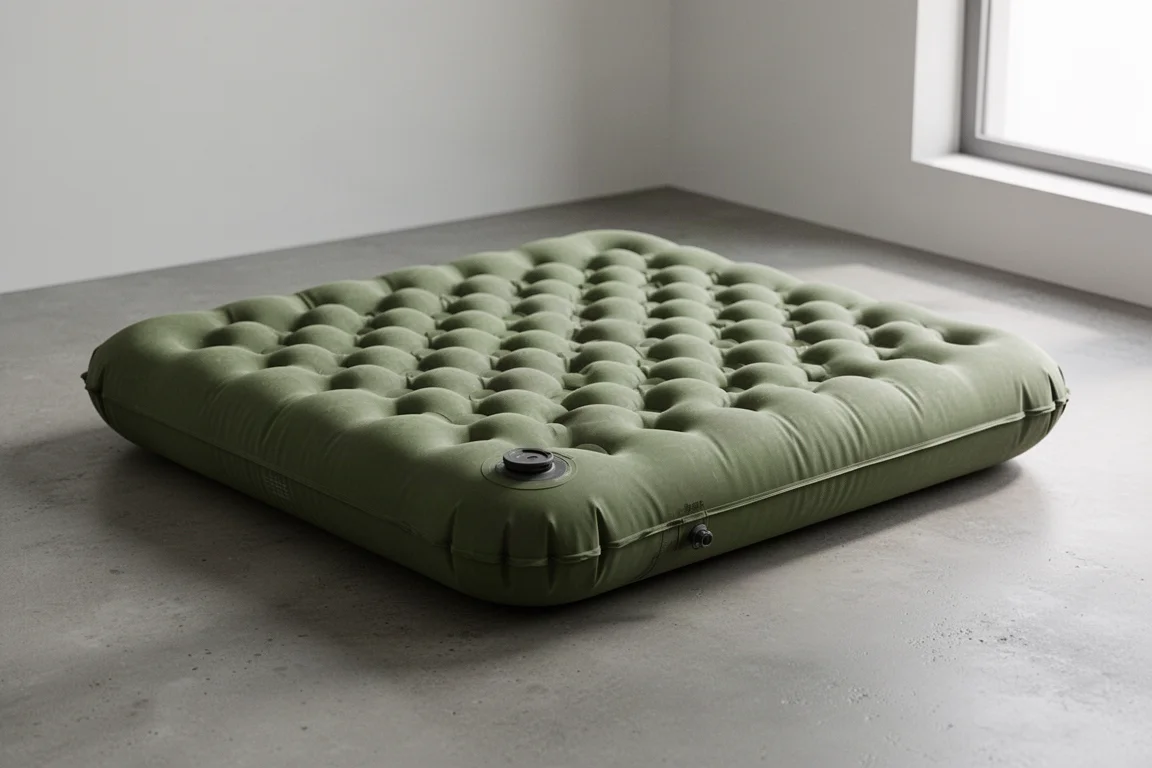
The Aloft UL-80 matches the Sea to Summit on thickness and comfort, and it costs a fraction of the price at around 40 pounds. What it does not have is insulation. Its R-value of 1.6 marks it as a summer pad, comfortable for campers who are not sleeping below about 5 degrees Celsius.
The reason is simple physics. Inside a cheaper pad there is essentially one large pocket of air. That air cools down, and the cold ground below and your body above try to equalise through conduction. You never win that exchange, because you cannot heat the ground. The result is a slow loss of warmth through the night, even when the pad feels plush when you first lie down.
It is worth noting that a warm sleeping bag does not fully solve this. The insulation underneath you compresses flat when you lie on it, so the bag contributes far less than its rating suggests. The pad is doing most of the work, and on a 1.6 R-value pad there is not much work being done.
Stretching a Budget Pad Further With a Foam Mat
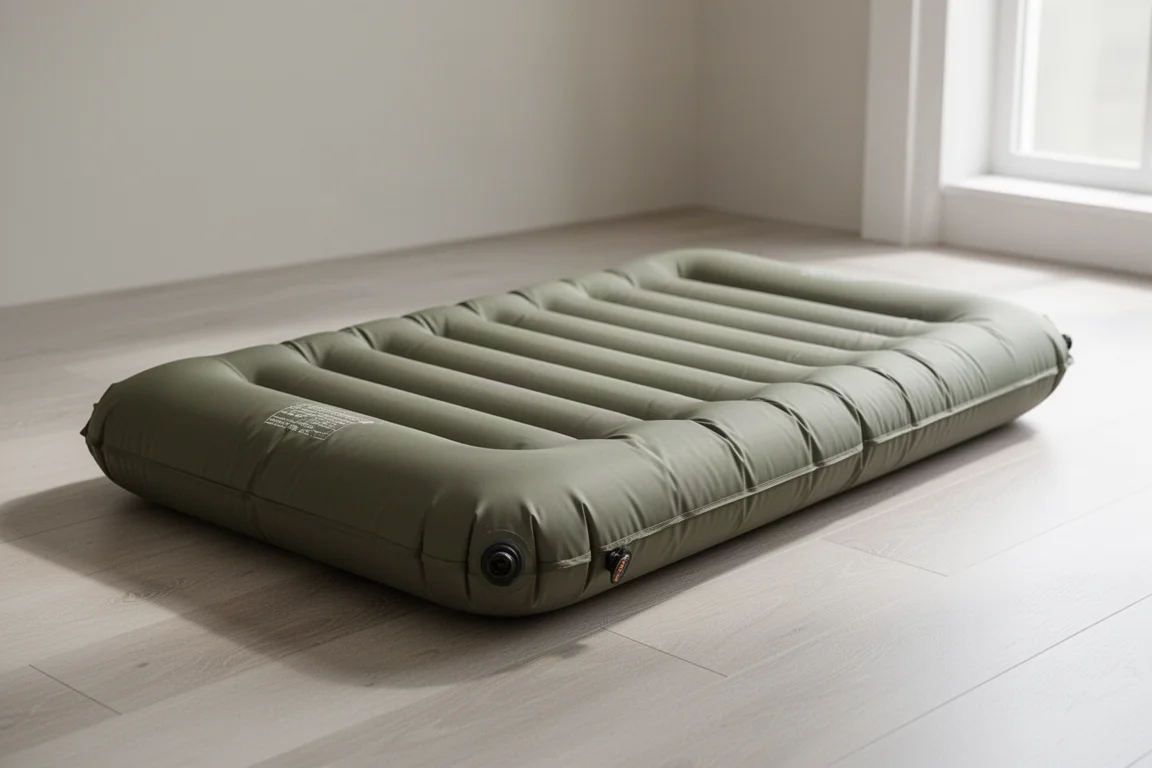
If the budget is 30 to 40 pounds rather than 170, the R-value of a cheap air pad can still be improved by layering. A closed-cell foam mat placed underneath the inflatable pad adds its own insulation to the pad’s rating, while the air pad continues to provide the comfort. In theory, the combination can take you into noticeably lower temperatures than either piece alone.
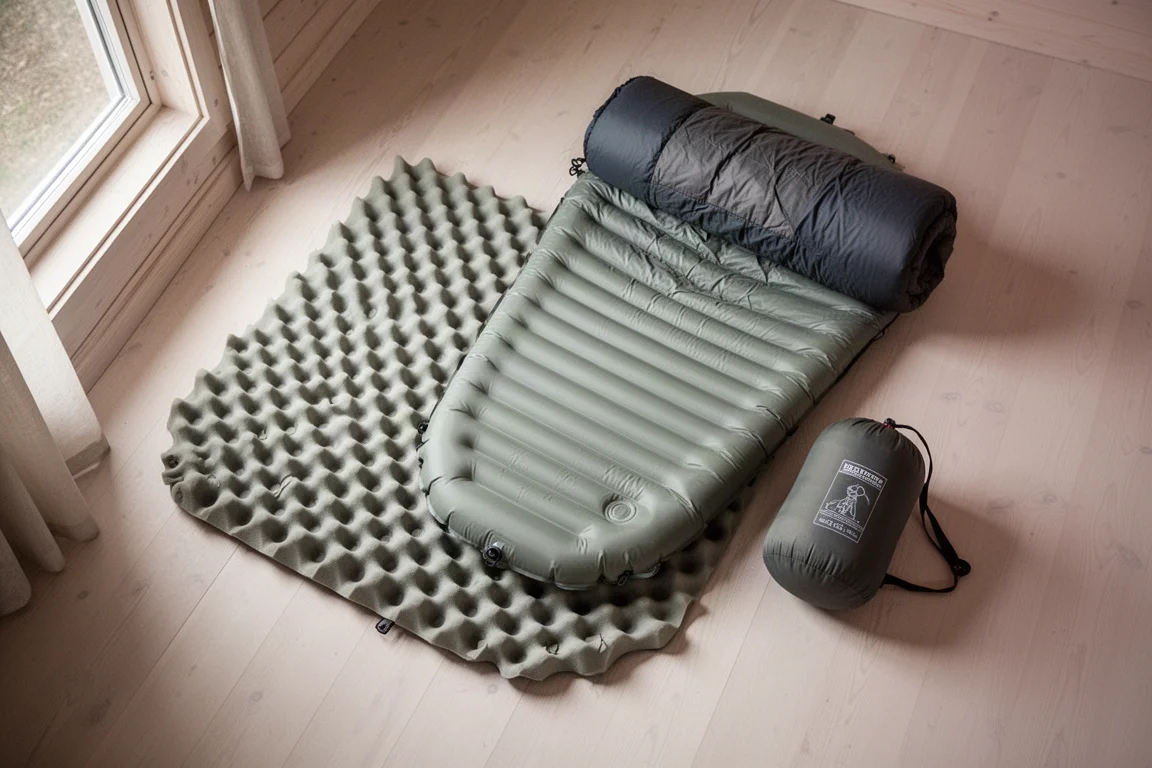
The trade-off is bulk. A full-length foam mat takes up significant pack space or has to be strapped to the outside of your pack, which is exactly the kind of awkward load that a lightweight setup is trying to avoid. It works, but it is a compromise rather than a free upgrade.
What to Look For Before You Buy
Start with the coldest conditions you realistically expect to camp in, then match the R-value band to that. A summer pad is a false economy if you regularly wake up cold, and a winter pad is unnecessary weight and cost if your trips are all warm-weather.
Weight deserves a place in the decision too. The Ether Light XT Extreme manages 720 grams while carrying an R-value of 6.2, which matters on longer walks where every item is counted. Cheaper pads are often light, but lightness is not the same as warmth.
Finally, think about how the pad interacts with the rest of your sleep system. In a tent you are protected from the outside elements and lose most of your heat through the floor. Once the floor is properly insulated, a lighter sleeping bag or quilt becomes far more viable.
Buying Advice
There are genuinely good insulated sleeping pads available for around 60 to 70 pounds, and that middle ground is where most three-season campers will find the best balance of warmth, weight, and price. Above that, the Sea to Summit Ether Light XT Extreme is aimed at anyone who camps in cold conditions and wants the insulation handled without adding bulk to the pack.

If the budget tops out at 30 to 40 pounds, the Trekology Aloft UL-80 is a reasonable choice for summer trips, and pairing it with a closed-cell foam mat is the sensible way to extend its range. Just go in with clear expectations: this is a warm-weather pad that needs help when the temperature falls, not a winter pad at a discount.
Conclusion
The two pads are close cousins in comfort and thickness, and worlds apart in warmth. The Sea to Summit Ether Light XT Extreme earns its price through a reflective metallic layer and ThermoLite fibre that keep heat where it belongs, giving it a winter-ready R-value of 6.2. The Trekology Aloft UL-80 earns its price by being light, comfortable, and honest about what it is: a summer pad at an accessible price.
Match the pad to the coldest night you actually expect, and either option will do its job well.
Further reading
Related Reviews
Sleeping Pads
Best Backpacking Sleeping Pads 2026: Nine Pads Rated on Price, Comfort, Warmth, and Weight
Nine backpacking sleeping pads compared on price, comfort, warmth, and weight, from a $65 summer pad to a year-round option rated at R-7.3.
Sleeping Pads
Best Backpacking Sleeping Pads: Comfort, Warmth, and Weight Compared
A practical comparison of the Nemo Quasar 3D, Therm-a-Rest NeoAir XTherm Max, and Big Agnes Rapide SL for backpackers choosing between comfort, warmth, and packed weight.
Sleeping Pads
Best Backpacking Sleeping Pads: Ultralight, Winter, Comfort and Budget Picks
A practical roundup of the sleeping pads that stand out for ultralight weight, winter warmth, pressure relief and value, plus three popular pads that fell short.