Sleeping Pads
Sea to Summit Ether Light XT Extreme Review: A Four-Inch Winter Sleeping Pad
A four-inch-thick winter sleeping pad with an R-value of 6.2, Thermolite insulation, and a pump sack that fills it in about three bags of air. Here is how it performs through a full winter of cold-weather camping.
Introduction
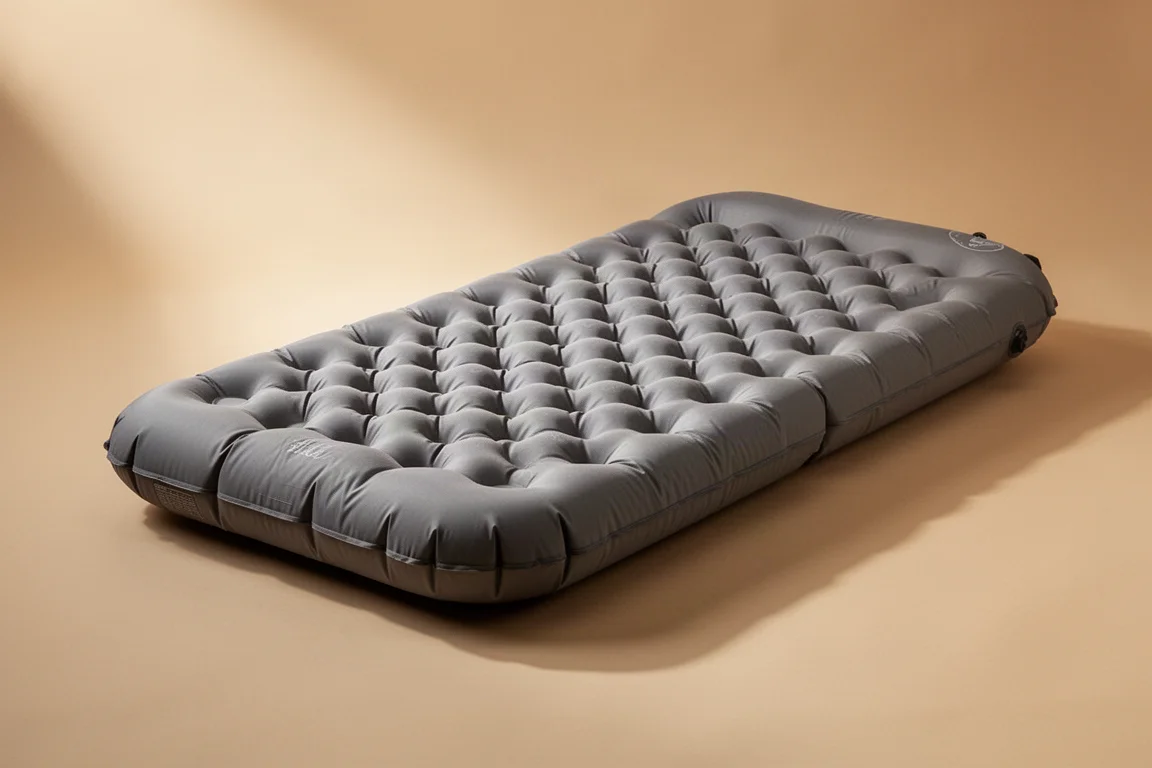
The Sea to Summit Ether Light XT Extreme is an ultra-thick sleeping pad built for winter conditions. It offers four inches of cushion, an R-value of 6.2, and a Thermolite synthetic insulation layer that you can feel through the fabric the moment you handle it.
It was tested through an entire winter, including nights down to 0°F, and it stayed warm throughout when paired with an adequate sleeping bag. No cool spots, no cold creeping through the mat. For a winter pad, that is the core promise, and it holds up.
Sea to Summit carries a strong reputation for sleeping pads, comparable to the standing Therm-a-Rest has earned in the same category. That reputation shows in the details here: the storage bag, the pump sack, the valve, and the spare parts included in the box.
Who this product is for
This pad suits cold-weather campers and backpackers who want maximum warmth and cushion rather than the smallest possible packed size. Four inches of thickness means side sleepers, stomach sleepers, and back sleepers can all settle into a comfortable position, and the raised baffles along the edges make it difficult to roll off during the night.
It is also a sensible match for anyone who has struggled with thin mats in freezing conditions. The insulation sits inside the pad, so the warmth comes from the mat itself rather than from a separate layer you have to manage.

The trade-off is bulk. This is not the pad to choose if every gram and every liter of pack space is already spoken for, and the sections below show exactly where that trade-off lands.
Main strengths
The strengths here fall into a few clear areas: comfort, warmth, durability, and the inflation system.
Comfort and cushioning
Comfort is the standout. With four inches of air and a soft synthetic insulation layer inside, the pad feels plush even when it is inflated fully and firm. The insulation itself adds a little extra cushioning, and that difference is noticeable in use. Comfort is also a step above what the Nemo Tensor offers.
The Sprung Cell construction is what holds the pad together. Small spring-like cells connect the top and bottom surfaces, supporting your weight and keeping the materials in place, so shifting position does not push air into other chambers and the mat stays solid underneath you.
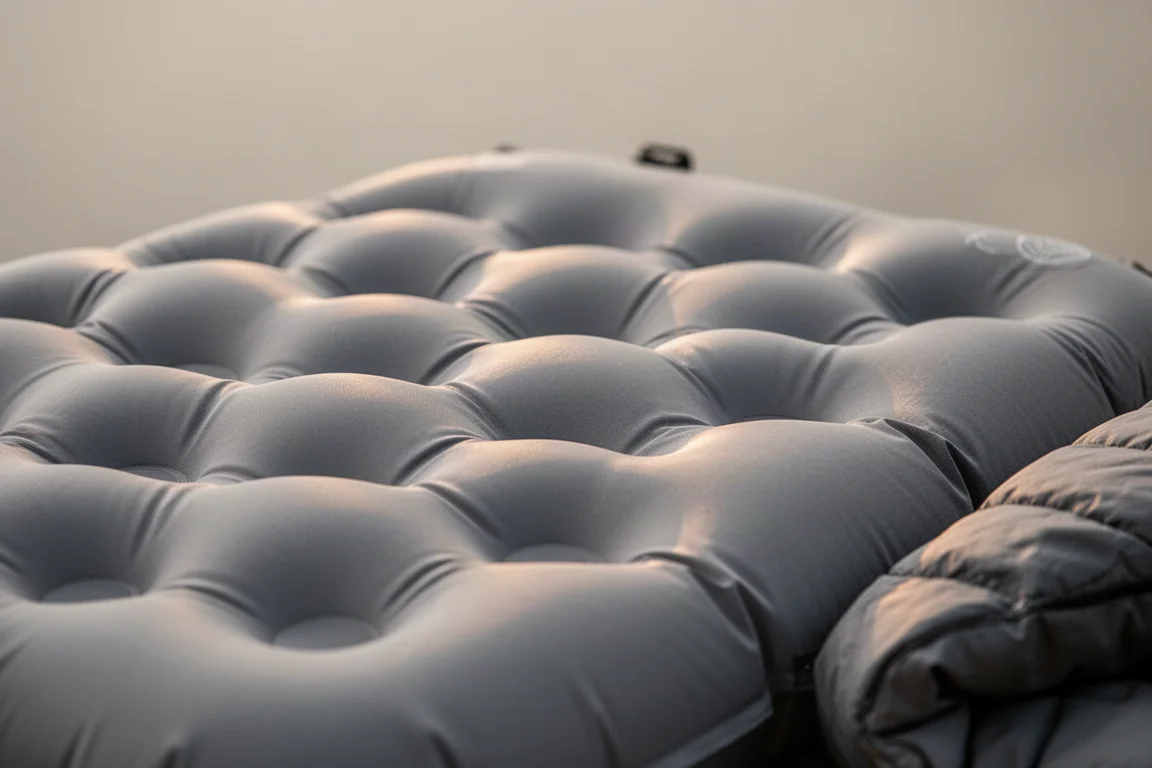
The raised baffles along the sides and around the head area keep you centered, so you settle into the middle of the pad and stay there. The surface is generous as well: 72 inches long with 21.5 inches of width at the shoulders before tapering toward the feet. With this much cushion, you will not feel anything underneath you.
Inflation and valve
Inflation uses the included pump sack, which Sea to Summit calls the Airstream Pump Sack. A nozzle on the sack connects to the pad’s valve, and roughly three full bags of air are enough to fill the mat. Inflating by mouth would take considerably longer given the four-inch thickness.
The valve includes a stopper, so you can release a small amount of air during the night to soften the pad without losing the fill. Deflating is quick and simple as well.
The storage bag is unusual in a useful way. It opens from both the top and the bottom: the top opening lets you pull the pad out, and the bottom opening turns the bag into the inflation setup. The package also includes a replacement inflation valve and a repair kit.
Warmth and R-value
The R-value is 6.2, which is high for an insulated pad and the reason this model is positioned as a winter mat. In testing down to 0°F it stayed warm with a suitable sleeping bag.
There is an important habit with any insulated pad: it has to be inflated to its full capacity. When the pad is firm, the materials and the insulation are taut and sit closer to your skin, and that is what delivers the high R-value. Let air out and the surface sags away from you, and you will feel cold. The same principle applies to other insulated pads, including those that use different insulation technology. The choice is between a slightly softer night and a warmer one, and in winter the warmth is usually worth it.
Build quality and durability
The upper and lower surfaces use 30-denier and 40-denier nylon, and the pad is built to a higher degree of durability than a typical three-season mat. It has been used inside a tent and outside under a tarp, always on top of a ground sheet, without any issues, and it has stayed leak-free through extended use.
The pad also has an internal treatment that inhibits mold growth, so repeated inflation over a season does not lead to anything unpleasant developing inside the mat.
Things to consider before buying
Two things stand out before you commit: packed size and noise.
Packed size
When it is compressed into the storage bag, the pad takes up a lot of room. It measures roughly nine and a half inches long when packed, which means it can occupy as much space in a backpack as a tent or a sleeping bag. If you are carrying everything on your back for several days, that space has to come from somewhere.
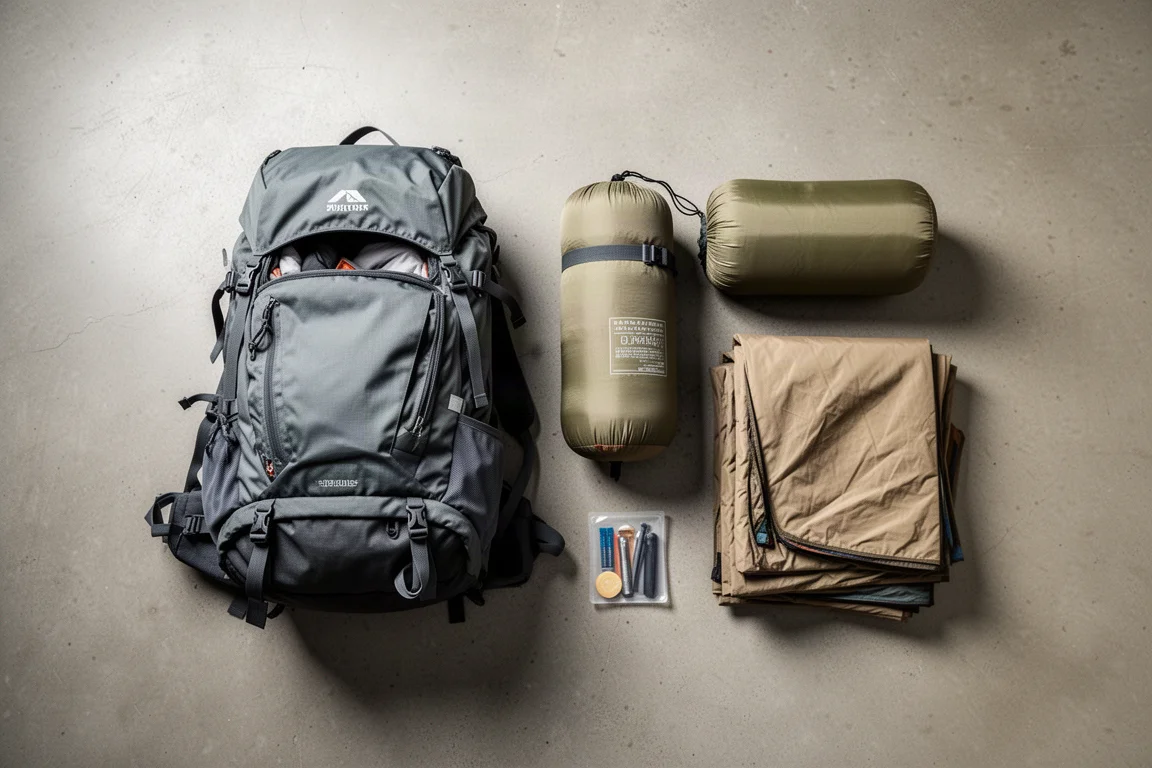
Weight is more reasonable: 1.7 pounds including the storage bag, inflation bag, and repair kit, which is not bad at all for a pad rated at 6.2. Sea to Summit also offers lighter versions of this pad with lower R-values and lower prices, so packed size and warmth rating go together here.
Noise
This is a noisy pad. Insulated pads generally are, because of the materials inside them, and this one is no exception. Light sleepers may notice the sound when they shift position during the night.
For campers who are new to sleeping outdoors, that noise can be more distracting, partly because everything else about the night is unfamiliar. With more time outside, most people stop noticing it.
Buying advice
Choose this pad when warmth and comfort are the priority. If a trip is focused on covering distance with the lightest possible load, a lighter insulated option such as the Therm-a-Rest XTherm, which comes in under one pound, is the better match. If the goal is a comfortable, very warm night in cold conditions, the Ether Light XT Extreme is the stronger choice.
This pad comes in several versions: tapered regular and tapered large, plus rectangular regular and large. The other versions use lower R-values, which makes them lighter and less expensive, so it is worth deciding early whether you need the full 6.2 rating or would rather save weight and money.
Whichever version you pick, inflate it fully on cold nights. That single habit decides whether an insulated pad performs the way it is rated.
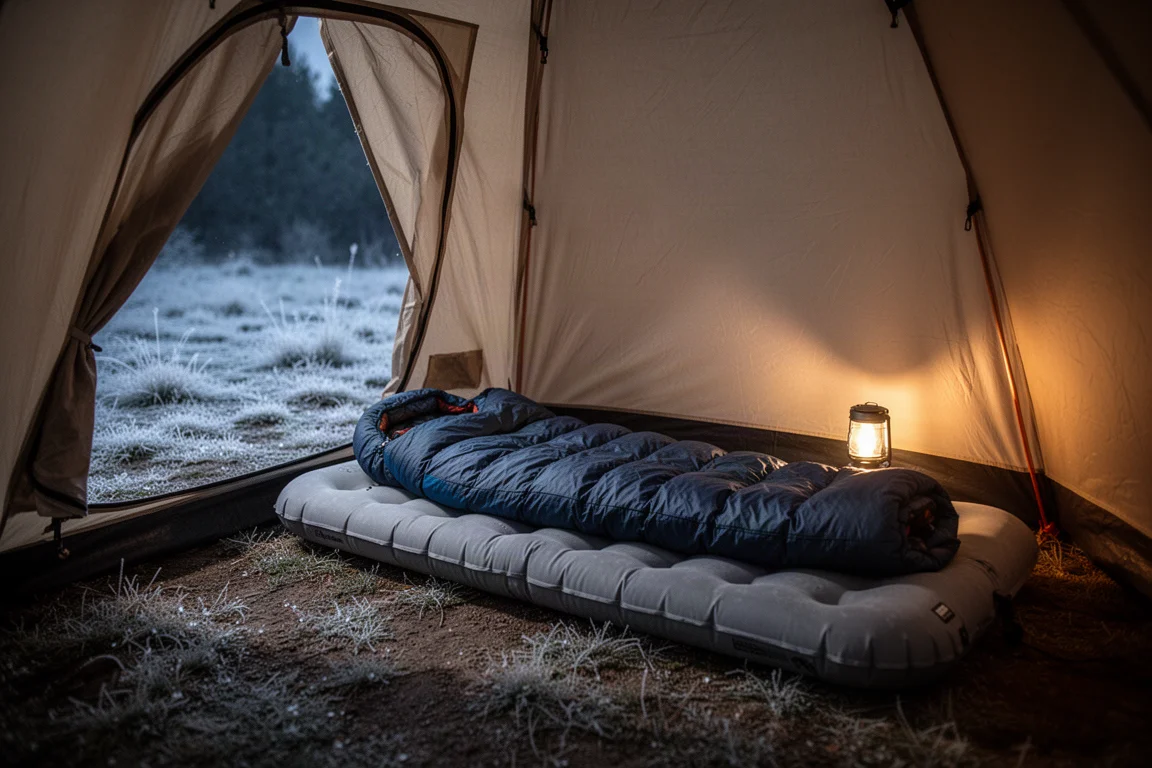
The included pump sack, spare valve, and repair kit also mean the pad arrives ready for real trips rather than needing extras bought separately.
Conclusion
The Sea to Summit Ether Light XT Extreme is a genuinely impressive winter sleeping pad. It is very warm, very comfortable, and durable enough to handle a full season of use in and around a tent. The four inches of cushion and the Thermolite insulation make it one of the most comfortable air mats available for cold conditions.
Its compromises are clear: it is bulky when packed and it is not silent. For anyone whose priority is a warm, comfortable night in freezing temperatures, those are acceptable trade-offs, and this pad is easy to recommend.
Product link
View more details for Sea to Summit Ether Light XT Extreme
This product is mentioned in the review. Check the specifications, options, and compatibility before buying.
View more details for Sea to Summit Ether Light XT ExtremeFurther reading
Related Reviews
Sleeping Pads
Best Backpacking Sleeping Pads 2026: Nine Pads Rated on Price, Comfort, Warmth, and Weight
Nine backpacking sleeping pads compared on price, comfort, warmth, and weight, from a $65 summer pad to a year-round option rated at R-7.3.
Sleeping Pads
Best Backpacking Sleeping Pads: Comfort, Warmth, and Weight Compared
A practical comparison of the Nemo Quasar 3D, Therm-a-Rest NeoAir XTherm Max, and Big Agnes Rapide SL for backpackers choosing between comfort, warmth, and packed weight.
Sleeping Pads
Best Backpacking Sleeping Pads: Ultralight, Winter, Comfort and Budget Picks
A practical roundup of the sleeping pads that stand out for ultralight weight, winter warmth, pressure relief and value, plus three popular pads that fell short.