Sleeping Bags
Sea to Summit Ascent Down Sleeping Bag Review: Comfort, Versatility, and Real Trade-Offs
A comfort-focused down bag with a relaxed cut, three zippers, and a 15°F limit rating. Here is how it performs, what it does well, and who it suits.
Introduction
The Sea to Summit Ascent Down has been part of the brand’s sleeping bag range for several years, and the 2024 update concentrates on making the bag more enjoyable to sleep in rather than chasing the lowest possible weight. That positioning matters, because it defines who should be looking at this bag in the first place.
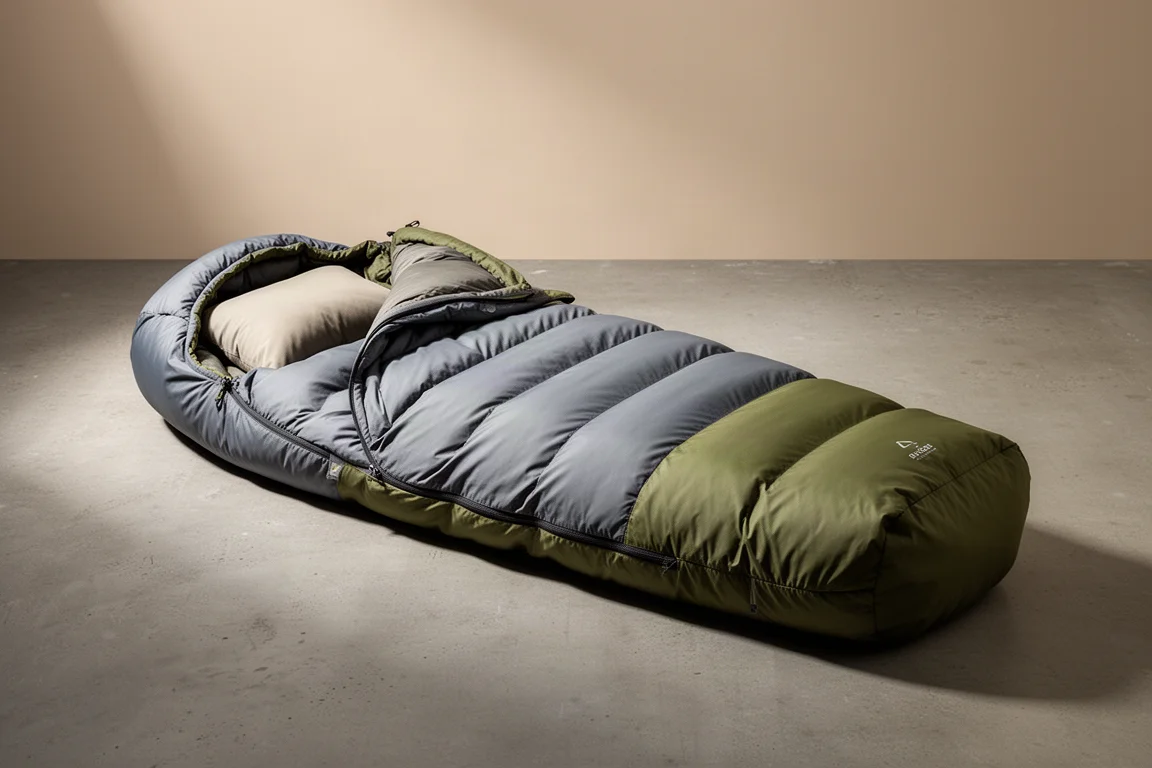
This is a down bag built around comfort and versatility. It uses a relaxed shape that gives you room to move, a set of zippers that let you open it up in several different ways, and insulation details aimed at keeping warmth where it counts. It is not trying to be the lightest option on the shelf, and it is not trying to convert committed quilt users. It is trying to be the most bed-like traditional sleeping bag you can reasonably carry.
Who This Sleeping Bag Is For
The clearest audience for the Ascent Down is anyone who has tried a tight mummy bag and disliked it. The cut here is relaxed, so you can roll onto your side, bend your knees, and shift position without feeling pinned in place. That alone changes the experience of a night outdoors for a lot of people.
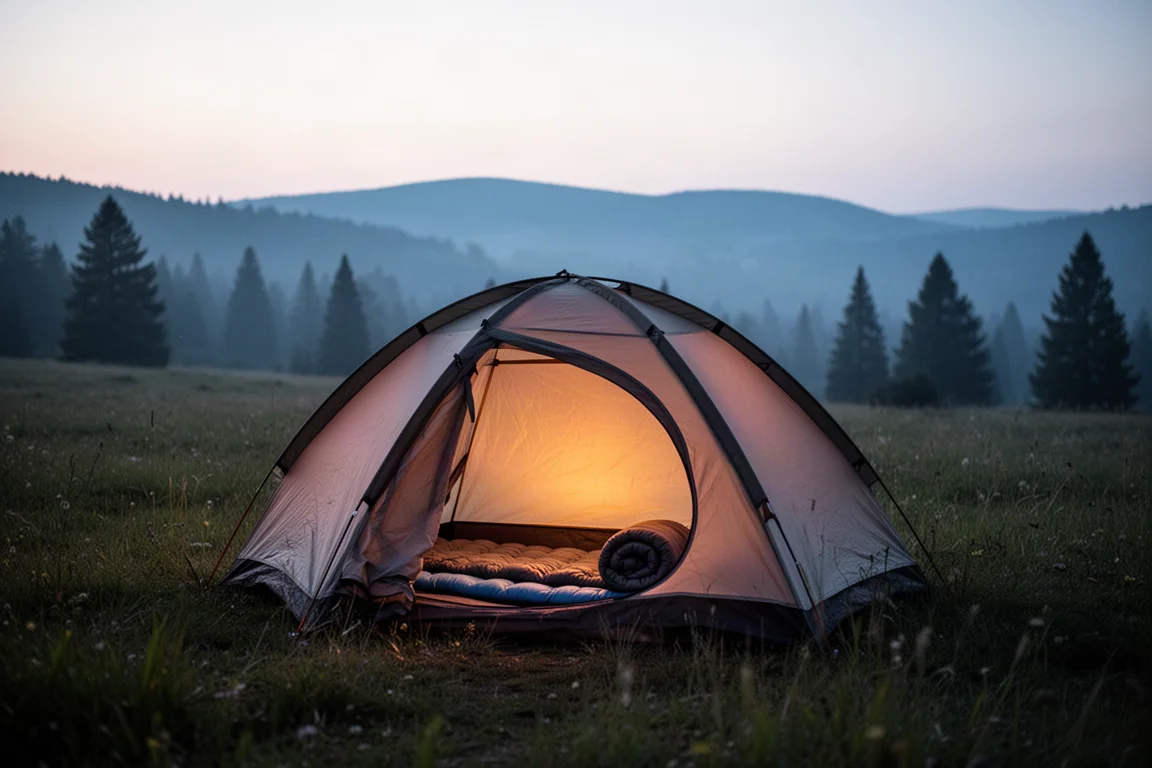
It also suits campers who want one bag to cover more than a single scenario. Because the zipper layout allows the bag to open out and drape like a blanket, it works as a warm layer while you sit in a tent reading or waiting out weather, not just as something you crawl into at bedtime. If you want that flexibility without moving to a quilt, this is the case the bag makes for itself.
The trade-off for that roominess is that the bag is not the lightest or most compressible option available, so backpackers counting every gram will want to weigh that against the comfort gain. For everyone else, the relaxed fit is the feature rather than the compromise.
Main Strengths
Zoned Baffling and Temperature Ratings
The Ascent Down comes in two temperature options, a 30°F bag and a 15°F bag. The 15°F figure is the limit rating, while the comfort rating for that bag is 29°F. In practice the bag has been used down to roughly 25°F with mid layers and thermals underneath, and it stayed comfortably warm at that temperature.
The insulation is 750+ fill power RDS certified down. That is not the highest fill power available, which keeps the cost more reasonable, but it still contributes meaningful weight savings over a basic down fill. The 15°F bag in the regular size weighs 36 oz, a little over two pounds, and packs down small in the compression sack that comes with it.
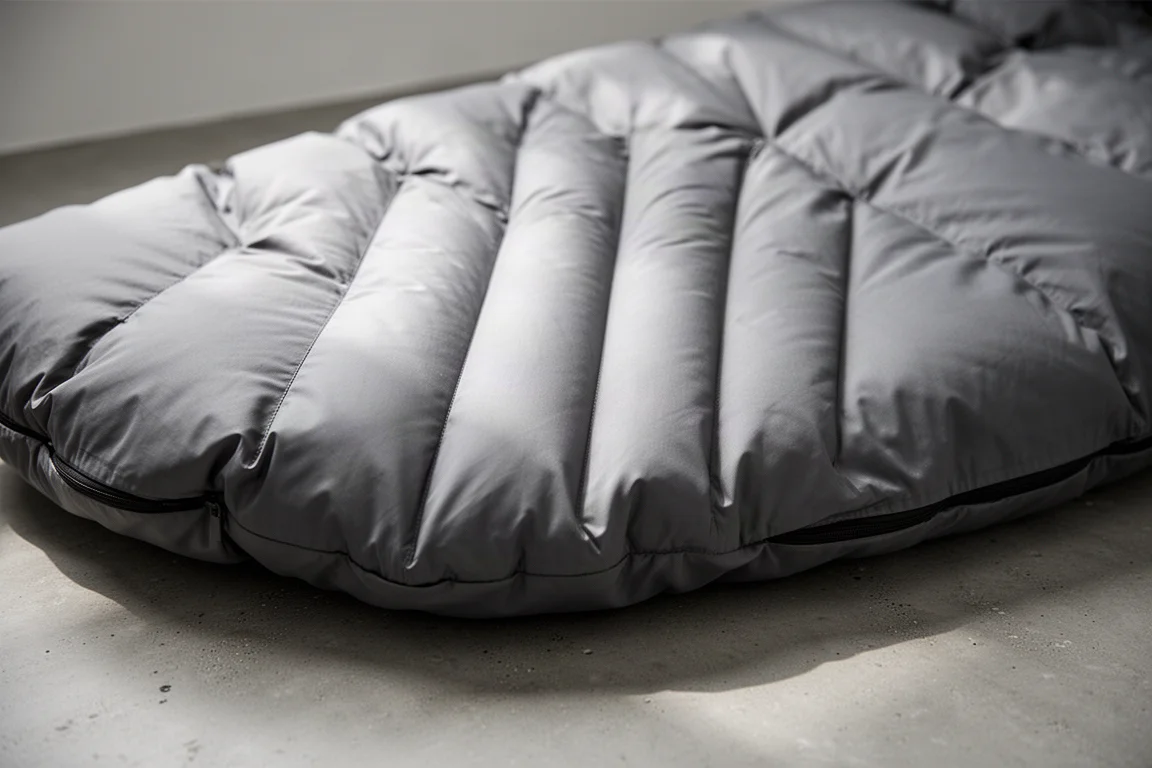
Baffling is zoned rather than uniform. The torso uses vertical baffles, which keep the down from shifting sideways and creating cold spots across the chest. The leg area, foot box, and back use horizontal baffles, which suits those sections well. It is a sensible layout for a bag that needs to perform in genuinely cold conditions.
A Zipper Layout Built for Versatility
The most distinctive thing about this bag is how many zippers it has. On the left side of the men’s version there is a full-length zipper that runs the whole way down, which makes getting in and out easy and gives you a large vent when you need to dump heat. A full-length draft tube runs along that edge to protect warmth, and a rigid ribbon along the zip helps reduce snagging. It is not completely immune to snags, but it works well in practice.
On the right side there is a half-length zipper. Opening it lets the bag fold over and behave almost like a quilt or blanket, so you can sit up with your arms free while keeping your core covered. It also gives you a second way in and out of the bag.
The third zipper sits at the foot box and lets you vent your feet. The detail that matters here is that the same insulated draft tube continues through that opening, so when it is closed you are not giving up warmth for the convenience.
Comfort Details and Fabric Feel
The hood is shaped to accept a regular sized pillow, which is a small design decision that makes a real difference to how the bag feels over a full night. A pillow tucks into place neatly. The one limitation is that if you want the hood cinched tightly around your face, you will need to keep the pillow outside the bag instead.
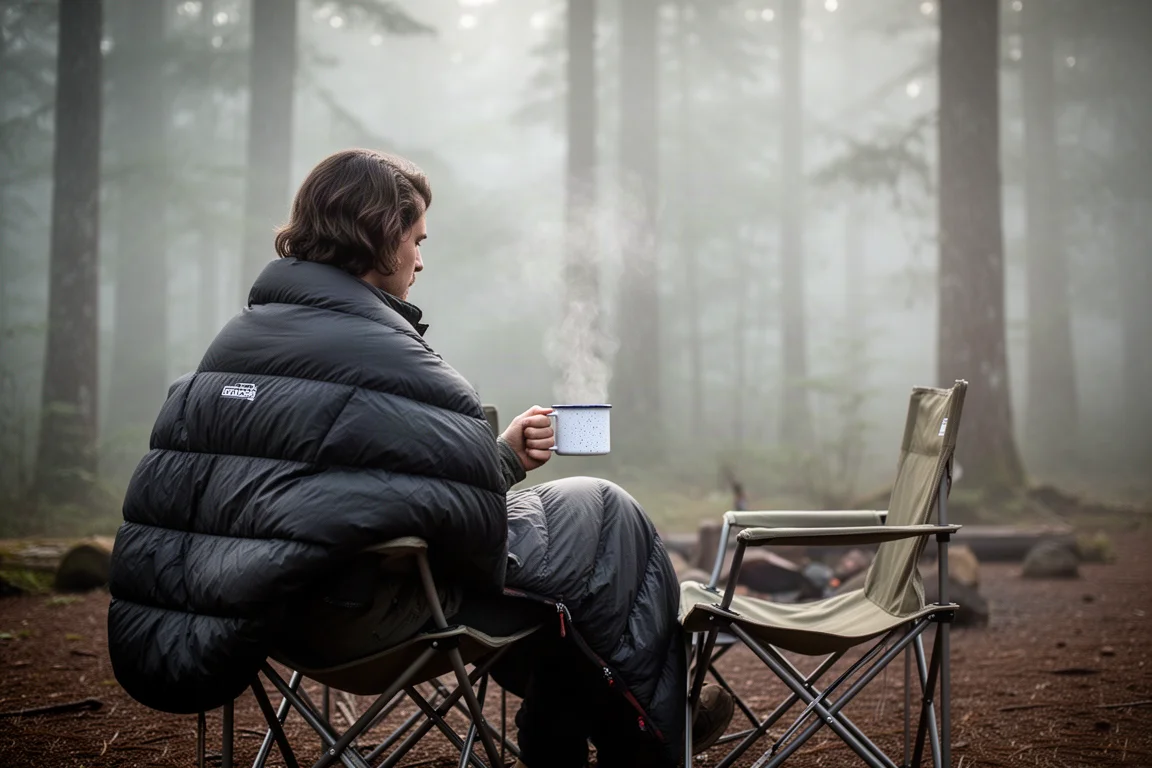
Around the neck there is a cinch collar with its own draft tube, so you can seal off that gap and hold warmth in on cold nights. There is also a quilt lock system: snaps at the top of the bag let you close the two sides together, and from there you can open the zippers and wear the bag around your shoulders while you sit up. That turns the bag into something you can use outside of sleeping hours, with your arms and feet free.
The fabrics are a 20D nylon, and they feel soft rather than slick or sticky against the skin. That matters more than it sounds. A bag that feels like a plastic sack is harder to enjoy, and this one does not have that problem. The material is also durable enough for regular backcountry use.
Things to Consider Before Buying
The first thing to get straight is the temperature rating. The 15°F number is a limit rating, not a comfort rating, and the comfort rating for that bag is 29°F. If you plan to sleep in serious cold, you should expect to pair the bag with appropriate layers and a proper sleeping pad, exactly as you would with any bag in this class.
Second, this is not a minimalist bag. At 36 oz in the regular size for the 15°F version, it is heavier than dedicated ultralight options. That weight buys you the roomier cut, the extra zippers, and the more generous hood. If your priority is the lowest possible pack weight, this is the wrong end of the market for you.
Third, the zippers are a genuine strength but not a perfect system. Anti-snag detailing reduces the problem rather than eliminating it, so expect to take a little care when you zip up quickly in the dark.
Finally, think about how you actually sleep. If you are comfortable in a close-fitting mummy bag and rarely sit up in it, you will be paying for versatility you may not use. The value of the Ascent Down is concentrated in the people who want the extra space and the option to open the bag up.
Buying Advice
Choose the 15°F version if you camp in cooler shoulder-season conditions and want a bag that can handle temperatures down to around freezing without much help. Choose the 30°F version if your trips are mostly milder and you want to save weight and pack space.
Size the bag to your body rather than buying the largest option available. The relaxed cut already gives you more room than a traditional mummy bag, and the point of the design is to let you move, not to leave a large volume of dead air for your body to heat. A well-matched size keeps the comfort benefits without working against the insulation.
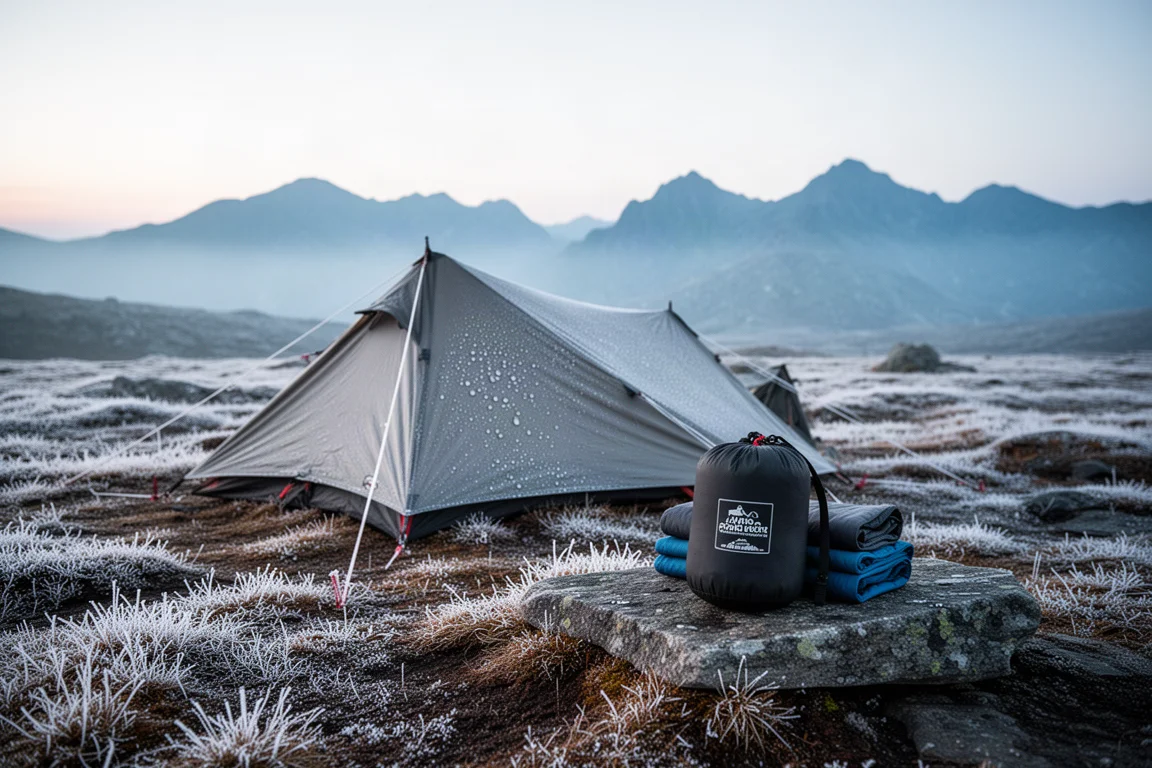
It is also worth deciding early whether you want the quilt-like behaviour or a true quilt. This bag is the better answer if you like the structure and coverage of a sleeping bag but want more freedom inside it and the ability to open it up. If you have already committed to quilts, this is not the product that will change your mind.
On value, the Ascent Down sits at a price point that reflects the 750+ fill power down, the zoned baffling, and the multiple zipper system. For a bag that covers sleeping, sitting up, and venting in one package, that combination is difficult to match without moving into higher fill powers and higher prices.
Conclusion
The Sea to Summit Ascent Down is a comfort-first sleeping bag, and it is honest about that. It trades a little weight and a little packability for a roomier cut, softer fabrics, a pillow-friendly hood, and a three-zipper layout that lets the bag open into something closer to a blanket.
If you have found mummy bags constricting, or you want one bag that works both for sleeping and for sitting around camp, this is a strong candidate. If you are chasing the lightest possible setup for long-distance trips, look elsewhere. For everyone in between, it is a well-considered option that delivers on the comfort it promises.
Product link
View more details for Sea to Summit Ascent Down Sleeping Bag
This product is mentioned in the review. Check the specifications, options, and compatibility before buying.
View more details for Sea to Summit Ascent Down Sleeping BagFurther reading
Related Reviews
Sleeping Bags
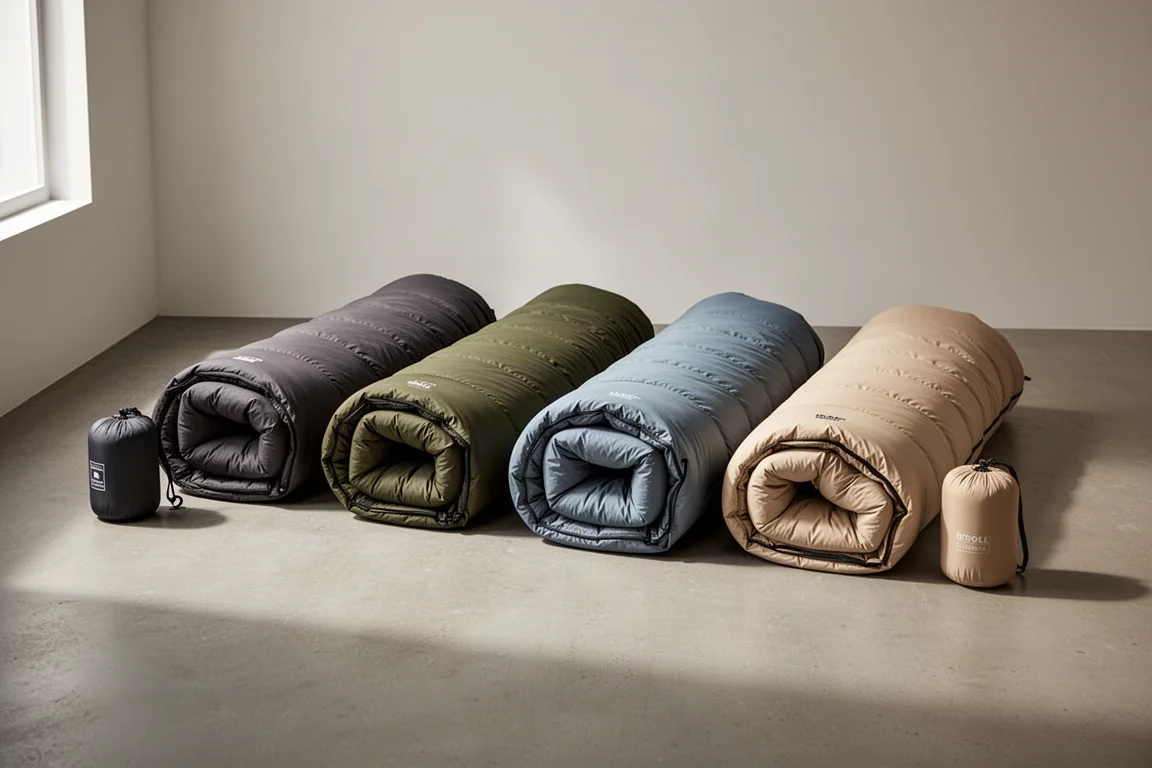
Best Down Sleeping Bags Under $300: Four Backpacking Options Worth a Look
Four down sleeping bags that stay under $300, compared on fill power, baffle design, hood comfort, and packed size.
Sleeping Bags
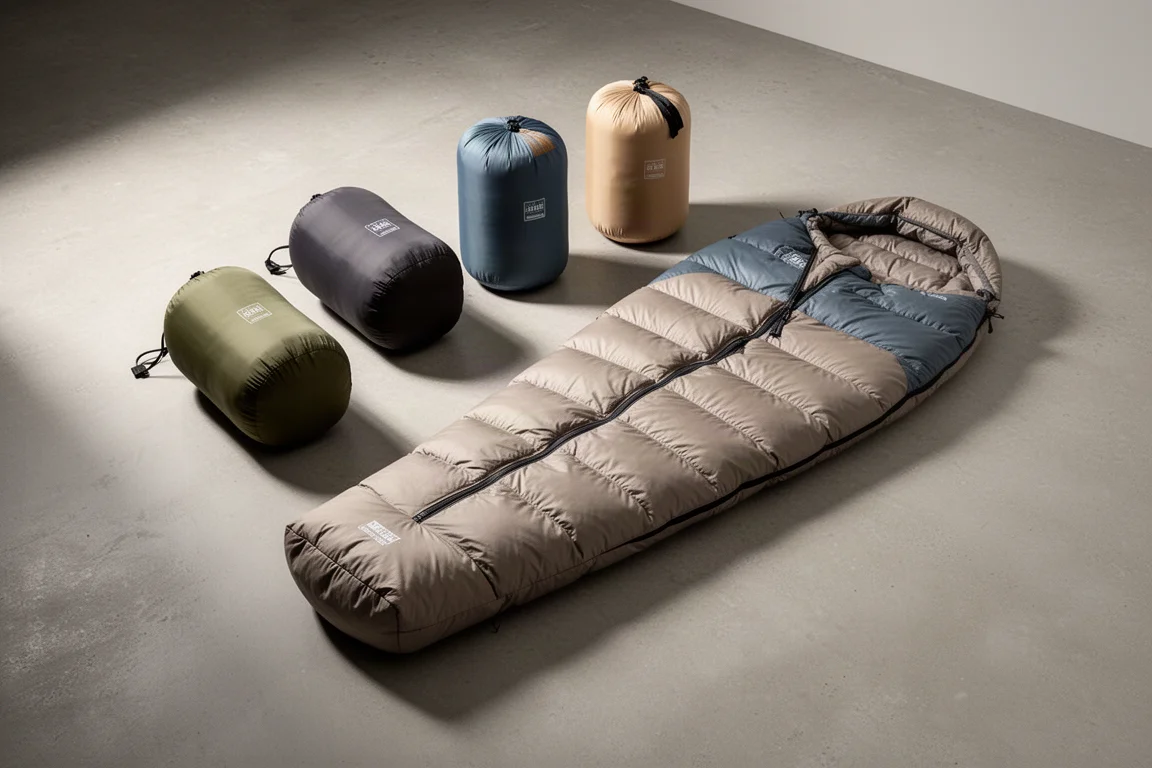
Best Sleeping Bags and Sleep Systems: Five Premium Down Picks Compared
Five premium down sleeping bags and sleep systems compared on warmth, weight, construction, and value.
Sleeping Bags
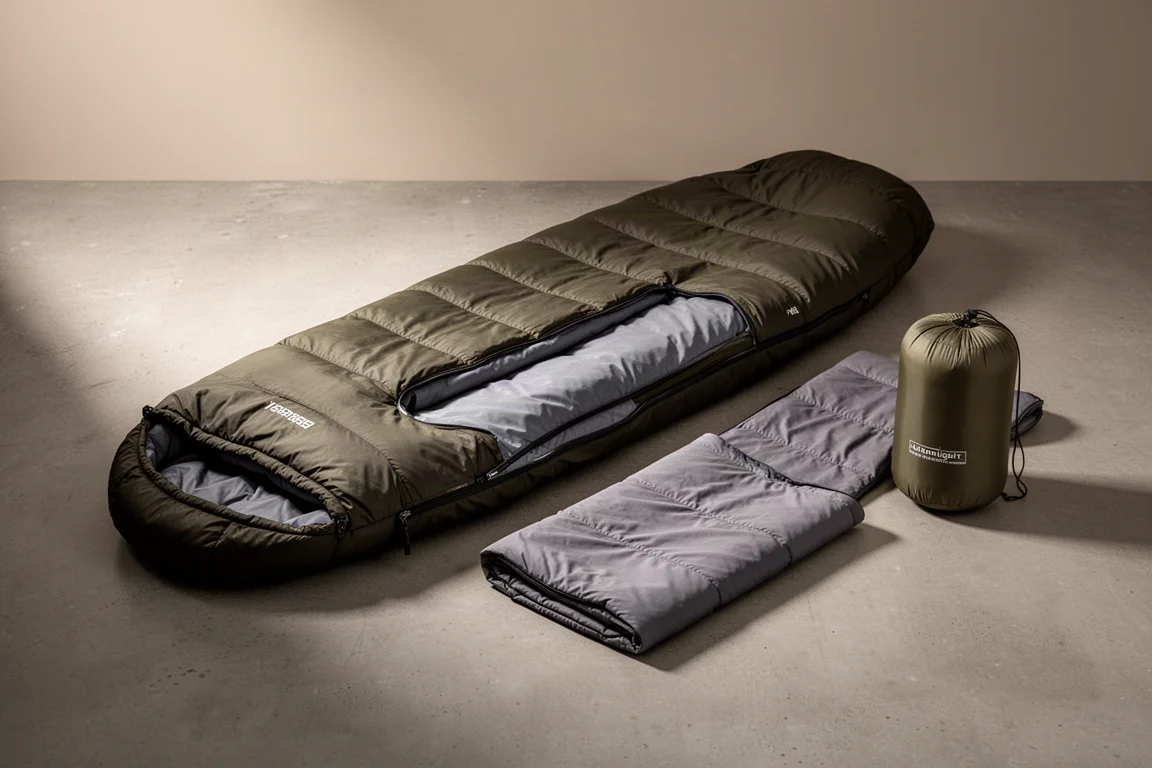
Big Agnes Lost Ranger UL 3-in-1 Sleeping Bag System Review: One Bag, Three Setups
A practical look at the Big Agnes Lost Ranger UL 3-in-1 Sleeping Bag System, covering how the three configurations work, where it shines, and the details worth weighing before buying.