Camping Tents
Sea to Summit Alto TR Plus and Telos II: Two Lightweight Tent Lines Compared
A practical look at Sea to Summit's Alto TR Plus and Telos II tents, covering weight, living space, weather protection and which one suits the trips you take.
Introduction
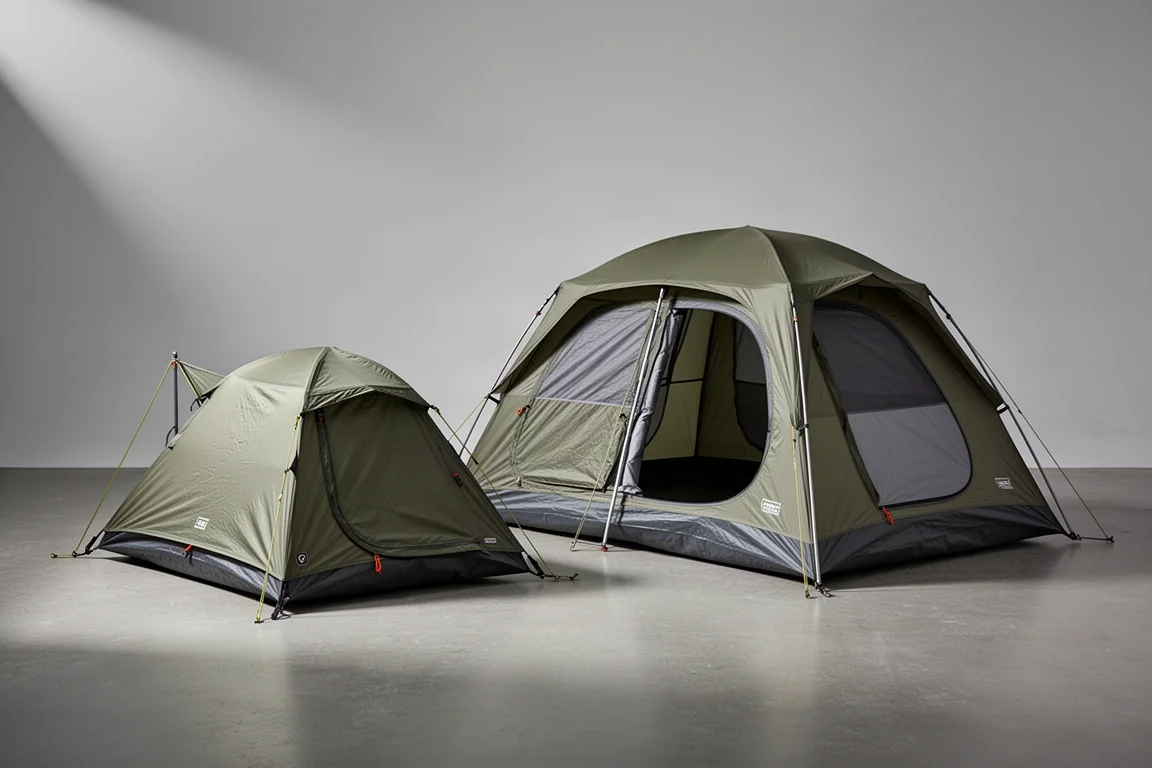
Sea to Summit has spent years building lightweight camping accessories, and its tent range applies the same design thinking: light and packable, but with genuinely useful ideas built in rather than weight savings alone. The Alto and the Telos are the two lines to know, and both are offered in one-person and two-person versions as well as standard and Plus builds. This guide walks through what separates them so you can choose the one that matches the trips you actually take.
What Sets Sea to Summit Tents Apart
Sea to Summit has not tried to win on weight or packed size alone. These are light, packable tents with a focus on small practical details, and the Plus specification is the version that matters most for wet, changeable conditions. It adds a higher level of waterproofing to the inner and the base, along with a taller bathtub floor that keeps ground water away from your sleeping bag.
Packaging is part of the design. The fly, inner, poles and pegs each come in their own bag, and the bags clip together so nothing goes missing between trips. Inside the tent, those same bags attach in the corners as pockets and can be sealed, so small items stay where you left them overnight.
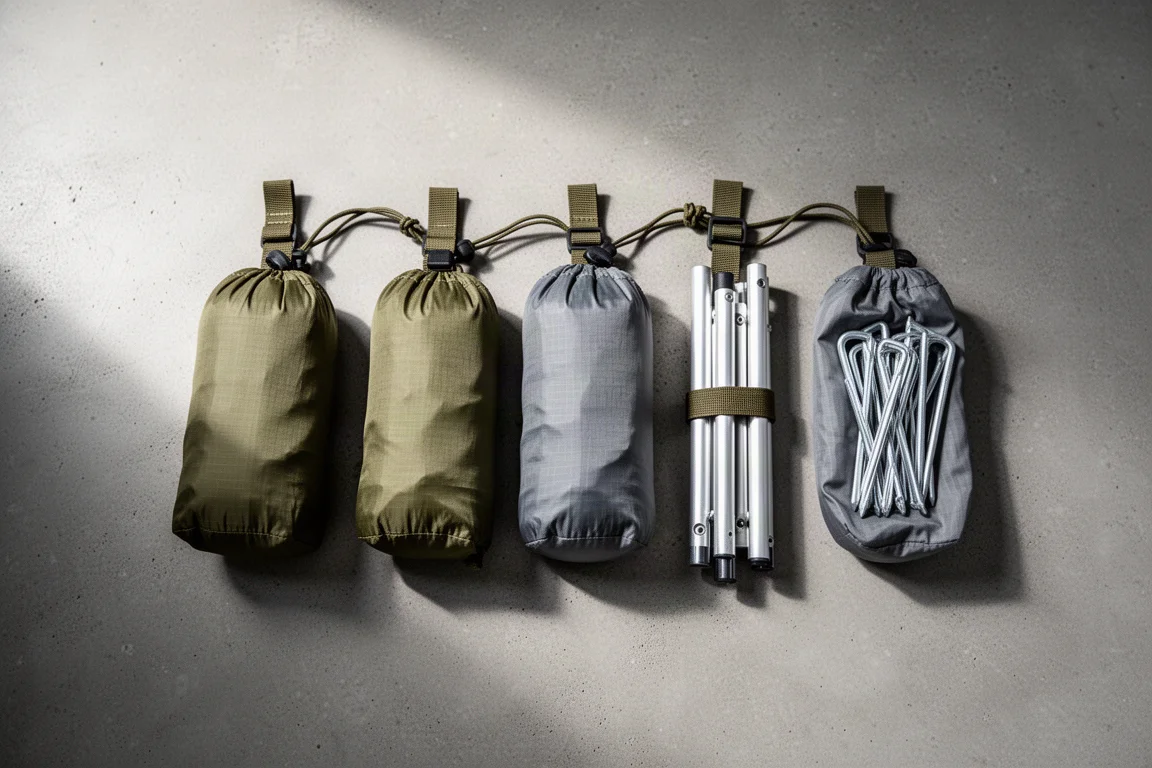
Everything runs on DAC poles with colour-coded sleeves and anchor points, which keeps pitching straightforward even in poor light.
Sea to Summit Alto TR Plus: Lightweight Solo Shelter
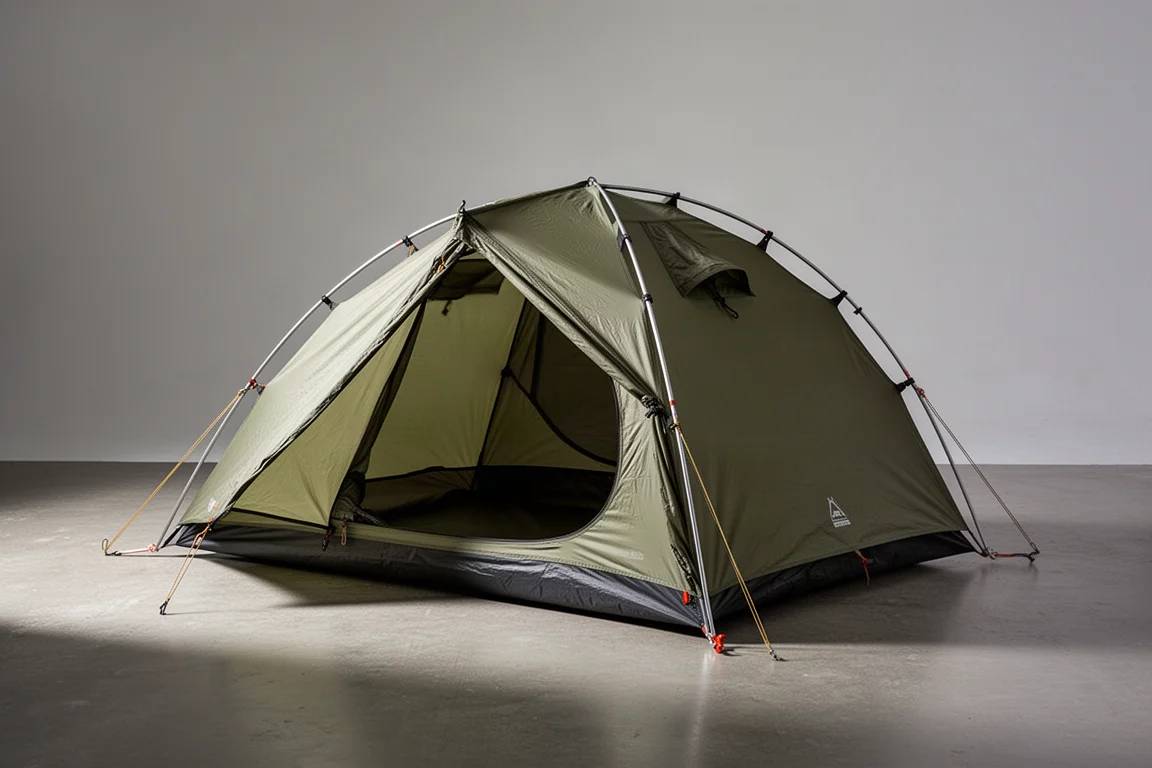
The Alto is the weight-focused option. The one-person version weighs just over a kilogram, and the two-person version comes in under two kilograms, closer to one and a half when you strip it back and leave the bags at home. The rear of the tent uses a single pole rather than a split pair, which saves weight but reduces interior volume compared with the Telos.
It is a semi-freestanding design. The Alto will not fall straight over, but it really needs pegging to stand properly and to open out its full interior space, and that trade-off is what keeps the weight down.
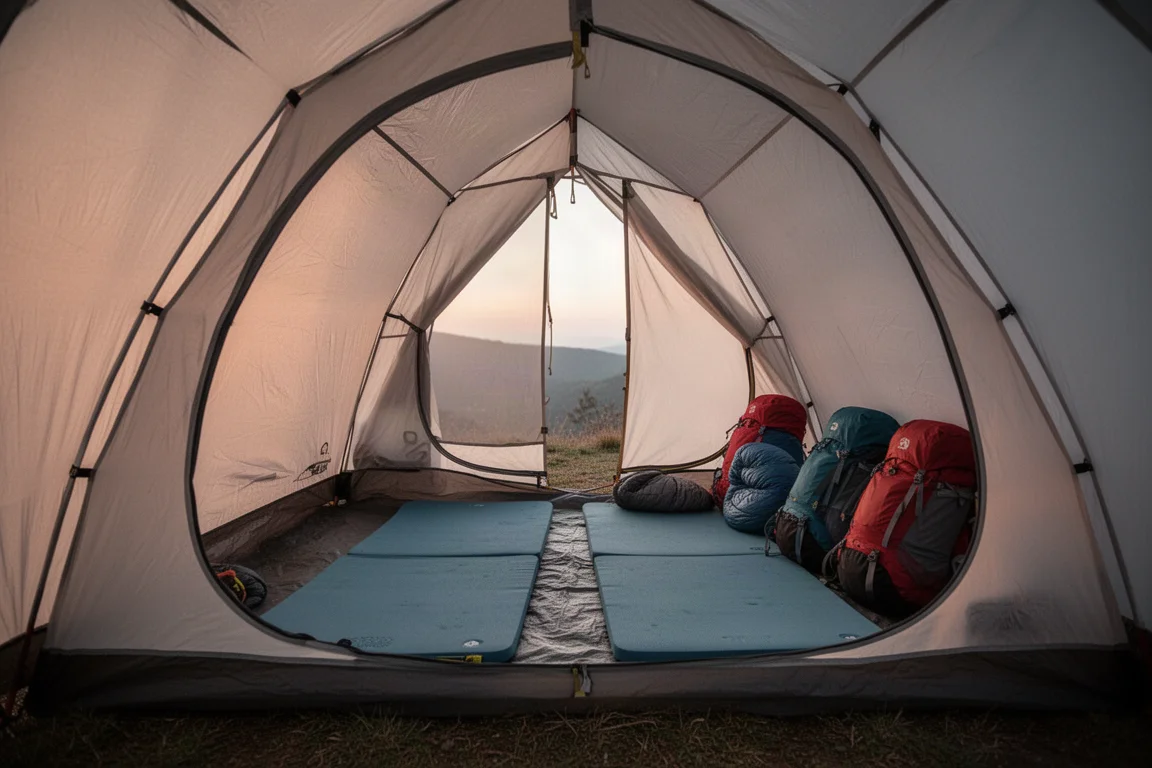
Inside, headroom is good for a tent at this weight and the length is generous. It is narrow, as you would expect from a one-person shelter, but the side entry makes it easy to get in and out and gives access to a substantial porch that works for cooking or for storing a pack. Venting options around the upper panels keep air moving when the tent is closed up.
Sea to Summit Telos II: More Living Space for Two
The Telos accepts a little more weight in exchange for noticeably more space, comfort and versatility. The two-person version sits at around 1.8 kilograms and can be stripped back further. The rear splits into two poles instead of one, which is where some of the extra interior volume comes from.
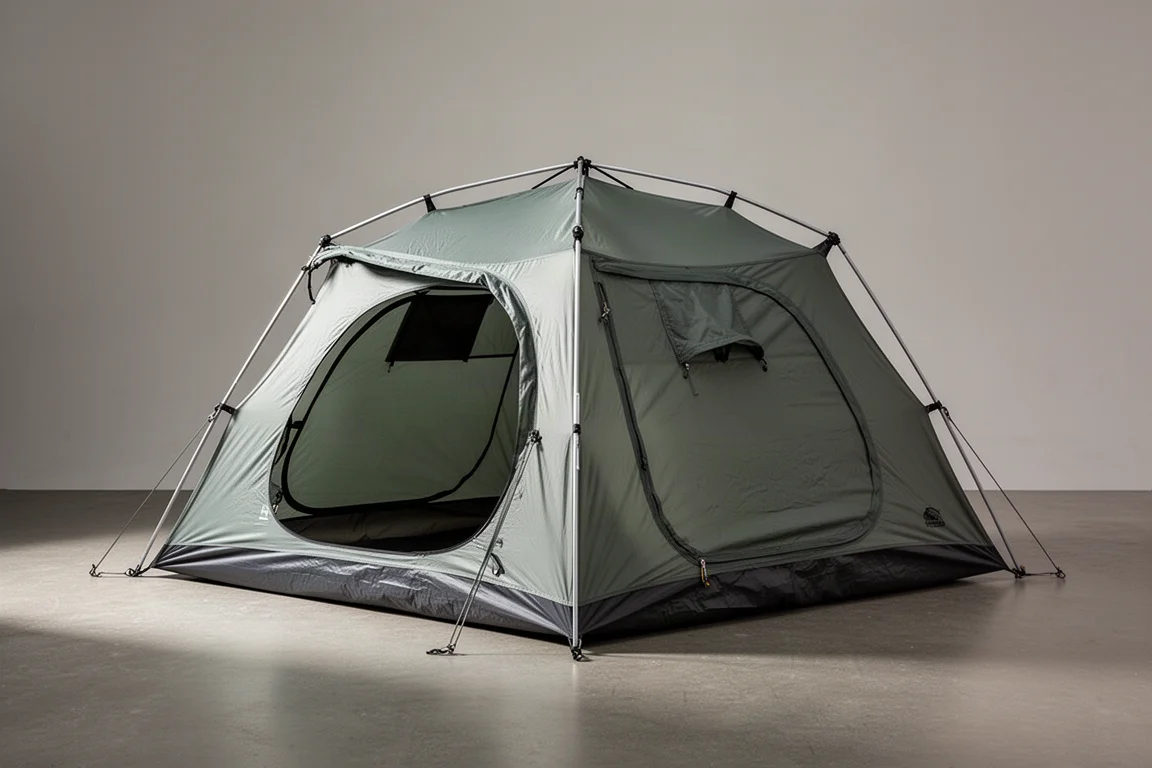
It is freestanding: the split poles connect into a single system, the tent stands on its own, and pegging is not strictly required, though it performs better when it is pegged out. Two doors and two generous porches make the living space far more usable, especially with large packs. The tension ridge bar across the top adds height, so you can sit up comfortably.
Ventilation is well thought out. Small poles in the fly fold away neatly and create a slope that helps water and snow disperse, and a zip underneath gives access for airflow while the inner keeps midges out. In shelter mode, the fly can be propped up on the prongs at the ends using walking poles or optional lightweight poles, which creates a dry space to sit under in the rain.
Pitching, Poles and the Tension Ridge
Pitching follows the same logic across both tents. The poles are colour coded, so it is clear where each one goes, and the whole frame connects into one system. One detail is worth remembering: the tension ridge needs to be flipped around and clipped in before the rest of the tent falls into place. Get that right and the structure tensions up quickly, with the ridge adding usable height even on the one-person Alto.
The fly can be pitched first if conditions demand it, and it carries a useful level of water resistance on its own. Pegging points are colour coded too, and the cord attachments are shaped so the tension lines stay put rather than sliding off.
Shared Details: Storage Bags, Light Bar and Venting
The details that make these tents pleasant to live with are shared across both lines. The stuff sacks double as sealed corner pockets. The standout is the light bar: instead of leaving the pole bag in a corner, you clip it to the roof, drop a head torch inside, and it becomes a diffused strip light that illuminates the whole tent rather than throwing a single spot.
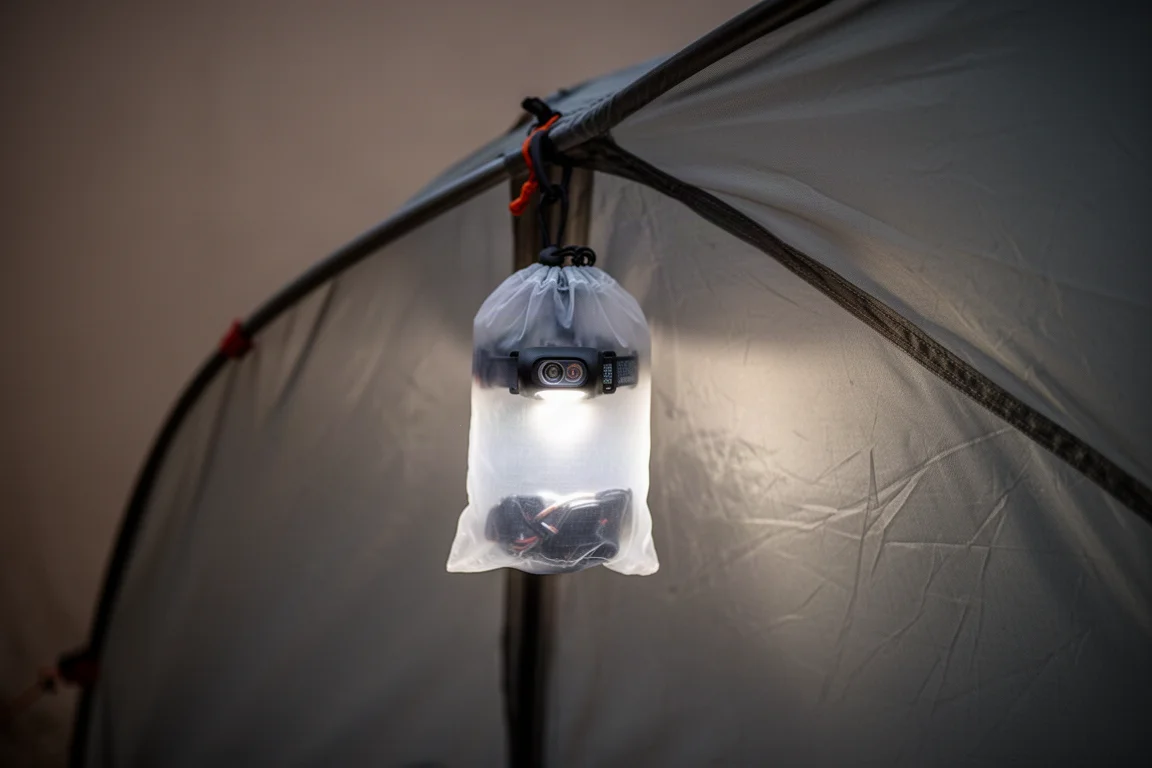
Venting is handled from both the top and the bottom, so you can keep air moving through the tent while the inner still protects you from midges.
Weather Protection and the Plus Specification
The Plus build is the version best suited to the UK and similar wet, changeable climates. It brings a higher level of waterproofing on the inner and the base and a deeper bathtub floor, which is exactly what you want when the ground is wet and the forecast is unsettled. If you are looking at the Telos, note that the version intended for wetter conditions uses a more weatherproof inner rather than a fully mesh inner, so check which specification you are buying.
Neither tent is aimed at serious mountain use. Both are three-season designs suited to lightweight backpacking, car camping and bikepacking, where low weight and a small pack size matter more than storm-worthiness.
Buying Advice: Alto or Telos?
Choose the Alto if weight is the priority and you mostly camp alone. The one-person version at just over a kilogram is a lot of tent for the weight, and the two-person version keeps a full two-person shelter under two kilograms. Accept the narrower interior, the reliance on pegging and the semi-freestanding stance.
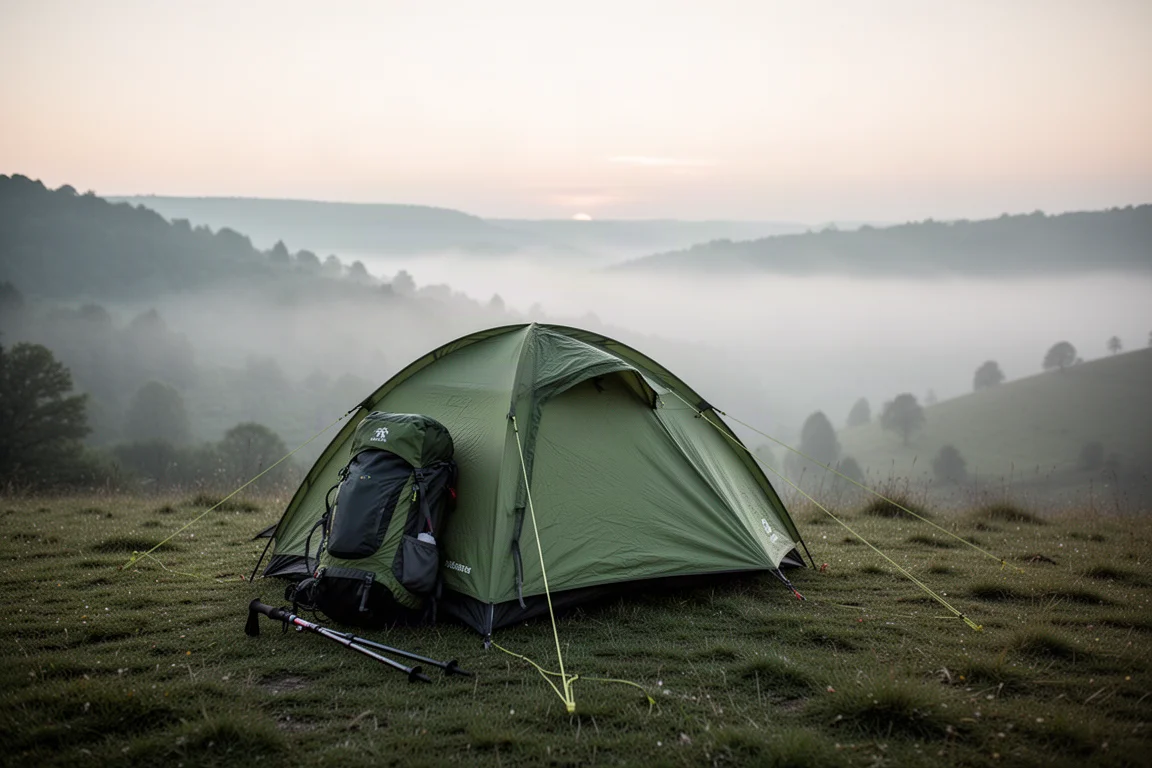
Choose the Telos if you want more room to live in. The freestanding frame, two doors, two porches and the tension ridge height make it the more comfortable tent for two people or for longer trips with more kit. It adds weight over the equivalent Alto, and for many campers that trade is worth it.
Conclusion
Both tents do the same job from different angles: the Alto strips weight, the Telos adds comfort and space. Pick the Plus specification for wet conditions, decide how much living space you genuinely need, and either tent will serve well across three-season backpacking and car camping trips.
Further reading
Related Reviews
Camping Tents
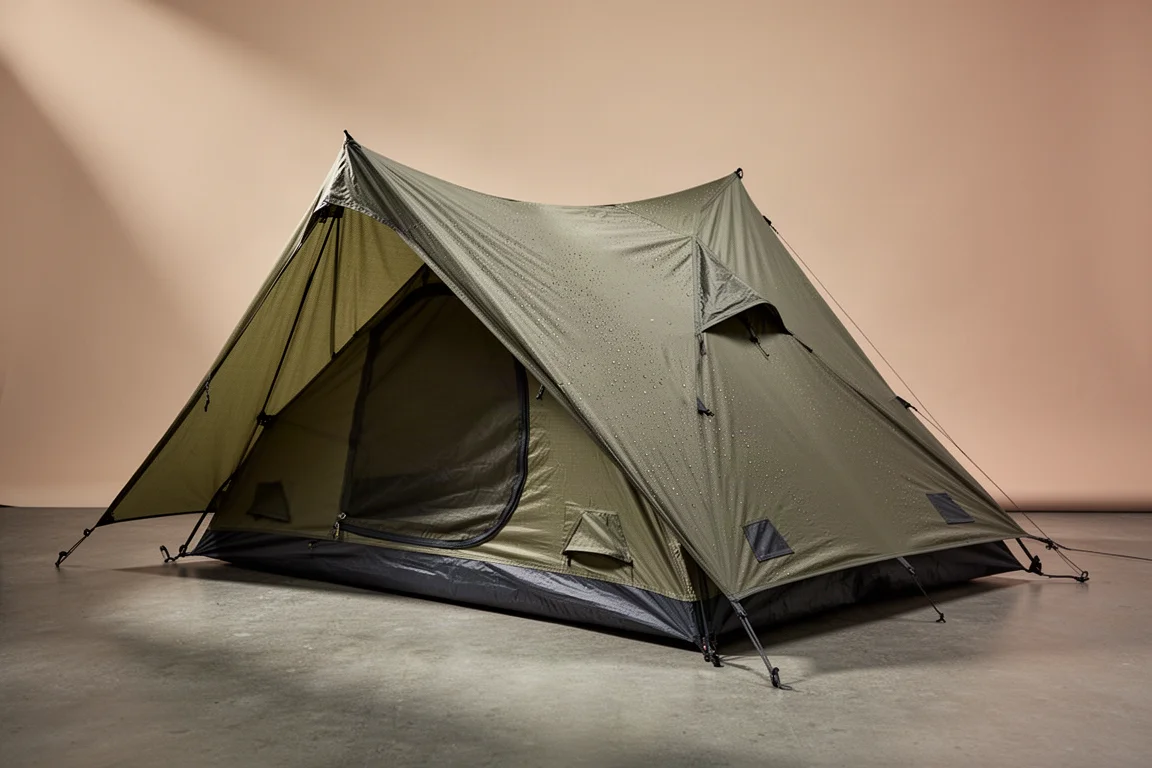
3F UL Gear Taiji Two-Person Tent Review: Field Waterproofing Results and Buying Advice
The Taiji pairs an attached fly with a removable inner, but sustained rain exposed untaped vent seams that need sealing before this shelter can be trusted.
Camping Tents
3FUL Gear Lanshan 2 Pro 4-Season Review: A Sub-$200 Single-Wall Trekking Pole Tent
An early look at the 3FUL Gear Lanshan 2 Pro 4-Season, covering its straightforward pitch, generous interior space, and the condensation and seam-sealing questions that come with any single-wall shelter.
Camping Tents
Alps Mountaineering Lynx 1-Person Tent Review: Big Value in a Small Budget Tent
A close look at the Alps Mountaineering Lynx 1-Person Tent, covering real interior dimensions, materials, setup time, ventilation limits, and who should buy it.