Fitness Wearables
Garmin Circa vs Whoop, Fitbit, Amazfit and Polar: Which Wearable Gets the Data Right?
We compare eight wearables across workout heart rate, automatic activity detection, sleep, steps and calories to see where each one earns its place on your wrist or bicep.
Introduction
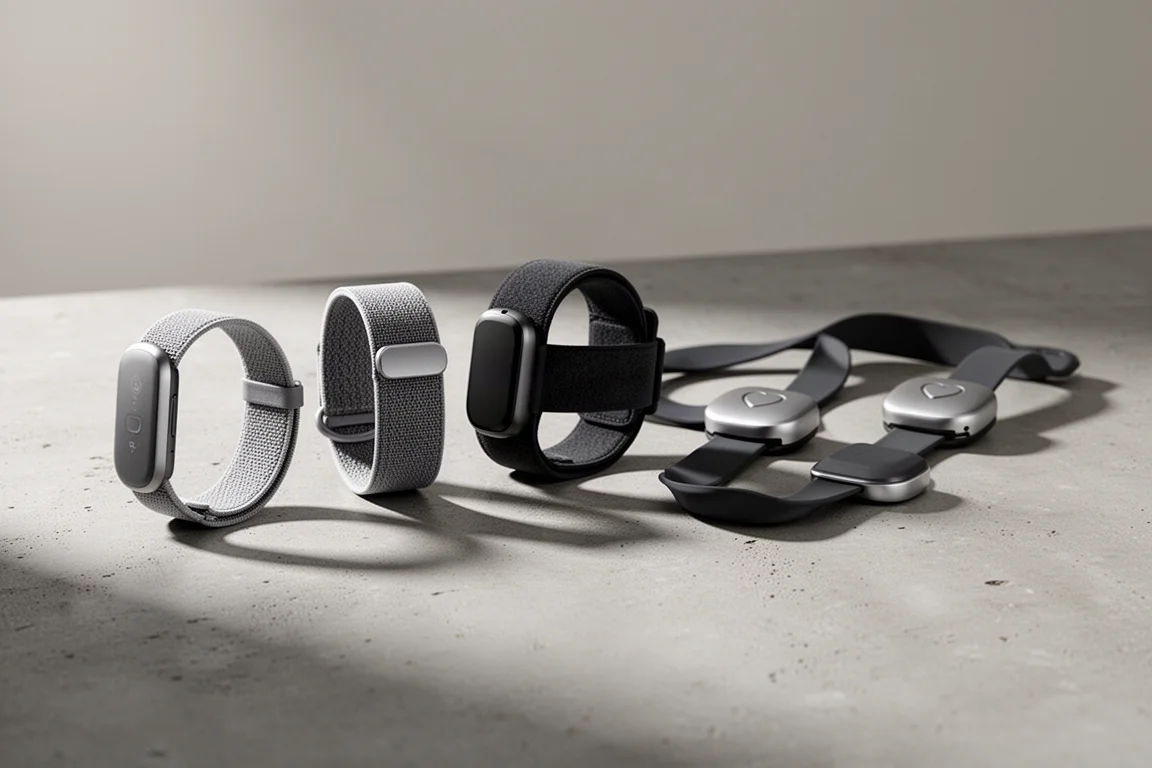
Screenless fitness bands have quietly become the default way to track training and recovery, and the Garmin Circa is the newest high-profile entry. But a band is only as good as the data it produces, so the real question is how it stacks up against the Whoop 5.0, Fitbit Air, Amazfit Helio, Polar Loop and dedicated chest straps across everything that matters: workout heart rate, automatic activity detection, sleep, steps and calories.
A Wearable Accuracy Marathon
This comparison was built on real workouts rather than lab numbers. Heart rate accuracy was checked across indoor trainer rides, a long mountain road ride in mid-afternoon heat of around 95 degrees Fahrenheit, cool-weather gravel riding, steady-state runs, interval runs, walks and strength training. Sleep, steps and calories were compared across hundreds of data points on the same days and at the same times.
One methodological note worth remembering: winter data always looks worse for wrist-based wearables than summer data, so mixing seasons into a single accuracy score is misleading. Devices should be judged on the same day, at the same time.
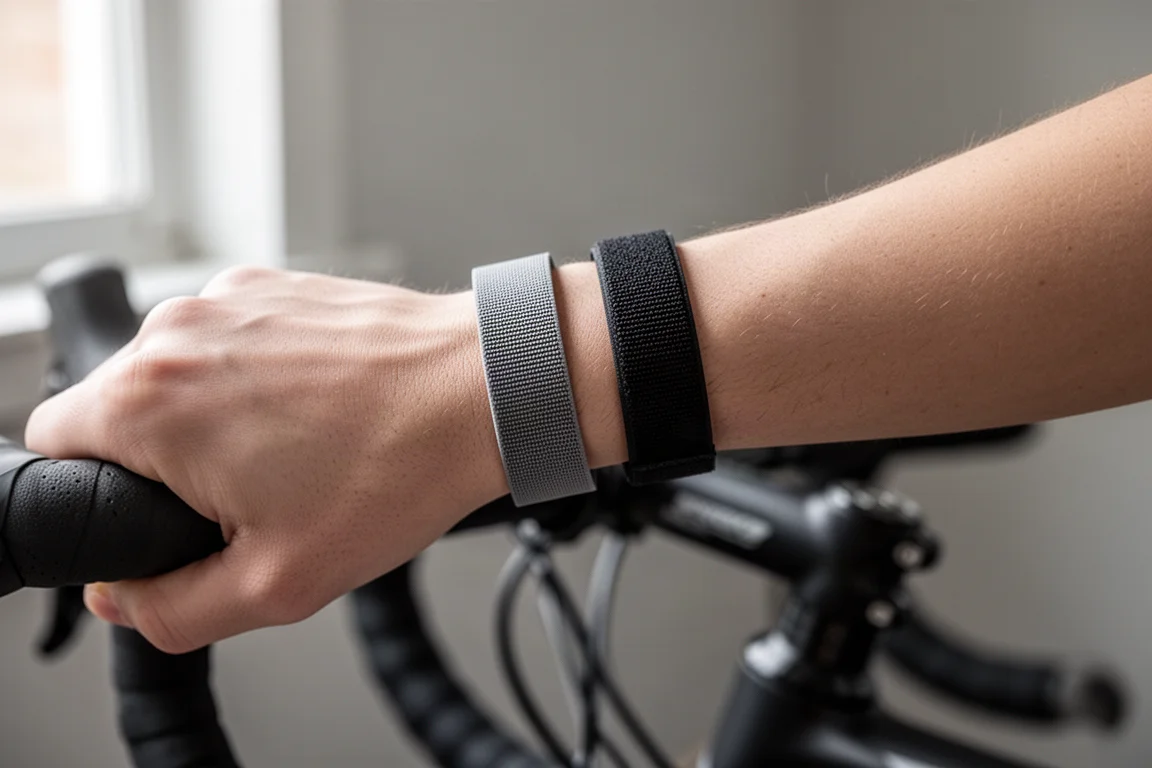
The line-up included the Circa wristband and bicep band, the Whoop 5.0 and Fitbit Air on the other wrist, the Amazfit Helio and Polar Loop on the bicep, plus a Garmin HRM 600 and Polar H9 chest strap as the accuracy reference. A second tester wore the Circa wristband against a Garmin Fenix 8 43mm, which has Garmin’s newer Gen 5 optical sensor where Circa carries the Gen 4.
Workout Heart Rate Accuracy: Cycling
On an indoor trainer ride, one of the easiest scenarios for any heart rate sensor, every wearable was spot-on with no meaningful differences. A roughly two hour and forty minute mountain road ride on a very hot day produced the same result: excellent across the board, including Circa.
Cool weather told a different story. On a three-hour mixed road and gravel ride in cold conditions, the wrist-based bands, Circa included, struggled, while the bicep-worn versions had no problems at all. On a slightly less miserable day, though, the Circa wristband matched a chest strap nearly perfectly against the Fenix 8, and even beat the Fenix 8 on a chunky gravel section, likely because the lighter band bounces less on rough terrain.
Workout Heart Rate Accuracy: Running
Steady-state running was flawless on every device. Intervals were the sore spot. On three separate 8x400m sessions, the Circa wristband missed almost every hard interval, catching only the warm-up and cool-down correctly, while the bicep band handled them fine.
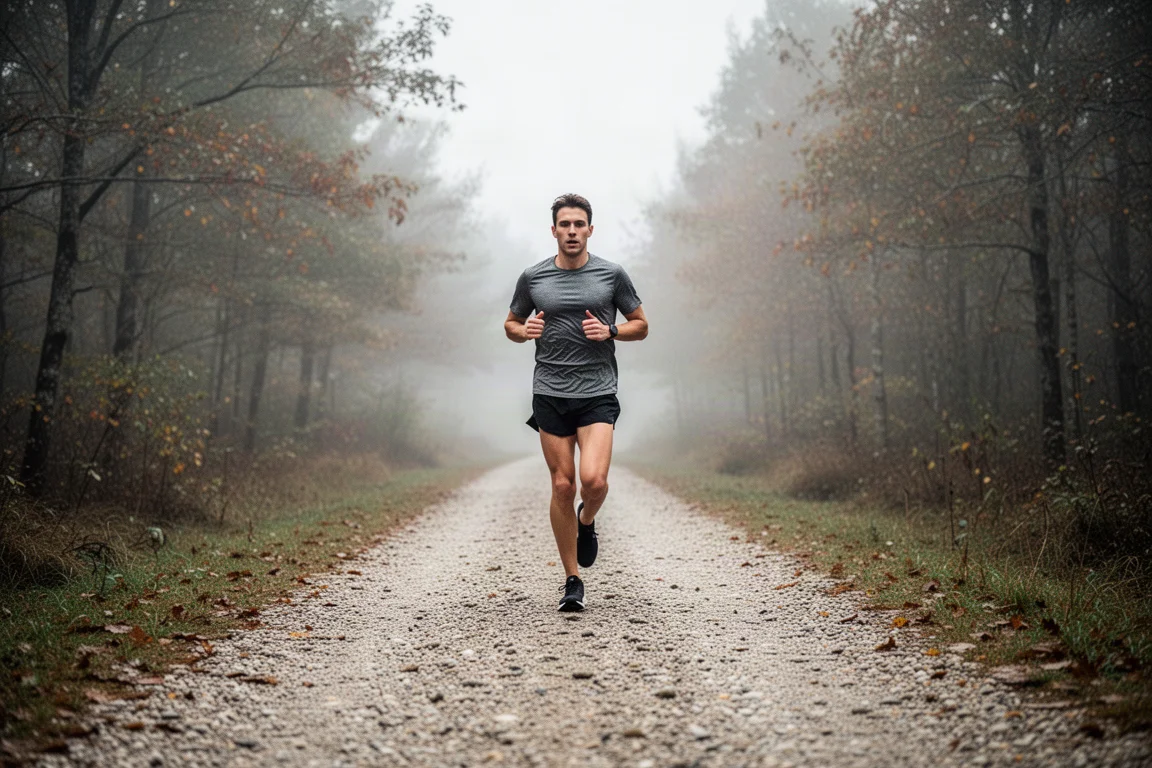
A second tester running intervals in much warmer temperatures on pavement had no such issues, which suggests temperature, terrain and speed all play a role. The takeaway is not that Circa cannot do intervals, but that wrist-based optical tracking on hard, punchy efforts in cool conditions remains fragile across this category.
Strength Training and the Detection Problem
Strength training data was generally solid once each session got going. Across multiple workouts, the wrist-based Circa was slow to lock on during the first minute or two, then settled and tracked well at heart rates around 100 to 110 bpm. At those low intensities, brief errors have little effect on training load or calories, unlike missed intervals at high heart rates.
But the biggest insight from this comparison is that workout heart rate is not the metric that matters most on a screenless band. Automatic detection is. Garmin only records high-fidelity heart rate during a detected or manually started workout, so if auto-detection ends a ride at the top of a climb, or never starts it at all, that heart rate data is simply gone. Whoop and Fitbit log high-fidelity data continuously and assign training load across the whole day, which makes their detection misses far less costly.
On detection, Whoop ranked highest, Fitbit just behind, with Garmin good but improving through frequent backend changes to the Garmin Connect app. Most bike commutes went undetected early on, while a mountain road ride, gravel ride, runs and walks were caught well. Strength sessions were repeatedly missed by Circa while Fitbit caught them all. Amazfit detected quickly but also ended activities during short recoveries, restarting and fragmenting sessions, while Polar lagged behind the field.
Sleep Tracking: The Quiet Tie
On sleep, the wrist consistently outperformed the bicep. Circa got bedtime and wake times right within about five minutes most nights, and most devices landed within five to ten minutes. Occasionally Circa assumed sleep up to half an hour early when its wearer was scrolling or reading in bed. Across hundreds of nights, the differences were essentially a wash.
Sleep durations and scores varied noticeably between companies and are not directly comparable, and sleep stages were deliberately left out because the tools behind them are simply not accurate enough to compare. Heart rate variability trended in the same ballpark across devices, with Fitbit reading a bit low and Amazfit a bit high; since each company builds its own baseline, consistent offsets matter more than raw accuracy. Breathing rates barely differed at all.
Steps and Calories
A 500-step set test put Fitbit at exactly 500, with the rest close behind. Daily totals varied across all devices, and Polar Loop and Amazfit ran high on cycling days because both convert cycling time into steps, a design choice worth knowing about before you compare numbers with friends.
Calories followed a similar pattern. Circa ran slightly below the median, Fitbit Air slightly above, and the Polar Loop consistently produced individual workout calorie counts roughly fifty percent higher than everyone else, including a legendary five calories for a three-hour workout on one occasion. Garmin’s auto-detection also missed an easy 50-minute walk that Fitbit caught, and Whoop never logged that session at all.
The Chest Strap Reference
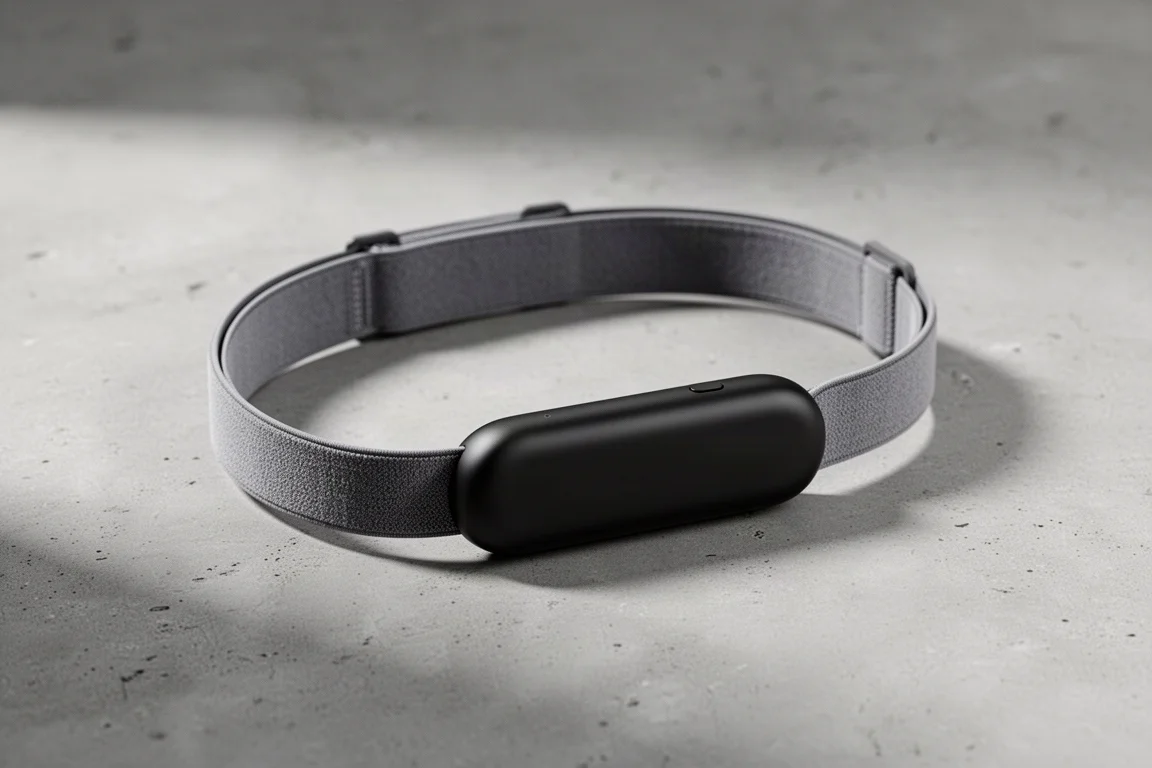
The Garmin HRM 600, Garmin’s latest heart rate strap, served as the accuracy benchmark throughout a year of testing.
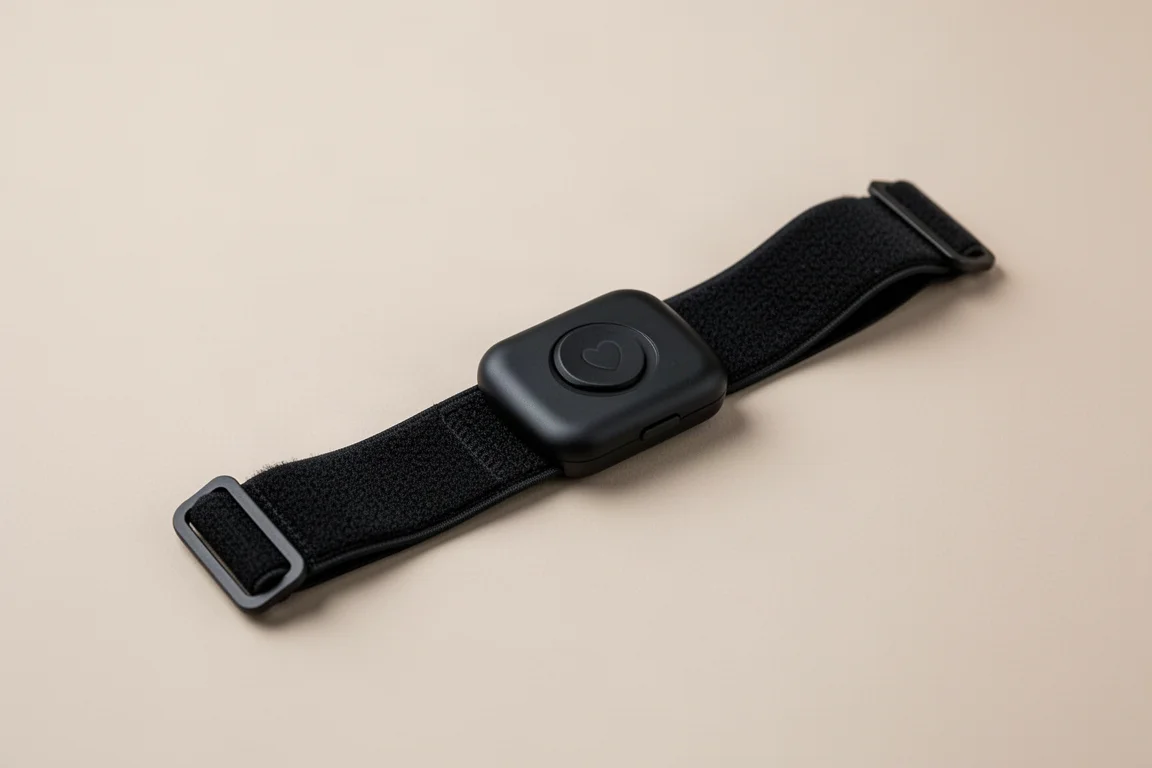
The Polar H9, used for many years, was equally dependable for capturing workout heart rate, reinforcing why straps remain the reference for serious training data.
The Wrist Contenders
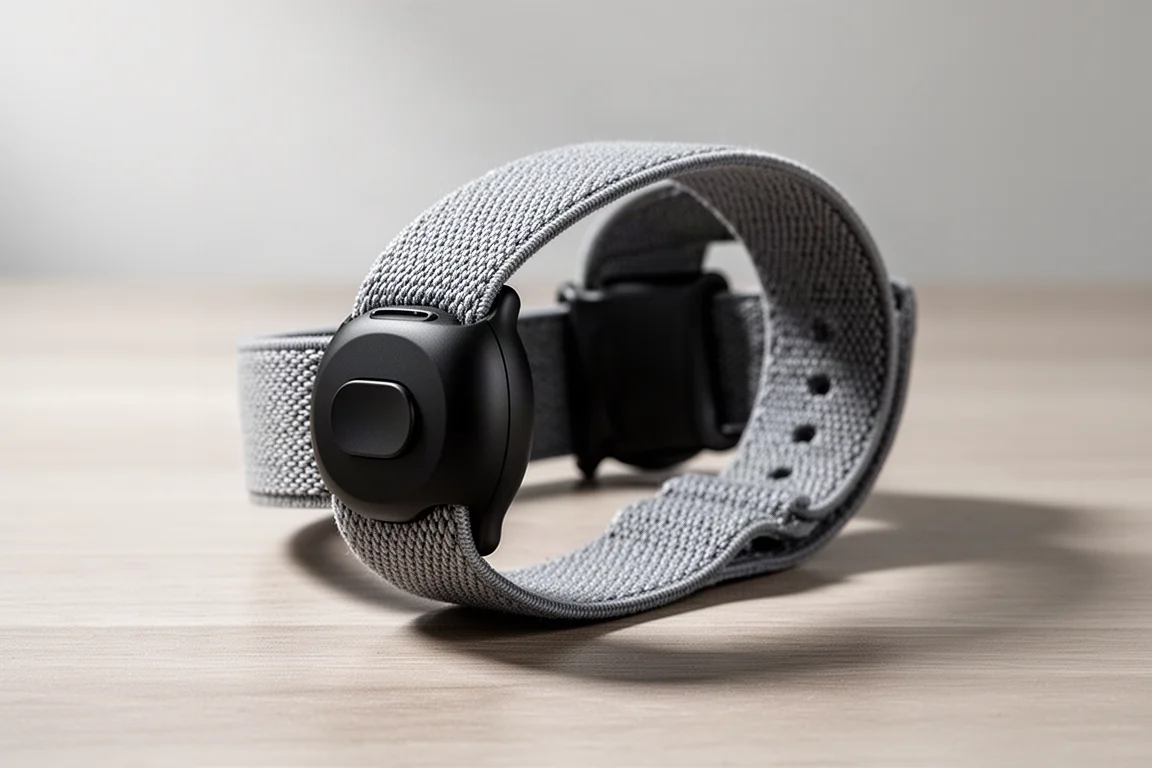
Garmin Circa is a genuinely strong screenless band with a unique hardware button for manual starts, the flexibility of a wristband or bicep band, and Garmin’s athlete-focused ecosystem behind it. Its weaknesses are automatic workout detection and cool-weather interval accuracy.
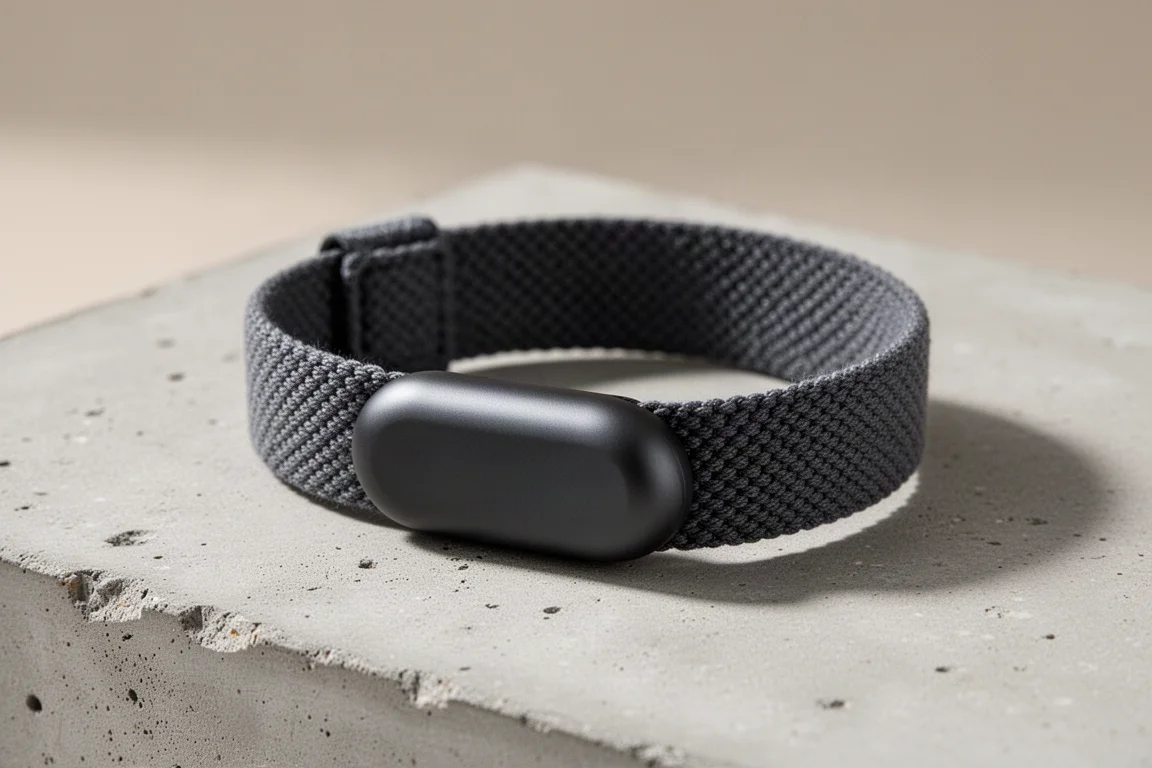
Whoop 5.0 led the field on automatic detection and logs high-fidelity data continuously, feeding a strain score built on the entire day rather than discrete workouts.
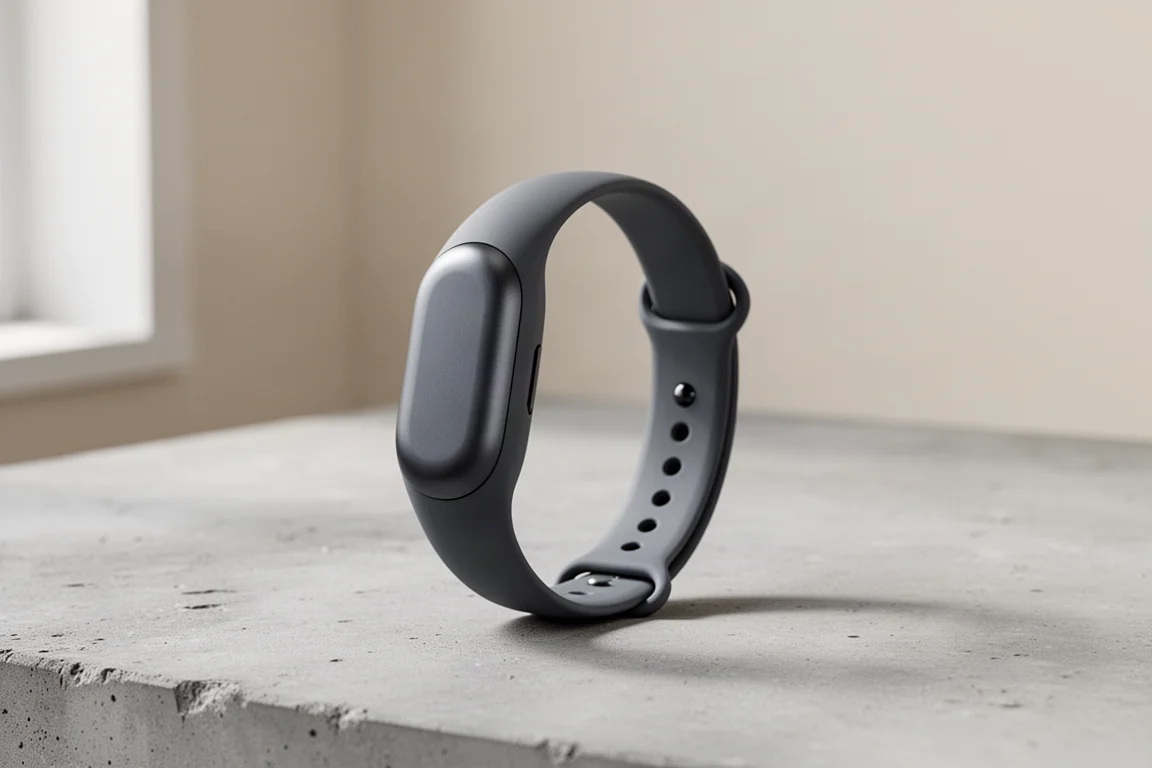
Fitbit Air came a close second on detection, nailed the step test, caught every strength session and even recorded that easy evening walk, though its HRV readings trended low.
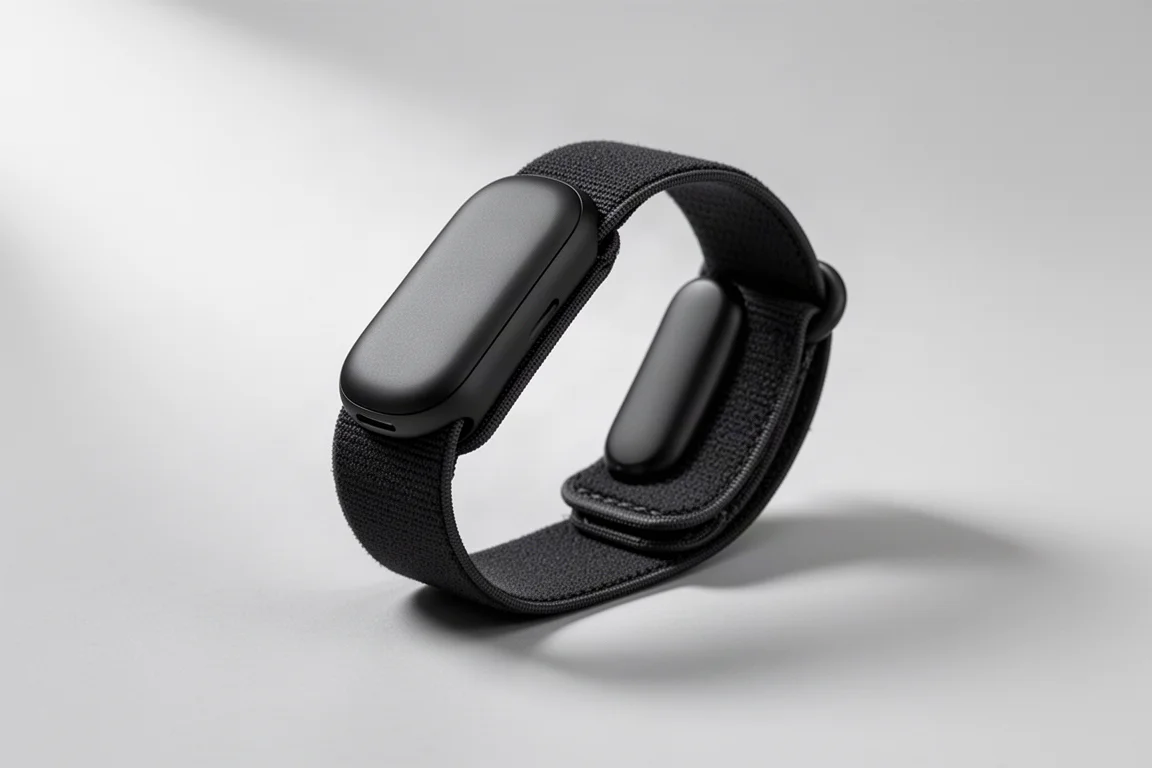
Amazfit Helio detects activities very quickly, but also ends them quickly, repeatedly cutting sessions short during 90-second recoveries, and its sleep HRV ran high.
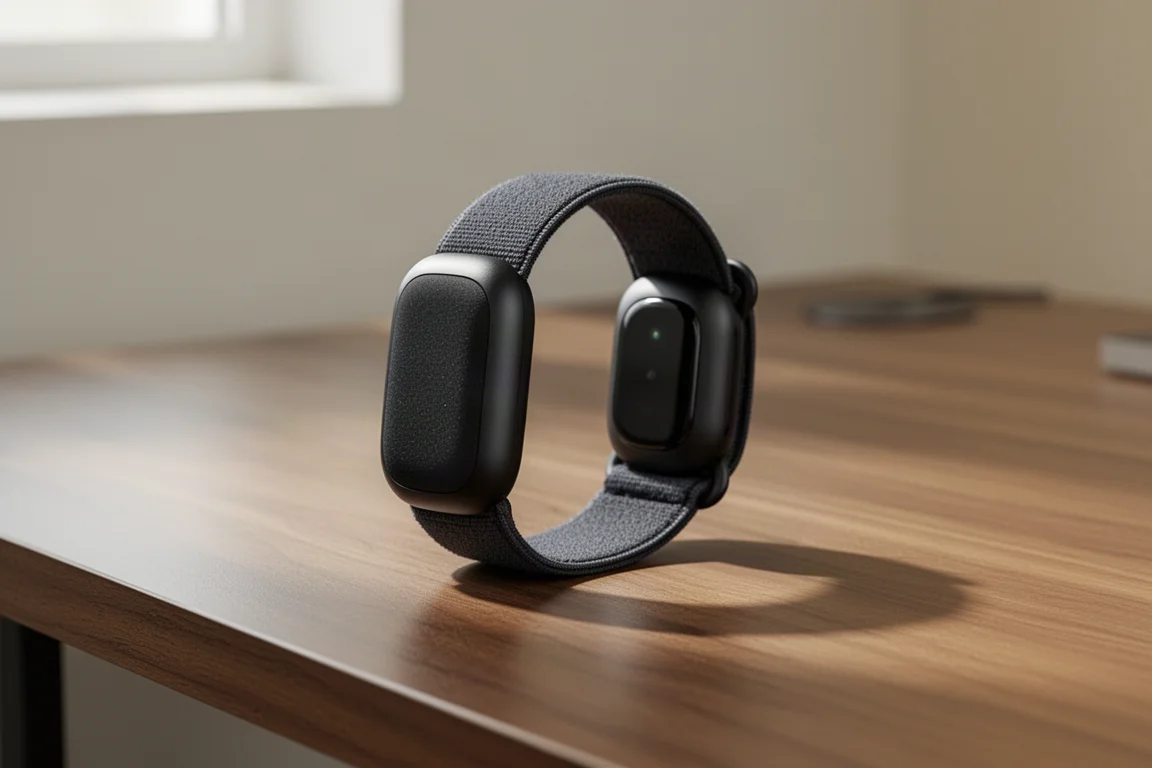
Polar Loop lags on detection and produces calorie counts around fifty percent higher than every other device tested, which makes it the optimistic option in this group.
A Watch in the Mix
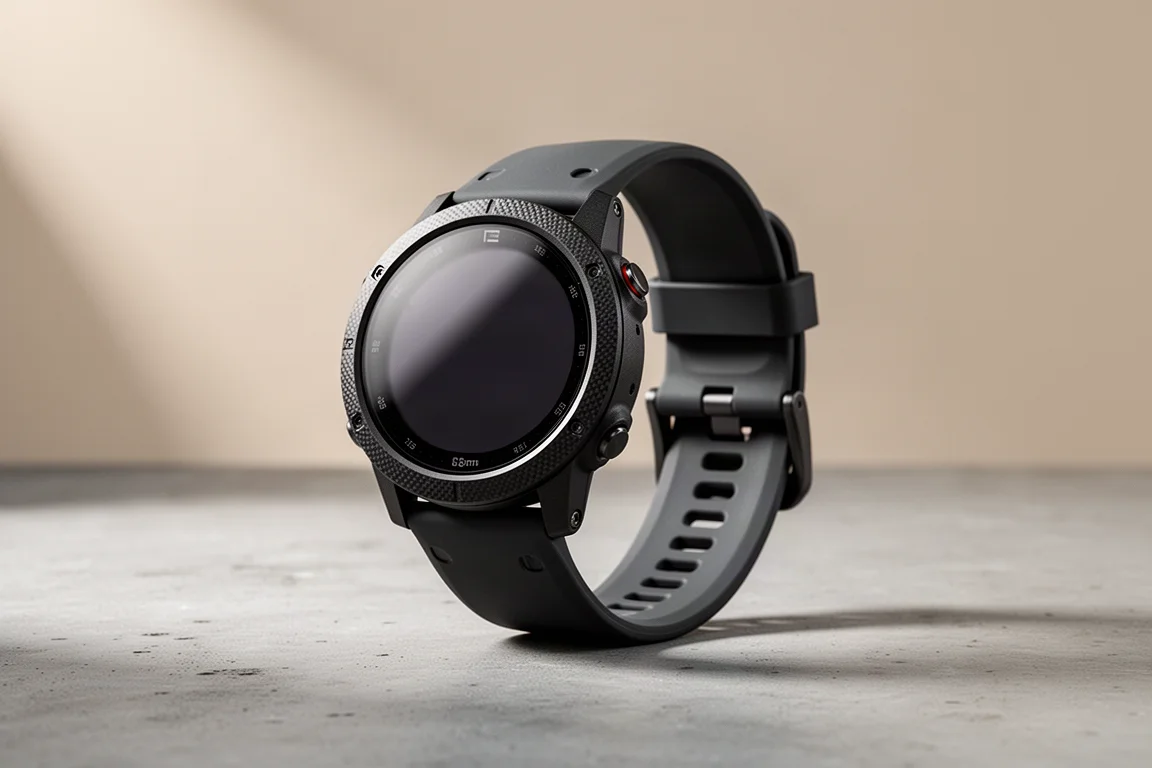
The Garmin Fenix 8 43mm brings Garmin’s Gen 5 optical sensor and lost to the lighter Circa band only on bouncy gravel, a reminder that a lighter wearable on the same wrist often tracks better on rough terrain.
Bicep vs Wrist: Which Placement Wins?
The general rule across all of this testing holds for every device here: the bicep almost always produces more accurate workout heart rate, while the wrist produces more accurate daily data, especially sleep. If you tend to use your phone in bed, a bicep band can easily misread when you actually fall asleep, while wrist movement helps detection notice you are still awake.
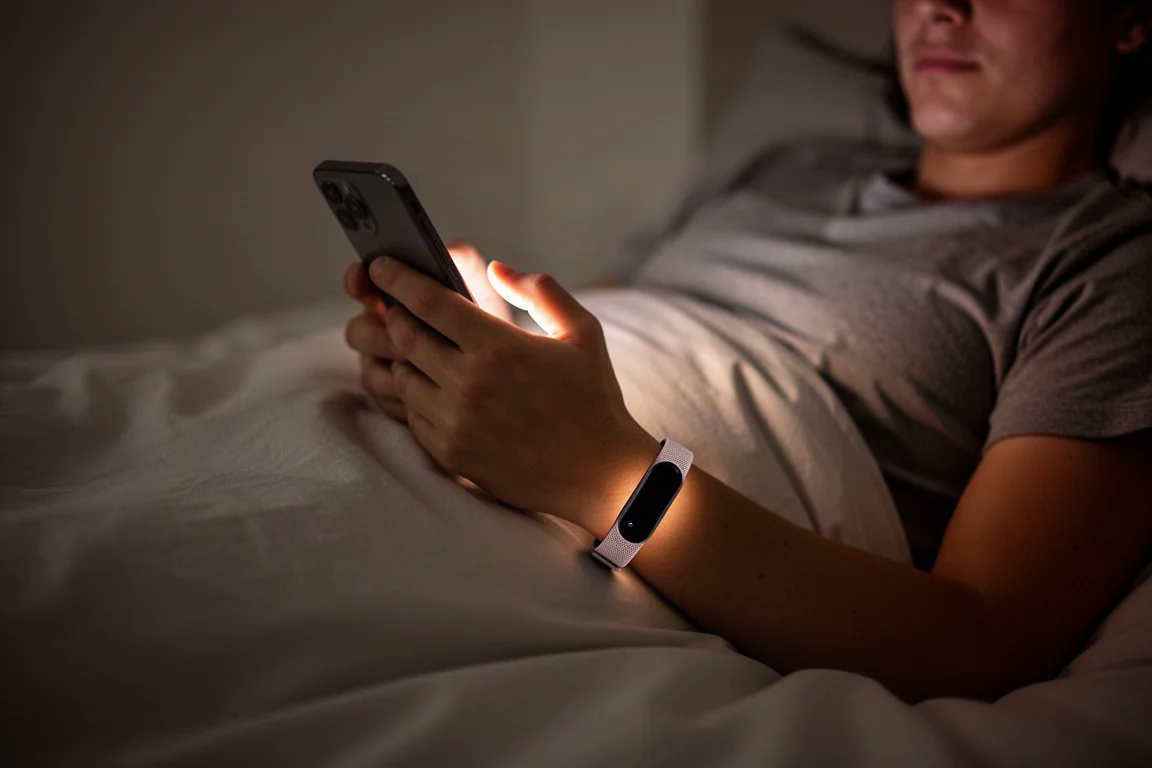
Switching between placements is possible but a little fiddly on Garmin compared to the Whoop band, so decide which kind of data you care about more before you buy.
Overall Buying Advice
Across every category tested, no single wearable was a standout leader in raw accuracy; they all sit in roughly the same ballpark, each with small wins and losses. The real differentiator is what happens when detection fails. Whoop and Fitbit absorb those misses because they track continuously and assign load all day, while Garmin loses the training load entirely unless you press the button or the detection works. That button is a genuine advantage, but it is also a crutch that lets auto-detection lag behind.
If you want the most complete training ecosystem and are willing to press a button, Garmin Circa is compelling. If you want a set-and-forget band that rarely misses an activity, Whoop or Fitbit are the safer bets. For pure workout heart rate fidelity, a chest strap like the Garmin HRM 600 or Polar H9 still outperforms everything on the wrist or bicep.
Conclusion
There is no runaway winner in this class of wearables, and that is the honest conclusion. Garmin Circa matches the established players on sleep, steps, calories and everyday heart rate, trails them on automatic detection, and counterbalances that with a hardware button nobody else offers. Whoop and Fitbit currently handle hands-free activity tracking best, Amazfit and Polar have sharper trade-offs to live with, and a chest strap remains the gold standard for workout data. Choose based on whether you value effortless all-day capture or full manual control of your sessions.
Further reading
Related Reviews
Fitness Wearables
COROS EvoLab VO2 Max Review: How Close Is the Estimate to a Lab Test?
COROS EvoLab estimated a VO2 Max of 61 against a lab result of 63.5. Here is what the estimate gets right, where its limits sit, and who should trust it.
Fitness Wearables
Coros HR Monitor Review: A Simple Optical Armband That Mostly Delivers
The Coros Heart Rate Monitor broadcasts accurate heart rate over Bluetooth with a comfortable strap and solid battery life, but a few steady-state wobbles and missing features give some pause.

Backpacking Gear
Building a 10 lb Base Weight: An Ultralight Backpacking Gear List
A practical walkthrough of the ultralight pieces behind a 10 lb base weight, from a 765 g pack and a roomy one-person tent to a full camp chair and a dependable water filter.