Fitness Wearables
COROS EvoLab VO2 Max Review: How Close Is the Estimate to a Lab Test?
COROS EvoLab estimated a VO2 Max of 61 against a lab result of 63.5. Here is what the estimate gets right, where its limits sit, and who should trust it.
Introduction
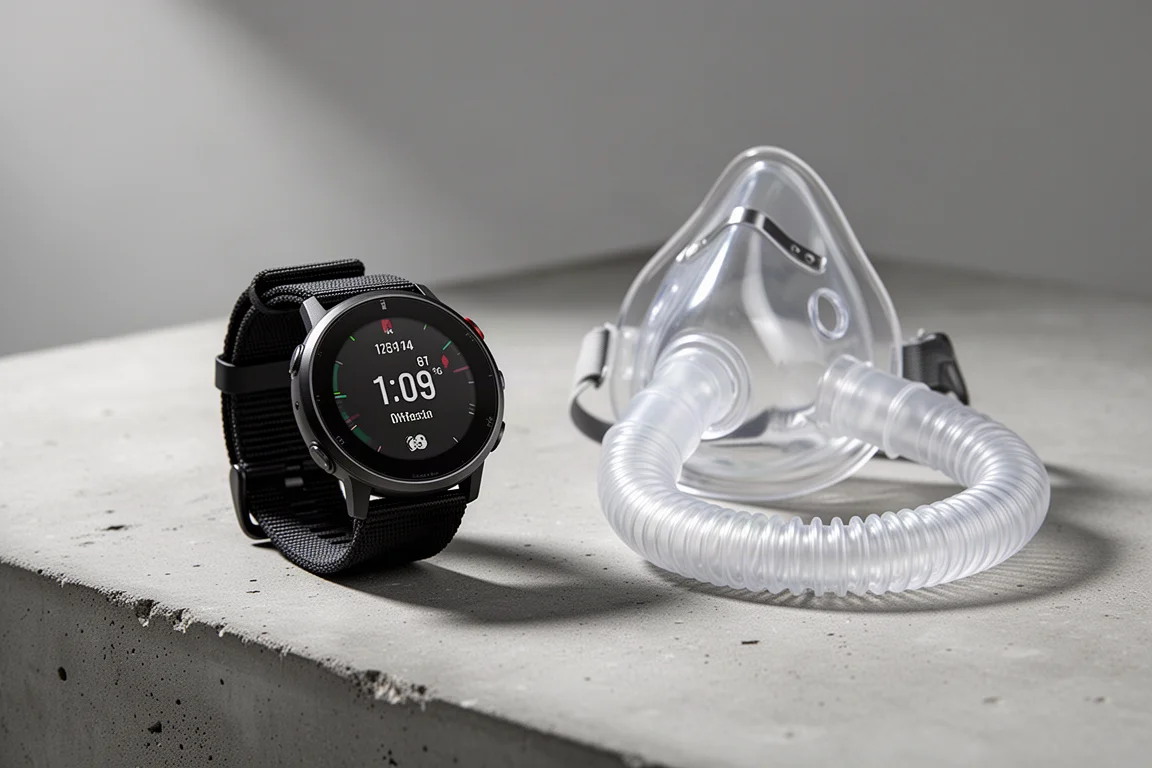
VO2 Max is the maximum amount of oxygen your body can absorb and use during exercise, and it is widely treated as the clearest single indicator of cardiovascular fitness and aerobic endurance. Higher numbers generally point to a stronger aerobic engine. The complication is that measuring it properly has traditionally meant booking time in a sports science lab, wearing a mask that captures the gases you breathe, and following a step protocol until you cannot continue.
That is a real commitment. A lab test costs money, usually requires a couple of easier training days beforehand, and leaves you recovering afterwards. Fitting the travel and the recovery around a normal training week is often the hardest part. COROS EvoLab takes a different route: it estimates VO2 Max from the training data your watch already collects.
How the VO2 Max Estimate Works
EvoLab sits inside the COROS training hub and builds a profile from the sessions you record. Alongside an estimated VO2 Max, it reports running fitness, efficiency, threshold pace, and heart rate. There is also a dedicated running fitness test built into the device, which in this case amounted to 30 minutes of hard running.
The quality of the input matters. Data from a chest or arm heart rate monitor is more accurate than wrist-based readings, so the estimate improves when you give the system better data to work with. A watch cannot measure the gases you exhale, so it is inferring from pace, heart rate, and how your efforts compare over time.

In practice the estimate settled into a stable number rather than swinging from session to session. That stability matters, because VO2 Max is a long-term trend rather than a daily score.
How Close the Estimate Came to a Lab Test
The lab result came back at 63.5. EvoLab had estimated 61. That is a gap of 2.5, which places the two figures in the same range rather than at odds with each other.
Context is worth noting here. The estimate was produced from a period of relatively light running, which is not the ideal input for a system that learns from training load. The built-in running fitness test, 30 minutes of hard running, did not move the number at all, and the estimate was already where it ended up. Given how little recent data the watch had to work from, the closeness of the two numbers is the interesting part. The lab protocol itself is demanding, typically starting at a fixed pace and increasing gradually in small steps until failure, which is a very different experience from letting a watch read your ordinary sessions.
Who EvoLab Is For
This suits runners and endurance athletes who train consistently and want a fitness marker without paying for regular lab visits. If you already wear a COROS watch and record most of your sessions, the estimate arrives as part of the training you are doing anyway.
It also helps athletes who want threshold pace and heart rate information next to a VO2 Max figure, since those numbers come out of the same profile.
It is a weaker fit for someone who trains sporadically, or who wants a single number without any ongoing data. The system needs a body of recorded work before the estimate means much.
Main Strengths
The strongest argument for EvoLab is convenience. There is no appointment, no travel, no mask, no taper beforehand, and no recovery day afterwards. The figure is generated from ordinary training and sits alongside the rest of your data.
Accuracy, at least in this comparison, held up well. An estimate of 61 against a lab result of 63.5 is a small difference in practical terms, and it was reached without any special preparation. The wider training hub adds context too, with running fitness, efficiency, threshold pace, and heart rate gathered in one place.
That combination, an estimate plus the surrounding training metrics, is what makes it useful for tracking whether a training approach is working across a season rather than in a single week.
Things to Consider Before Buying
VO2 Max is a personal figure and a slow-moving one. It is not something to check daily, and comparing your number with another athlete’s tells you very little. What it is good for is watching a trend across weeks and months to see whether your training is moving in the right direction. A single hard session will not push it up.
There is also a limit to what a watch can infer. A lab can run lactate testing to identify LT1 and LT2, and a sports physiologist can interpret the results in ways a device cannot. If you need that level of detail, the lab remains the better option.

Finally, the estimate depends on the data you feed it. Sparse training, wrist-only heart rate, or long gaps in recording will all affect how representative the number is.
Buying Advice
If you already train regularly with a COROS watch, EvoLab is a straightforward addition to the metrics you already have. The estimate tracked closely with a lab measurement in this case, and it asks nothing beyond the training you were already doing.
If you are buying a watch primarily for VO2 Max, weigh how consistently you record sessions and whether you use a chest or arm heart rate monitor. Those two habits influence the quality of the estimate more than anything else.
For athletes chasing detailed physiological data, a lab visit still has a place, and the expertise available there is genuinely valuable. For everyone else who wants a reliable, ongoing read on aerobic fitness, the watch-based approach is a practical alternative that costs you nothing extra.
Conclusion
EvoLab estimated 61 against a lab result of 63.5, from a stretch of light training and no special preparation. That is a close enough match to be useful, and the surrounding training metrics make it more than a novelty. Treat the number as a long-term trend, feed it good data, and it earns its place on your wrist.
Product link
View more details for COROS EvoLab
This product is mentioned in the review. Check the specifications, options, and compatibility before buying.
View more details for COROS EvoLabFurther reading
Related Reviews
Wearables
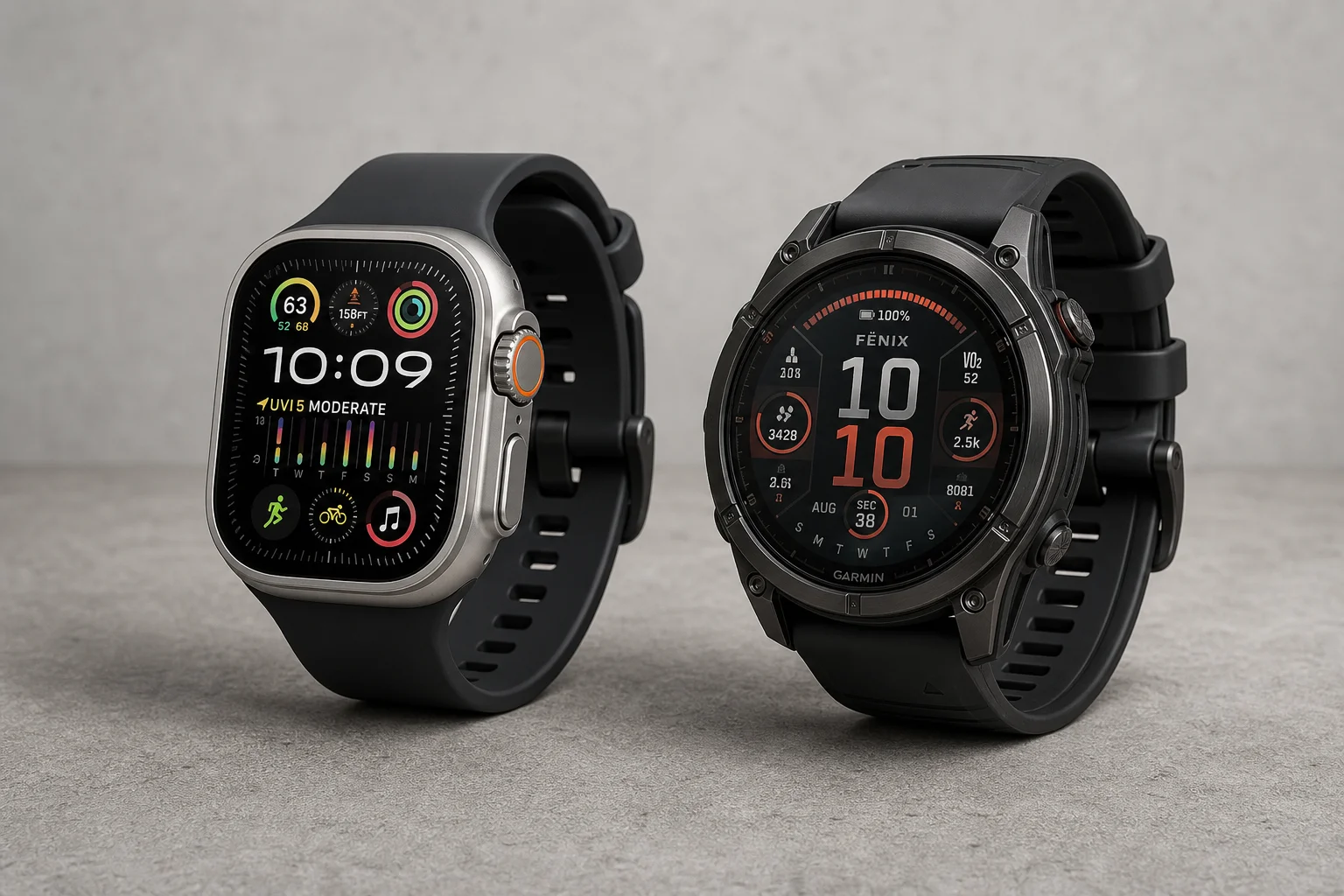
Apple Watch Ultra 3 vs Garmin: Which Training Watch Wins for Athletes
A practical head-to-head comparison of the Apple Watch Ultra 3 and Garmin for serious training, covering GPS accuracy, data tracking, usability, and recovery metrics.
Outdoor Lighting
Best Head Torches 2026: 13 Tested Models for Running, Camping, and Work
A comprehensive roundup of 13 head torches tested across comfort, output, battery life, and build quality. Find the right torch for running, hiking, camping, or general use.
Activewear
Best High-Impact Sports Bras for Larger Cup Sizes: 12 Tested Options
A comprehensive review of 12 high-impact sports bras tested for bounce control, comfort, and support for larger cup sizes. Real-world running tests reveal which bras deliver genuine support without sacrificing comfort.