Fitness Wearables
Coros HR Monitor Review: A Simple Optical Armband That Mostly Delivers
The Coros Heart Rate Monitor broadcasts accurate heart rate over Bluetooth with a comfortable strap and solid battery life, but a few steady-state wobbles and missing features give some pause.
Introduction
The Coros HR Monitor is a refreshingly simple product, and this is a refreshingly simple review. It is an optical heart rate armband that does exactly one thing: it broadcasts your heart rate to whatever device you pair it with. There is no onboard workout storage, no swimming mode, and no fancy extras. What matters is whether it is comfortable, lasts long enough, and reads accurately. Here is how it stacks up.
What the Coros HR Monitor Is
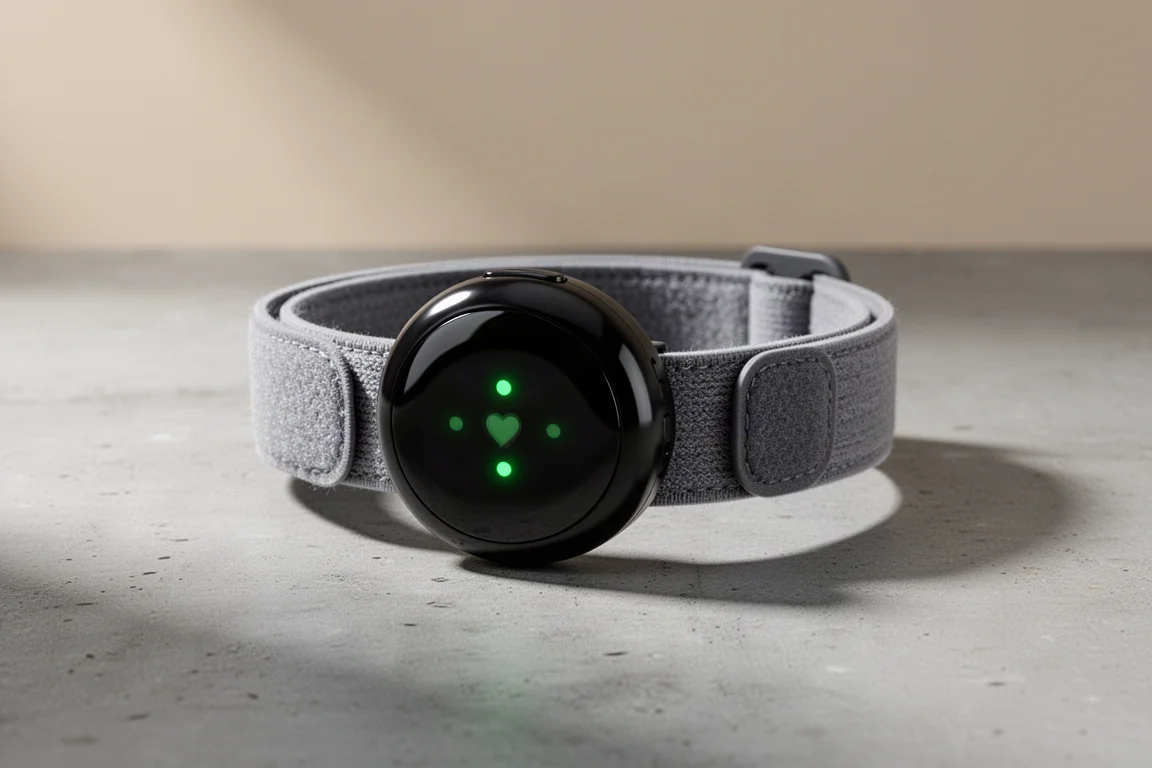
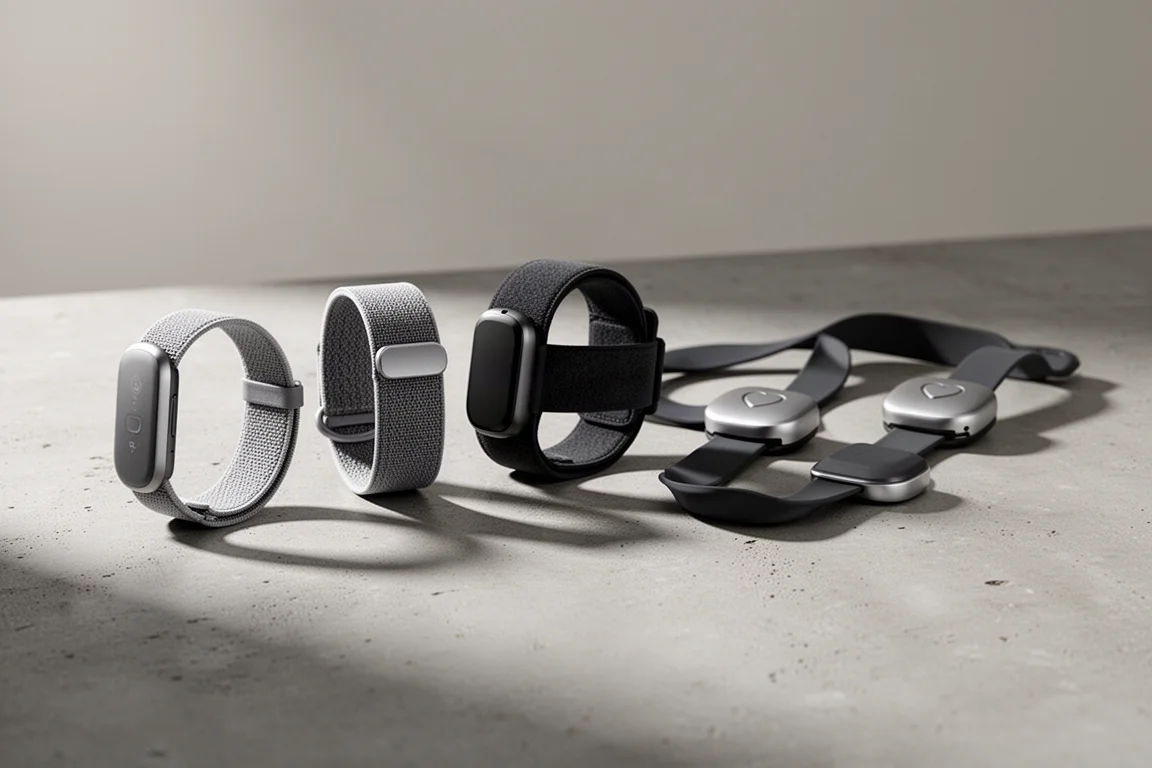
Officially, this is called the Coros Heart Rate Monitor, or the Coros HR Monitor if you want the abbreviation. The box is straightforward: inside you get the sensor itself and a magnetic charging cable that snaps onto the unit. The strap is adjustable in two places, with a velcro tab to move the sensor in and out and a second adjustment to make the band bigger or smaller, so it works for a range of wrist and arm sizes without fuss.
Putting it on is easy. The ideal placement is on your upper forearm, and a small white light confirms it is powered on. The sensor uses skin detection, so the green optical lights turn on automatically when the band touches your skin and shut off about two seconds after you take it off. That means no accidental drain while it sits in a backpack.
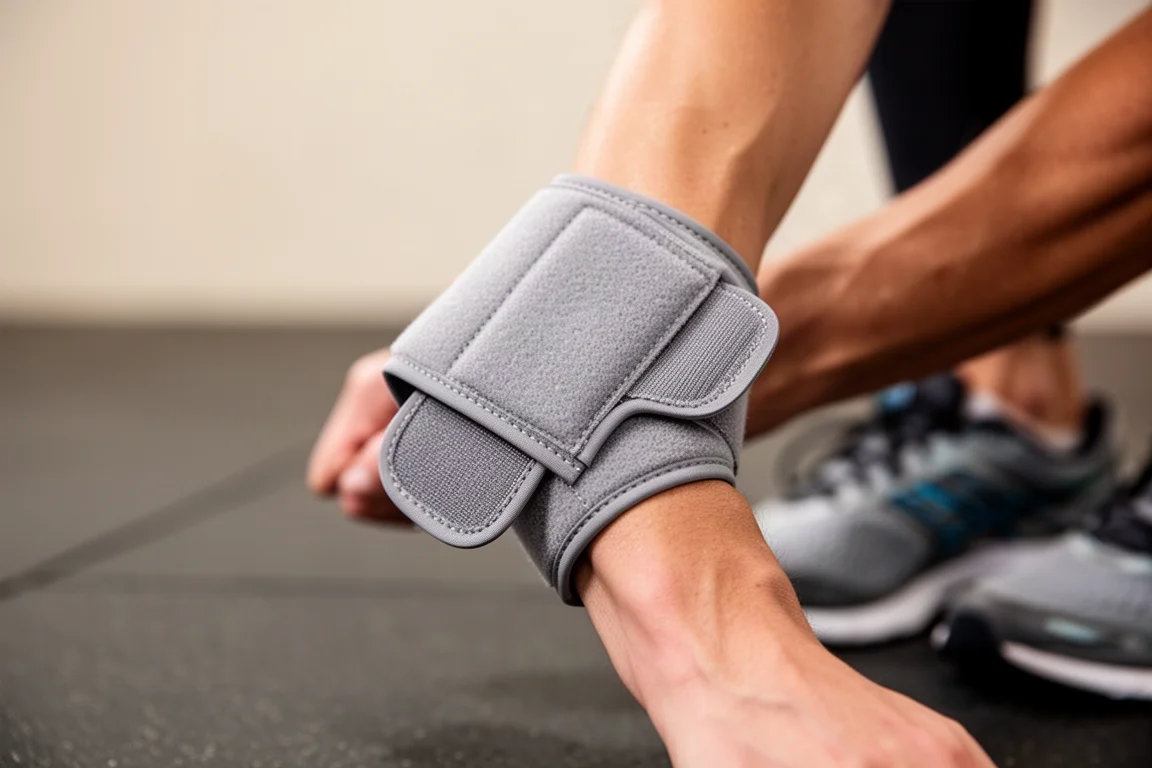
The strap material is a polyester, nylon, and spandex blend according to Coros, and it holds its position well. Unlike some older optical armbands that tend to flip over or slip mid-workout, this one stayed put across both indoor and outdoor sessions. The whole unit weighs just 19 grams, so you quickly forget it is there. It carries a 3 ATM waterproofing rating, which means it is fine for swimming, though there is no dedicated swimming mode.
Battery Life and Broadcasting
Coros claims 38 hours of battery life, and real-world testing suggests that figure is about right. One caveat worth knowing: the sensor keeps burning battery as long as it is on your arm. If you head straight to a coffee shop after a workout with the band still on, that counts against the total. Taking it off and pocketing it is an option, but small sensors are easy to lose that way, so most people will simply wear it longer and accept the battery hit. Even so, it lands in the same battery ballpark as its main competitors.
The key limitation: this is a broadcast-only sensor. It does not save workout files internally. Coros says the hardware has memory and that some recording option may be considered down the road, but the company would not commit to a timeline or even confirm the feature will ever arrive. For now, you need to pair it with something else, such as a watch, a bike computer, or a training app.
Compatibility and Connectivity
Because there is no storage, the sensor is designed to work alongside a watch or an app such as Zwift, TrainerRoad, or Peloton. In testing it paired without problems across Zwift, TrainerRoad, a range of Coros and Garmin watches, and both Wahoo and Garmin bike computers. Compatibility across the board was solid.
One technical note: it broadcasts only over Bluetooth, with no ANT+ support. It does support three concurrent Bluetooth channels, which is more than enough for most modern setups. The lack of ANT+ is only really relevant for legacy devices, and in practice it is not a deal breaker.
Accuracy: What the Data Shows
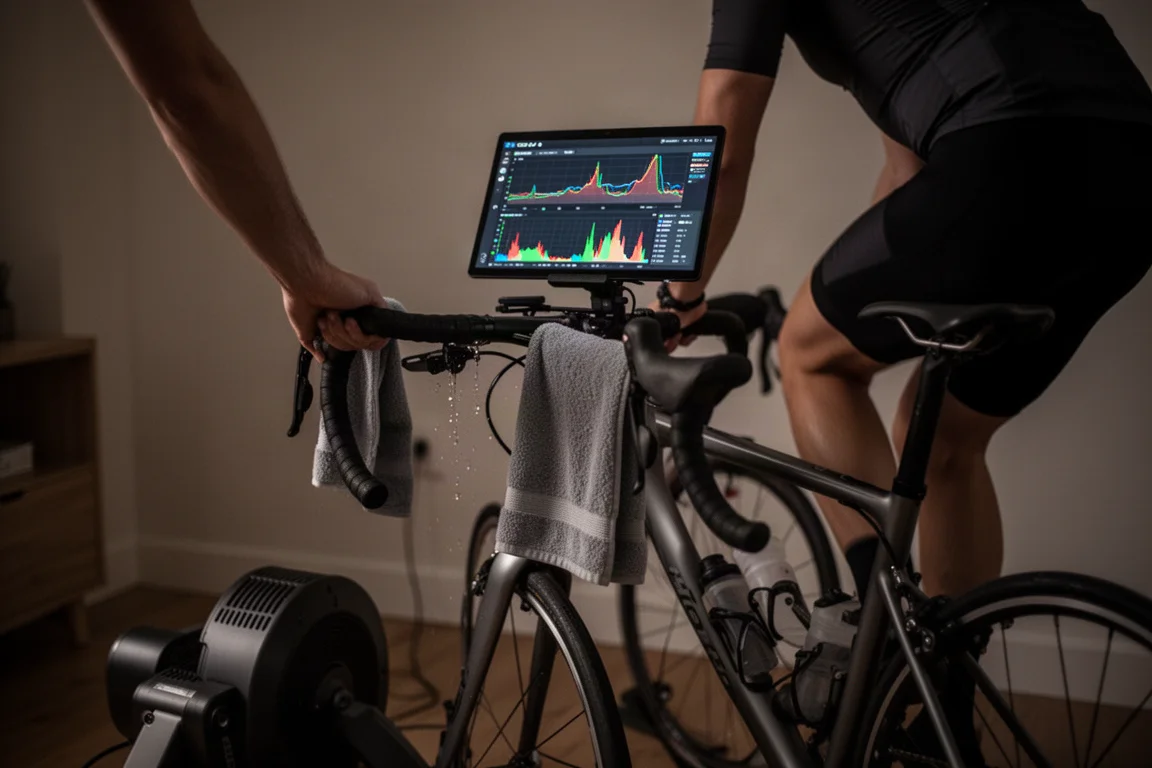
On an indoor trainer workout with a stack of intervals, the sensor was spot on, tracking cleanly alongside reference devices with no complaints.
An outdoor ride of about 90 minutes in windy conditions told a similar story for the band. Holding the handlebars tightly is one of the harder scenarios for wrist-based optical sensors, and while both a wrist optical sensor and a Coros watch struggled at points, the HR Monitor itself stayed locked in, matching a chest strap, the Polar Verity Sense, and a Whoop band throughout.
Runs were mostly strong too. In an interval run with five hard efforts, the sensor tracked well across the session, with only a small stumble on the final interval. In a second interval run, it held up nicely on the steady-state portions while other wrist-based devices faltered.

The one wrinkle: in an earlier steady-state run on flat ground, the sensor wobbled up and down by roughly 10 beats per minute, oscillating above and below the true value even though the effort was rock-steady. Nothing about that section of the run was unusual, so the trigger is unclear. It is a known and stubborn failure mode for optical sensors, and one most companies have never fully solved. In the majority of tested sessions it did well, but this is the scenario to watch.
Should You Buy It Over the Polar Verity Sense?
This is the tricky question. The Coros HR Monitor costs $79, while the Polar Verity Sense lists at $89 and is often on sale for about $79, so on price the two are effectively a wash.
The Polar has a lot more on board: it can record data internally with the press of a button and sync it later, it has special integration modes such as one for Form swim goggles, and it offers a full SDK for third-party developers, plus a deep set of analysis tools in Polar’s app. Coros offers none of that today. For a theoretical $10 difference, Polar looks like the safer pick.
The open question is Coros’s track record. The company has a long history of adding meaningful features to its watches after release, but the opposite is true for its pods and accessories, which have received essentially no post-launch updates. Whether this sensor falls into the watch camp or the accessory camp is something only time will tell. Right now it feels like a product with a lot of potential that perhaps shipped a little too early. Availability is also limited at launch, with the US first and the rest of the world following in the fall.
Conclusion
The Coros HR Monitor is comfortable, featherweight, accurate in most situations, and refreshingly easy to live with. Its weaknesses are clear: no onboard recording, no swimming mode, no ANT+, one odd steady-state accuracy wobble, and a feature set that trails the Polar Verity Sense at essentially the same price. If you simply need a reliable heart rate broadcaster for watches and training apps, it is an easy sensor to like. If you want recording and ecosystem extras, Polar still holds the edge for now.
Product link
View more details for Coros HR Monitor
This product is mentioned in the review. Check the specifications, options, and compatibility before buying.
View more details for Coros HR MonitorFurther reading
Related Reviews
Fitness Wearables
COROS EvoLab VO2 Max Review: How Close Is the Estimate to a Lab Test?
COROS EvoLab estimated a VO2 Max of 61 against a lab result of 63.5. Here is what the estimate gets right, where its limits sit, and who should trust it.
Fitness Wearables
Garmin Circa vs Whoop, Fitbit, Amazfit and Polar: Which Wearable Gets the Data Right?
We compare eight wearables across workout heart rate, automatic activity detection, sleep, steps and calories to see where each one earns its place on your wrist or bicep.

Road Bikes
10 New Road Bikes Worth Watching: Aero, Titanium, Steel and Endurance Standouts
A practical roundup of 10 new road bikes, from aero flagships chasing single-watt gains to titanium, steel and endurance platforms built for real roads.