Projection Screens
Screen Innovations Projection Screens Compared: Zero Edge Pro, Unity, Maestro, and Black Diamond
A practical look at four Screen Innovations screen options, from perforated vinyl to woven and ambient light rejecting materials, and how to decide which one fits your room.
Introduction
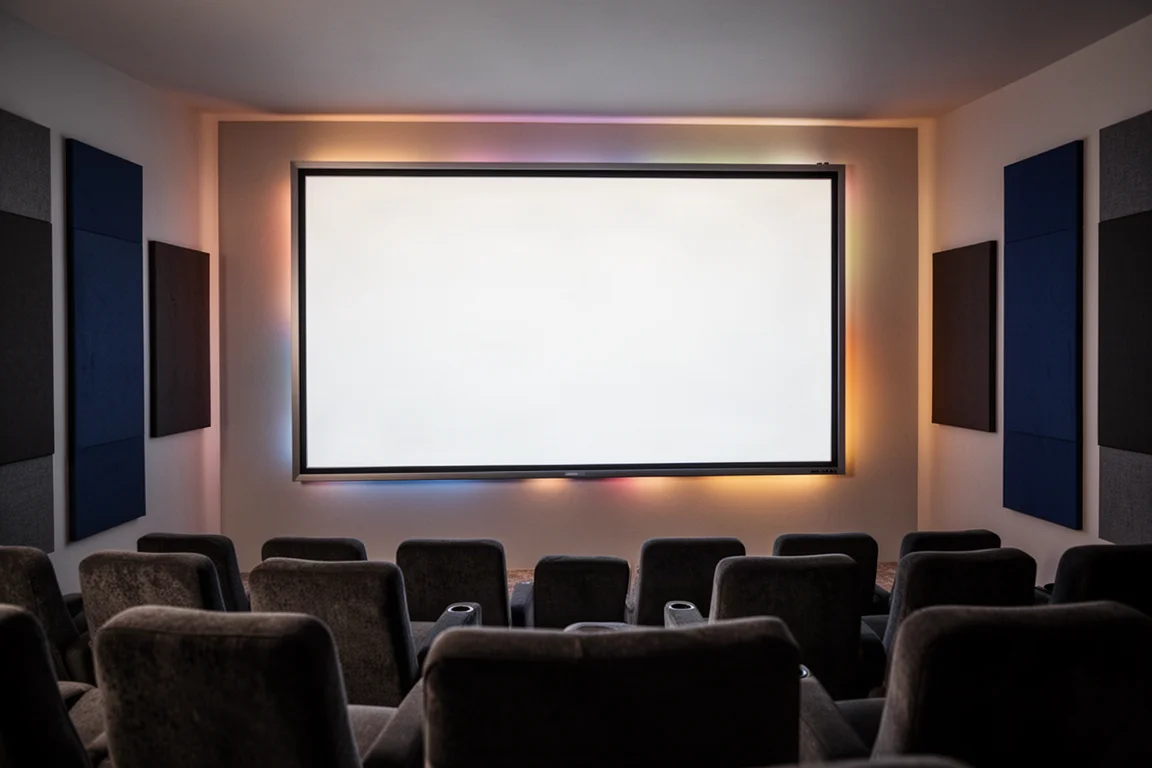
Screen Innovations has built its reputation on pushing projection screen design forward, from ambient light rejecting materials to motorized and outdoor solutions. For anyone planning a dedicated theater or a multi-purpose media room, the screen material is one of the most consequential decisions in the room, because it shapes both the picture you see and the sound that reaches your seat.
This guide covers four Screen Innovations options: the Zero Edge Pro fixed frame screen, along with the Unity, Maestro, and Black Diamond screen materials. Each one solves a different problem, and the right answer depends on your room, your projector, and how much you prioritize audio over video.
How We Evaluated These Screens
Four criteria separate these options in real rooms.
Material construction comes first. Unity uses a perforated vinyl surface, Maestro uses a woven material, and Black Diamond uses an ambient light rejecting surface. Each has a different effect on light and on sound.
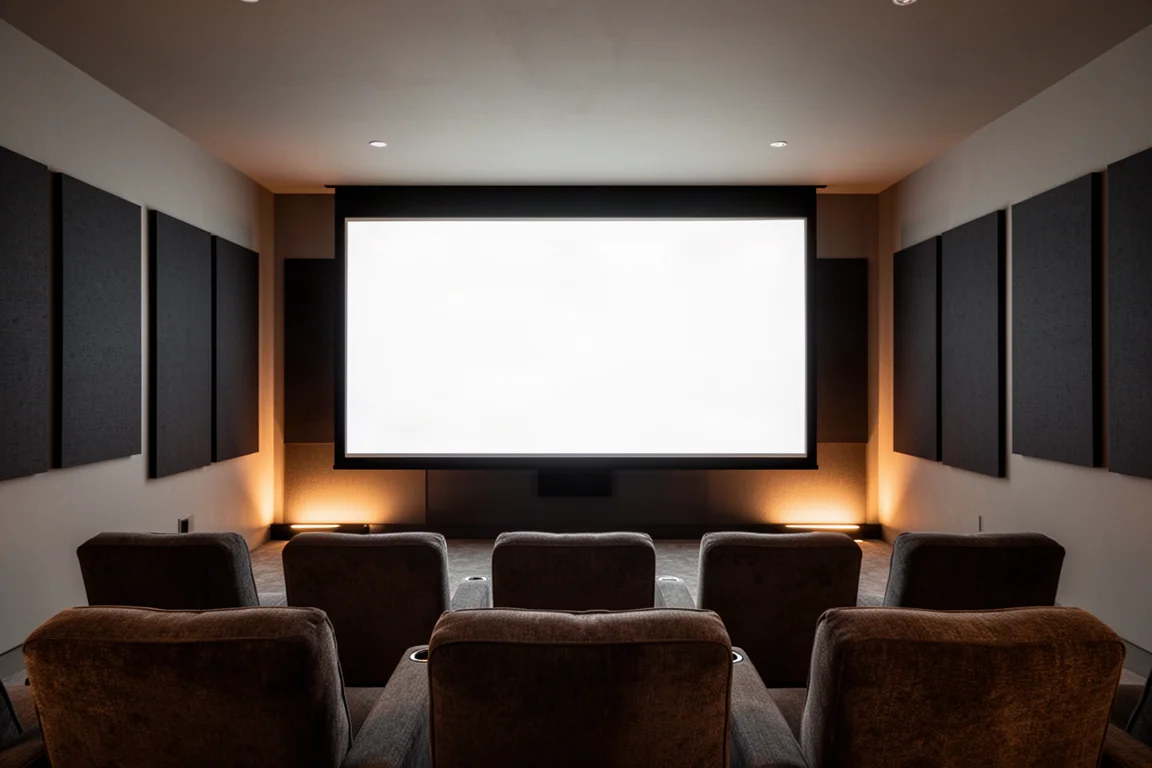
Audio transparency is the second factor. A screen placed in front of a center channel and a pair of left and right speakers will always absorb some energy, and the amount varies considerably between vinyl and woven materials.
Resolution ceiling matters for future proofing. Vinyl materials carry a higher specified resolution than woven materials, which is worth knowing if you plan to keep the screen through a projector upgrade.
Finally, room conditions decide more than any spec sheet. A light controlled theater and a bright family room call for different screens entirely, and no material wins on every axis.
Screen Innovations Zero Edge Pro: A Flagship Fixed Frame Screen
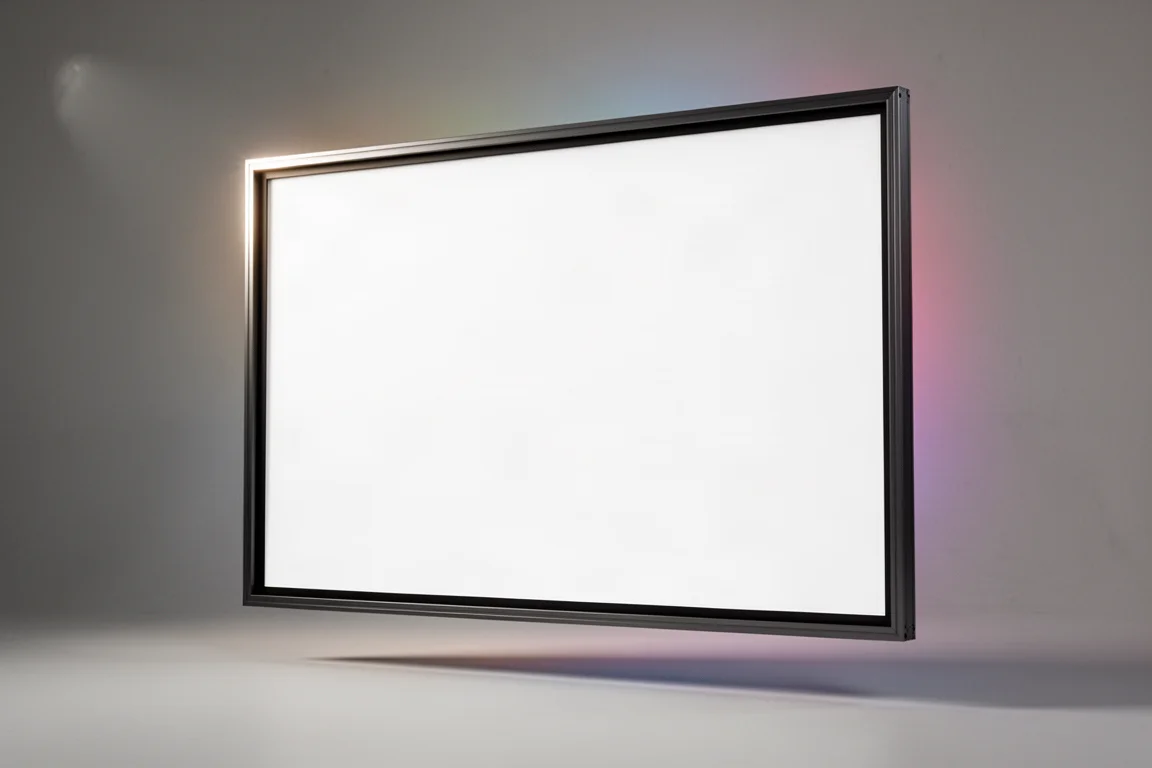
The Zero Edge Pro is a fixed frame screen built around an extruded aluminum frame, and it is the option to consider when the screen itself is meant to be a visible design feature in the room. The frame construction and finish give it a clean, architectural presence that holds up in a high end installation.
An integrated backlight is one of its most practical touches. It works with the Philips Hue bridge, so the glow behind the screen can be controlled and recolored from a phone. That makes it simple to set a warm bias light for movie sessions or match the lighting to the rest of the room.
The Zero Edge Pro also scales up considerably. Sizes reach roughly 220 inches diagonal, and a 200 inch installation paired with a high end Sony laser projector produced a picture that looked like a television rather than a projection setup.
Screen Innovations Unity: Perforated Vinyl for Behind-Screen Audio
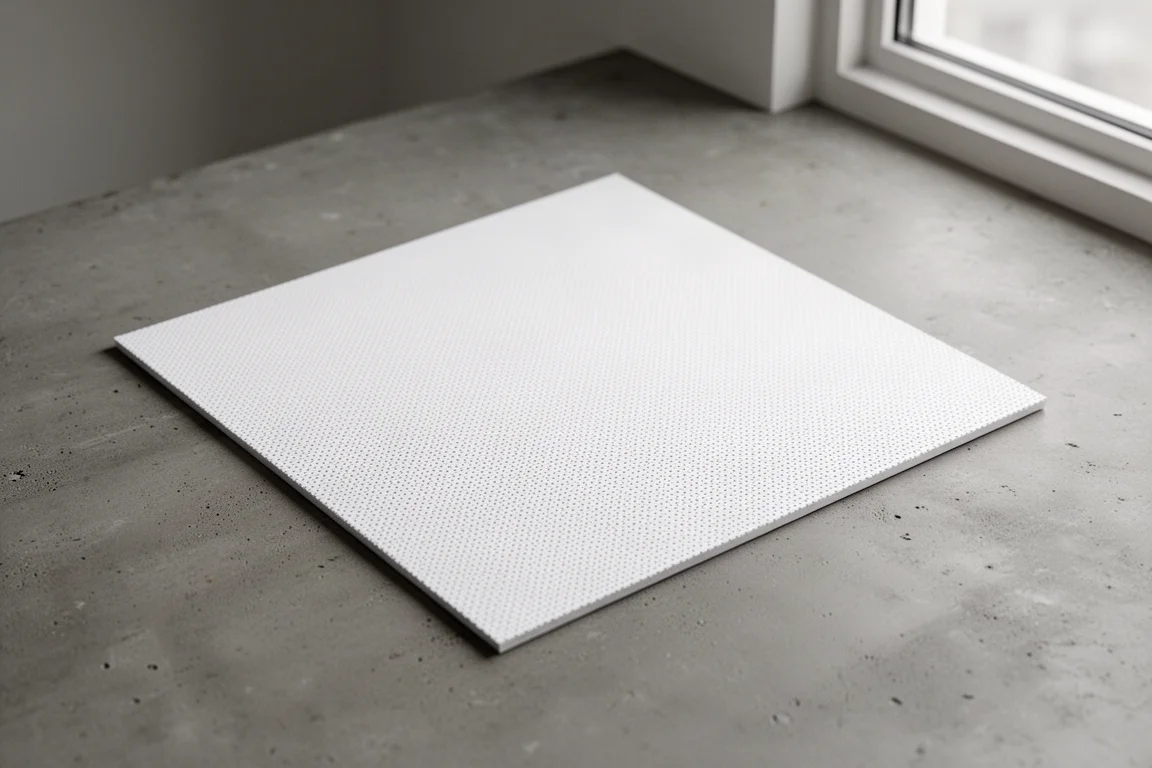
Unity uses a perforated vinyl material in a matte white finish, and its purpose is acoustic transparency. Speakers mount behind the screen and play through it into the room, which allows a vertically oriented center channel to sit at the same height as the left and right speakers. That alignment produces coherent left to right panning and consistently clear dialogue.
The trade-off is measurable. Screen Innovations publishes a loss factor for vinyl screens based on how far the speaker sits behind the material, and recommends at least six inches of separation, with nine or ten inches being better where the room allows. The material itself is specified at roughly 6 dB of loss at 20 kHz, with rolloff beginning near 2 kHz, and the thick black mesh supplied to block light can add another three to four dB. Combined, real world loss can reach roughly 10 to 12 dB, so the speakers behind the screen need enough dynamic range to be boosted without strain.
Gain is specified around 1.1 for this matte white surface, though the perforations mean the effective gain lands closer to 1.0.
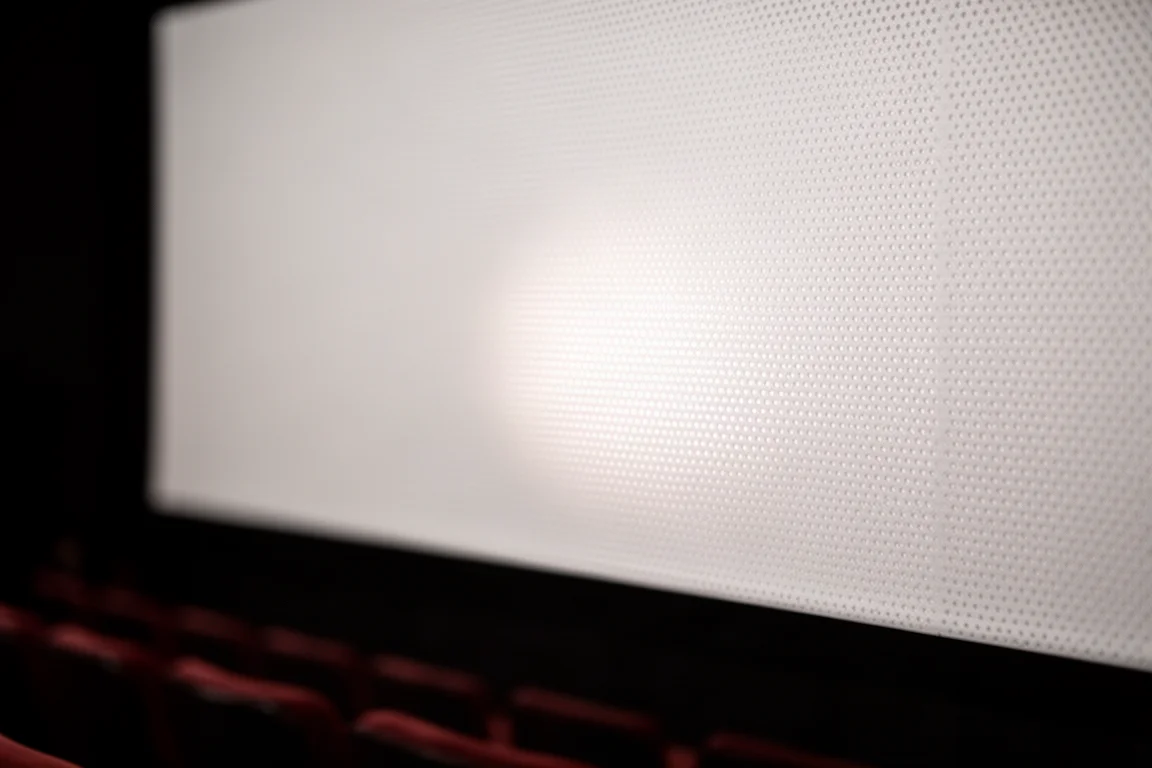
On the video side, vinyl is the higher resolution option, specified up to 8K, while woven materials are generally rated to 4K. One caveat is worth knowing: with a pixel shifting projector, vinyl can show a moire pattern in bright, uniform scenes such as a clear blue sky, which reads a little like a fine screen door texture.
Screen Innovations Maestro: Woven Material for Audio-First Rooms
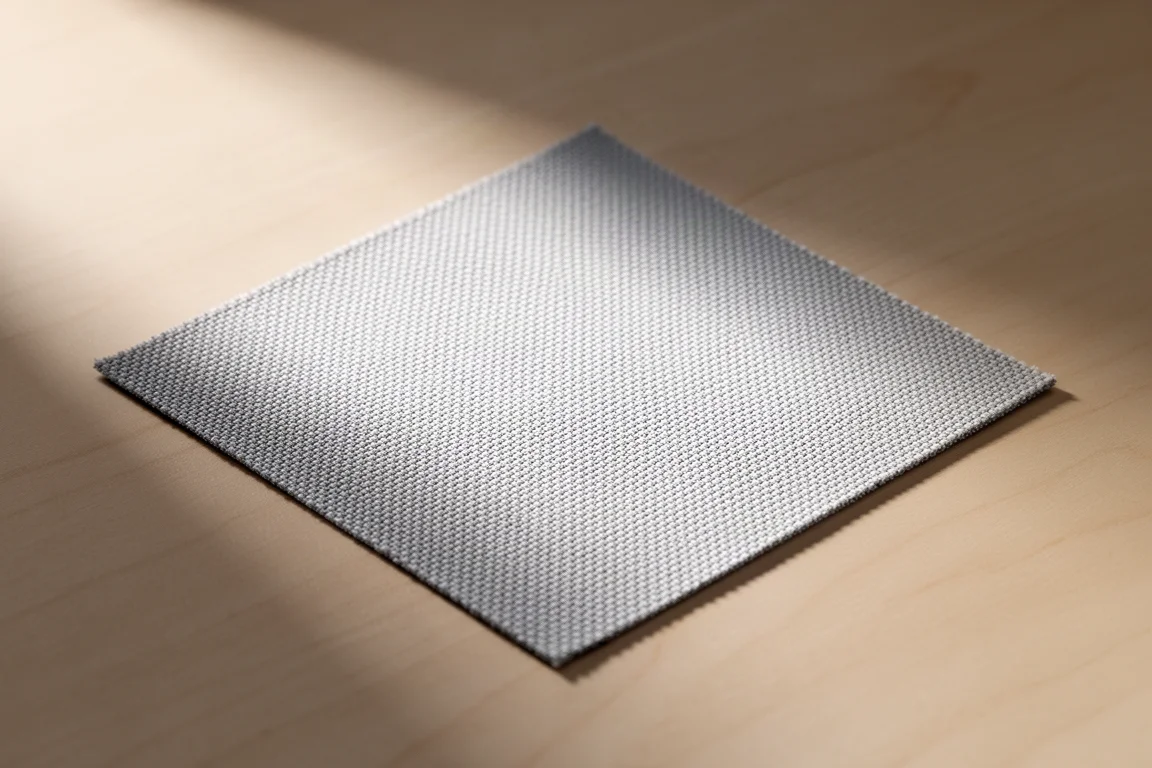
Maestro is the woven screen material in the Screen Innovations range, and it is the choice for listeners who care more about what they hear than about extracting the last bit of picture brightness. Woven surfaces absorb noticeably less energy than perforated vinyl, so a center channel behind a Maestro screen loses less output and needs less correction.
Woven screens have also closed much of the video gap in recent years. Their picture quality is now very close to vinyl, and for many rooms the difference is far smaller than the difference in audio transparency. The main limitation to keep in mind is resolution: woven material is generally rated to 4K rather than the higher ceiling of vinyl.
If the room is already light controlled and the system is built around a capable center channel behind the screen, Maestro is the material that keeps the audio system closest to its full potential.
Screen Innovations Black Diamond: Ambient Light Rejection
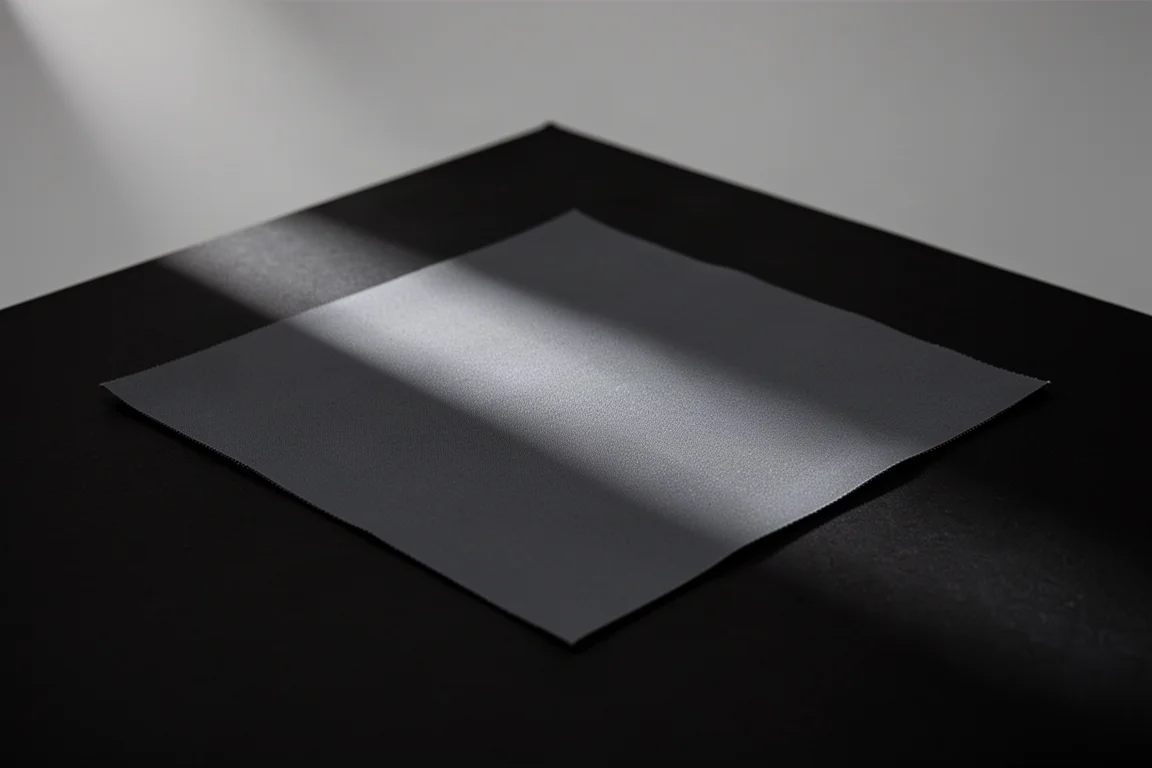
Black Diamond is the ambient light rejecting option, a category Screen Innovations helped pioneer. The material accepts light arriving from the front, where the projector sits, and rejects light arriving from other angles. In practical terms, that means a projection screen can live in a family room or media room with more ambient light than a traditional setup would tolerate and still hold a strong picture.
That makes Black Diamond a natural fit for short throw projectors and for multi-purpose rooms where full light control is not realistic. It is less relevant in a dedicated theater with dark ceilings and covered windows, where the light control already does the heavy lifting and a vinyl or woven screen can deliver more of the material’s native performance.
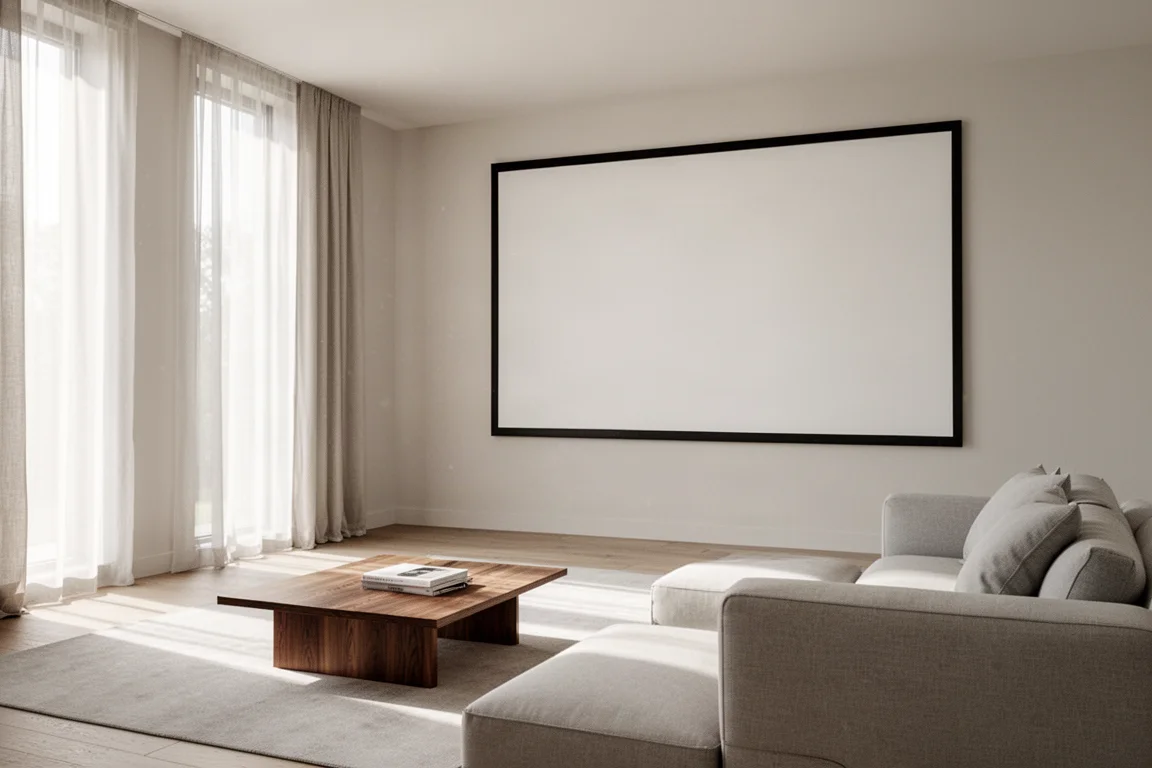
For rooms used for daytime television, casual viewing, and movies after dark, an ambient light rejecting surface is often the difference between a screen that is usable all day and one that is only at its best at night.
Matching Screen Material to Your Room and Projector
Start with light control. A fully light controlled room with dark surfaces and blacked out windows opens up the vinyl and woven options. A room with windows, lamps, and daytime use points toward an ambient light rejecting surface such as Black Diamond.
Then decide where audio ranks. Vinyl delivers the most picture punch, but a vinyl screen combined with its black backing mesh can cost roughly 10 to 12 dB in the high frequencies, so the speakers behind it need serious dynamic range. Woven material trades a little brightness for a much easier load on the audio system, which is why it tends to be the pick for listeners who prioritize sound.
Plan the installation details before the screen is ordered. Keeping speakers at least six inches behind the screen, and closer to nine or ten inches where the room allows, reduces the loss. Absorption material placed behind the screen acts as a mid bass trap and tightens the stereo image, which is a genuine benefit of building a baffle wall. If subwoofers go behind the screen, keep them on the floor rather than inside a large open cavity.
Screen size deserves a bigger number than instinct suggests. Higher resolutions on displays and projectors mean viewers can sit closer without seeing structure in the image, and a larger canvas delivers more immersion. Aspect ratio matters too: 16:9 suits the majority of series and broadcast content.
Beyond these four products, Screen Innovations also builds motorized roller shades for windows, outdoor screens with mosquito netting, and the Zero G system, a flush ceiling housing with motorized doors that lowers a bar on two very thin strings to create the illusion of a free floating screen.
Buying Advice: What to Confirm Before You Commit
These screens are typically specified through a professional integrator or dealer, and that conversation is where the details get resolved: which material, which gain, which projector, how much light the room actually receives, and how far the seating sits from the screen.
Come to that conversation with three answers ready. First, how much light control the room can realistically achieve. Second, whether the center channel will live behind the screen, since that decision drives the material choice more than anything else. Third, how much dynamic range the speakers behind the screen can deliver, because vinyl will ask more of them than woven material will.
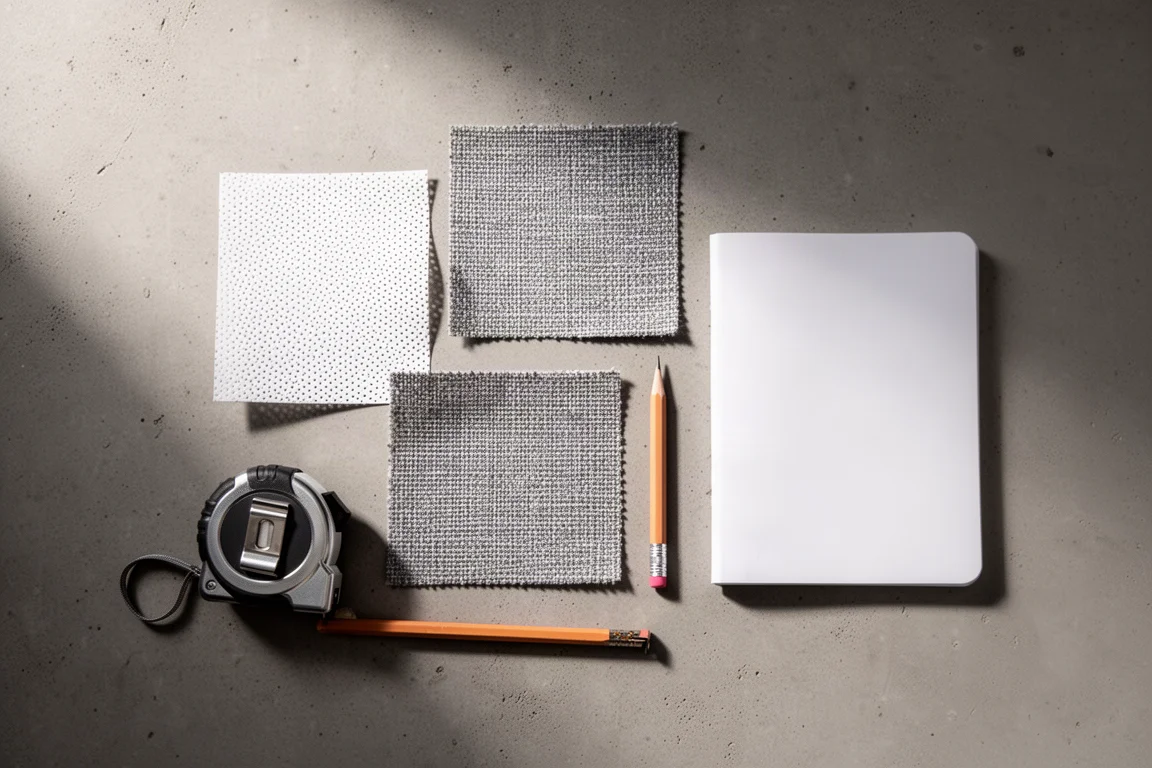
It also helps to accept that no single screen wins on every axis. Vinyl favors video, woven favors audio, and ambient light rejecting surfaces favor rooms that cannot be darkened. Choosing deliberately beats chasing a spec sheet.
Conclusion
Screen Innovations offers a genuinely useful spread of options. The Zero Edge Pro delivers a beautifully built fixed frame screen with integrated Hue compatible backlighting and sizes up to around 220 inches. Unity brings perforated vinyl with the highest resolution ceiling and the most picture punch, at the cost of measurable high frequency loss. Maestro swaps a little brightness for a much friendlier load on the audio system. Black Diamond makes projection practical in rooms with ambient light.
The right pick comes down to the room and the priorities: light control, speaker placement, and whether the system is built around video or audio. Confirm those with your integrator, and the screen decision becomes straightforward.
Further reading
Related Reviews

Backpacking Gear
Building a 10 lb Base Weight: An Ultralight Backpacking Gear List
A practical walkthrough of the ultralight pieces behind a 10 lb base weight, from a 765 g pack and a roomy one-person tent to a full camp chair and a dependable water filter.

Road Bikes
10 New Road Bikes Worth Watching: Aero, Titanium, Steel and Endurance Standouts
A practical roundup of 10 new road bikes, from aero flagships chasing single-watt gains to titanium, steel and endurance platforms built for real roads.

Bikepacking Gear
11 Bikepacking Essentials for Long-Distance Cycling
Eleven bikepacking essentials for long-distance cycling, from a steel gravel frame and a two-person tent to helmet lights, packable gloves, and a frame bag that puts weight in the right place.