Mountain Bikes
Scott Spark RC World Cup Review: A Race Bike That Still Wants to Play
A 120mm cross-country race bike with a hidden rear shock, modern geometry and genuine trail capability. Here is what works, what to check before buying, and who it suits.
Introduction
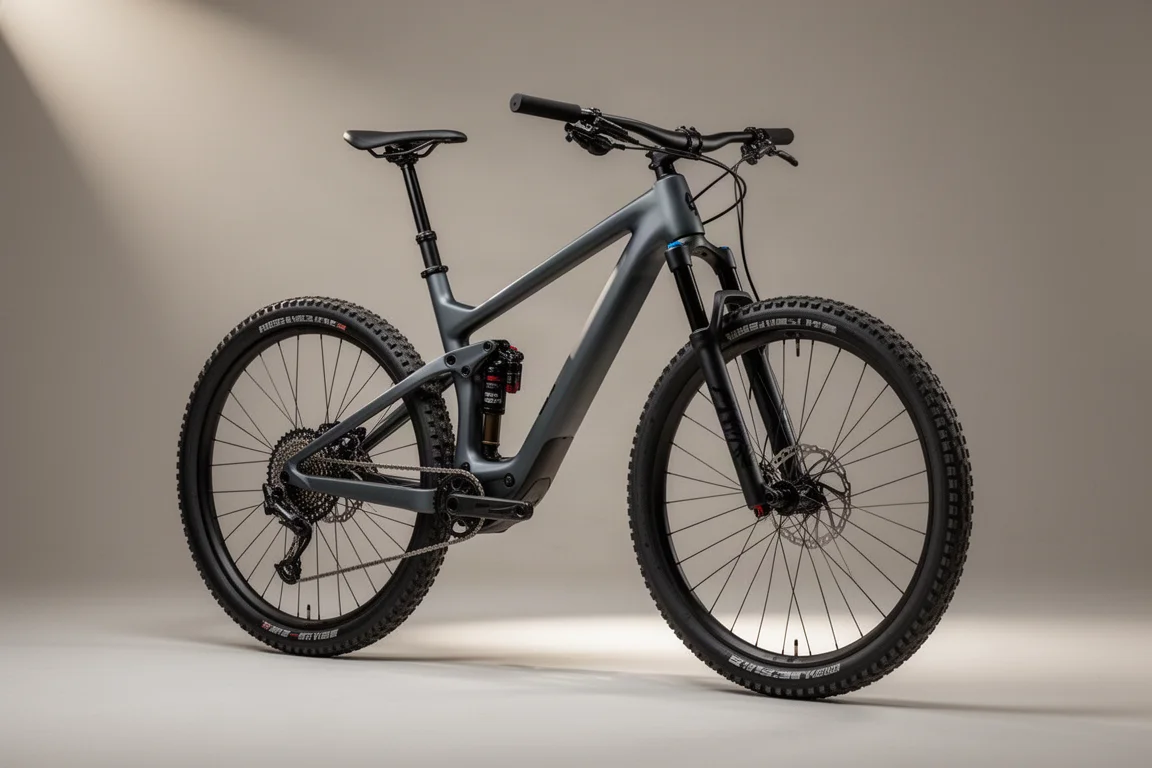
The Scott Spark RC World Cup is a 120mm full suspension cross-country race bike, and riding it makes a strong case that the gap between a World Cup racer and a short travel trail bike has almost closed. The numbers tell part of the story: 120mm of travel front and rear, a 67.5 degree head angle and a long reach. Not long ago, those figures described a short travel trail bike rather than a machine built for cross-country racing.

What matters more is how those numbers transfer to the trail. The bike accelerates hard, carries speed across flat singletrack and holds a line on descents that would have punished an older race bike. It is still quick, but it is no longer narrow in what it can do.
Who This Bike Is For
Riders who race cross-country, whether that means short track, marathon events or fast laps on local trails, get exactly what they want here: a stiff carbon frame, low weight, efficient suspension and geometry that rewards hard efforts. The bike climbs quickly, smashes flat trails and descends far more capably than its race classification suggests.
It also works for riders who do not race at all. If you want a light, efficient bike that still feels fun and composed on technical trails, drops and rocky features, this package delivers that without asking you to choose between speed and capability.
Main Strengths
A Frame That Hides Its Shock Properly
Putting the rear shock inside the frame makes the Spark RC World Cup look modern, clean and fuss free, and it is a design decision more full suspension bikes could justify. Access is better than the layout suggests. A compartment at the bottom of the down tube gives you the rebound dial, and a marker on the non-drive side swing arm makes sag setup straightforward. Once it is dialled in you rarely need to touch it, and the shock can be dropped out for servicing. There is also room for two water bottle cages on a size large, which is a genuine plus on longer rides.
Geometry That Widens the Brief
The extra travel, slacker head angle and longer reach have not slowed the bike down. Instead they have made it far more rounded, a down country bike in the best sense: a World Cup race bike at heart that is genuinely enjoyable once the race is over. It handles descents, berms, rocky features and drops in a way that feels closer to a mini trail bike than a pure cross-country racer, and it makes the most of speed earned on the way up.
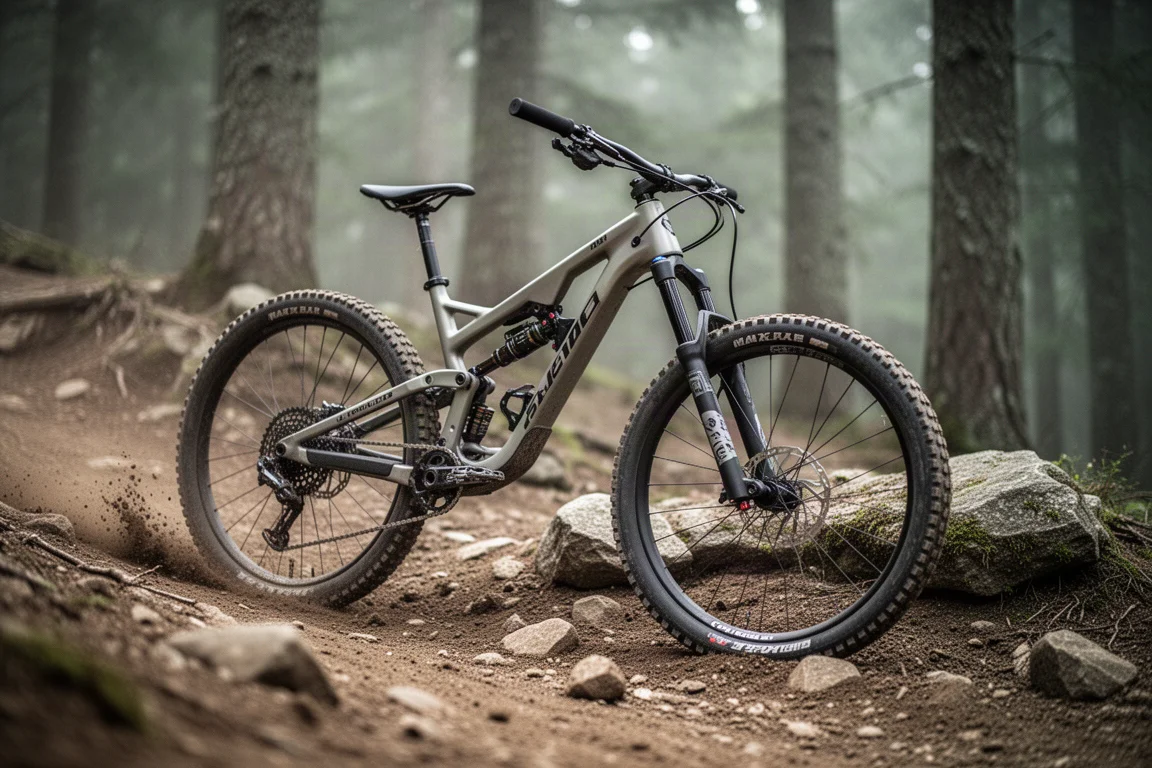
The rear suspension action feels very similar to the previous version: smooth, nicely progressive, with good small to medium bump sensitivity and enough support that bottoming out is not a regular occurrence.
Suspension and the TwinLoc System
The TwinLoc system controls front and rear suspension from the bar, with a full open setting, a lockout and a middle traction mode that reduces travel. In practice the suspension is so well behaved that most riding happens in the open setting, with traction mode reserved for smoother fire road climbs and the lockout rarely used. The dropper button sits underneath the same lever, and while the layout looks complicated at first, it becomes second nature quickly.
Build and Components
This model pairs a full carbon frame and swingarm with a RockShox SID Select+ fork offering 120mm of travel to match the rear. The Fraser one-piece handlebar and stem bring a useful amount of compliance and feel to the front end, and the shape, width and stem length happen to suit a wide range of riders well.
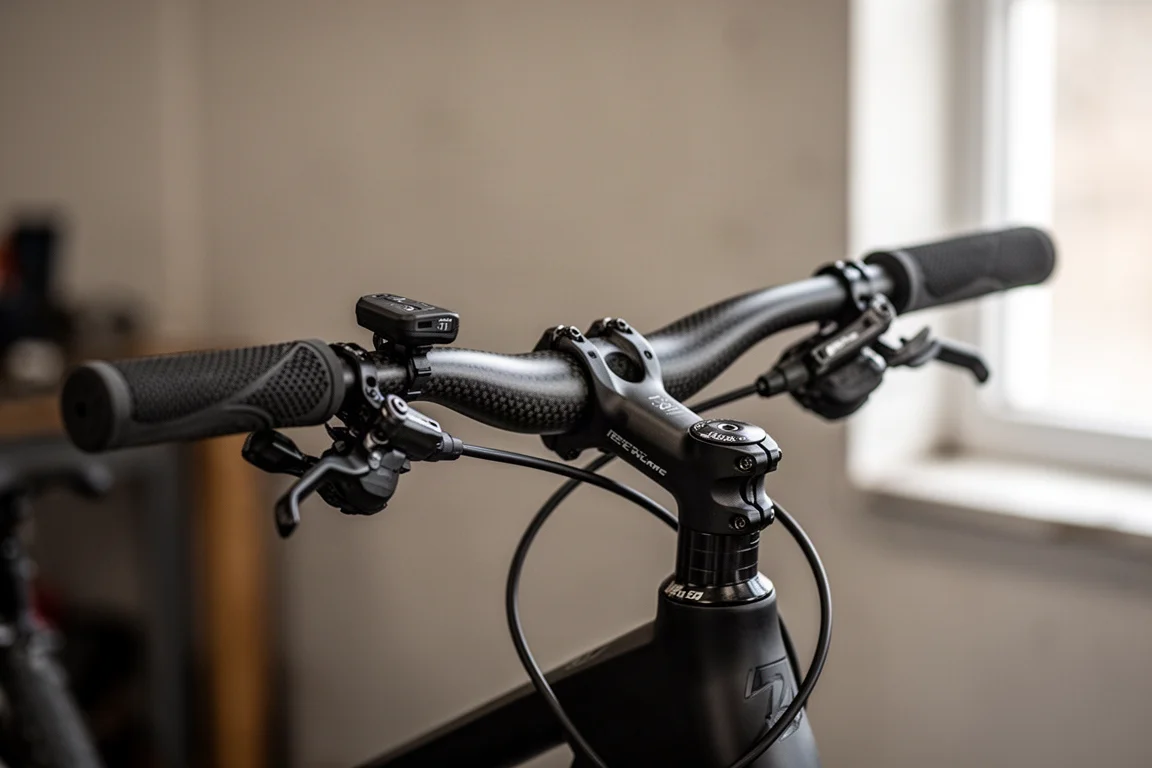
Braking is powerful with good modulation and genuine one finger control, and the gearing shifts accurately in all conditions, even with mud, leaves and branches packed around the cassette. The dropper post offers 100mm of drop, and the stock Rekon Race tyres are quick and capable when conditions are dry.
Things to Consider Before Buying
The one-piece handlebar and stem cannot be swapped easily, so it is worth being confident that the fit suits you before committing. The 100mm dropper travel is also modest for very steep, technical terrain, particularly if you run a high saddle position, where more drop would be welcome.
The stock tyres are a dry conditions choice. In wet, slippery winter conditions they struggle to cut through mud, and switching to a grippier tyre makes a clear difference without giving away much rolling speed. Choosing a different brand to get the right rubber is simply a practical decision.
This is also not the cheapest way into the Spark range, and there are less expensive options if maximum equipment per pound is the priority. The value here comes from how the bike rides, the integrated shock, the geometry and the overall finish rather than the component list alone.
Buying Advice
The Spark range is broad, running from around £3,350 to £12,200 across carbon and alloy frames, and this World Cup model at roughly £7,500 sits in the middle, which makes it one of the more sensible picks in the line-up. A trail version also exists with a 130mm fork, a wider bar, more aggressive tyres, a dropper post and a slacker head angle thanks to the longer fork, aimed at riders who want a stronger descending bias.
If your priority is speed, efficiency and low weight with enough capability to enjoy technical trails on the way down, this version is the more compelling package. If you expect to spend most of your time on steep, aggressive descents, the extra travel of the trail build is worth thinking about, though on the evidence of this bike, the difference is unlikely to be night and day.
Conclusion
The Scott Spark RC World Cup blends disciplines well. It is fast enough for cross-country racing, light and efficient enough for long distance rides and big climbs, and capable enough to stay composed on technical trails. The frame integration, the geometry and the TwinLoc suspension control all work together, and the result is a bike that is fun every time you ride it. For riders who want one mountain bike that handles climbs, descents, long days and short laps, it is a very strong choice.
Product link
View more details for Scott Spark RC World Cup
This product is mentioned in the review. Check the specifications, options, and compatibility before buying.
View more details for Scott Spark RC World CupFurther reading
Related Reviews
Mountain Bikes
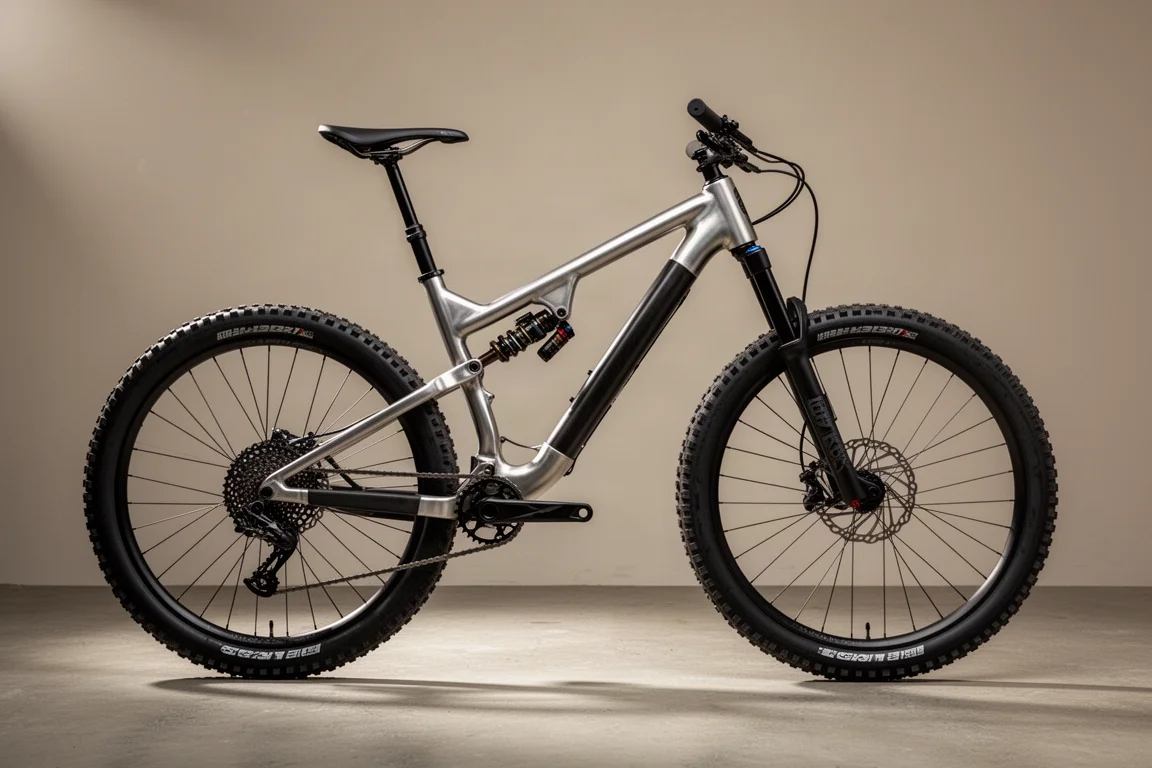
Atherton AM.130 Review: 3D-Printed Titanium Lugs and a 130mm Trail Bike That Descends Like a Bigger Machine
The Atherton AM.130 pairs 3D-printed titanium lugs with carbon tubes and a DW6 suspension platform. Here is how it rides, what the build delivers, and who it suits.
Mountain Bikes
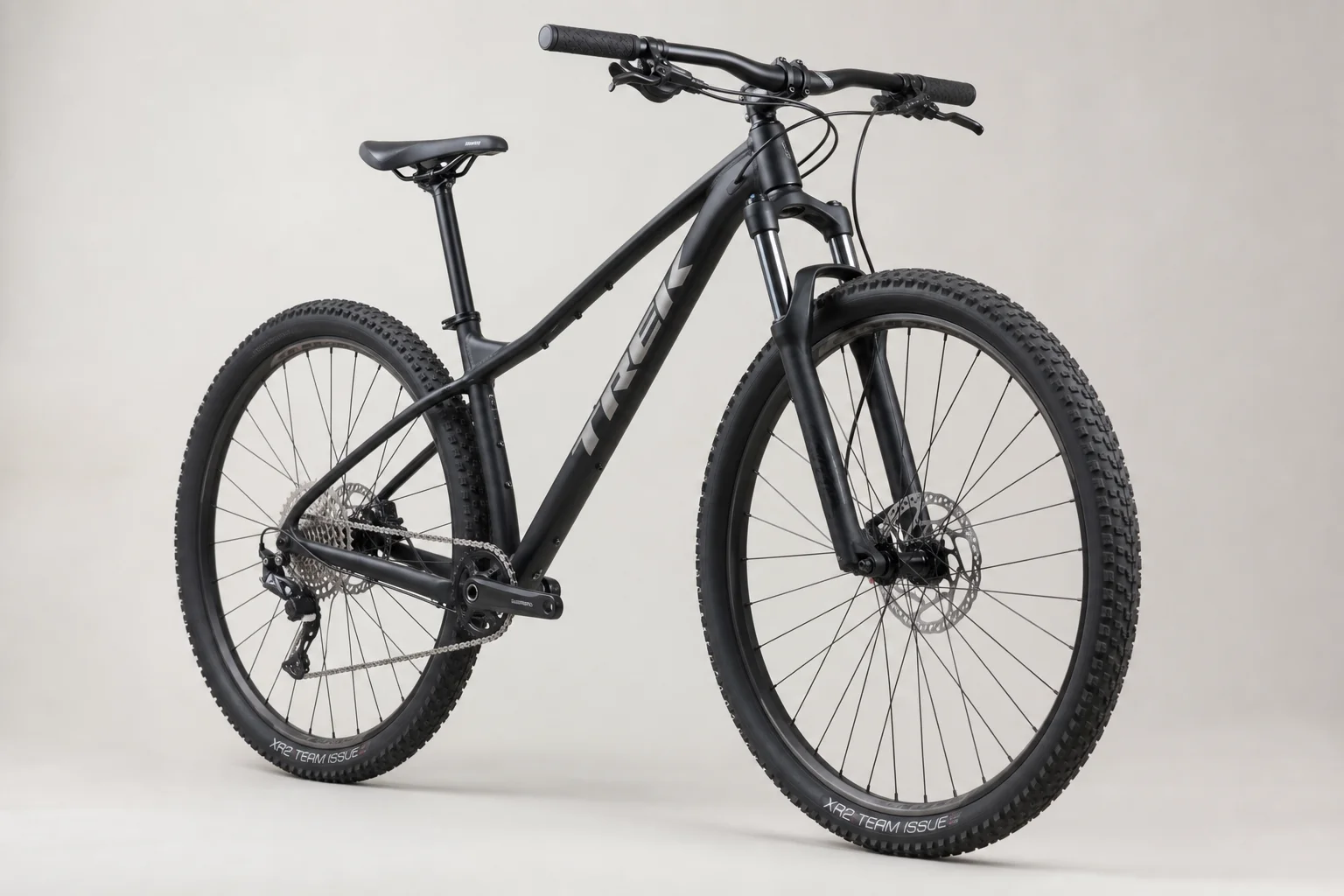
Beginner Mountain Bike Buying Guide: What to Look For in a Trailworthy Hardtail
A practical framework for evaluating beginner mountain bikes, whether new or used, by examining key components that indicate real trail capability.
Mountain Bikes
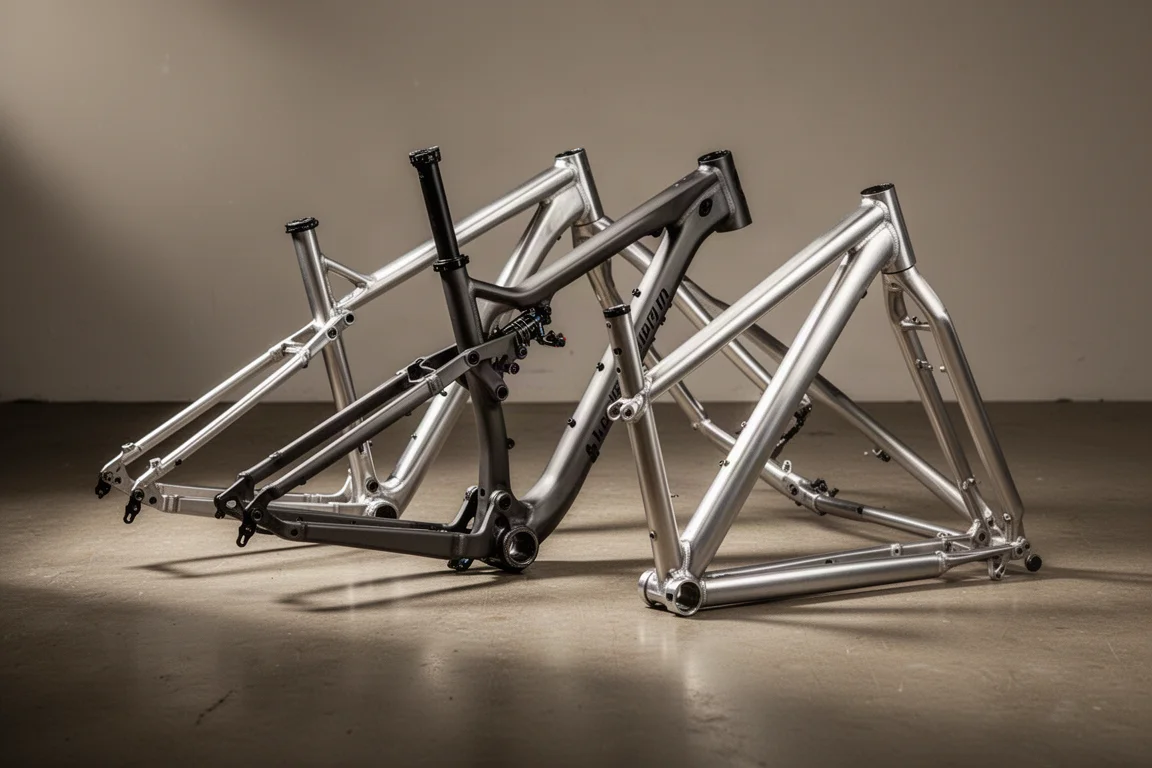
Best Aluminum Mountain Bikes 2026: Five Alloy Bikes Worth Your Attention
Five aluminum mountain bikes that show how far alloy has come, from a 120mm trail bike and a versatile machined frame to a 180mm freeride machine.