Mountain Bikes
Scott Spark RC Super Sonic Edition Build: Every Component Explained
A component-by-component look at a limited-edition Scott Spark RC build, from the hidden-shock frame and wireless SRAM Eagle AXS drivetrain to the Fox Factory 34 fork, Syncros Silverton carbon wheels and Hutchinson Kraken tires.
Introduction
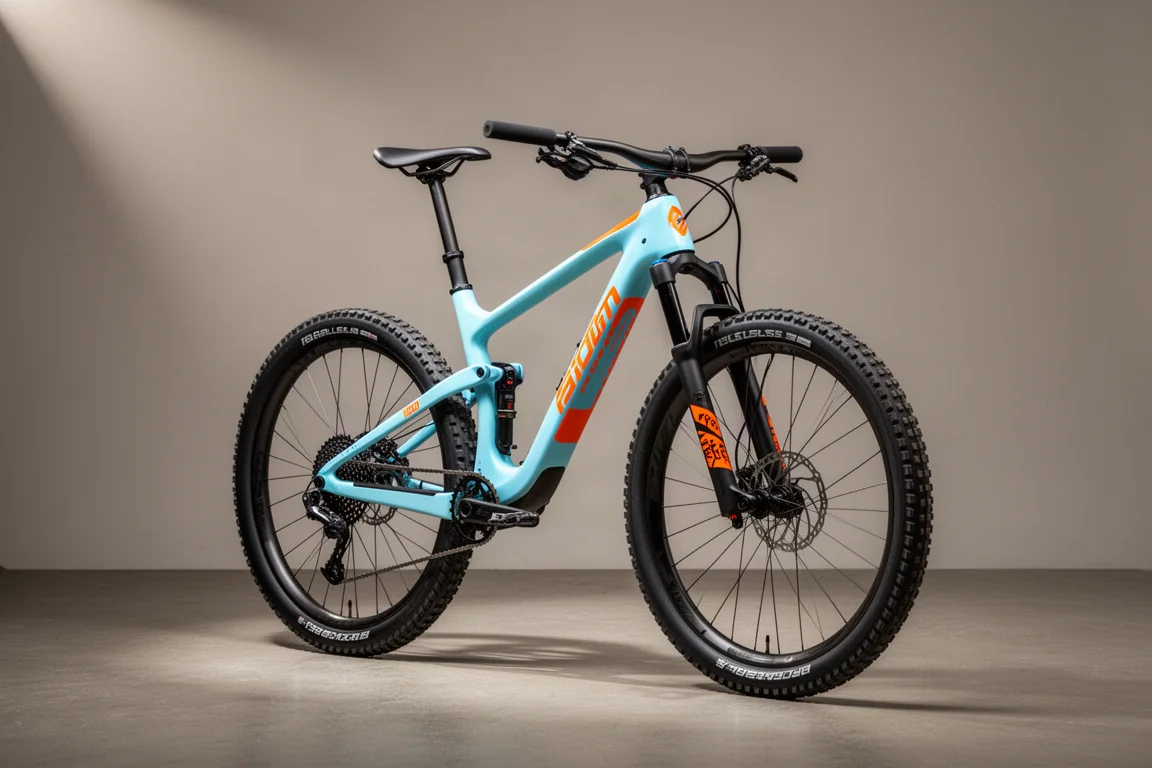
The Scott Spark RC Super Sonic Edition is a limited-edition cross-country frame finished in a paint scheme created for the Olympics, and it is the starting point for this build. The platform keeps its rear shock inside the frame, runs 120 mm of travel at both ends, and pairs a slacker front end with a longer top tube than a conventional cross-country race bike.
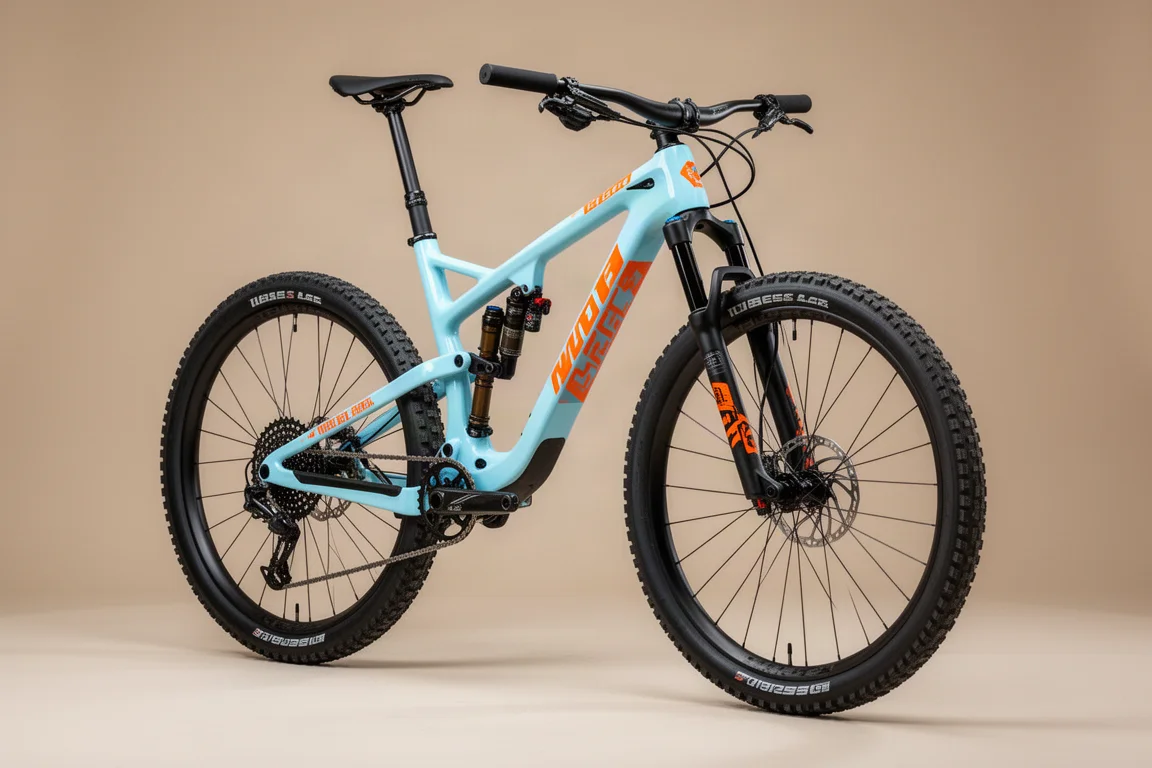
The parts around it lean the same way: wireless SRAM Eagle AXS shifting, a Fox Factory 34 fork with a three-position remote lockout, Syncros Silverton carbon wheels and Hutchinson Kraken tires set up tubeless. The finished bike weighed 10.46 kg. This breakdown walks through each component, what it contributes to the ride, and the details worth checking if you are planning something similar.
Frame and Geometry: The Scott Spark RC Super Sonic Edition
The frame is a size medium Scott Spark RC, and the Super Sonic finish is a limited edition. The most distinctive piece of engineering is the rear shock, which sits inside the frame rather than being exposed on the outside. Suspension stays clear of mud and grit, and the bike looks unusually clean without a shock and linkage sitting in the airflow.
Travel is 120 mm front and rear, two centimetres more than the cross-country bikes it replaces in this stable. The geometry is noticeably slacker and the top tube is longer, changes aimed at keeping the bike composed when the trail points downward rather than chasing the steepest, twitchiest race position.
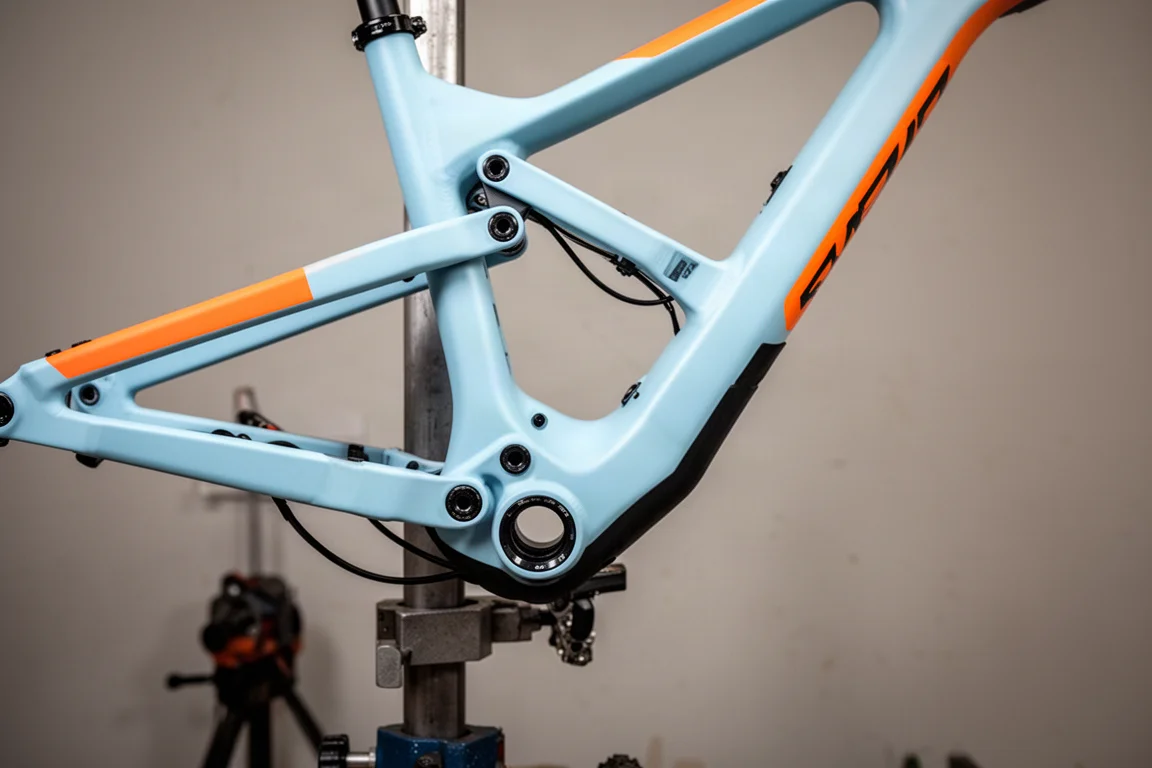
Cockpit and routing details follow the same thinking. A one-piece Syncros bar and stem carries internally routed cables, and the head unit mount sits on top of the bar rather than out front, where a crash could snap a computer off. Cables drop into the frame through a slot at the bottom of the front triangle, which keeps the run tidy without a tangle of external lines.
Drivetrain: SRAM Eagle AXS
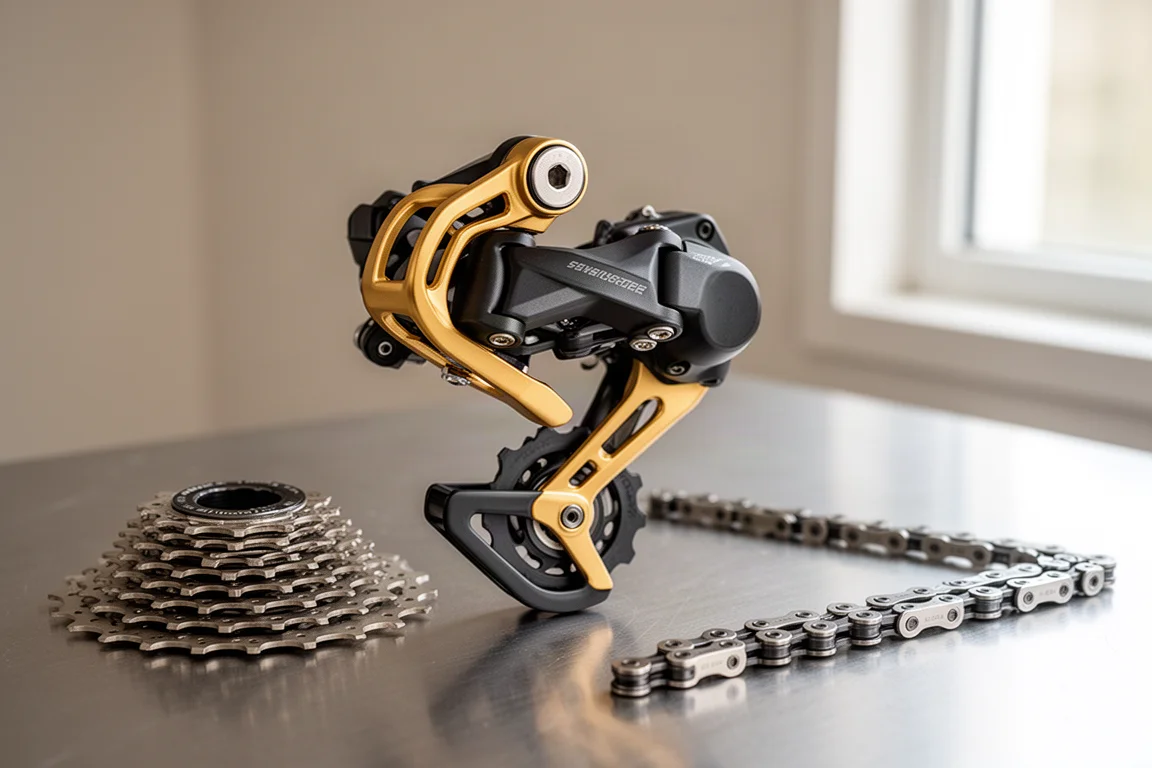
SRAM Eagle AXS is wireless, with a rear derailleur that pairs and shifts without a cable running through the frame. Setup is refreshingly simple: the derailleur mounts, the system pairs, and the gears are trimmed with small electronic adjustments instead of cable tension. The benefit shows up later too, because when shifting drifts on a wireless setup the usual cause is a bent derailleur hanger rather than stretched cable or a ferrule that has bedded in.
The AXS ecosystem is also deliberately interchangeable between road and mountain bike parts. What has to match is the chain and cassette: a mountain bike rear derailleur needs a mountain bike cassette and chain, while a road derailleur uses the flat-top chain and its matching cassette.
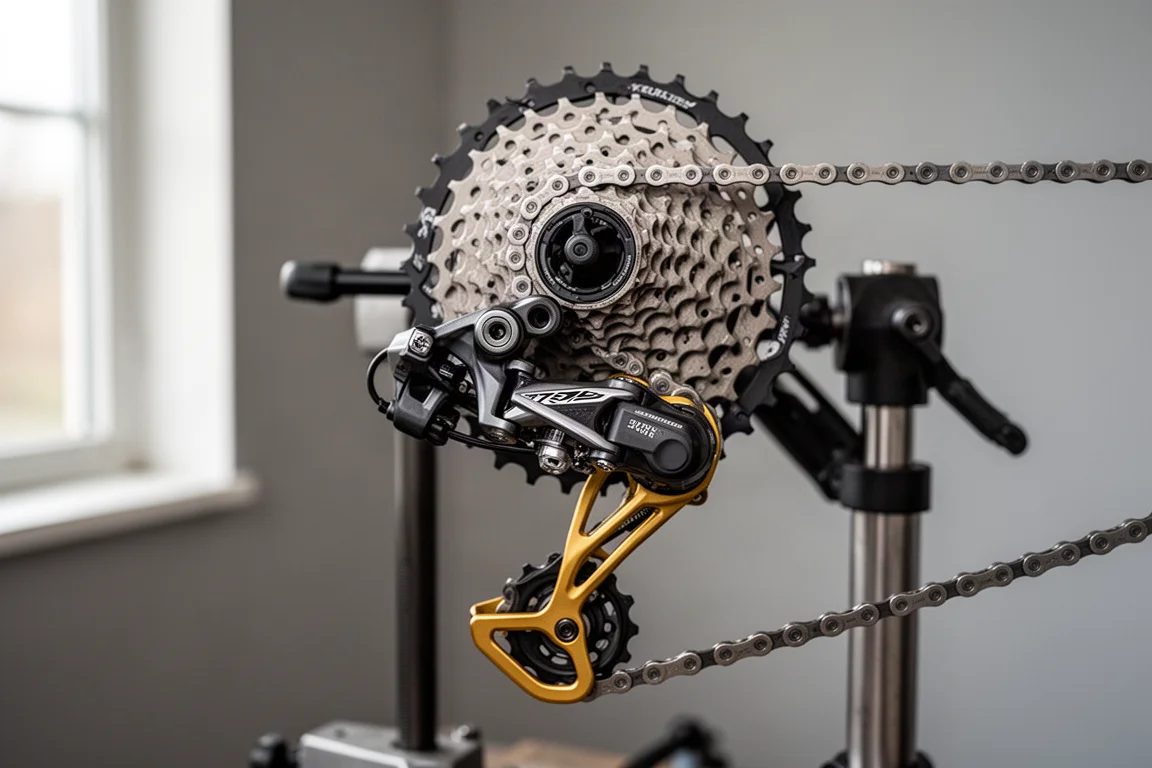
This build runs a single chainring setup with a 34-tooth Absolute Black zero-offset ring, chosen partly because cranks were difficult to source at the time. Braking is SRAM throughout, with a 180 mm rotor up front that needed an adapter to fit this frame and a 160 mm rotor at the rear, giving noticeably more stopping power than the setup it replaces.
Suspension: Fox Factory 34 with TwinLoc
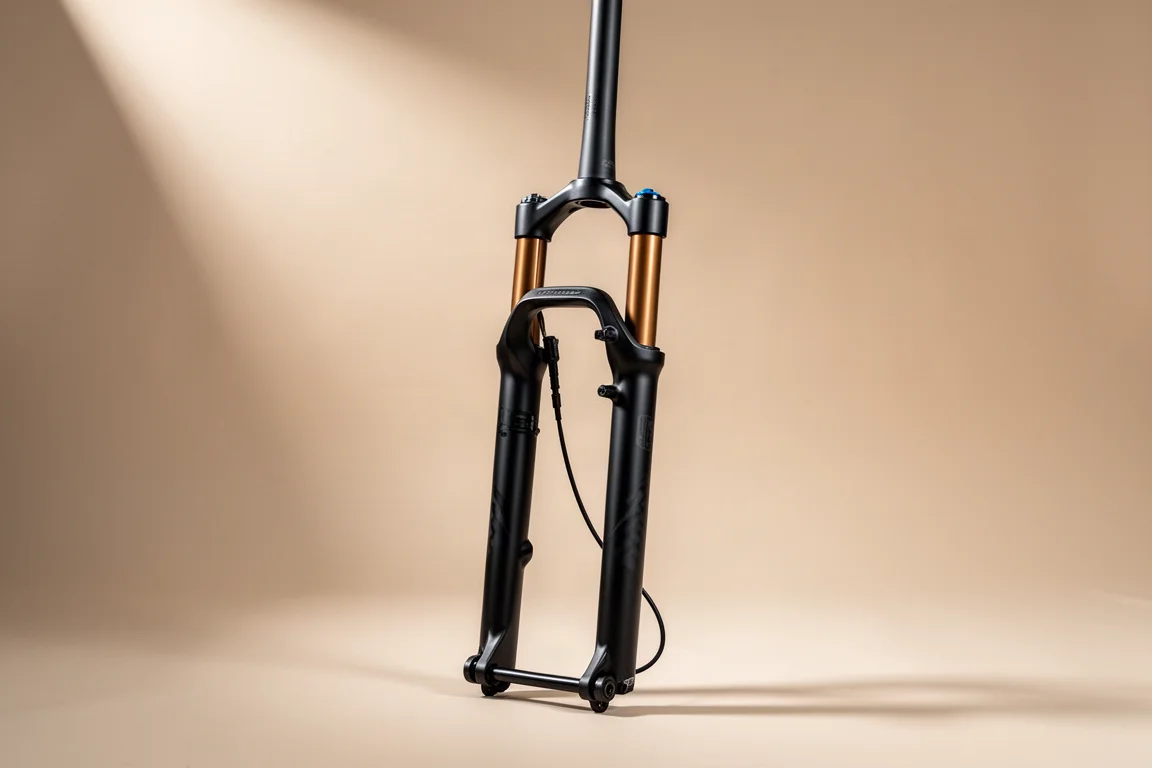
The fork is a Fox Factory 34 with 120 mm of travel, matched to the rear. Its remote lockout is the interesting part: a handlebar lever with three positions instead of the usual on and off. Fully open leaves the suspension free for descents, the middle position keeps some compliance while still letting you put power down, and the third position locks the fork and shock out completely.
Having a part-open setting is a genuine option rather than a token one, though it takes a few rides to learn when it is faster than a full lockout. The same handlebar unit includes a third lever intended for a dropper post, so the whole cockpit can be run from one compact remote.
Wheels: Syncros Silverton Carbon
The wheelset is a Syncros Silverton carbon set, one tier below the brand’s top-end one-piece carbon wheels, and it is set up tubeless. Carbon rims are an interesting choice here for durability as much as weight: alloy rims tend to dent under repeated impact, while carbon rims have held up better under the same treatment in comparable conditions.
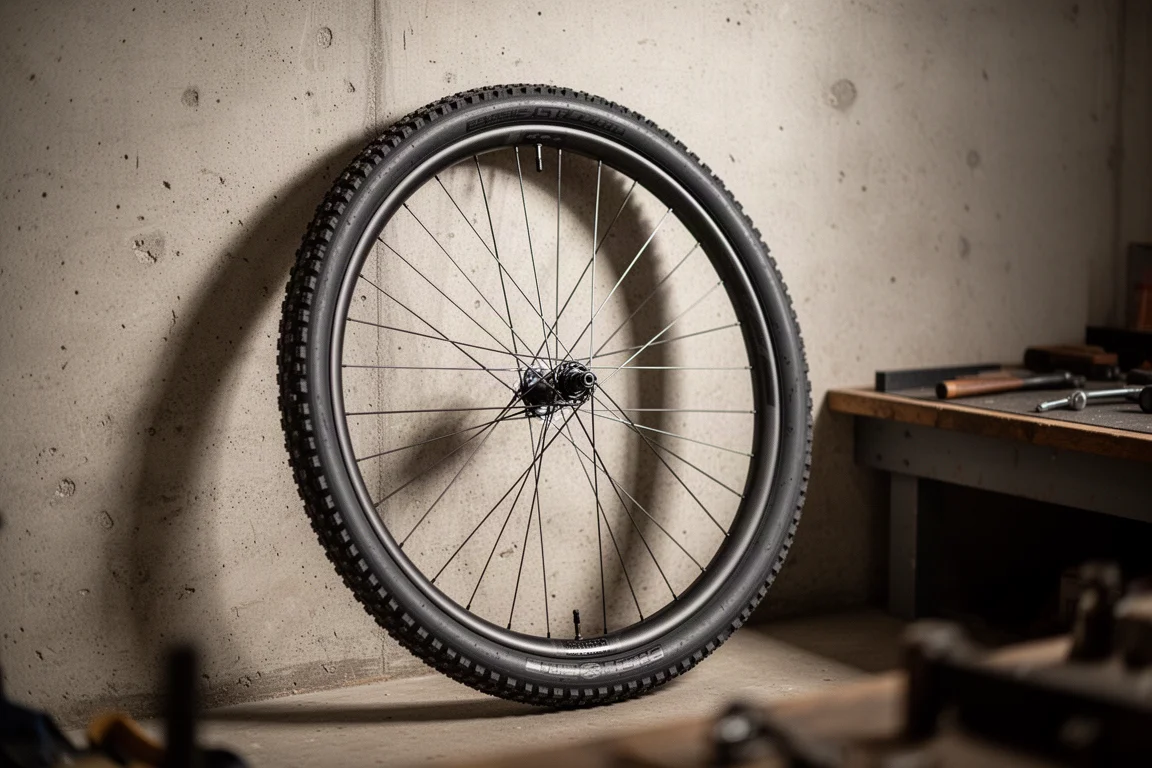
Tubeless setup is straightforward with this combination, and the rims and tires need little fuss to seat and hold air.
Tires: Hutchinson Kraken
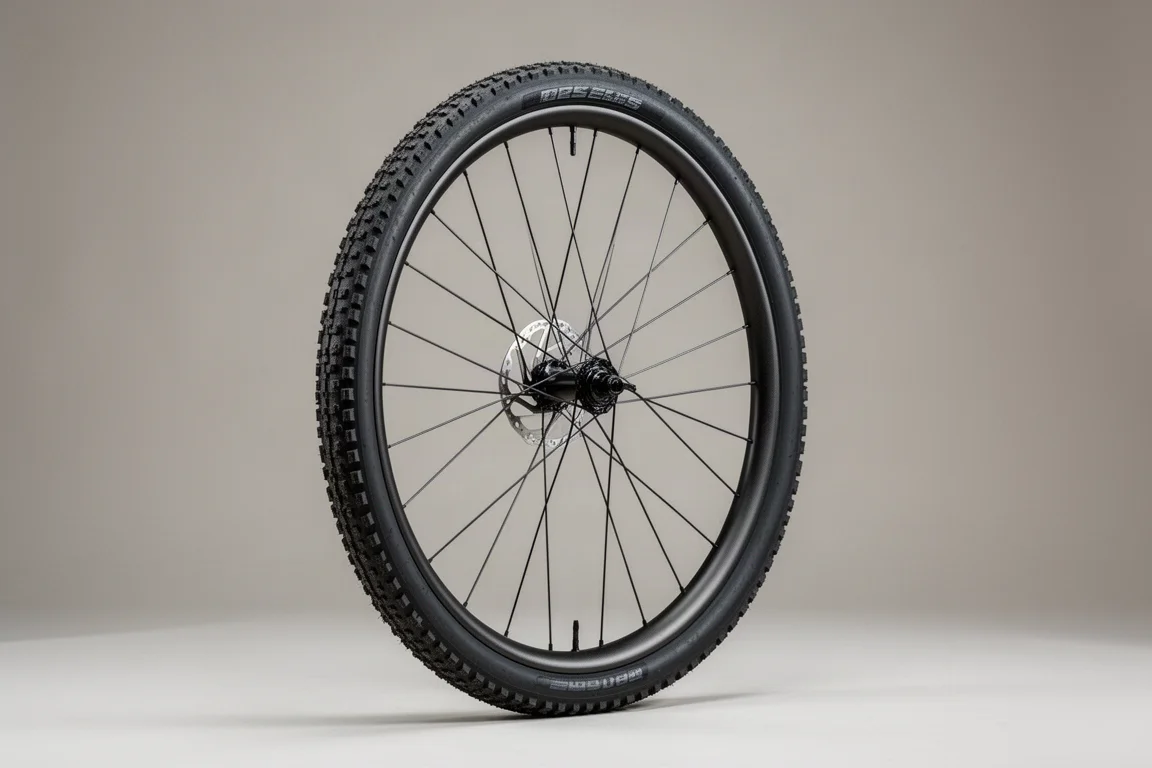
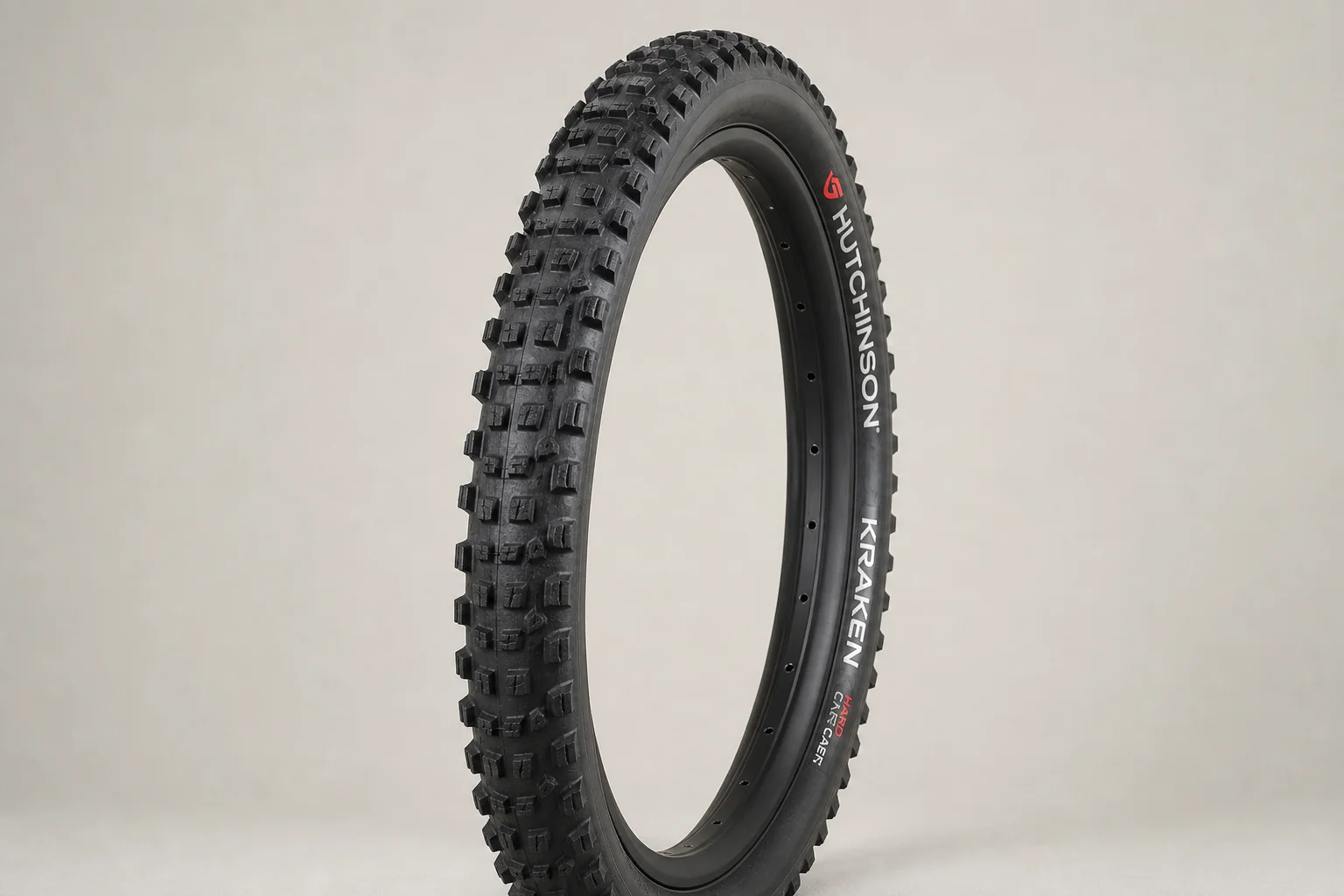
The tires are Hutchinson Kraken cross-country tires, ridden through a full year with good results across most conditions. They are also easy to mount tubeless, helped by the fact that Hutchinson developed tubeless tire technology in the first place. For riders who want one tire that covers the majority of cross-country terrain without constant swaps, this is a sensible pick.
Build Notes: Weight, Tools, and Setup
Two details are worth noting for anyone assembling a similar bike. First, the completed build weighed 10.46 kg with the tires set up tubeless, which is a competitive figure for a 120 mm travel cross-country bike built around a frame with a hidden shock.
Second, the through axle doubles as a tool: the lever includes a small Torx bit on its end that fits the seat post, handlebar and stem bolts, and almost every adjustment point on the bike can be tightened with that single tool. The alloy steerer up front takes a star-fangled nut for headset preload, which needs to be driven in straight and at the right depth before the stem goes on.
Ride Expectations and Buying Advice
The 120 mm travel, slacker head angle and longer top tube point to a bike that should stay calm on descents while still pedalling efficiently uphill, which is the direction cross-country riding has been moving. The practical question for buyers is whether you want that margin or a sharper, more nervous race feel. This platform deliberately trades a little of the latter for the former.

A few setup choices are worth planning for. A dropper post is part of the intended build, so confirm the seat tube diameter before ordering and expect to need a shim if sizes do not line up, as happened with the temporary post used here. Wireless shifting removes cables from the equation, which simplifies long-term maintenance, and the three-position lockout only pays off if you are willing to use it, particularly the middle setting. Wheels and tires are where you can most easily shift the character of a build like this: a carbon tubeless wheelset with fast cross-country tires keeps weight low and setup simple.
Conclusion
The Scott Spark RC Super Sonic Edition build shows how far a cross-country bike can move toward trail capability without abandoning its race roots. The hidden-shock frame with 120 mm of travel, a wireless SRAM Eagle AXS drivetrain, a three-position Fox Factory 34, Syncros Silverton carbon wheels and Hutchinson Kraken tires come together as a 10.46 kg bike that should handle climbing efficiency and descending composure in roughly equal measure. If you are considering something similar, focus on fit, the cockpit remote layout and the wheel and tire pairing, because those are the choices that will most clearly shape how the bike feels on the trail.
Further reading
Related Reviews
Mountain Bikes
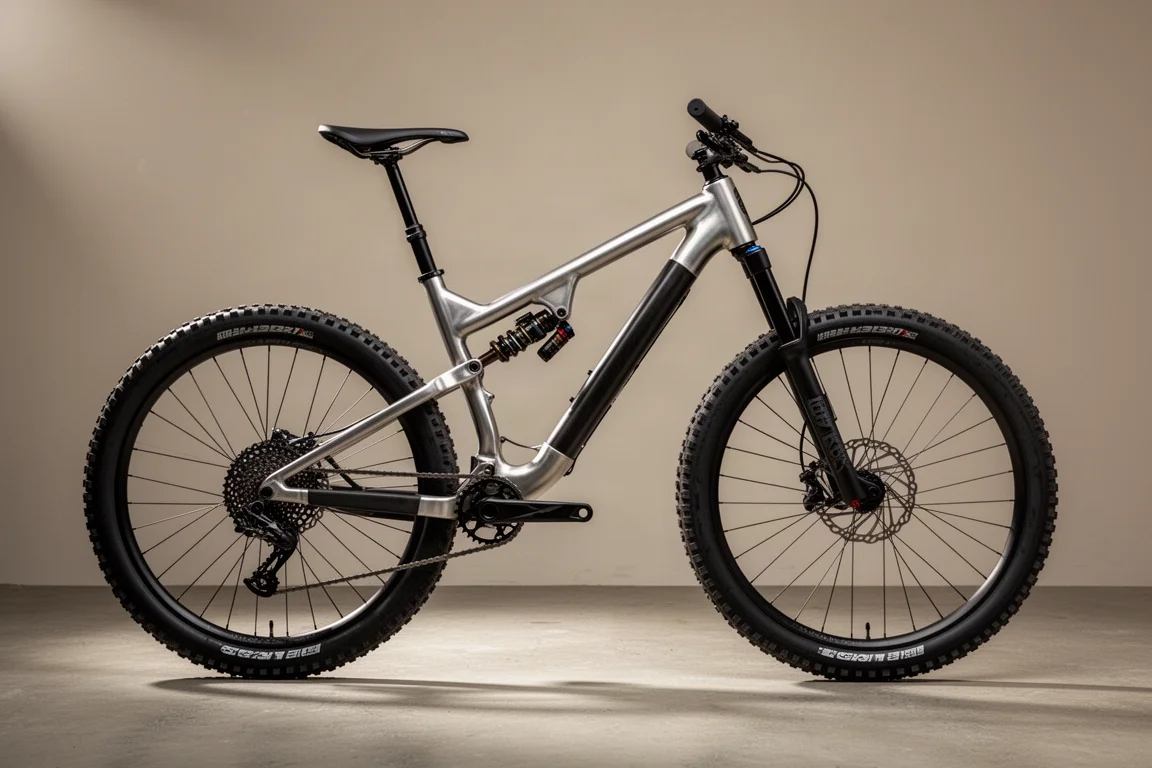
Atherton AM.130 Review: 3D-Printed Titanium Lugs and a 130mm Trail Bike That Descends Like a Bigger Machine
The Atherton AM.130 pairs 3D-printed titanium lugs with carbon tubes and a DW6 suspension platform. Here is how it rides, what the build delivers, and who it suits.
Mountain Bikes
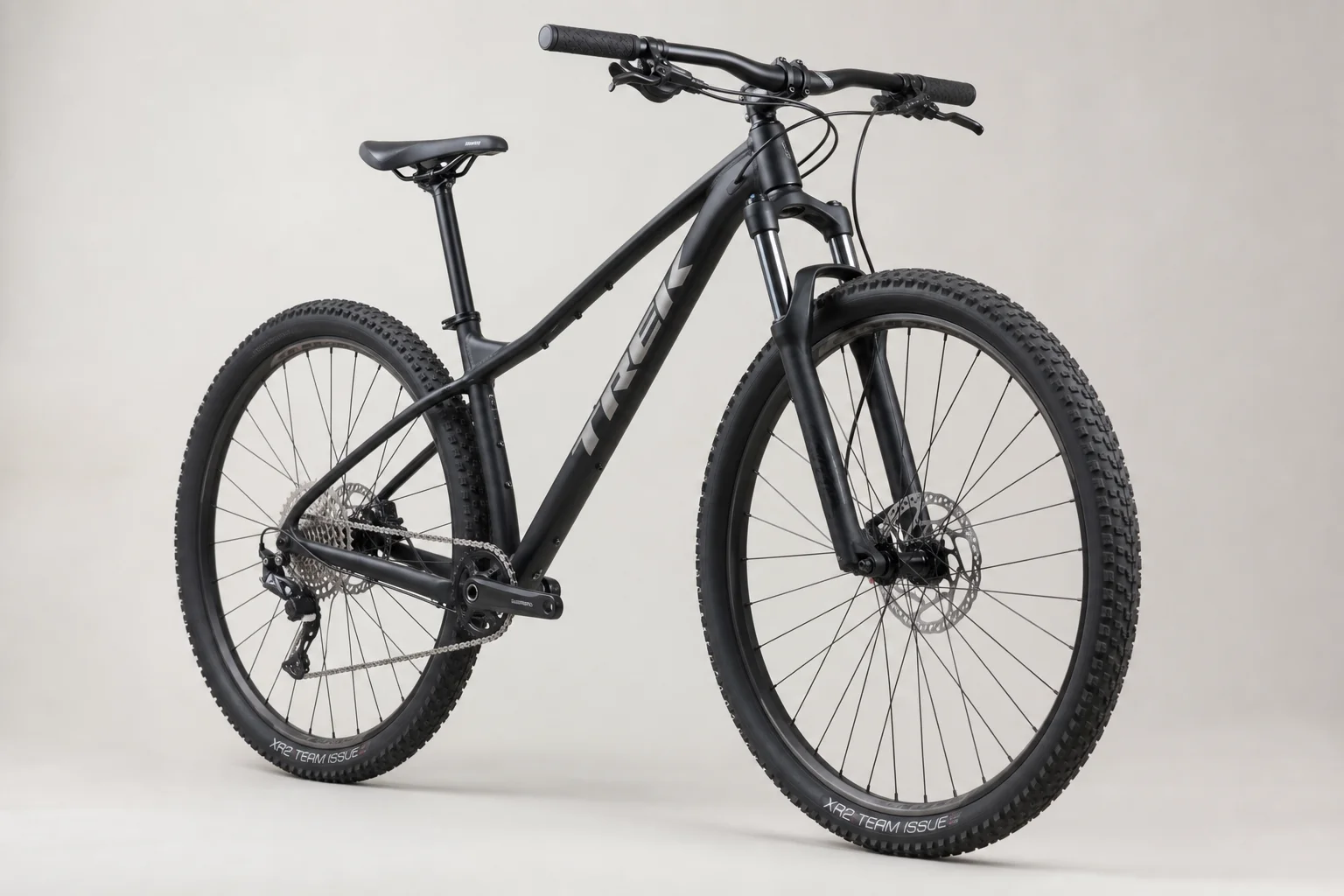
Beginner Mountain Bike Buying Guide: What to Look For in a Trailworthy Hardtail
A practical framework for evaluating beginner mountain bikes, whether new or used, by examining key components that indicate real trail capability.
Mountain Bikes
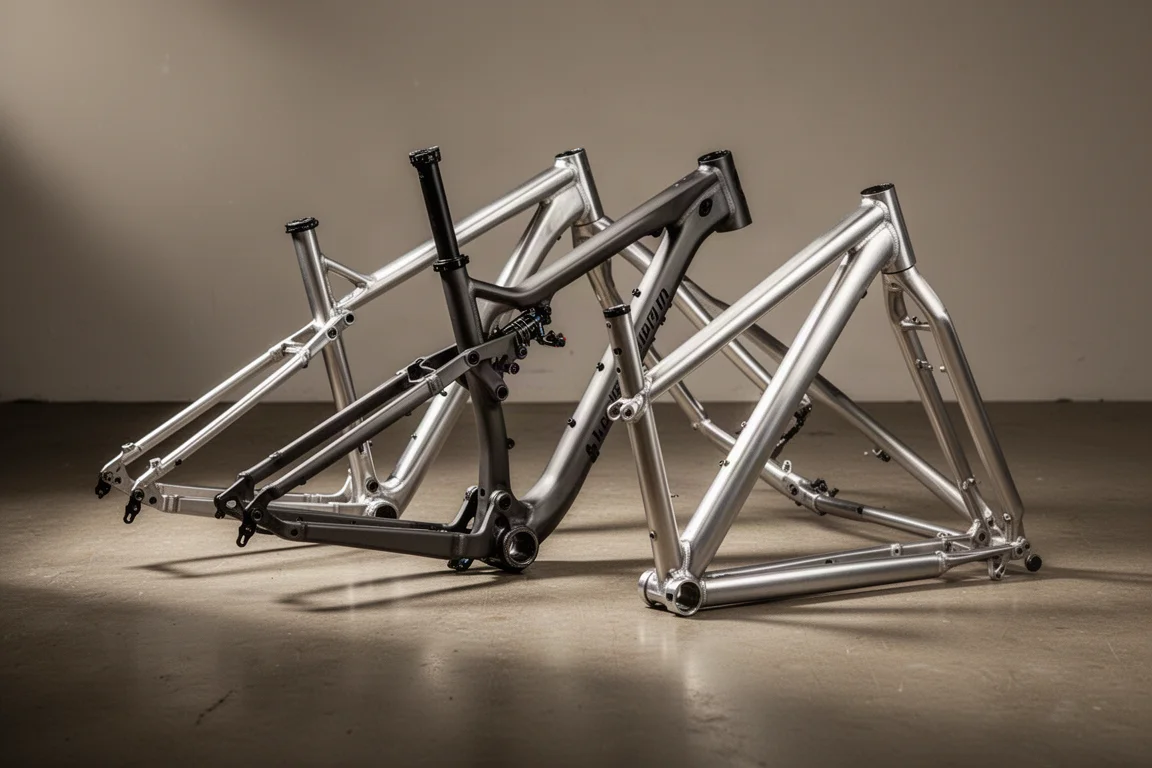
Best Aluminum Mountain Bikes 2026: Five Alloy Bikes Worth Your Attention
Five aluminum mountain bikes that show how far alloy has come, from a 120mm trail bike and a versatile machined frame to a 180mm freeride machine.