Mountain Bikes
Scott Spark 940 Review: A Carbon-Framed Trail Bike With Real Potential
The most affordable carbon Scott Spark pairs a very good frame with a few specification compromises. Here is what it does well, and what is worth changing.
Introduction
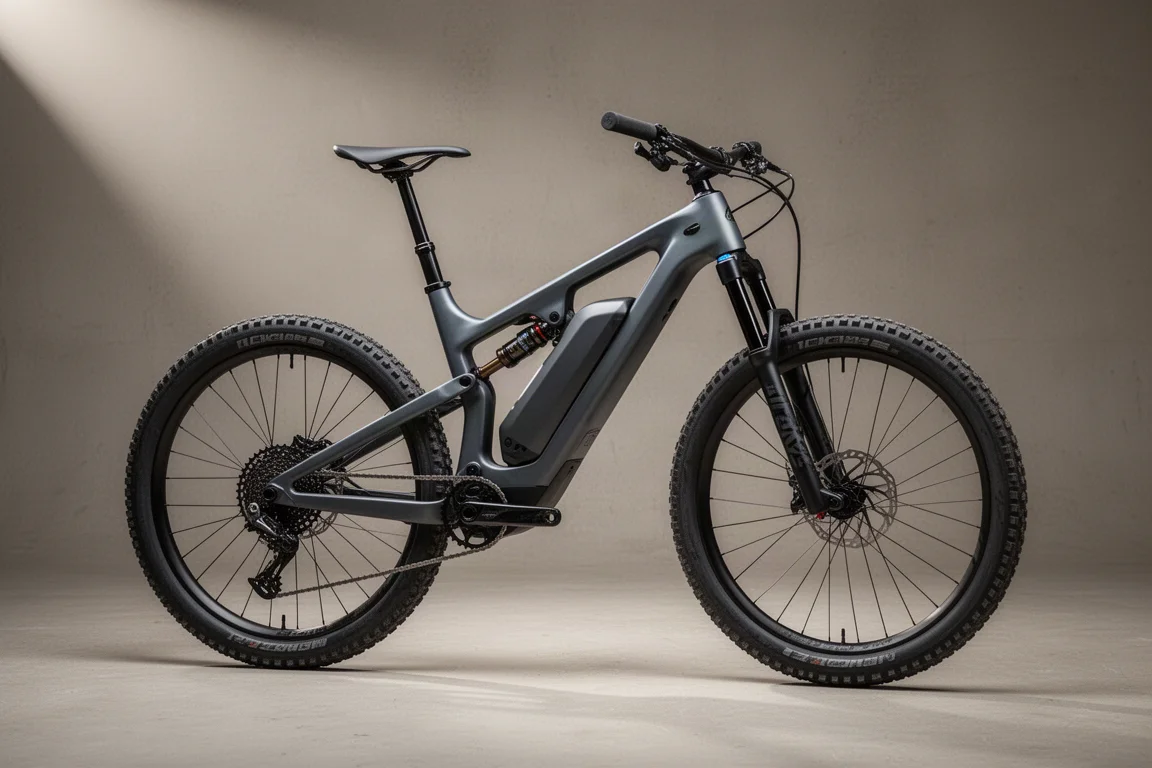
The Scott Spark has long been one of the most successful cross-country platforms in mountain biking, and the Spark 900 series tilts that racing pedigree toward the more playful end of the sport. The Spark 940 sits in the middle of the range and is the most affordable route into a carbon-framed Spark at around £4,299, at a time when range-topping builds can approach £15,000. It pairs a 130mm fork and a dropper post with Scott’s hidden-shock frame design, so the real question is whether the cheaper build lives up to the frame underneath it.
Who the Scott Spark 940 Is For
The Spark 940 suits riders who want a short-travel bike that leans toward fun rather than pure race pace. It is a good match for anyone who spends most of their time on rolling traverses, jump-filled trail centre loops, and natural terrain that mixes hardpack with winter mud. Riders who value a very good frame and are happy to refine a few components over time will get the most from it. Riders who want a race-ready build straight out of the box, or who prioritise outright efficiency on smooth climbs, may find some of the specification choices hold it back.
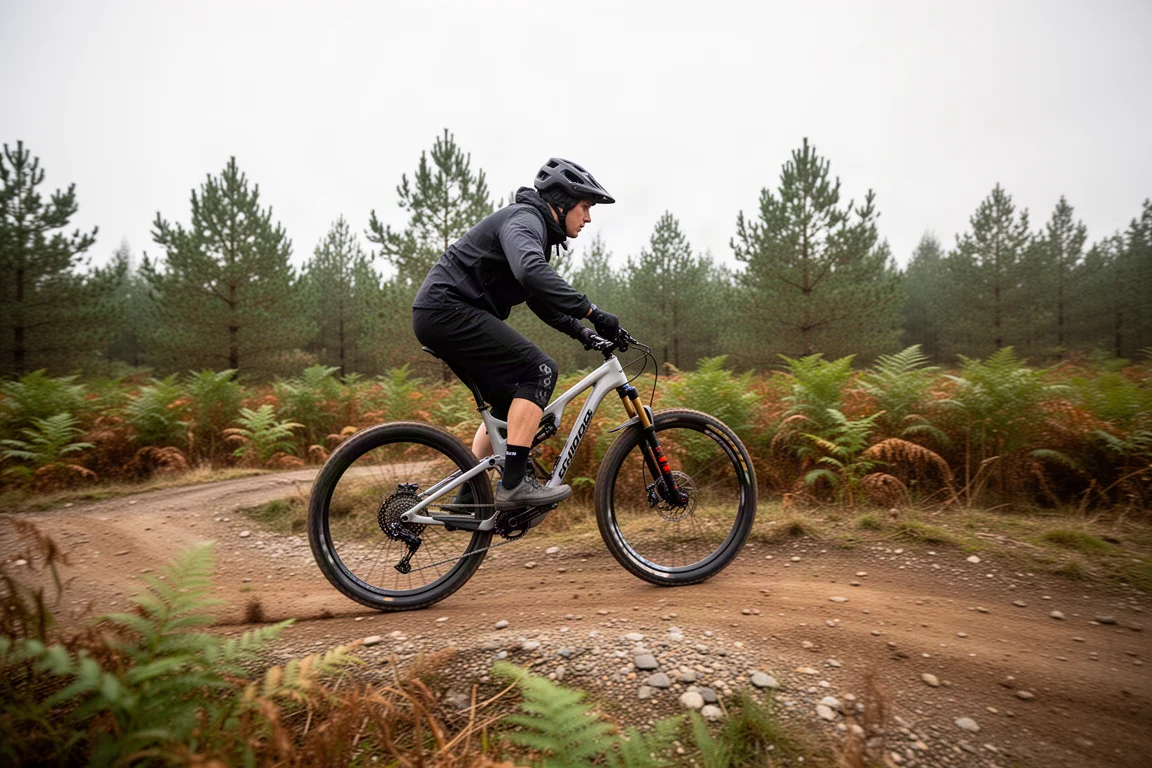
The geometry is modern without being radical. On a size large the reach measures 470mm and the head angle sits at 65.8 degrees, with 437.5mm chainstays and a bottom bracket 43.5mm below the axles. That combination delivers stability at speed while keeping enough agility for tighter trail centre turns, and the headset can be turned through 180 degrees to steepen the head angle by 0.6 of a degree if you prefer a sharper steering feel.
Frame and Suspension Design
The Spark 940 uses Scott’s HMF carbon front triangle paired with an alloy rear triangle, which saves cost but adds a little weight compared with the full carbon frames higher up the range. The rear triangle relies on flex built into the seat stays rather than a heavier, more maintenance-intensive pivot, an approach that is becoming common on shorter-travel bikes. Those seat stays push on a rocker linkage that connects internally to the top of the shock.
The shock itself is tucked inside the front triangle, isolated from trail debris and water instead of sitting out in the open. A tool-free quick-release door at the base of the down tube doubles as a downtube protector and gives access for air and rebound adjustments. The integrated side dial on the linkage makes setup easier than on many rivals that lack the feature, and a small removable rubber cover lets you check whether you are using full travel or reach the upper shock mount bolt.
Cables, the dropper post line, and the rear brake hose all run through the headset. That keeps the front end remarkably clean, but it makes routine work more involved later on.
TwinLoc and Climbing Performance
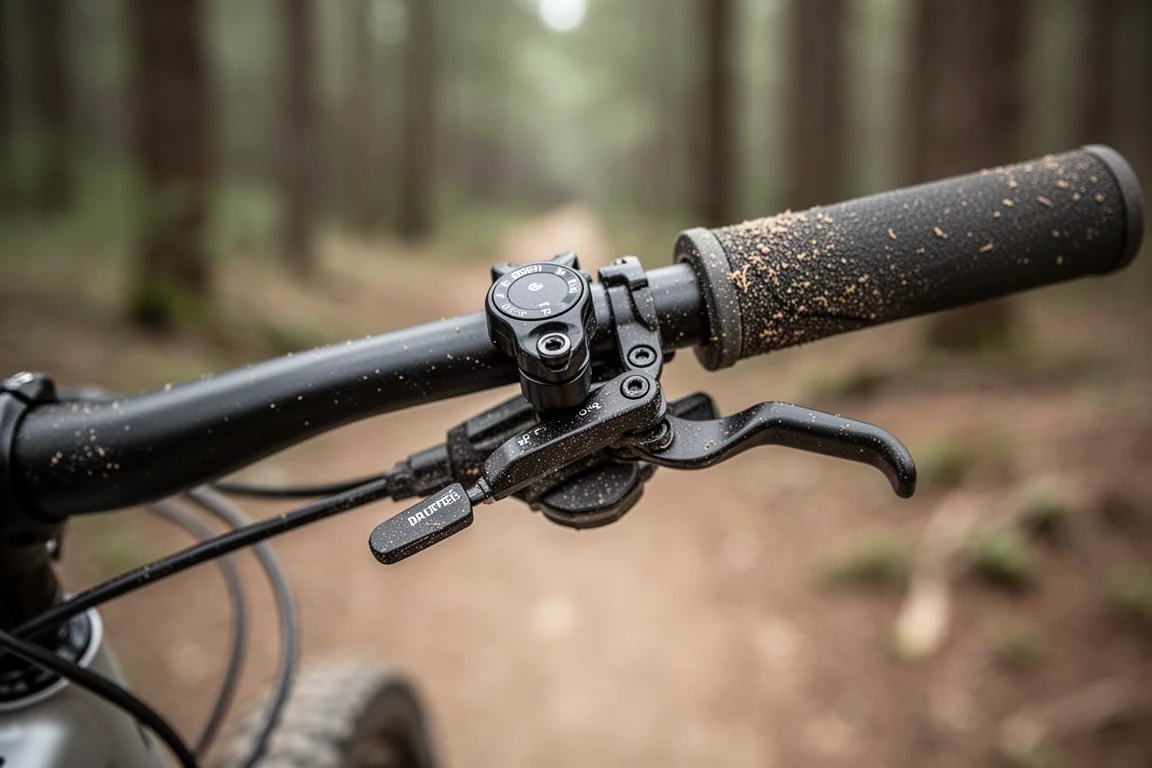
The headline difference between the Spark and many of its rivals is Scott’s TwinLoc system, which uses a handlebar remote to switch the custom fork and shock between lockout, trail, and descend settings. In lockout the compression circuits close off for a firmer, more efficient pedalling feel on smoother climbs. Trail constricts the air spring, limits travel, and adds compression damping so the bike rides higher and firmer. Descend leaves both fully open for maximum air volume, grip, and comfort.
Even with a conservative 25 percent sag, the RockShox Deluxe shock bobs noticeably in the open setting on smoother climbs, so the bike leans on the middle trail mode to feel genuinely efficient, and it does not invite hard efforts out of the saddle as readily as some riders would like. Trail mode proved effective enough that the full lockout was rarely needed, and on looser surfaces the loss of that tractor-like traction is only slight.
Where the bike genuinely stands out is climbing grip. On wet and often muddy ground the rear wheel digs in and extracts traction from the lightly treaded rear tire, cleaning technical climbs with minimal fuss or slip. The tires also roll well on harder surfaces, so quick progress comes easily once you are up to speed.
Descending and Trail Behavior
On the way back down, the TwinLoc levers are a breeze to operate, but the dropper post lever is a different story. Actuation is stiff and the lever sits awkwardly, which is a real hindrance when you want the saddle out of the way in a hurry. With the suspension in trail mode the two levers sit very close together, so it is easy to fumble and push the wrong one.
Away from that, the Spark is a fun and capable descender. The balanced geometry, mid-length chainstays, and slack head angle give it plenty of stability while retaining agility, and it feels composed once airborne, offering the confidence to send bigger jumps and drops than the trail would otherwise suggest. The RockShox Pike fork gives the front end a muscular feel with excellent traction on rough terrain, and the rear suspension stays well balanced with it despite having 10mm less travel. The alloy rear triangle does not feel quite as stiff as the carbon front end, but the bike holds its line well until the front tire lets go.
Front grip is the main limitation. The Schwalbe Wicked Will front tire uses a minimal tread with small side knobs and a hard Speed Grip compound, and it breaks traction quickly, so keeping the front end planted can feel like a constant fight. The two-piston Shimano MT-501 brakes and their resin-pad-only rotors also lack power, which means steeper trails need to be approached with real caution.
Component Choices Worth Upgrading
The SRAM drivetrain mixes SX, NX, and non-series X1 parts. At this price a GX-level shifter would be a reasonable expectation, and the SX and NX blend feels a little tight. A cheaper crank paired with a better quality shifter would be a more useful trade for most riders.
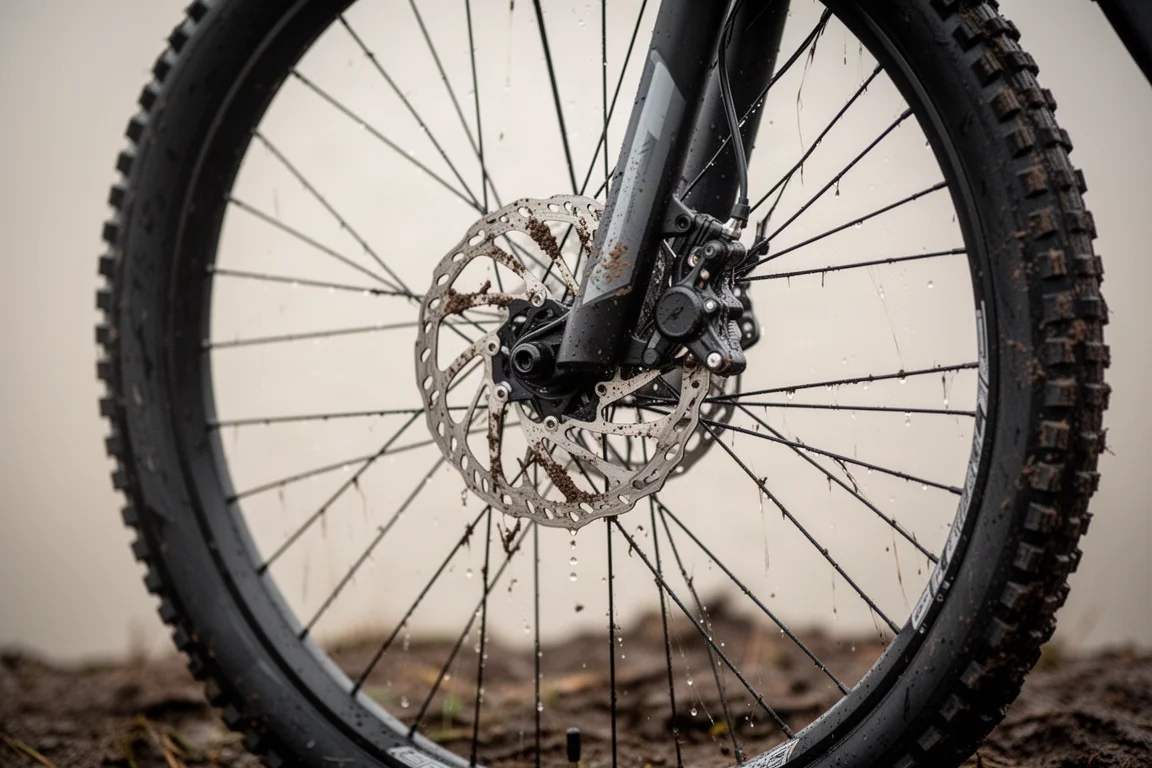
Two changes would unlock much of the bike’s potential. A grippier front tire, along with more powerful four-piston brakes and better rotors, would transform confidence on steep descents and let a clearly capable chassis do its job. A two-position grip-shift style suspension remote would also simplify things further and make the dropper lever easier to live with.
Things to Consider Before Buying
Cable management through the headset is the most persistent annoyance, and the proprietary stem spacers make bar height changes awkward. Lowering the bars means cutting the steerer tube down, and there is no going back to a taller position afterwards, so measure carefully before committing.
The seat tube is also longer than ideal. On a size large it measures 490mm, which limits how long a dropper post can be fitted beyond the standard 150mm Syncros Duncan unit supplied. Riders who like a low saddle height should factor that into sizing.
Setup itself, though, is refreshingly straightforward. Despite the shock being hidden inside the frame, the removable down tube door makes air and rebound adjustments easy, and the integrated linkage dial makes dialling in the suspension simpler than on many bikes in this class.
Buying Advice
The Spark 940 makes sense for riders who want a very good frame, a playful ride, and the freedom to refine the build over time. At around £4,299 it is the cheapest carbon-framed Spark, and the frame is the part genuinely worth paying for.
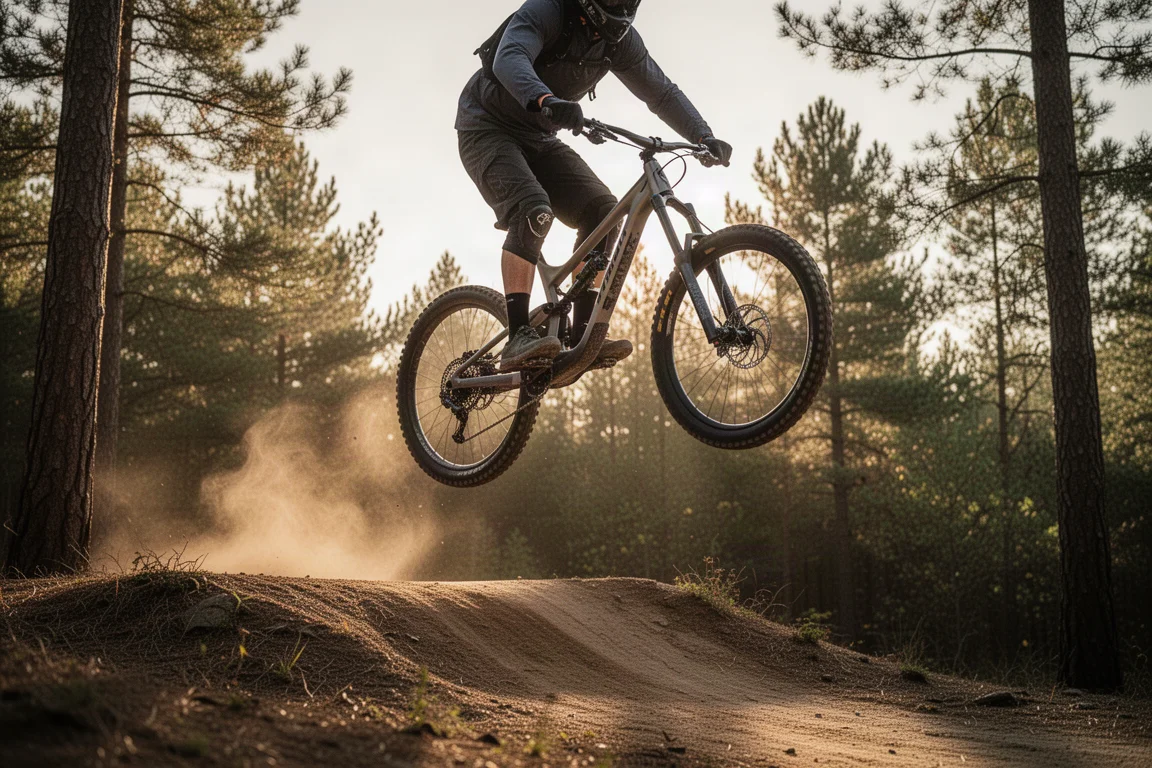
If you want a bike that feels planted and efficient straight out of the box, a better-specified alternative may be worth the extra spend. If you are happy to swap tires and brakes, and you enjoy a bike that goads you into sending jumps, the Spark 940 delivers a lot of fun for the money.
Conclusion
The Spark 940 is a thoroughly enjoyable bike with an excellent frame, strong climbing traction, and a genuinely capable descender sitting underneath a few questionable specification choices. Sort out the front tire and the brakes, and its potential becomes far clearer. The chassis rewards riders who are willing to tune it, and the result is a short-travel bike that keeps the fun at the centre of the ride.
Product link
View more details for Scott Spark 940
This product is mentioned in the review. Check the specifications, options, and compatibility before buying.
View more details for Scott Spark 940Further reading
Related Reviews
Mountain Bikes
Atherton AM.130 Review: 3D-Printed Titanium Lugs and a 130mm Trail Bike That Descends Like a Bigger Machine
The Atherton AM.130 pairs 3D-printed titanium lugs with carbon tubes and a DW6 suspension platform. Here is how it rides, what the build delivers, and who it suits.
Mountain Bikes
Beginner Mountain Bike Buying Guide: What to Look For in a Trailworthy Hardtail
A practical framework for evaluating beginner mountain bikes, whether new or used, by examining key components that indicate real trail capability.
Mountain Bikes
Best Aluminum Mountain Bikes 2026: Five Alloy Bikes Worth Your Attention
Five aluminum mountain bikes that show how far alloy has come, from a 120mm trail bike and a versatile machined frame to a 180mm freeride machine.