Mountain Bikes
Scott Scale RC SL Review: A Lighter, Slacker Cross-Country Hardtail
A close look at the Scott Scale RC SL, its HMX SL carbon frame, revised geometry, standout climbing speed, and the trade-offs to weigh before buying.
Introduction
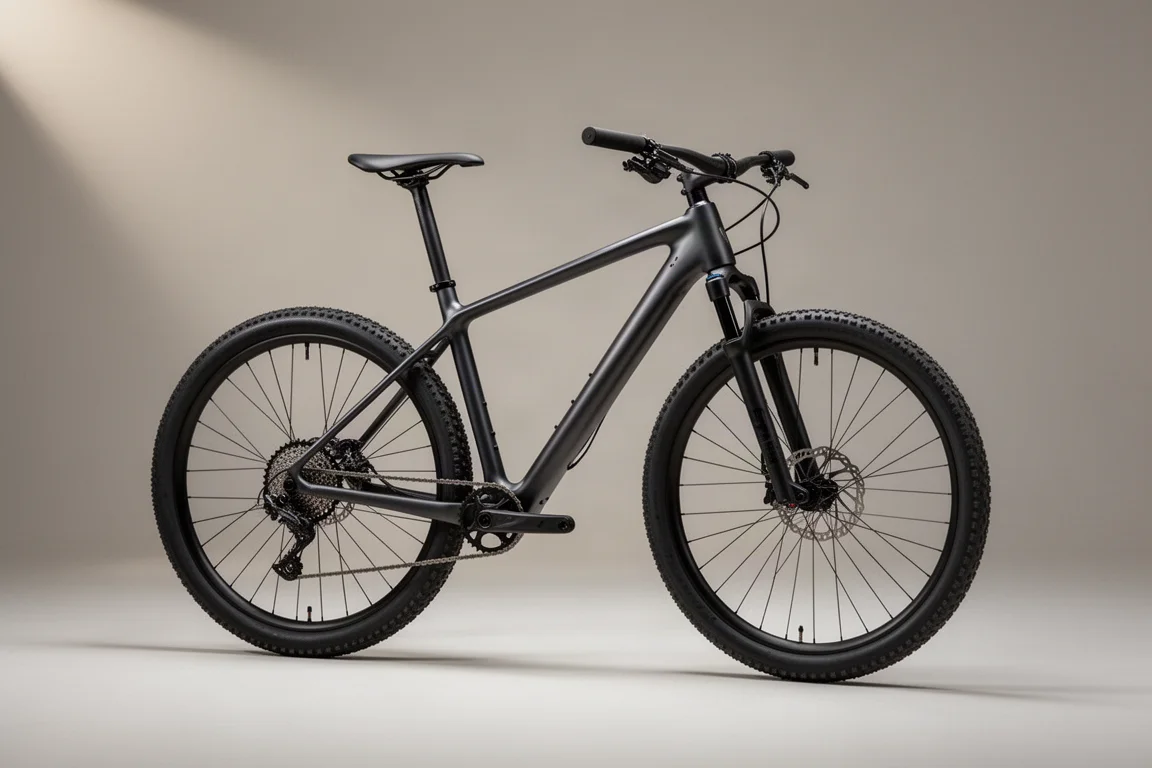
The 2023 Scott Scale RC SL is a refinement-focused update to Scott’s cross-country hardtail, bringing a lighter frame, revised geometry, and a component list aimed squarely at the sharp end of XC and marathon racing. The headline geometry numbers are lower, slacker, and longer, and Scott claims weight reductions across the carbon frame range. Weight loss was not the only goal: balancing stiffness, strength, and compliance was central to the redesign. This top build comes in at a claimed 8.93 kg in size large without pedals, and the frame material story behind that number is worth understanding before you consider a purchase.
Who the Scott Scale RC SL Is For
This is a bike for riders whose priority is speed on cross-country and marathon courses. It suits racers and fast trail riders who value climbing efficiency, quick acceleration, and an aggressive seated position over plush comfort. Scott’s cross-country team roster includes Nino Schurter and Kate Courtney, and the Scale RC SL is built for the kind of terrain where a hardtail still makes sense: smoother, undulating courses and long, fast, less technical descents.
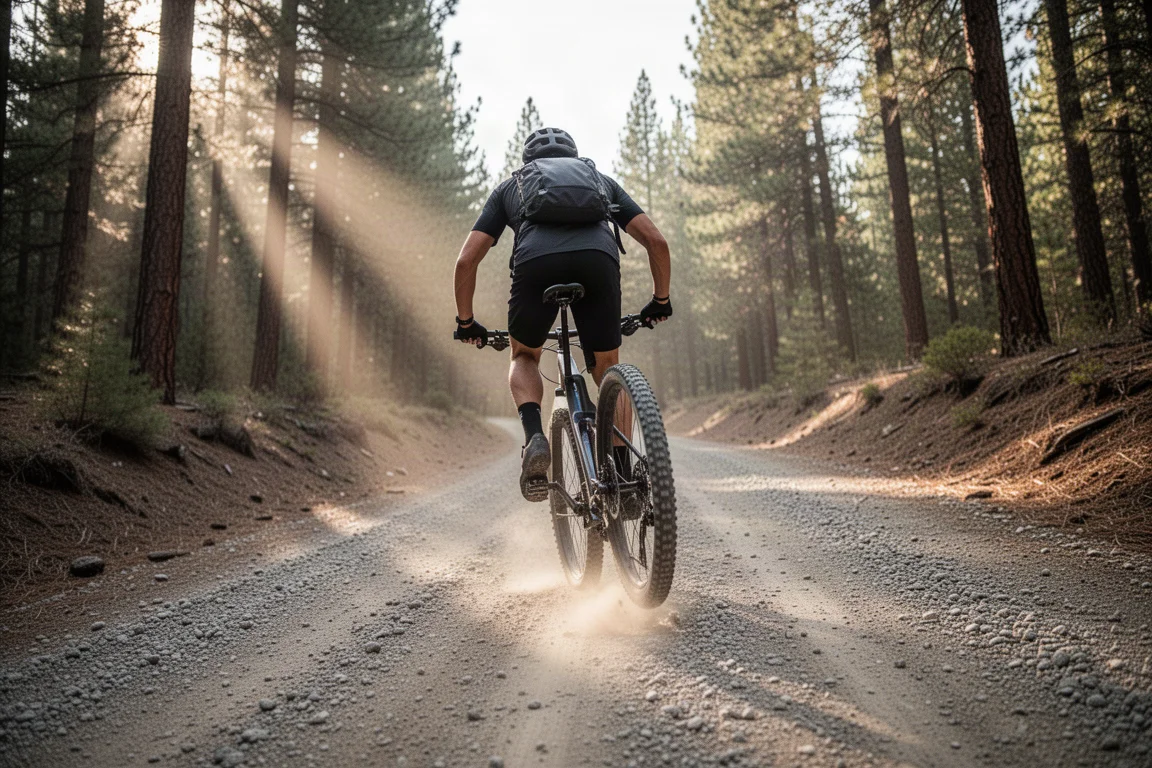
If your riding leans toward technical trail centre descents, steep drops, and loose, muddy conditions, the bike’s race-focused setup asks more of the rider. Anyone choosing between this and a full-suspension cross-country bike will want to think honestly about the courses they actually ride.
Main Strengths
The Scale RC SL’s strengths sit in two areas: a frame that saves weight without obvious compromise, and a ride character that converts effort into speed with unusual directness.
Frame Construction and Weight
The new bike moves from HMX carbon to HMX SL, which uses T-1000G carbon fiber, claimed to be the world’s highest tensile strength fiber, laid up with a carbon nanotube reinforced epoxy resin. Because the material is stronger and stiffer, less of it is needed, so the frame saves weight without compromises elsewhere.
The front end is a single laid-up carbon section produced in one mold, which reduces the number of bonded junctions. In total, the Scale RC frame is made from three carbon sections, with the other two in the rear triangle. Scott claims the HMX SL medium frame weighs 847 g including all of the hardware. Riders stepping down to the more accessibly priced models get the HMX and HMF frames, listed at 912 g and 1013 g respectively.
Climbing Speed and Efficiency
Point the Scale uphill and it is brutally fast and efficient. Rider inputs are converted quickly and precisely into forward motion, and reaching top speeds on smoother, undulating terrain takes a remarkably small amount of effort, with the highest cassette sprockets the most frequently used. That efficiency does not come with a harsh, bone-rattling ride.
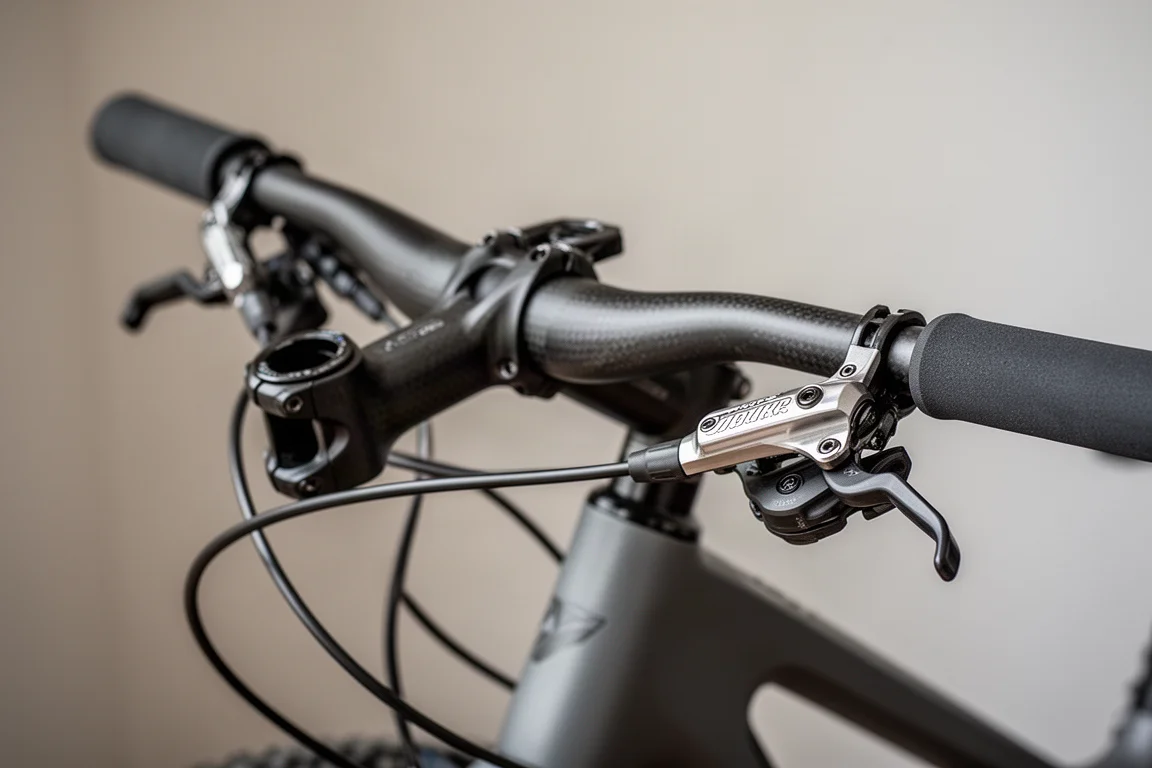
The low bars create a front-biased weight distribution, while the shorter chainstays keep the rear wheel close to the rider’s centre of mass. The result is an aggressive riding position that spreads weight evenly across the chassis and both wheels. Front wheel lift and rear wheel spin have to be initiated intentionally rather than happening by accident.
Descending Character
What goes up must come down, and despite Scott’s efforts to soften the razor-sharp cross-country edge, the Scale still lands squarely in the seat-up, bar-down aggressive cross-country domain. On long, fast, not hugely technical descents of the kind found on marathon race tracks, it is completely at home. The smooth, grip-rich feel is ever present, and bumps and trail chatter are effectively numbed. Speed is easy to access on less technical trails, and the pace the bike is comfortable carrying is impressive. The fast-rolling tires reinforce that acceleration.
Things to Consider Before Buying
The geometry and specification are unapologetically race-focused, and that focus produces a few practical trade-offs worth understanding before you commit.
Saddle Height and Dropper Post
Tackling black graded trail centre descents reveals a more nervous side to the Scale. The biggest contributing factor is saddle height and the absence of a dropper post. On small drops and steps, the high saddle tends to kick up and contact your backside, which can pitch your weight further onto the already low-slung front end. Because the bike cannot move beneath your body without contacting it, control suffers in exactly the moments where it matters most.
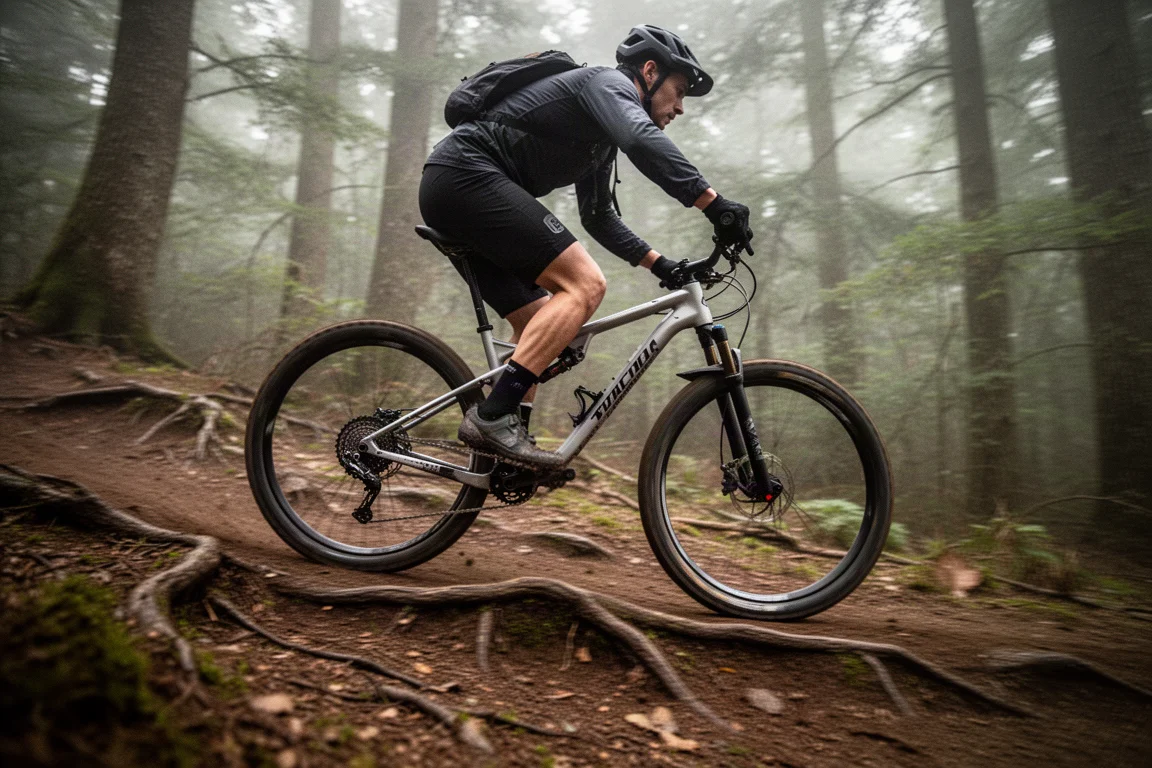
No model in the new Scale range is specified with a dropper post from the factory, so riders who want that added descending performance will need an aftermarket upgrade at additional cost. Some will argue a dropper is at odds with the bike’s lightweight character, but the extra capability it adds to the ride is significant.
Tire Choice and Traction
The build runs Maxxis Rekon Race 29 x 2.4 inch EXO tires front and rear. They are fast-rolling and double down on the bike’s acceleration, but that comes at the cost of some traction in soft and sticky mud.
Buying Advice
This top-end build sits just under £14,000 or €14,000. The specification is built around that price. Up front there is a Fox 32 Step-Cast Float Factory fork with the Fit 4 damper, low-speed compression and rebound damping adjustment, and a three-position remote lockout called RideLock 2, made by Scott. A Syncros Angle Adjust headset carries a port for internal cable routing with space for a brake hose, dropper post, and derailleur cable, although this model uses only the rear brake hose routing. Braking comes from Trickstuff Piccola carbon stoppers with carbon fiber blades and two-piston calipers, paired with a 180 mm front rotor and a 160 mm rear. The SRAM XX1 Eagle AXS drivetrain includes a Quarq power meter, and the wheels are Syncros Silverton SL230 CL carbon fiber one-piece units, with spokes, rims, and hubs constructed from a single piece of material. A Quarq TyreWiz provides wireless pressure monitoring. Up front, the Syncros Fraser IC SL XC one-piece carbon fiber stem and bar measure 740 mm wide with a minus 12 degree rise and an 8 degree sweep. A Syncros Duncan carbon seatpost and Belcarra SL saddle complete the build.
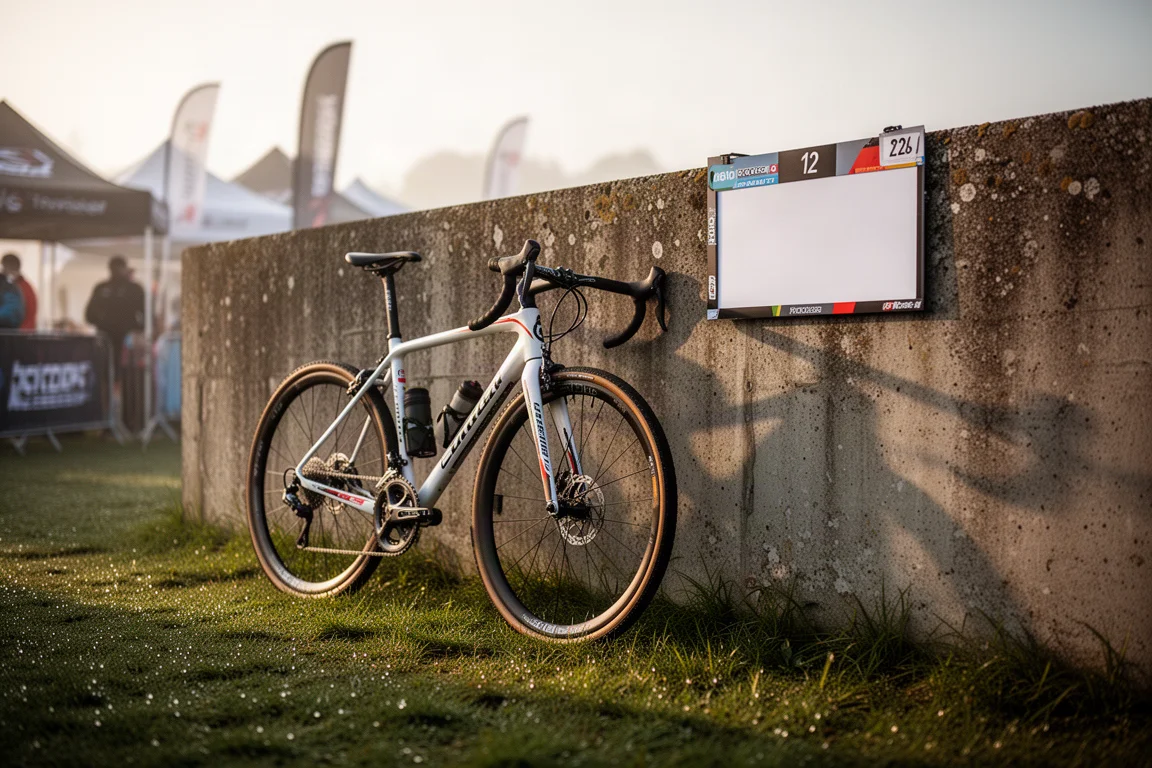
If that price is out of reach, Scott offers the Scale in HMX and HMF frame versions, listed at 912 g and 1013 g. The Angle Adjust headset lets riders rake the 67.9 degree head tube angle out by 0.6 degrees to 67.3 degrees, a useful adjustment for anyone who wants more aggressive descending handling. The wider question is whether a hardtail suits your courses at all. The Scale RC SL is at its best where climbing speed and efficiency matter more than suspension travel.
Conclusion
The Scott Scale RC SL is a focused cross-country hardtail that has been made lighter, slacker, and longer without losing the direct, efficient feel that defines the category. Its frame construction and claimed weight are genuinely impressive, and its climbing speed is the standout quality. Riders who spend their time on marathon courses and fast, flowing descents will find a lot to like. Those who regularly ride technical, steep terrain should budget for a dropper post upgrade and weigh up whether a full-suspension option would serve them better.
Product link
View more details for Scott Scale RC SL
This product is mentioned in the review. Check the specifications, options, and compatibility before buying.
View more details for Scott Scale RC SLFurther reading
Related Reviews
Mountain Bikes
Atherton AM.130 Review: 3D-Printed Titanium Lugs and a 130mm Trail Bike That Descends Like a Bigger Machine
The Atherton AM.130 pairs 3D-printed titanium lugs with carbon tubes and a DW6 suspension platform. Here is how it rides, what the build delivers, and who it suits.
Mountain Bikes
Beginner Mountain Bike Buying Guide: What to Look For in a Trailworthy Hardtail
A practical framework for evaluating beginner mountain bikes, whether new or used, by examining key components that indicate real trail capability.
Mountain Bikes
Best Aluminum Mountain Bikes 2026: Five Alloy Bikes Worth Your Attention
Five aluminum mountain bikes that show how far alloy has come, from a 120mm trail bike and a versatile machined frame to a 180mm freeride machine.