Mountain Bikes
Scott Sawtooth Review: A 1990s Mountain Bike That Still Rides Well
A secondhand early 1990s Scott Sawtooth with 26-inch wheels and Biopace chainrings, tested on commutes and light trails to see what a vintage mountain bike still delivers.
Introduction
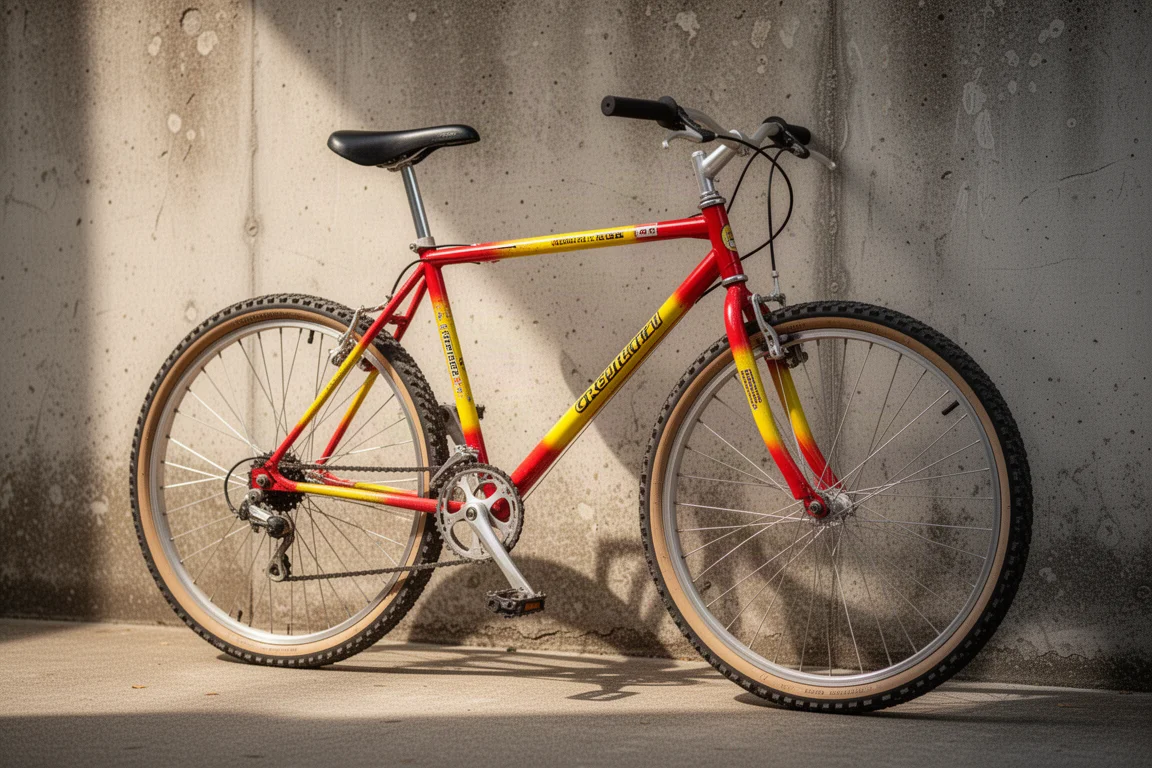
Vintage mountain bikes from the early 1990s have become a popular reference point in conversations about modern gravel bikes, so it is worth finding out what one actually feels like to own and ride. This Scott Sawtooth is exactly that kind of machine: a rigid-fork, 26-inch-wheel mountain bike from the early 90s, picked up secondhand for around £155.
It arrived as a 17-inch frame with a front rack, the original Scott saddle, brand new tyres and tubes, and a fresh bottom bracket. It also arrived with a list of small faults that anyone buying a bike of this age should expect. The interesting question is not whether it is perfect, but whether it is usable, repairable, and enjoyable.
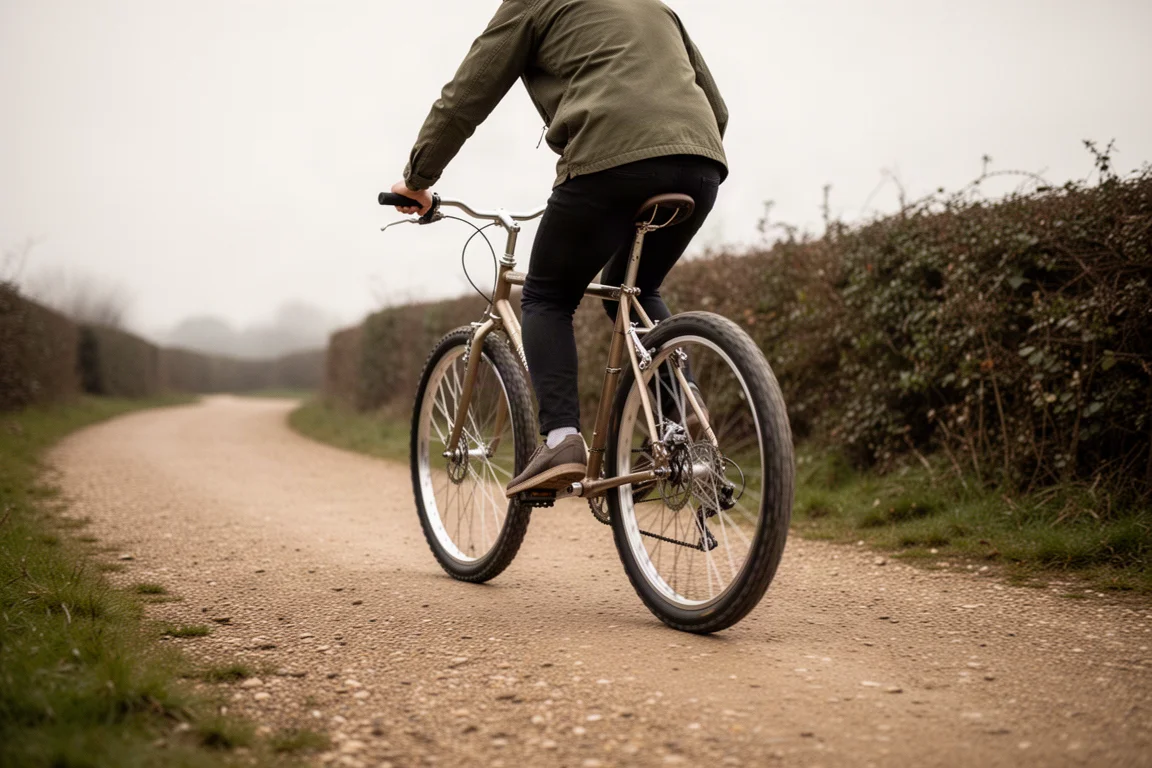
That combination of low price and visible wear is the reality of shopping for a bike that is roughly three decades old. The frame matters most, and this one is sound. Everything bolted to it can be replaced, adjusted, or lived with.
What the Scott Sawtooth Is
The Sawtooth sits in the mid-range of early 1990s mountain bikes rather than at the top of the range. It uses a rigid fork rather than suspension, rolls on 26-inch wheels, and carries three chainrings. The frame is a 17-inch size, which suits a medium rider well.
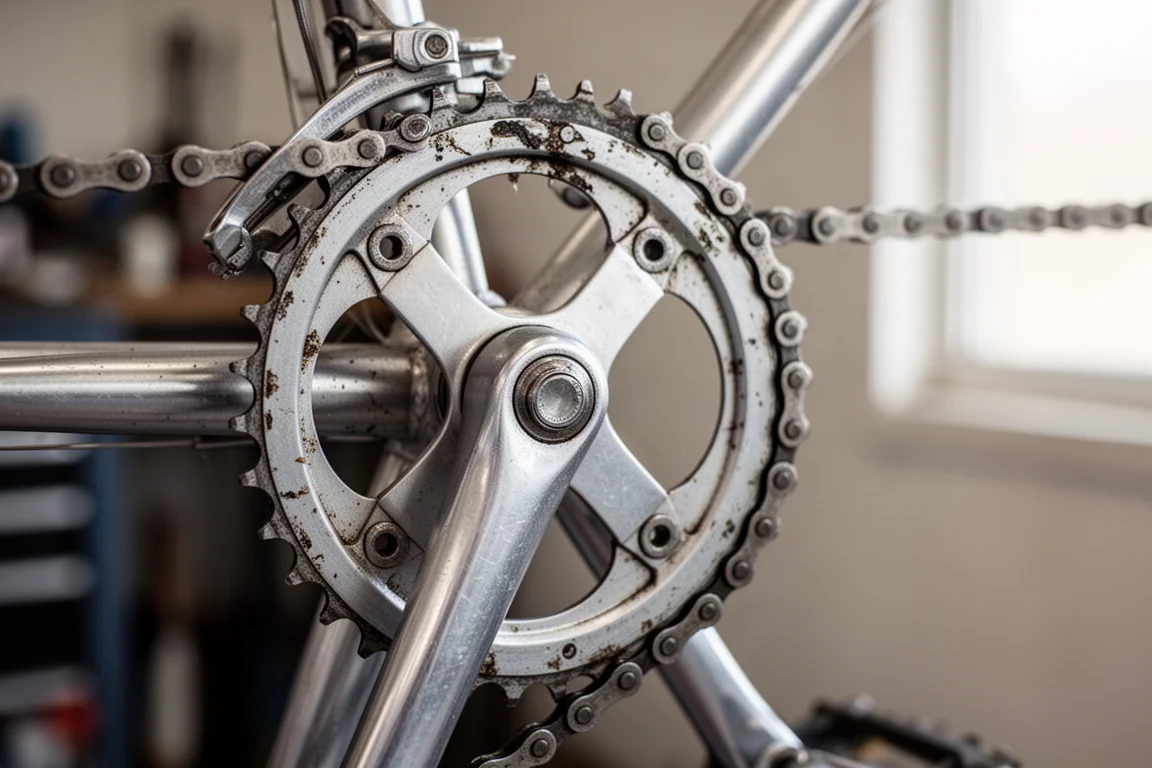
Two details define the character of this particular bike. The first is the paint, a bold multi-colour finish that is one of the most striking seen on any bike. The second is the drivetrain, which uses Shimano Biopace chainrings. Biopace was an oval chainring design introduced in the 1980s and discontinued fairly quickly in the 1990s, partly because it caused knee discomfort for some riders. The oval shape is subtle, and its orientation runs opposite to the modern oval rings used today.
Condition-wise, the frame shows no cracks or serious damage, though the paint is flaking in places. The rear brake needed considerably more tension, the cables needed tightening throughout, and the front shifter did not click as it should. The chain, despite looking new, turned out to be used, but it showed no measurable wear.
Who This Bike Is For
This is a sensible purchase for a rider who is curious about how 1990s mountain bikes compare with a modern gravel bike, and who is comfortable doing a little mechanical work. It also suits anyone looking for a cheap commuter that does not need to be precious, or a low-cost platform for experimenting with handlebars, stems, and cockpit setup.
It is less suitable for someone who wants a bike that works perfectly straight out of the box, or who has no experience judging which old parts are serviceable and which need replacing. A bike of this age rewards a buyer who can tell the difference.
Main Strengths
The most important strength is the frame. It is intact, straight, and free of cracks, which is the part of an old bike that cannot easily be fixed. Everything else on a machine like this is a wear item.
The second strength is how it behaves once the obvious adjustments are made. Gear changes are smooth and the brakes work, which is a good result for a bike at this price. The third is parts availability. A 26-inch wheel is still one of the most common sizes in the world, and consumables such as cables and brake pads are stocked by most bike shops, so keeping it running is straightforward and inexpensive.
That last point matters more than it first appears. A cheap secondhand bike is only genuinely cheap if the parts needed to maintain it are easy to find, and on this platform they are.
Things to Consider Before Buying
The riding position takes some adjustment. The handlebars are significantly narrower than what riders use on modern mountain bikes, and the overall posture is very upright, to the point that a wider bar and possibly a different stem would improve it. The Q factor, the distance between the pedals, is unusually wide, wider than most current mountain bikes and closer to a BMX. Most riders tolerate a wide Q factor reasonably well, but it is noticeable.
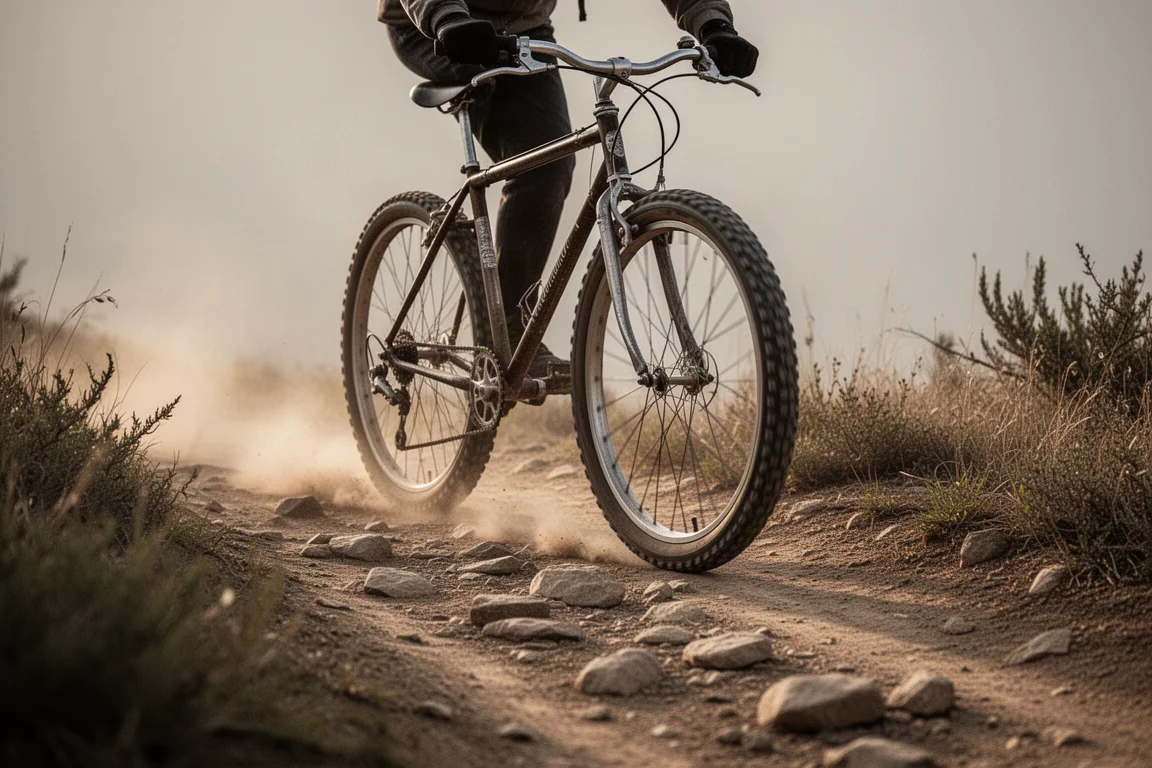
Off-road, the bike is not as stable as a modern gravel bike. Some of that comes down to the urban tyres fitted here, but smaller wheels also roll over obstacles less easily and transmit more of the trail through the frame. The Biopace chainrings add another variable, since the oval profile feels unusual under load and may contribute to less precise front shifting.
Anyone buying a bike like this should also expect unknowns. Secondhand purchases carry risk, and there is a degree of trust involved in relying on seller feedback, photographs, and previous transactions. A worn part that was not visible in the listing can surface after the first ride.
Setup and Parts Notes
The right-hand crank had completely stripped pedal threads, which is a common failure on old alloy cranks. Without the proper re-tapping tool, the workaround was to thread the pedal in from the back of the crank arm, driving out the damaged metal and effectively re-cutting the thread from the opposite side. The result is a slightly stiff but secure pedal, which is an acceptable outcome on a used part.
Cable tension was the other main task, along with the rear brake, which needed a substantial increase in tension before it would stop the bike convincingly. The worn yellow grips were removed, since three decades of use leaves them unpleasant to hold. On the positive side, the bottom bracket is new, the tyres and tubes are new, the jockey wheels are in good condition, and the chain shows no wear.
The cassette is clearly used, which is worth noting because it is the kind of component that quietly affects shift quality as it wears.
How It Rides
On the road, the bike rides extremely well for the money. It accelerates willingly, holds speed comfortably, and feels far better than a new bike bought for a similar sum. The Biopace rings give a slightly odd sensation through the pedals, but the drivetrain works and the gearing is adequate, with the middle ring alone proving enough to get home without straining.
Off-road the picture is more mixed, and more interesting. The bike is twitchy compared with a modern gravel bike, requiring more attention and more active input from the rider. That is not necessarily a criticism. Riding a machine like this on trails feels engaging in the same way that taking a gravel bike onto mountain bike terrain does, and the smaller wheels make the whole experience more immediate. It is fun, in a way that a very capable bike sometimes is not.
Buying Advice
The value here is genuinely strong. A functioning, structurally sound mountain bike with a distinctive frame for around £155 is a good deal, and the mechanical work required was modest. The main caveat is that not every secondhand bike will be in this condition or need this little attention.
If you are considering something similar, do the homework. Look at seller feedback and transaction history, study the listing photos carefully, and prefer sellers who clearly restore bikes and have a reputation to protect. If you are not confident about assessing old components, line up a bike shop that already works on secondhand machines before you buy, so you have somewhere to take it for a safety check.
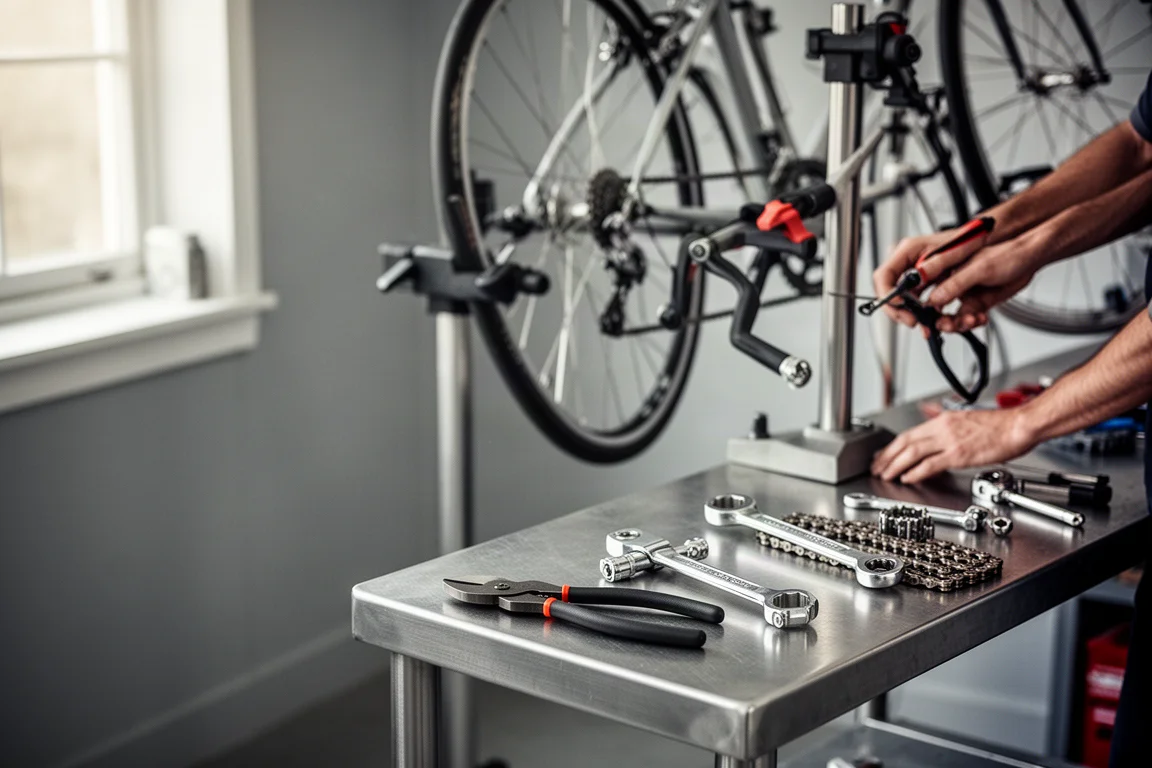
At this price point, the downside is limited. Even if a few extra parts are needed afterwards, the total outlay usually stays well below the cost of a new equivalent, and the frame remains the thing worth keeping.
Conclusion
The Scott Sawtooth is a reminder of why early 1990s mountain bikes still attract attention. It is not as stable or as refined as a modern gravel bike, and the Biopace chainrings and narrow bars are period quirks rather than advantages. But the frame is solid, the ride is genuinely enjoyable, the parts are easy to source, and the cost of entry is low.
For a rider who wants a cheap, characterful bike to commute on and tinker with, this is an easy recommendation. Buy carefully, budget for a little fettling, and a bike like this will keep paying you back.
Product link
View more details for Scott Sawtooth
This product is mentioned in the review. Check the specifications, options, and compatibility before buying.
View more details for Scott SawtoothFurther reading
Related Reviews
Mountain Bikes
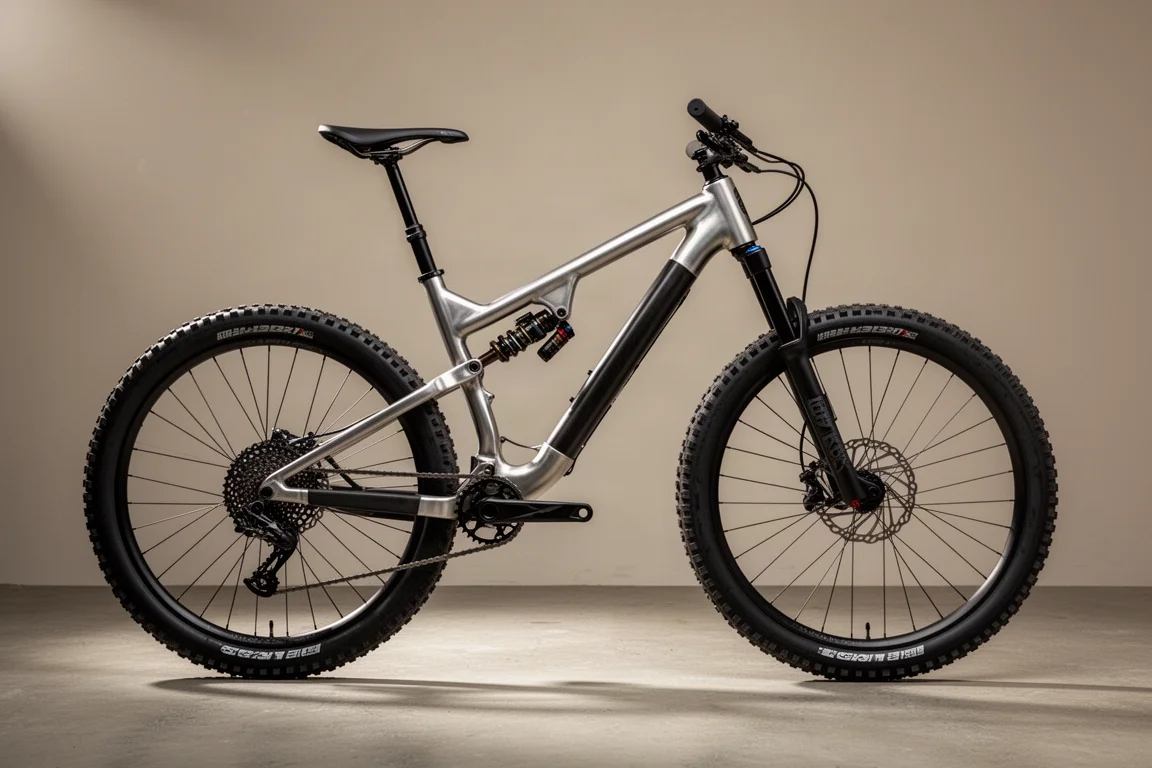
Atherton AM.130 Review: 3D-Printed Titanium Lugs and a 130mm Trail Bike That Descends Like a Bigger Machine
The Atherton AM.130 pairs 3D-printed titanium lugs with carbon tubes and a DW6 suspension platform. Here is how it rides, what the build delivers, and who it suits.
Mountain Bikes
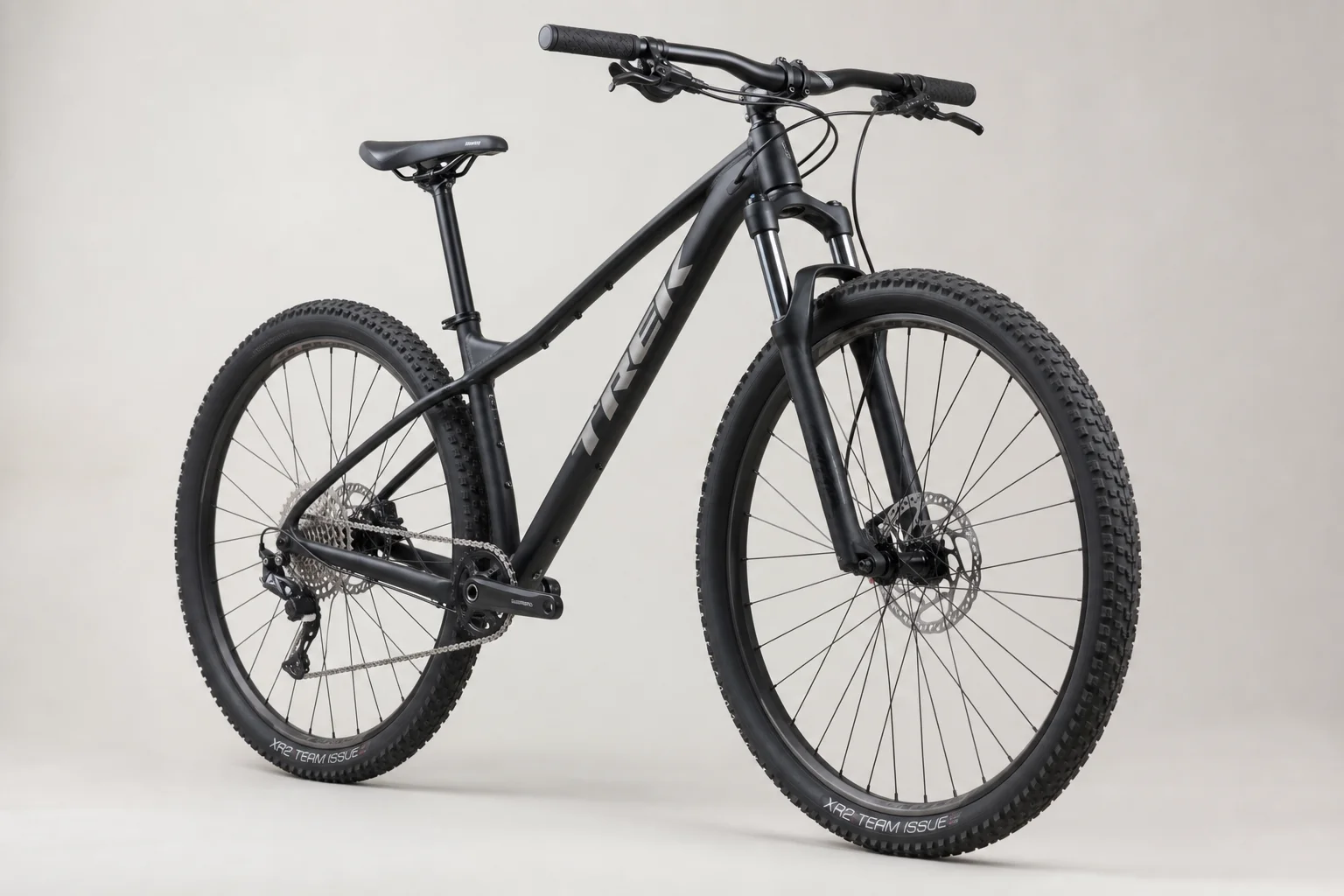
Beginner Mountain Bike Buying Guide: What to Look For in a Trailworthy Hardtail
A practical framework for evaluating beginner mountain bikes, whether new or used, by examining key components that indicate real trail capability.
Mountain Bikes
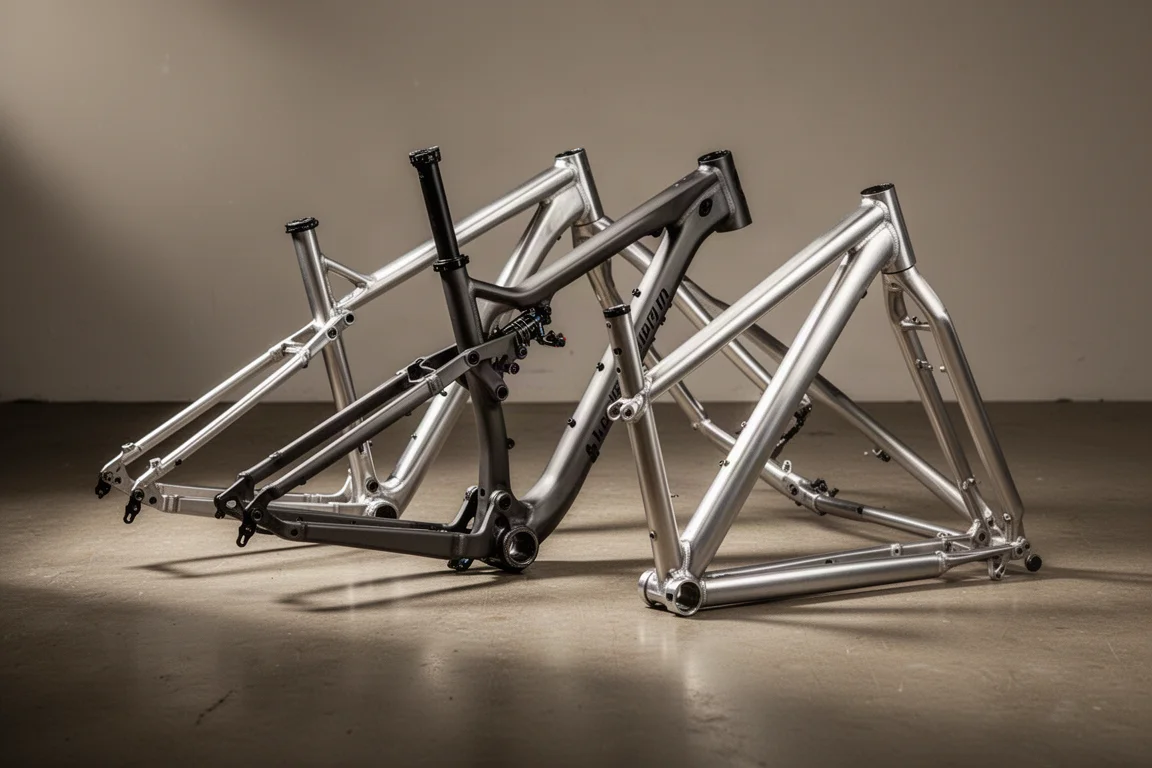
Best Aluminum Mountain Bikes 2026: Five Alloy Bikes Worth Your Attention
Five aluminum mountain bikes that show how far alloy has come, from a 120mm trail bike and a versatile machined frame to a 180mm freeride machine.