Mountain Bikes
Scott Genius ST Review: A Capable Aggressive Trail Bike With Real Descending Intent
Scott's refreshed Genius ST pairs a hidden piggyback shock, modern geometry, and a three-mode TwinLoc system in a trail bike built with descending in mind.
Introduction
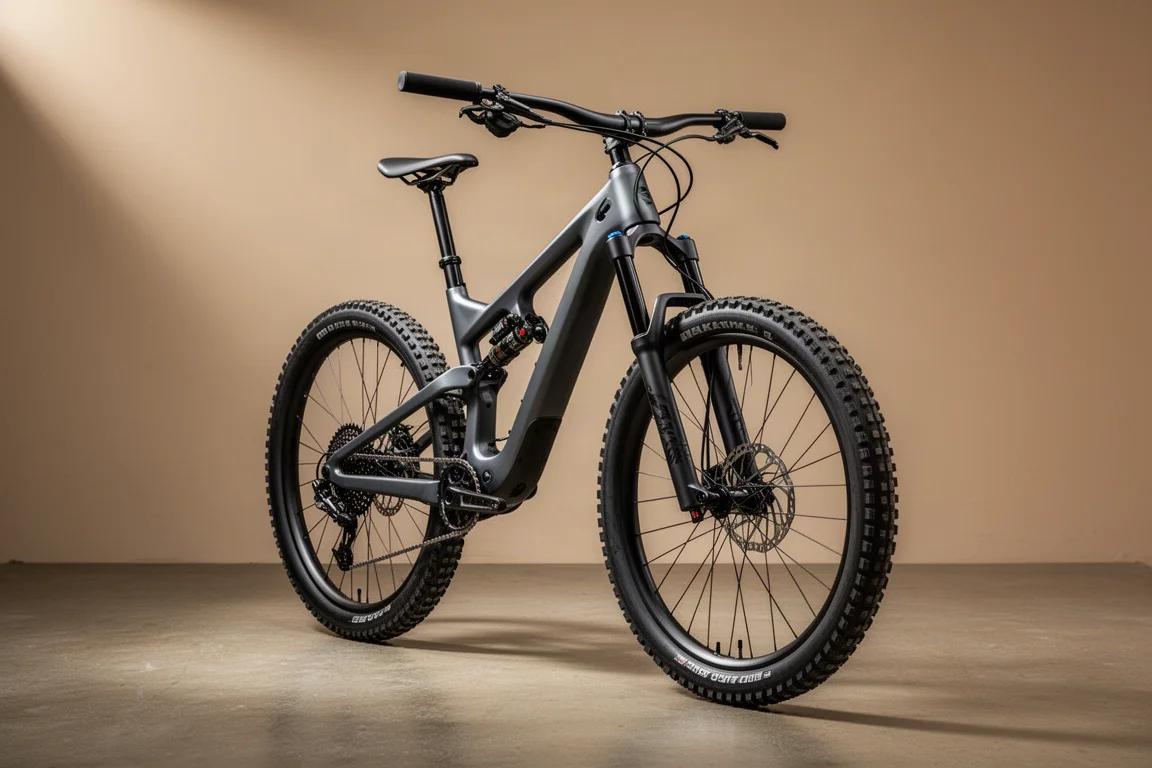
Scott has rebuilt the Genius around a 150mm rear-travel platform aimed squarely at all-mountain and aggressive trail riding, and the range now splits into two directions. The standard Genius is the more broadly capable version, while the Genius ST reviewed here is the Super Trail model, tuned with descending in mind. Both run 160mm forks, but the ST gets the burlier build kit.
The headline changes are structural rather than cosmetic. A piggyback Fox shock now sits hidden inside the frame, the Rock Link layout is borrowed from Scott’s cross-country Spark platform, and the rear end runs a three-mode TwinLoc system. The goal is a bike that climbs with composure and still feels planted when the trail points down.
This is a first-impressions assessment rather than a long-term test, so treat the strengths and trade-offs below as what they are: a clear look at the design, the spec, and how the bike behaves on a big alpine day out.
Who This Bike Is For
The Genius ST is aimed at riders who want one bike for long mountain days where the climb is the price of admission and the descent is the point. The geometry is deliberately modern rather than extreme, which keeps it usable on rolling singletrack and fire-road transfers as well as steep technical tracks.
Riders who value a quiet, composed chassis should find a lot to like here. Those who want maximum control over their contact points, or who prefer to build a bike component by component, may want to look closely at the integrated cockpit and cable routing before committing.
Frame and Suspension Design
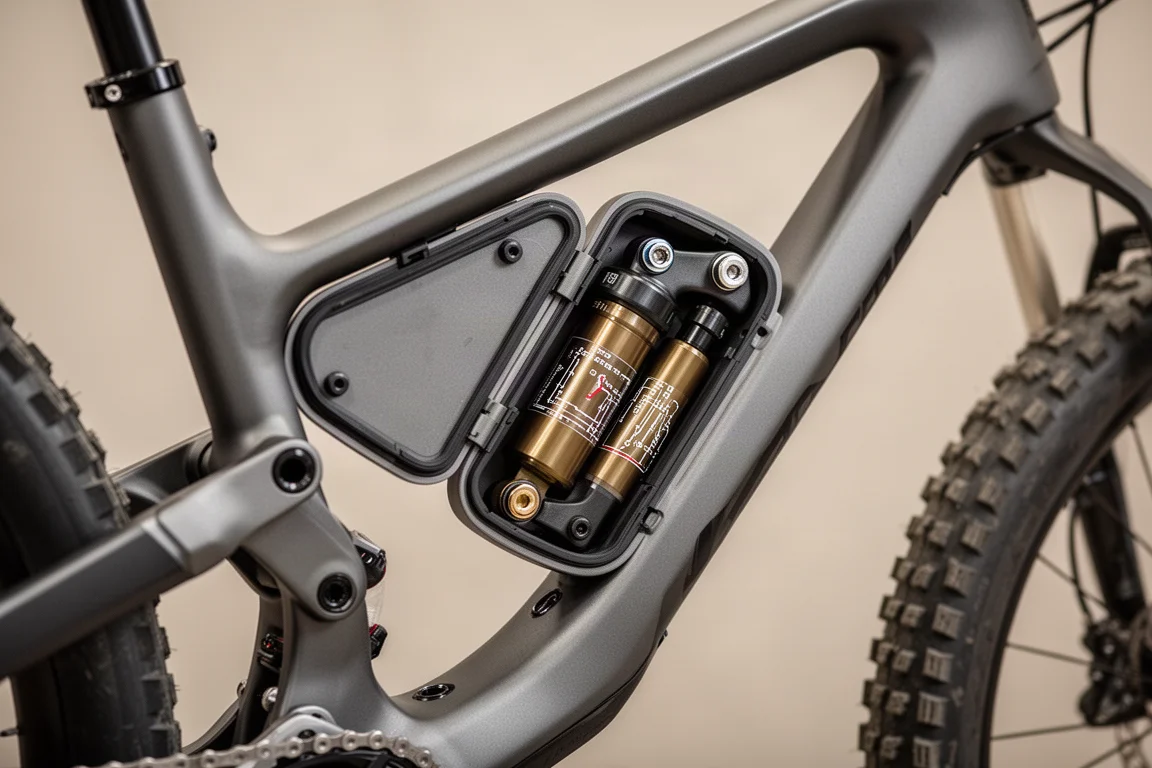
The reviewed ST uses a full carbon frame, though Scott also offers versions with an alloy front triangle and carbon rear. The piggyback Fox Nude shock is mounted inside the frame rather than on the outside, protected from water and dirt. According to Scott, that should translate to more consistent performance, lower wear rates, and better shock longevity.
Access is handled by a small door in the belly of the frame that pops open and reveals the shock. Torx 30 bolts mean fitting and removing the shock should be straightforward. As a neat touch, the cable routing diagram is printed on the inside surface of that door, which should help home mechanics during servicing.
A dial on the side of the top pivot bearing rotates and holds at your sag level through friction, showing how much travel you are compressing when seated. It is easy to use, though it is less immediately obvious than an o-ring on a shock shaft, since you still have to get off the bike to check it.
The three-mode TwinLoc system switches between open, traction, and closed. Moving from open to traction reduces air volume and adds damping, giving roughly 60 percent of the travel instead of the full 100 percent. Pushing through to climb mode delivers a firm lockout. On the ST, the system controls the shock only, which leaves the fork free to run its own damper. Rear brake and TwinLoc cables are routed internally through the headset for a notably clean front end.
Geometry and Handling
The numbers are current rather than conservative. There is a fairly long reach, a slack 64.5 degree head angle, and a moderately steep 77.5 degree seat angle. In a size large, reach measures 485mm, and every size gets 440mm chainstays. The headset includes an angle adjust function that can be changed quickly without cutting the hydraulic lines routed through the bearings. On the ST it ships in the slack position, which is likely where most riders will leave it.
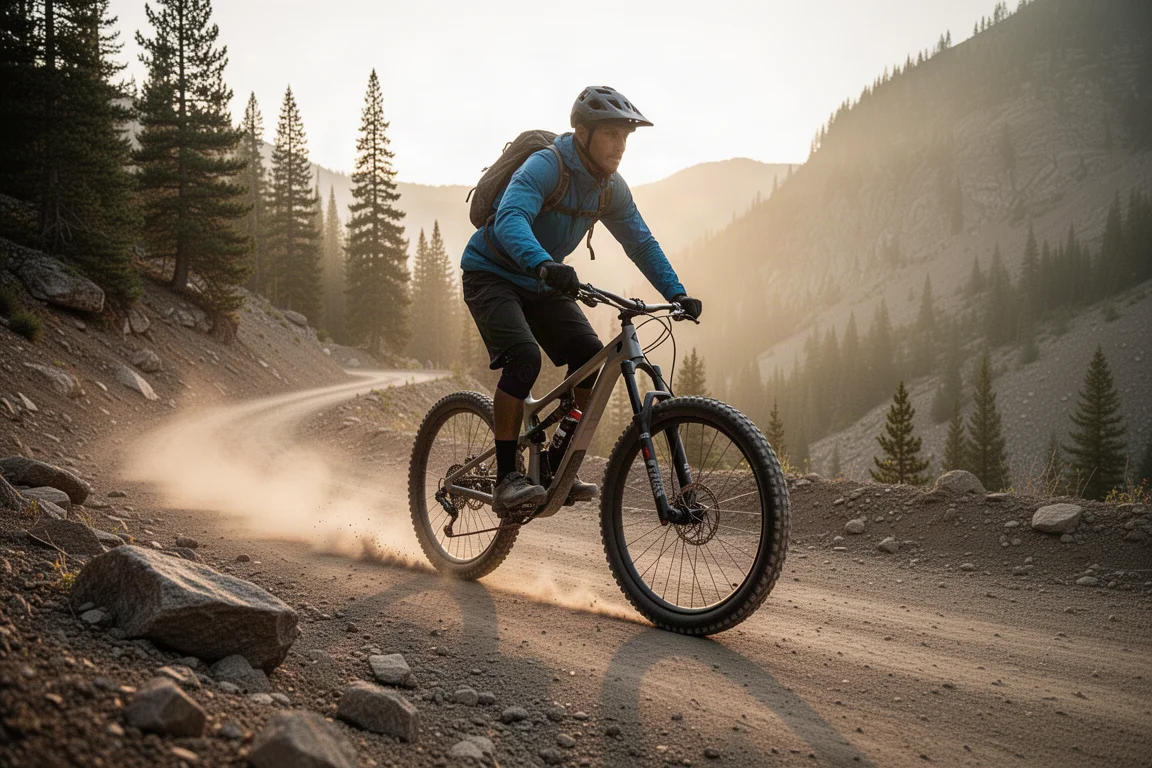
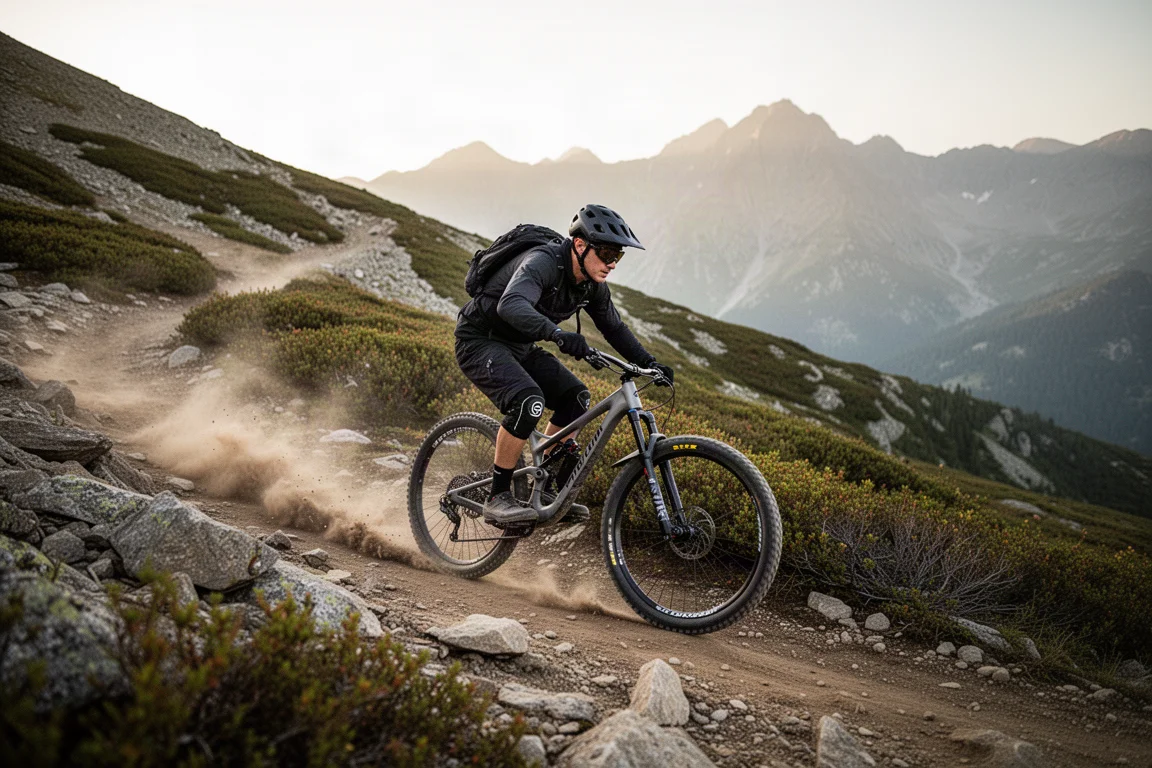
On the trail, the chassis feels solid and stiff. You can load the tires hard into a corner without the frame bending or twanging, and the 2.6 inch front tire with its aggressive shoulder tread digs in and finds grip. Combined with the geometry, the bike feels planted and confident when pushed.
The suspension character is worth calling out. In open mode the rear end deals with small, high-frequency chatter without feeling harsh, offers good braking performance, and has strong mid-stroke progression that gives plenty of pop out of corners and lips. It is not an isolating, sofa-like ride. You feel the rocks and roots and you can read the traction underneath you, which some riders will prefer and others may find busier than they want.
Main Strengths
The pedaling platform is one of the standout qualities. High anti-squat levels keep pedal bob to a minimum even with the suspension wide open, and the rear wheel tracks smoothly over bumps while seated. On steeper singletrack climbs, traction mode firms the rear end enough that standing efforts do not push the bike deeper into its travel, and the bike sits a touch higher for better pedal clearance.
Climbing comfort is good too. The long top tube leaves room to shift weight and regulate traction, the short 40mm stem keeps the front end from feeling stretched, and the steep seat angle puts the hips well over the bottom bracket. With ramp control engaged, the effective seat angle holds up on steep tracks.
Noise is impressively controlled. Rattling through rocks, there is no chain slap and no real noise beyond the tires and the brakes. The XO1 AXS drivetrain is dependable and works well. The Fox 36 with the Grip 2 damper feels more compliant than before, and while it was run fully open for most of the day, a few clicks of low-speed compression helped keep the front end propped up on the steeper sections.
Things to consider before buying
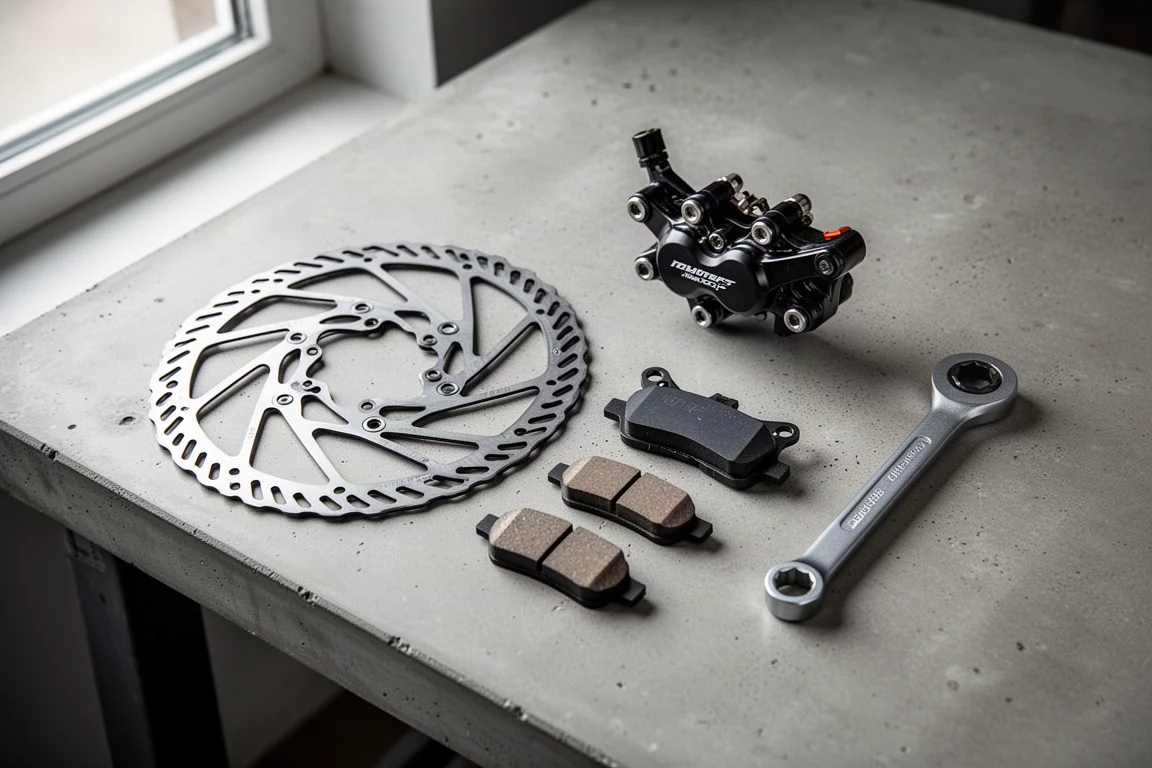
Braking is the clearest area to think about. The XTR setup with a 180mm rear rotor may be adequate on shorter, gentler descents, but on long alpine, Lake District, or Scottish descents it does not deliver a progressive amount of power. Arm pump built up over a big day, and a more powerful brake or a larger rotor is worth considering for riders who spend their time on long descents.
The integrated Syncros Hixon IC SL bar and stem looks clean but limits adjustment. With a conventional bar and stem you can rotate the bar to dial in the position, and you cannot do that here. The 780mm width also may not suit everyone, and integrated bars tend to be stiffer than some riders prefer. Internal hose routing through the headset reinforces the tidy front end but makes maintenance more involved.
The TwinLoc remote itself takes some adaptation. Three levers on the bar mean it is easy to hit the wrong one, and the setup is not the prettiest. Functionally it works well, but it is not the smoothest system to operate, and it is a bike that rewards a little patience while you learn the levers.
Buying Advice
The Genius ST makes most sense for riders who want a single aggressive trail bike with genuine descending intent and a suspension design that stays composed on the way up. If your riding is mostly long, fast descents and you are sensitive to brake feel, budget for a brake or rotor change, or look at a build with more powerful stoppers.
If you like to fine-tune bar position and do your own maintenance, weigh the integrated cockpit and headset cable routing carefully. Riders who simply want a quiet, stiff, well-sorted chassis with usable geometry and a well-protected shock will find the overall package very compelling.
Conclusion
Scott has built a genuinely capable aggressive trail bike here. The combination of up-to-date geometry, a well-supported suspension platform with good mid-stroke progression, a protected internal shock, and mostly sensible spec details adds up to a bike that is easy to feel confident on. The trade-offs are real but specific: braking power on long descents, a cockpit that limits adjustment, and a remote that needs familiarisation. On first impressions, the Genius ST is an impressive and thoroughly modern trail machine.
Product link
View more details for Scott Genius ST
This product is mentioned in the review. Check the specifications, options, and compatibility before buying.
View more details for Scott Genius STFurther reading
Related Reviews
Mountain Bikes
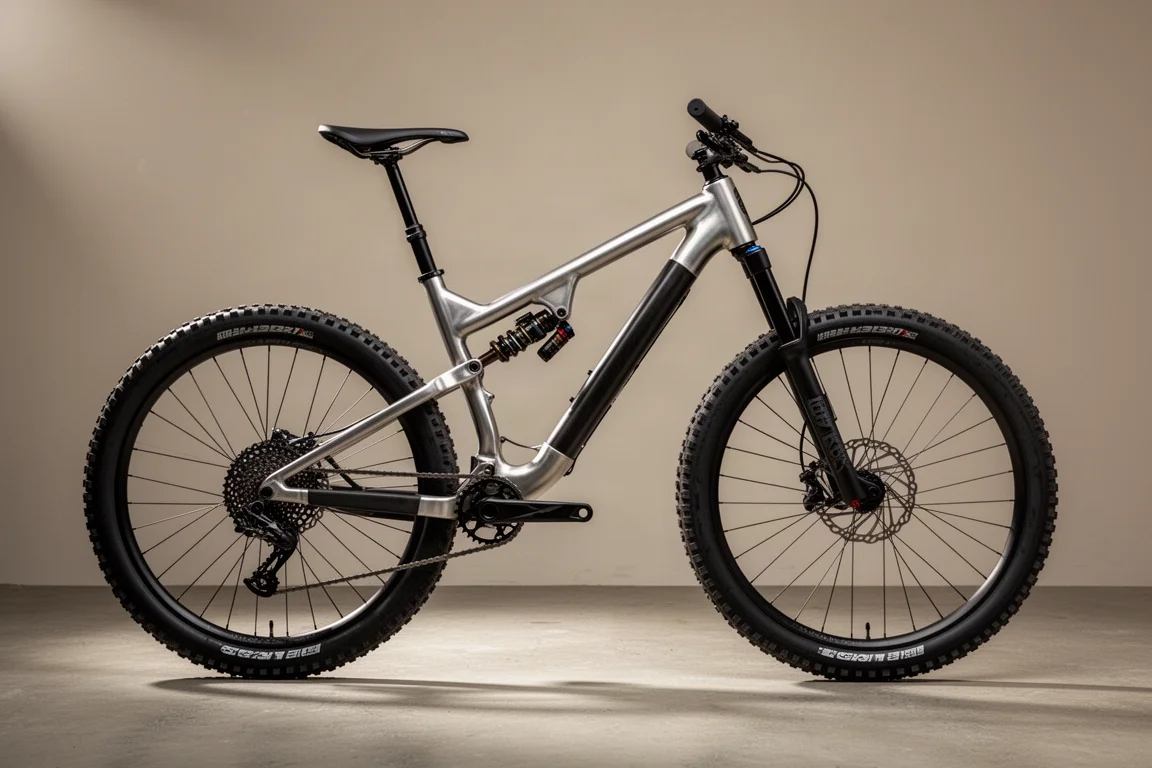
Atherton AM.130 Review: 3D-Printed Titanium Lugs and a 130mm Trail Bike That Descends Like a Bigger Machine
The Atherton AM.130 pairs 3D-printed titanium lugs with carbon tubes and a DW6 suspension platform. Here is how it rides, what the build delivers, and who it suits.
Mountain Bikes
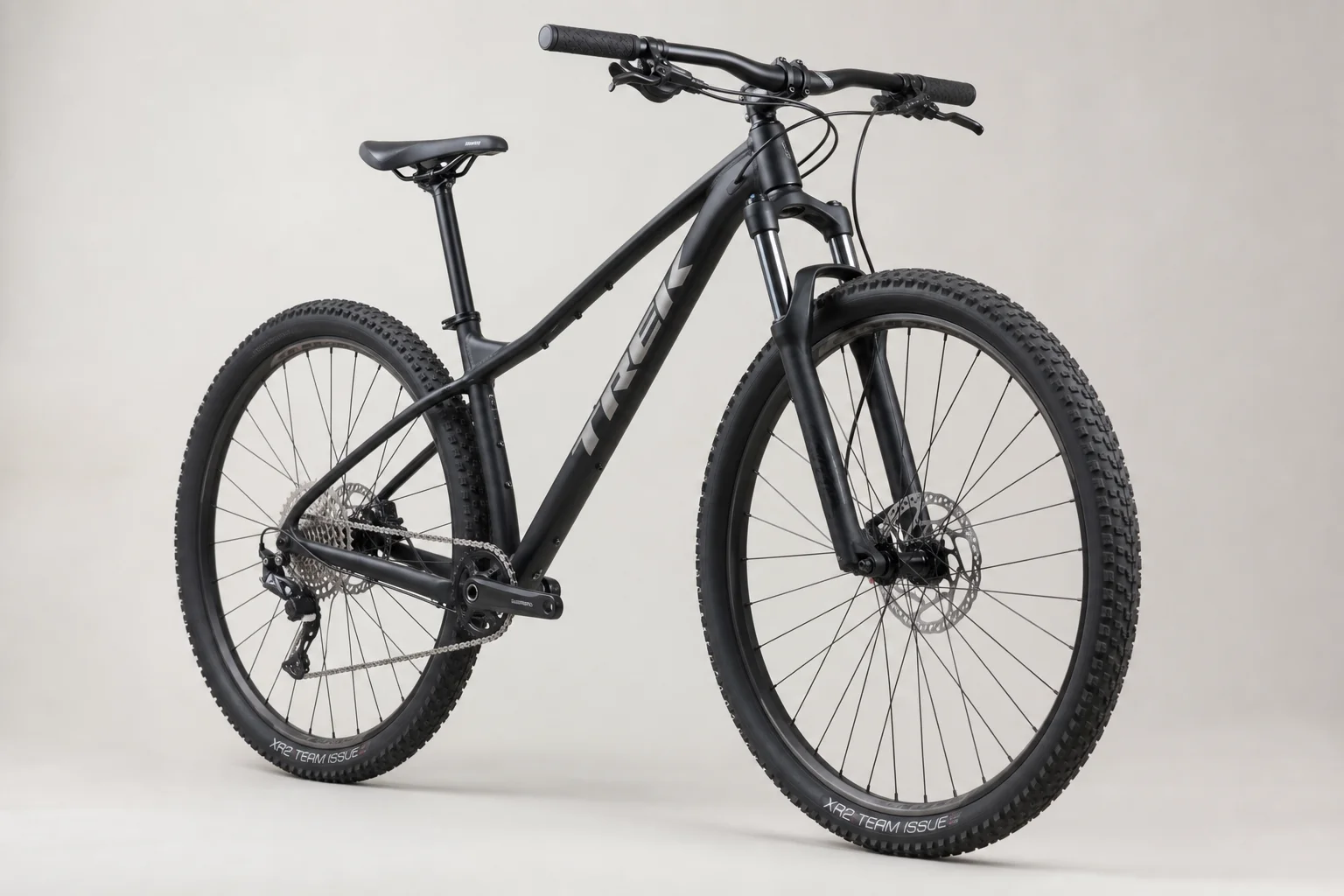
Beginner Mountain Bike Buying Guide: What to Look For in a Trailworthy Hardtail
A practical framework for evaluating beginner mountain bikes, whether new or used, by examining key components that indicate real trail capability.
Mountain Bikes
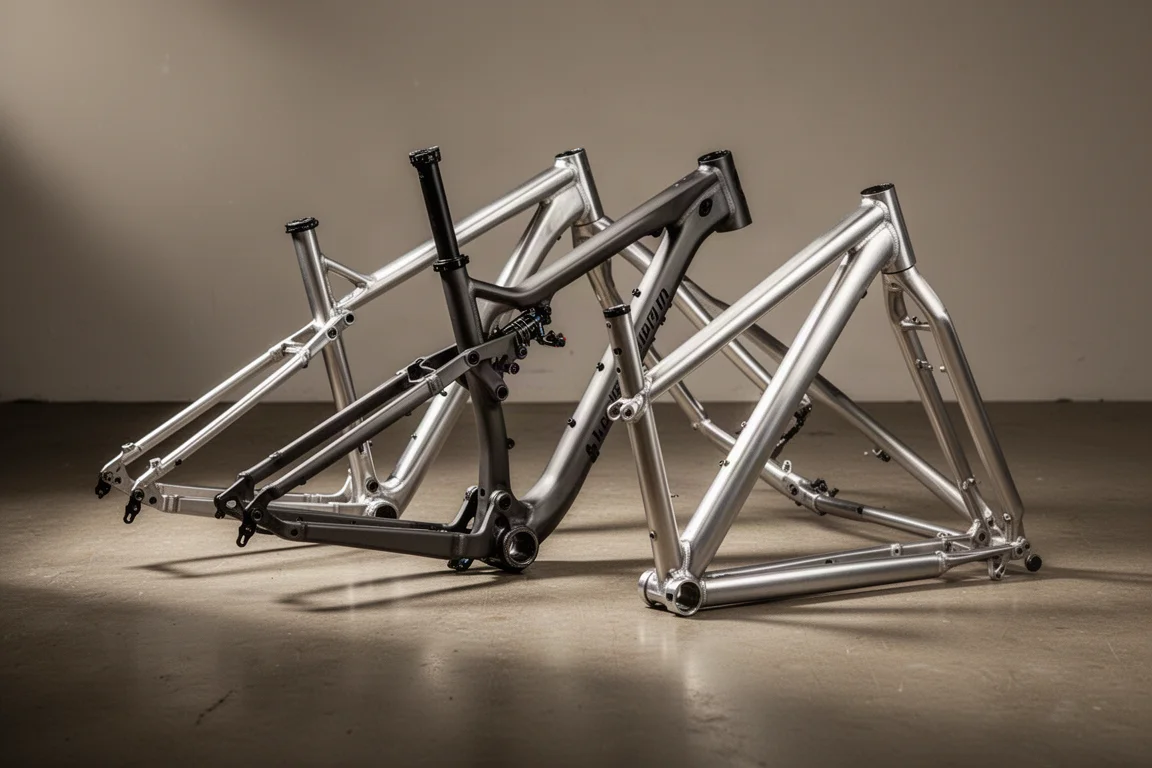
Best Aluminum Mountain Bikes 2026: Five Alloy Bikes Worth Your Attention
Five aluminum mountain bikes that show how far alloy has come, from a 120mm trail bike and a versatile machined frame to a 180mm freeride machine.