Road Cycling
Scott Addict RC Pro Build Review: The Frameset and Components That Define the Ride
A close look at the Scott Addict RC Pro frameset and the Syncros, Shimano and Stages components that shape how this lightweight carbon road build actually rides.
Introduction
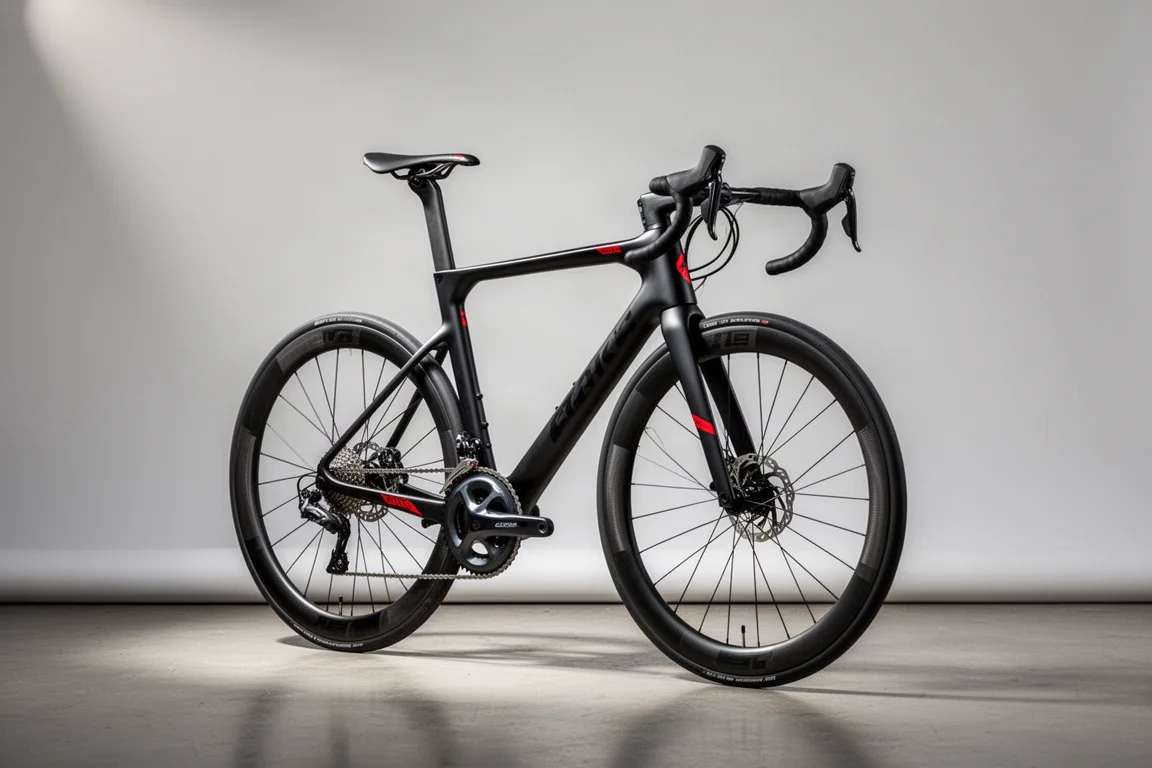
The Scott Addict RC Pro sits high in Scott’s lightweight road line, and it is the kind of build where the frameset is only part of the story. Fully concealed cable routing, an integrated one-piece cockpit and a complete Syncros finishing kit make it a coherent package rather than a collection of parts.
This particular build is a 49 cm extra small Addict RC Pro, specced with Dura-Ace Di2, Syncros wheels and contact points, Shimano Ultegra pedals and a Stages power meter. It is a useful example of how a race frame can be set up for real-world riding rather than for a spec sheet alone.
Scott Addict RC Pro: The Frameset at the Core
The Addict RC range uses three carbon specifications. HMF is the entry point, HMX sits in the middle, and HMX SL tops the range. The Addict RC Pro uses the HMX frame, which is roughly 90 grams heavier than the HMX SL used on pro-level builds, while the step from HMX to HMX SL saves a further 30 to 40 grams. Every fork across the range uses the same HMX carbon, so the front-end feel stays consistent whichever tier you choose.
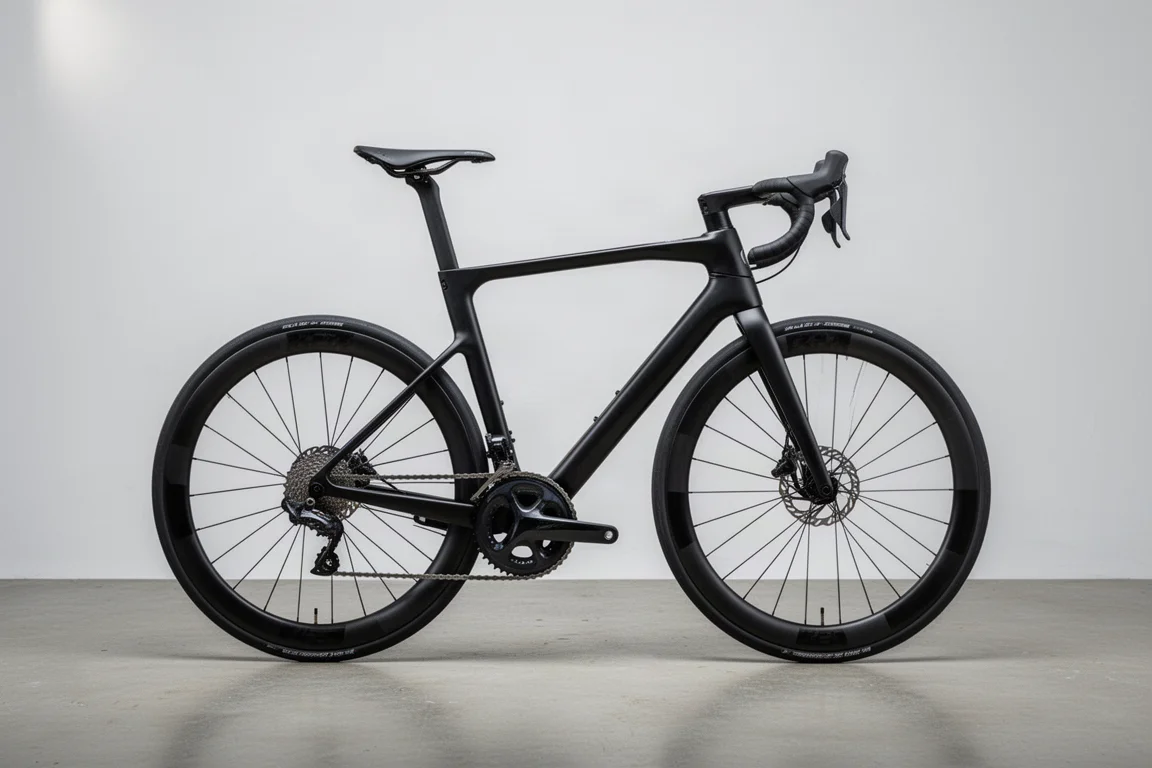
On the road, the Addict RC is the lighter and more traditional-feeling option next to the Foil. Riders who have both available tend to reach for the Addict on hilly routes, and the reason is usually how it rides rather than any single number. Cable routing is fully concealed and integrated throughout, which keeps the front end clean and the airflow undisturbed.

The 49 cm size is the extra small, a reminder that this frame can be set up for smaller riders without wrecking the position. Where a small or extra small is realistically within reach, the smaller frame can often be made to fit well and keeps the steering sharp.
Syncros Creston IC SL: A Narrow, Long Cockpit
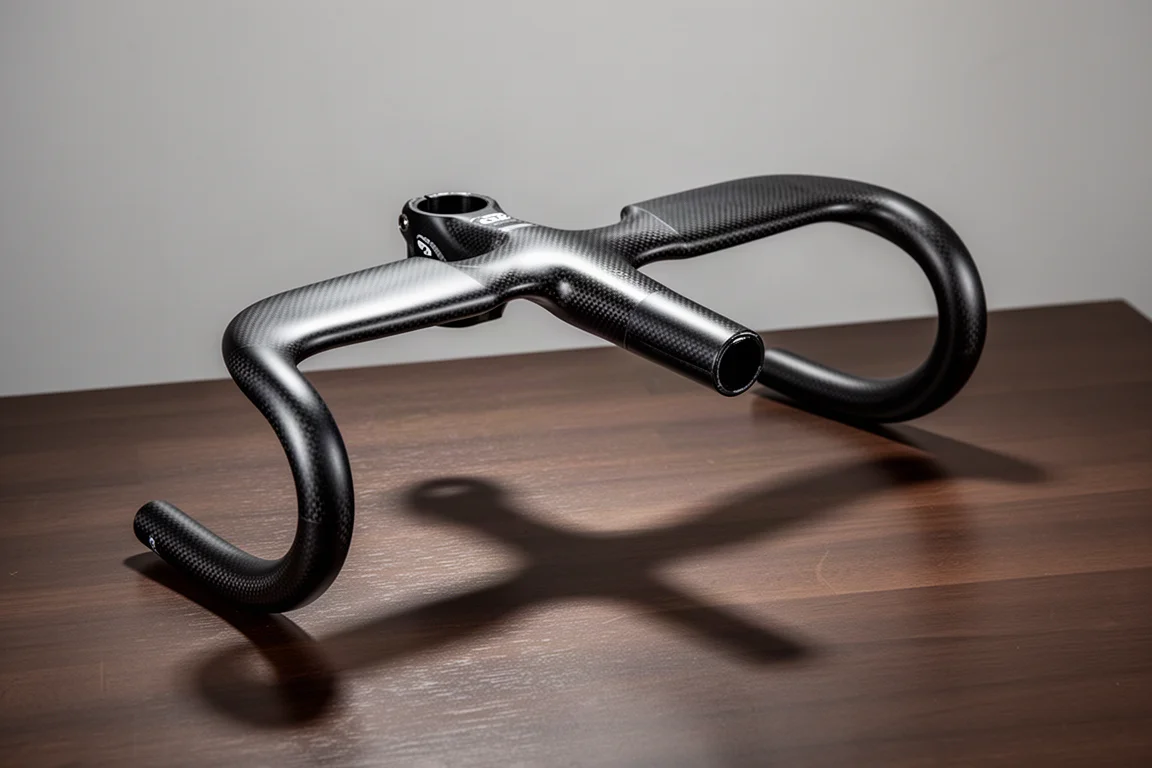
The Syncros Creston IC SL is a one-piece bar and stem, here in a 120 mm stem length with a 38 cm bar width. That is the narrowest bar Syncros offers, and the long-stem, narrow-bar combination follows the direction a lot of road riders have moved toward in recent seasons.
On the road the narrower width feels better, and after a few rides the position feels natural rather than cramped. The trade-off is quick steering, and the difference is most obvious when you step back onto a cyclocross or mountain bike, where a wider bar suddenly feels like a very different animal.
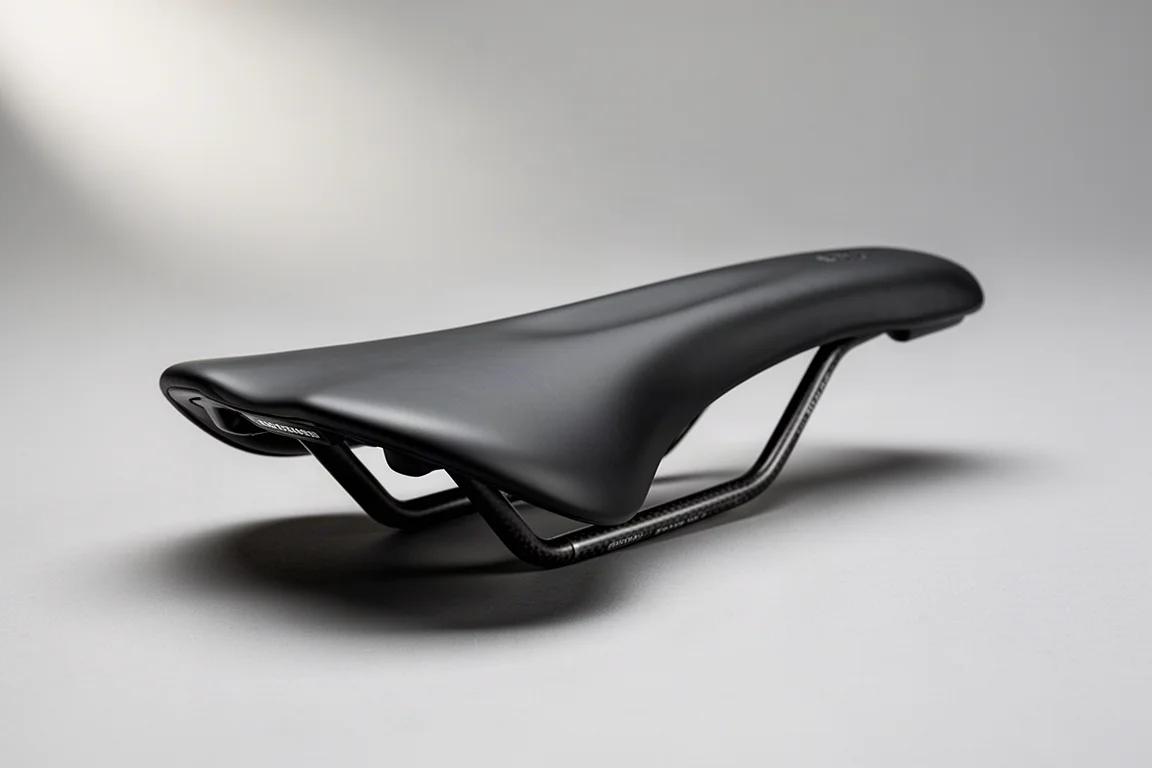
Syncros Belcarra: An Aggressive Race Saddle
The Syncros Belcarra is an aggressive road saddle with a wide rear profile, shaped so the rider sits more or less perched on the front section when the pace rises. It suits a forward, race-oriented position rather than an upright cruising posture.
The matching Syncros seatpost shares its shape with the version used on the Foil but is lighter thanks to its clamping mechanism, which Syncros describes as the lightest seat clamp on the market at around six grams. Syncros also names its parts after places in Canada, which gives the range an unusual bit of character.
A more practical detail is the multi-tool that slots magnetically into the thru axle and stays there. It carries a T25 bit and a hex key, which covers most contact points on the bike, including the headset, seatpost and stem bolts. Leaving it fitted means a loose bolt at the roadside is unlikely to end the ride, even if the bike looks cleaner without it.
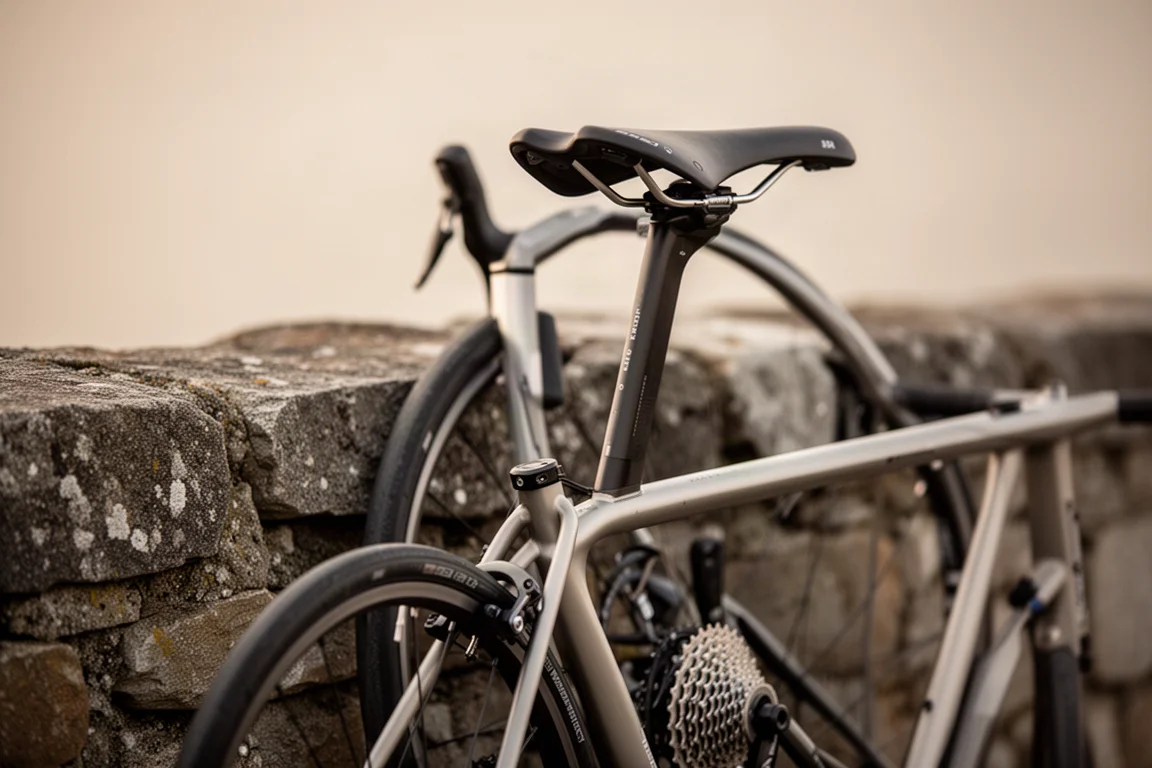
Details like these matter over months of ownership rather than in a showroom. A saddle and post that match the frame geometry keep your position repeatable, and a small onboard tool reduces the chance of a ride finishing early.
Syncros Capital 1.0: Full Carbon Wheels
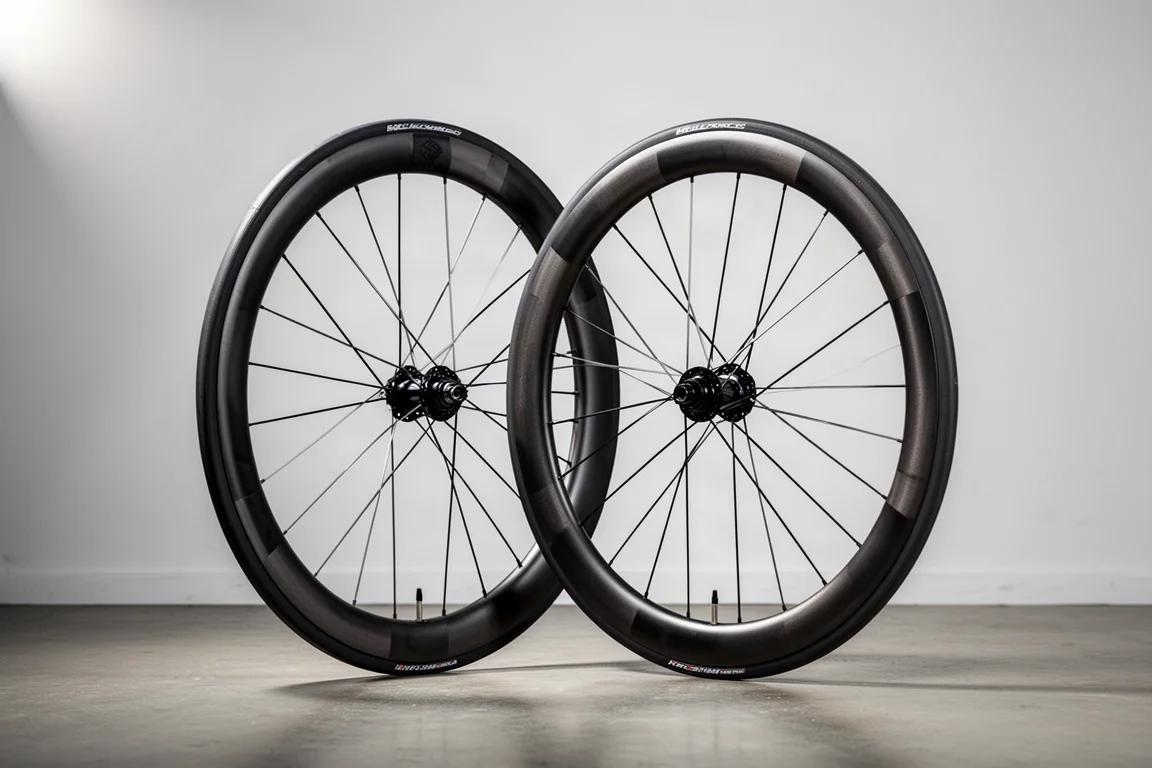
The Syncros Capital 1.0 wheels use full carbon rims and form part of the same finishing kit as the rest of the build. They are normally run tubeless with Vittoria tyres, although this setup was on tubes at the time of the build.
Tubeless is worth serious thought on a road bike. The difference in ride quality is noticeable, and it means you can ride in the real world without carrying a spare tubular, which counts for more on long days out than it does on a race course.
Drivetrain and Brakes: Dura-Ace Di2 and Rotor Choices
Shifting comes from a full Dura-Ace Di2 groupset in 11-speed form, paired with 52/36 chainrings and an 11-28 cassette. That narrower spread suits riders who prefer to churn a bigger gear rather than spin, and it keeps the jumps between ratios small. A 12-speed version is the natural next step, but 11-speed remains a well-proven and thoroughly sorted setup.
Braking uses a 160 mm front rotor and a 140 mm rear. The smaller rear rotor looks neater and is more than strong enough for the back of the bike. A 140 mm rotor cannot be fitted at the front, so the split specification is a practical choice rather than a compromise.
Shimano Ultegra SPD-SL: The Pedal Interface
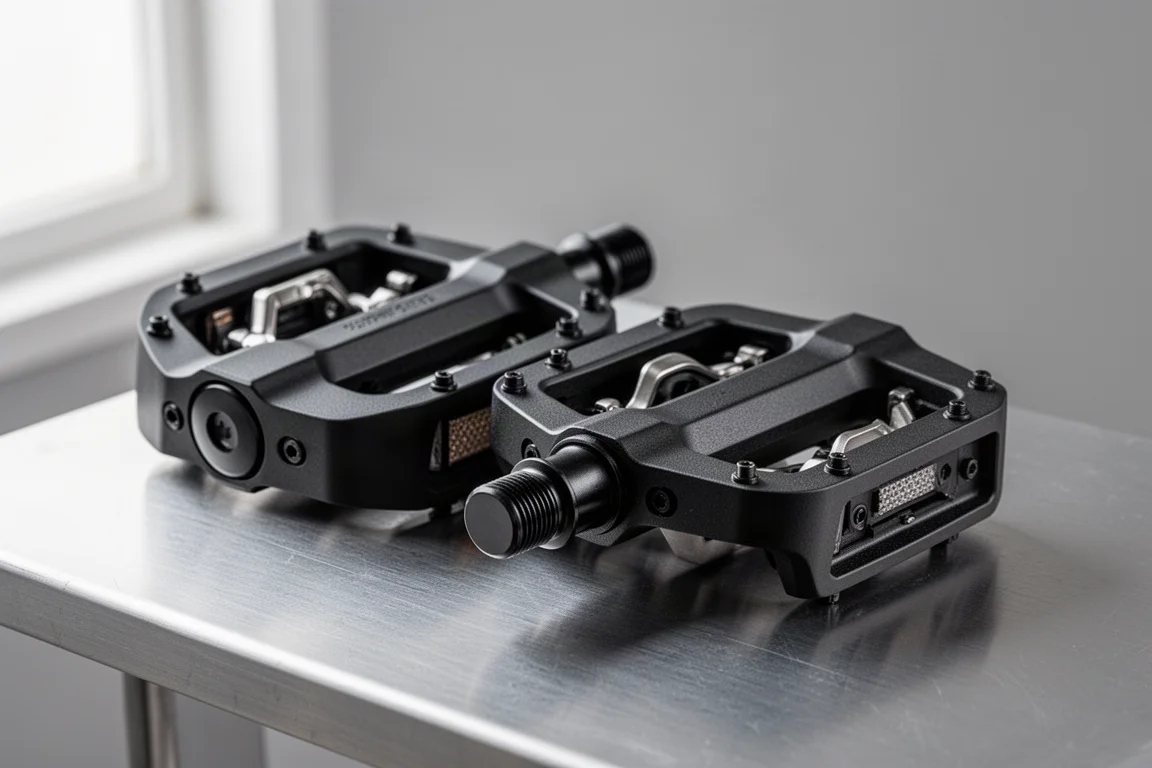
The Shimano Ultegra SPD-SL pedals are a deliberate pick rather than a default. Their body is slightly wider than the equivalent Look or other-brand road pedals, and that extra platform makes the contact point feel more planted, which matters most on longer rides where foot stability affects comfort.
Pedals are one of the few components you interact with on every single ride, so a wider platform and familiar engagement are worth more than a marginal weight saving.
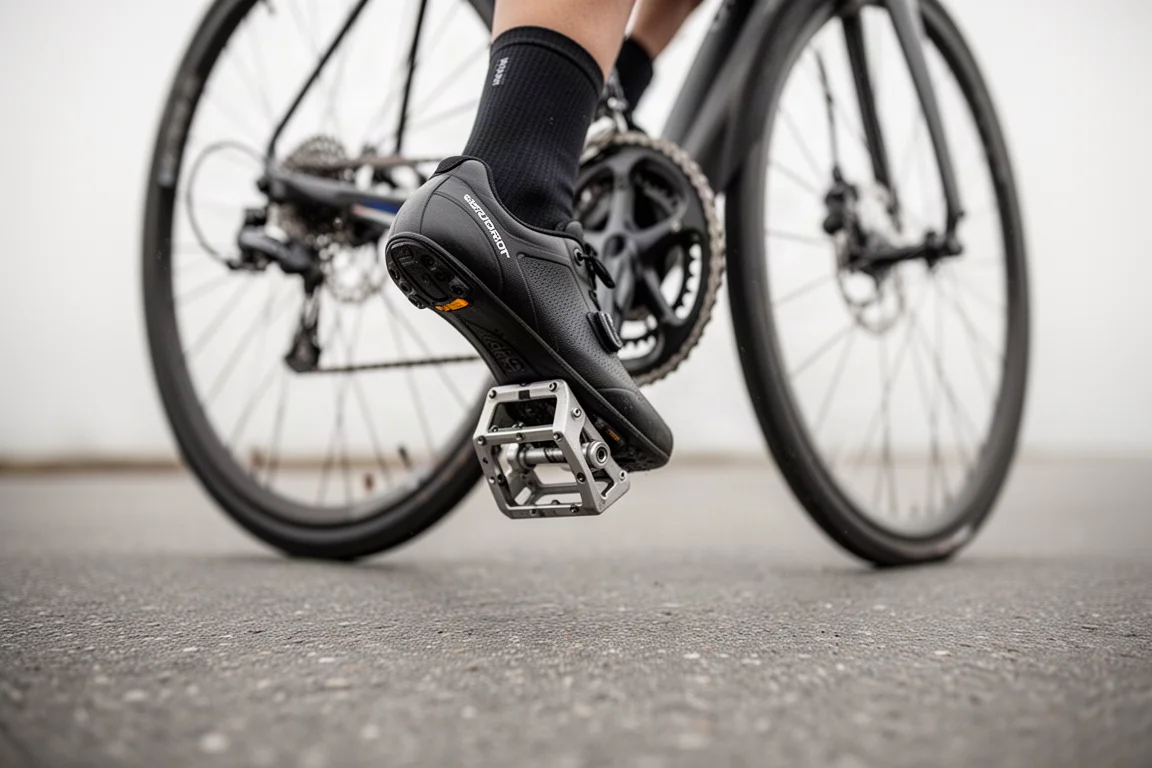
For riders building up a frame from scratch, it is worth treating the pedal choice as a fit decision. The body width and the position it holds your foot in will shape how the whole bike feels far more than the groupset tier does.
Stages Ultegra Power Meter: Practical Power Data
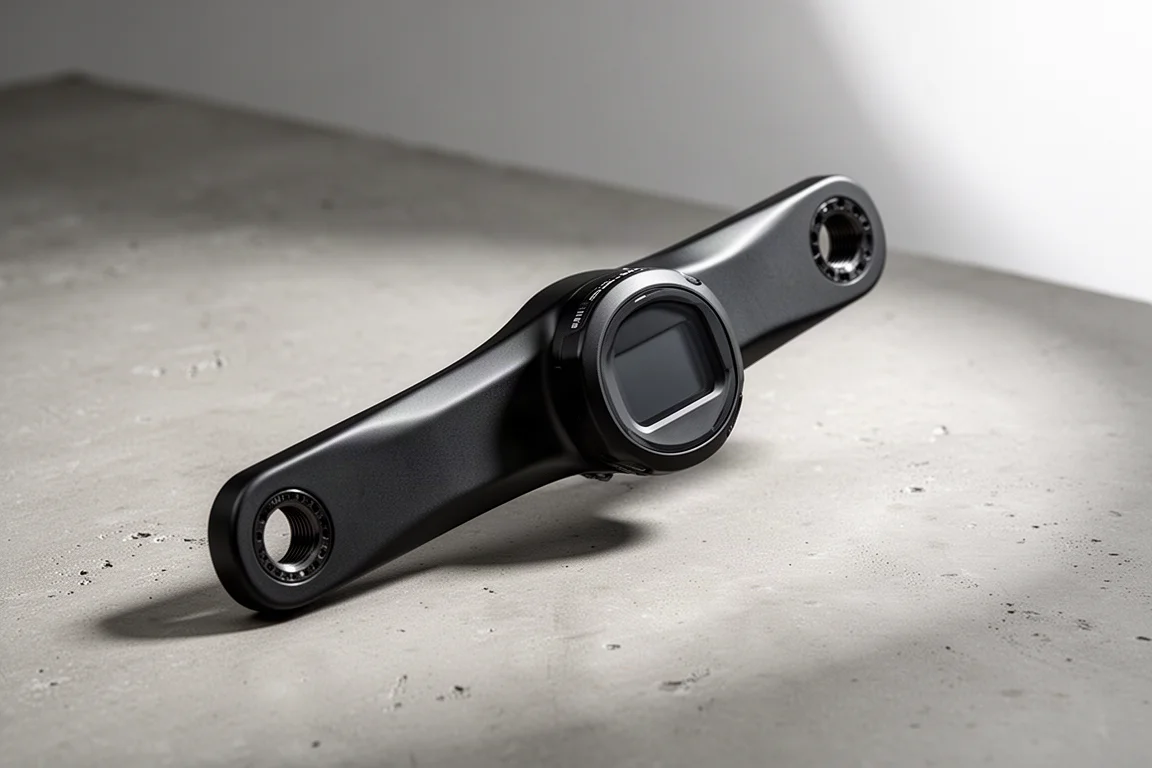
A Stages Ultegra power meter on the left crank arm is the pragmatic alternative to a Dura-Ace unit. It is a mismatched crank in visual terms, since the non-drive arm does not match the rest of the groupset, but the weight difference is negligible and the cost saving is substantial, around 200 to 300 less than the Dura-Ace version.
That gap is what makes power measurement easy to justify on a bike that gets ridden hard. A cheaper crank arm is also less painful to replace if it takes a knock.
Overall Buying Advice
If you are weighing up an Addict RC, the useful question is not which carbon tier is fastest but which tier you will actually notice. HMF, HMX and HMX SL are likely to ride very similarly for most riders, and the fork is the same HMX carbon across the range. The real differences are modest: roughly 90 grams between HMF and HMX, and another 30 to 40 grams from HMX to HMX SL.
Where the money shows up more clearly is the finishing kit and the parts you touch. A one-piece cockpit, a saddle shaped for your position and a wheel setup you trust will change the ride more than a frame upgrade will. The same logic applies to the power meter and the pedals: choose the version that fits your riding and your budget rather than the one that matches the groupset badge.
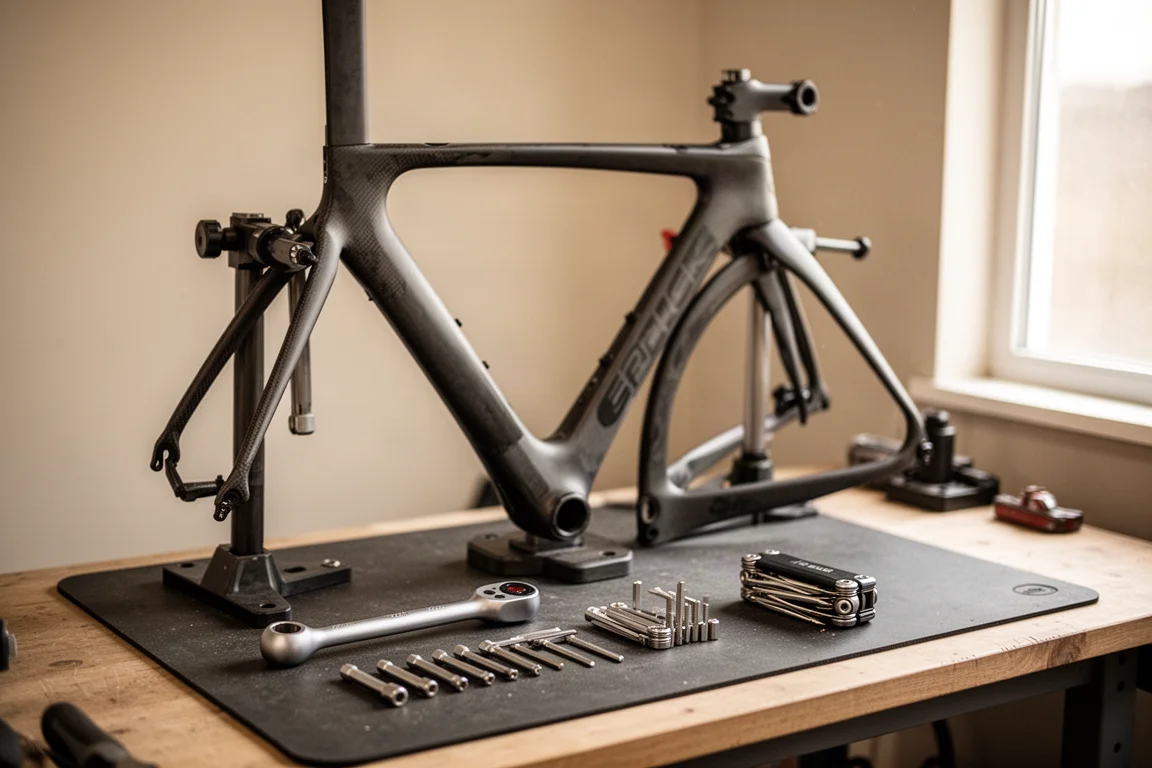
If you can only prioritise one thing, start with fit and contact points, then move to wheels, and only then chase weight. A bike that fits properly and is set up around your position will feel faster than a lighter one that does not.
Conclusion
Taken as a whole, this Addict RC Pro build makes sense. The HMX frame and fully integrated front end produce a light, clean and traditional-feeling road bike, and the Syncros components, Ultegra pedals and Stages power meter are chosen for how they ride rather than how they look on a spec sheet. If you want a lightweight road frame for hilly terrain and you value a cockpit, saddle and wheel setup that work together, this is a coherent and confident package.
Further reading
Related Reviews
Road Cycling
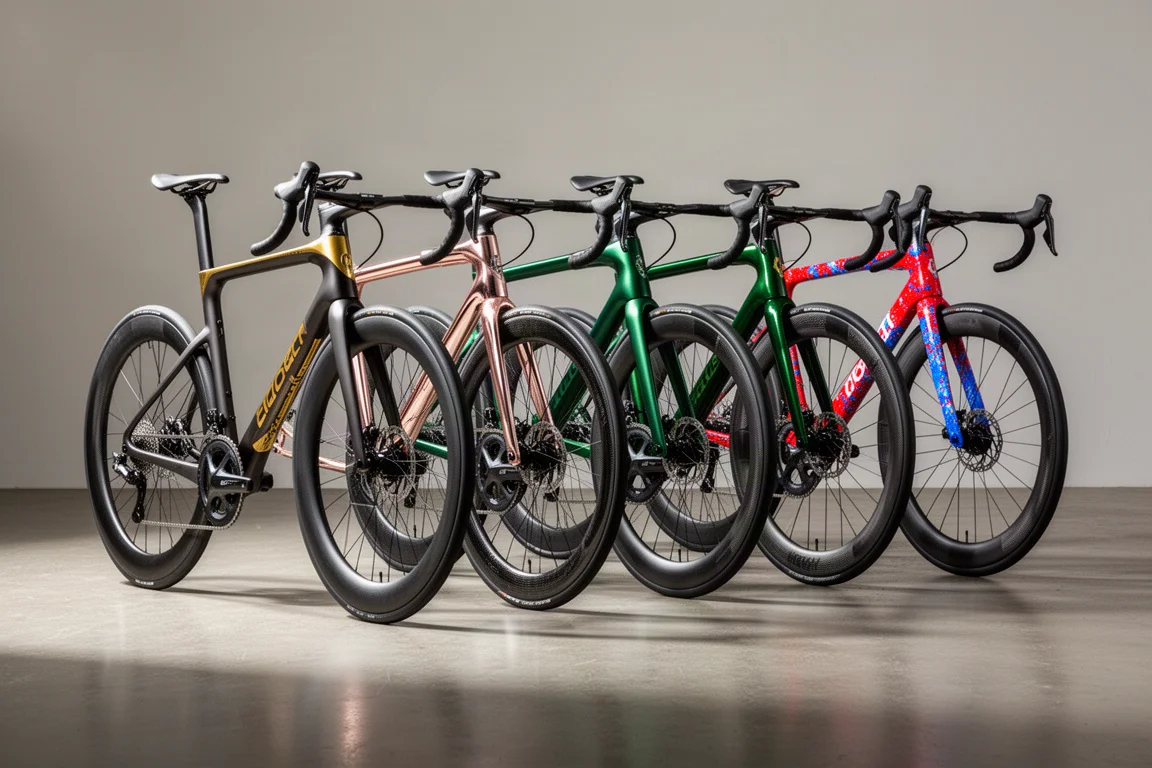
Best Looking Tour de France Bikes: Eight Race Machines and Their Paint Schemes
A closer look at eight Tour de France race bikes, from a gold-detailed presentation build to rainbow watercolours, water-transfer finishes and a clean title-sponsor livery.
Road Cycling
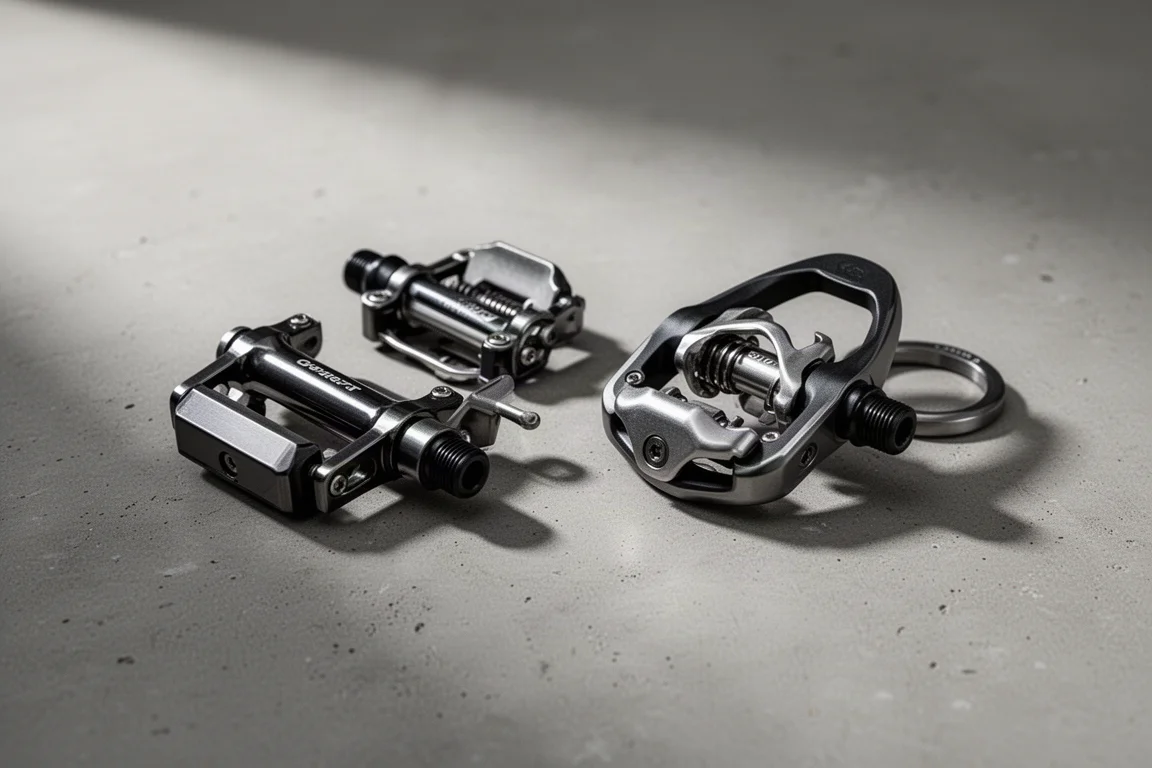
Best Road Bike Upgrades 2026: Clipless Pedals Compared and What to Change First
Two clipless pedal systems worth shortlisting for 2026, plus the lighter inner tubes, wheels, tires and saddles that genuinely change how a road bike rides.
Road Cycling
Best Road Bike Upgrades 2026: Five Pro-Level Picks Worth Buying
Five road cycling upgrades tested over months of hard riding, from a carbon-shell helmet and mixed-depth wheels to a tubeless race tire and a tight aero jersey.