Road Cycling
Best Looking Tour de France Bikes: Eight Race Machines and Their Paint Schemes
A closer look at eight Tour de France race bikes, from a gold-detailed presentation build to rainbow watercolours, water-transfer finishes and a clean title-sponsor livery.
Introduction
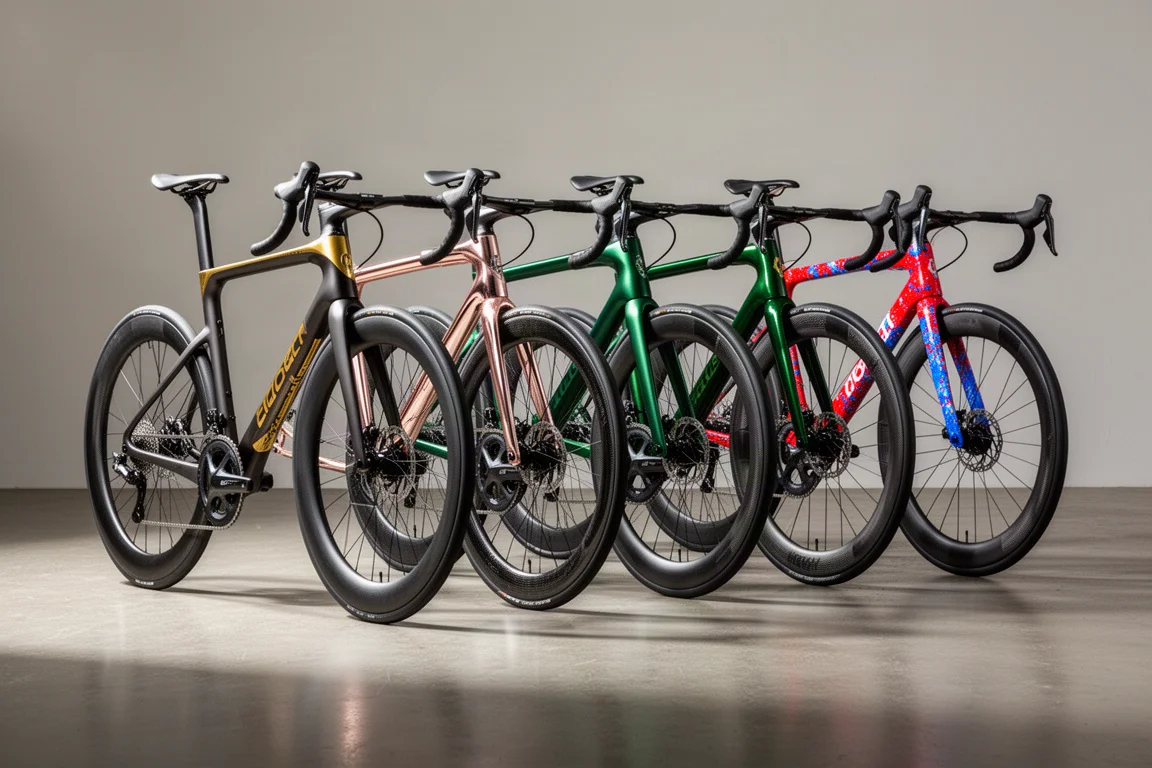
The Tour de France is as much a showcase for paint as it is for racing, and this year’s edition delivered a remarkable spread of finishes. There is a presentation bike detailed with real gold, a rainbow watercolour tribute to a world championship win, a title-sponsor livery that looks factory-fitted, and a set of special edition frames said to celebrate French art and culture.
This roundup covers eight machines that caught the eye in the peloton. Some are production race bikes in striking team colours, while others are one-off builds that will never be raced. Between them they cover the two directions modern road racing has taken: aero platforms built for flat speed, and lightweight bikes built for the high mountains.
What Sets These Race Bikes Apart
Every bike here is a top-tier race platform, so the real differences come down to three things: how the frame balances aerodynamics against weight, how the cockpit and wheels are integrated, and how the paint is applied. Several of the finishes use multi-stage processes, including water transfer painting, which means no two frames come out identical.
There is a practical angle to all of this as well. Competition rules require that equipment used in racing be commercially available within 12 months, so when a new frame appears under a team, a production version is usually on the way. That makes the race a useful preview of what will reach shops.
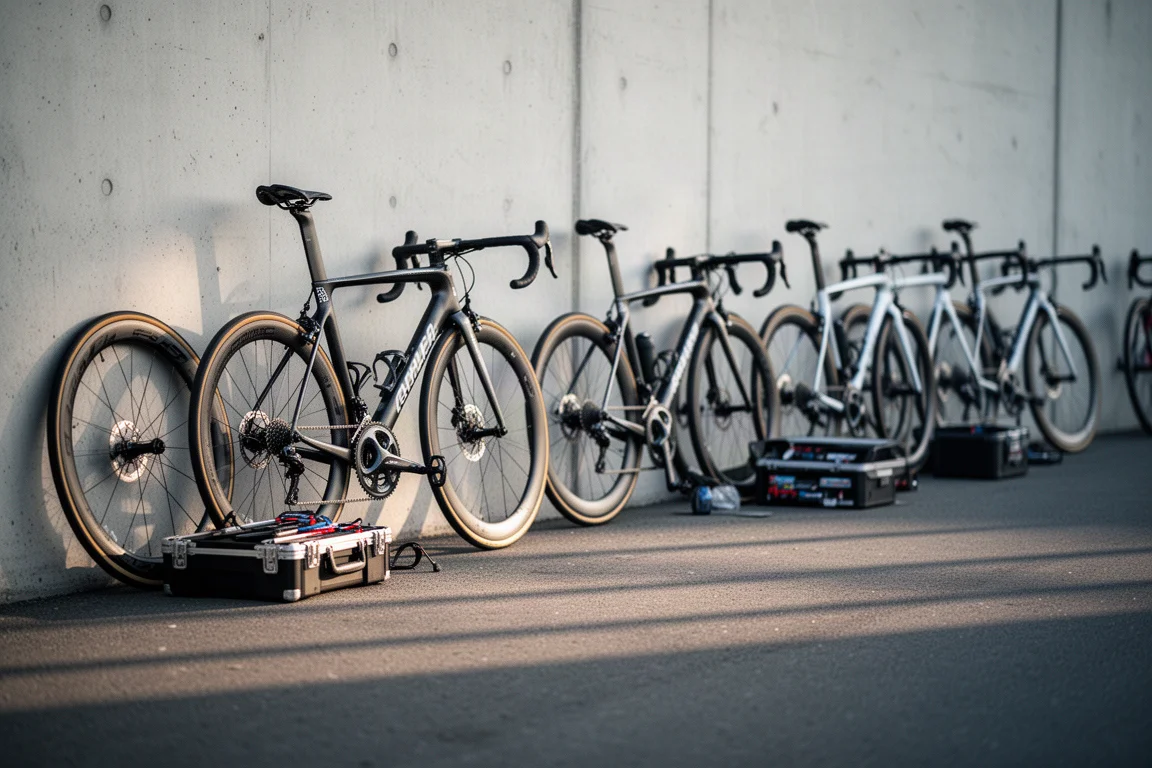
It is also worth separating the bikes you can actually buy from the showpieces. A gold-detailed presentation build and limited edition framesets are collector objects, while the team-issue aero and lightweight bikes are the ones that tend to arrive in a full size range.
Colnago V4RS: Gold Detailing for the Team Presentation
The V4RS appeared at the team presentation in an entirely new paint scheme finished with gold touches. The most distinctive element sits at the front: a solid gold jewel shaped as the ace of clubs. Gold Tour de France logos run along the fork, and gold decals appear on the frame and seat post, with the spokes also given a gold treatment.
Underneath the finish, the build mirrors the race bike closely: a full Dura-Ace groupset with carbon chainrings and brake rotors, plus an ENVE cockpit and wheelset. The result is reported at around 23,000, which places it firmly in collector territory. This particular bike will not see racing action, and that is part of what makes the detailing so unusual.
Specialized S-Works Tarmac SL8: Rose Gold, Chrome and Red Bull
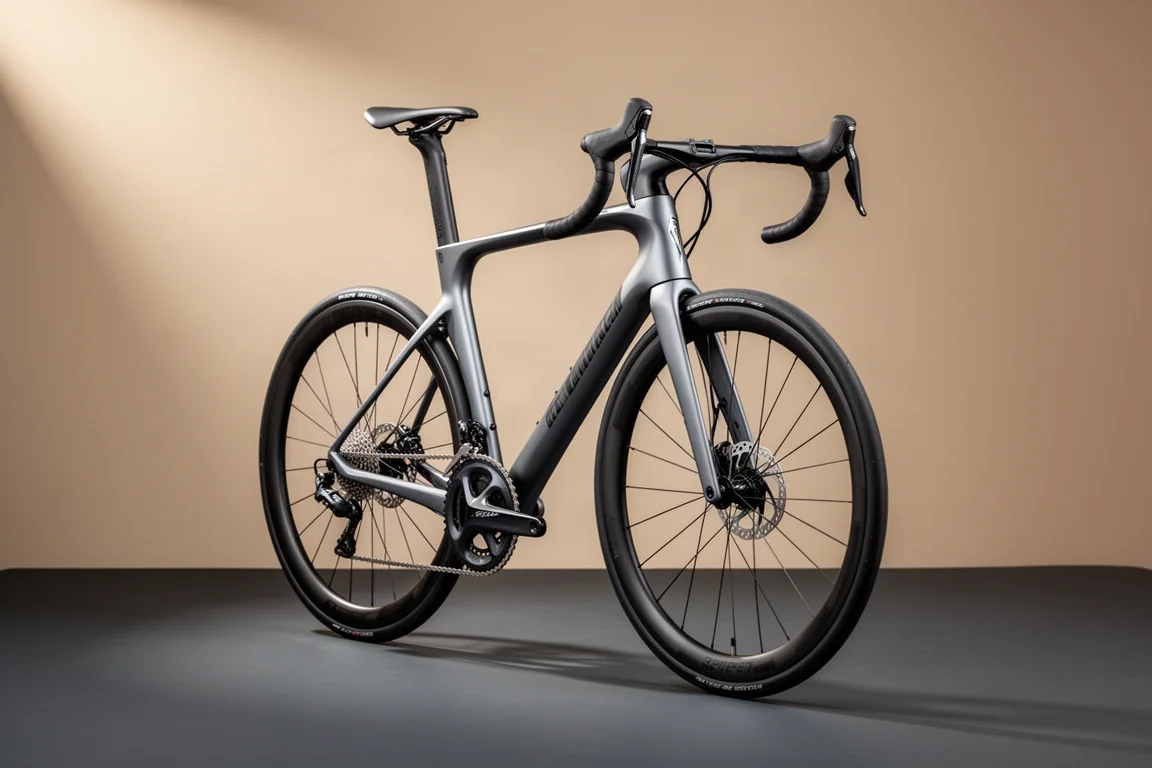
Two very different finishes have made this frame stand out. The first mixes rose gold and chrome, concentrated mainly on the rear of the bike, with the same effect carried onto the helmet and cockpit. A black base keeps the overall look restrained, and the rider’s name appears on the top tube.
The build also introduces new wheels from the brand’s in-house component line, with carbon spokes and polished hubs and a claimed 120 g saving over the standard version. A switch to lighter climbing wheels is expected once the route turns upward in the high mountains.
The second finish is a title-sponsor livery. When Red Bull joined the team, the resulting bikes arrived with one of the cleanest integrations of sponsor branding and frame paint seen in the peloton, matched by new helmets and kit.
Wilier Filante SLR: A Rainbow Watercolour Splash
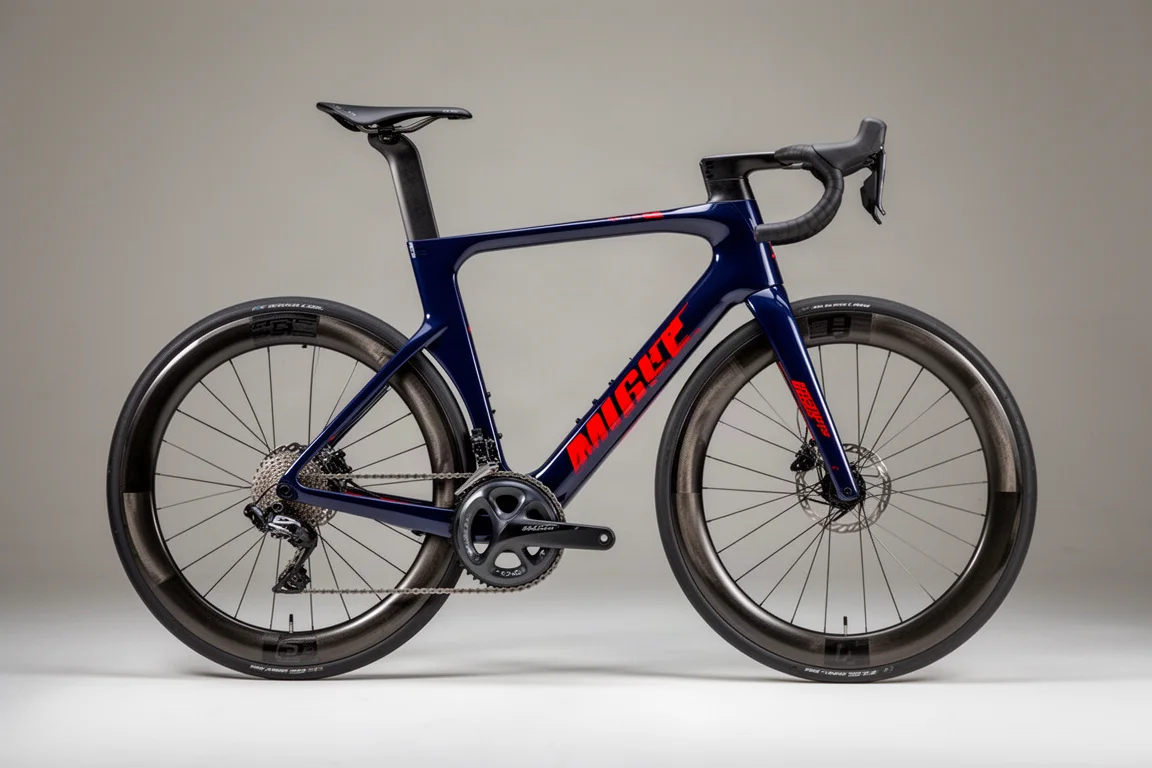
This one takes its cue from a world championship win. Rainbow watercolour splashes run across the cockpit, head tube, down tube, top tube and fork, producing a finish that is both loud and tasteful. It continues a run of striking paint from the same team and brand partnership.
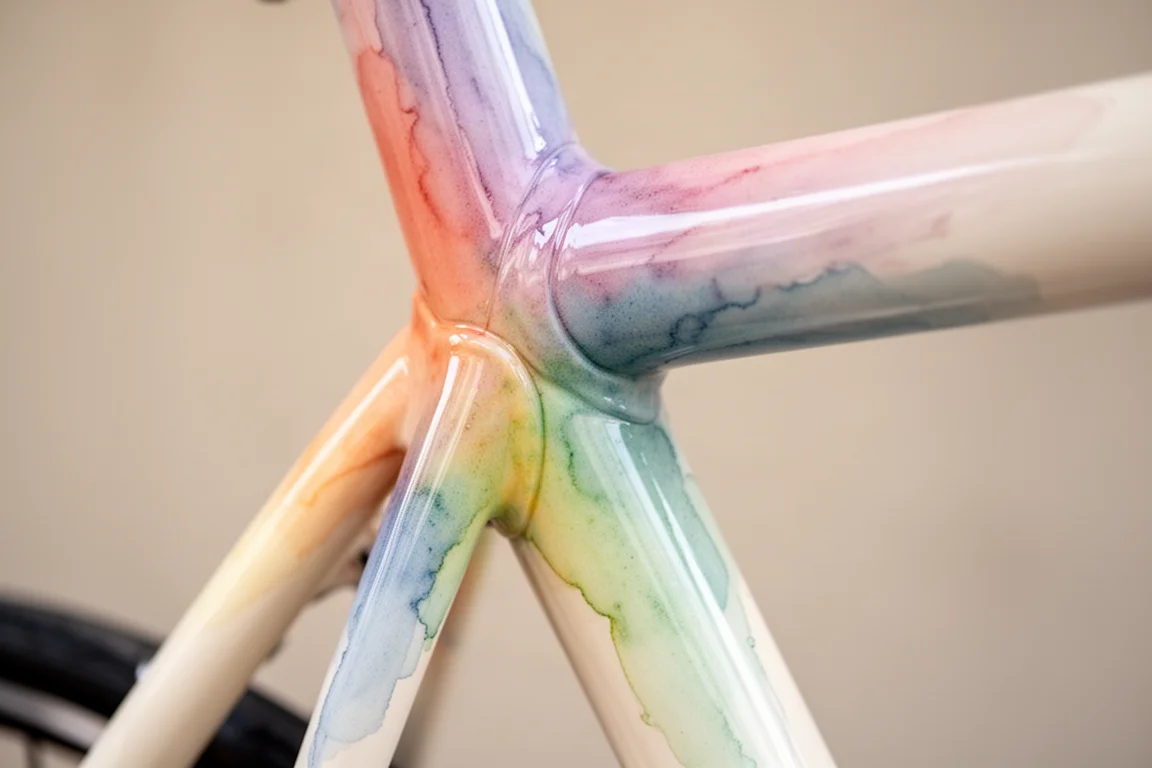
The paint is the headline, but the setting matters too. This bike will be ridden into the sprint stages of the race, which means plenty of chances to see how the finish reads in motion rather than in a static photograph.
For riders who want a frame that stands out in a group ride, this is the reference point on the list.
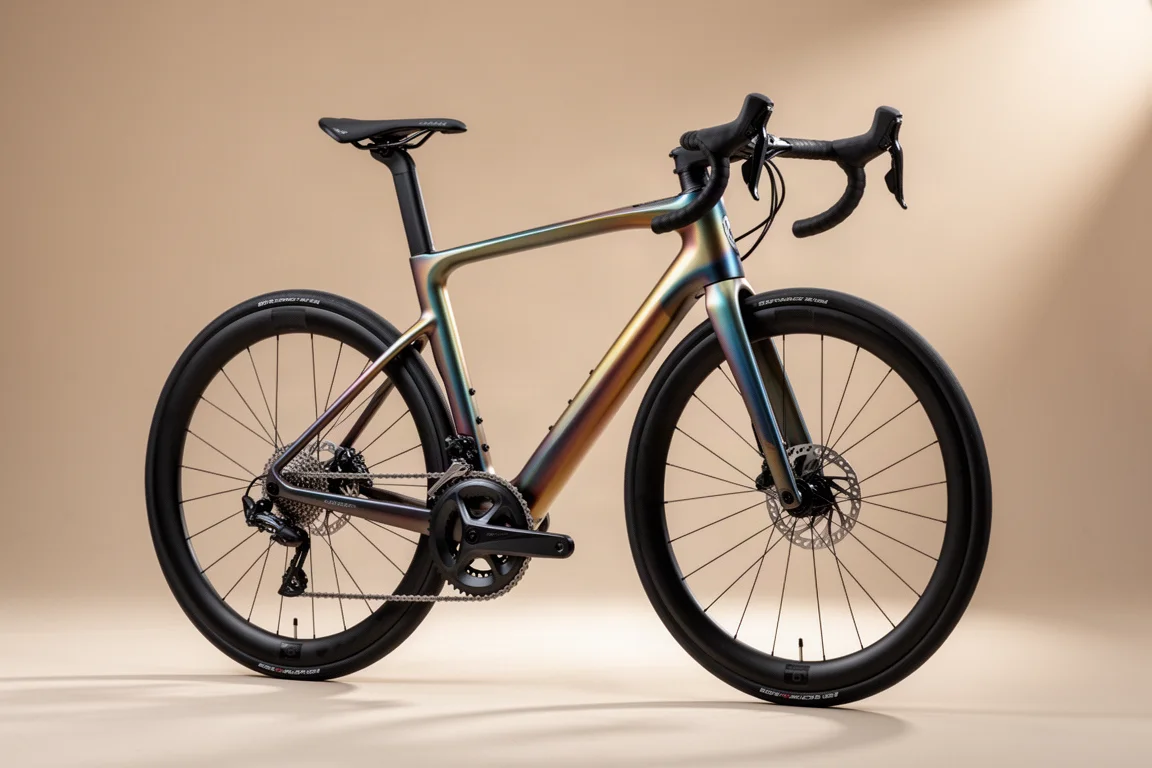
Wilier Verticale SLR: A New Lightweight Bike in Green
The Verticale SLR is the newest addition from the Italian brand, and its green colourway has been one of the easiest bikes to pick out in the peloton. The bold shade is a welcome change from the usual palette of black, white and red.
Because it is the brand’s new lightweight platform, it should look even more at home when the race reaches the mountains. Riders who prioritise climbing feel over outright aero efficiency will want to watch how it performs on the long ascents.
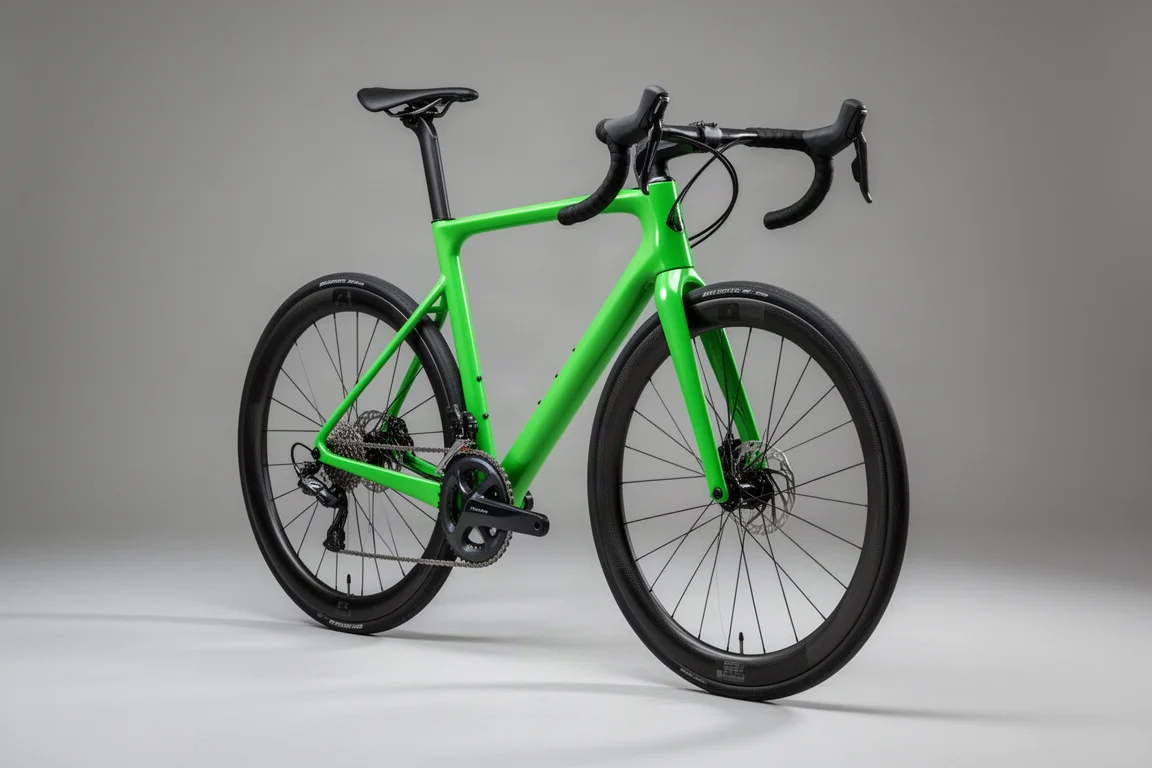
Canyon Aeroad: A Clean World Champion Colourway
The current world champion’s Aeroad carries a colour scheme that is deliberately understated: clean lines, restrained graphics and a finish that reads as classy rather than loud. It is a good reminder that a world championship livery does not have to shout to be noticed.
A new Aeroad is expected to appear before long, which makes this an interesting moment to look at the current platform. Either way, the existing bike remains a strong example of a modern aero race machine.
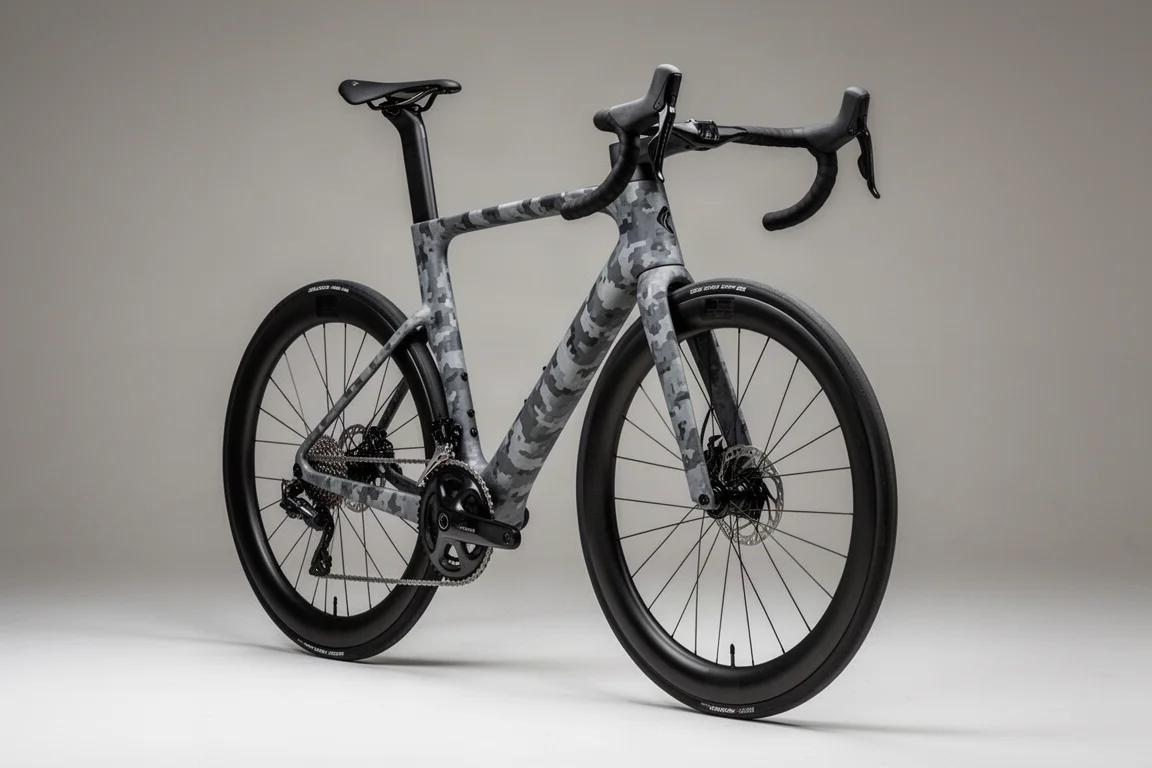
Van Rysel FCR Pro: Unique Water-Transfer Paint
This is a dedicated aero bike from a brand that still believes in keeping climbing and aero models separate rather than merging them into one do-everything frame. The frames used in the early stages carried a particularly attractive finish, applied with a water transfer method that makes each frame unique.
That detail matters if you dislike seeing an identical bike at every cafe stop. It also suggests a production version is not far away, since competition rules require raced equipment to be commercially available within 12 months.
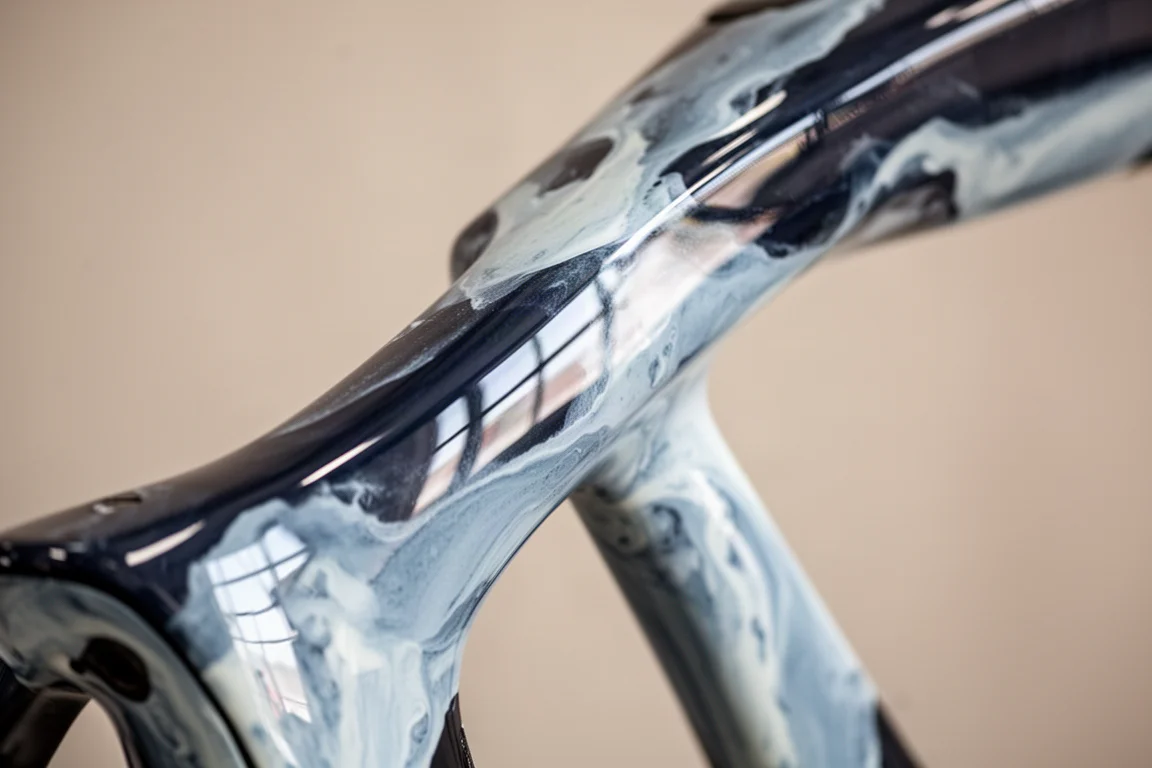
The bike has been used by the team’s leaders in the opening stages, which gives a useful indication of how the platform is intended to be ridden. For value-focused buyers, this is one to keep an eye on.
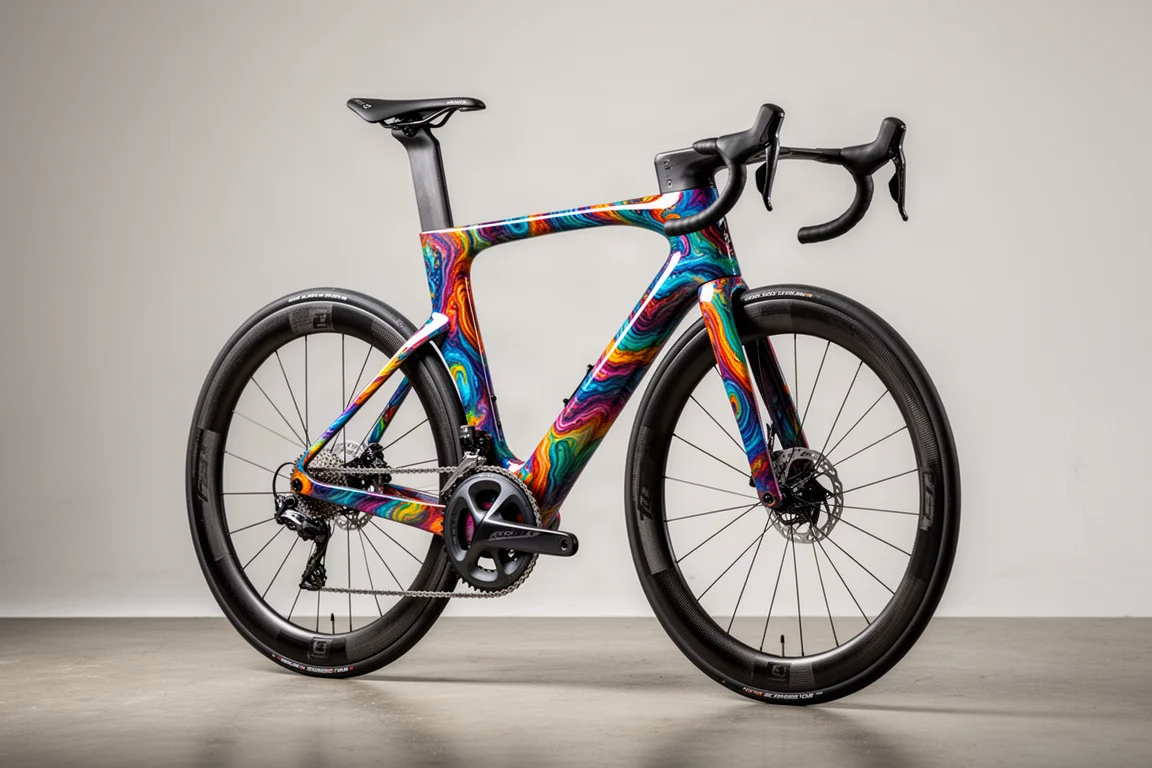
Factor Ostro VAM: Special Edition French-Inspired Framesets
A fleet of special edition framesets was delivered to one of the teams, with the design claimed to represent the artistic and cultural history of France as well as the evolution of the Ostro model.
The execution uses red and blue paint in a splatter pattern, with a holographic rainbow element placed over the top. It is a busy design, but it holds together, and it should be easy to spot whenever it appears in a breakaway.
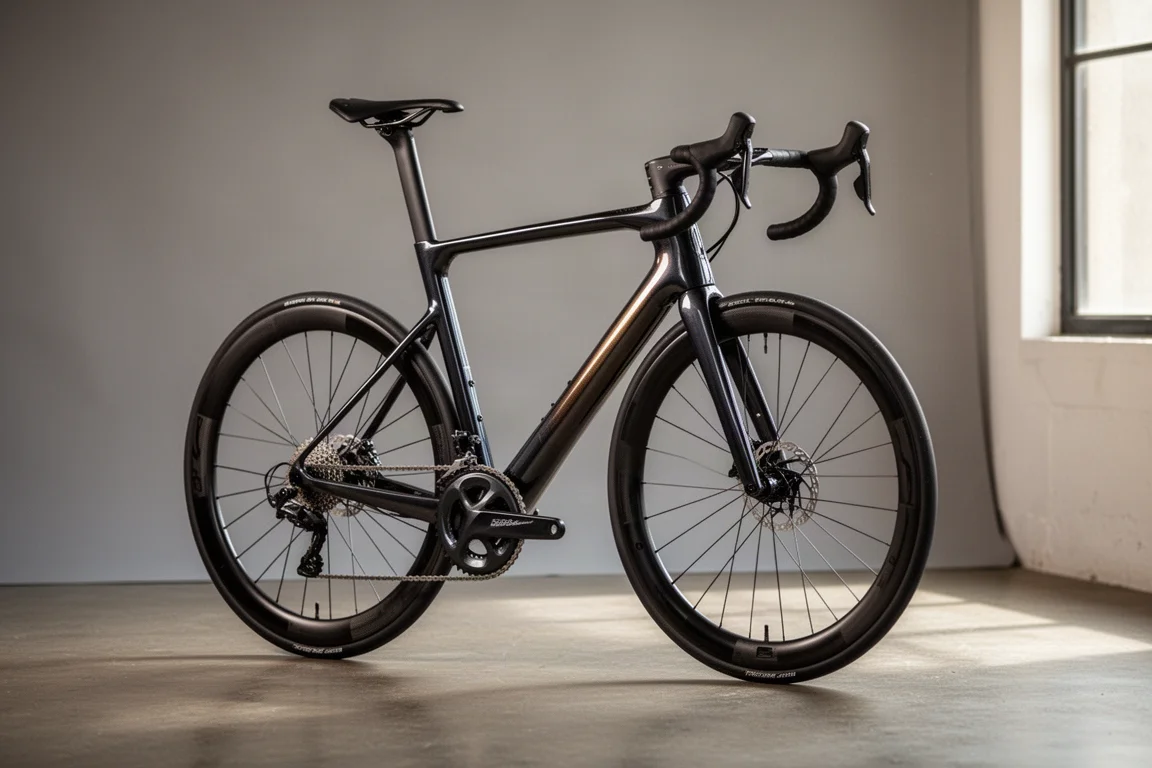
Trek Madone: The Newest Aero Platform
The newest Madone arrived in time for the race, and it is one of the most interesting platforms here simply because it is so new. The stock team colourway is a mixed bag, though: it fits the team’s branding, but it comes across as fairly basic next to the special editions elsewhere in the peloton.
What matters more is how the bike performs. As a lightweight aero machine, it is built for fast finishes, and it will be worth watching once the sprints arrive.
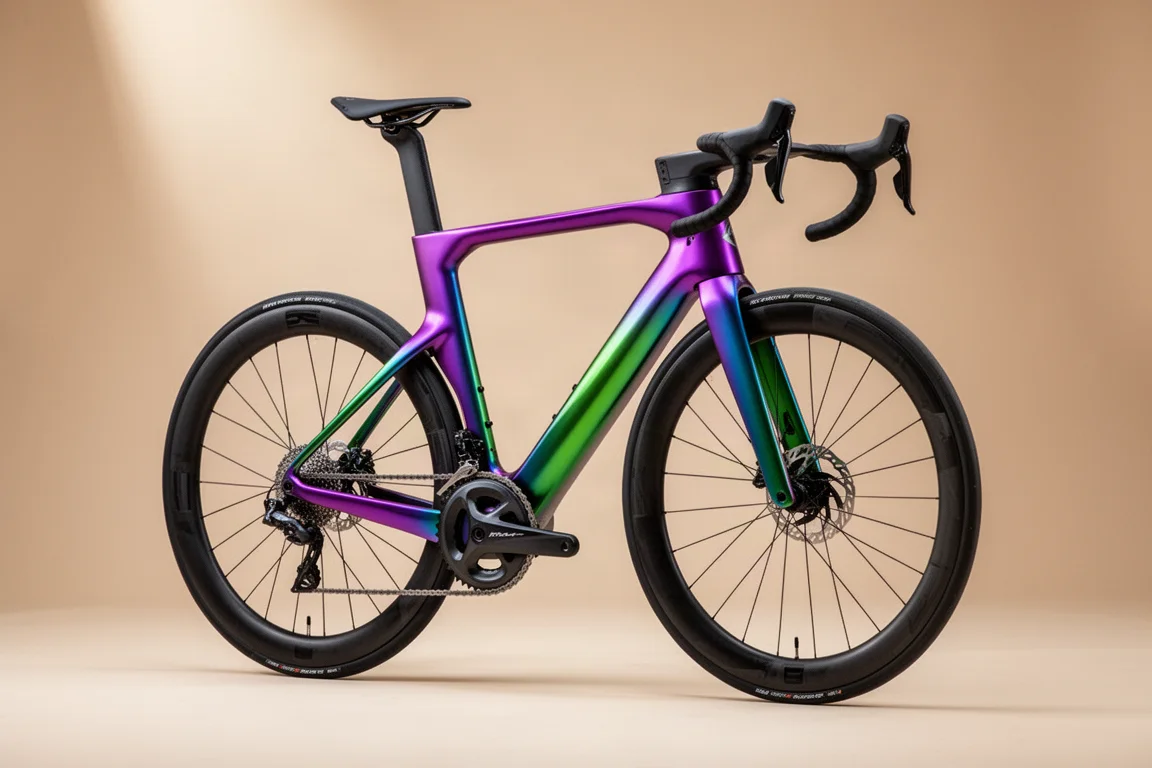
Buying Advice: Matching the Bike to the Ride
If you are shopping rather than spectating, start by deciding which of the two directions suits your riding. Aero platforms such as the Aeroad, the FCR Pro, the Ostro VAM and the Madone are built around flat speed and holding pace, while lightweight bikes such as the Verticale SLR and the Tarmac SL8 prioritise climbing.
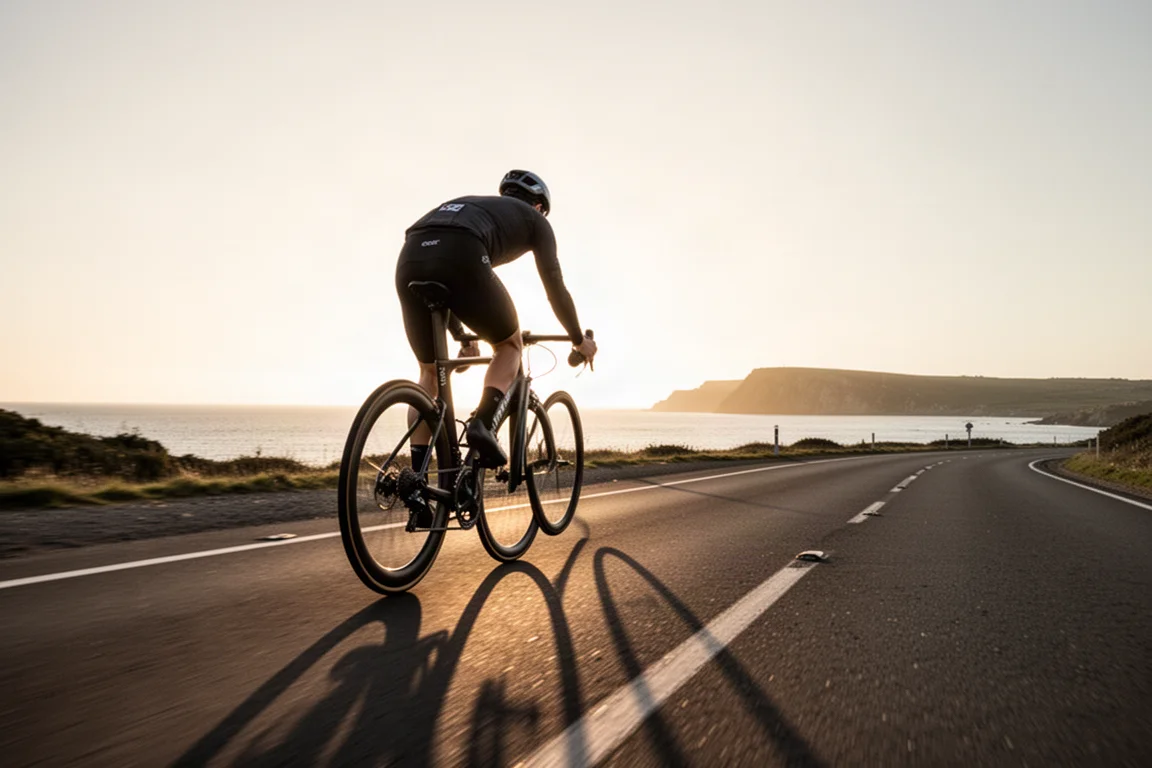
Paint should be a secondary consideration, but it is not irrelevant. Special editions and one-off presentation builds tend to be expensive and hard to find across a full size range, while team-issue colourways are usually easier to live with over several seasons.
Finally, keep the 12-month availability rule in mind. When a new frame shows up under a team, a production version is usually coming, so it can pay to wait for that rather than assuming the race bike you see is the bike you will be able to buy.
Conclusion
This year’s race produced an unusually strong set of paint schemes, from a gold-detailed presentation bike that will never be raced to rainbow watercolours, a clean title-sponsor livery and water-transfer finishes that make every frame slightly different. Underneath the graphics, these are all serious race platforms, split between aero speed and climbing weight.
If you are buying, the practical choice is between those two categories first and the colourway second. The most interesting finishes tend to be the hardest to find, while the team-issue bikes are the ones that will actually turn up in a shop.
Further reading
Related Reviews
Road Cycling
Best Road Bike Upgrades 2026: Clipless Pedals Compared and What to Change First
Two clipless pedal systems worth shortlisting for 2026, plus the lighter inner tubes, wheels, tires and saddles that genuinely change how a road bike rides.
Road Cycling
Best Road Bike Upgrades 2026: Five Pro-Level Picks Worth Buying
Five road cycling upgrades tested over months of hard riding, from a carbon-shell helmet and mixed-depth wheels to a tubeless race tire and a tight aero jersey.
Road Cycling
Continental GP 5000 STR and Canyon Endurace CF SL: A 100-Mile Build Review
A £277 carbon wheelset, Continental Grand Prix 5000 STR tires, and a Canyon Endurace CF SL: what 100 miles of mixed-surface riding revealed.