Road Cycling
Best Road Bike Upgrades 2026: Clipless Pedals Compared and What to Change First
Two clipless pedal systems worth shortlisting for 2026, plus the lighter inner tubes, wheels, tires and saddles that genuinely change how a road bike rides.
Introduction
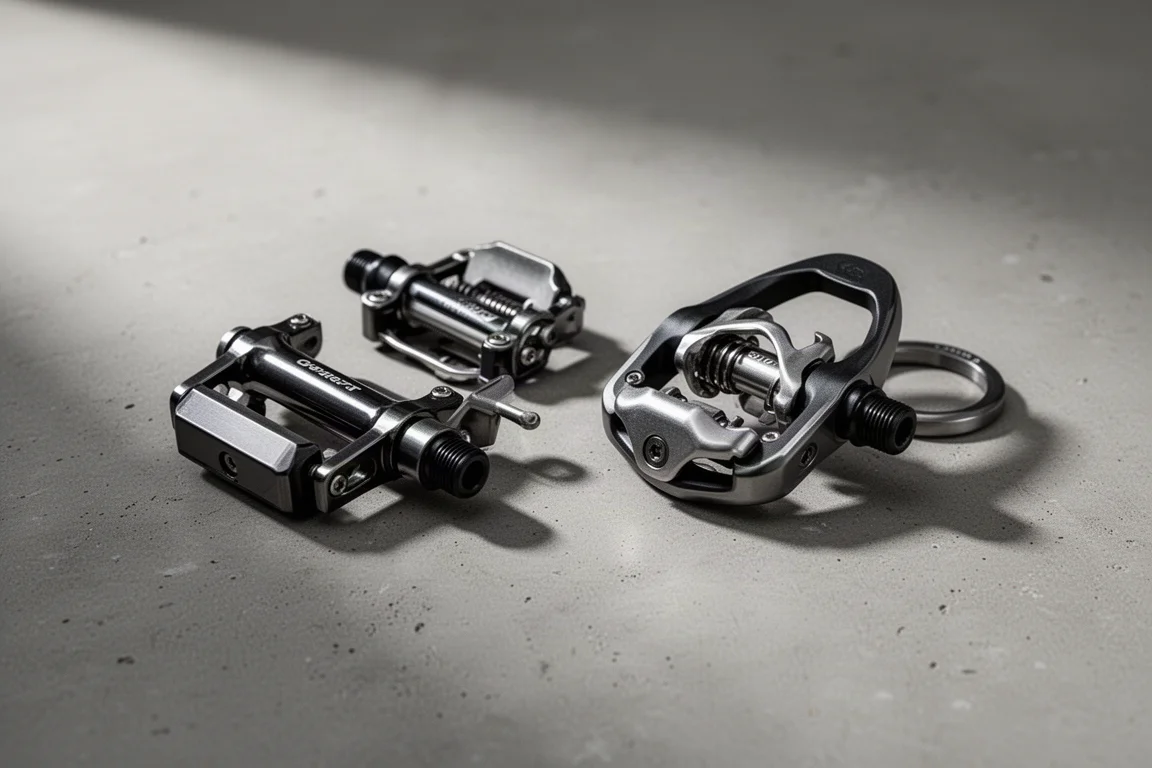
Upgrading a road bike does not have to mean replacing it. The changes that make the biggest difference are usually the ones closest to the ground and closest to your body: lighter rotating parts, tires that roll better, a saddle that suits you, and a firm, efficient connection between your feet and the pedals.
Clipless pedals are often the last upgrade new riders make and the one they hesitate over most. They take a little getting used to, but the payoff is a foot that stays in the optimum position over the pedal axle instead of sliding around on a flat platform.
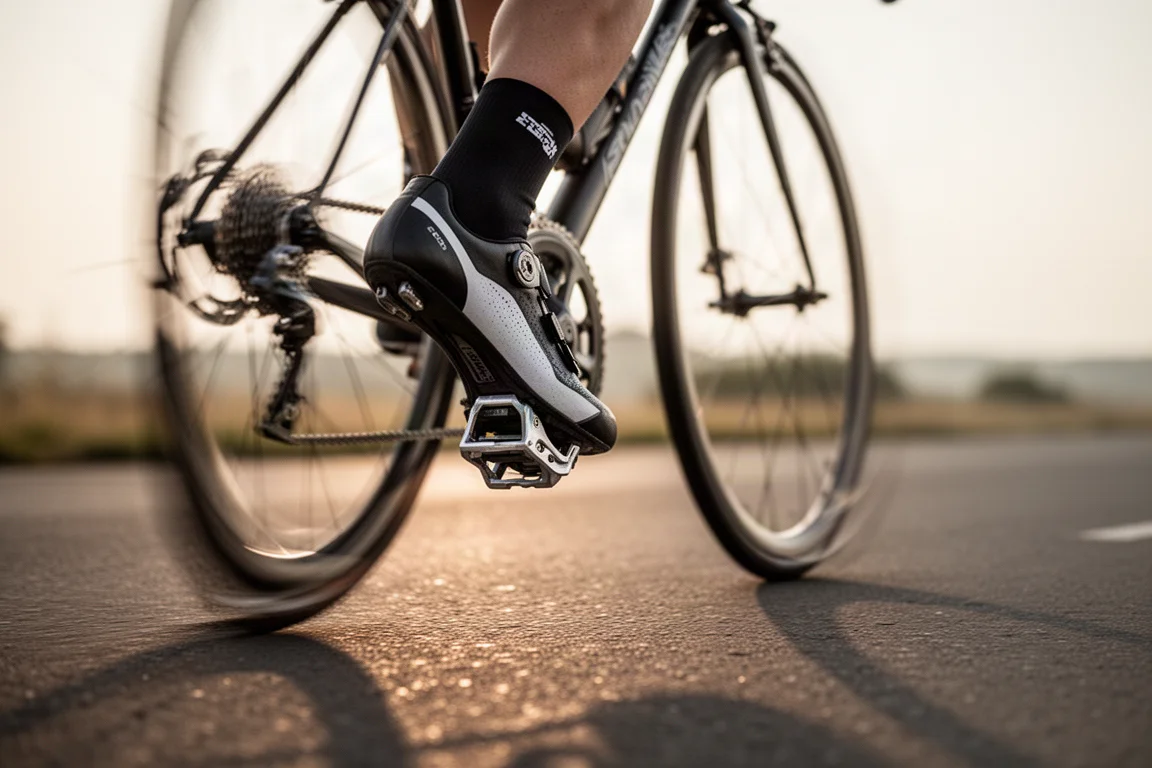
This guide looks at two clipless pedal systems worth shortlisting for 2026, then covers the other changes that deliver real weight savings, lower rolling resistance, and more comfort. None of them require a second mortgage.
What Makes a Worthwhile Road Bike Upgrade
The upgrades that matter tend to work on one of three things: weight, speed, or comfort.
Weight savings are most valuable on parts that rotate and on parts you lift again and again on a climb. Speed comes from reduced rolling resistance and better aerodynamics. Comfort is what keeps you riding long distances rather than cutting a weekend ride short.
The encouraging part is that the biggest gains are not always the most expensive ones. A new set of tires or a lighter inner tube costs far less than a new bike and changes the ride noticeably. Carbon wheels cost more, but they are more accessible and more popular than they have ever been.
Shimano 105 Pedals: The Best Value Clipless Option
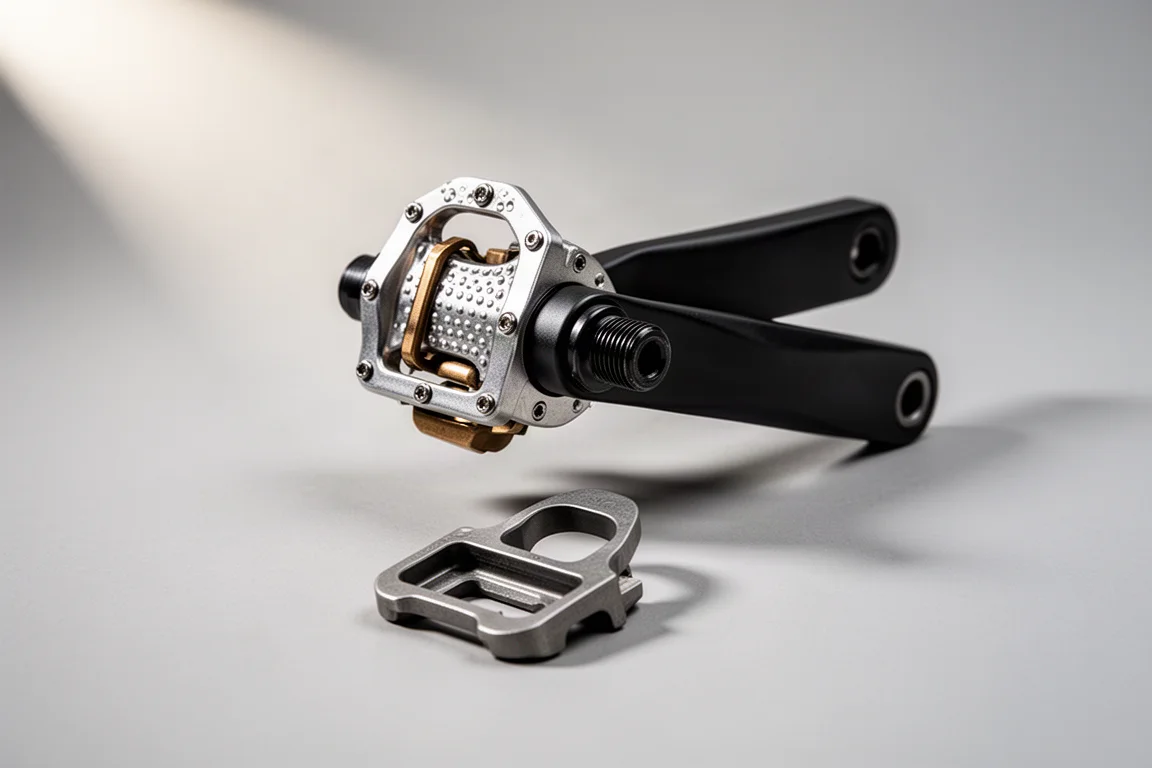
Clipless pedals are named for what they lack: the old-fashioned toe clips and straps. Instead, a mechanism on the pedal engages with a cleat bolted to the sole of a cycling shoe, holding your foot securely in the optimum position over the pedal axle.
The Shimano 105 is described as probably the best value option on the market, and Shimano’s system is generally the easiest to get on with and the cheapest to buy. Tension in the release mechanism can be adjusted to make clipping out easier or firmer, so you can tune it to your confidence level while you learn.
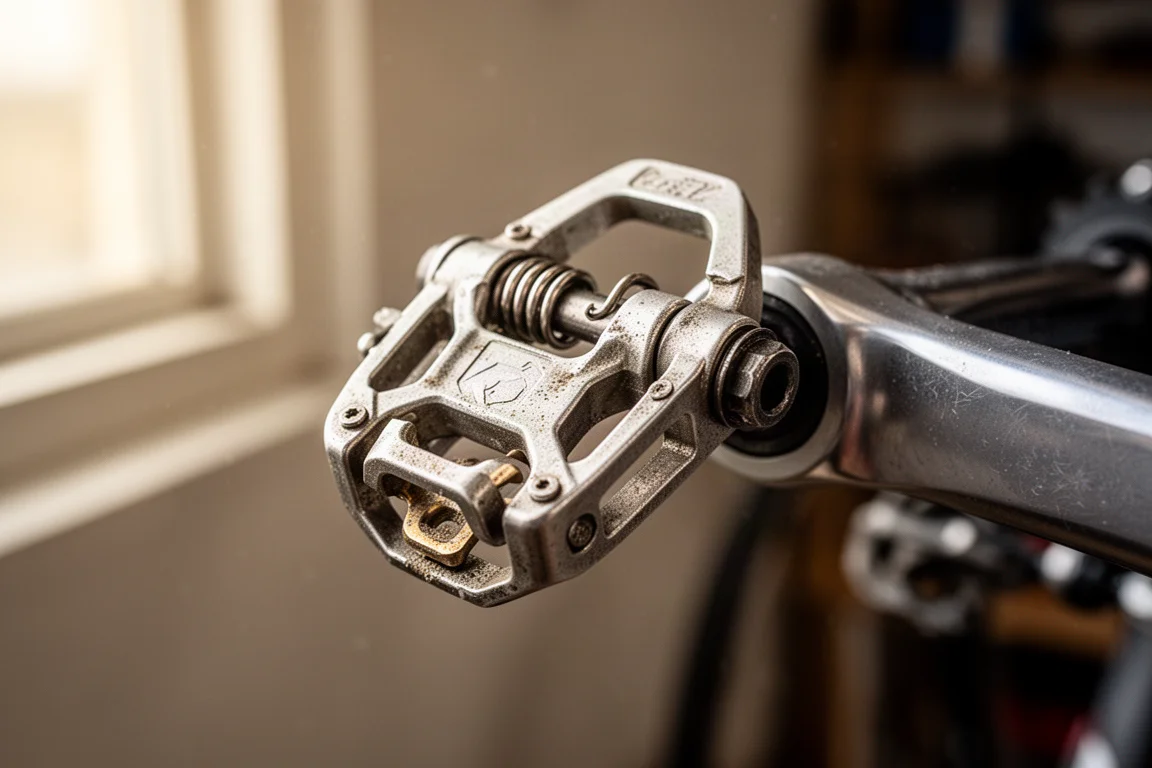
If you are making your first move to clipless pedals and want a straightforward, well-proven setup, this is the sensible starting point. Expect a short learning curve before clipping in and out becomes automatic.
Wahoo Speedplay Pedals: Plenty of Float and Adjustment
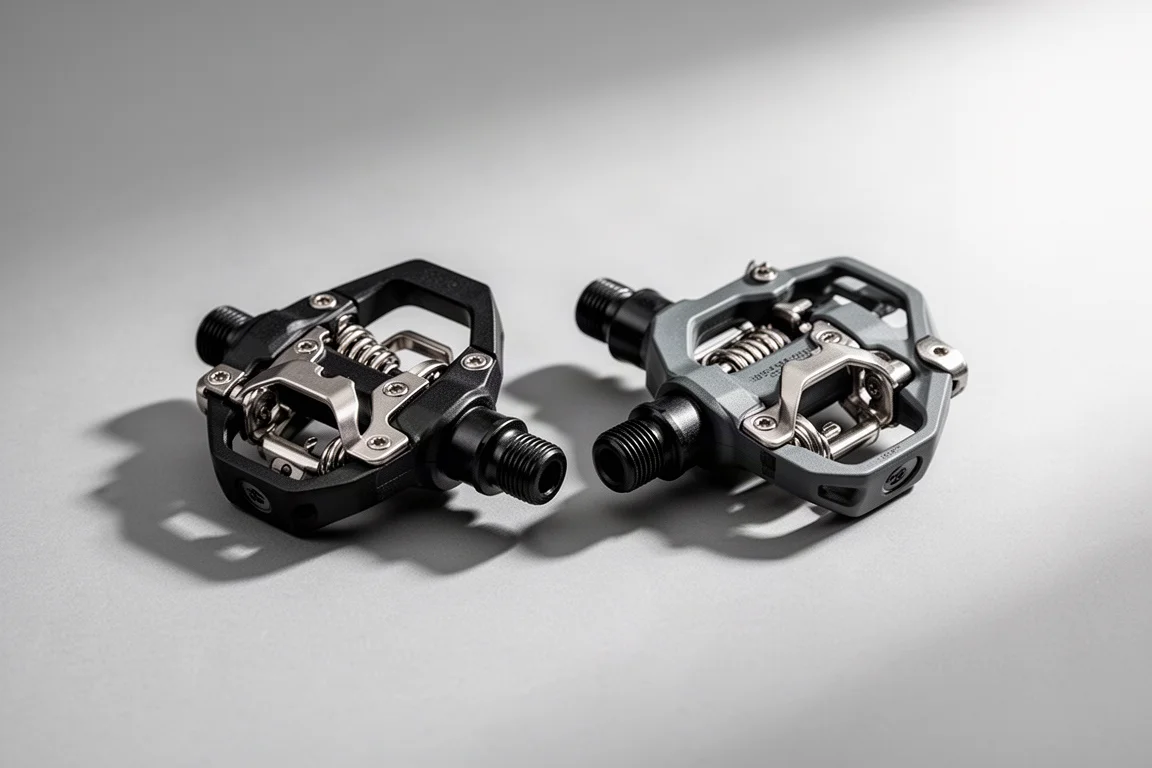
Wahoo Speedplay pedals use their own matching cleat mechanism and are a strong personal preference for riders who want more freedom of movement. The design offers plenty of float, which means your foot can move from side to side rather than being locked rigidly in one position. There is plenty of adjustment in the mechanism tension as well.
Whichever system you choose, they work in a similar way, so the decision comes down to feel, familiarity, and how much side-to-side movement you want from your foot.
For riders who dislike the sensation of being locked rigidly in place, the extra float is the main attraction. Take a little time to set your cleat position before the first long ride, then adjust the mechanism tension to suit.
Other Road Bike Upgrades Worth Considering
Lighter TPU Inner Tubes
Many new road bikes ship with standard inner tubes that can be swapped for lightweight TPU tubes. They are considerably lighter and improve rolling resistance at the same time, so you save weight and go faster.
Look for a metal valve rather than a plastic one. Plastic valves save a little weight but can be less reliable, while a metal valve is more durable, lasts longer, and is easier to fit a pump onto. TPU tubes are also excellent spares in a jersey pocket or saddle bag, and they are available in a range of colors from several brands. Even inexpensive options perform well.
Carbon Wheels
Carbon fiber wheels are more accessible and more popular than ever before. They save weight over metal rims and are more aerodynamic because of the way the rim is shaped, which helps on the climbs and on the flat.
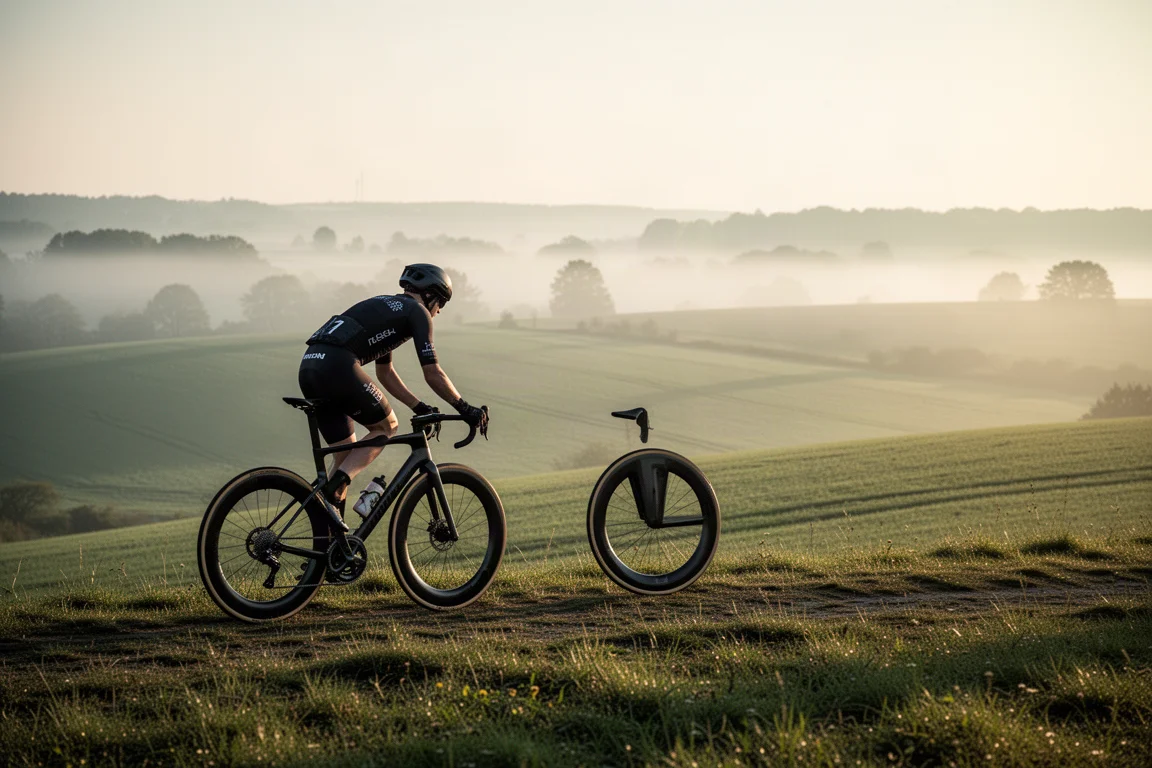
You do not have to spend a fortune. A pair costing around £250 performed well and were still going strong two years later. The choice comes down to terrain: super-light sub-1kg wheels with a shallow, low-profile rim suit riders who spend their time in the mountains, while a deep-section rim maximizes aerodynamic gains on flat roads.
Tires Make the Biggest Difference
Tires influence how a bike rides more than almost anything else, which is why they are worth upgrading on a cheap entry-level bike and on a superbike alike. Entry-level tires are often heavy, with a thick tread design and a steel bead chosen for price rather than performance. A more expensive tire, and it does not have to be a big expense, uses a folding Kevlar bead and thinner, higher-quality materials, so it weighs a lot less.
Rolling resistance and rubber compound also change how fast the bike feels, and a wider tire with more volume improves comfort. Fit the widest tire your frame and the manufacturer allow.
Saddle Comfort
Saddle discomfort is a common problem for new road riders, and if your weekend rides are uncomfortable, a new saddle is money well spent. Shapes, widths, lengths, materials, and construction vary widely, and prices run from around £30 up to £300.
A 3D printed upper is a notable step up in comfort over traditional foam, although top-end versions can cost around £300. Cheaper 3D printed saddles exist, including one around £40 with a supportive 3D printed upper, carbon rails, and a lightweight carbon base.
Float, Tension, and Cleat Systems Explained
Clipless pedal systems differ in the details, but the principle is the same. A cleat on the sole of the shoe engages with a mechanism on the pedal and holds the foot in the optimum position over the axle.
Float describes how much your foot can move from side to side while engaged. More float means more freedom, while less float means a more fixed position. Tension adjustment controls how firmly the mechanism holds the cleat, which changes how easy or hard it is to release.
There are different systems on the market and each uses its own cleat, so the pedal and the cleat have to match. There is a learning curve with any of them, but it is a short one and not a reason to avoid clipless pedals.
Buying Advice: Matching Pedals to Your Riding
Both systems work for most riders, so the practical questions are how much side-to-side movement you want and how much you want to spend. Shimano is generally the easiest to get on with and the cheapest to buy, which makes it the natural first choice. Wahoo Speedplay suits riders who prefer more float and a foot position that is not locked rigidly in place.
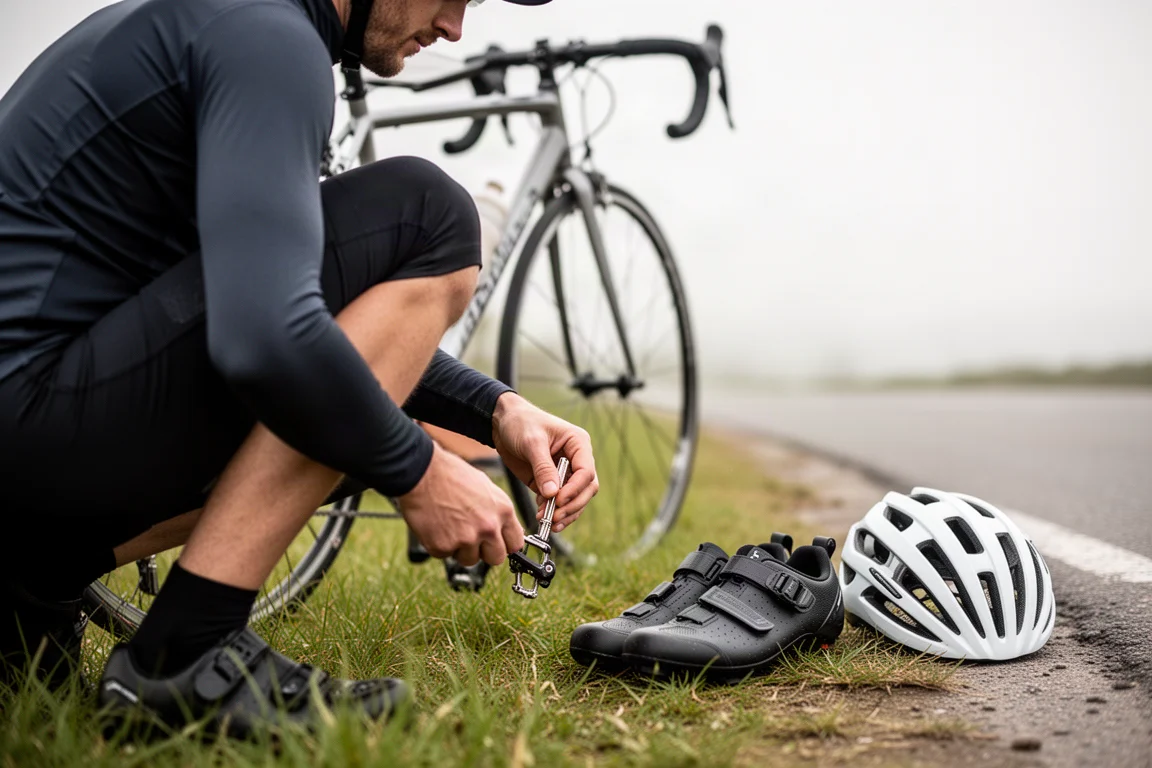
Whichever pedals you choose, the shoes matter just as much. A cycling shoe has a stiff carbon or nylon sole that transfers your power into the pedals instead of flexing and wasting it. Trainers are designed for running, not cycling, and offer no support under the foot. Good cycling shoes also have a ventilated upper, a supportive fit, and shaped soles that support the foot on long rides.
Budget around £100 for a pair of shoes and pedals and you have a solid setup. That is not a bad amount to invest in your road cycling, particularly if you have sportives, gran fondos, or road racing in your plans.
View more details for Shimano 105 Pedals
Shimano 105 is the straightforward starting point if you want the cheapest route into clipless pedals and the system that is easiest to get on with.
View more details for Wahoo Speedplay Pedals
Wahoo Speedplay is the pick if plenty of float and side-to-side foot movement matter more to you than price.
Conclusion
Road bike upgrades do not have to be expensive or complicated. Lighter TPU inner tubes, better tires, a saddle that fits, and carbon wheels where the budget allows will all change how the bike feels. Clipless pedals and shoes complete the picture by putting your power through a stiff sole and a secure connection to the pedal.
Shimano 105 remains the value option and the easiest introduction to clipless riding, while Wahoo Speedplay is the choice for riders who want more float. Either way, the learning curve is short and the payoff is worth it.
Further reading
Related Reviews
Road Cycling
Best Looking Tour de France Bikes: Eight Race Machines and Their Paint Schemes
A closer look at eight Tour de France race bikes, from a gold-detailed presentation build to rainbow watercolours, water-transfer finishes and a clean title-sponsor livery.
Road Cycling
Best Road Bike Upgrades 2026: Five Pro-Level Picks Worth Buying
Five road cycling upgrades tested over months of hard riding, from a carbon-shell helmet and mixed-depth wheels to a tubeless race tire and a tight aero jersey.
Road Cycling
Continental GP 5000 STR and Canyon Endurace CF SL: A 100-Mile Build Review
A £277 carbon wheelset, Continental Grand Prix 5000 STR tires, and a Canyon Endurace CF SL: what 100 miles of mixed-surface riding revealed.