Road Cycling
Best Road Bike Upgrades 2026: Five Pro-Level Picks Worth Buying
Five road cycling upgrades tested over months of hard riding, from a carbon-shell helmet and mixed-depth wheels to a tubeless race tire and a tight aero jersey.
Introduction
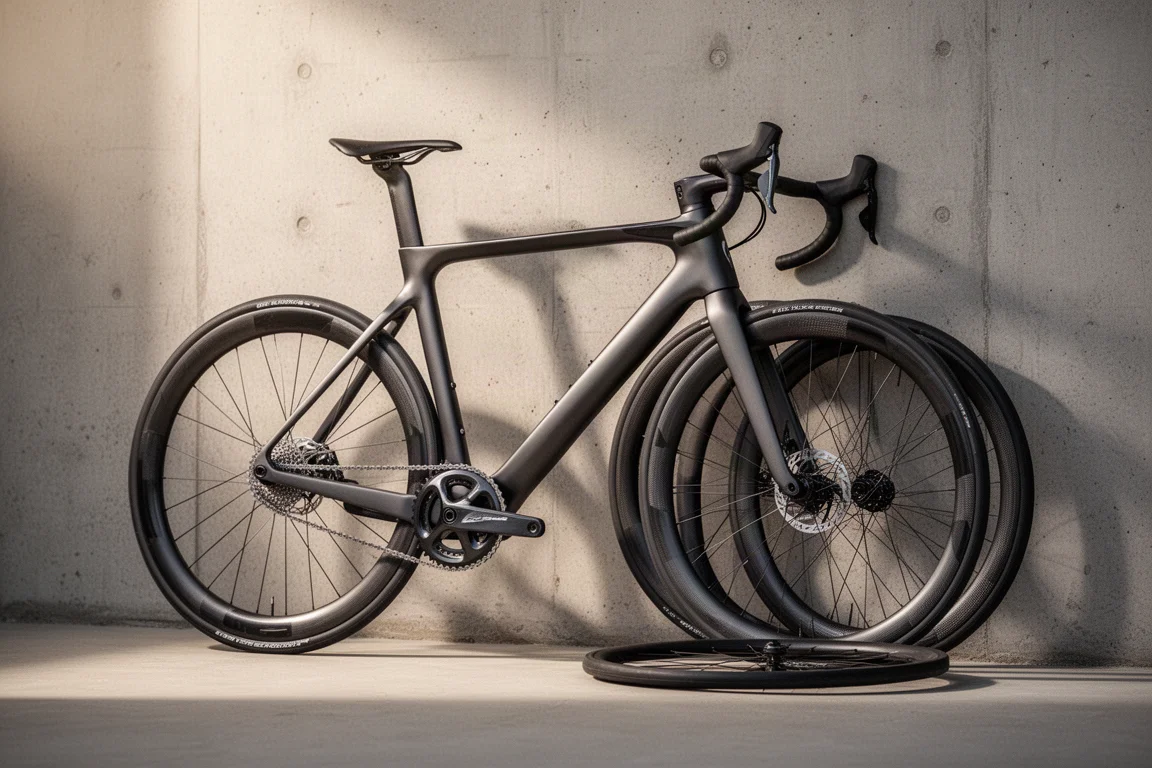
Some upgrades make a road bike feel like a completely different machine, and the five products here are the ones that earned a permanent place on the test bikes this season. The list runs from a carbon-shell helmet at the very top of the price ladder to a tubeless tire that has quietly become a race-day default, with customizable sunglasses, a mixed-depth carbon wheelset and a tight-fitting aero jersey in between.
Each item was ridden for months rather than a single afternoon, on fast chain gangs, long climbs and wet cobbles, so the notes below reflect how they hold up once the novelty wears off and the maintenance starts.
How We Evaluated These Upgrades
Every product was used for several months across a range of road bikes, from an all-round race frame to a modern endurance machine. The priorities were straightforward: comfort over long distances, performance where it actually matters, durability in bad weather, and whether the price makes sense next to cheaper options that do the same job.
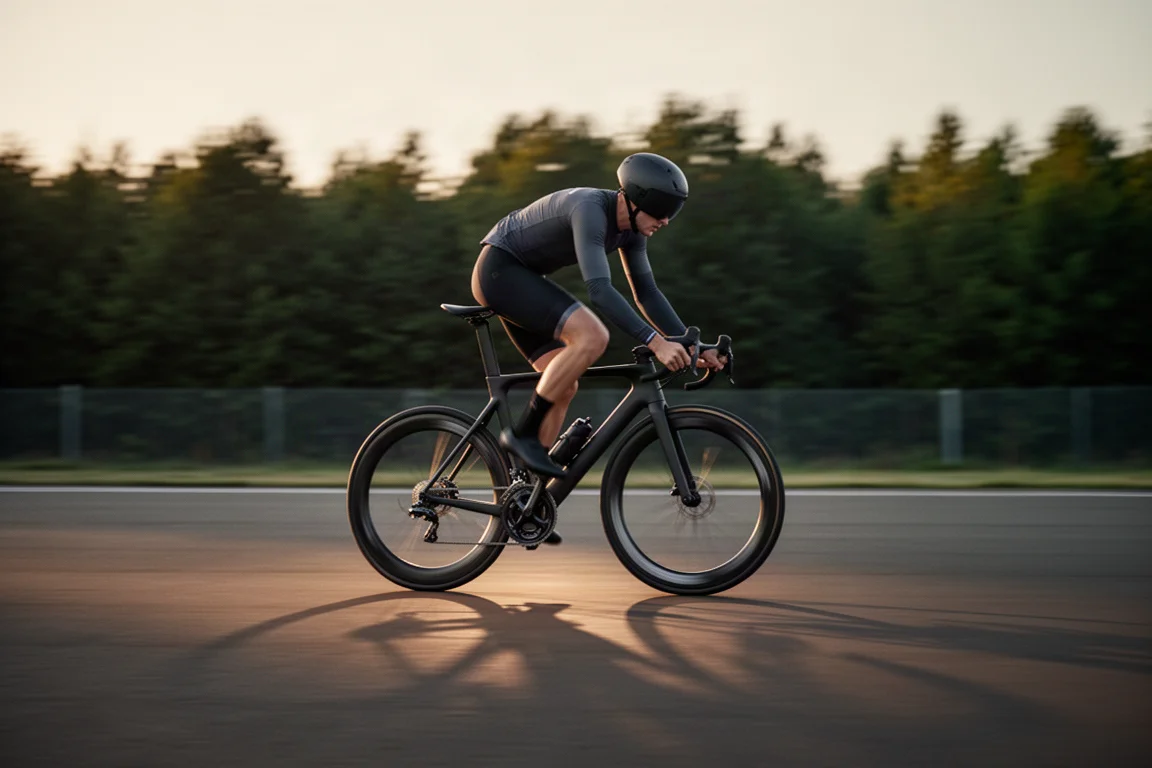
Fit and finish were checked repeatedly rather than once, because the small details such as strap hardware, hinge stiffness and spoke tension are what separate a product that lasts from one that disappoints after a season. Anything that could not be confirmed in real riding conditions was left out of the assessment.
Casco Elemento: The Carbon-Shell Helmet
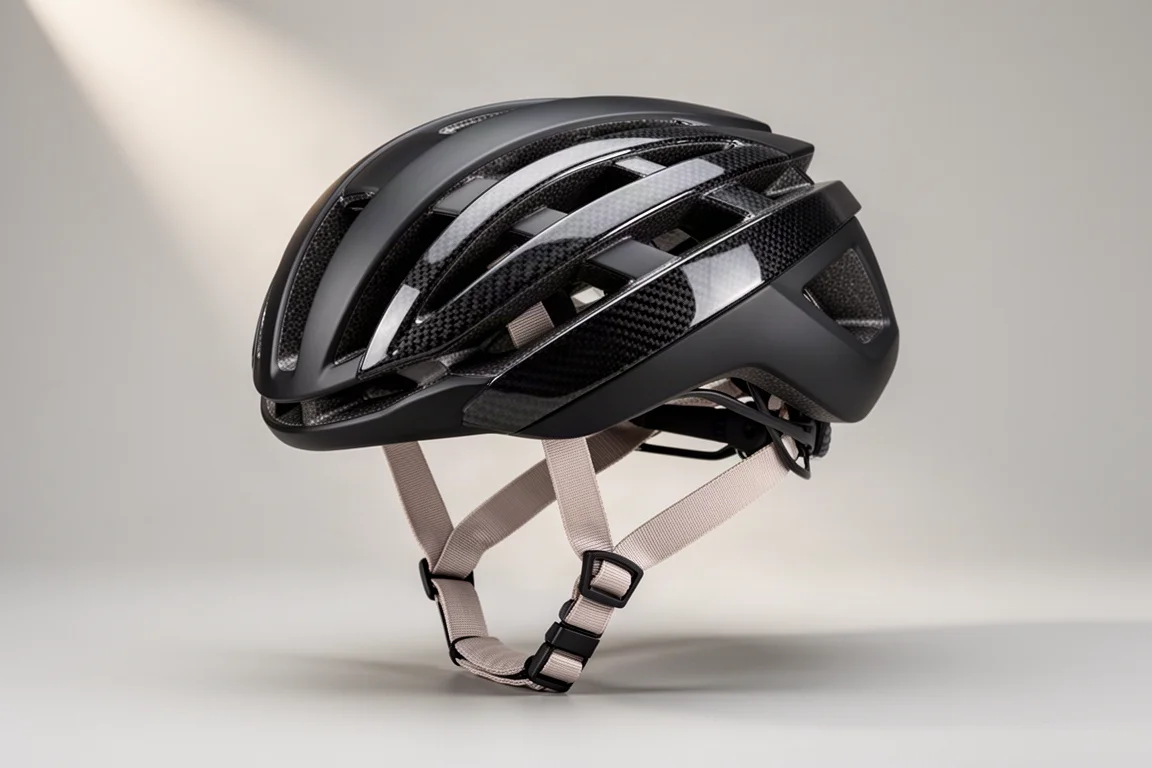
The Elemento carries a price tag of around 335 pounds, which makes it the most expensive helmet in this roundup by a wide margin. The cost is visible on the outside, where carbon panels run across the middle, down to the back and along the sides. Those panels are not just cosmetic; they are there to boost impact protection, and the helmet earns a five-star rating in the independent Virginia Tech helmet test.
The real payoff shows up inside. The carbon structure allows much larger internal channels, and those channels move a noticeable amount of air over the head when the temperature climbs. For a semi-aero helmet, ventilation is genuinely good, although it does not match the airiest open-road designs.
Comfort is where the Elemento separates itself. The 3D-produced padding is soft and squishy, and combined with a large retention cradle it creates a helmet that seems to disappear on the head, with no pinch points or pressure hotspots. That padding also serves a safety purpose by reducing rotational impact, the brand’s own approach to rotational protection rather than a licensed system.
The retention cradle offers plenty of range and can be adjusted on the fly with a dial. Straps are light and use a simple buckle rather than a magnetic one. The one weak spot is the large brow pad, which does not hold sweat as well as it could during hard efforts, and a few drips reached the forehead in hot conditions.
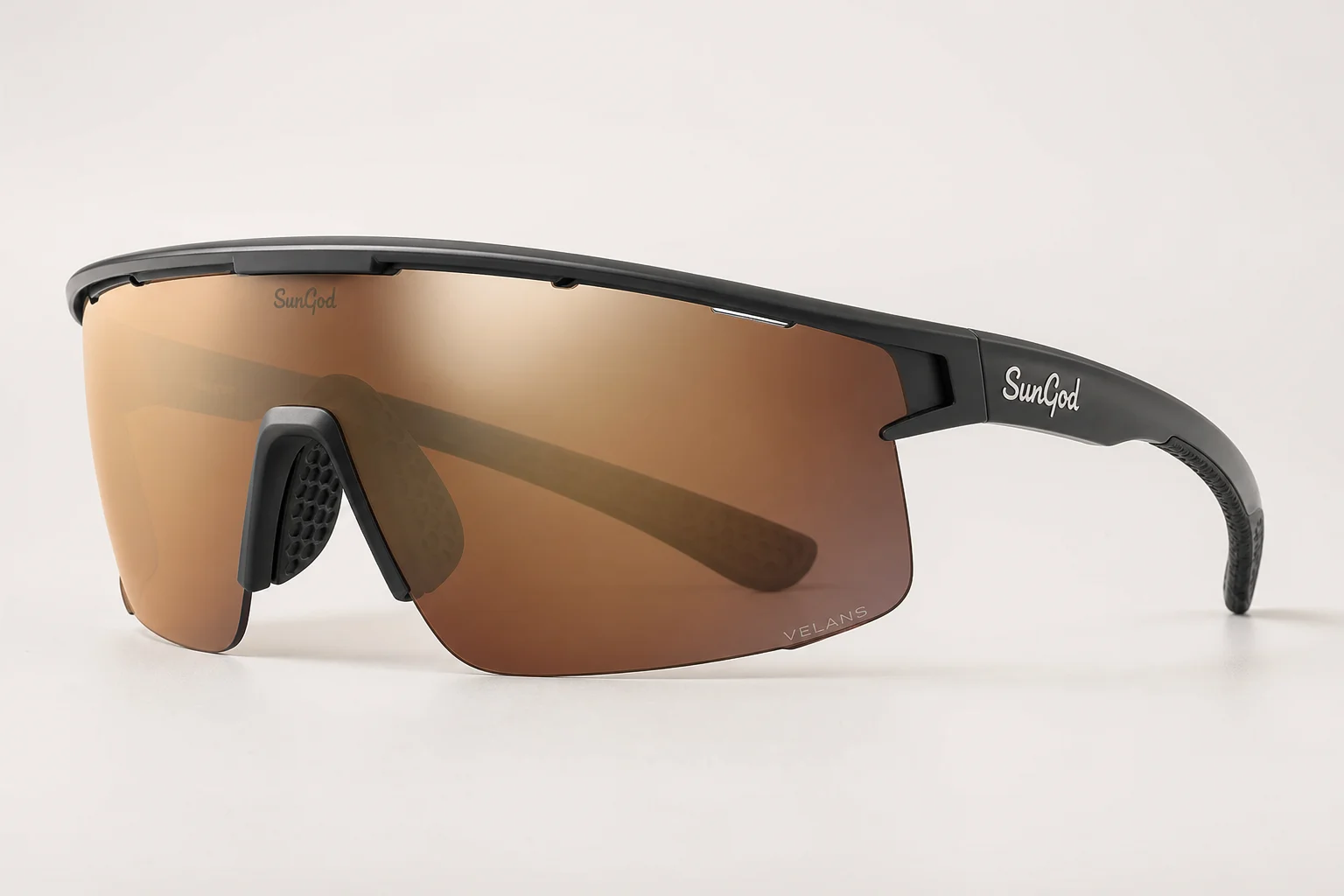
SunGod Velans: Customizable Half-Frame Shades
The Velans is a half-frame design that is light on the face and easy to live with. The tall frame shape sits close to well-known oversized cycling glasses, and the gap between the nose piece and the top of the frame keeps vision clear when the head is down in the drops.
Fit can be tuned with four different nose pieces, and the slim arms use a grippy material that holds them in place. They worked without interference alongside helmets from several major brands, so the retention system stays exactly where it should.
The buying process is a big part of the appeal. Frame design, colour combinations and lens options can all be customized, and the lens range covers plenty of shades. The iris blue lens used here performs well in low light and adapts to changing light levels, which suits riding in and out of tree cover on both road and gravel. Clarity is good and the lenses have stayed scratch-free.
At around 150 pounds, the Velans sit in the same bracket as the dominant premium eyewear options. The hinges feel slightly stiffer and less slick than the market leader, and the frames are still plastic at the end of the day, but durability has been solid and the brand’s sustainability push may matter to some buyers.
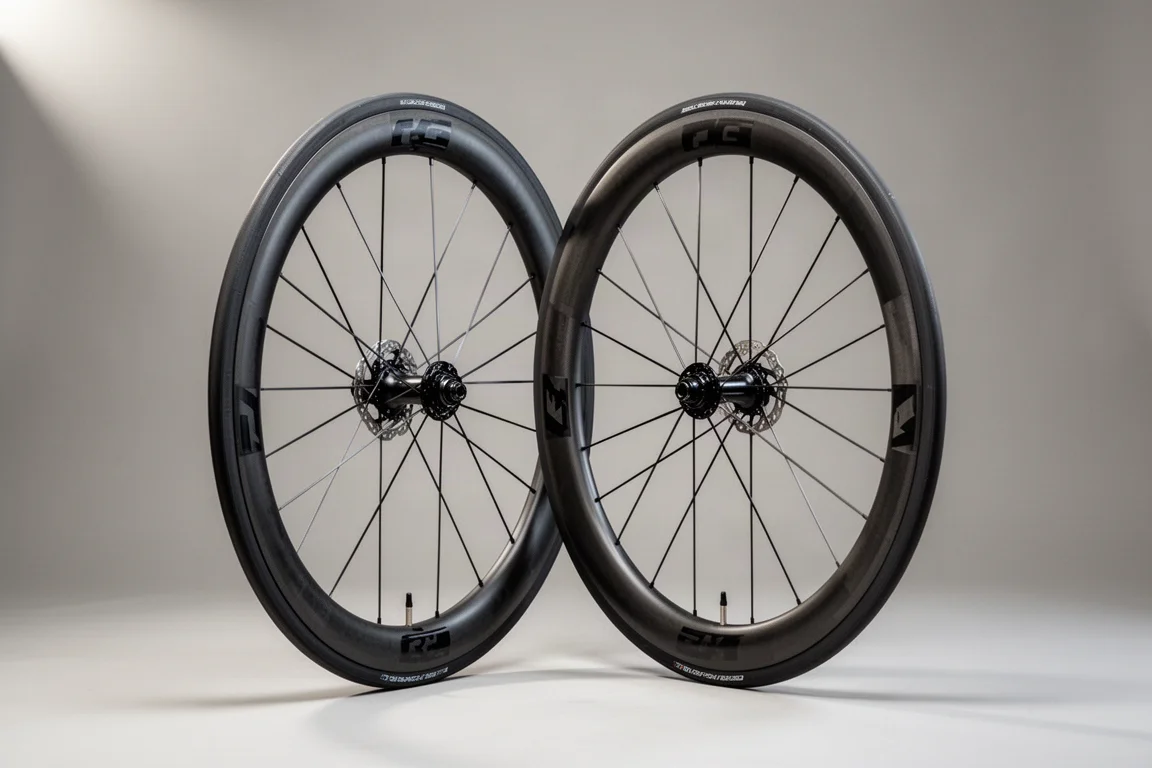
ENVE SES 4.5: Mixed-Depth Carbon Wheels
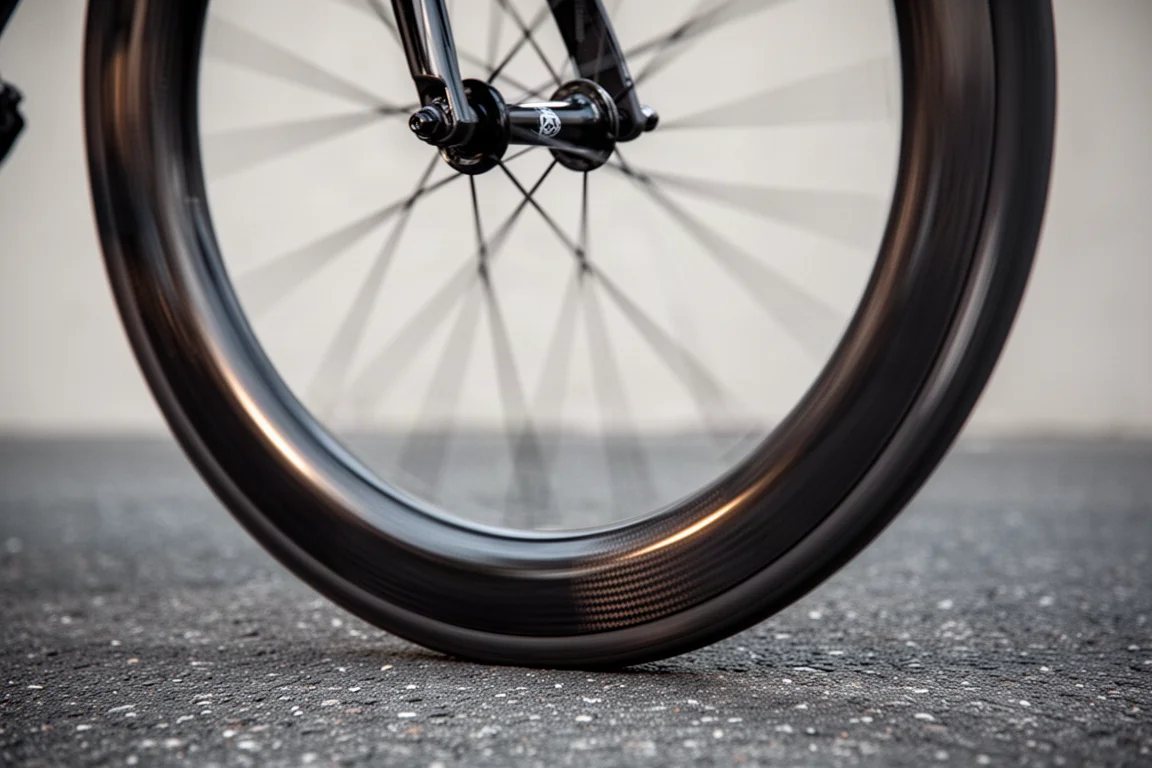
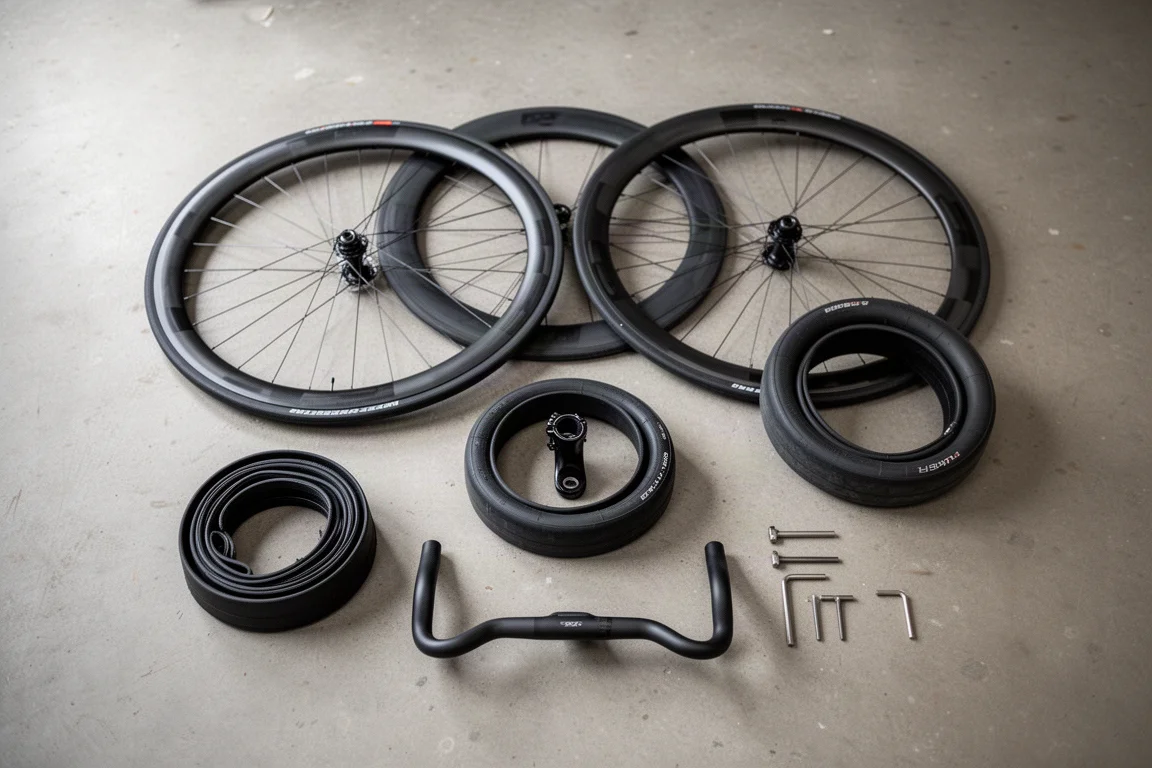
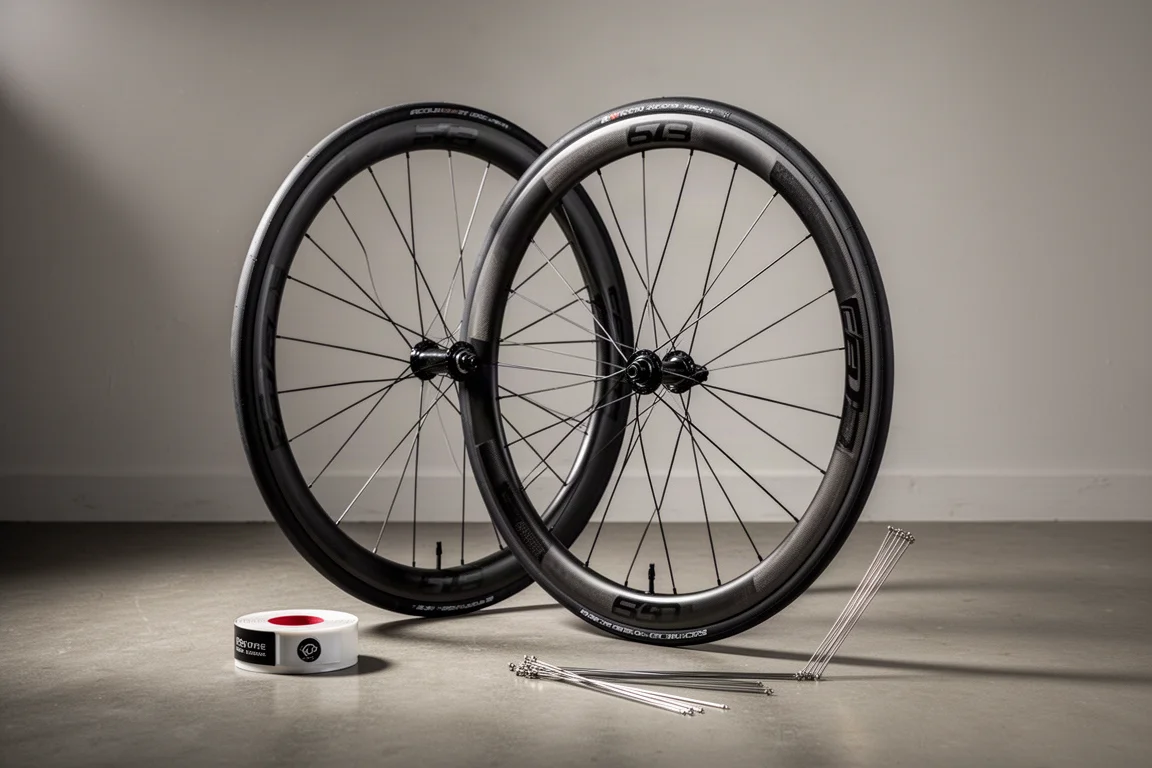
The SES 4.5 uses a mixed-depth rim pairing, with 55mm at the rear and 49mm at the front, and a wide 25mm internal width that suits modern fatter tires. They are tubeless only with a hookless bead, a setup that worries some riders, but there are plenty of compatible tires available now and installation has been straightforward with an ordinary track pump.
After four to five months on a range of bikes, including an all-round race frame and a modern endurance machine, the wheels have been faultless. They have stayed true and the spokes have not come loose. Spoke nipples sit inside the rim for aerodynamic reasons, which makes maintenance slightly less convenient if a spoke ever needs attention, but it has not been an issue in practice.
The hub spins smoothly on double sealed bearings that shrug off wet weather and hose washing, and the freehub engages quickly. Ceramic bearings are an upgrade option, though the brand is candid that they are probably not worth the extra cost compared to its own steel bearings.
Performance is the headline. The wheels feel fast, stay stable in windy conditions and weigh around 1450 to 1500 grams, which is in the same ballpark as comparable offerings. Cornering agility is excellent and stiffness is ample, with no disc brake rub. They are expensive, partly because they are made in the US rather than Taiwan, and they come with a strong warranty. Riders who want lighter or deeper options have alternatives in the range, but for rolling roads these are a strong all-round pick.
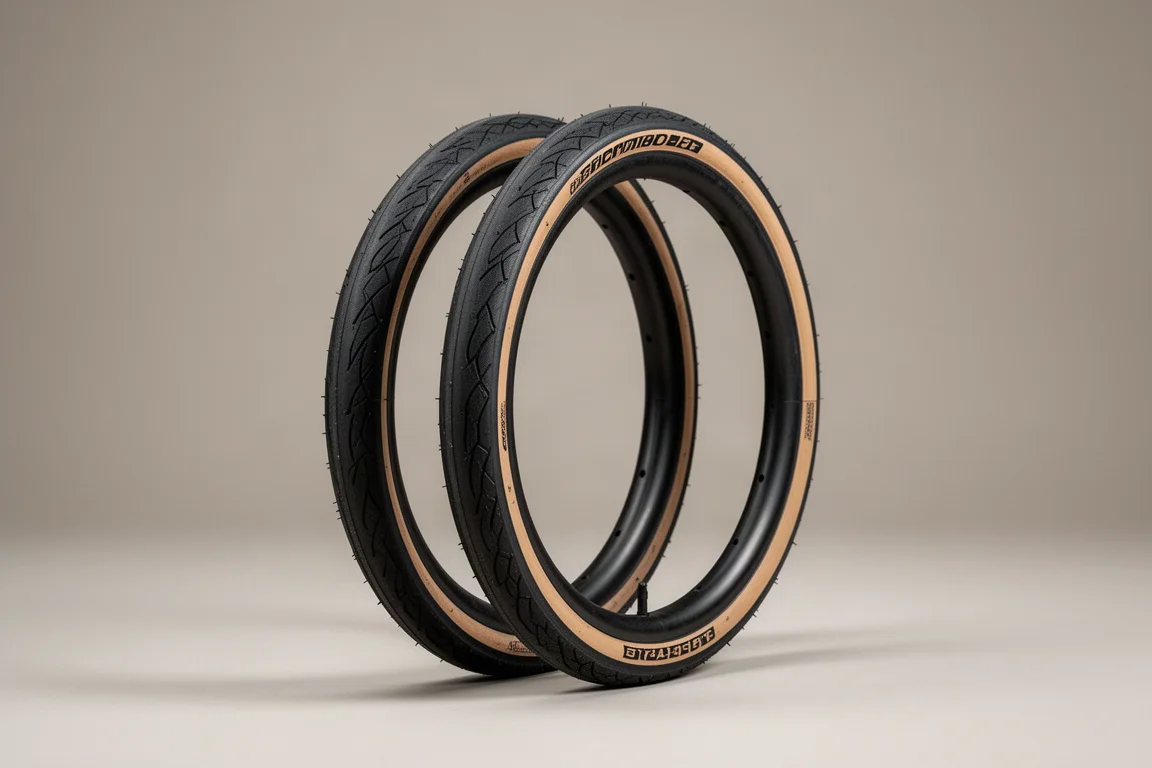
Continental Grand Prix 5000 S TR: The Tubeless Race Tire
Tubeless tires have become the default in the professional peloton, and the Grand Prix 5000 S TR is one of the most common choices. The most welcome improvement over the older tubeless version is installation. These tires go onto the rim cleanly, usually without tire levers, and inflate with a normal track pump.
They are compatible with hookless rims and were tested in a 28mm width, with narrower and wider options available. The 28mm size has become popular in professional racing as well. Ride quality is very good and closely related to the original Grand Prix 5000, a tire with a long and well-earned reputation.
Conditions ranged from hot, baked roads to wet, gritty cobbles, and the tires delivered speed along with reassuring grip. The Black Chili compound is grippy in all conditions while keeping rolling resistance low, and independent rolling resistance testing has placed the 25mm version among the best in its class.
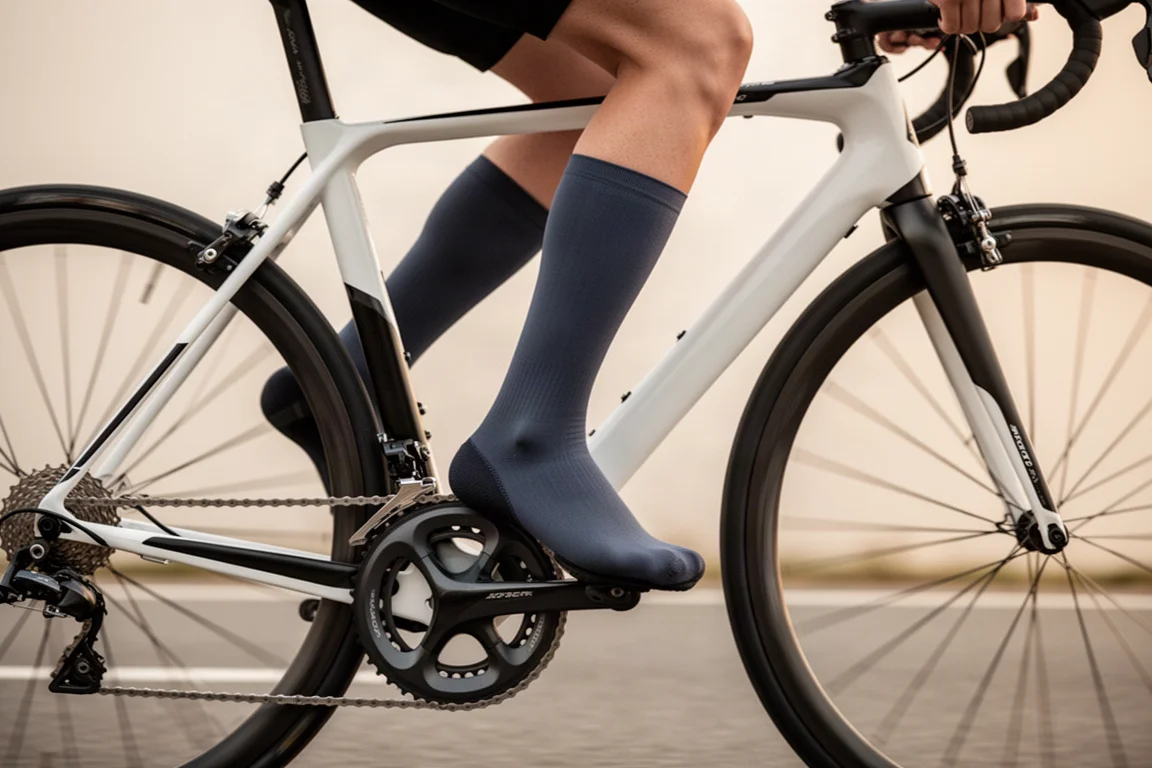
Durability has also impressed. After months of hard riding the tires show no cuts or marks and the wear rate is not excessive. Some fast, supple race tires feel fragile and pick up punctures easily, and these do not, which gives confidence that they will last. They are not cheap, but the combination of easy setup, speed and toughness explains their popularity.
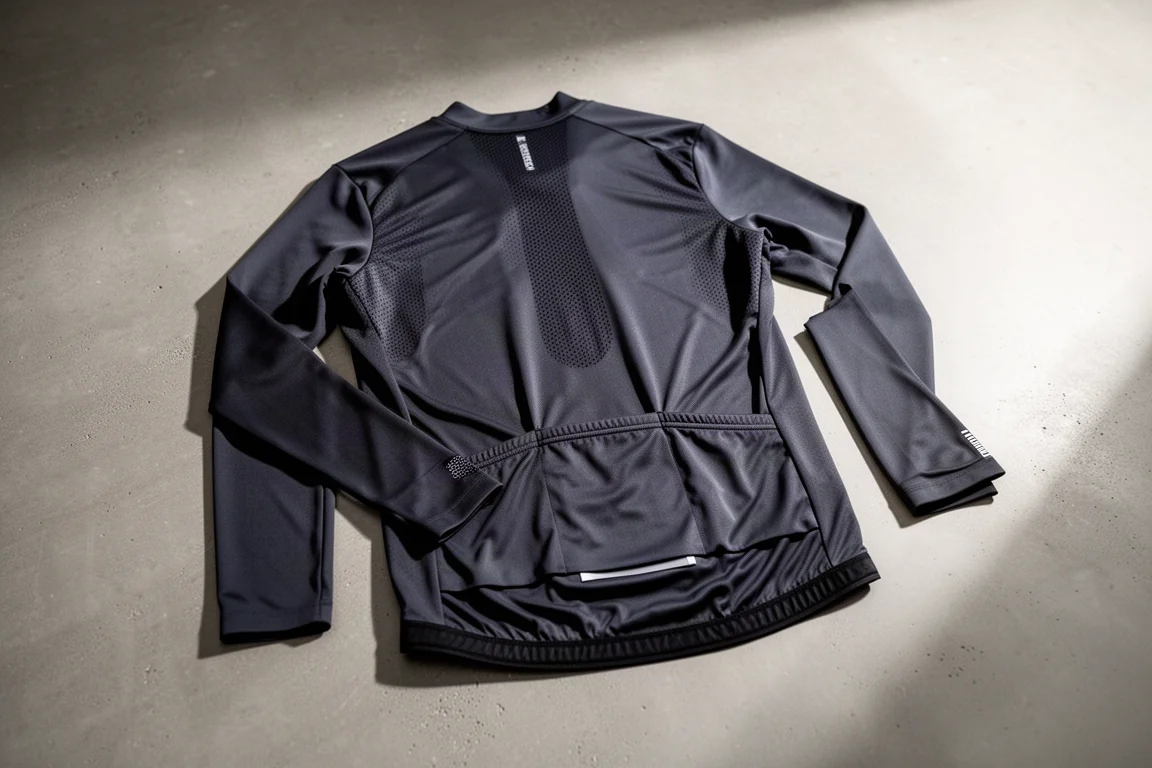
Castelli Aero Race Jersey: Tight Fit, Real Gains
Aerodynamics matter more than ever in modern racing, and since the body creates the majority of the drag a rider faces, a close-fitting jersey is one of the most effective upgrades available, often more effective than an aero frame. The Aero Race Jersey has been refined over roughly a decade of development, and the fit is very tight by design.
Get the sizing right and the comfort is surprisingly good, even on long rides. The long sleeves use a seamless raw cut edge, the fabric is soft against the skin, which is welcome in hot weather without a base layer, and a mesh panel on the back helps with heat management. Three rear pockets handle ride essentials, although there is no zipped valuables pocket, which is the main compromise.
The aerodynamic benefit is said to kick in above 30 km/h, so this is a jersey for racing, fast chain gangs and riders who care about average speed. Long sleeves are not to everyone’s taste, and shorter sleeves remain a personal preference for some. Against the brand’s own pro-team aero jersey, this one costs around 50 pounds less, which makes it strong value for the gains on offer. It comes in several colours and a range of sizes.
Buying Advice
The right upgrade depends on what is actually limiting your riding. If speed on rolling roads is the goal, wheels and tires deliver the biggest change for the money, and the tire is the cheaper half of that pairing. Riders who spend long days in the saddle in hot weather should weigh ventilation and sweat management heavily, since those are the details that decide whether a helmet stays comfortable in hour four.
For riders chasing average speed, a tight aero jersey and a set of fast tires are the most cost-effective route, while glasses are worth prioritizing if you ride in changeable light and want a fit you can tune. The premium helmet and wheelset make the most sense for buyers who want current top-tier technology and are comfortable paying for it, knowing that similar performance exists for less.
Conclusion
All five products performed well over months of hard riding, and none of them needed excuses. The tire and the jersey offer the clearest value, the wheels deliver the most noticeable change in how a bike feels at speed, and the glasses combine a good fit with genuine customization. The helmet is the hardest to justify on price alone, but for riders who want the newest safety and ventilation technology in one package, it delivers on comfort and airflow.
Further reading
Related Reviews
Road Cycling
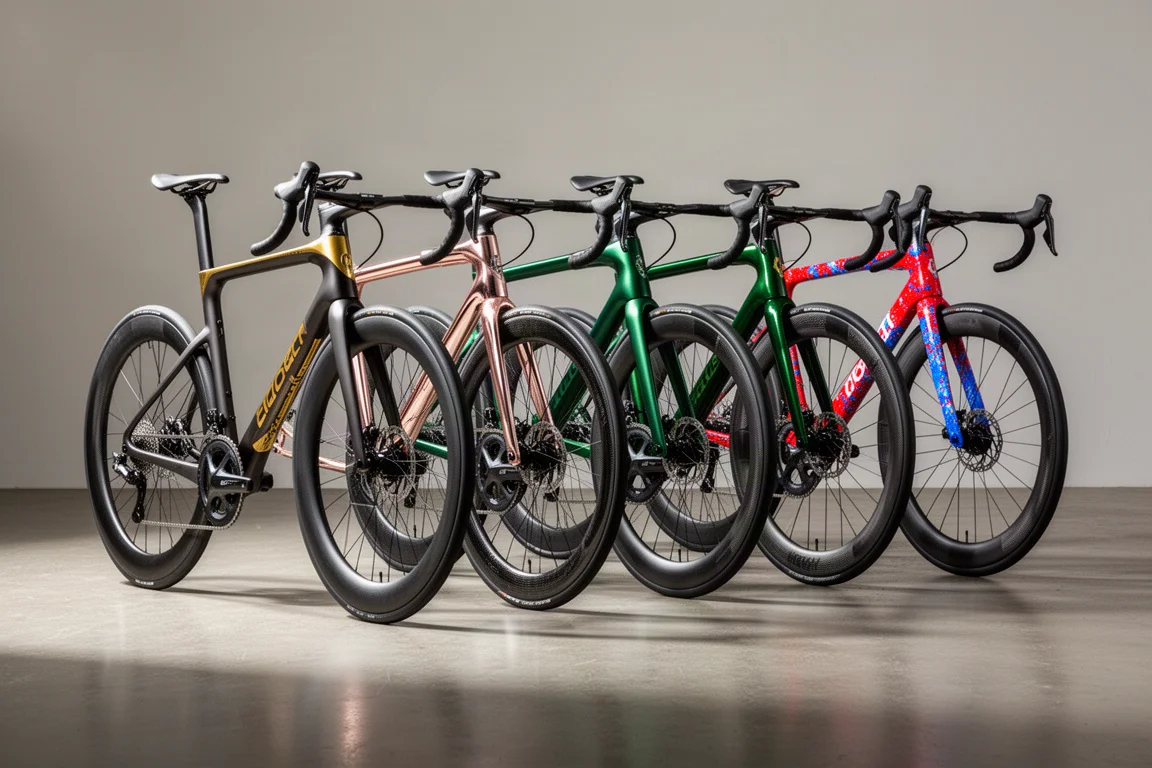
Best Looking Tour de France Bikes: Eight Race Machines and Their Paint Schemes
A closer look at eight Tour de France race bikes, from a gold-detailed presentation build to rainbow watercolours, water-transfer finishes and a clean title-sponsor livery.
Road Cycling
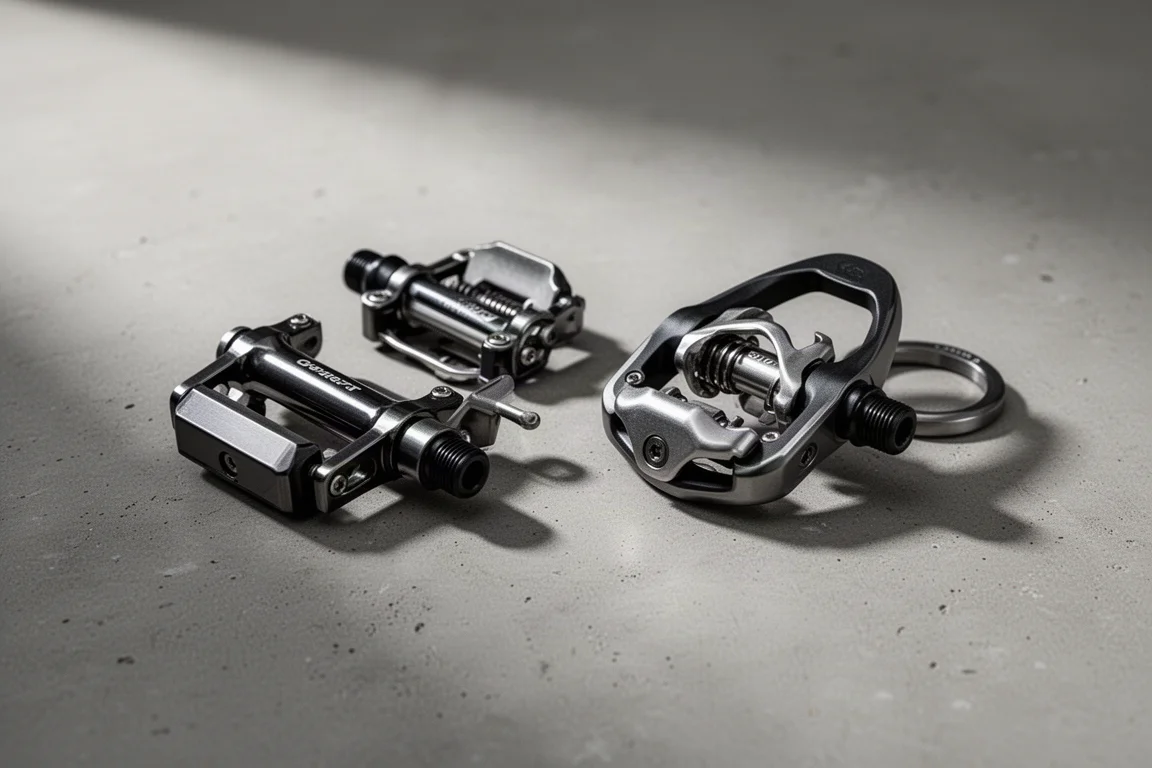
Best Road Bike Upgrades 2026: Clipless Pedals Compared and What to Change First
Two clipless pedal systems worth shortlisting for 2026, plus the lighter inner tubes, wheels, tires and saddles that genuinely change how a road bike rides.
Road Cycling
Continental GP 5000 STR and Canyon Endurace CF SL: A 100-Mile Build Review
A £277 carbon wheelset, Continental Grand Prix 5000 STR tires, and a Canyon Endurace CF SL: what 100 miles of mixed-surface riding revealed.