Cycling Components
Schwalbe Marathon Plus, Gatorskin, and 3T Ionic: Three Cycling Products Reviewed
Two puncture-resistant tires and a two-ratchet seatpost, reviewed for the riders they suit and the trade-offs they ask you to accept.
Introduction
Puncture-resistant tires and a precisely adjustable seatpost are two of the most common upgrades on a practical bike. Both categories look simple on paper, and both hide trade-offs that only become obvious after a few hundred miles of real riding.
The three products below are among the best-known options in their niches. Each one earns its reputation for a specific reason, and each one asks for something in return. This roundup covers what they do well, where they demand patience, and which riders are most likely to be happy with them.
How These Products Compare at a Glance
Two of the three are tires built around flat protection, and the third is a seatpost with an independent two-ratchet saddle clamp. They sit in different parts of the bike, but the pattern is the same: each product prioritises one outcome and accepts a compromise elsewhere.
For the tires, the priority is puncture resistance. The Schwalbe Marathon Plus and the Continental Gatorskin are both designed to keep going on gritty, debris-strewn roads, and both are notably firm as a result. Riders who value a supple, fast-feeling casing will notice the difference immediately.
For the seatpost, the priority is a secure clamp with independent angle adjustment. The cost is a fitting process that takes considerably longer than a conventional two-bolt design, especially the first time. The sections below look at each product in turn, including the practical details that matter once the box is open.
Schwalbe Marathon Plus: Puncture Protection With a Firm Ride
The Marathon Plus is built around an exceptionally high level of puncture resistance, and that is the reason the tire has such a loyal following. It is also fairly grippy, which counts for a lot on wet or gravel-strewn surfaces where a slippery tire would undo the benefit of the protection underneath.
Comfort is where the design makes its trade. The ride is harsh, and riders who care about tire feel, long-distance comfort, or simply a less fatiguing ride may find the firmness difficult to live with. The armour that makes the tire appealing is also what makes it feel unforgiving.
Fitting is the second consideration. The Marathon Plus is difficult to mount, so plan on a proper set of tire levers and some patience. In its defence, that same toughness means you are unlikely to be changing it again for a very long time.
The result is a tire that makes sense for riders whose main goal is arriving without a flat, and less sense for anyone shopping for speed or comfort.
Continental Gatorskin: Durable Rubber for Rough Roads
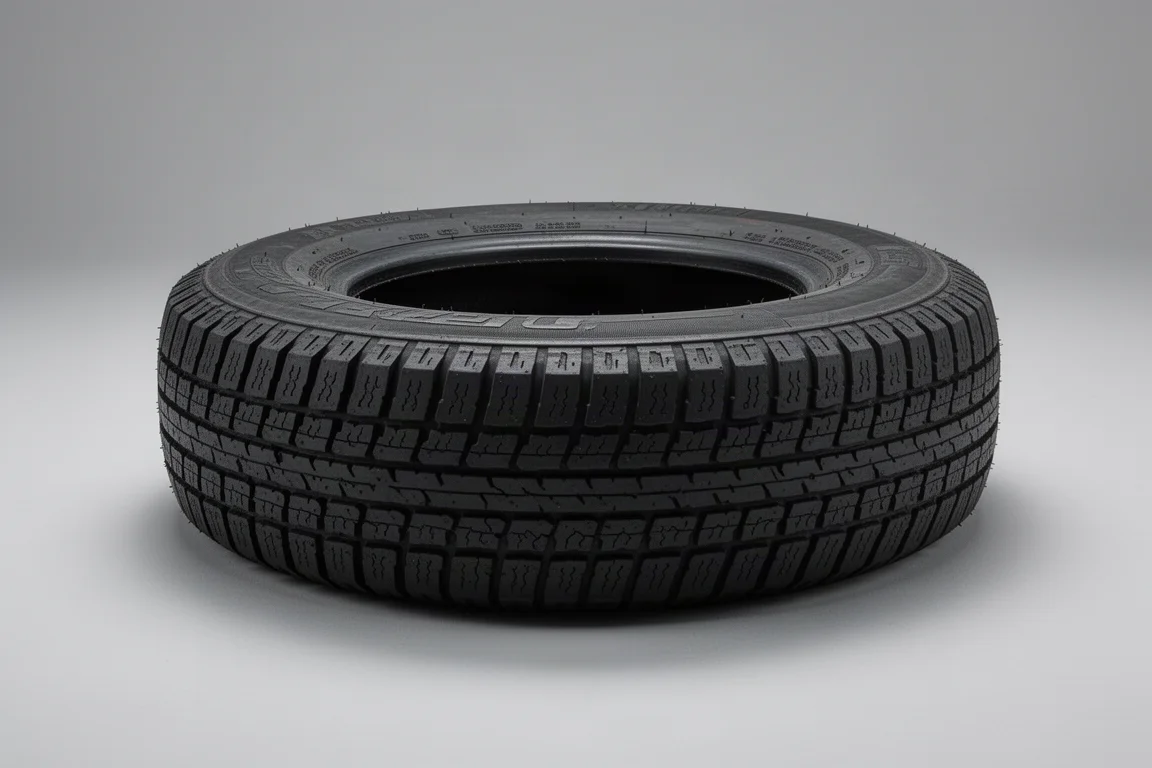
The Gatorskin follows a similar philosophy. Puncture resistance is the headline, and the tire has earned a strong following among riders who spend their time on rough tarmac and debris-heavy commuter routes.
It shares the same compromise as the Marathon Plus: the ride is firm and harsh rather than comfortable. Riders who prefer a tubeless setup with sealant have a reasonable alternative, since sealant deals with many punctures as they happen without the firm casing. That said, riders who run tubes and want maximum flat protection still have good reason to choose a tire like this, and the durability on offer is genuine.

If your priority is fewer roadside repairs and you accept a firmer ride in exchange, the Gatorskin delivers exactly that. If comfort and rolling feel come first, it is worth looking at lighter options.
3T Ionic Seatpost: Careful Adjustment Required
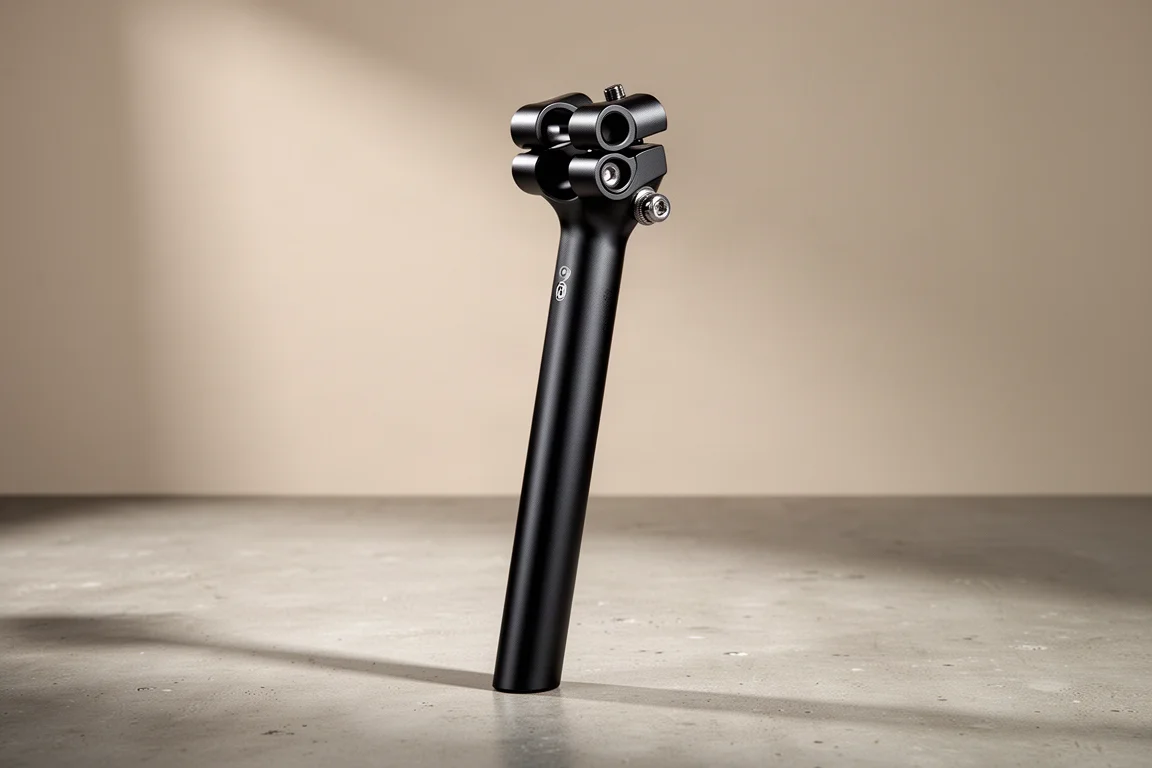
The 3T Ionic uses a two-ratchet system to hold the saddle and set its angle. The design gives independent control over the clamp, and when it is set up correctly it holds position well.
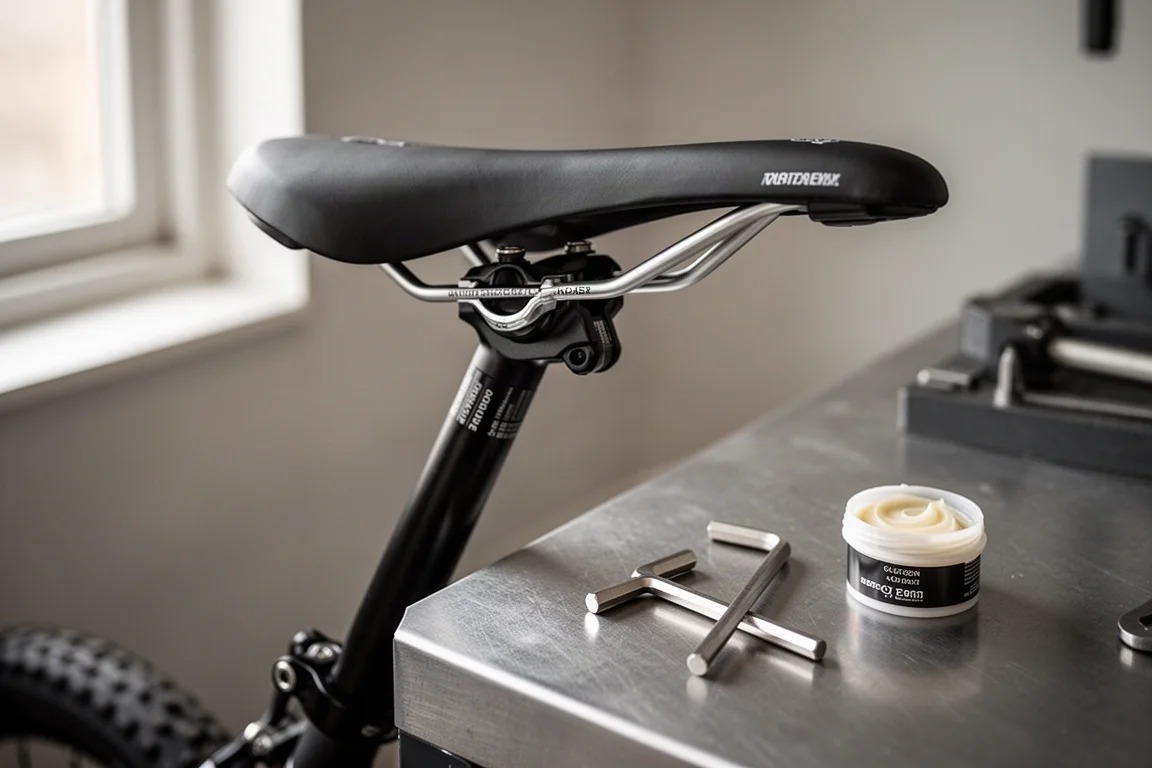
Setting it up is the difficult part. The adjustment is counterintuitive: instead of loosening a bolt and tilting the saddle, you move one ratchet back and the other forward to change the angle. Getting the saddle perfectly level can take a long time, and the process starts over if the parts are removed and end up out of order.
The post is also prone to creaking when it is not greased, and re-greasing means reassembling everything in exactly the right orientation, which is another slow job. A conventional two-bolt seatpost does the same work with far less fuss.
Riders who already run this post and are happy with their position will rarely need to touch it, which is where it works best. Anyone who adjusts saddle position regularly, or who services their own bike, should weigh that against the simplicity of a standard clamp.
What Each Product Does Best
Each of the three products has a clear strength, and it is worth separating those strengths from the compromises.
The Schwalbe Marathon Plus offers the highest level of puncture resistance here, combined with decent grip and a long service life that means fewer tire changes overall. The Continental Gatorskin offers strong flat protection in a durable package that has earned its popularity on rough roads. The 3T Ionic offers a secure, independently adjustable saddle clamp for riders who want their position set precisely and then left alone.
None of these are all-rounders. They are tools for specific jobs, and they work best when the job matches the rider.
Who Should Consider Each Option
Commuters and touring riders whose routes are littered with glass, grit, and thorns are the clearest audience for the Marathon Plus. Puncture resistance and grip matter more than weight or feel on that kind of riding, and the long service life keeps the cost per mile low.
The Gatorskin suits riders who want a tough, dependable tire for mixed road surfaces and are comfortable trading some comfort for durability. It is a sensible choice for winter training and daily commuting.
The 3T Ionic suits riders who set their saddle position once and leave it. If you know your position and rarely change it, the clamp holds well and the awkward setup is a one-time cost. If you experiment with position, or you would rather not spend an afternoon levelling a saddle, a conventional two-bolt post is the easier answer.
Buying Advice: Matching the Product to the Ride
Start with the problem you are trying to solve. If flats are the issue, both tires here address it directly, and the choice between them comes down to which compromise you prefer: the Marathon Plus leans furthest toward protection, while the Gatorskin offers comparable durability with a slightly more conventional road feel.

If comfort is the issue, neither tire is the answer. Both are firm by design, and a lighter casing or a tubeless setup with sealant will suit riders who want a smoother ride more than maximum protection.
For the seatpost, be honest about how often you touch your saddle position. A rider who sets it once and forgets it will get on well with the 3T Ionic. A rider who adjusts position, travels with the bike, or does their own servicing will find a simpler clamp design far less frustrating.
Whichever way you go, buy for the riding you actually do rather than the specification that looks best on paper.
Conclusion
The Schwalbe Marathon Plus, the Continental Gatorskin, and the 3T Ionic all do a specific job well, and all three ask for something in return. The tires trade comfort for protection that keeps you moving, and the seatpost trades easy adjustment for a secure clamp.
Riders who accept those trade-offs and match them to their riding will be happy with any of the three. Riders who need comfort above all, or who adjust their saddle often, are better served by looking elsewhere.
Further reading
Related Reviews
Cycling Components
A 20,000-Mile Budget Race Bike Build: Five Parts Worth Knowing
A rim brake race bike assembled from low-cost components and ridden for 20,000 miles. Here is what delivered real speed, what caused problems, and what to weigh before copying the formula.
Cycling Components
7 Bike Fit Products Fitters Avoid: What to Check Before You Buy
Seven bike components that regularly cause knee, foot and saddle problems, with the specific concerns behind each one and what to look for instead.
Cycling Components
Four Affordable Bike Upgrades That Improve Ride Feel
Four low-cost cycling products that make a real difference to ride feel, plus the free setup changes worth trying first.