Power Amplifiers
Schiit Vidar 2 Review: A Refined Class AB Stereo Power Amplifier
A closer look at the Schiit Vidar 2, a fully reworked Class AB power amplifier with a front-panel standby button, improved internal parts, and the current delivery to drive demanding speakers.
Introduction
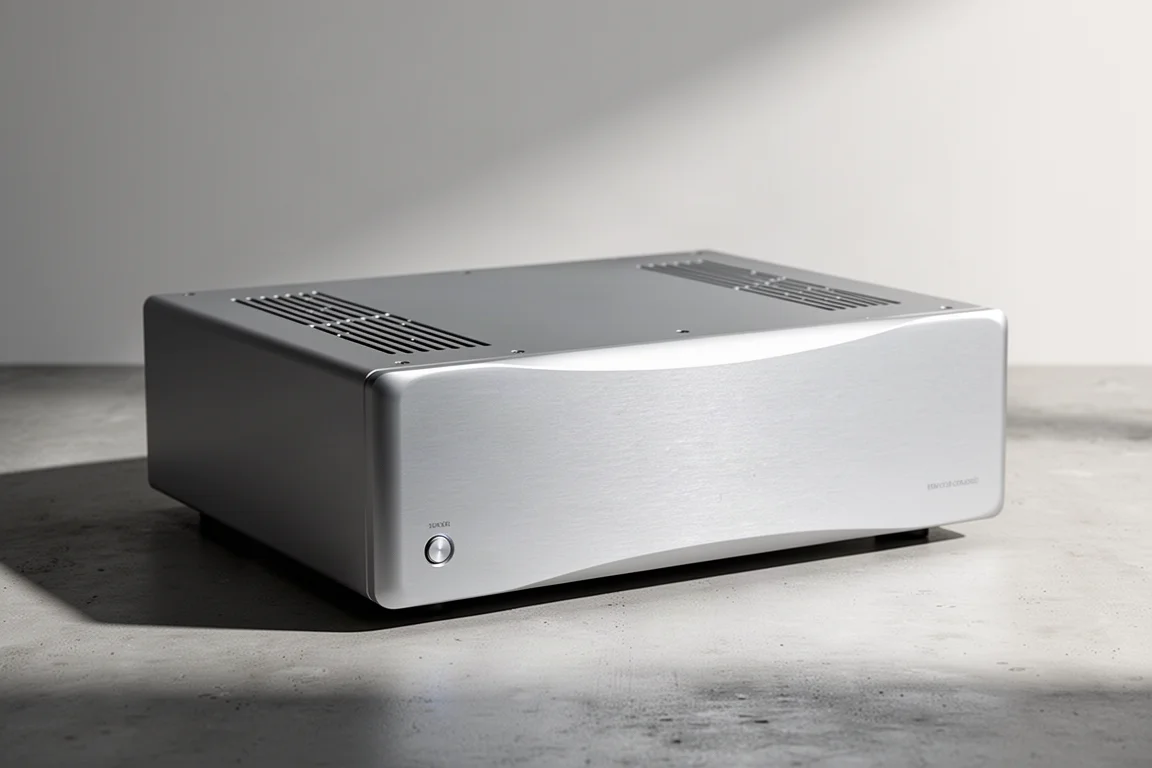
The Schiit Vidar 2 is the second generation of Schiit’s stereo power amplifier, and it is a full rework rather than a cosmetic refresh. The original Vidar arrived in 2017 and built a reputation as an affordable Class AB design with a linear power supply. The new model keeps that same foundation and rebuilds the details around it.
Schiit has said it looked into Class D amplification and decided against it, on the grounds that Class D designs do not sound as good to the company’s ears. The Vidar 2 therefore remains a Class AB amplifier with a linear power supply, and that choice shapes everything else about it.
Output stays generous: 100 watts per channel into 8 ohms, 200 watts per channel into 4 ohms, and 400 watts per channel in monoblock mode, which requires two amplifiers to make a stereo pair.
Who the Schiit Vidar 2 Is For
The Vidar 2 makes most sense for listeners whose speakers reward current delivery. Planar magnetic designs that dip below 4 ohms are the classic case, and they are also the hardest test for an affordable amplifier. A power amplifier in this class has to stay composed when the load becomes difficult, and that is where a linear supply and a Class AB output stage earn their keep.
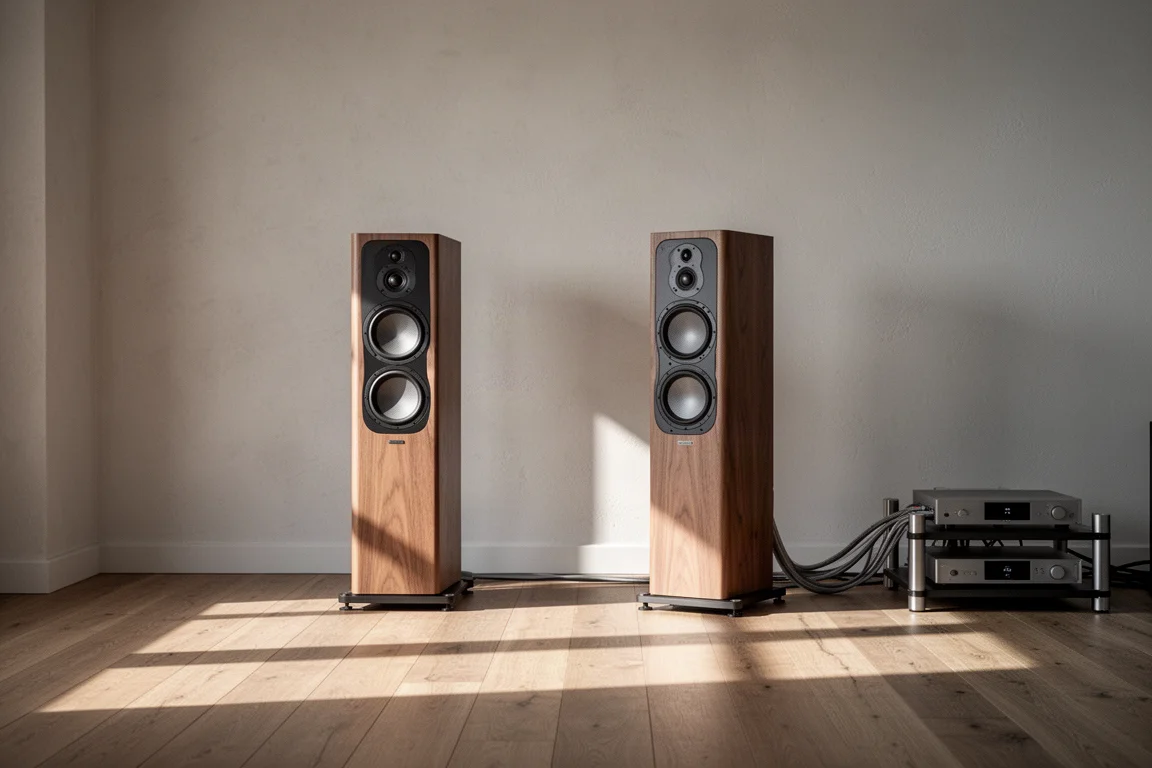
It is equally aimed at anyone assembling a separates system around a preamplifier they already own. The Vidar 2 is a power amplifier only: there is no volume control, no source switching, and no DAC on board, so a preamplifier is mandatory rather than optional.
Existing Vidar owners have a different question to answer. Power output has not changed, so the upgrade case rests on the refinements inside the chassis rather than on more watts.
What Changed From the Original Vidar
Schiit describes the Vidar 2 as a complete relayout of the original design. The changes include improved resistors and capacitors, a new boost power supply, and improved thermal management to handle the heat that a Class AB output stage produces.
The most welcome change is on the front panel. The Vidar 2 adds a standby button, where the original Vidar placed its power switch on the rear of the chassis. Reaching around the back of an amplifier that runs warm was never pleasant, and the new arrangement removes that small daily annoyance entirely.
Finishes and pricing differ slightly too. The matte black version is listed at $799, while the silver version is $849. Both carry a five-year warranty.
Build Quality and Connections
Schiit builds its products in the United States, with manufacturing split between California and Texas. The company goes further than simple final assembly: it says the Vidar 2 uses mostly US-sourced parts, including the power transformer, the chassis, and the circuit boards.
The rear panel keeps things simple. There is a set of chunky binding posts that accept heavy speaker cable without complaint, a pair of stereo RCA inputs, and a single XLR input. That lone XLR connector is the key to monoblock operation, because running the Vidar 2 as a monoblock requires a balanced connection. The RCA inputs cannot be used in that mode, so a balanced preamplifier is a prerequisite for anyone planning to bridge a pair.
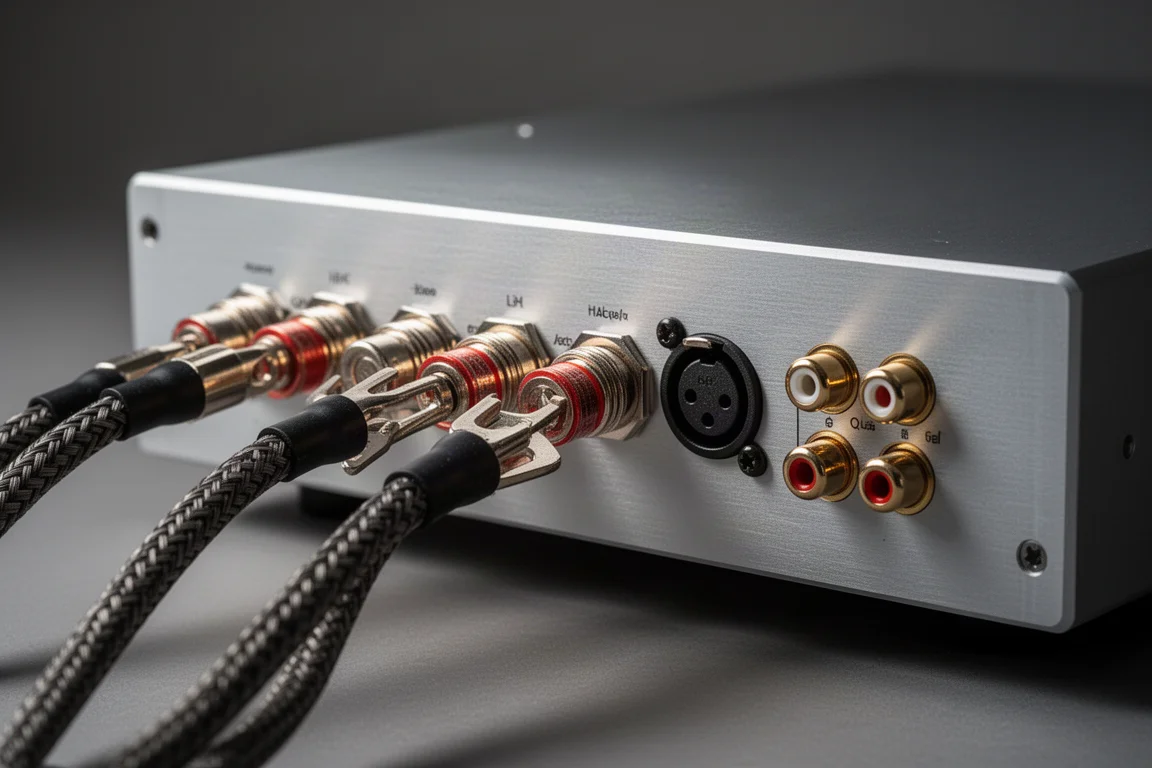
Around the rest of the amplifier, the layout is deliberately uncluttered. There is no display, no app, and no network connection. The Vidar 2 is a traditional two-channel component that does one job and leaves everything else to the rest of the system.
How the Vidar 2 Handles Demanding Speakers
The clearest test came with a pair of Magnepan LRS Plus planar speakers. These need substantial current and present a load that can fall below 4 ohms, which is exactly the scenario that exposes a weak amplifier. Driven by the Vidar 2, they sounded unexpectedly full and complete, without the lean, tightly wound character that underpowered amplification tends to impose on them. Nothing about the presentation left a listener wishing a subwoofer had been connected.
A pair of Vandersteen 2Ce Signature III floor-standers, priced at $3,600 a pair, provided the opposite challenge: a high-resolution, transparent speaker that magnifies whatever the amplifier does. The Vidar 2 drove them competently and without complaint.
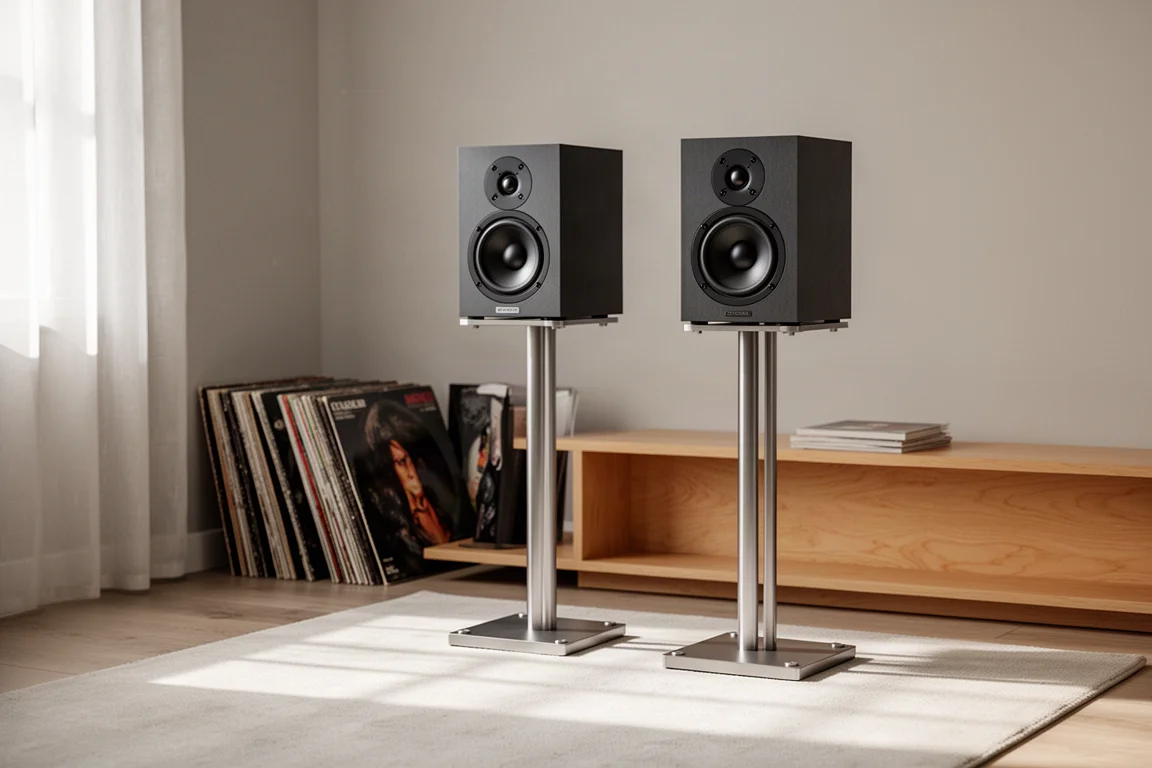
Smaller speakers benefited as well. With Buchardt P300 stand-mounts, which use a rear passive radiator to produce unusually deep bass for their size, the Vidar 2 added a little more spring and liveliness than the original Vidar managed. The pattern held across every speaker it was asked to drive, which is the real story here: this amplifier is happy with pretty much anything a buyer is likely to connect to it.
Sound Character in Context
Direct comparisons against the original Vidar were made with KEF LS50 Meta stand-mount speakers. On a dynamic, percussive recording, the difference showed up in texture. The Vidar 2 resolved more of the character of cymbals, snare, and bass drum, while the original sounded slightly subdued and darker, with less sizzle at the top. Dynamics were a touch better with the newer amplifier as well.
With Zu Dirty Weekend 6 towers and solo piano recordings, the pattern repeated. The Vidar 2 communicated more of the tone quality of the instrument and more of the subtle harmonic detail, while the original Vidar presented the same recording as a slightly less clear picture, almost as though the microphones had been moved further away.
Listeners who prefer a softer, sweeter presentation should know that Schiit also offers the Aegir, a 20-watt-per-channel high-bias design that sits close to Class A operation and sells for the same price. The two amplifiers look nearly identical, and the Aegir’s warmer, more relaxed character has real appeal. Set against it, the Vidar 2 is the clearer and more transparent of the two, with more immediacy and more drive.
Things to Consider Before Buying
Class AB amplification generates heat, and the Vidar 2 is no exception. It runs warm and can feel hot to the touch after extended use. Thermal management has been improved over the original, but the amplifier still needs room to breathe, so a closed cabinet is a poor home for it.
Monoblock operation comes with a hard requirement. Bridging a pair to reach 400 watts per channel is only possible through the balanced XLR input, which means a balanced preamplifier and balanced cables. Anyone hoping to bridge two Vidars from an RCA output will not be able to do it.
Finally, this is a power amplifier and nothing more. Budget for a preamplifier, and factor in the finish difference: matte black is listed at $799 and silver at $849.
Buying Advice
At $799 in black or $849 in silver, the Vidar 2 sits in a competitive part of the separates market, and its five-year warranty and US-based manufacturing are meaningful parts of the value. The amplifier’s real strength is its ability to drive difficult loads without sounding strained, which is precisely what buyers in this price range are usually hoping for.
Pairing it with a preamplifier changes the character more than most people expect. Schiit’s own options are worth considering. The Saga+ is a tube preamplifier at $399 that softens transients slightly and opens up the soundstage, while the Yotenheim 2, a solid-state preamplifier and DAC also at $399, exerts tighter control over low-frequency impact. Both were used during listening, and both are legitimate choices depending on whether you favour atmosphere or grip.

If your speakers are efficient and easy to drive, a lower-powered design such as the Aegir may suit you better, and its sweeter voicing is genuinely appealing. If your speakers are demanding, or if you plan to bridge a pair into monoblocks later, the Vidar 2 is the more versatile foundation and the safer long-term purchase.
Conclusion
The Vidar 2 is a careful evolution of a well-regarded design. It keeps the Class AB topology and linear power supply that defined the original, adds a front-panel standby button that should have been there from the start, and refines the internals enough to make an audible difference in texture and dynamics. For listeners with demanding speakers and a preamplifier already in place, it is a straightforward and confident choice.
Product link
View more details for Schiit Vidar 2
This product is mentioned in the review. Check the specifications, options, and compatibility before buying.
View more details for Schiit Vidar 2Further reading
Related Reviews
Power Amplifiers
Advance Paris X-A160 EVO Review: A Focused Power Amplifier Built to Last
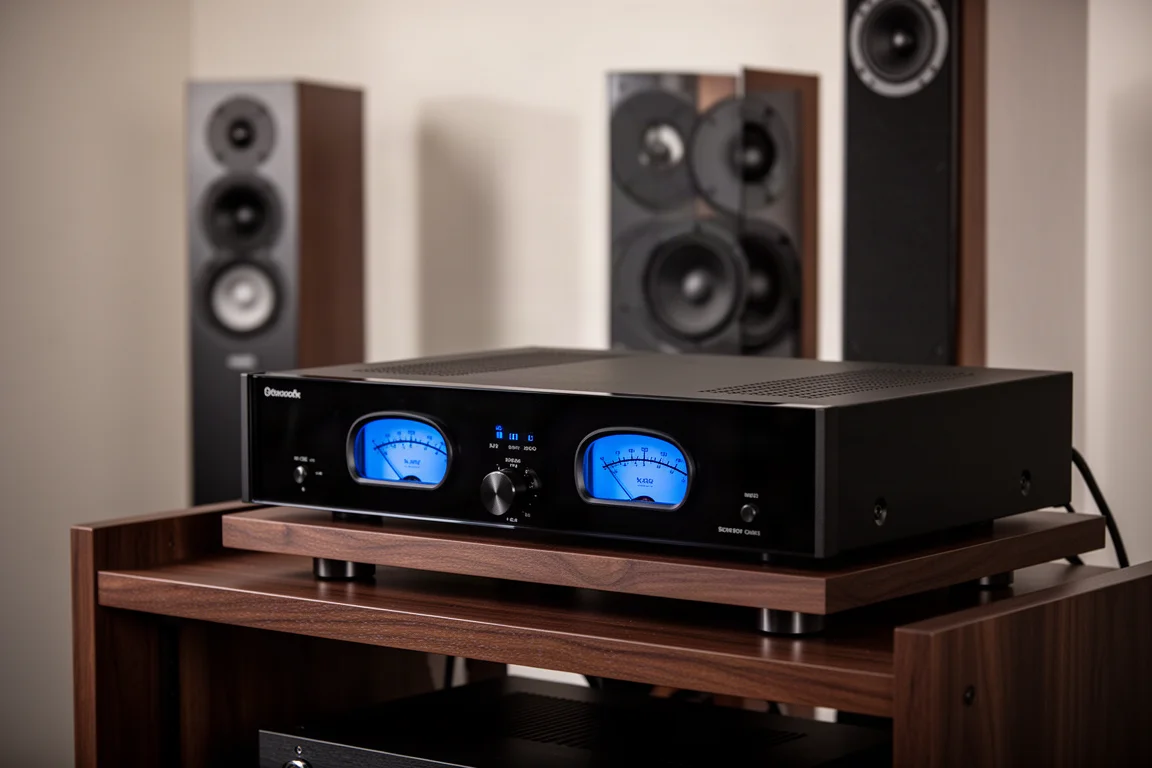
A $1,999 stereo power amplifier with selectable class A bias, 160 watts per channel, blue VU meters, and a build designed to be serviced for decades.
Power Amplifiers
Benchmark AHB2 Review: A Compact Power Amplifier Built Around Transparency
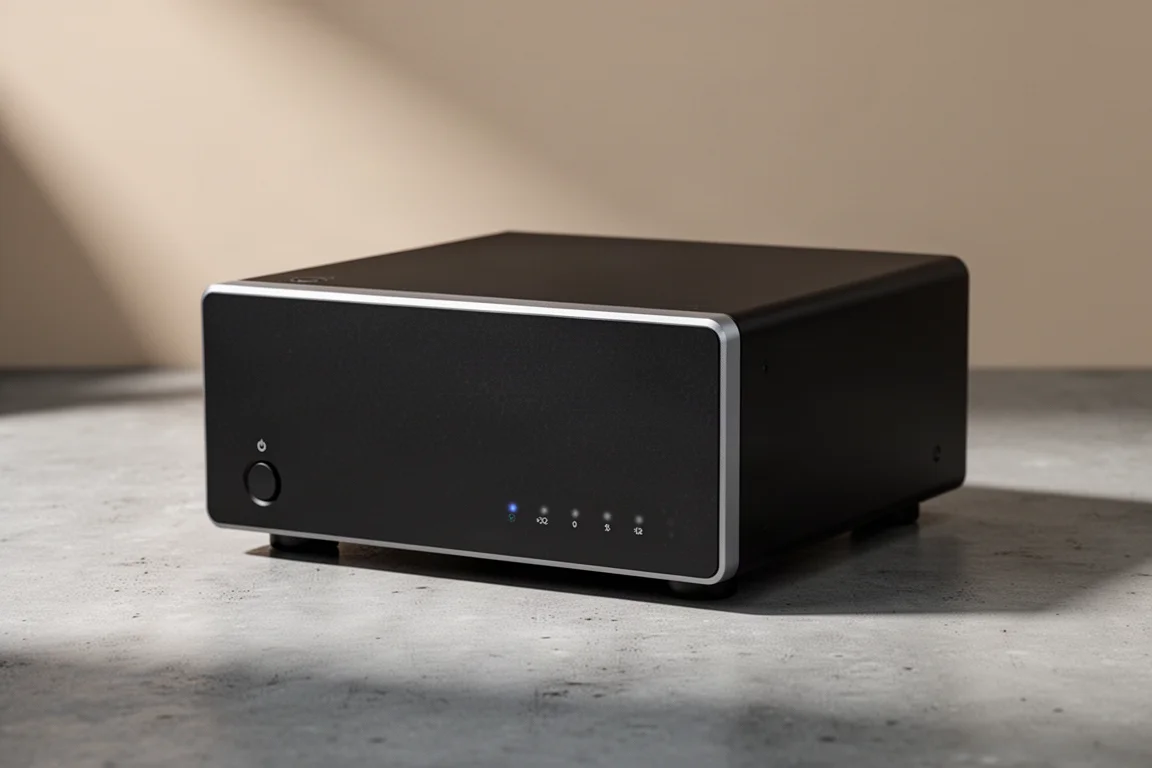
A compact reference-oriented power amplifier with THX-patented feed-forward error correction, balanced-only inputs, and the current to drive low-impedance speakers.
Power Amplifiers
Burson Timekeeper 3X GT Review: Class A Character in a Compact Monoblock
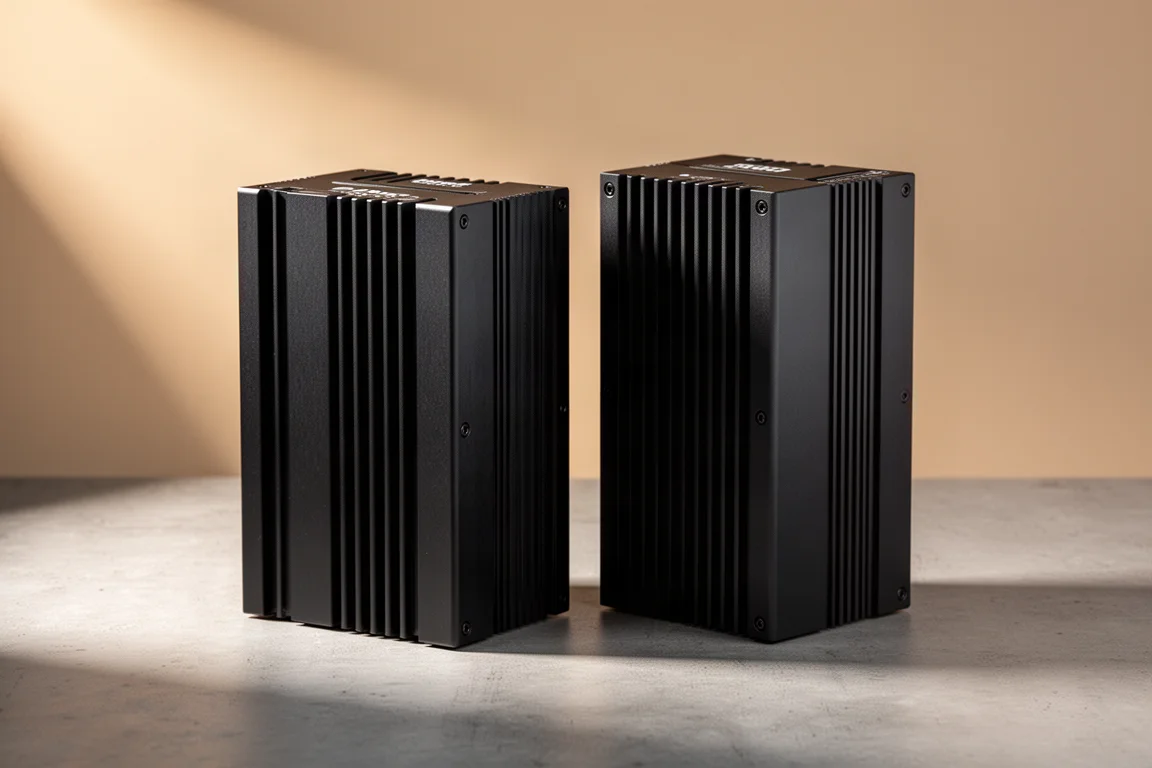
A compact flagship monoblock with the first 30 watts in Class A, 110W into 8 ohms, pinpoint imaging, and an unusually large soundstage.