Power Amplifiers
Burson Timekeeper 3X GT Review: Class A Character in a Compact Monoblock
A compact flagship monoblock with the first 30 watts in Class A, 110W into 8 ohms, pinpoint imaging, and an unusually large soundstage.
Introduction
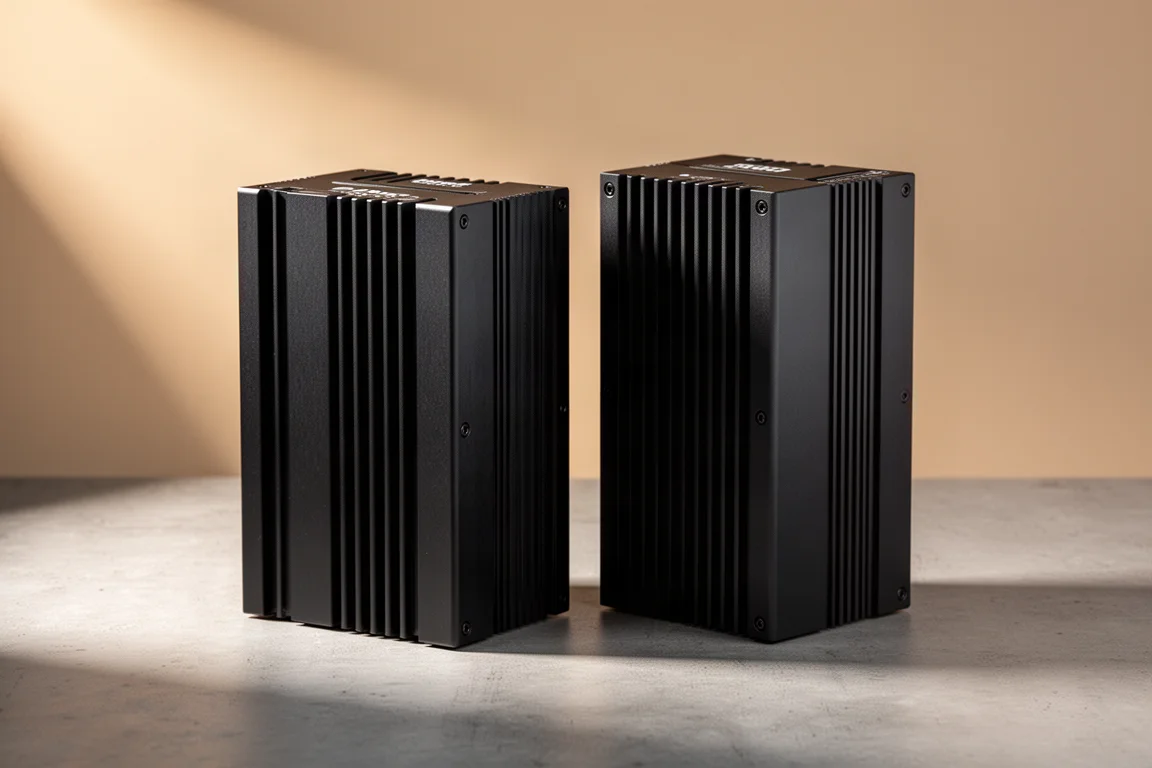
The Burson Timekeeper 3X GT is Burson’s flagship monoblock speaker amplifier, and its specifications are genuinely unusual for the size. Each unit is rated at 110 watts into 8 ohms and 180 watts into 4 ohms, with the first 30 watts delivered in pure Class A. That Class A figure is the headline: a conventional Class A design at this output level usually requires a large transformer, substantial capacitors, and a chassis heavy enough to be awkward to move. Burson has taken a different route, and the result is a compact monoblock that still behaves like a Class A amplifier in the ways that matter most to listeners. Pricing sits around $4,000.
Who This Monoblock Amplifier Is For
Three types of listener get the most from this amplifier.
First, owners of sensitive speakers. With a speaker rated around 92 dB sensitivity, most listening in a small or medium room stays inside the first 30 Class A watts, which means the amplifier spends nearly all of its time in the mode it was designed around.
Second, owners of difficult loads. The high current design has driven speakers known to be hard to drive, including the Buchardt S400 MKII and the KEF LS50 Meta, without losing composure or detail.
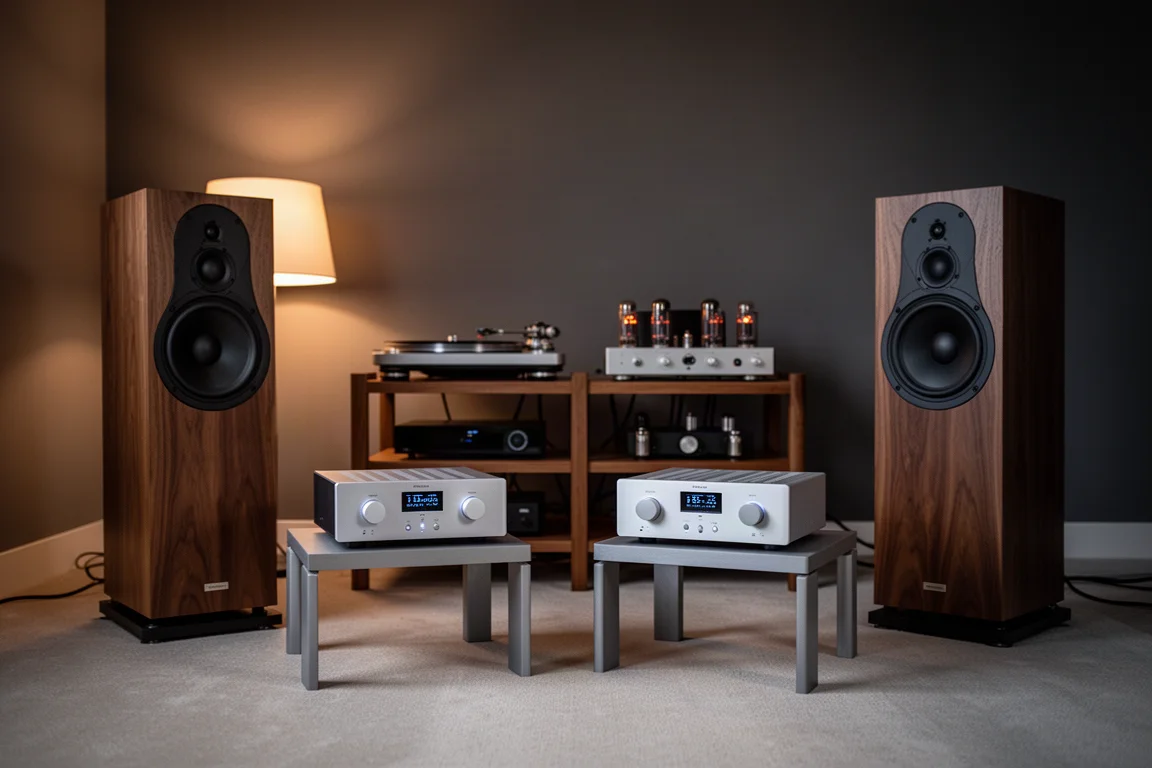
Third, listeners who run a tube preamp or a tube DAC. Pairing the amplifier with a tube stage adds warmth and body while keeping the transparency and control that the monoblocks contribute.
Anyone who mainly wants a warm, forgiving sound should listen before buying. This is a transparent amplifier first and a romantic one second, and the difference is audible with revealing speakers.
Main Strengths: Class A Output and Monoblock Imaging
The first strength is the Class A window. Thirty watts of Class A output is a large figure, and it covers a wide range of real listening with sensitive speakers in small to medium rooms. The remaining headroom, 110 watts into 8 ohms and 180 watts into 4 ohms, means the amplifier still has enough power to push less sensitive speakers to genuinely loud levels.
The second strength is the monoblock configuration itself. Because each channel has its own chassis and its own power supply, crosstalk between channels is minimized. Crosstalk is the leakage of the left channel into the right channel and the reverse, and reducing it sharpens the center image. In practice the imaging is pinpoint, with better separation than typical stereo or integrated amplifiers at this price.
The third strength is the size of the soundstage. The presentation is wide and deep, closer in scale to a good tube amplifier than to a compact solid state monoblock, but with the precision and clarity of a transparent solid state design.
Build, Cooling, and the Supercharger Power Supply
Cooling is handled by two elements working together. The chassis itself acts as a heatsink, a familiar approach in Burson designs, and a Noctua fan moves air through the case. The fan is one of the quietest available and is effectively inaudible during music playback. Together they keep the amplifier warm rather than hot: it stays comfortable to touch even after long sessions. The fan exists so that performance can be optimized without heat becoming a limiting factor.
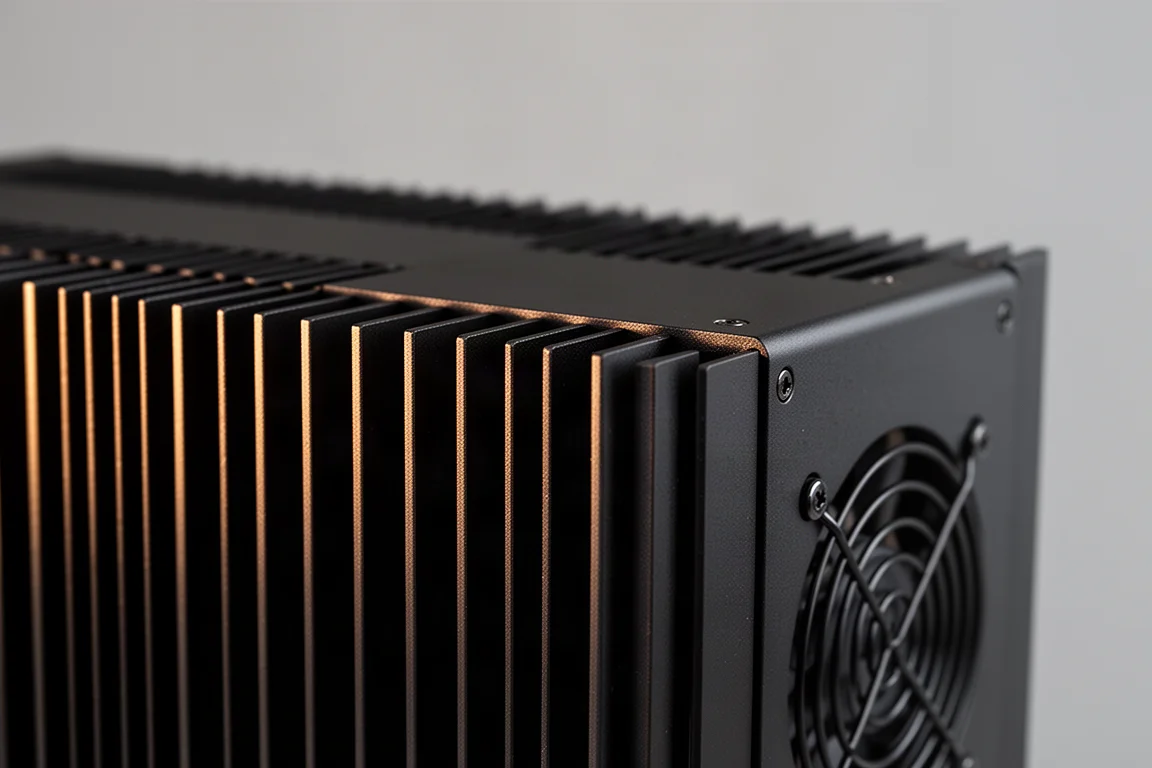
The power supply is the most interesting part of the design. Instead of the large toroidal transformer and bulky capacitors that Class A designs normally require, the Timekeeper 3X GT uses a compact supply that Burson calls the Supercharger. It is small enough to be surprising, and it is what allows the amplifier to stay clean and powerful inside a compact chassis. Skepticism about a switching supply in a Class A amplifier is reasonable, but the resulting sound retains the character listeners associate with Class A.
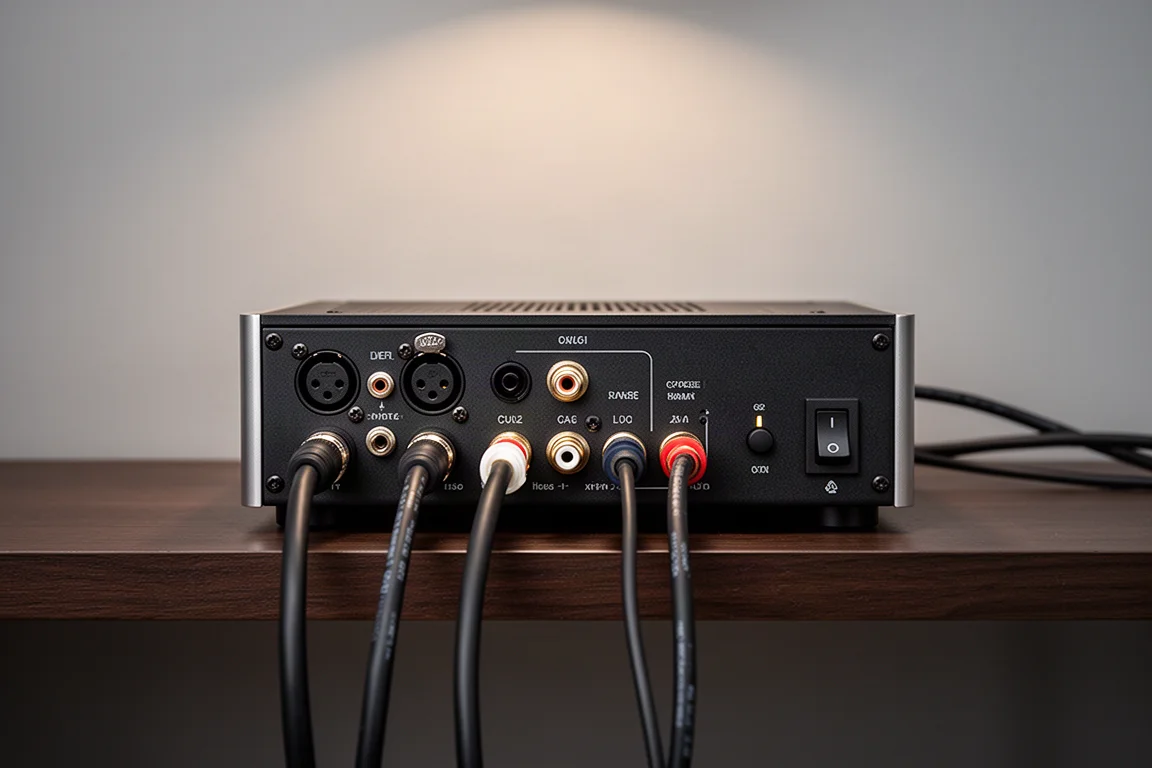
Connectivity is straightforward. The rear panel offers RCA inputs and XLR balanced inputs, with a single button to switch between them. The same area provides low gain and high gain settings. The front panel carries a single power button. The amplifier can sit upright like a conventional monoblock or be placed on a stand.
Sound Quality: Transparency, Dynamics, and Bass
The amplifier is highly transparent. Detail retrieval is a step above most amplifiers in this price range, and the upper midrange and treble are exceptionally clean. Transparency here does not mean brightness. Brightness is aggressive and tiring; this is clarity without edge.
Bass is accurate rather than boosted. Extension is linear and subtle, and the amplifier does not add weight that is not in the recording. What it does deliver is speed, tactility, and punch, and it can hit hard when the music calls for it. Listeners who expect a fat, warm low end should adjust expectations, while listeners who want fast and precise bass will find very little to criticize.
Dynamics are a strong point from micro detail to macro swings. The amplifier sounds muscular without sounding lean, though it can come across as slightly leaner than warmer, fuller-sounding alternatives when paired with neutral speakers.
Gain Settings and Speaker Pairing
Gain selection changes the character of the amplifier more than the label suggests. On the high gain setting, the upper midrange is a touch forward and slightly aggressive with some speakers. That forwardness can be an advantage with speakers that are light in the treble, where the added energy brings dynamics and life to the presentation.
On the low gain setting, that forwardness disappears and the amplifier becomes notably linear from top to bottom. This is the setting that suits sensitive speakers and speakers that are already neutral or warm.
Pairing matters as much as gain. Sensitive speakers remain in Class A for most listening and benefit from the low gain setting. Harder-to-drive speakers can be run on high gain to extract more dynamics, at the cost of a slightly more forward upper midrange. Adding a tube preamp or tube DAC softens that edge and produces a wide, deep, musical presentation.
What to Consider Before Buying
The price is the first consideration. Around $4,000 places this firmly in premium territory, and it is a monoblock design, so a stereo system needs two.
The second is gain behavior. Listeners who value a relaxed upper midrange should plan on the low gain setting, or on pairing the amplifier with warmer components.
The third is that there is no meter or indicator showing when the amplifier moves out of Class A operation. The 30 watt Class A window is a design figure rather than something visible during listening.
The fourth is tonal expectation. This is not a forgiving, thick-sounding amplifier. It rewards speakers and sources that are already well balanced, and it exposes recordings rather than smoothing them over.
Buying Advice
The Timekeeper 3X GT makes the most sense for a listener who wants Class A character, monoblock separation, and a large soundstage without the size and heat of a traditional Class A design. It suits owners of sensitive speakers, owners of difficult loads, and anyone building a system around a tube preamp.
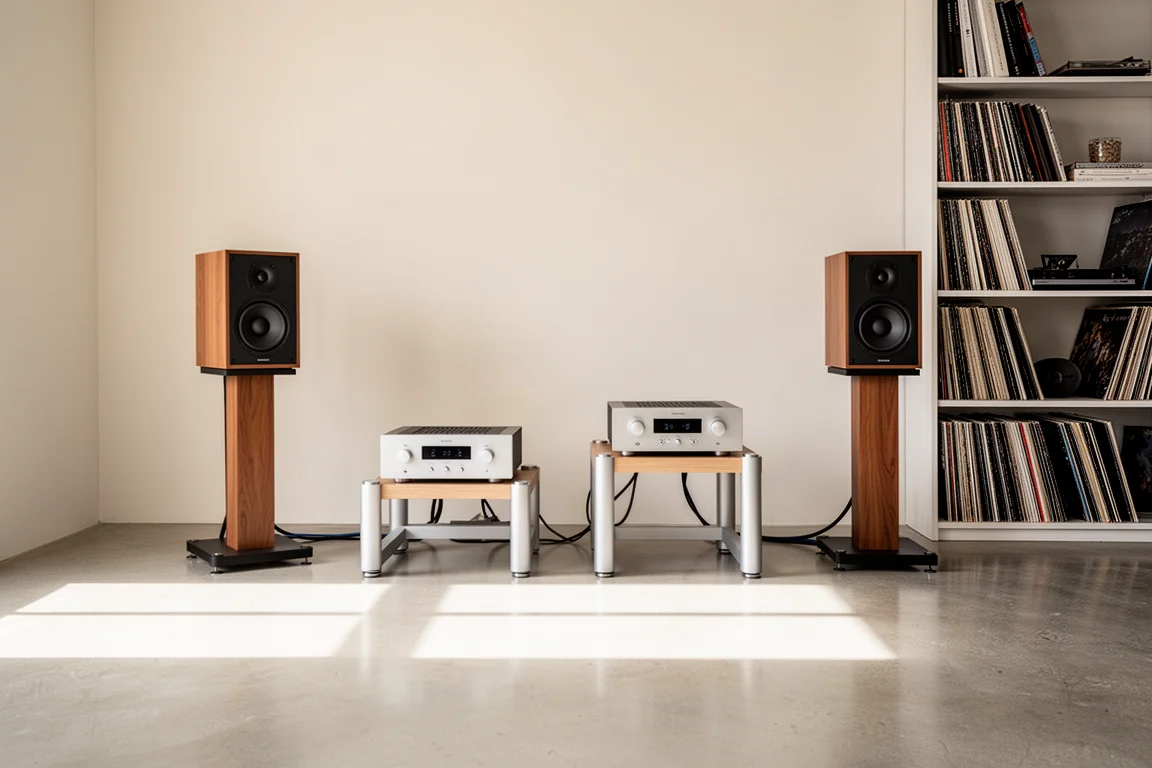
Before committing, confirm that the rest of the system is ready for a transparent amplifier. A neutral or slightly warm speaker is the safest match, and the low gain setting covers most setups. Listeners who want a warmer, more forgiving presentation should audition it rather than assume.
Conclusion
The Burson Timekeeper 3X GT is one of the more surprising amplifiers in its price class. The first 30 watts in Class A, 110 watts into 8 ohms, 180 watts into 4 ohms, a compact chassis with effective heatsink cooling and a near-silent fan, and a power supply that replaces the usual transformer with something far smaller. What comes out is pinpoint imaging, an unusually large soundstage, high transparency, and fast, accurate bass. It is not the warmest amplifier available, and the high gain setting will be too forward for some systems, but for listeners who want Class A character with monoblock precision, it is a compelling package.
Product link
View more details for Burson Timekeeper 3X GT
This product is mentioned in the review. Check the specifications, options, and compatibility before buying.
View more details for Burson Timekeeper 3X GTFurther reading
Related Reviews
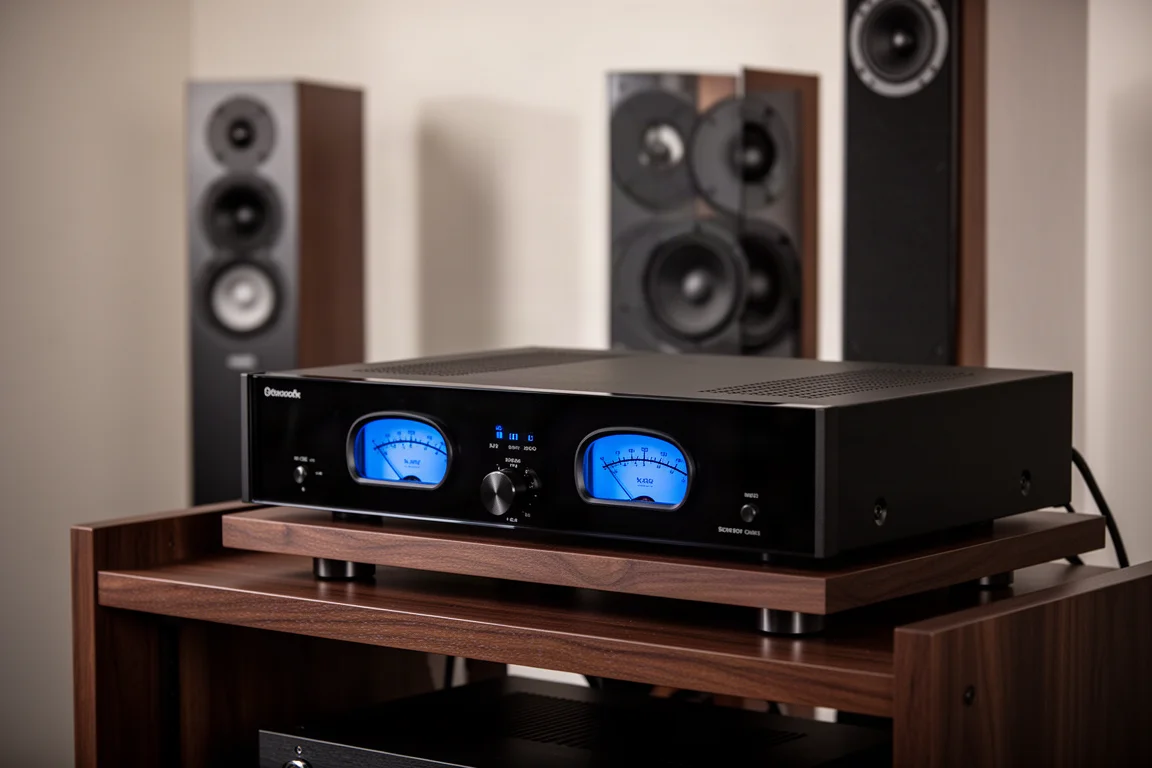
Power Amplifiers
Advance Paris X-A160 EVO Review: A Focused Power Amplifier Built to Last
A $1,999 stereo power amplifier with selectable class A bias, 160 watts per channel, blue VU meters, and a build designed to be serviced for decades.
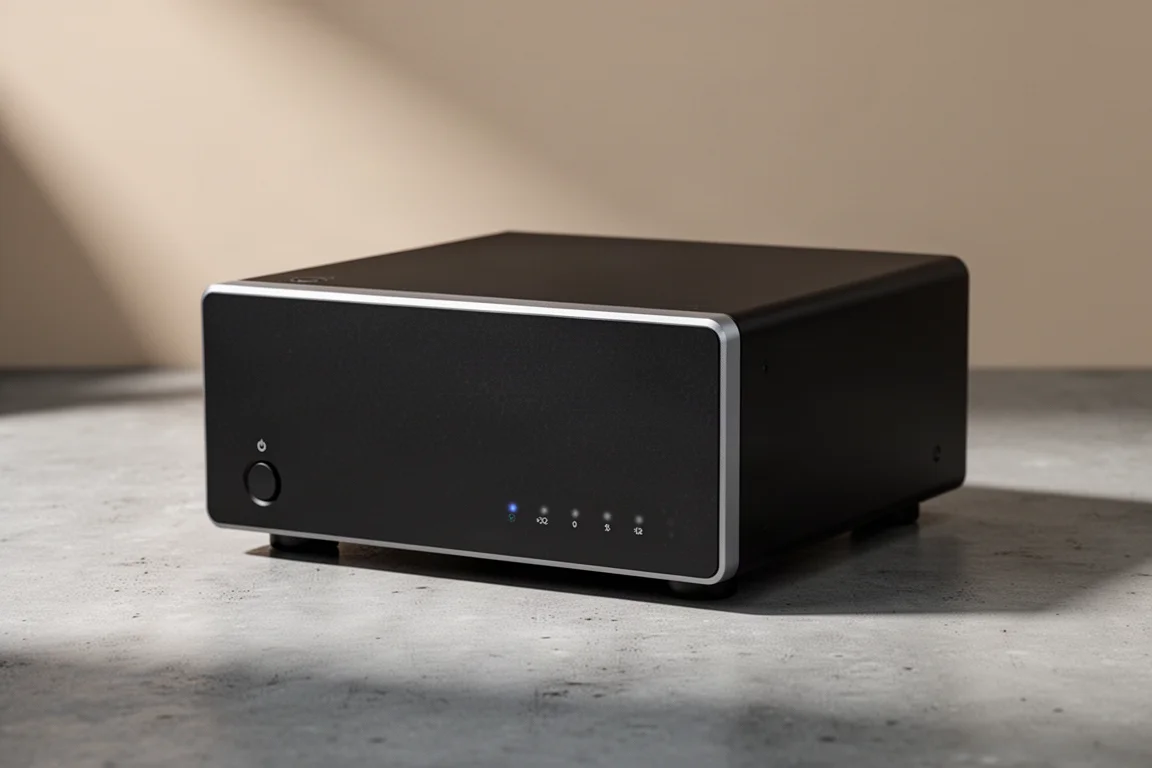
Power Amplifiers
Benchmark AHB2 Review: A Compact Power Amplifier Built Around Transparency
A compact reference-oriented power amplifier with THX-patented feed-forward error correction, balanced-only inputs, and the current to drive low-impedance speakers.
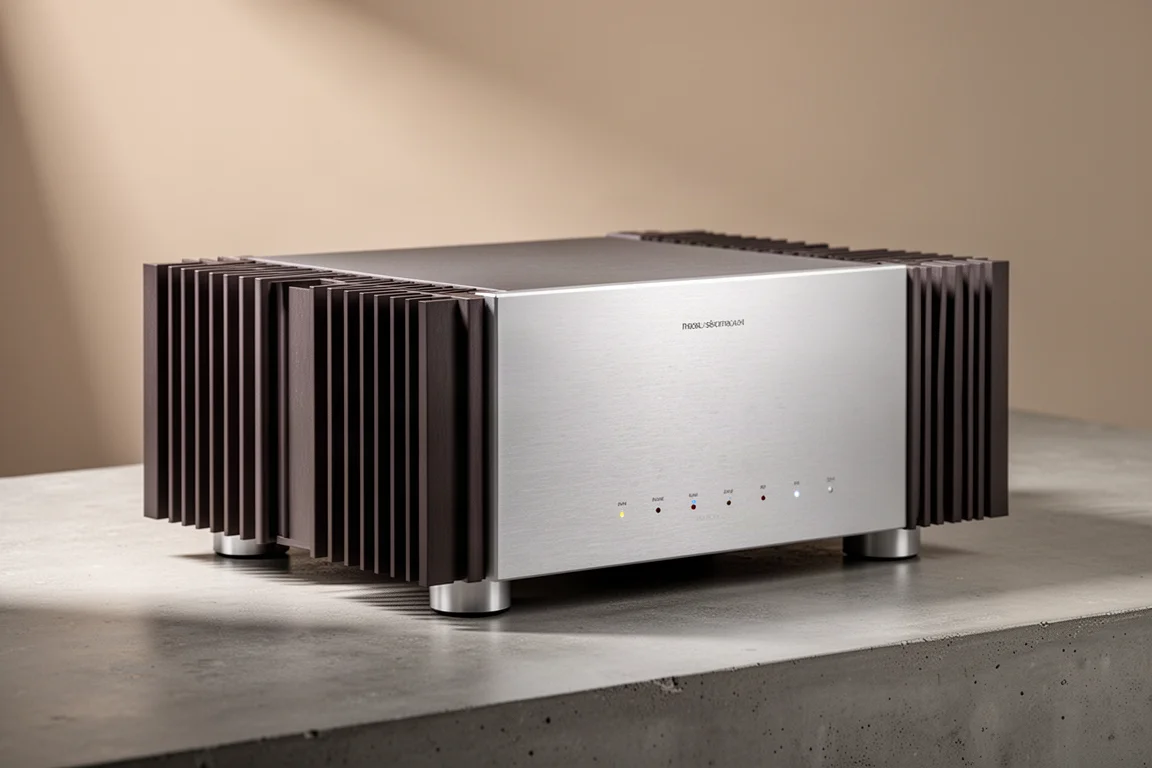
Power Amplifiers
Classé Audio Fifteen Power Amplifier Review: Vintage Warmth With Modern Clarity
A used-market Classé Audio Fifteen delivers 175W into 8 ohms, balanced inputs, and a warm, spacious presentation that still holds up against far pricier modern amplifiers.