Power Amplifiers
Benchmark AHB2 Review: A Compact Power Amplifier Built Around Transparency
A compact reference-oriented power amplifier with THX-patented feed-forward error correction, balanced-only inputs, and the current to drive low-impedance speakers.
Introduction
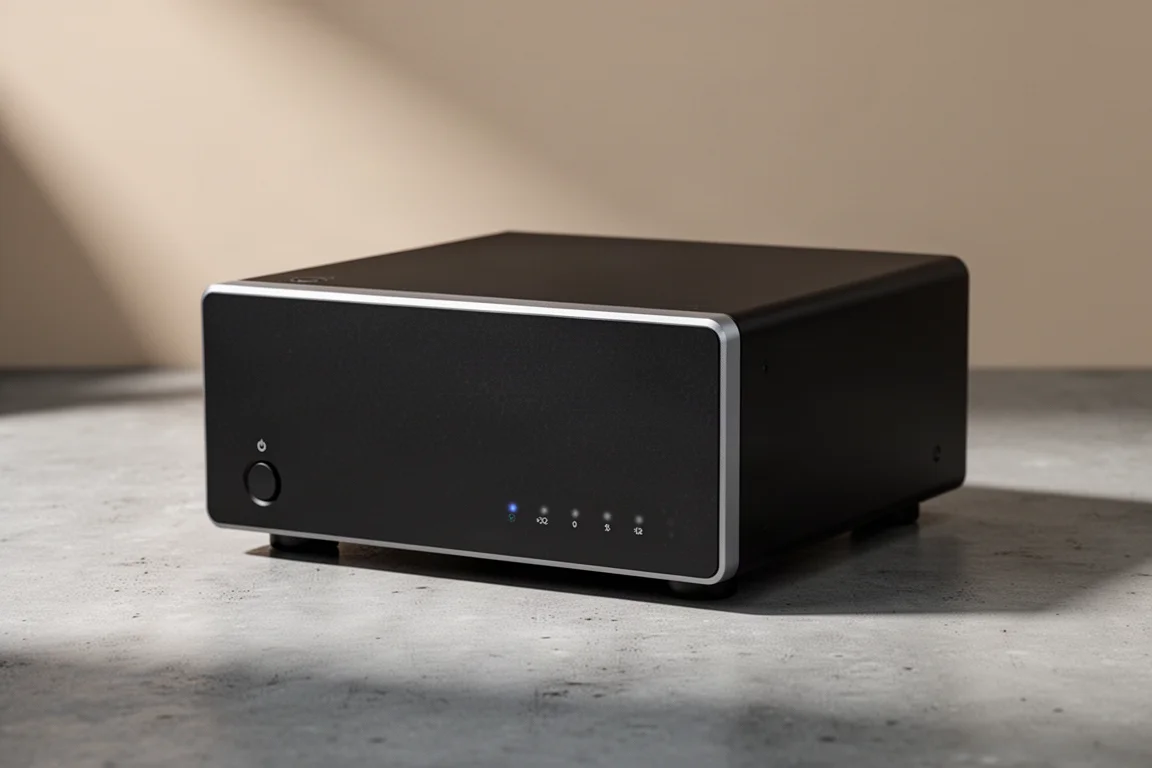
The Benchmark AHB2 is a compact stereo power amplifier with one clearly stated ambition: to stay out of the way of the signal. Its centrepiece is a feed-forward error correction circuit patented by THX, combined with a hybrid Class AB and Class H output stage. Benchmark states that this topology pushes distortion and noise to exceptionally low levels while also rivaling high-grade Class A and Class D designs in other measured parameters, including crossover distortion.
What makes the AHB2 interesting beyond the spec sheet is the philosophy behind it. Benchmark does not treat measurements as the finish line. The company’s position is that impressive numbers do not automatically guarantee transparency, and that transparency has to be confirmed with listening tests. That combination of documented performance and disciplined listening evaluation is a reasonable place to start when judging a reference-oriented amplifier.
Who This Amplifier Is For
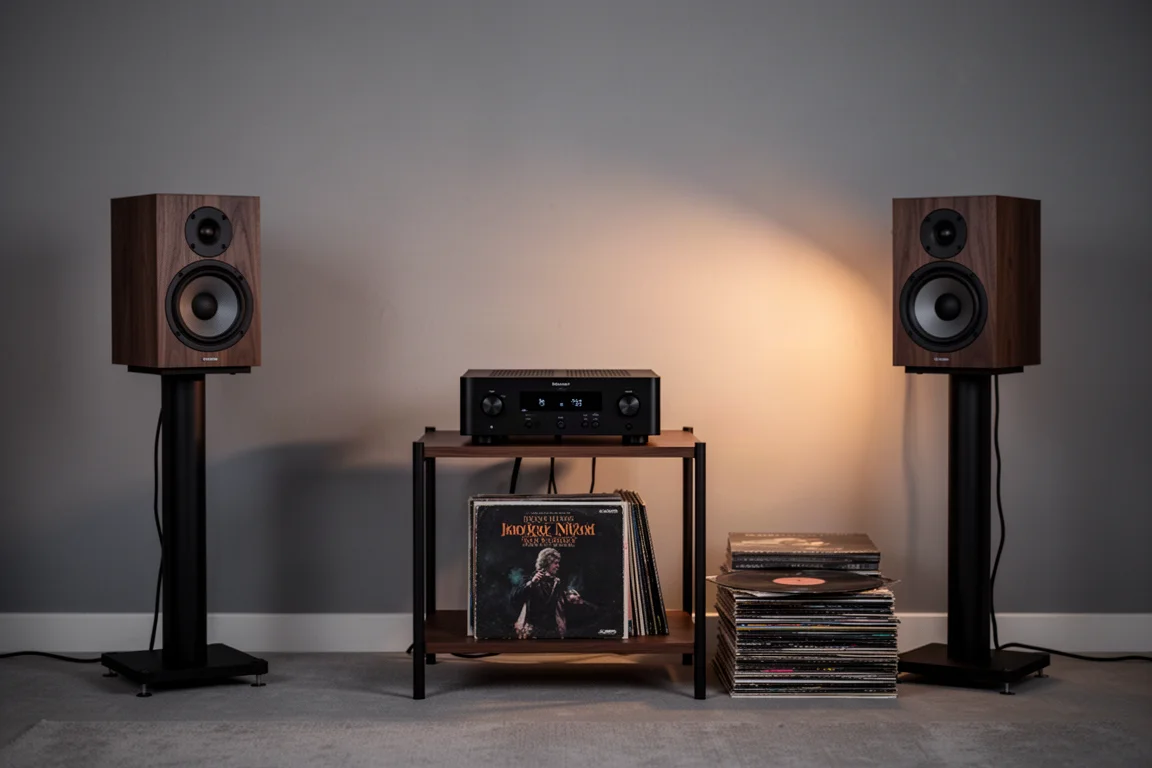
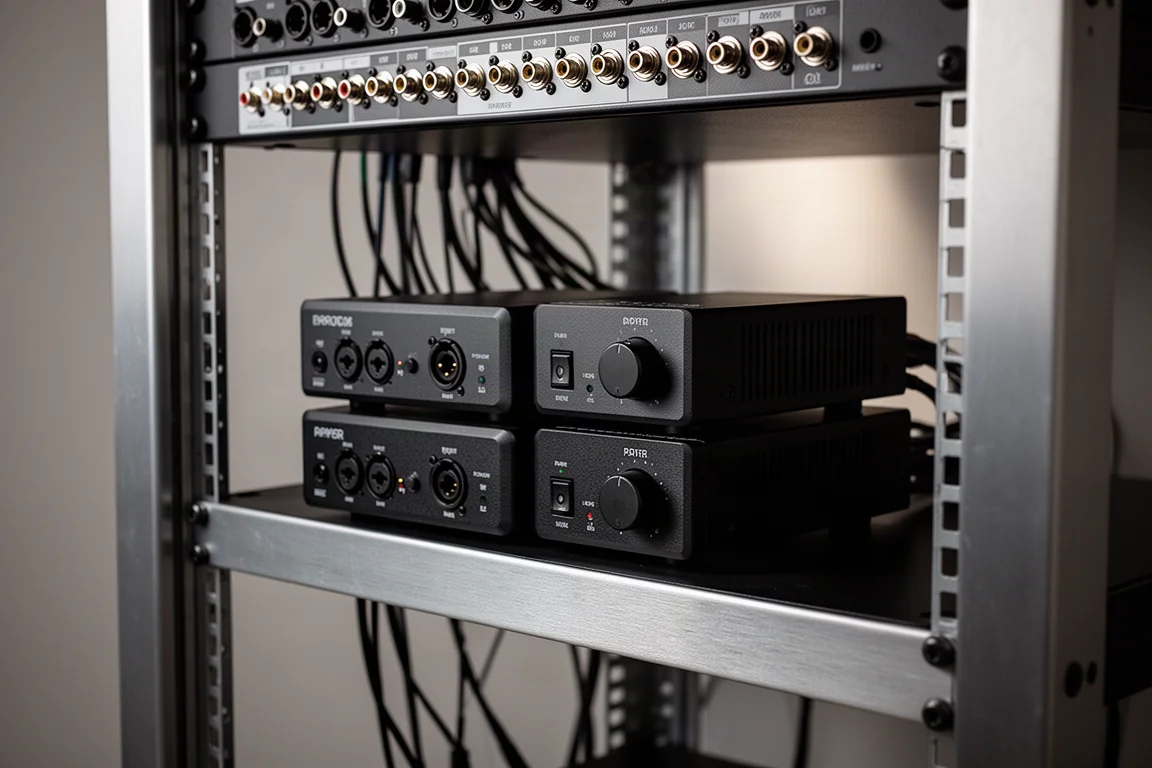
The AHB2 is a tool for listeners who want faithful reproduction rather than a signature sound. It fits naturally into studio and mastering environments, which is why a rack mount option is offered, and it appeals to audiophiles who are chasing the original meaning of the hobby: a system that reproduces what was recorded with as little editorialising as possible.
It is also a sensible choice for anyone whose speakers are difficult to drive. The AHB2 is a high-current design that can handle low impedances, and that capability matters more than the modest footprint suggests.
If you enjoy tuning your system toward warmth, bloom, or a particular tonal character, this is probably not the amplifier you are looking for. The AHB2 does not add those qualities, and it will not disguise them elsewhere in the chain either.
Main Strengths: Transparency and a Measurement-Backed Design
The headline strength is neutrality. In extended listening, the AHB2 does not exaggerate bass, mid-bass, or treble. It behaves like a blank canvas. When components upstream were swapped, what came through was the character of those components rather than the character of the amplifier. That is the practical meaning of transparency, and it is rare enough to be worth noting.
The feed-forward error correction is central to that result. The hybrid Class AB and Class H output stage, working with the THX-patented correction system, is what allows a chassis this small to reach low noise and low distortion without the dryness or glassiness that some Class D designs exhibit.
Because the amplifier is so uncoloured, it also functions as a diagnostic tool. It shows the coloration of the preamplifier, the converter, and the speakers in the chain instead of covering them up. For anyone assembling a system deliberately, that is useful information rather than a drawback.
Power Output, Impedance, and Speaker Compatibility
The output figures are remarkable for the size of the enclosure. In stereo mode, a single unit delivers 100 W per channel into 8 ohms, 130 W into 6 ohms, 190 W into 4 ohms, and 240 W into 3 ohms. Benchmark also rates the amplifier to handle impedances down to 1.6 ohms, which places it among the more flexible designs for demanding loads.
In mono mode, engaged with a switch on the rear panel of each unit, output climbs to 200 W into 16 ohms, 380 W into 8 ohms, and 480 W into 6 ohms. Two amplifiers used this way give considerable headroom for large rooms or inefficient speakers.
When running a pair in mono, follow the manual on polarity. The terminal labelling changes relative to stereo operation, and that is a small detail with large consequences if it is missed.
Inputs, Gain Settings, and Connections
Inputs are balanced only. There are no single-ended RCA inputs, so a preamplifier without balanced outputs needs an RCA to XLR conversion cable.
The three-position sensitivity switch on the rear panel is the detail most likely to affect sound quality. The lowest setting suits professional preamplifiers with a fully balanced topology. The middle setting is the safest general choice across balanced and RCA-based preamplifiers. The highest setting is intended for RCA connections. Benchmark notes that the wrong setting allows preamplifier noise to pass through and be amplified along with the signal.
In practice, the difference is audible. Set too low, the sound becomes dull, lifeless, and compressed. Set too high, it turns bright, brittle, and fatiguing, with a ringing quality in the upper frequencies. With the correct setting, the amplifier sounds neutral and transparent, without either brittleness or compression. Power the amplifier down or lower the volume before changing the switch.
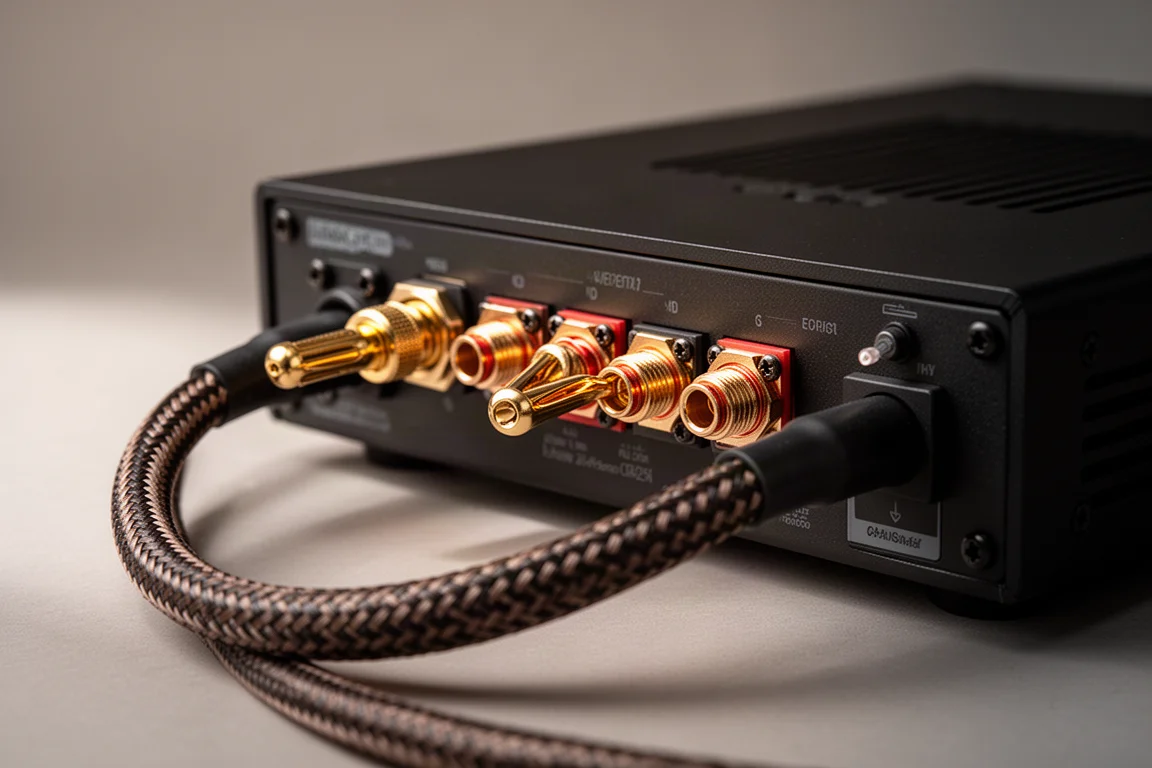
Speaker terminals deserve a note as well. Spade connectors are awkward here, since the opening is not forgiving and heavy cables can lift the amplifier. Benchmark’s own position is that spade plugs produce variable measurement results, which is why the company sells its own cables and favours SpeakON connections, with locking banana plugs as the recommended alternative.
What It Sounds Like in Real Systems
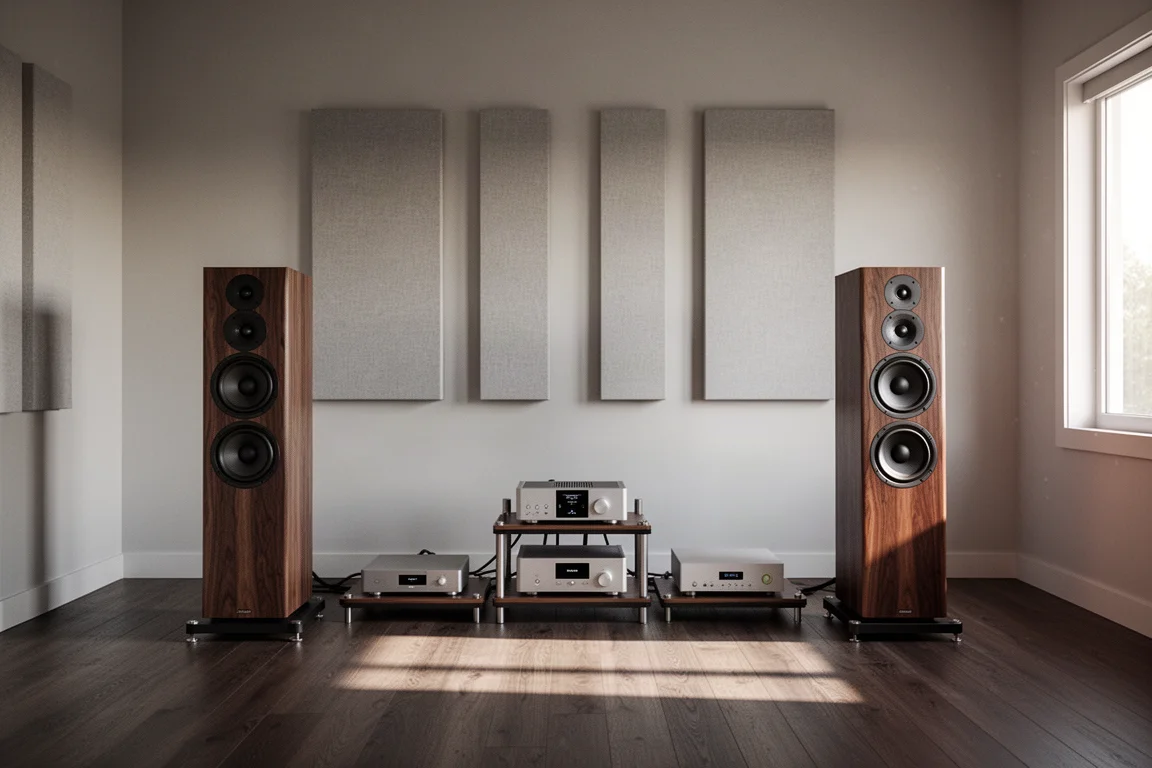
With well-recorded material, the AHB2 is dynamic, open, and clean, delivering micro-detail, punch, and low-frequency rumble exactly as far as the recording contains them and no further. Soundstaging follows the same principle. The amplifier does not enlarge or shrink the stage; it passes through what the recording and the speakers provide. A spacious, ambient recording sounds spacious. A focused, close-mixed recording sounds focused.
The flip side is exposure. Poorly recorded or heavily processed material is presented with every flaw intact, and some listeners will find that uncomfortable. Where modern pop and hip-hop recordings push treble energy for playback on small earphones, a neutral amplifier paired with neutral speakers will make that emphasis plainly audible.
Things to Consider Before Buying
The AHB2 rewards matching. Because it reveals so much, the rest of the system matters: the preamplifier, the converter, and the speakers all become audible contributors rather than masked ones.
Buyers should also plan for the practical details. Budget for suitable cables if you do not already own locking banana plugs or SpeakON-terminated cables. Check that your preamplifier’s output type matches the gain setting you intend to use. And weigh the finish and installation options: a silver or a black faceplate is available, and a rack mount kit is offered for studio installations.
Operationally, the amplifier is well thought out. The front panel carries a power switch and indicator LEDs for temperature, peaking, clipping, and muting, and the unit drops into standby automatically after a period of inactivity. It is designed to be left running as part of a system rather than managed constantly.
Buying Advice
The AHB2 is worth considering if your goal is a neutral, low-distortion amplifier that can drive demanding speakers from a small chassis. In stereo it covers most speakers comfortably, and a pair running in mono mode covers the rest with substantial headroom.
Choose it if you want to hear your recordings and your components as they are. If you would rather shape the sound toward a warmer or more expansive presentation, a different amplifier will serve you better, and no amount of setup work will change the AHB2’s fundamental character.
Conclusion
The Benchmark AHB2 does one thing and does it thoroughly: it transfers the signal with minimal added coloration, backed by a THX-patented feed-forward error correction design and a hybrid Class AB and Class H output stage. It is compact, powerful enough to drive low-impedance loads down to 1.6 ohms, and flexible enough to run as a stereo amplifier or as a pair of monoblocks. The caveats are real, with balanced-only inputs, a gain switch that must be matched to your preamplifier, and terminals that favour specific cable types, but these are setup considerations rather than flaws. For listeners who want the closest approach to an uncoloured signal path, it is a compelling and coherent design.
Product link
View more details for Benchmark AHB2
This product is mentioned in the review. Check the specifications, options, and compatibility before buying.
View more details for Benchmark AHB2Further reading
Related Reviews
Power Amplifiers
Advance Paris X-A160 EVO Review: A Focused Power Amplifier Built to Last
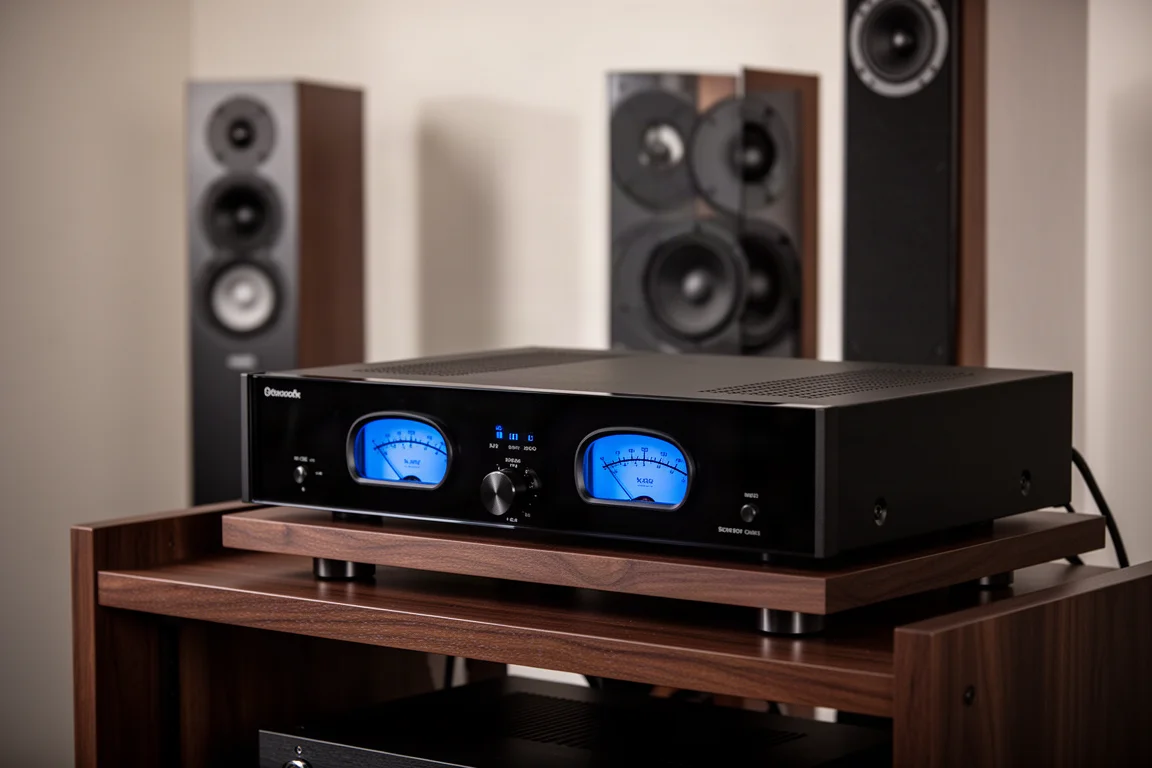
A $1,999 stereo power amplifier with selectable class A bias, 160 watts per channel, blue VU meters, and a build designed to be serviced for decades.
Power Amplifiers
Burson Timekeeper 3X GT Review: Class A Character in a Compact Monoblock
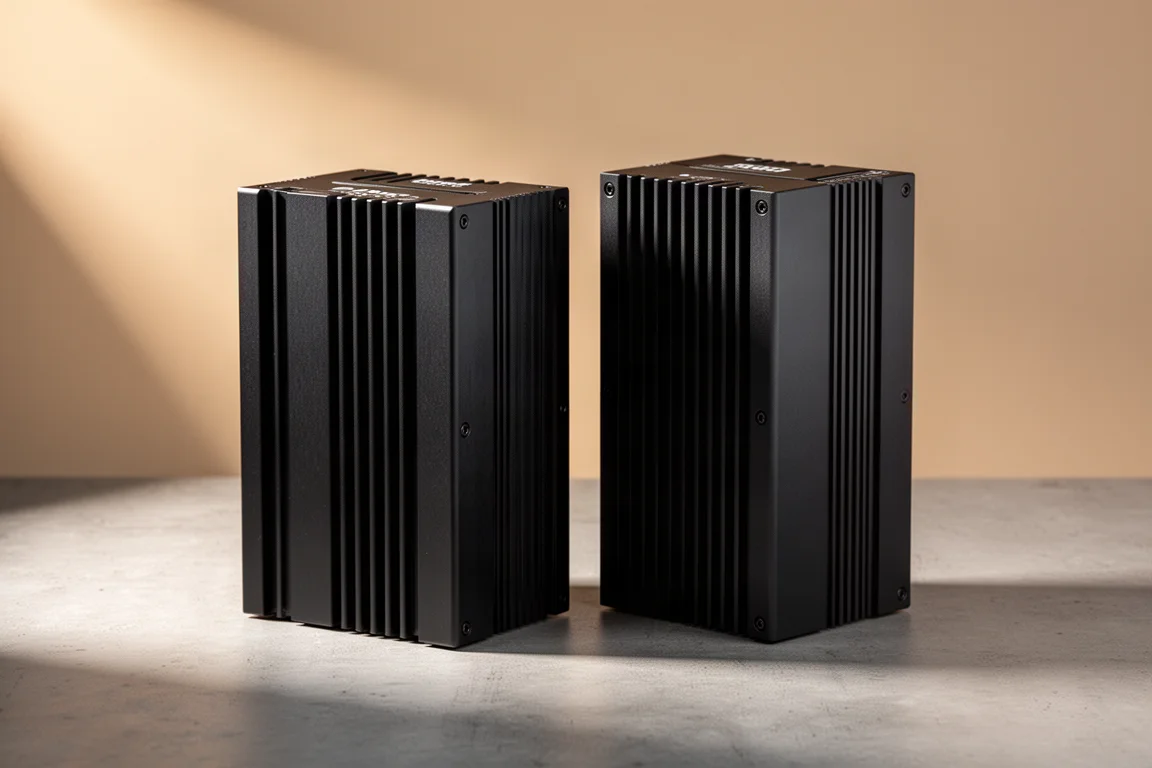
A compact flagship monoblock with the first 30 watts in Class A, 110W into 8 ohms, pinpoint imaging, and an unusually large soundstage.
Power Amplifiers
Classé Audio Fifteen Power Amplifier Review: Vintage Warmth With Modern Clarity
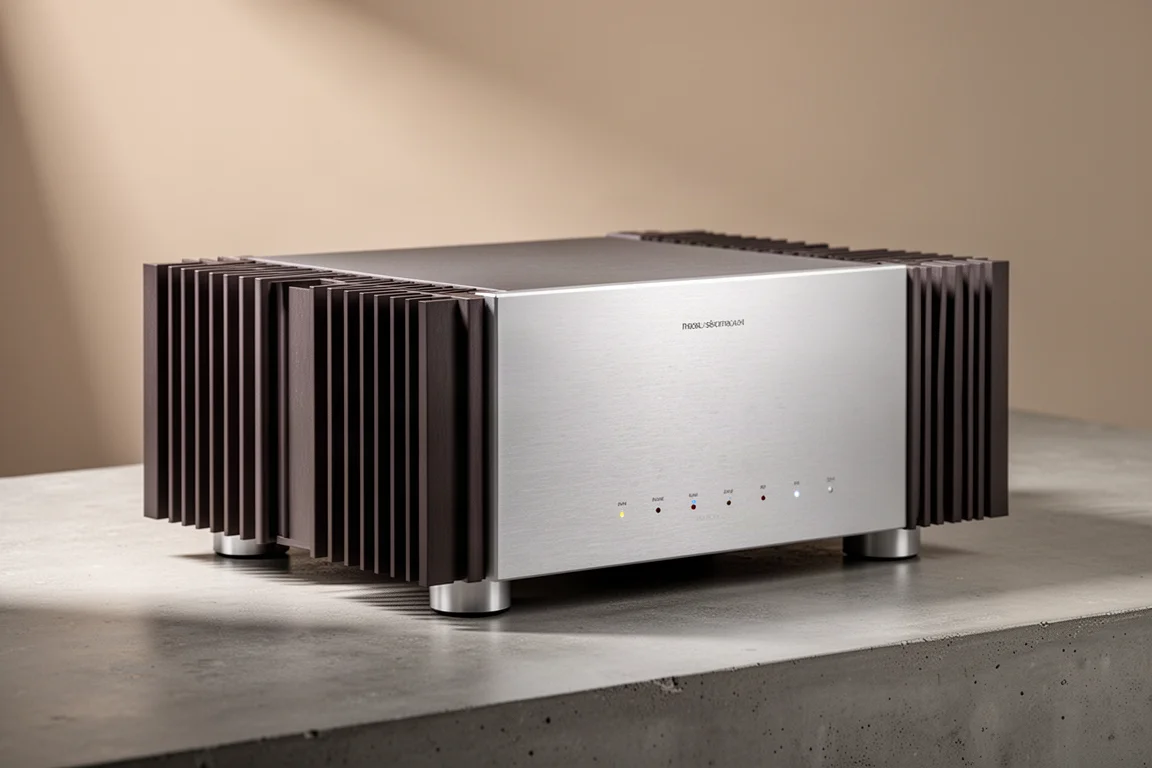
A used-market Classé Audio Fifteen delivers 175W into 8 ohms, balanced inputs, and a warm, spacious presentation that still holds up against far pricier modern amplifiers.