Hi-Fi Audio
Schiit Urd vs Rotel CD11 Tribute: Two Paths Into CD Playback
A practical look at two disc players, one built as a transport with USB hub duties and one conventional CD player, and how to decide which fits your system.
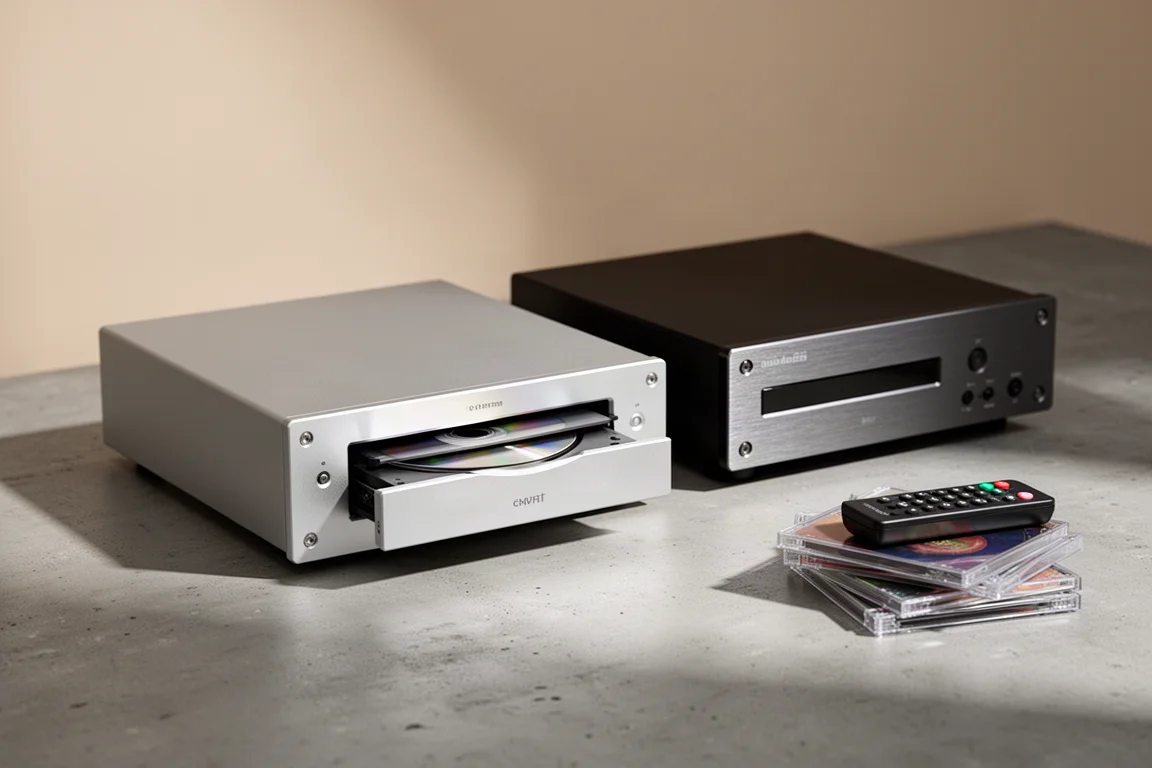
Introduction
Compact discs remain one of the cheapest ways to build a physical music collection, and secondhand discs in particular cost very little compared with other formats. For listeners who already own a good DAC, adding disc playback raises a familiar question: buy a CD player, or buy a CD transport and keep using the converter you already trust?
The Schiit Urd and the Rotel CD11 Tribute answer that question in two very different ways. One is a niche transport with an unusual amount of digital connectivity. The other is a conventional, well-built CD player. Both play discs. Beyond that, they suit different systems and different listeners.
Why a CD Transport Instead of a CD Player
A CD transport is essentially a CD player without an internal DAC. It reads the disc and sends the digital signal out to a separate converter, usually over coaxial S/PDIF or AES/EBU, and in some designs over USB. The logic is simple: if you already own a converter you like, there is little point paying for a second one inside the disc player.
That separation also lets you choose each part on its own terms, and it means the money goes into the mechanism, the power supply and the digital output stage rather than into conversion hardware you may never use. The trade-off is that a transport is useless on its own. It needs a DAC, and it needs a spare input on that DAC.
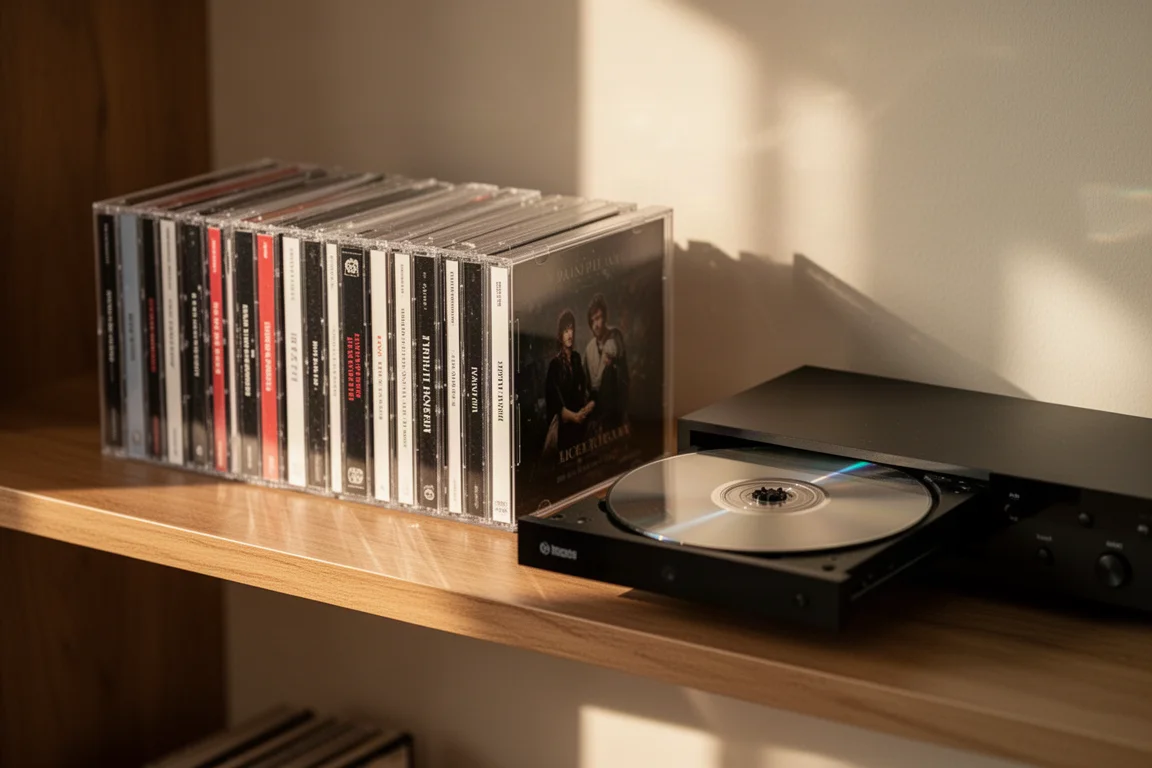
For anyone moving from streaming to discs, that is the first practical decision to make. If your amplifier has a spare digital input and your DAC is already in place, a transport fits naturally into the system. If not, a player with its own converter is the simpler route.
Sound Quality: What a Direct Comparison Showed
Feed the Schiit Urd and the Rotel CD11 Tribute into the same DAC over S/PDIF and the two are very hard to tell apart. That is worth stating plainly, because it reframes what a transport purchase is really about.
Differences between digital transports do exist, but they are small, often described as the last one or two percent of performance. How much of that a system can reveal depends on the rest of the chain. On a modest setup, with a few hundred dollars each spent on speakers, amplifier and DAC, those differences are unlikely to be the limiting factor in what you hear.
There is a technical argument behind the idea that timing matters, and external clocks are common in recording studios for exactly that reason. It is a reasonable explanation for why digital sources can differ at all. It is not a reason to expect a dramatic change in a home system.
Schiit Urd: A CD Transport That Doubles as a Digital Hub
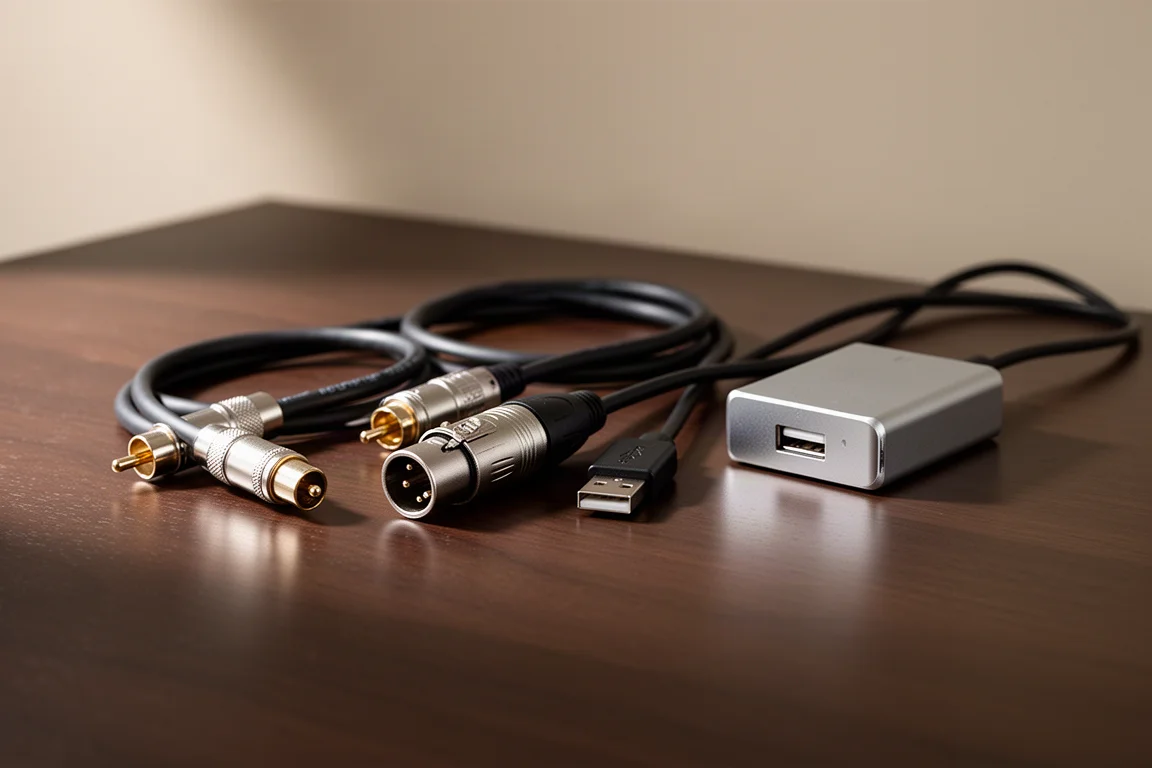
The Urd is where the unusual thinking shows up. Its rear panel carries the expected coaxial S/PDIF output, an AES/EBU balanced output, and a USB output. That third option is the one that changes what the box can do.
Because the USB output uses Schiit’s own Unison USB implementation, the Urd can feed a DAC that only accepts USB. USB-only converters are common and often inexpensive, so the transport opens up a category of DAC that a conventional player cannot reach at all. The company has developed Unison USB in house, which means its USB audio design does not depend on third-party chips or on their supply and pricing.
The Urd also has two Unison USB inputs on the back. A streamer, including a small single-board computer based streamer, can be plugged in and routed through the Urd, which makes the transport a digital hub for the system rather than a disc-only device.
Build and ergonomics are more mixed. The disc drawer comes from Stream Unlimited, the same mechanism used in other affordable disc players, and it feels light and somewhat fragile. The front panel labelling is small, the remote takes a few attempts to decode, and opening the drawer requires a long press of the stop button. None of that affects sound, but it is part of living with the product.
At $1,300, the Urd is not aimed at everyone. Whether that figure represents value depends on what the USB inputs and output are worth to you. If they solve a real problem in your system, the price has a logic to it. If they do not, the same money buys a lot of CDs.
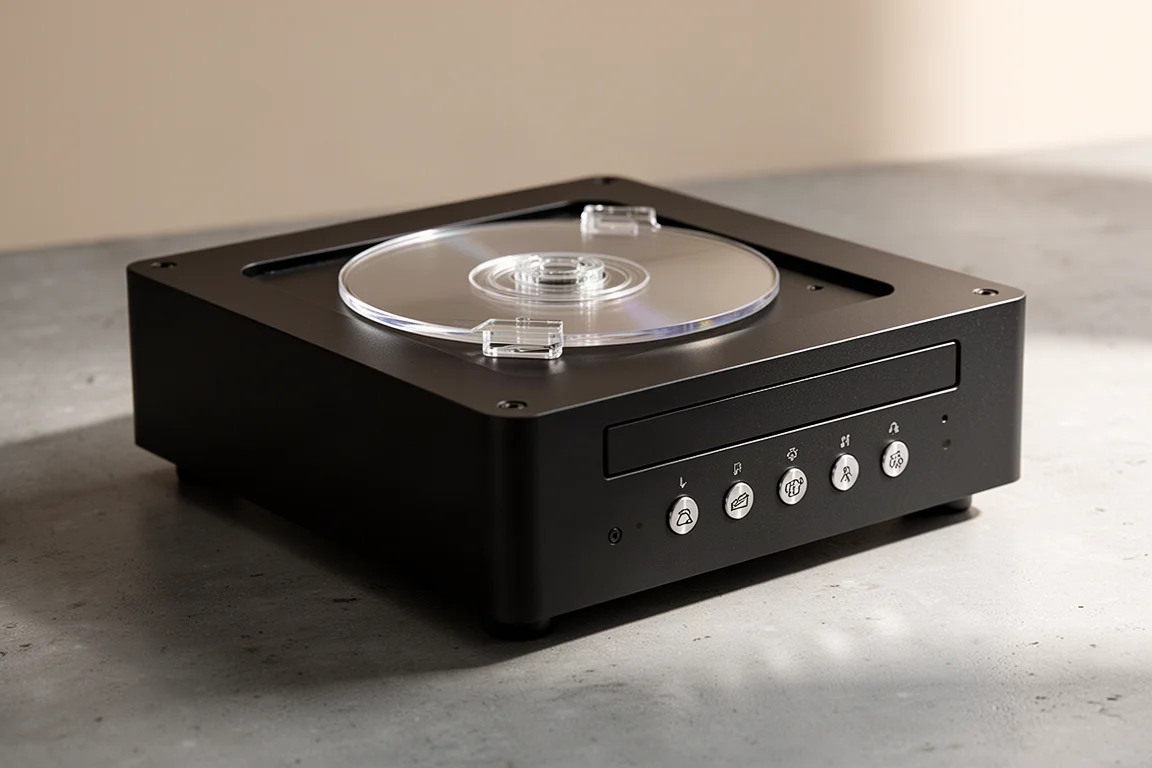
Rotel CD11 Tribute: A Conventional CD Player Done Well
The Rotel CD11 Tribute takes the opposite approach. It is a CD player in the traditional sense, with a built-in converter, so it can feed an amplifier directly without any external DAC in the chain.
The unit is weighty and substantial, and it uses a linear power supply, which is part of why it feels and behaves like a serious piece of equipment rather than a budget disc spinner. It has been a dependable reference in a system for a couple of years.
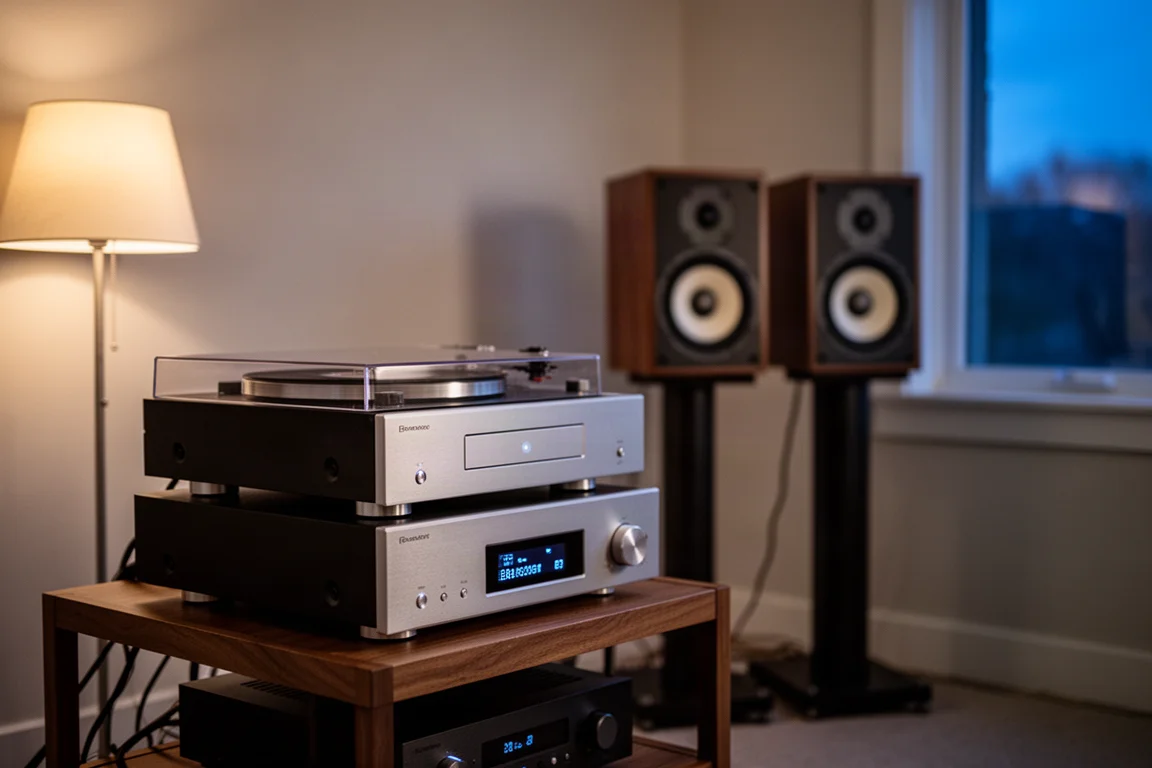
Its limitation is connectivity. There is no USB input and no USB output, so it cannot feed a DAC that only accepts USB, and it cannot act as a hub for a streamer. If you want to use it with an external converter, coaxial S/PDIF is the route.
As a disc player, though, it holds its own. When its S/PDIF output feeds the same DAC as the Urd, the audible result is effectively the same. For listeners who simply want to play CDs well, that is the relevant finding.
Matching a Transport to the Rest of Your System
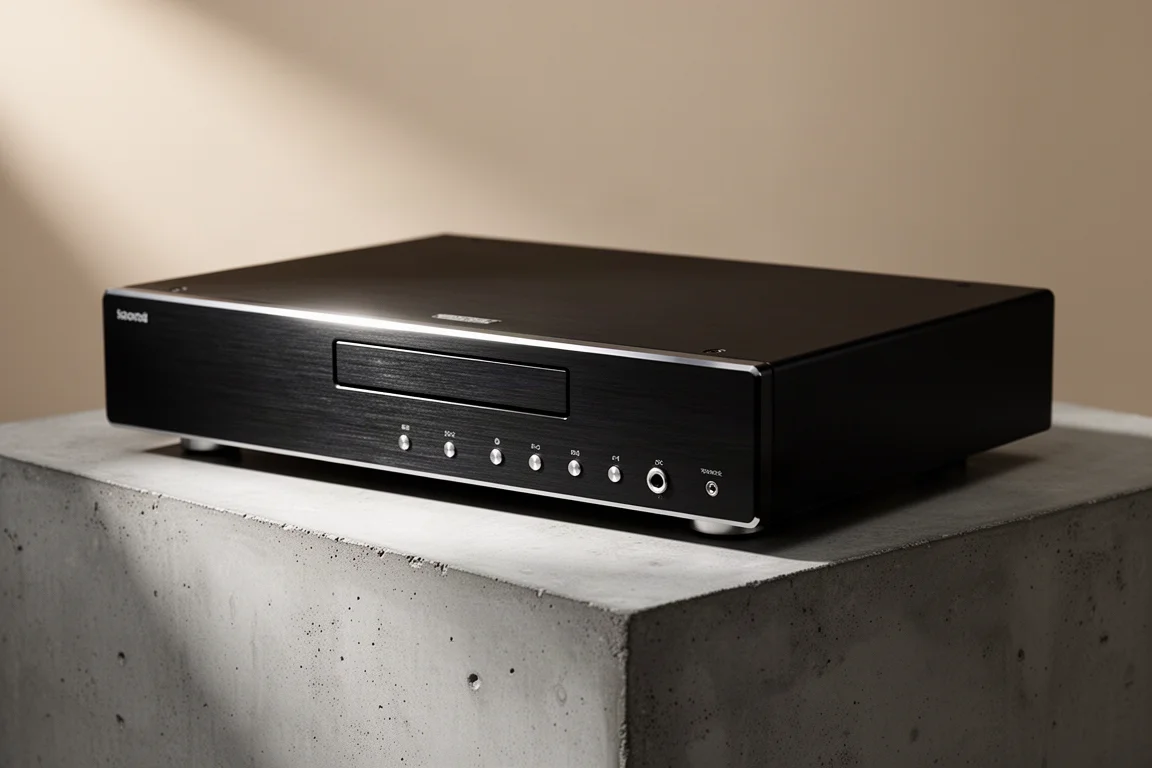
The USB output on the Urd is only valuable if you have something to connect it to. The good news is that USB-only DACs, including small portable models and compact desktop units with headphone outputs, are plentiful and inexpensive. A transport with a USB output lets you spend less on conversion and more on the disc mechanism.
There is also a low-cost path worth knowing about. An inexpensive DVD or Blu-ray player with a digital output can serve as a transport. Its analog output is poor, but sent through a good external DAC the result is a significant step up, and it is a legitimate way to start buying CDs today without committing to an expensive transport.
The catch is resolution. On a system built around a few hundred dollars each for speakers, amplifier and DAC, the differences between disc transports are unlikely to be audible. That is not a criticism of anyone’s setup. It simply means the upgrade money may be better spent elsewhere first.
Buying Advice: Who Should Consider the Urd
The Urd makes the most sense for a specific listener: someone who already owns a DAC, already runs a streamer, and wants both to live in one digital chain. The USB inputs let a streamer pass through the transport, and the USB output reaches converters that a standard player cannot drive. If that describes your system, the connectivity has genuine value.
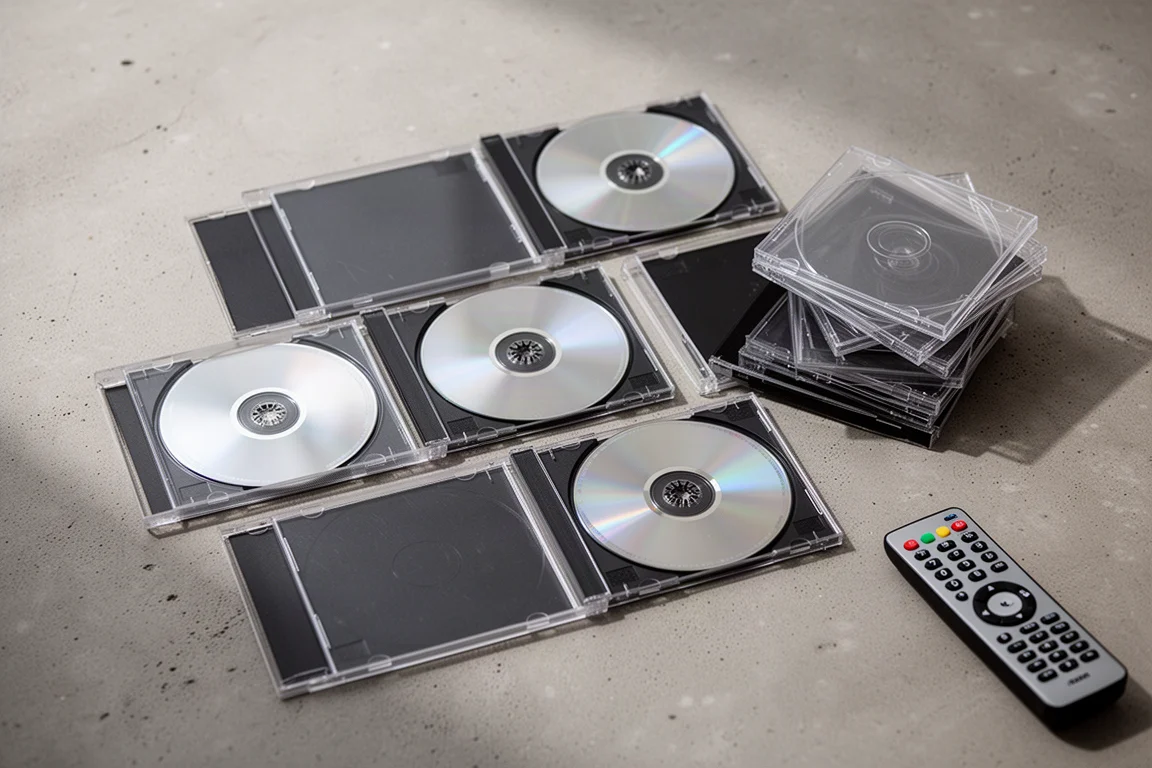
If it does not, there is no shame in the simpler answer. A conventional player like the Rotel CD11 Tribute covers disc playback with fewer moving parts and no dependency on your DAC’s input options. An inexpensive disc player into a good DAC is a third route that costs very little and gets you listening to CDs straight away.
The broader point is that value here is personal. A transport is a niche product by nature, and the right choice depends on what your system already has, not on which box is objectively better.
Conclusion
The Schiit Urd and the Rotel CD11 Tribute both play discs, and through the same DAC they sound essentially the same. What separates them is what surrounds the disc mechanism: the Urd adds USB inputs, a USB output and hub duties for $1,300, while the Rotel offers a solid, conventional player with a linear power supply and no USB connectivity at all.
Buy the Urd if its digital flexibility solves a problem you actually have. Buy the Rotel if you want a dependable player and a straightforward signal path. And if you are only just returning to CDs, start with the discs themselves, because that is where the real value still sits.
Further reading
Related Reviews
Hi-Fi Audio
Accuphase C-57 vs Allnic H-7000V: Two High-End Phono Stages Compared
A fully balanced solid-state phono stage with a pitch-black noise floor meets a tube design built for well-loved records. Here is how to choose between them.
Hi-Fi Audio
Active vs Passive Hi-Fi: Five Components for a Modern System
Five components that define modern active and passive hi-fi systems, with the strengths, trade-offs and setup details worth weighing before you buy.
Hi-Fi Audio
Advance Paris A10 Apex Review: A Hybrid Integrated Amplifier That Covers a Lot of Ground
A French hybrid integrated amplifier with a class A tube preamp stage, analogue power meters, and an internal DAC and phono stage good enough to make extra boxes unnecessary.