Hi-Fi Audio
Schiit Urd CD Transport Review: A Digital Hub for CD and USB Sources
A practical review of the Schiit Urd, a transport-only CD player with coaxial and AES/EBU outputs, dual Unison USB inputs and a rare USB output.
Introduction
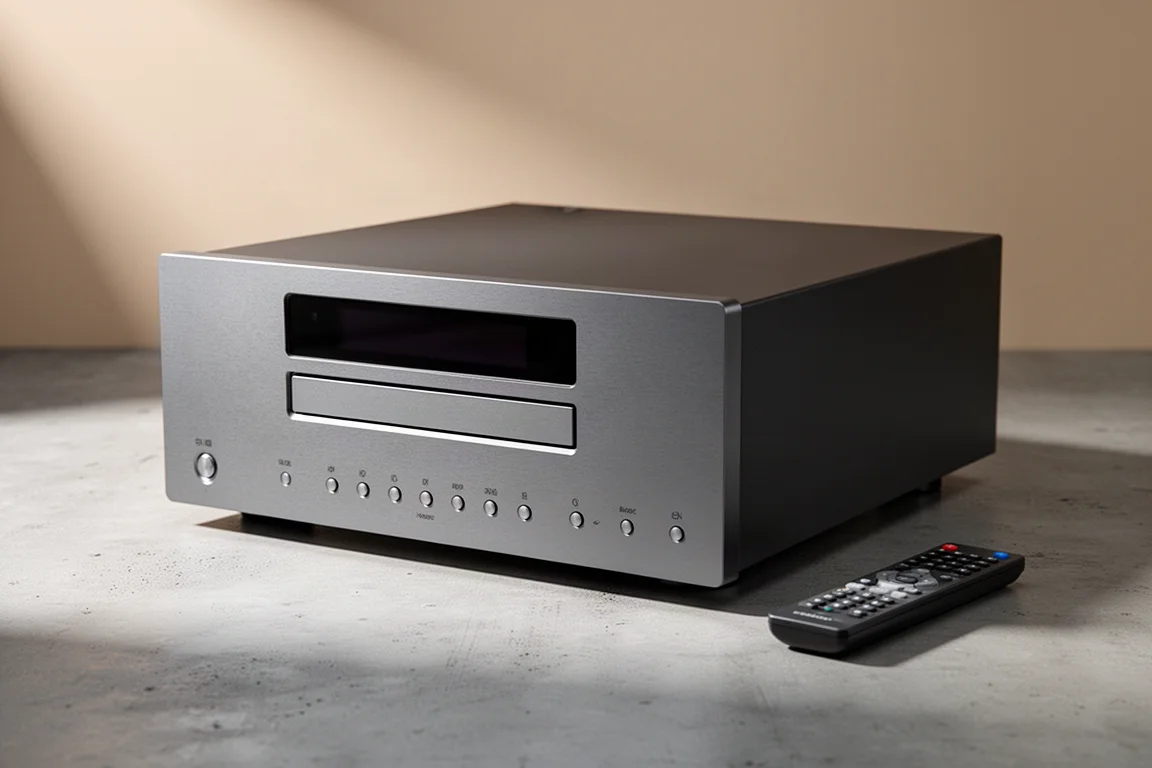
The Schiit Urd is a CD transport that sells for $1,300 USD, and the description is precise: there is no DAC inside. The back panel carries digital inputs and digital outputs only, with no analog connections at all. That makes the Urd a companion component rather than a complete player, and it is clearly aimed at listeners who already own a converter they are happy with.
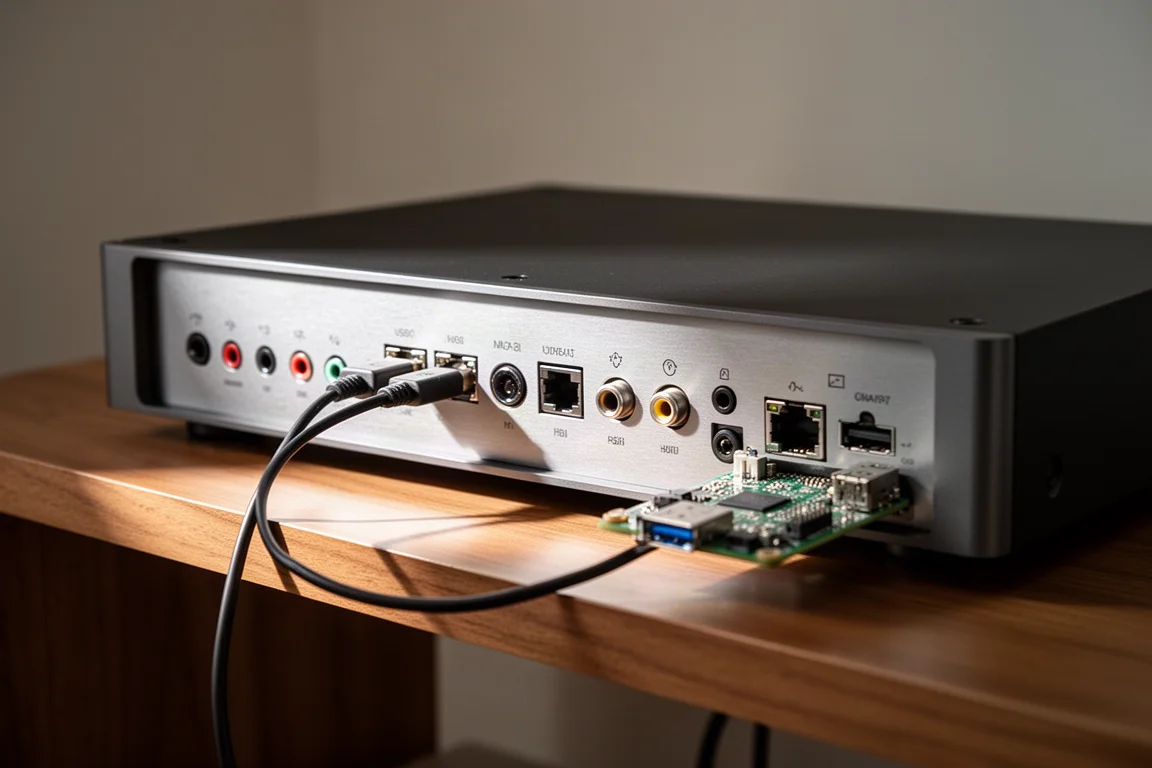
What sets it apart from a conventional transport is the connectivity. Alongside the familiar coaxial and AES/EBU digital outputs, the Urd adds two USB-C inputs built around Schiit’s own Unison USB implementation, plus a USB output that is close to a first for a CD transport. In practice, that turns a disc spinner into a small digital routing hub for an entire system.
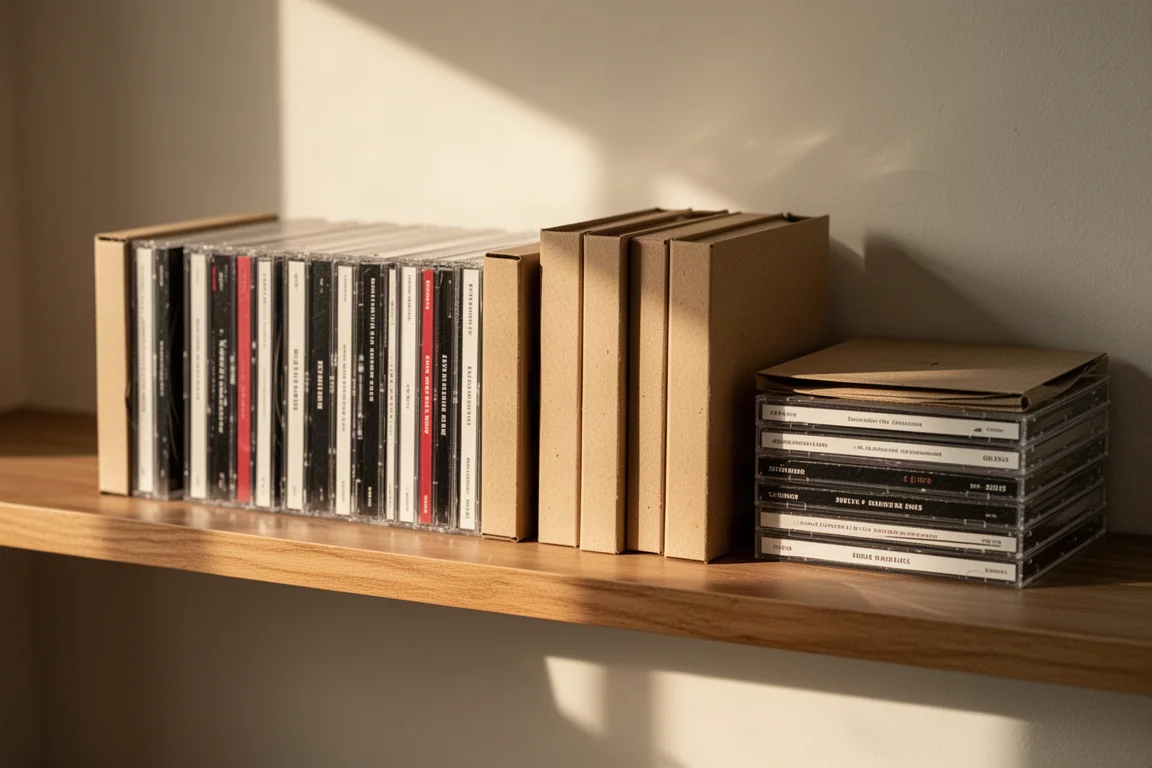
In physical terms it is a compact, low-profile component with a front-loading drawer, a small display and a row of small circular buttons. The drawer opens by holding the stop button for a couple of seconds, a quirk that takes a little getting used to but works reliably once you know it.
Who This Transport Is For
The Urd suits a particular kind of listener: someone with a CD collection, a separate DAC, and at least one USB source such as a network streamer, a computer or a small single-board computer. Instead of unplugging cables whenever they want to switch sources, they can leave everything connected and choose the active input and output from the front panel.
It also suits anyone who prefers one specific input on their DAC. If a coaxial or AES/EBU input sounds best in a given system, the Urd can take a disc or a USB source and send it out through that preferred connection, so the DAC never has to change inputs.
It is not the obvious answer for listeners who simply want the least expensive way to play compact discs. A transport-only design with this feature set costs more than a straightforward CD player, and the Urd does not try to be the budget option.
Main Strengths
Digital flexibility is the headline. The Urd offers coaxial and AES/EBU outputs, two Unison USB inputs and a USB output, and the front panel switches let you choose which input feeds which output. A disc in the drawer and a streamer on USB can share the same route to the DAC without any cable swapping.
The USB hub behaviour is the reason to choose this transport over a simpler one. Connect a network streamer, a computer or a small single-board computer to a Unison input, and the Urd can pass that signal out through any of its digital outputs. That is useful if your DAC only has a USB input, and equally useful if you want everything converted to the digital connection you prefer.
As a pure transport feeding an external DAC, the Urd does not present an obvious audible difference against another transport used in the same role. The differences that matter here are practical: how the sources connect, how the routing works and how the component behaves day to day.
The remote is a small, simple handset, and it is an easy one to live with. The front display is deliberately compact rather than showy, and the controls are small but workable.
Build, Drawer and Controls
The disc drawer is the one part that feels less substantial than the rest of the component. It opens and closes without drama, but it does not feel especially solid, and it appears to be the same mechanism used in the Cambridge Audio Evo. That is less a criticism of Schiit than a reflection of the market: CD mechanisms are increasingly hard to source, and only a handful of manufacturers still make them.
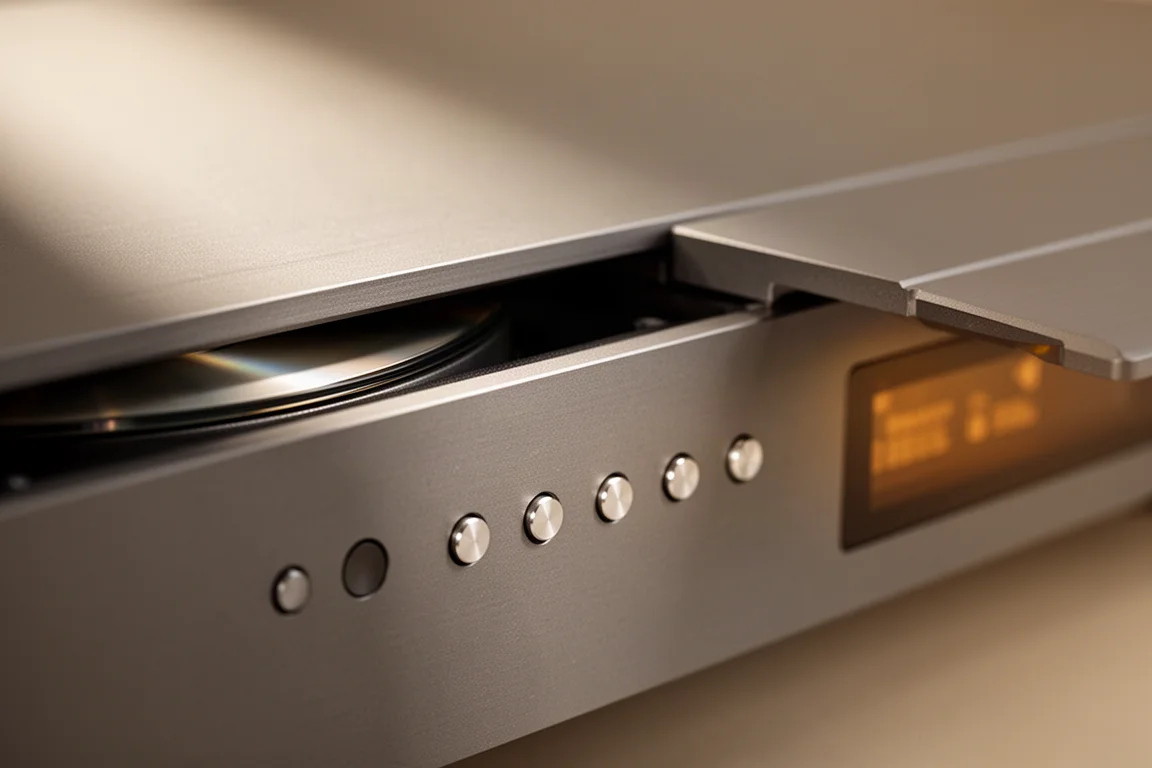
Opening the drawer means holding the stop button for a couple of seconds rather than pressing a dedicated eject control. It works every time, but it is the kind of detail owners notice in daily use.
The front panel buttons are smaller than those on some competing players, though they are perfectly usable. The display keeps things simple and readable. Schiit explored an e-ink style panel at one stage, but the refresh rate was too slow to update the seconds reliably, so the finished product uses a display that only looks similar.
Things to Consider Before Buying
There is no analog output and no internal DAC, so a separate converter is mandatory. Budget for the whole chain, not just the transport.
The USB output is not universal. It expects a USB Audio Class 2 DAC, and it did not communicate with the USB input on one integrated amplifier. An earlier attempt with a small portable DAC was inconclusive, so it is worth confirming compatibility with your own converter before committing.
Digital outputs are limited to coaxial and AES/EBU, with no Toslink connection available. If your DAC only accepts optical, this transport will not feed it directly.
Price is the other consideration. At $1,300 USD the Urd costs roughly twice as much as the Rotel CD11 Tribute, a transport and player that includes an internal DAC, analog outputs, larger front buttons and a single coaxial digital output. Used purely as digital transports into the same DAC, the two did not show a clear difference. Several established brands also offer CD transports and players for considerably less.
Buying Advice
Buy the Urd if the USB features solve a real problem in your system. If you want a disc player, a streamer and a computer to share one tidy path into a DAC, or if you want every source arriving at the input you prefer, this transport does something a conventional CD player cannot.
Skip it if you only need to spin discs. A less expensive transport, or a CD player with its own DAC, will play the same collection, and the money saved can go toward the converter instead.
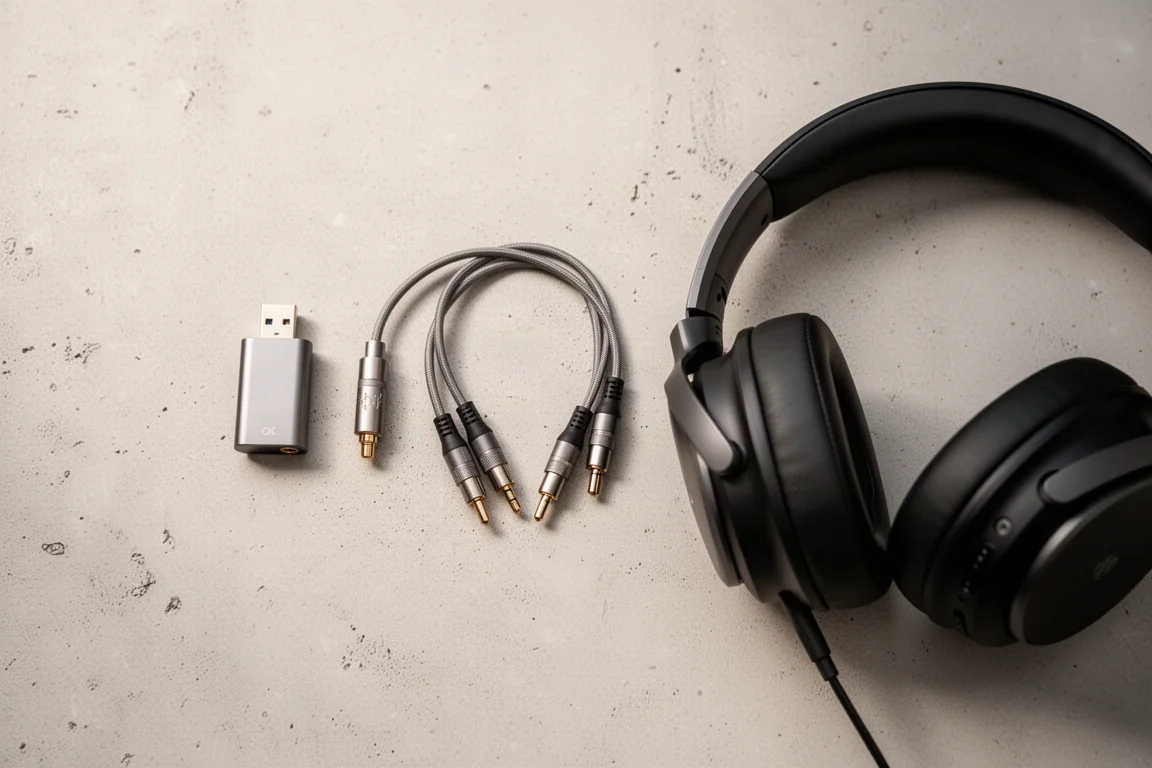
Compatibility is worth checking before you buy. Confirm that your DAC’s USB input is USB Audio Class 2, and think about which of the three outputs you actually intend to use. A small dongle DAC with a balanced output worked well as the decoding stage in this setup, though the adapter cable needed to run that signal into a full hi-fi system was not cheap.
Conclusion
The Schiit Urd is a niche component, and it is honest about that. As a plain CD transport it does not obviously outperform cheaper alternatives, and its drawer and controls are not the reason to buy it. What justifies the price is the routing: two Unison USB inputs, a rare USB output, and the ability to send any source out through coaxial or AES/EBU. For a listener with several digital sources and one favourite input on the DAC, that is a genuinely useful combination.
Product link
View more details for Schiit Urd CD Transport
This product is mentioned in the review. Check the specifications, options, and compatibility before buying.
View more details for Schiit Urd CD TransportFurther reading
Related Reviews
Hi-Fi Audio
Accuphase C-57 vs Allnic H-7000V: Two High-End Phono Stages Compared
A fully balanced solid-state phono stage with a pitch-black noise floor meets a tube design built for well-loved records. Here is how to choose between them.
Hi-Fi Audio
Active vs Passive Hi-Fi: Five Components for a Modern System
Five components that define modern active and passive hi-fi systems, with the strengths, trade-offs and setup details worth weighing before you buy.
Hi-Fi Audio
Advance Paris A10 Apex Review: A Hybrid Integrated Amplifier That Covers a Lot of Ground
A French hybrid integrated amplifier with a class A tube preamp stage, analogue power meters, and an internal DAC and phono stage good enough to make extra boxes unnecessary.