Hi-Fi Amplifiers
Schiit Rekkr vs Gjallarhorn: Two Low-Power Amplifiers Compared
A practical comparison of Schiit's two smallest power amplifiers, covering power ratings, speaker matching, warranty, and who each one actually suits.
Introduction
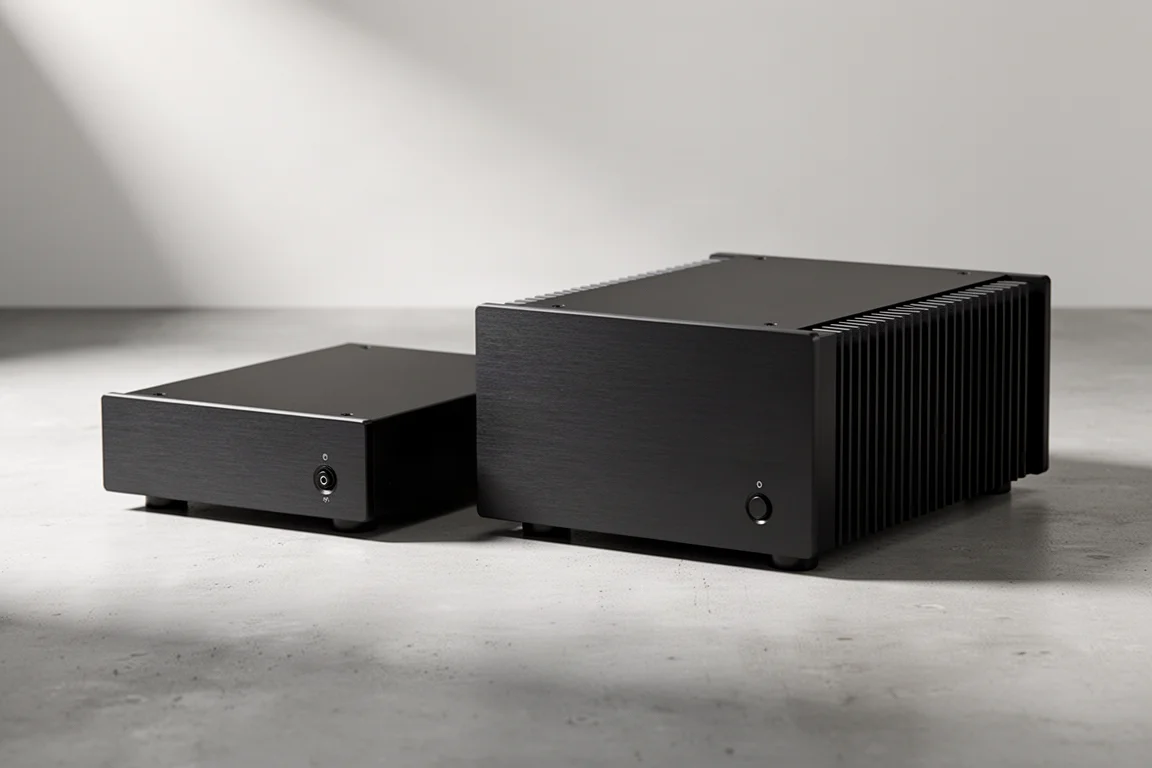
Schiit’s two smallest power amplifiers, the Rekkr and the Gjallarhorn, take a deliberate stance: instead of chasing big wattage numbers, they focus on clean Class AB amplification at very low output. The Rekkr is rated at 2 W per channel into 8 ohms. The Gjallarhorn is rated at 10 W per channel into 8 ohms. Both use fully discrete circuitry with linear power supplies, both are Class AB designs, both are made in the USA, and both are sold direct at $149 and $299 respectively.
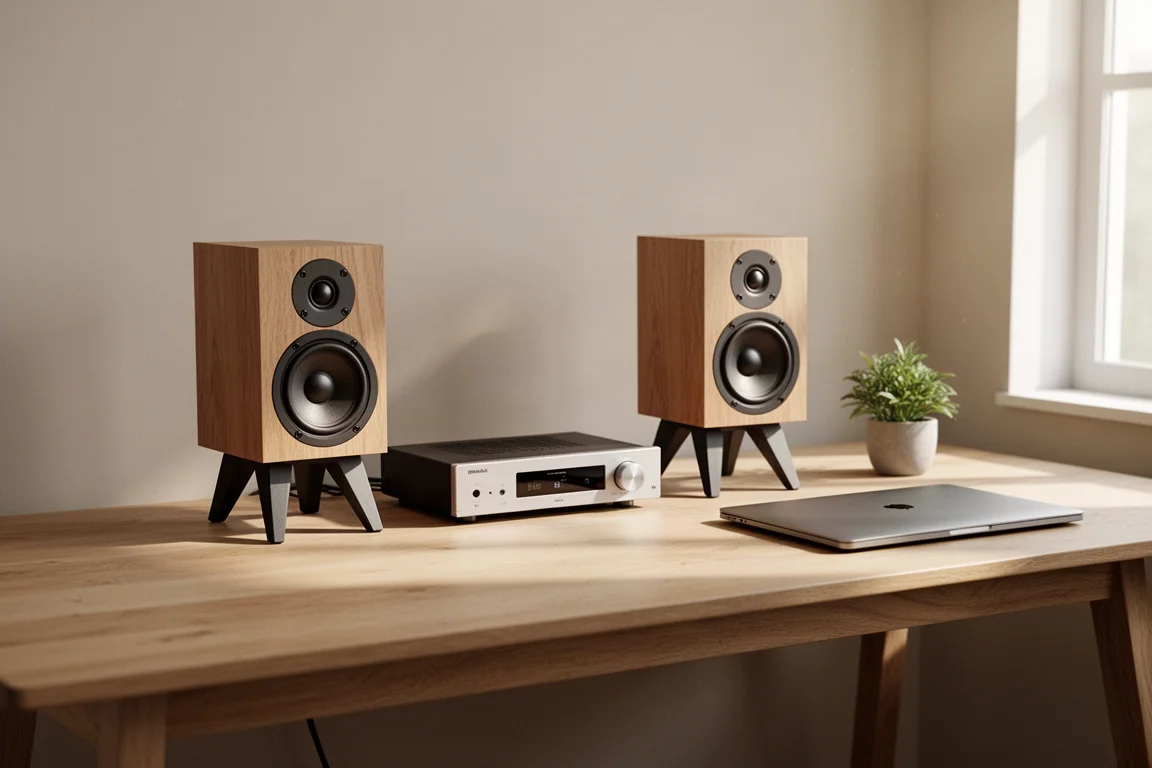
That makes them niche products, and a genuinely useful niche. If you own high-sensitivity speakers, listen in a small room, or work at a desktop or nearfield setup, a handful of watts is often all you need. If you expect to fill a large room at high volume, neither of these amplifiers is the right tool.
The two models differ in more than output power. They differ in finish options, warranty length, internal power supply design, and how much headroom they have before they run out of steam. Those differences matter more than the wattage figures on their own.
What Matters in a Low-Power Amplifier
Speaker sensitivity is the biggest single variable. A speaker rated at 94 dB, such as the Klipsch RP-600M Mark II, needs very little power to reach satisfying levels. A speaker rated at 86 dB, such as the Emotiva B1+, or 85 dB, such as the KEF LS50 Meta, asks far more of any amplifier, and the gap shows up first at higher volumes.
Listening distance and room size matter just as much. Nearfield listening from roughly a meter away needs a fraction of the power required to drive a room from across the space. Small rooms with close seating positions are exactly where low-power amplifiers make sense.
Power ratings also do not tell the whole story. An all-tube design rated at 2.3 W per channel can sound fuller and warmer than its number suggests, while a solid-state amplifier with a similar rating can sound leaner but quicker and more controlled. Circuit topology, power supply quality, and the speaker load all shape the final result.
Both Schiit models share the same foundation: fully discrete Class AB circuitry, a linear power supply, and US assembly. Where they diverge is scale, headroom, warranty coverage, and price.
Schiit Rekkr: Compact 2-Watt Amplification
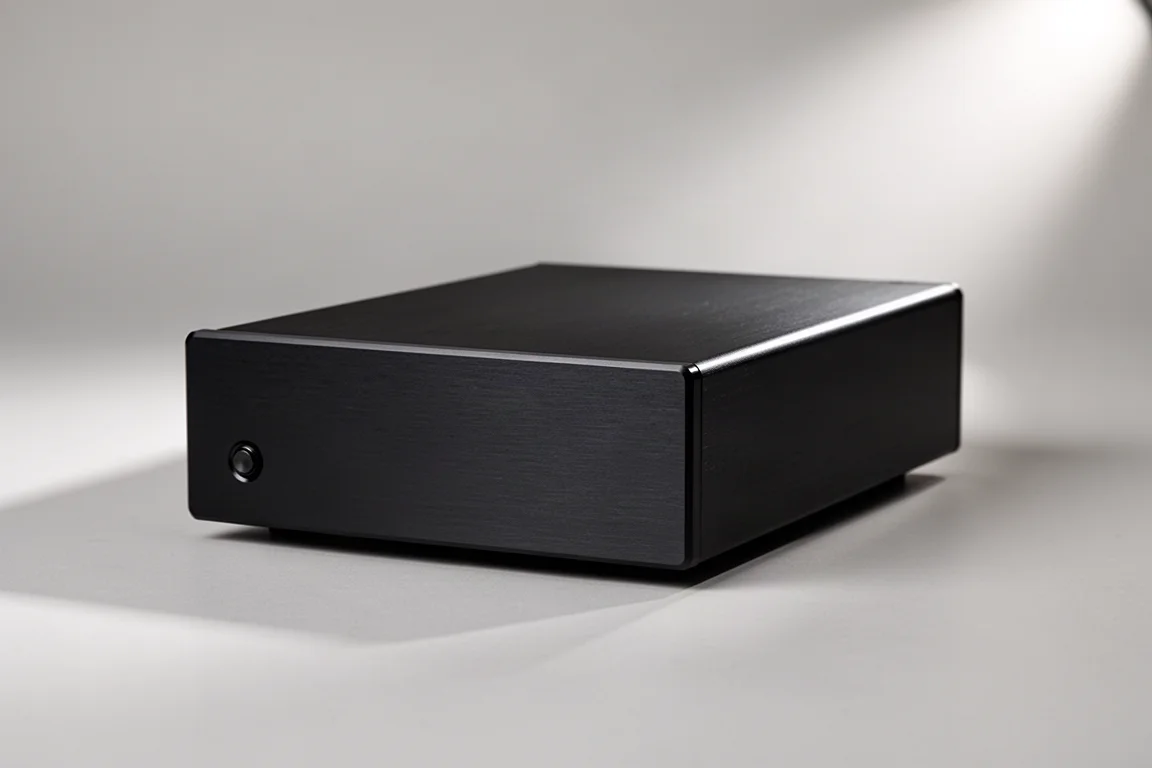
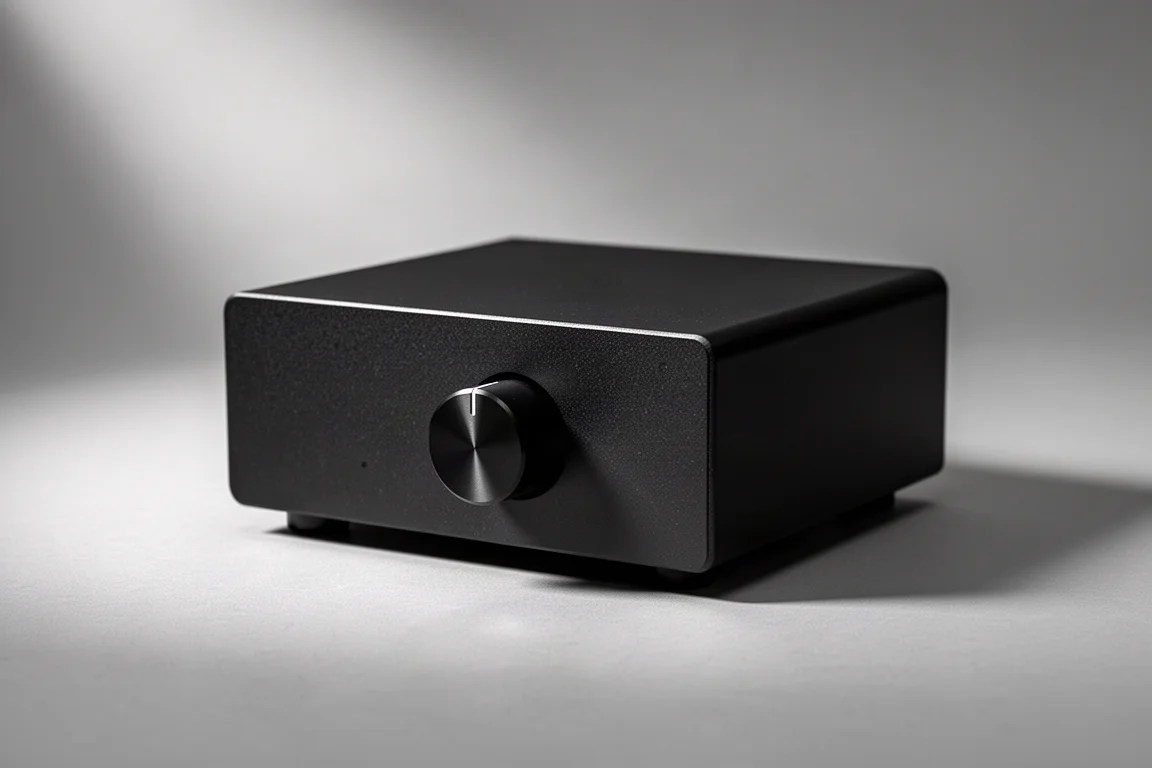
Rekkr is the smaller of the two. It is rated at 2 W per channel into 8 ohms, rising to 3 W per channel into 4 ohms, and up to 4 W when a pair is run as monoblocks. Rather than an internal transformer, it uses an external wall-wart supply, which is still a linear design. It is available in silver or black, carries a two-year warranty, and costs $149.
The trade-off is headroom. Rekkr runs out of power early. At higher volumes it clips noticeably sooner than its larger sibling, and it sounds smaller and less dynamically alive in direct comparison, with less weight in the bass.
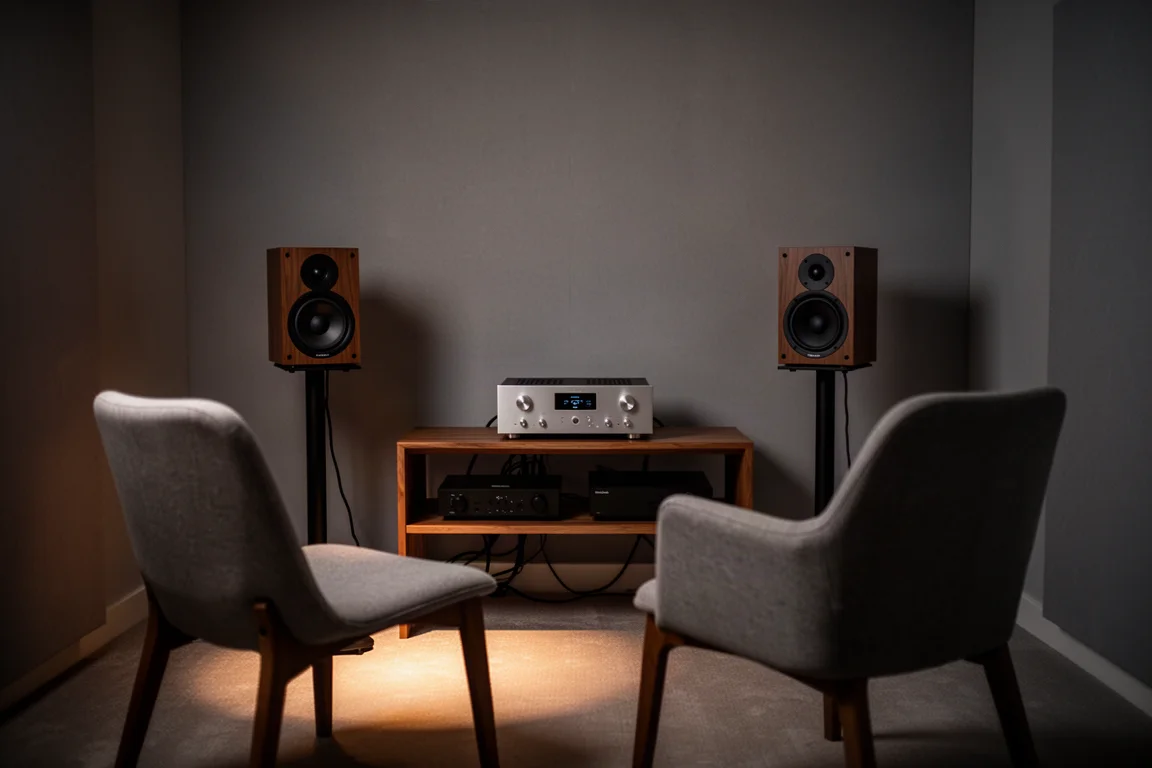
In the right context, that limitation is not a problem. On a desk, in a small room, or at moderate levels with genuinely high-sensitivity speakers, Rekkr does exactly what it was designed to do. It is a simple, tidy amplifier for nearfield and background listening, and it costs less than half the price of the Gjallarhorn.
Monoblock Options and System Flexibility
Both amplifiers can be run as monoblocks, which is the simplest way to add output without changing the rest of the system. A pair of Rekkr units delivers 4 W, while a pair of Gjallarhorn units delivers 30 W. The monoblock rating for the Gjallarhorn does not specify an impedance.
For a desktop or small-room system, that flexibility is useful. It lets you start with a single amplifier and add a second chassis later if your speakers or room demand more, and it keeps each channel on its own unit, which is a common approach in compact high-efficiency setups.
Schiit Gjallarhorn: 10 Watts and More Headroom
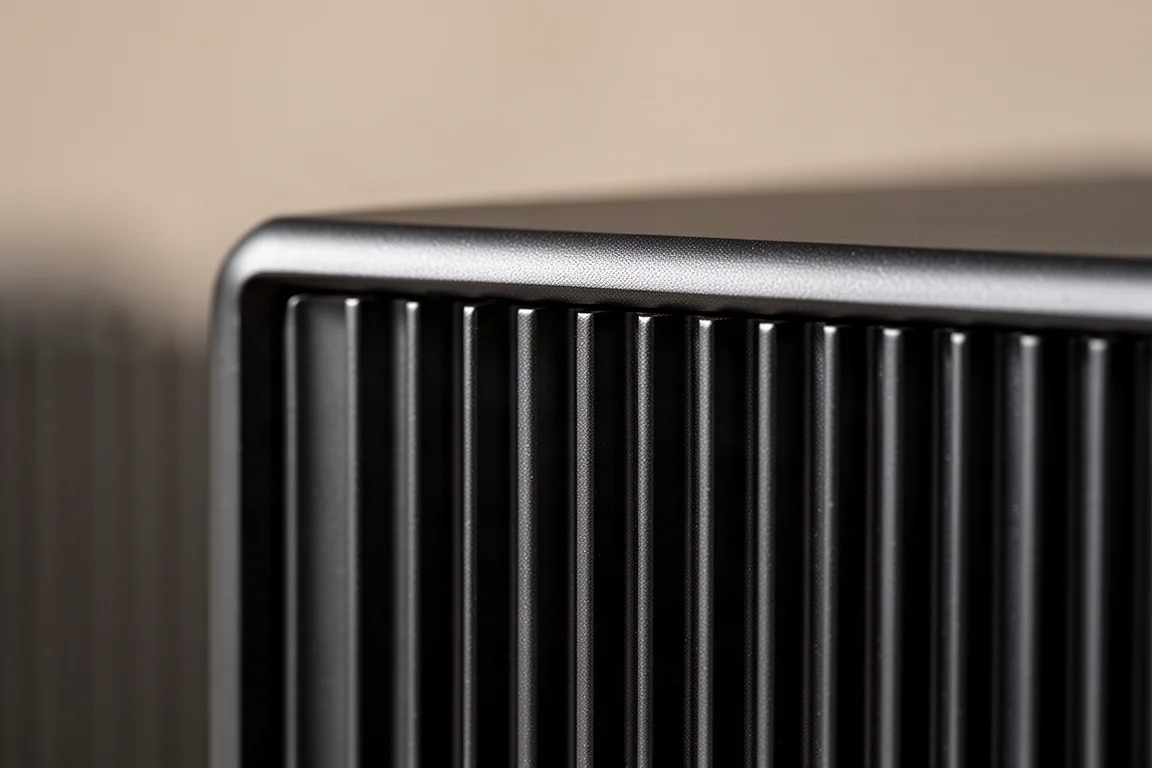
Gjallarhorn steps up to 10 W per channel into 8 ohms, 15 W per channel into 4 ohms, and 30 W in mono operation. Inside, it uses a substantial toroidal power transformer and a simple circuit layout, with a large heat sink that runs warm to the touch in normal use. It is finished in black only, costs $299, and comes with a five-year warranty, more than double the coverage offered on the Rekkr.
The extra power is easy to hear. With a high-sensitivity speaker such as the Klipsch RP-600M Mark II, Gjallarhorn produces a solid, weighty sound with real drive on deep bass passages, and it holds its composure well past the point where the Rekkr starts to struggle.
With less sensitive speakers, such as the Emotiva B1+ at 86 dB or the KEF LS50 Meta at 85 dB, it still performs convincingly at moderate levels, especially in nearfield use. A 100 W per channel Class AB amplifier such as Schiit’s Vidar 2 has clearly more headroom once the volume climbs, but at sensible levels the Gjallarhorn is not embarrassed by the comparison. It also feels substantial for its class rather than toy-like.
Buying Advice: Matching Power to Speakers and Rooms
Start with speaker sensitivity, then work out how loud you actually listen and how far away you sit. That combination decides more than any specification sheet.
If your speakers are rated around 94 dB or higher, Rekkr can cover desktop and nearfield listening at moderate levels, and it is the cheapest way into this pair. If your speakers sit in the 85 to 86 dB range, or you want one amplifier that stays composed across more music and more listening levels, Gjallarhorn is the safer and more satisfying choice.
Price and warranty are part of the calculation too. Rekkr costs $149 with two years of coverage; Gjallarhorn costs $299 with five. Doubling the budget roughly quintuples the power and more than doubles the warranty, which is a reasonable trade if the amplifier is going to stay in your system for years.
Neither amplifier is designed for loud playback in a large room. If that is your goal, a higher-powered design is the correct answer, and these two are best treated as specialist tools for efficient speakers and small spaces.
Conclusion
The Rekkr and the Gjallarhorn are both well-executed low-power amplifiers, but they suit different buyers. Rekkr is a compact, affordable option for desktop and nearfield systems where a couple of watts is genuinely enough, provided the speakers are efficient and the volume stays sensible.
Gjallarhorn is the more versatile of the two. It offers five times the power, an internal toroidal transformer, a longer warranty, and a level of composure that makes it easy to live with across a wider range of speakers and listening levels. For most people weighing up this pair, that is the one to choose.
Further reading
Related Reviews
Hi-Fi Amplifiers
Accuphase E-280 Review: Entry-Level Accuphase With Flagship Attention to Detail
A close look at the Accuphase E-280 integrated amplifier, covering its champagne build, AAVA volume control, sound quality, and the speakers and sources that suit it best.
Hi-Fi Amplifiers
Advance Paris A10 Classic vs Yamaha A-S301: Two Integrated Amplifiers Compared
A practical comparison of a $350 integrated amplifier and a $2,500 reference model, covering the differences that matter and the ones that do not.
Hi-Fi Amplifiers
Affordable Chinese Amplifiers Worth Buying: Five Budget Hi-Fi Amps Compared
A practical look at five affordable amplifiers, what each one does well, and the trade-offs to weigh before you buy.