Desktop DACs
Schiit Modi Multibit vs the Field: Six Desktop DACs Compared
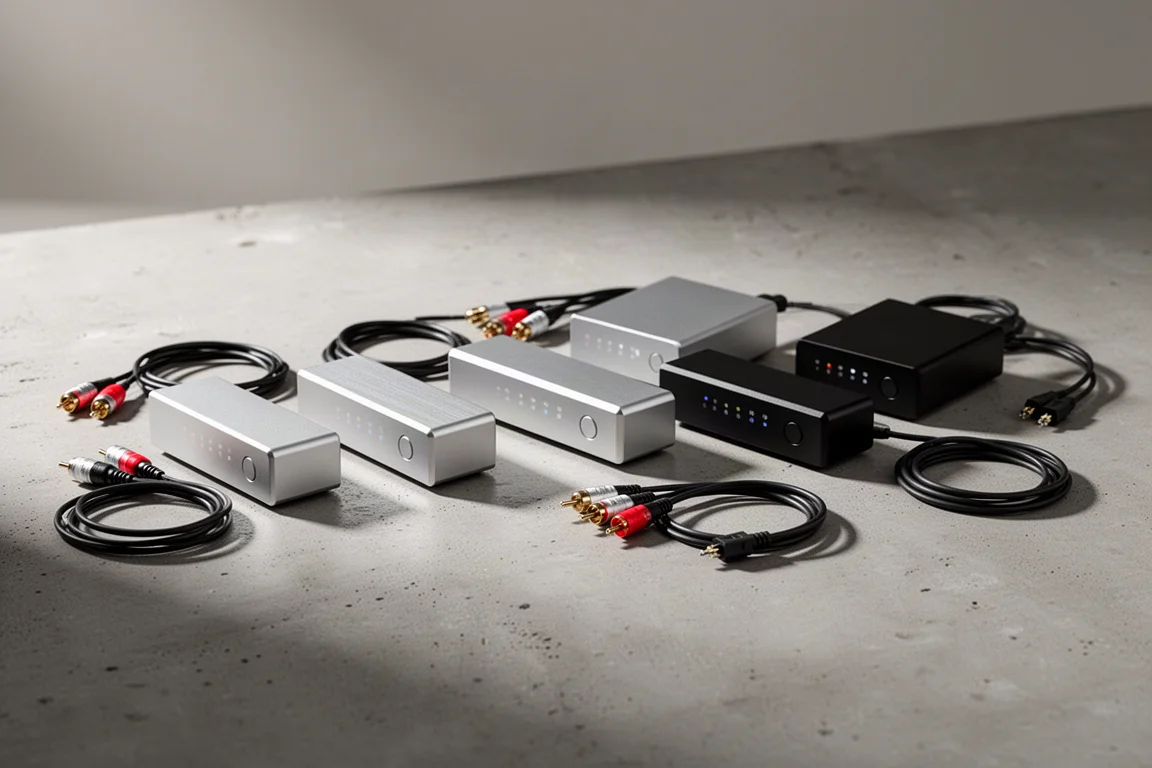
Six desktop DACs compared side by side, with the Schiit Modi Multibit at the centre and clear notes on where each rival pulls ahead.
Introduction
A good digital-to-analog converter does not have to cost a fortune, but the differences between affordable models can be genuinely hard to hear. That is exactly why the Schiit Modi Multibit stands out. At $250 it costs roughly double the standard Modi, and it replaces the usual delta-sigma decoding with a multi-bit design that behaves in a similar way to an R-2R converter, with the discrete elements placed on a chip rather than built from separate components.
The sections below cover the Modi Multibit alongside the converters it is most often measured against: the Geshelli Labs J2, the Topping E50, the iFi Zen One Signature, the Schiit Bifrost, and the Denafrips Ares II. Each one gets a clear verdict on what it does well and who should buy it.
How These DACs Were Compared
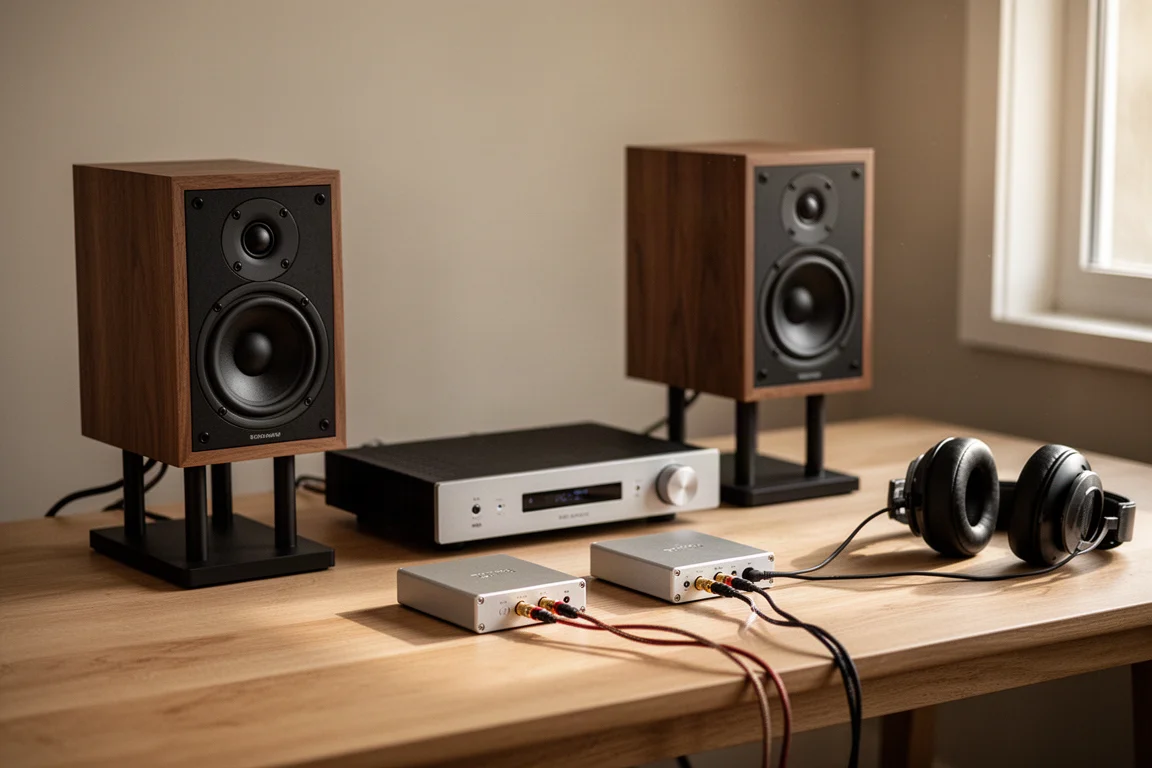
Every converter here was fed from the same digital source through an optical splitter, with one output going to the Modi Multibit and the other to the comparison DAC. Both analog outputs then ran into the same integrated amplifier and a pair of near-field bookshelf speakers placed roughly three feet away, close enough to hear small differences in tone and separation.
That setup matters. Two good DACs at a similar price can sound almost identical on first listen, and level differences make the job harder, because the louder of the two usually sounds better even when nothing else has changed. The Geshelli Labs J2 has a slightly higher output level than the Modi Multibit, so volume had to be adjusted during switching. Even so, the tonal differences described below came through clearly enough to be worth noting.
Switching back and forth between converters with familiar recordings was the method used throughout. It is far more reliable than trying to recall how a DAC sounded weeks earlier, because it isolates a single instrument or vocal line and lets the ear pick out small shifts in position and definition.
Schiit Modi Multibit: Neutral and Resolving at $250
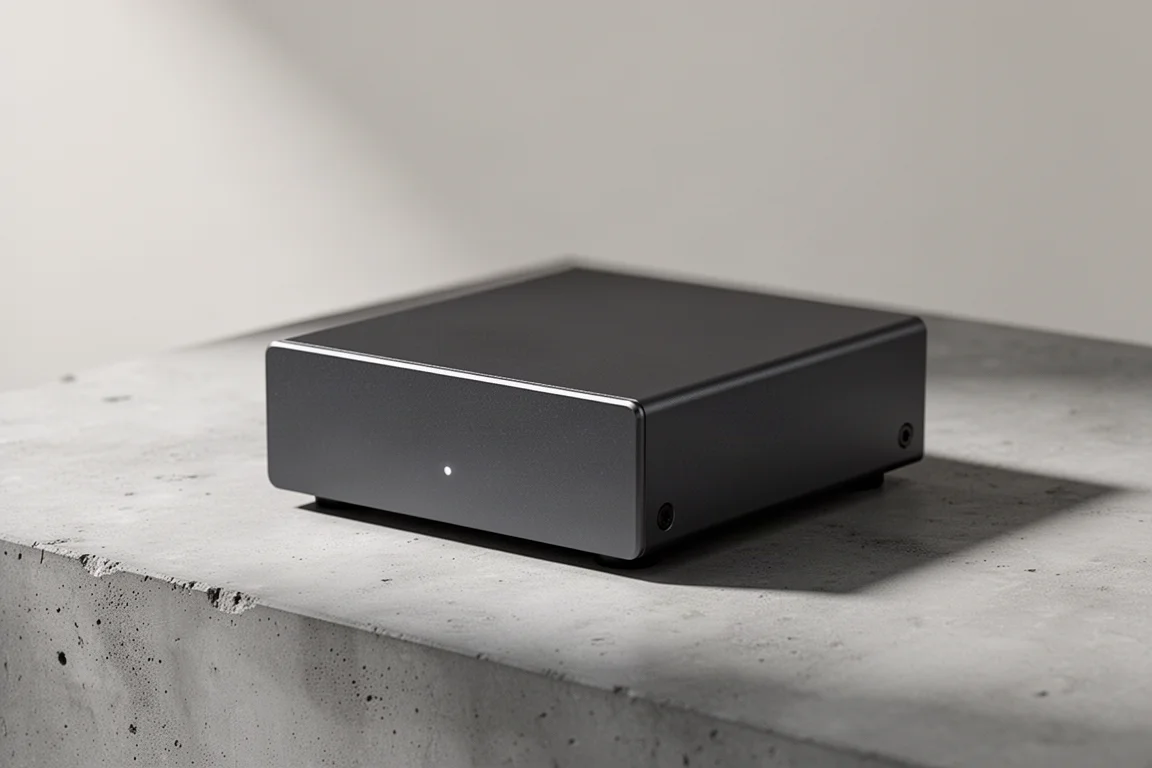
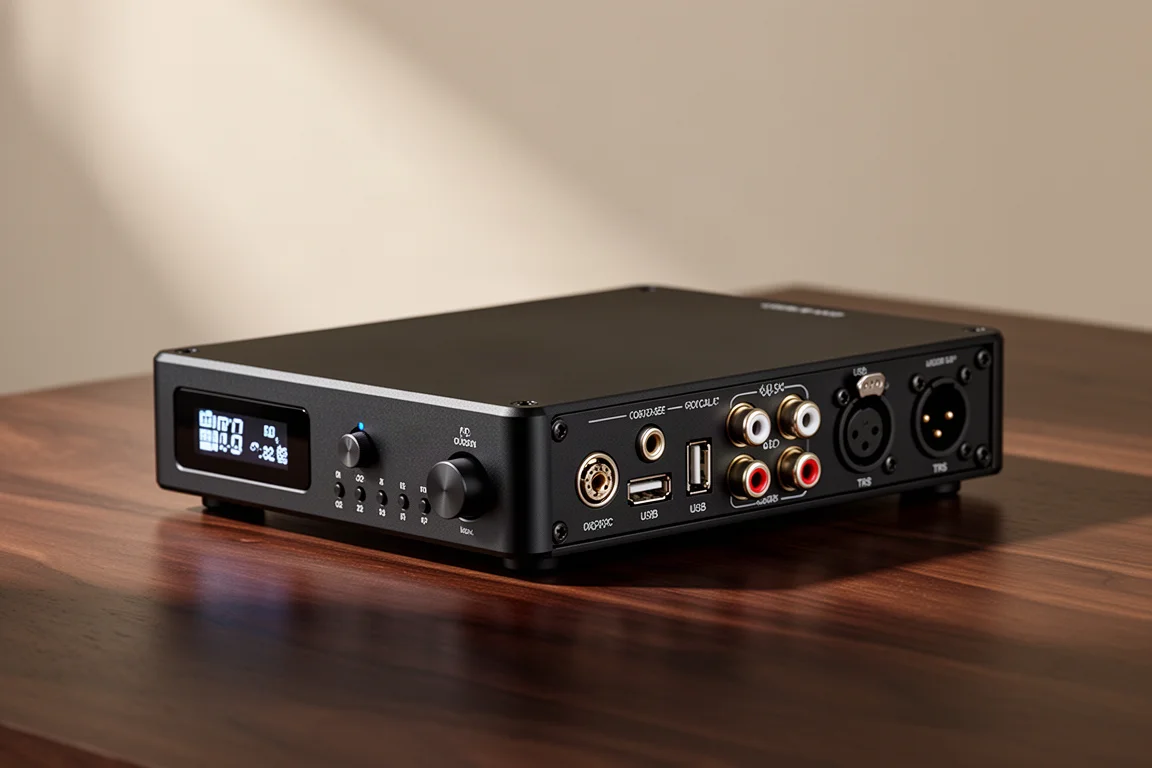
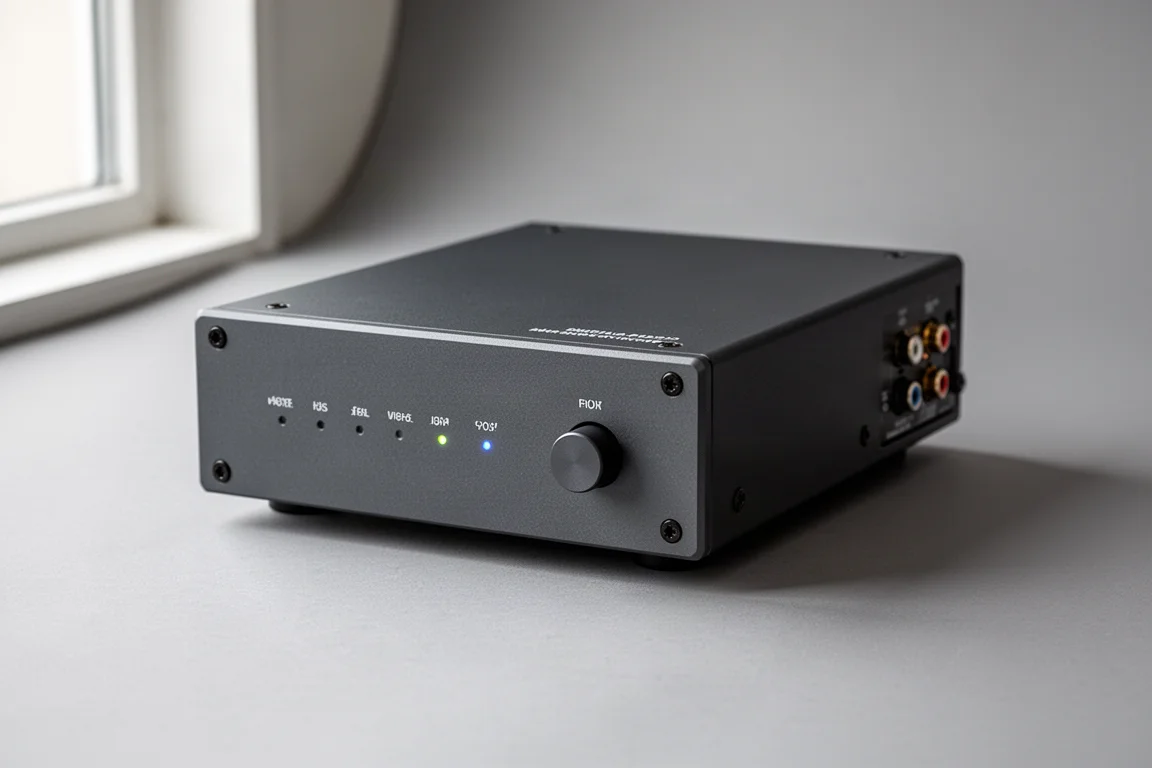
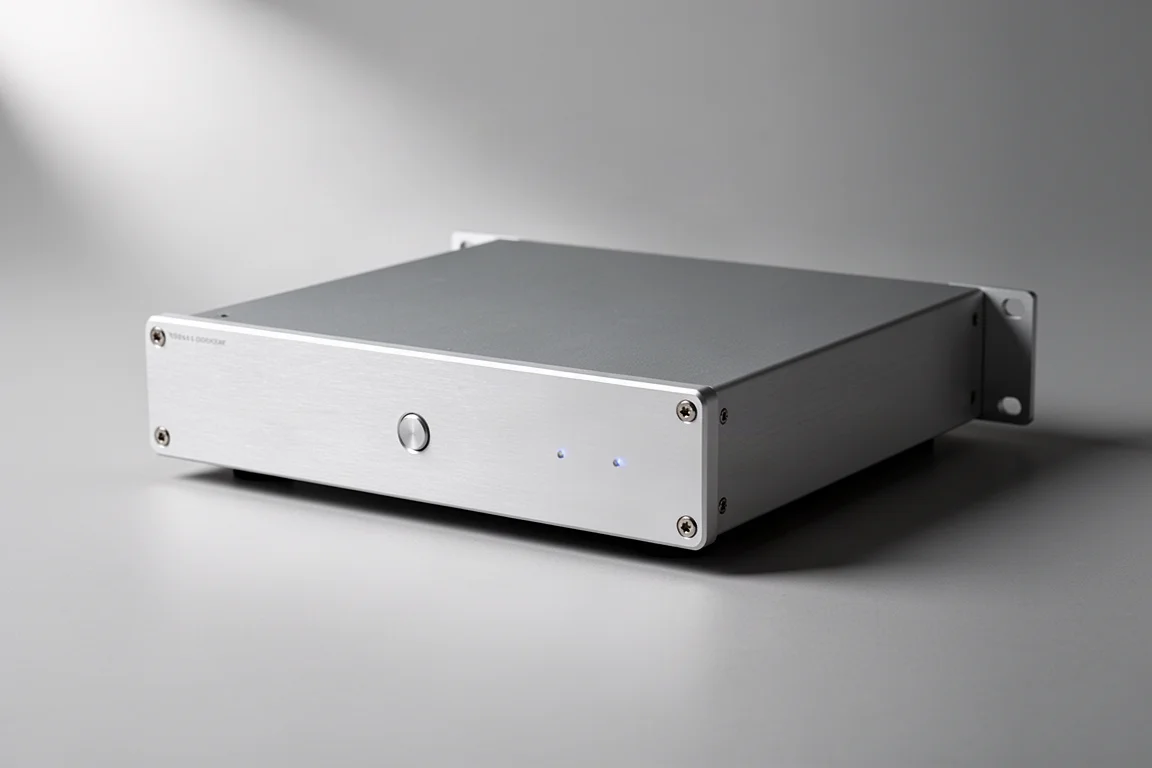
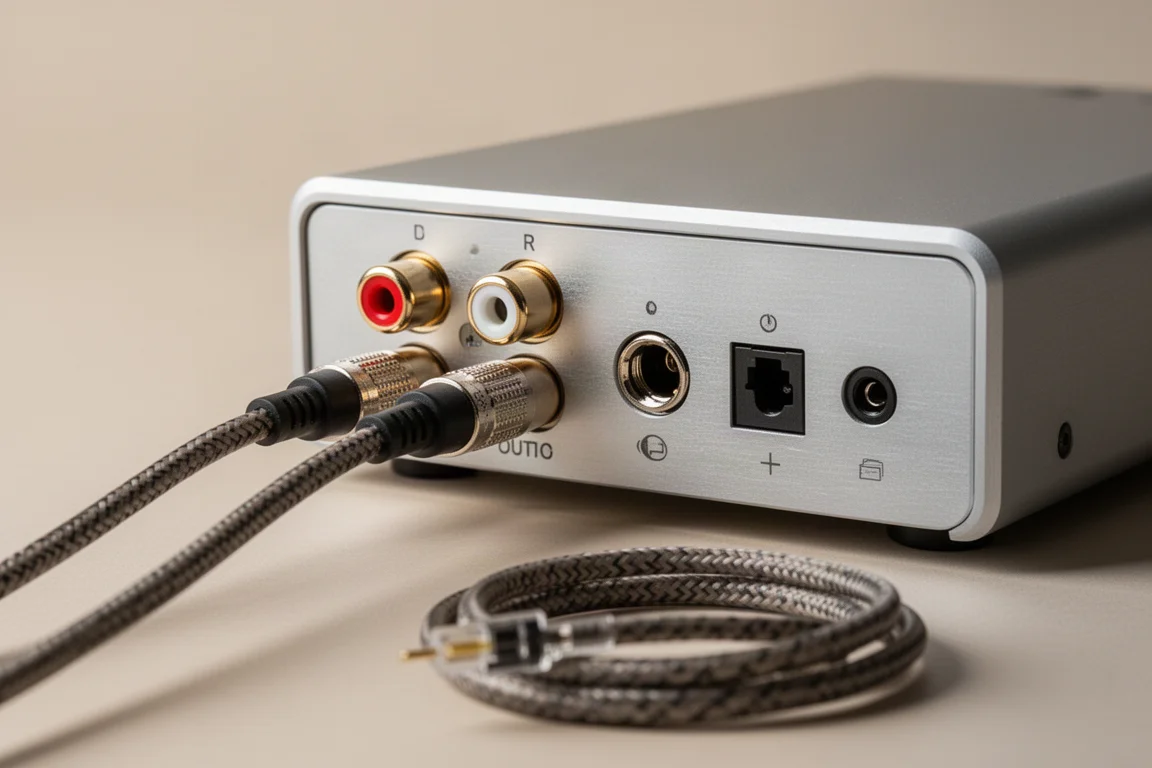
The Modi Multibit keeps things simple. The front panel has three LEDs and a single button for input switching. Around the back there is one pair of RCA outputs, a coaxial input, an optical input, and a full-size USB input. Output is single-ended RCA only, so there is no balanced connection here.
What makes it worth the money is the way it presents music. The top end is controlled and believable rather than sharp, the mid-range is slightly forward, and instrument separation in the lower mids and bass is strong. Compared with warmer converters, it smears detail less, so individual instruments stay clearly defined instead of blending into one mass. It is not a warm DAC by any measure, and it is not harsh either. Neutral is the fairest description.
Schiit itself is a direct-to-consumer company based in California and Texas that builds its own DACs, headphone amplifiers, integrated amplifiers, power amplifiers, and equalisers rather than sitting under a large audio umbrella. That independence is part of why its components are so often associated with value. Availability is worth noting too: current lead times run two to four weeks, a big improvement on the 13 to 16 weeks seen earlier, though supply conditions can change.
Geshelli Labs J2: Smoother and Warmer
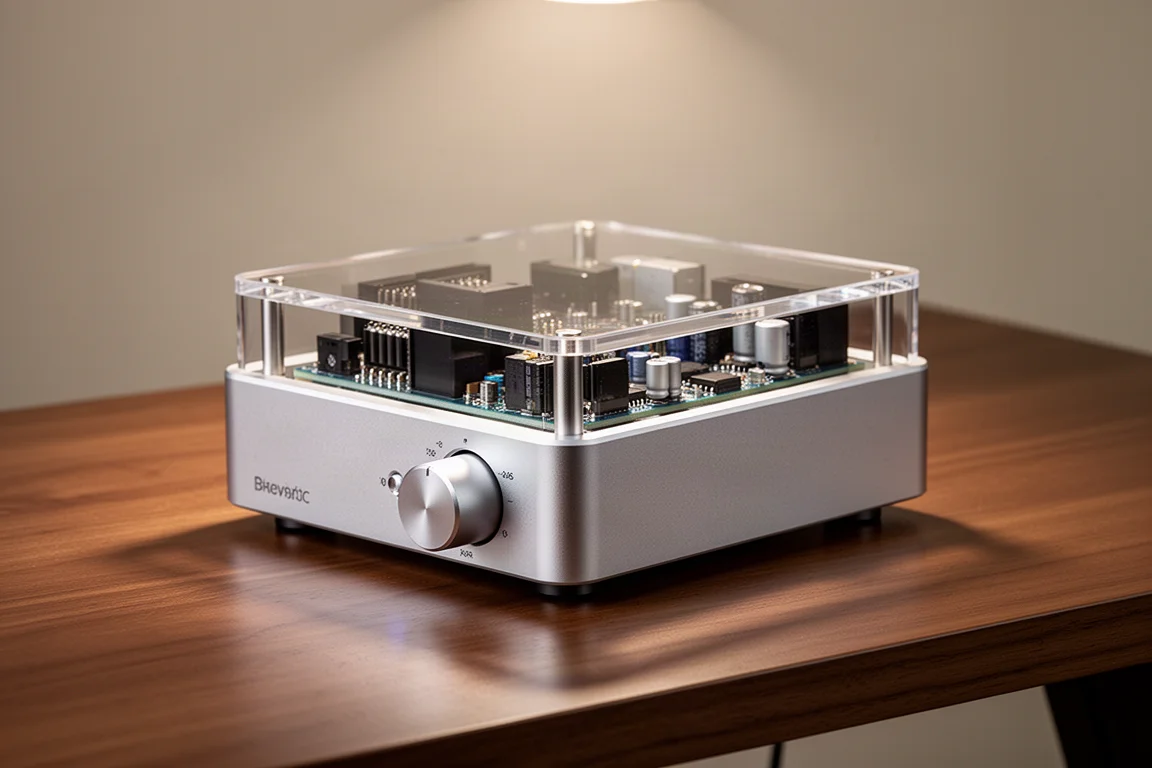
The J2 costs roughly $50 more than the Modi Multibit and offers more inputs for the money. In the mid-range it is the smoother of the two, with a slightly warmer character and a slightly higher output level. Vocals sit a touch further back than they do on the Modi Multibit, and the overall presentation is a little more relaxed.
Where the Modi Multibit pulls ahead is definition in the lower mids and bass, where the J2 smears detail a little more. Soundstaging, though, is a genuine strength of the J2, and it outdoes the Schiit Bifrost in that respect. Both converters are excellent, and the choice between them comes down to whether you prefer a forward, resolving mid-range or a smoother, warmer one.
Topping E50: The Remote-Control Option
The Topping E50 is a capable converter with one clear practical advantage: it has a remote control. If you want to change inputs or volume without leaving your seat, that alone can decide the purchase. On pure sound quality, the Modi Multibit and the Geshelli Labs J2 were the more engaging of the group in this comparison.
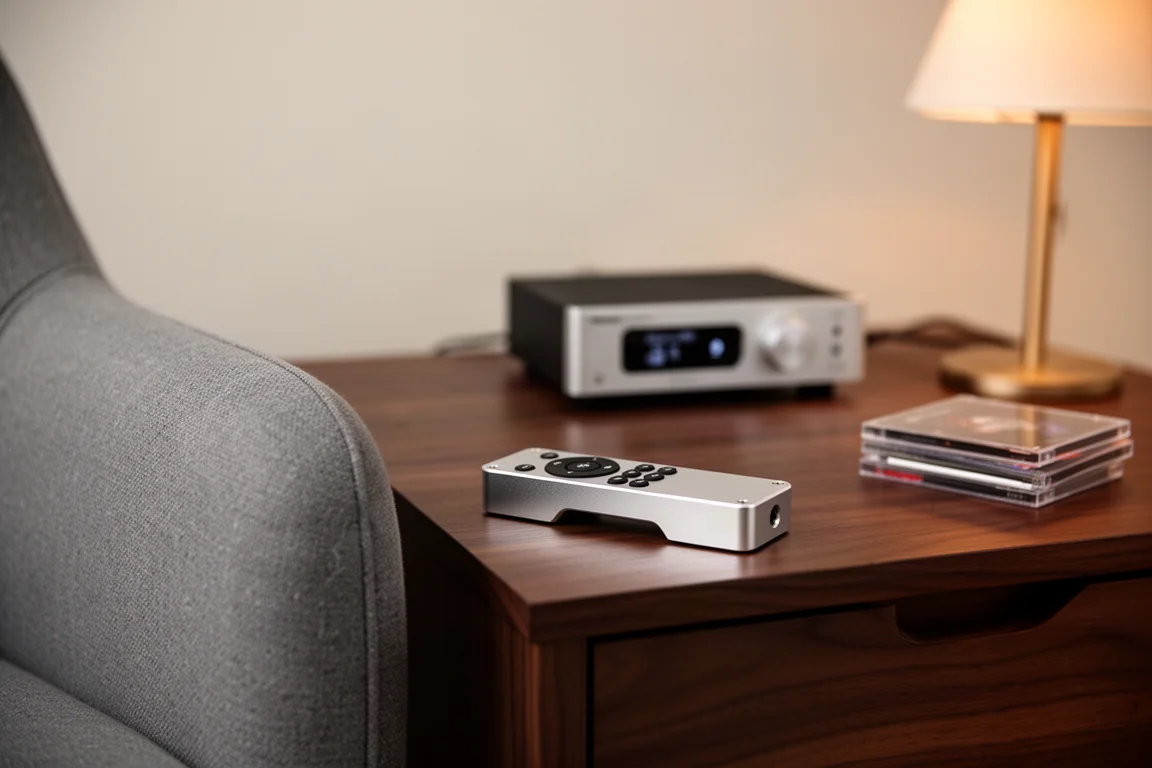
If remote control is not a priority, the E50 is unlikely to offer much that the Modi Multibit does not already deliver at its price.
iFi Zen One Signature: More Bass, More Smearing
The iFi Zen One Signature takes a different approach in the low end. It has noticeably more bass than the Geshelli Labs J2, but that extra weight comes with more smearing at the bottom, which means instruments in the lower registers are less sharply defined than they are on the Modi Multibit. On the strength of this comparison, the Modi Multibit and the Geshelli Labs J2 are the better of the three.
Schiit Bifrost: A Close Call Against the Modi Multibit
The Bifrost comes from the same value-focused Schiit stable, and it looks like the natural step up on paper. In listening, though, it did not leave as strong an impression. The Modi Multibit sounded the more exciting of the two, and the Geshelli Labs J2 handled soundstaging better than the Bifrost did.
Those impressions come from earlier listening rather than a direct side-by-side session, so they carry less weight than the comparisons above. Even so, the Modi Multibit is hard to argue against at its price.
Denafrips Ares II: The Soundstage Benchmark
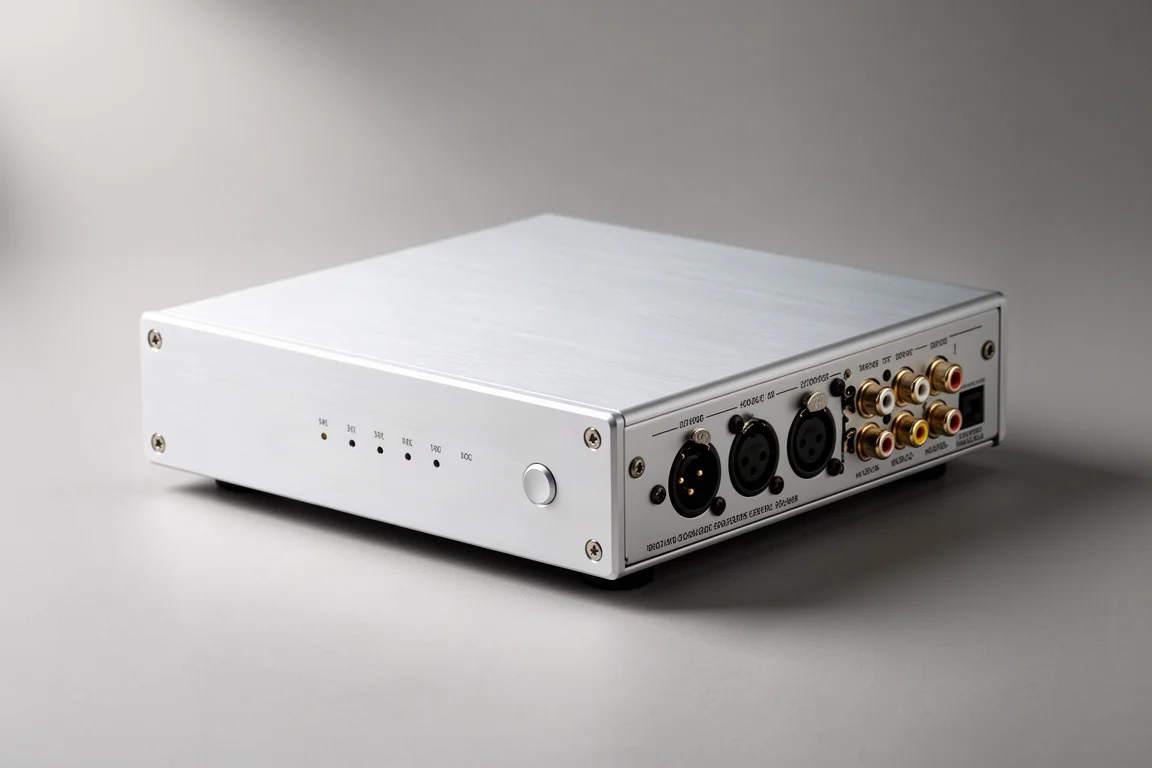
The Denafrips Ares II sits in a different class. Its soundstage is enormous, and it places performers and instruments with a precision that most converters simply cannot match. The Modi Multibit does not compete with it on that front, and it is not meant to.
If a wide, convincing sense of space is what you are chasing, the Ares II is the one to save for. It also sets a useful expectation: to hear a meaningful step beyond the Modi Multibit, you generally have to spend considerably more.
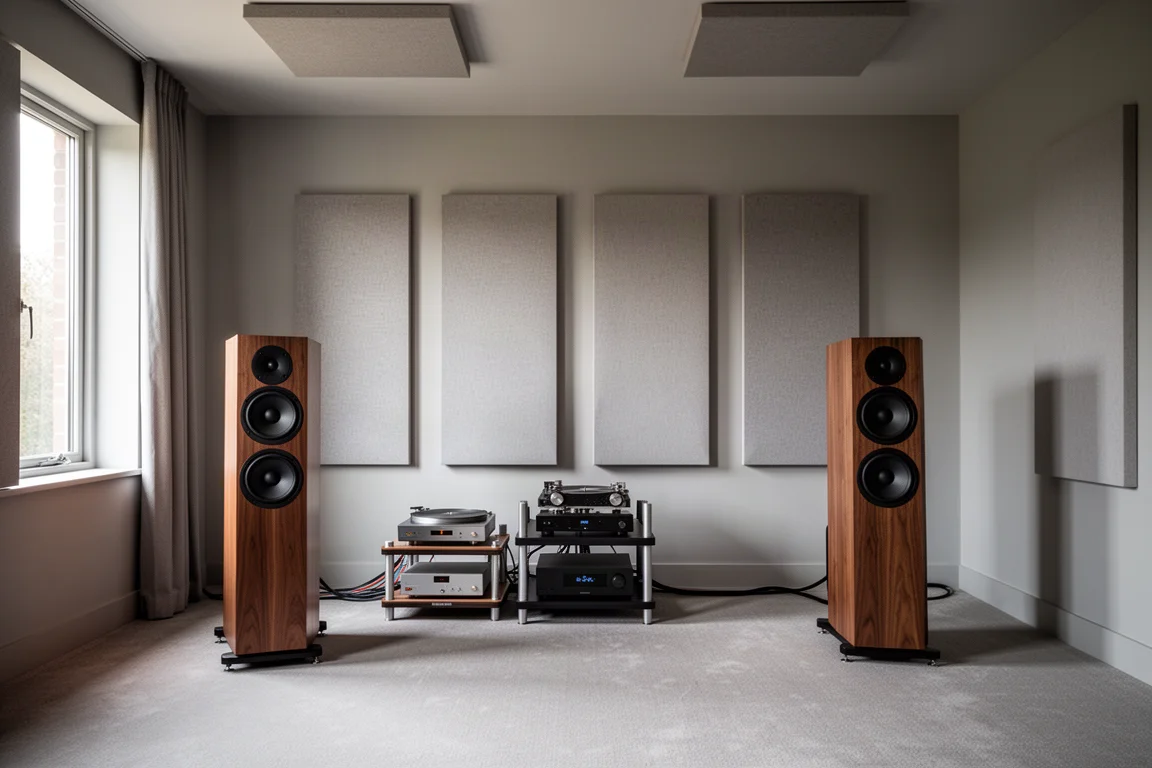
For most listeners working with a modest budget, that gap is not worth chasing. The Modi Multibit gets close enough that the extra spend is better directed at speakers or headphones.
Overall Buying Advice
The Modi Multibit is the safest pick of this group. At $250 it delivers a neutral, resolving sound that avoids the harsh top end and weak lower mids that cheaper converters often struggle with, and it comes from a company that designs and sells its own hardware directly.
Choose the Geshelli Labs J2 if you want a smoother, warmer mid-range and more inputs. Choose the Topping E50 if remote control matters more than the last degree of resolution. Choose the iFi Zen One Signature only if a fuller low end is your priority and you accept the trade-off in definition. Choose the Schiit Bifrost if you are set on staying within the brand, and choose the Denafrips Ares II if soundstage is the single thing you care about most.
One practical note applies across the board: converter differences are subtle. Speakers, headphones, and room placement will change what you hear far more than a change of DAC at this level. If you have been running the converter inside a receiver or an integrated amplifier, any of these is a sensible next step.
Conclusion
The Modi Multibit earns its place at the centre of this comparison. It is neutral without being cold, detailed without being harsh, and priced where a real upgrade is still affordable. The Geshelli Labs J2 is the closest rival and a fine choice in its own right, while the Topping E50 wins on convenience and the Denafrips Ares II wins on sheer scale.
Start with the Modi Multibit unless one of the specific trade-offs above points you elsewhere. Either way, the jump away from built-in conversion is the part you will notice first.
Further reading
Related Reviews
Desktop DACs
Fosi Audio ZD3 Review: A Compact Desktop DAC With HDMI ARC and Swappable Op-Amps
The Fosi Audio ZD3 pairs a Sabre 9039 Q2M DAC with HDMI ARC, Bluetooth, and a socketed op-amp stage at a $179 retail price. Here is what it does well and what to check first.
Desktop DACs
Geshelli Labs J2 Review: AKM 4493 vs Sabre 9038Q2M
A practical comparison of the Geshelli Labs J2 in its AKM 4493 and ESS Sabre 9038Q2M versions, covering sound character, inputs, build options, and how to choose.
Desktop DACs
JDS Labs J2 AKM 4499 Review: A Two-Chip DAC Built for Speaker Listening
The JDS Labs J2 AKM 4499 version pairs two AKM chips with three socketed op amps. Here is what the upgrade adds, how the op amp options change the sound, and where the 4493 version still makes sense.