Audio Components
Schiit Lokius Review: Six Bands of Analog Tone Control for $300
A hands-on look at the Schiit Lokius, a six-band analog equalizer with balanced and single-ended connections, and what it actually changes for real listeners.
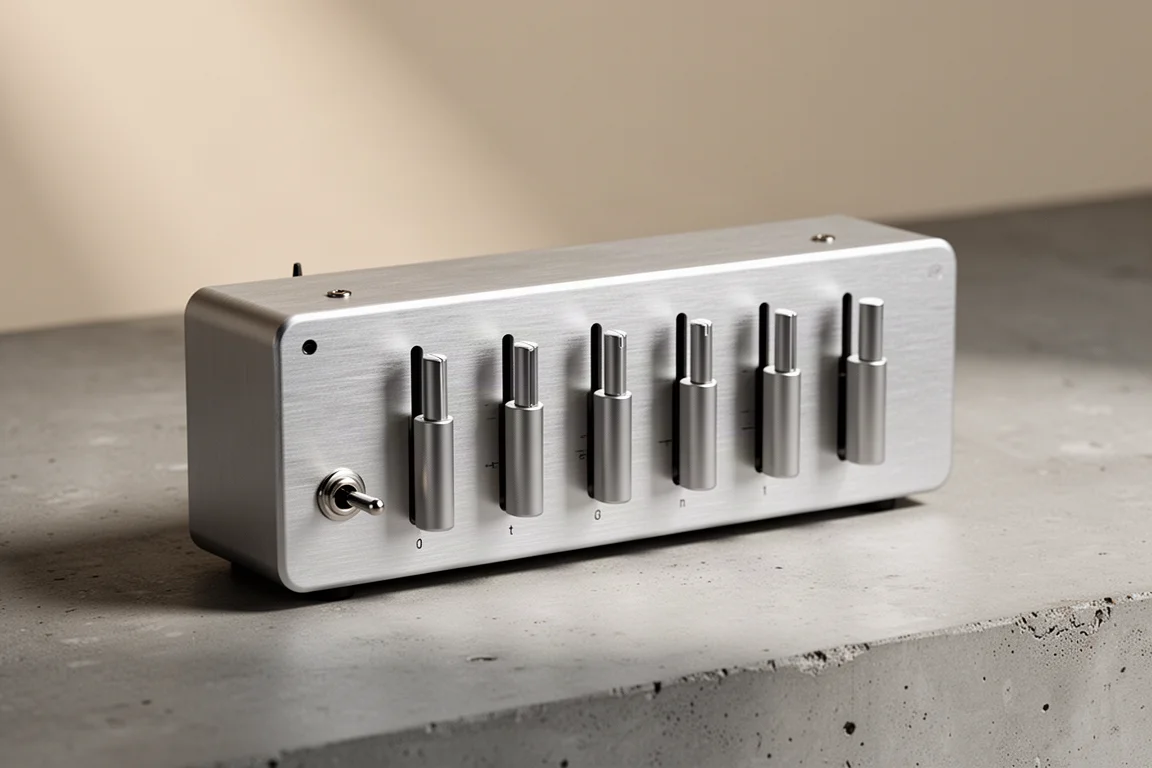
Introduction
For a long stretch of the 1980s and 1990s, a graphic equalizer in a home hi-fi rack was completely normal. Sliders, lights, and a row of bands you could nudge by ear were part of how people listened. Tone controls and equalizers gradually fell out of fashion, but the problem they solved never went away: not every speaker, headphone, or system sounds the way you want it to.
The Schiit Lokius is a six-band analog equalizer that brings the idea back in a compact, modern form. It offers balanced inputs and outputs as well as single-ended inputs and outputs, so it can sit between a balanced DAC and a balanced amplifier, or in a simpler single-ended chain. It is priced at $300, built in Corpus Christi, Texas, with components sourced in the United States.
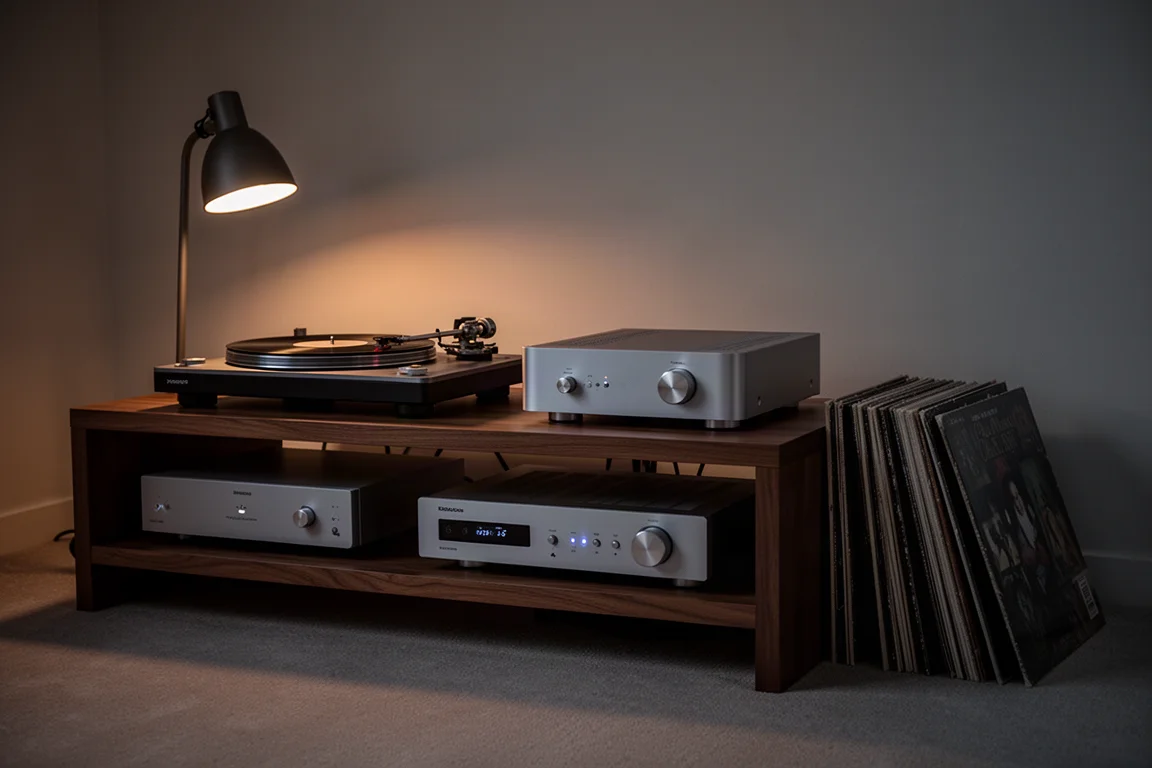
What makes it interesting is not the feature list but the approach. The Lokius does its work in the analog domain, using physical knobs instead of software, so the adjustment happens in the signal path rather than inside a computer.
Who This Product Is For
The Lokius makes the most sense for listeners who run more than one analog source. A turntable, a CD player, a streamer, or a tape deck all feed the same system, and none of them offer meaningful tone shaping on their own. Putting the Lokius in the chain gives those sources a shared set of controls.
It also suits anyone who prefers to adjust by hand. Turning a knob is immediate, and it does not require opening a program, waking a computer, or navigating a menu. Listeners who want to explore a different sound signature without buying new headphones or speakers get real value from that immediacy.
It is not the right purchase for everyone. If all of your listening happens from a computer, free software EQ such as APO EQ can do similar work at no cost. The Lokius is for the listener who wants the adjustment sitting in the rack, not hidden behind a screen.
Main Strengths
The Lokius splits the audible range into six bands: 20 Hz, 120 Hz, 400 Hz, 2 kHz, 6 kHz, and 16 kHz. The extremes have the widest range, at plus or minus 12 dB on the 20 Hz and 16 kHz bands. The 120 Hz band offers plus or minus 9 dB, while the 400 Hz and 2 kHz bands offer plus or minus 6 dB.
The 2 kHz band is the one that earns its place for many listeners. A lot of speakers and headphones carry a lift somewhere between roughly 1,500 Hz and 3,000 Hz, and that region can become tiring quickly. A small counterclockwise turn on that knob takes the edge off a recording without gutting the rest of the presentation.
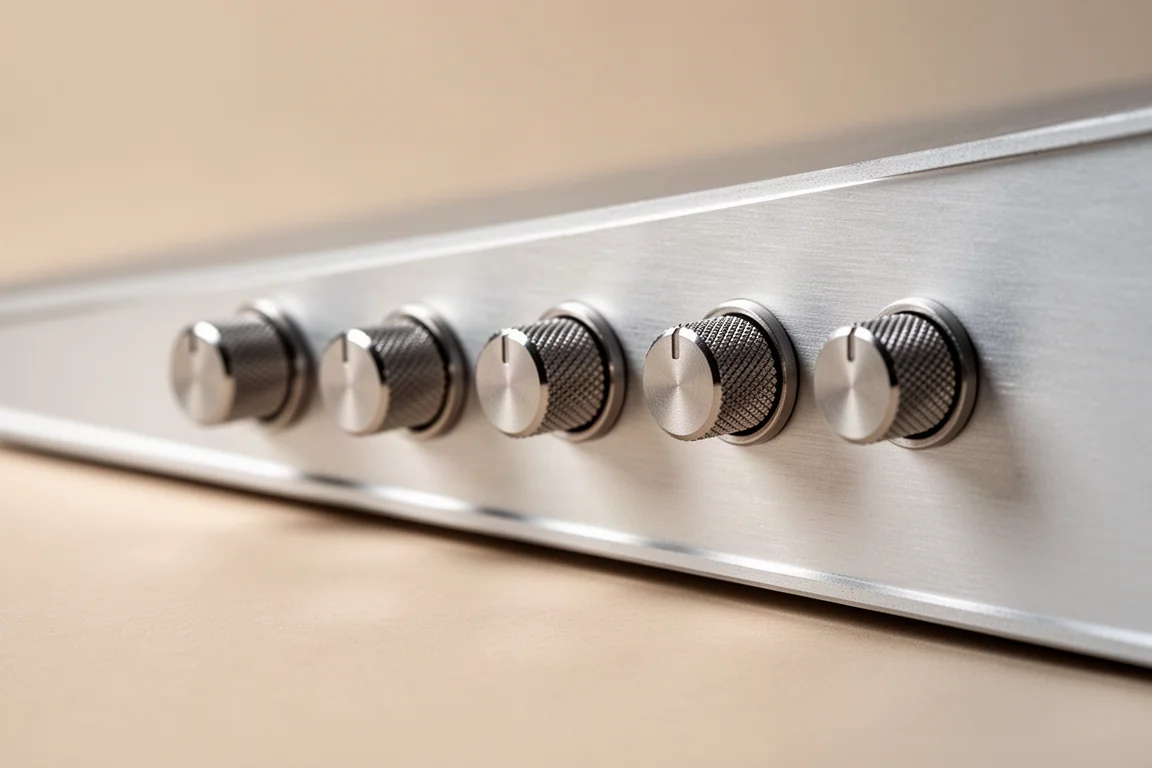
Connections cover both balanced and single-ended gear, and a switch on the front panel selects between them. Power is handled by a simple toggle on the back, which keeps the front face clean. The chassis feels solid in hand: not heavy, but definitely not light. The vents on top are arranged so that they resemble an EQ curve, a detail that is easy to appreciate whether or not it was deliberate.
What Six Bands Can Do
The band layout covers the areas that matter most in practice. The 20 Hz and 120 Hz bands handle the low end, the 400 Hz band works the lower midrange, and the 2 kHz, 6 kHz, and 16 kHz bands shape presence and air. Six well-chosen bands will not match the granularity of software, but they cover enough ground to change the personality of a system meaningfully.
One useful side effect of any equalizer is what it teaches you about your own gear. Comparing a planar magnetic headphone against a warmer, more detail-focused pair, the Lokius could push the warmer headphone surprisingly close to the brighter presentation. It never quite got there, and each headphone kept part of its own character, but the experiment says a lot about how much of a sound signature is tuning rather than hardware.
That works in the other direction too. If a headphone needs a large amount of shaping before it sounds right to you, its stock tuning sits far from your preference. If it needs almost none, you already own something close to your target. Either answer is useful information, and both are available without spending another dollar on new gear.
Living With Analog EQ
In daily use, the Lokius is about as simple as a component gets. The front switch picks balanced or single-ended operation, the rear toggle handles power, and the six knobs are the entire interface. There is nothing to configure and nothing to update.
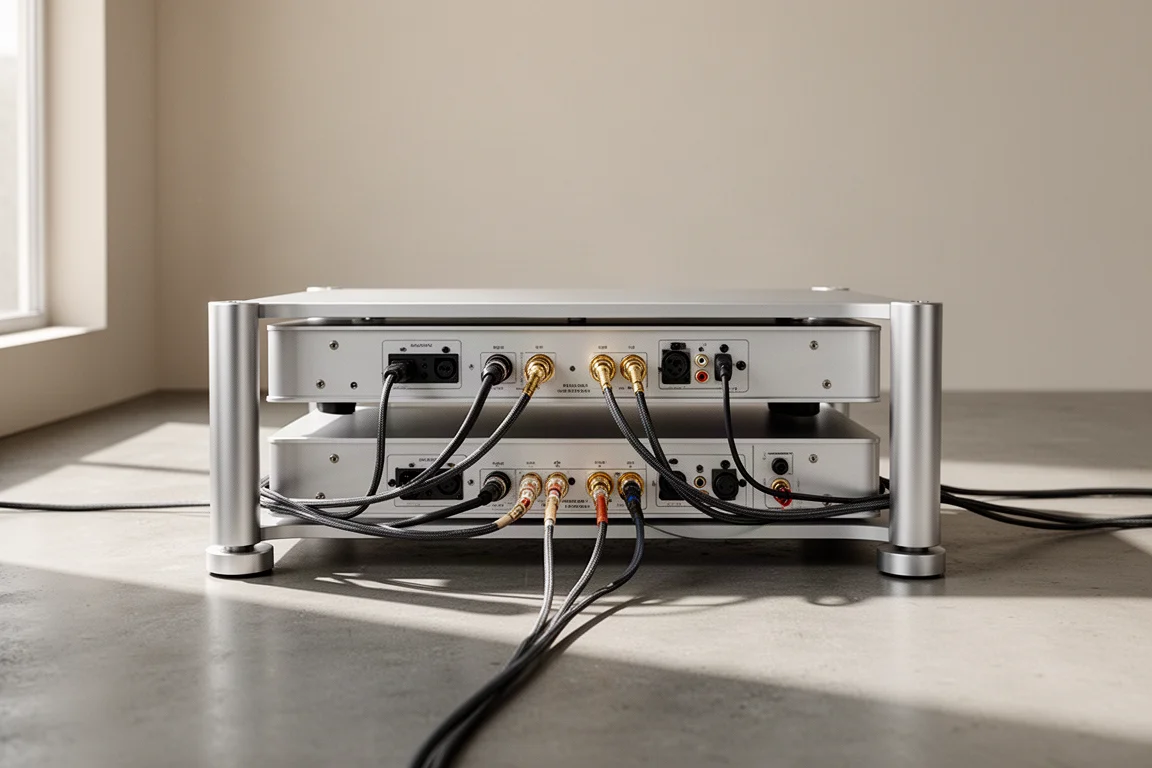
Placement is flexible. It can sit on top of a rack where the knobs are easy to reach, or in the middle of a stack where it blends in with the rest of the system. It pairs naturally with preamplifiers that offer no tone controls of their own, and it slots in neatly between a DAC and a headphone amplifier, which is the kind of chain where small adjustments make the biggest difference.
Things to Consider Before Buying
Analog operation is the point of the Lokius, and it comes with trade-offs worth understanding before you order. There are no presets, no saved curves, and no display. Every change is made by ear, and returning to a previous setting depends on your memory or on marking the knob positions yourself.
It also helps to know how analog equalizers are usually used. The common approach is to keep boosts moderate rather than pushing the peaks all the way up, and to place the larger adjustments toward the middle of the range. Large extreme boosts can introduce problems of their own, so restraint tends to sound better.
Finally, an equalizer cannot rewrite the fundamental character of a headphone or a speaker. The Lokius can get a warm headphone remarkably close to a more detail-forward one, but it will not make them identical. Expect meaningful shaping rather than transformation.
Buying Advice
At $300, the Lokius costs less than many pairs of headphones and less than many pairs of speakers. That price is what makes the argument for it: if you already know you want to change something about how your system sounds, this is a comparatively affordable way to find out how far you can get.

It is also a low-risk way to audition a sound signature you would not normally choose, which is a genuinely useful thing to do. Broadening what you can enjoy costs far more when the only tool available is a new pair of headphones.
If your listening is entirely computer-based, start with free software EQ and see whether it satisfies you. If you have analog sources and want the controls sitting in the rack, the Lokius is the straightforward answer.
Conclusion
The Schiit Lokius is a well-built, six-band analog equalizer with balanced and single-ended connections, a sensible set of frequencies, and a $300 price that undercuts most of the gear it is meant to adjust. It is simple to use, easy to place, and it does exactly what it claims.
For listeners with multiple analog sources, or anyone who would rather turn a knob than open a program, it is an easy recommendation. For computer-based listeners, free software EQ remains the more practical starting point. Either way, the goal is the same: getting your system closer to the sound you actually want.
Product link
View more details for Schiit Lokius
This product is mentioned in the review. Check the specifications, options, and compatibility before buying.
View more details for Schiit LokiusFurther reading
Related Reviews
Audio Components
Advance Paris ACD Apex vs Onkyo Icon C-30: Two CD Players, Two Very Different Paths
A $1,400 tube-equipped CD player against a $400 deck. Where the extra money goes, what you actually hear, and which one suits your system.
Audio Components
Douk Audio Q11 Review: A $159 DAC With Two Chips and a Switch
The Douk Audio Q11 puts an ESS Saber ES9038 and an AKM AK4493 in one chassis and lets you switch between them. Here is what that dual-chip design actually delivers.
Audio Components
McIntosh MB20 Bluetooth Transceiver Review: A Bridge for Legacy Hi-Fi
A practical look at the McIntosh MB20 Bluetooth Transceiver, from its aptX HD support and 32-bit DAC to the ways it brings streaming and wireless headphones into older audio systems.