Audio Components
Advance Paris ACD Apex vs Onkyo Icon C-30: Two CD Players, Two Very Different Paths
A $1,400 tube-equipped CD player against a $400 deck. Where the extra money goes, what you actually hear, and which one suits your system.
Introduction
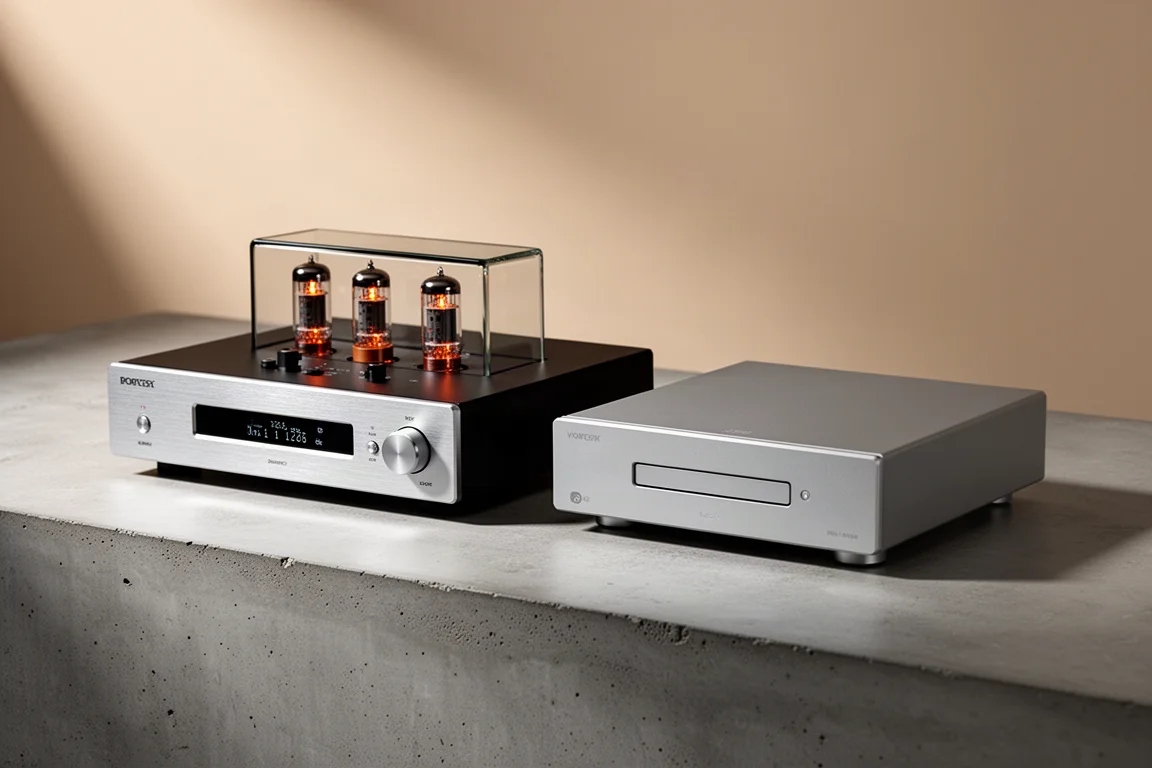
Standalone CD players now sit in two camps. At one end are affordable decks that read discs cleanly and stay out of the way. At the other are premium players that add their own output stage, extra connection options and a distinct voicing. The Advance Paris ACD Apex and the Onkyo Icon C-30 land at opposite ends of that split, at $1,400 and $400 respectively.
That price gap raises an obvious question. Where does the extra thousand dollars actually go, and can you hear the difference? Here is how the two players compare on sound, build, connections and long-term value.
What Separates These Two CD Players
Both units cover the fundamentals. Each has a disc drawer, a built-in digital-to-analog converter and digital outputs, so you can send the signal to an external DAC if you already own one. Both also offer single-ended analog outputs for a conventional amplifier connection.
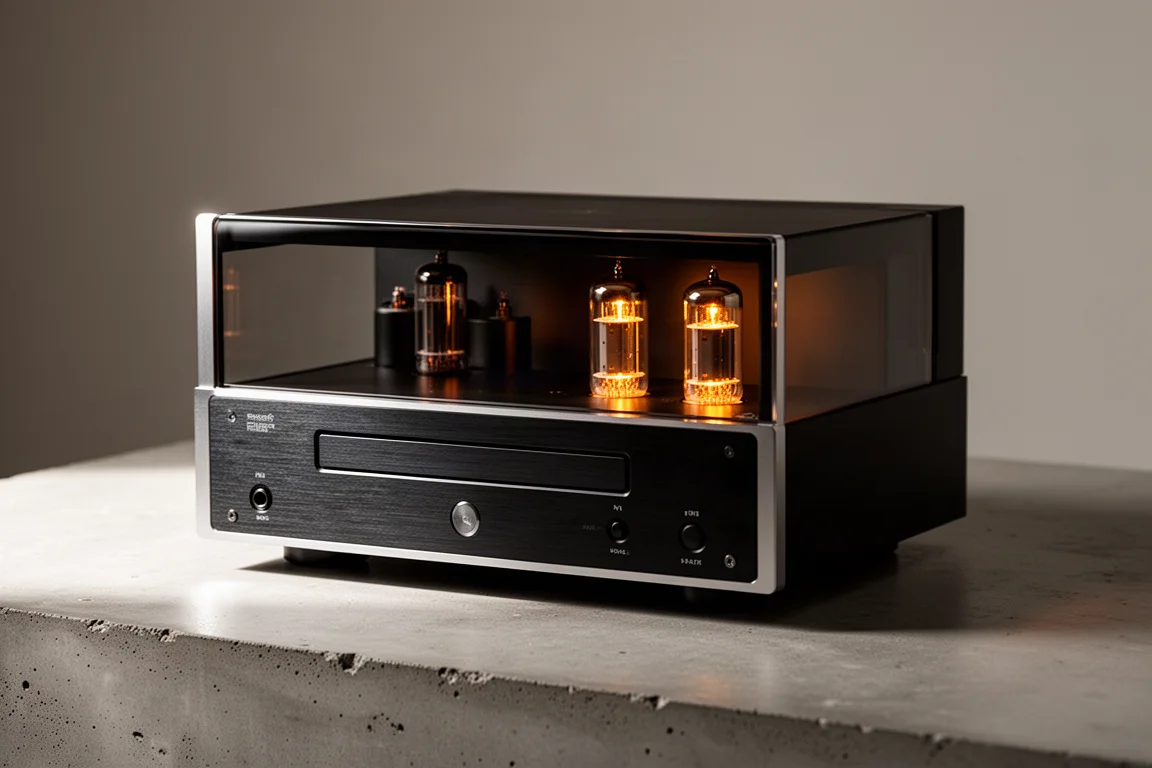
The separation starts at the output stage. The ACD Apex runs its signal through two vacuum tubes, visible behind the front panel, and adds balanced analog outputs on top of the single-ended pair. The C-30 keeps things simpler with single-ended outputs only.
From there the differences widen into tonality, soundstage and the way each player behaves in daily use. Price alone does not predict which one will suit a given system, so it is worth working through each area separately.
Advance Paris ACD Apex: Tube Output Stage and Balanced Connections
The ACD Apex is the more ambitious design. It uses a Wolfson WM8761 digital-to-analog converter and weighs in at roughly 9 lb. Analog output is available in both single-ended and balanced form, and there is one coaxial digital output plus one optical TOSLINK output for feeding an external converter.
A USB port on the front panel lets you play media files directly, which adds a second use case beyond spinning discs. The player also ships with the same remote control used by Advance Paris amplifiers, so a single handset can operate both the CD player and the amplifier when the two are kept in the same family.
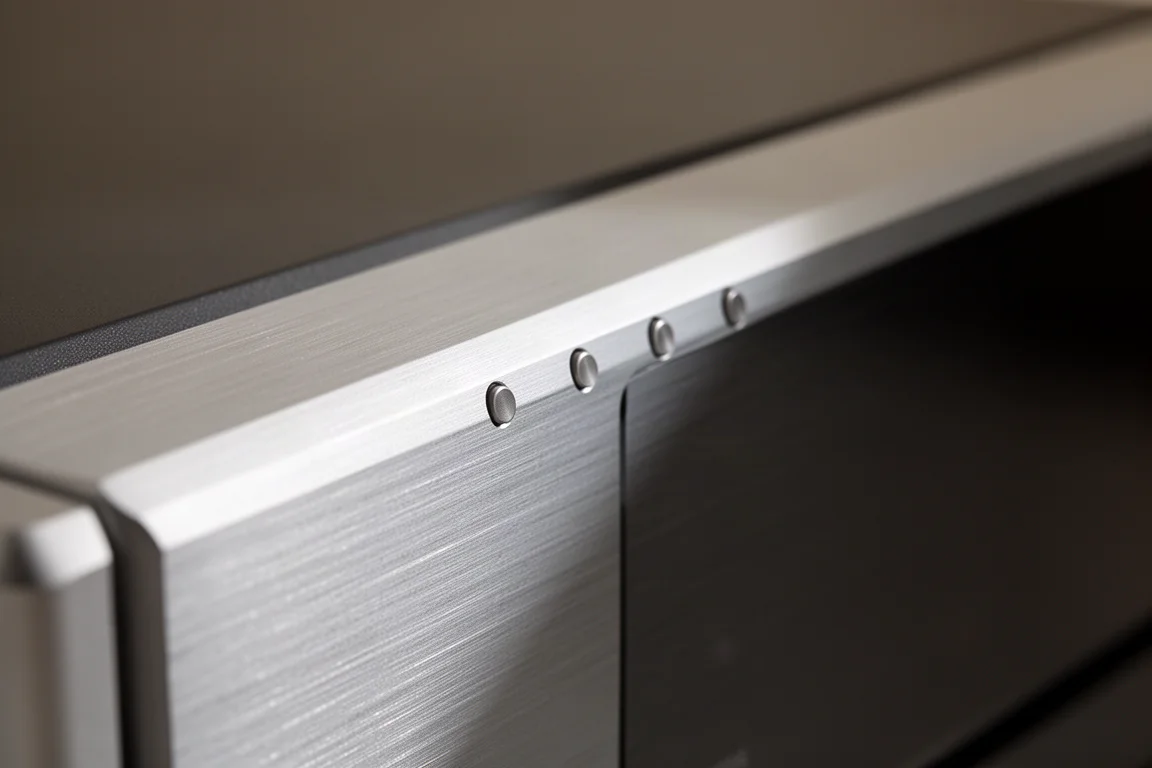
The physical presentation is more of a mixed bag. The glass front panel looks distinctive, but it reflects a great deal of light and collects dust almost immediately. The front-panel printing does not feel as premium as the price suggests, and the track advance, stop and eject buttons feel slightly off compared with the rest of the Advance Paris line. The USB port would also benefit from a cover. Build quality is not cheap or flimsy, but it is not as robust as the Onkyo’s.
Onkyo Icon C-30: Lean, Precise and Affordable
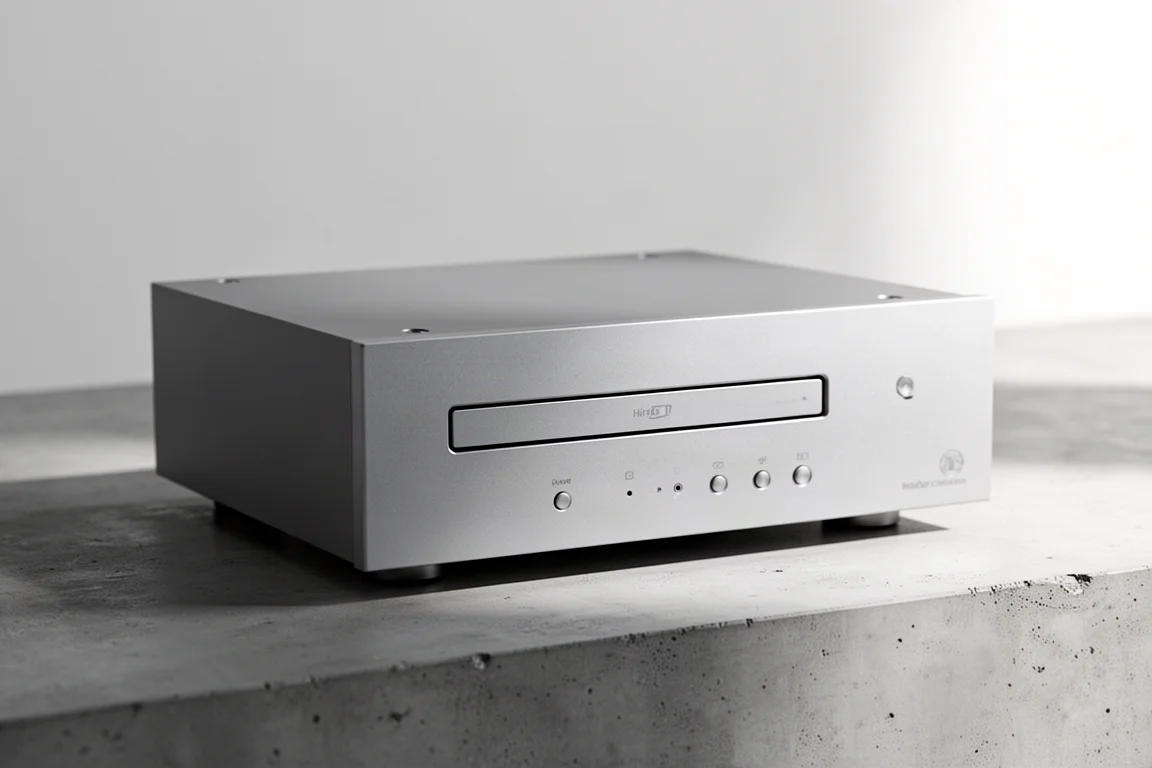
At $400, the Onkyo Icon C-30 asks a very different question of a buyer. It offers single-ended analog outputs and no balanced connection, but it does include digital outputs, so an external DAC remains an option. What stands out first is the build. It feels more robust than the ACD Apex despite costing a fraction as much.
Sonically, the C-30 leans precise. Its top end is exacting and it is less dynamic than the Advance Paris, with a smaller soundstage. That character is not a flaw in itself. It simply makes the Onkyo more sensitive to what it is paired with, and it can be a strong match for warmer-sounding speakers that benefit from a cleaner, more controlled source.
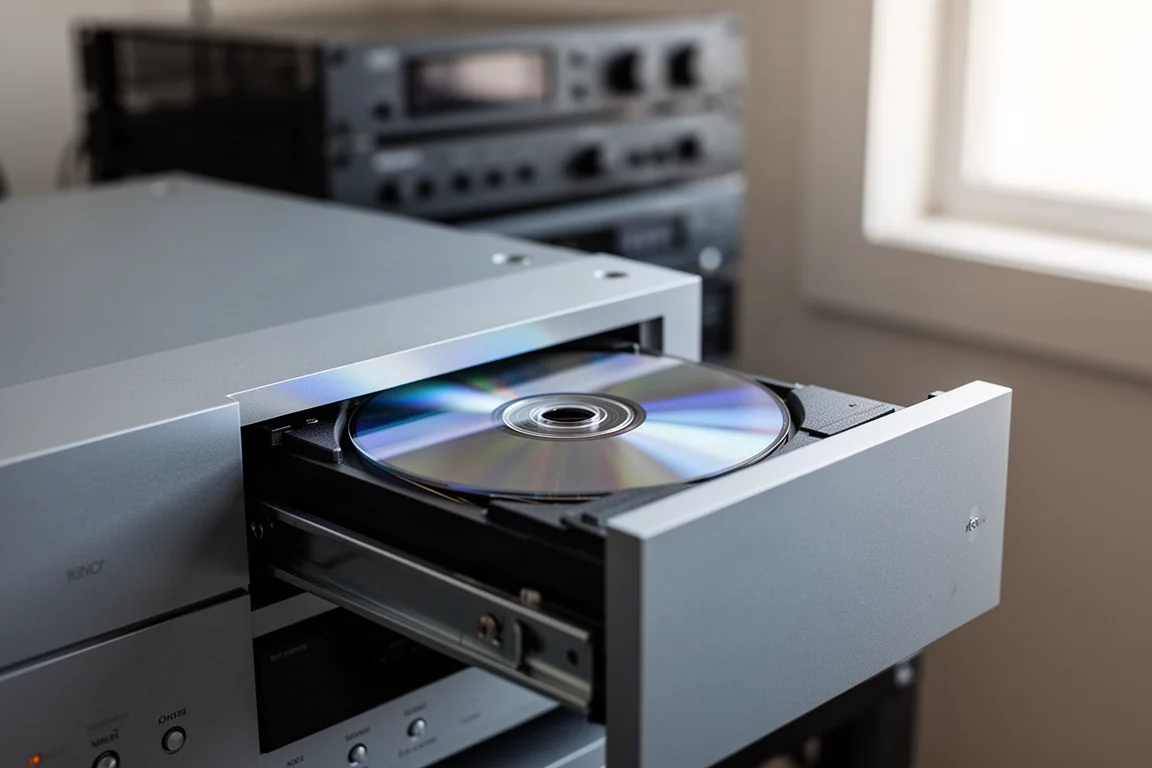
For listeners who want a straightforward, well-built player without paying for tubes or balanced outputs, the C-30 covers the essentials at a modest cost.
Sound Character and System Matching
The two players do not sound alike, and the gap is wider than the price difference alone would suggest. The ACD Apex has a thicker, warmer presentation with more weight through the vocal range and noticeably more texture overall. Its soundstage is bigger, with instrumental detail that sits further forward and separates more clearly. Timpani and low percussion land with more accuracy and more presence.
The C-30, by contrast, keeps a leaner tonal balance and a tighter top end. It is not as dynamic, and it does not open up the same sense of space.
How obvious any of this is depends heavily on the recording and on the speakers. Some material reveals the difference immediately, while other tracks sound far more similar across the two players. Matching matters more here than raw specification, which is why a premium player can disappoint in the wrong system and an affordable one can shine in the right one.
Build Quality and Everyday Handling
The Onkyo has the edge on solidity. Its chassis and mechanism feel sturdier than the Advance Paris, which is surprising given the price difference. The ACD Apex is not poorly made, but its front panel and button feel do not communicate the same sense of quality as its amplifier siblings.
Drawer speed is close. The ACD Apex ejects and closes slightly faster, saving a fraction of a second per disc change. It is a small thing, but in a player used daily, small things add up.
Features and Connections Compared
Balanced analog outputs are the clearest hardware advantage of the ACD Apex. If your amplifier accepts a balanced input, the Advance Paris is the only one of the two that can take advantage of it.
Both players offer digital outputs, which means either can hand off conversion duties to a dedicated DAC. The ACD Apex also adds front-panel USB playback for media files, giving it a second role beyond CD playback.
The notable limitation sits on the input side. The ACD Apex has no digital inputs, so it cannot be used as a standalone DAC for a streamer or another digital source. Adding optical and coaxial inputs would make it a far more versatile component at its price. The remote situation is friendlier. Because it shares a handset with Advance Paris amplifiers, one remote can run an entire matching system.
Buying Advice: Which CD Player Is Right for You
Choose the Advance Paris ACD Apex if you want the warmer, more expansive presentation and your system already responds to that kind of voicing. Balanced outputs, the tube output stage and front USB playback are the concrete extras you are paying for, and the sound difference is real rather than subtle. It is a considered purchase at $1,400, and it rewards buyers who can pair it carefully.
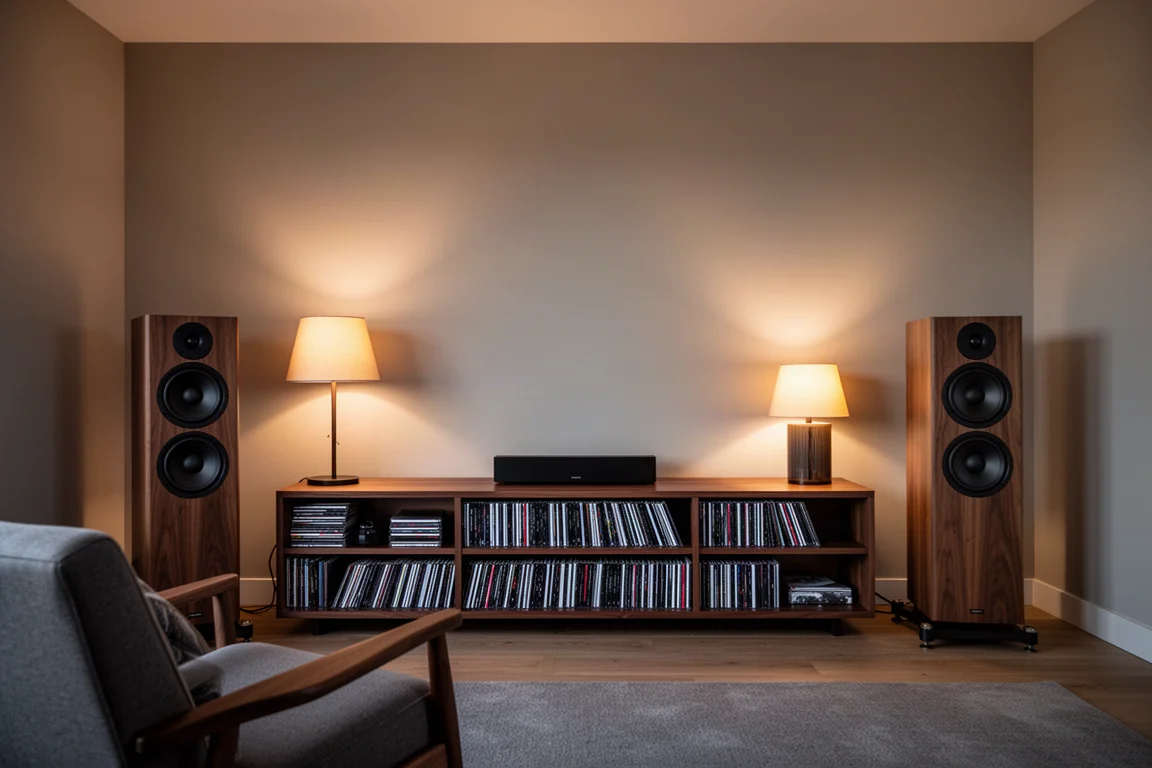
Choose the Onkyo Icon C-30 if you want a precise, solidly built player and you would rather put the savings elsewhere in the system. At $400 it leaves plenty of budget for speakers or amplification, and its leaner character can work well with warmer components. It will not match the ACD Apex on soundstage or texture, but it covers the fundamentals cleanly.
Conclusion
Both players do their job. The Onkyo Icon C-30 is the sensible, well-built option at a modest price, while the Advance Paris ACD Apex delivers a richer, more spacious sound that justifies its cost for listeners with a system that can reveal it. Match either one to the rest of your setup and the decision becomes far easier than the price tags suggest.
Further reading
Related Reviews
Audio Components
Douk Audio Q11 Review: A $159 DAC With Two Chips and a Switch
The Douk Audio Q11 puts an ESS Saber ES9038 and an AKM AK4493 in one chassis and lets you switch between them. Here is what that dual-chip design actually delivers.
Audio Components
McIntosh MB20 Bluetooth Transceiver Review: A Bridge for Legacy Hi-Fi
A practical look at the McIntosh MB20 Bluetooth Transceiver, from its aptX HD support and 32-bit DAC to the ways it brings streaming and wireless headphones into older audio systems.
Audio Components
Schiit Freya S, Aegir, and Loki Max Compared: Three Analog Components Worth Knowing
A transparent stereo preamp, a compact class A inspired amplifier, and a six-band analog equalizer, with the trade-offs that matter before you buy.