Audio Components
Schiit Freya S, Aegir, and Loki Max Compared: Three Analog Components Worth Knowing
A transparent stereo preamp, a compact class A inspired amplifier, and a six-band analog equalizer, with the trade-offs that matter before you buy.
Introduction
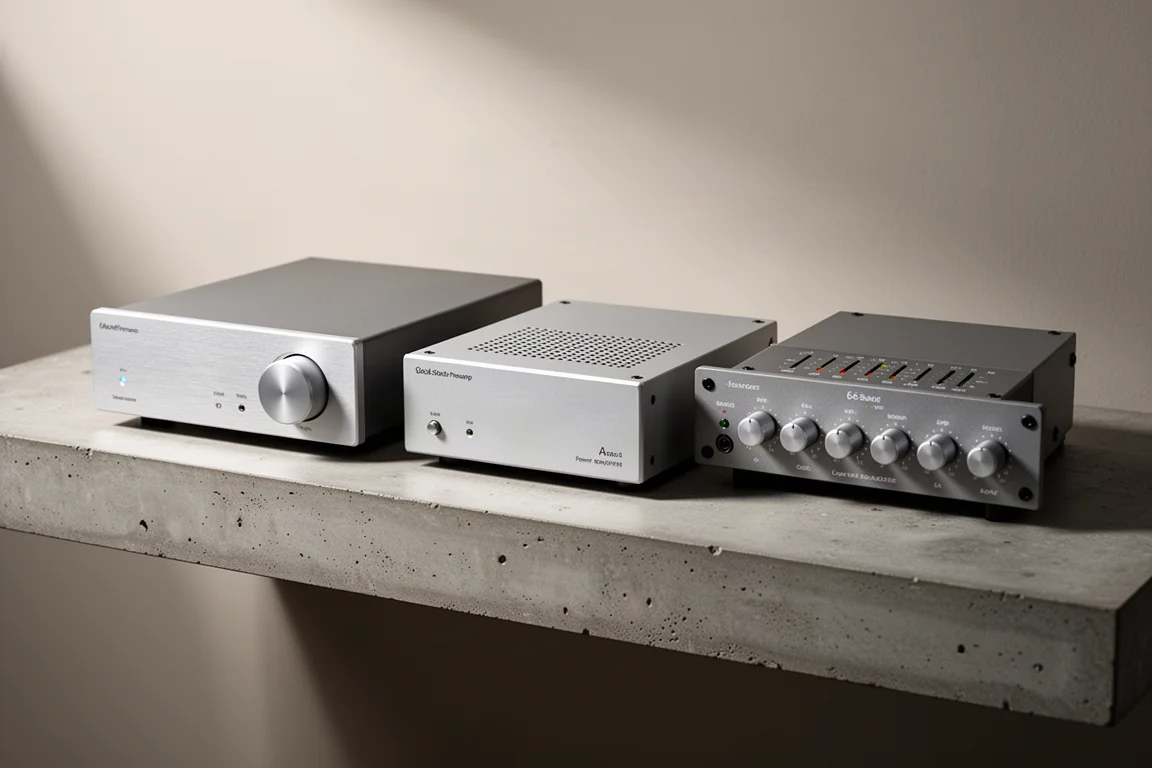
A two-channel separates system does not have to be complicated. The three components here come from the same family and share a clear philosophy: analog signal paths, compact chassis, and remote control where it genuinely helps. Between them they cover the three jobs most listeners eventually want to separate out, which are source switching and volume, power amplification, and tone correction.
Two of them are straightforward purchases for the right system. The third is a more interesting proposition, and it is the one most likely to divide opinion.
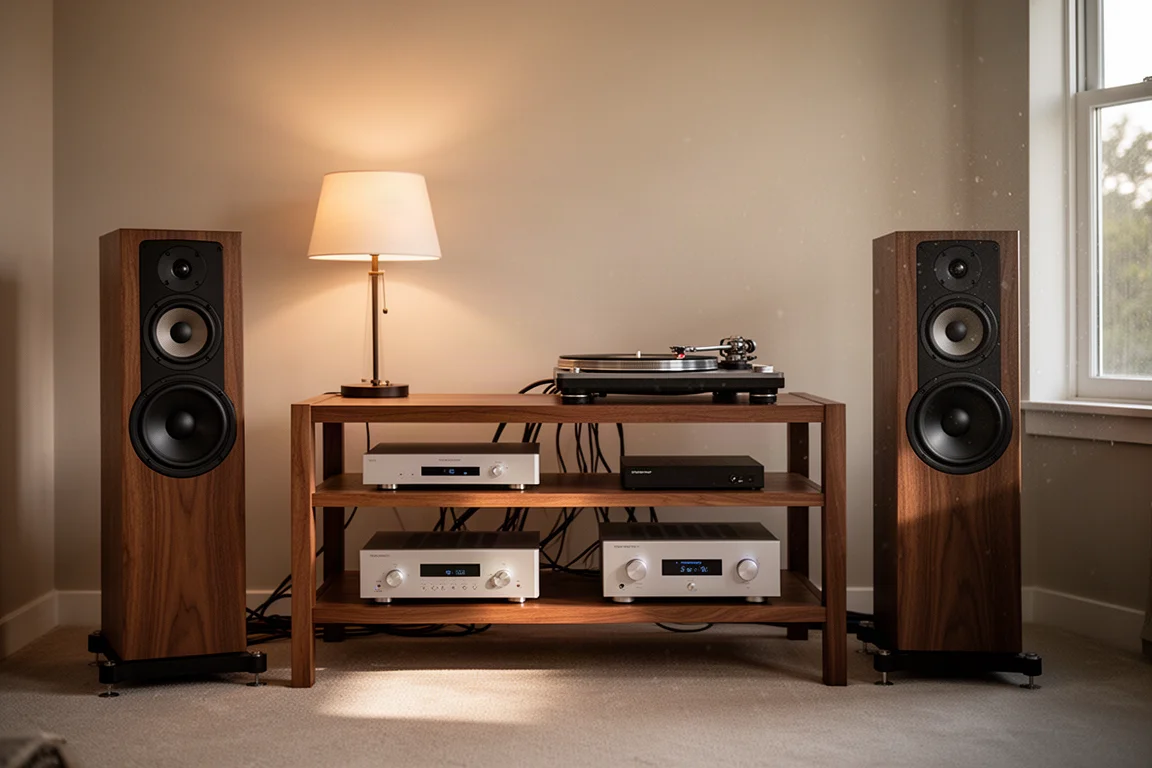
The notes below cover what each component actually does, where it fits, and the trade-offs worth knowing before you commit. None of this is aimed at a first system, but none of it requires an engineering degree either.
What to Look For in a Separates System
Three things matter most when choosing between a preamp, a power amplifier, and an equalizer.
Gain structure comes first. A preamp or amplifier only works well when its gain suits your speakers and your room. High-sensitivity speakers need very little power to reach loud levels, and they also reveal noise that a lower-sensitivity design would mask. Low-sensitivity speakers with large woofers need far more headroom than their nominal impedance suggests.
Second, decide whether you want to correct your system by ear or by measurement. An analog equalizer invites quick, hands-on adjustments. Measured room correction asks you to capture data first, then apply changes you can verify. Both approaches are valid, but they lead to different products and different workflows.
Third, think about how much convenience you are willing to trade for sound quality. A remote control is genuinely useful, but the way a volume or tone control is implemented matters as much as whether it exists at all.
Schiit Freya S: A Transparent Stereo Preamp
Freya S is a solid-state balanced preamp that can run in two modes, passive or active. In passive mode it is little more than an input switch and a gain control, which is exactly why it appeals to listeners who want the shortest possible path between source and amplifier. It will not convert unbalanced RCA sources to balanced, or the reverse, so if you want the preamp to handle both signal types and switch between them, the active mode is the one to use.
Active mode uses a differential gain stage with selectable 1x or 4x gain. The 4x setting is useful when a source needs more level to make the most of a system’s dynamic range, and it makes the most sense for television and film playback through an external DAC. The trade-off is a higher noise floor, which becomes noticeable with high-sensitivity speakers.
Around the back, Freya S offers five analog inputs, two of them truly balanced, and three analog outputs, one of them balanced. There is no phono stage, so record listeners will still need an external one. Volume is handled by a 128-step relay-switched control, and a remote is included.
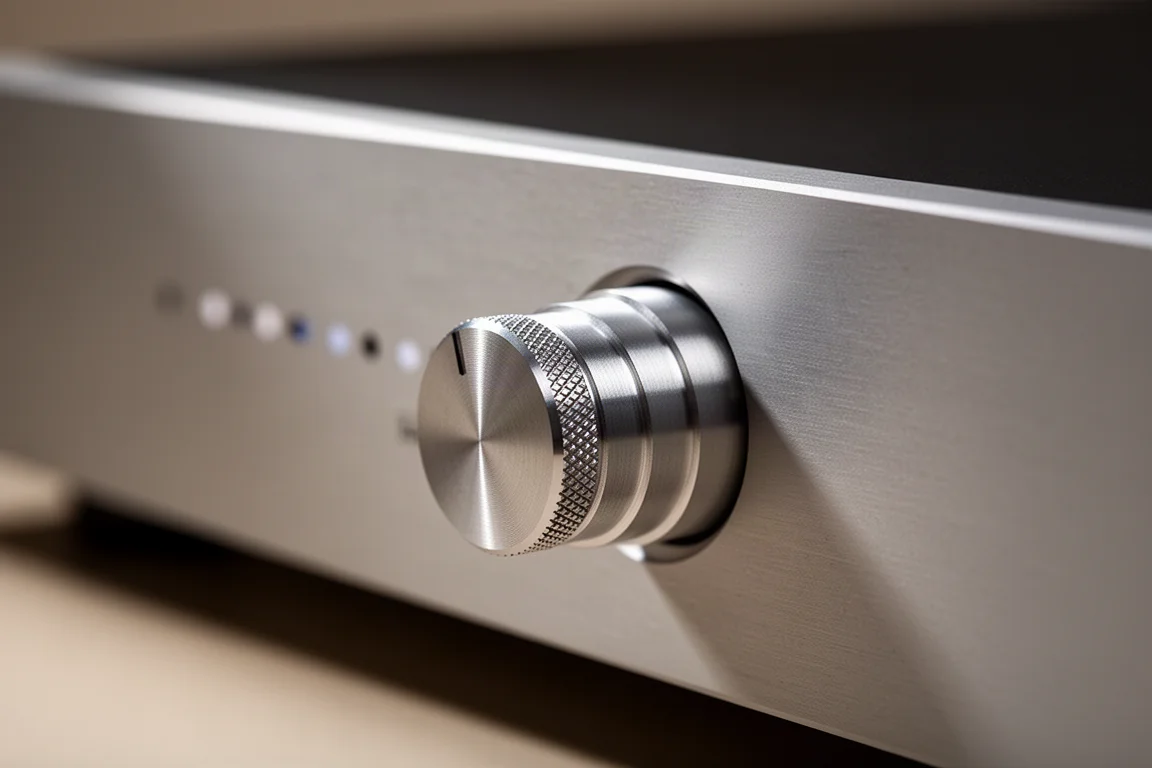
Day to day, passive mode is the setting most listeners will prefer, and its transparency is the strongest argument for the product. The learning curve is real, though. The front panel and the remote both rely on small symbols to communicate input, output, and mode selection, and it is easy to lose track of what is currently selected. The stepped volume control feels substantial, but it clicks audibly with every step, and each press of the remote’s volume button moves the control three or four steps at a time, which makes fine adjustments fiddly. The remote also has no power button.
Schiit Aegir: Class A Character With Real Limits
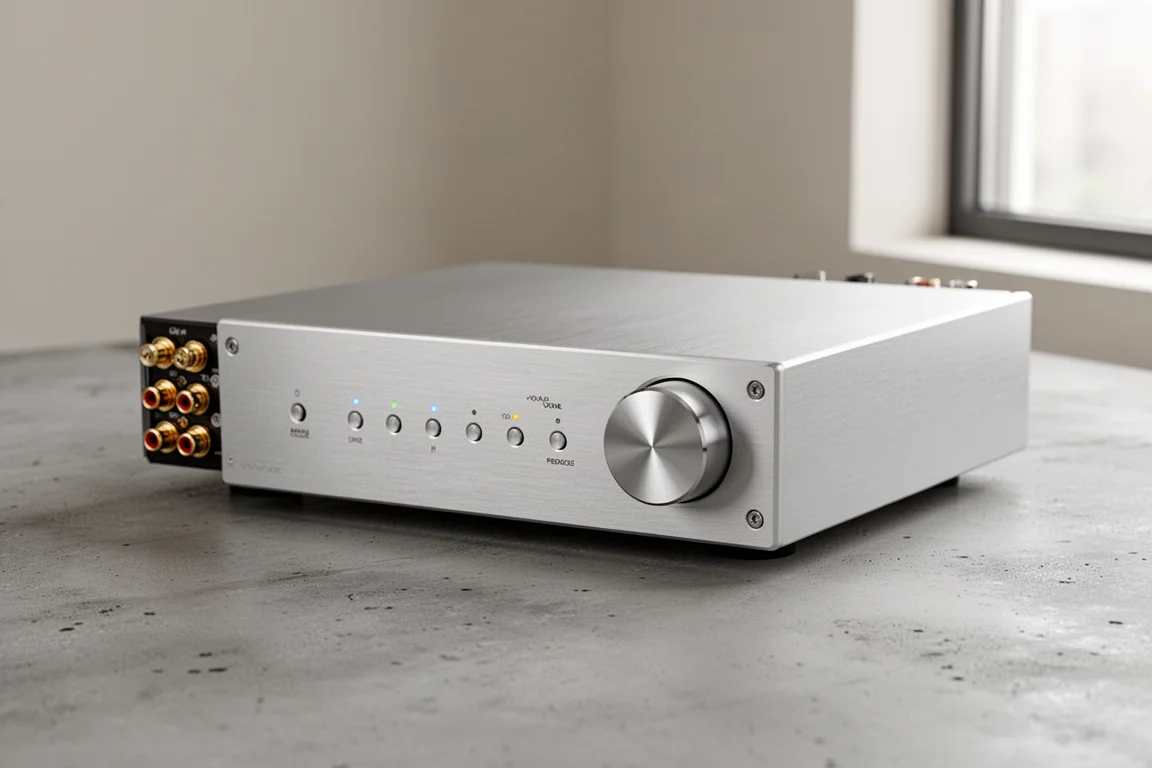
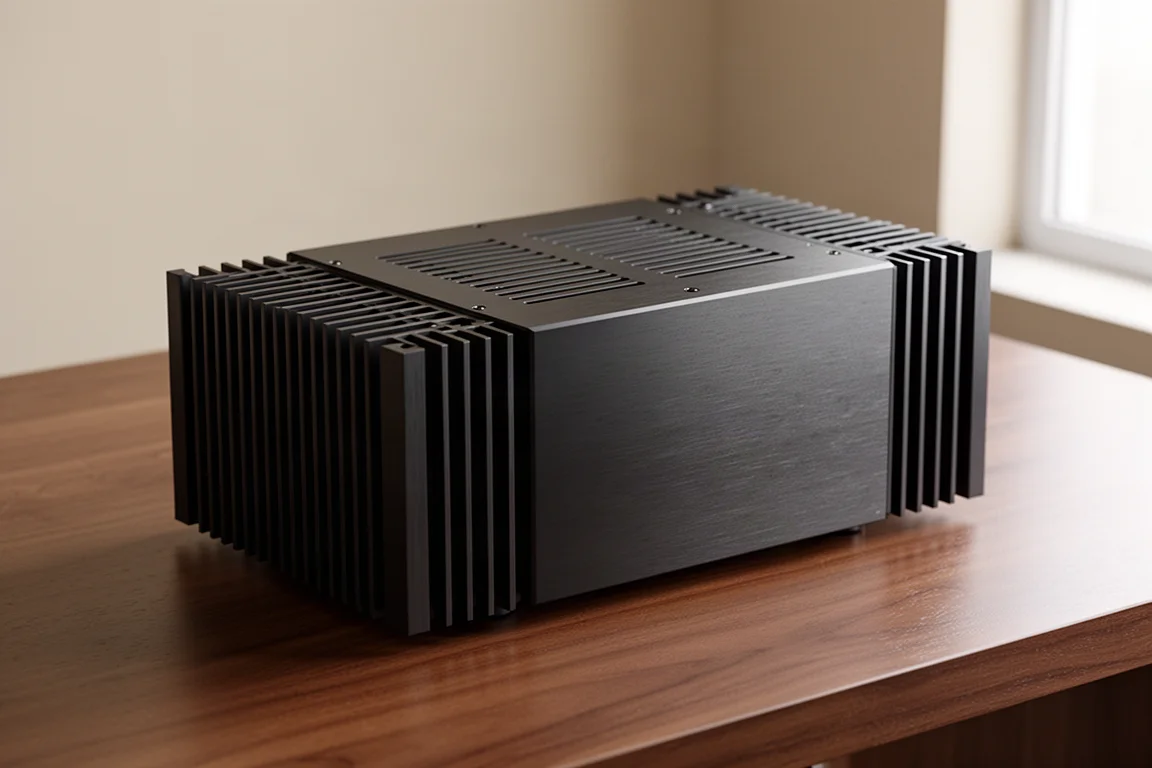
Aegir is a compact stereo power amplifier built around a class A inspired topology. It is rated at 20 watts per channel into 8 ohms and 40 watts into 4 ohms, which places it firmly in the high-efficiency speaker camp rather than the powerhouse camp. Two units can be run as monoblocks for roughly 80 watts per channel.
Physically, Aegir is one of the most impressive pieces here. The machining and finish are comparable to components costing considerably more, which is unusual at this level. It is not a full-width chassis, so it may look out of place next to wider components on a shared shelf.
Sonically it is transparent and uncolored in a way that appeals to listeners who like the directness of low-power triode designs, though it gives up some air, separation, and soundstage definition compared with that kind of amplifier. Dynamics are where the limits show. With efficient speakers it reaches concert-like levels comfortably, but with less efficient floorstanders and large woofers it runs out of steam and begins to distort and clip well before the volume reaches the top of its range. Between roughly 60 and 85 dB it sounds genuinely musical, and beyond that the composure fades.
Schiit Loki Max: A Six-Band Analog Equalizer
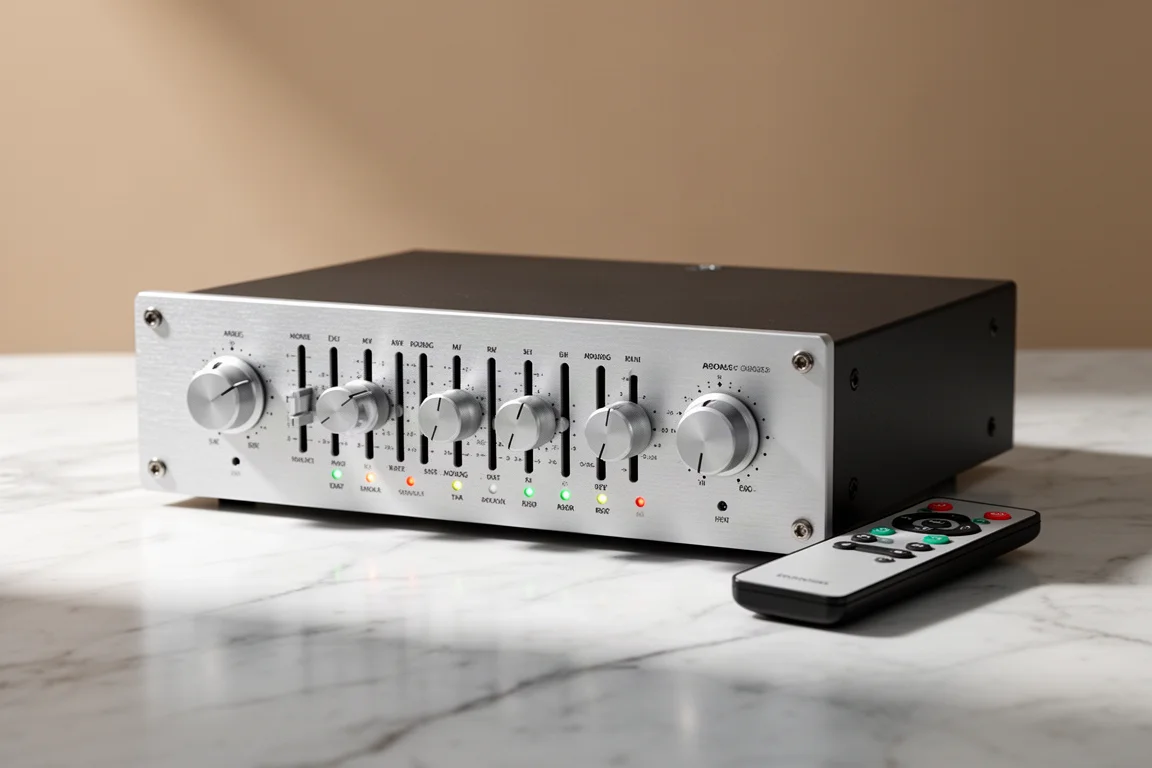
Loki Max is a six-band equalizer with remote control, and it is built to the same standard as the other two components here. With all six bands set to neutral it is completely silent, which is exactly what you want from an equalizer in a quality system. The controls have a firm, confident mechanical action.
The catch appears as soon as you use it. Adjusting a band introduces audible noise, and larger corrections make it more obvious. With high-sensitivity speakers, hiss from the tweeter and midrange horn can be heard from the listening position after anything more than a minor adjustment.
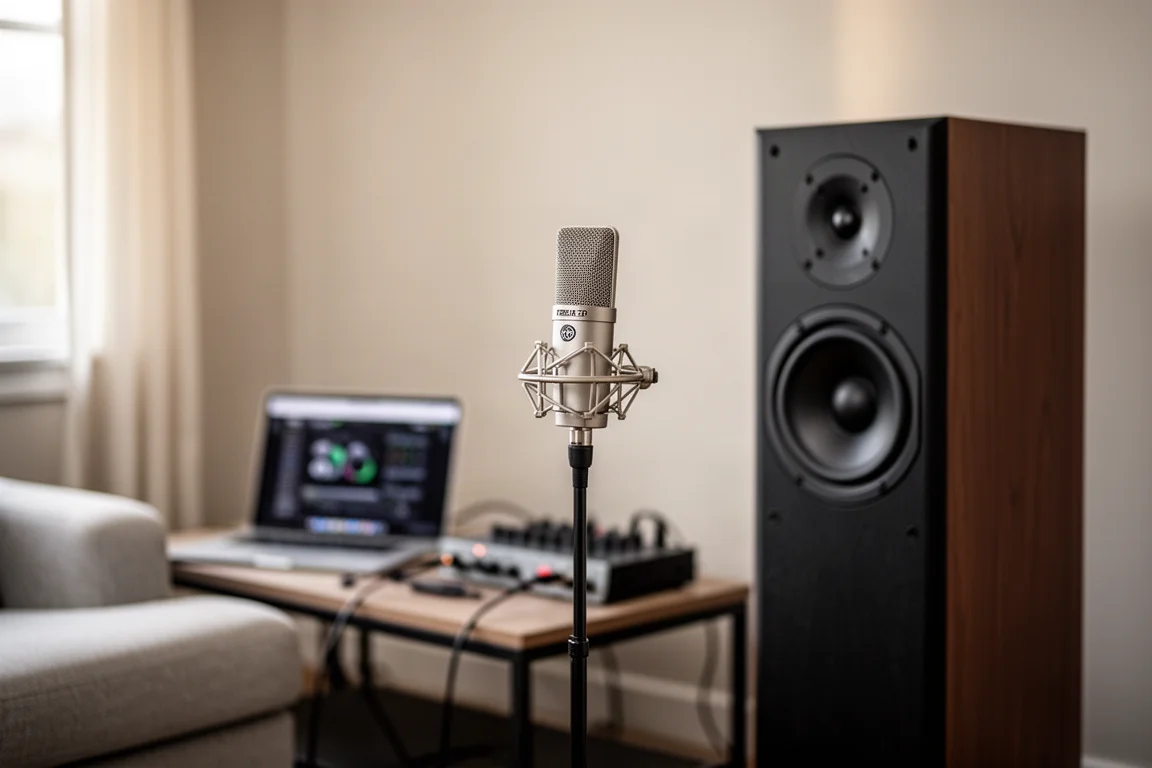
The bigger question is how you intend to use it. Used alongside measurement software and a calibrated microphone, Loki Max can help flatten a speaker’s in-room response, and the changes are both audible and measurable. But if the goal is accuracy rather than taste, you need measurements to confirm you are not making the response worse, and once you have those measurements you could apply them as parametric filters in a digital processor instead. A digital option in the same price region can offer finer correction, complete silence while adjusting, subwoofer integration, and preamp and DAC functions.
If you specifically want to keep the signal path analog and you like the tactile, old-school appeal of a hardware equalizer, Loki Max delivers that experience. Go in knowing that it is a tone-shaping tool first and an accuracy tool second.
Buying Advice: Matching These Components to Your System
Freya S is the safest of the three. If you run a two-channel analog setup with a turntable and an external phono stage, or a DAC for digital sources, it gives you clean switching, a well-implemented volume control, and a remote without adding color to the sound. It is also a useful reference piece if you like comparing amplifiers, precisely because it stays out of the way.
Aegir is a specialist and should be bought as one. With high-sensitivity speakers it is a wonderful match, and it looks and feels far more expensive than it is. With low-sensitivity speakers, especially those with large woofers, it will frustrate you. If you want a single amplifier that works with everything, look for more power instead. If you want class A flavor in a compact chassis and your speakers are efficient, the compromise is worth it.
Loki Max is the hardest to justify. It is well made, genuinely useful for dialing in a speaker by ear, and pleasant to use. It is also the component here whose price buys more elsewhere. If you are willing to measure, a digital processor gives you more control for similar money. If you want analog charm, buy it with open eyes.
How These Three Components Rank
Ranked by how broadly useful they are, Freya S comes first, Aegir second, and Loki Max third.
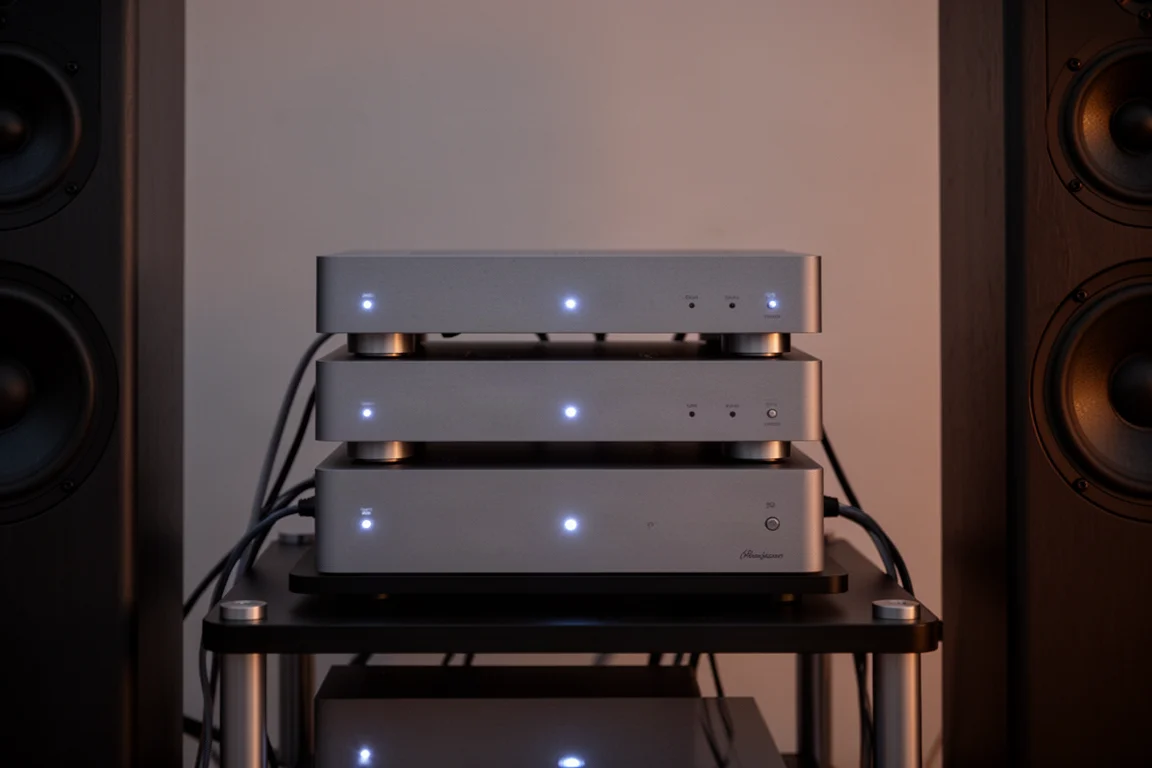
Freya S earns the top spot because it is transparent, remote controllable, and priced reasonably for what it does, with the main annoyances being ergonomic rather than sonic. Aegir is a good amplifier with a narrow set of ideal partners, best treated as a deliberate match to efficient speakers rather than a general-purpose purchase. Loki Max is a cool product in theory whose value depends heavily on whether you want analog hardware or measured accuracy.
Conclusion
Three components, three different answers. Freya S is the one most likely to improve a system without drawing attention to itself. Aegir rewards careful speaker matching. Loki Max is best for listeners who want hands-on analog tone control and are willing to accept the noise and value trade-offs that come with it.
Further reading
Related Reviews
Audio Components
Advance Paris ACD Apex vs Onkyo Icon C-30: Two CD Players, Two Very Different Paths
A $1,400 tube-equipped CD player against a $400 deck. Where the extra money goes, what you actually hear, and which one suits your system.
Audio Components
Douk Audio Q11 Review: A $159 DAC With Two Chips and a Switch
The Douk Audio Q11 puts an ESS Saber ES9038 and an AKM AK4493 in one chassis and lets you switch between them. Here is what that dual-chip design actually delivers.
Audio Components
McIntosh MB20 Bluetooth Transceiver Review: A Bridge for Legacy Hi-Fi
A practical look at the McIntosh MB20 Bluetooth Transceiver, from its aptX HD support and 32-bit DAC to the ways it brings streaming and wireless headphones into older audio systems.