Hi-Fi Audio
Schiit Freya+ Review: One Preamplifier, Four Distinct Sounds
A fully balanced tube preamplifier that can run passive, buffered, with 6SN7 glass tubes, or with LISST solid-state modules, plus what to weigh before buying.
Introduction
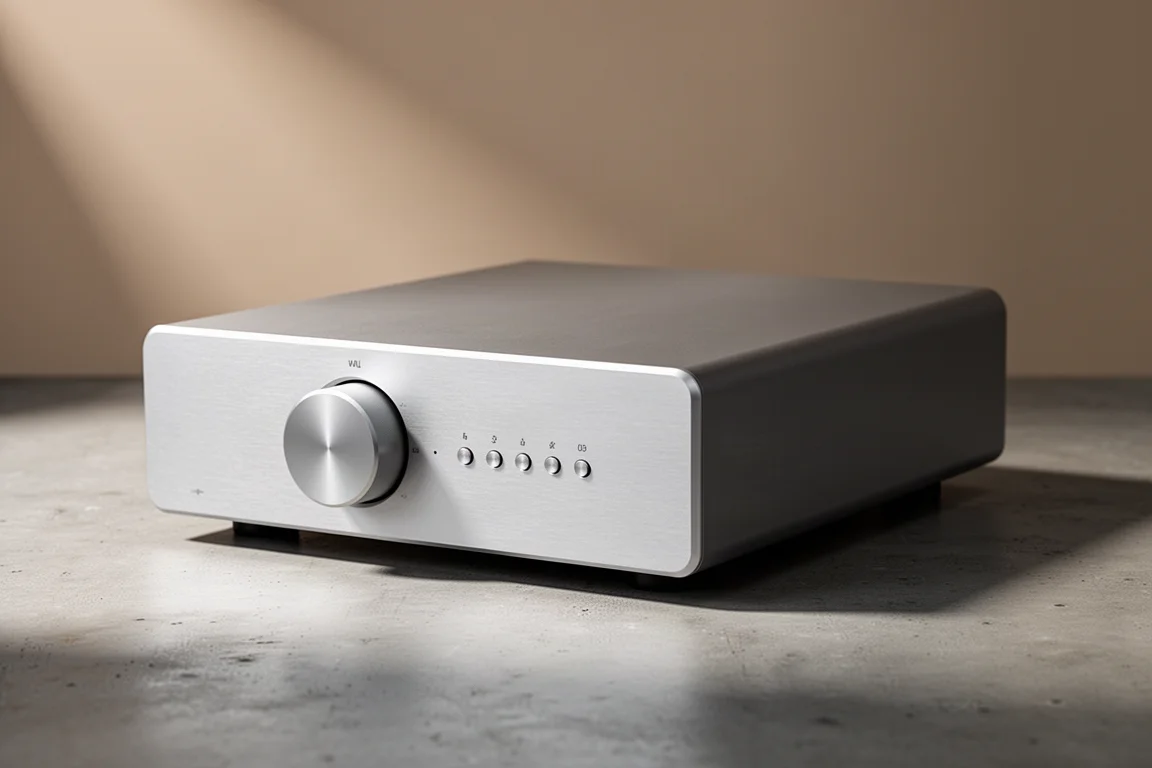
The Schiit Freya+ is a fully balanced tube preamplifier, and it makes an unusually generous promise: four genuinely different sounds from a single chassis. Earlier versions of this design were considered a little quirky. The Freya+ is the version where those kinks appear to have been ironed out, which makes it far easier to live with over time.
There is a second reason it stands out right now. Schiit offers LISST, a drop-in solid-state replacement for the 6SN7 tubes the preamplifier uses. For anyone uneasy about the future supply of glass tubes, that is a reassuring option, and it adds a fourth voice to the same box.
Who the Schiit Freya+ Is For
The Freya+ suits listeners who value flexibility over one fixed sound. It can run purely passively, with a buffer stage, with 6SN7 glass tubes, or with LISST solid-state modules. A single component covers several tastes, and moving between them takes only a moment.
It is also a good match for anyone who enjoys experimenting. The tube stage accepts matched quads of 6SN7 tubes, so a different set changes the character of the sound. Buyers who would rather avoid tubes altogether can choose the Freya S, a fully solid-state version with no tube sockets at all, priced at $599.
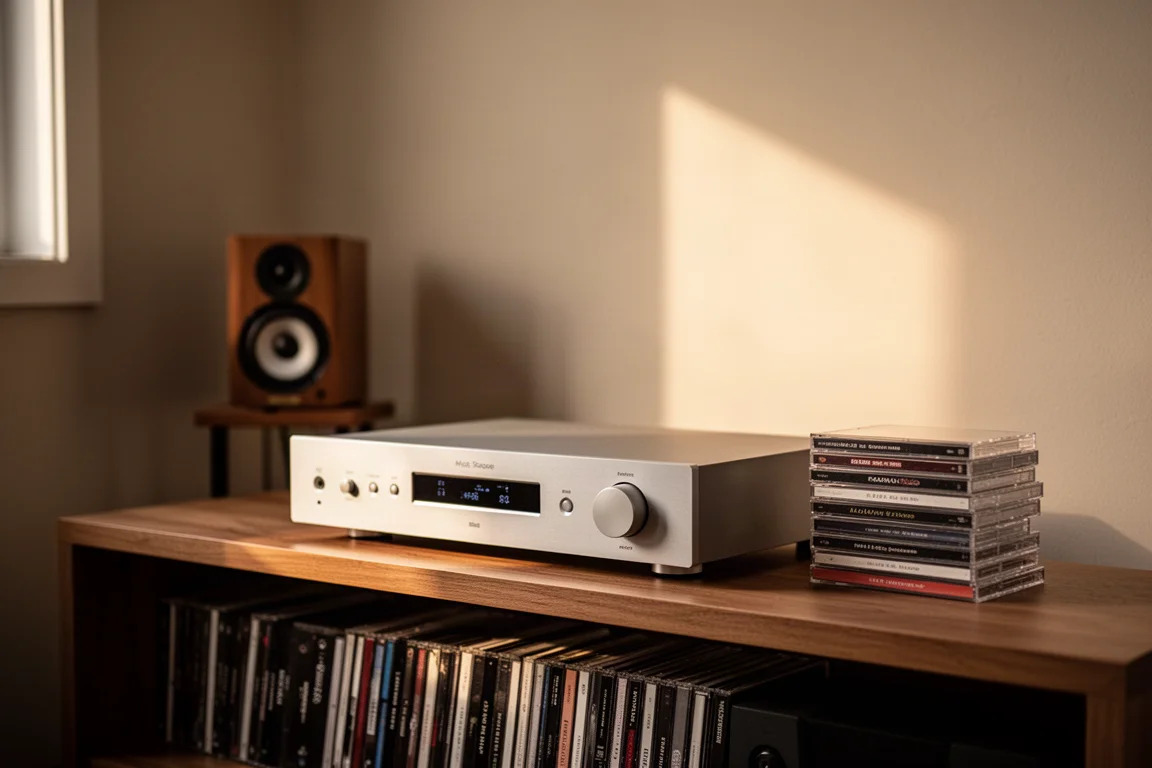
The Freya+ is made in California and carries a five-year warranty. The LISST modules are made in the United States and carry a two-year warranty. Silver and black finishes are offered at the same price.
Main Strengths
The headline strength is flexibility. A passive signal path, a unity-gain buffer, a tube gain stage, and a solid-state tube replacement are all available without leaving your seat.
The volume control deserves its own mention. It uses a 128-step stepped attenuator with relay switching, which keeps the left and right audio channels very closely matched. Because the steps are fixed, the balance does not drift over time and stays accurate even at very quiet listening levels. The knob itself is solid aluminum and feels substantial.
Schiit also protects the tubes. The tube section is powered only when you are actually listening through it, so passive and buffer modes leave the tubes switched off and extend their working life. That is useful when the preamplifier stays on for long sessions, background music, or gatherings.
The supplied remote is minimalist and made entirely of metal. It covers volume up, volume down, mute, input selection, and switching between the passive and active modes, which is everything most listeners need.
The Four Listening Modes
Each mode changes the presentation rather than simply adding or removing gain, and the differences are clear on a resolving system.
Passive Mode
In passive mode the signal passes through nothing but the stepped attenuator, with no active electronics in the path. The result is very clear and immediate, with an appealing directness. The trade-off is dynamics. The sound is upfront and clean, but quieter details are harder to make out, and some music benefits from a more energetic presentation.
Buffer Mode
Buffer mode adds active electronics but no gain, so the signal leaves at the same level it enters. Clarity remains, and low-level detail and dynamics both improve noticeably. It is a more enjoyable listen than passive mode in those respects, though it still falls short of the sense of three-dimensional substance that the active modes bring.
6SN7 Tube Mode
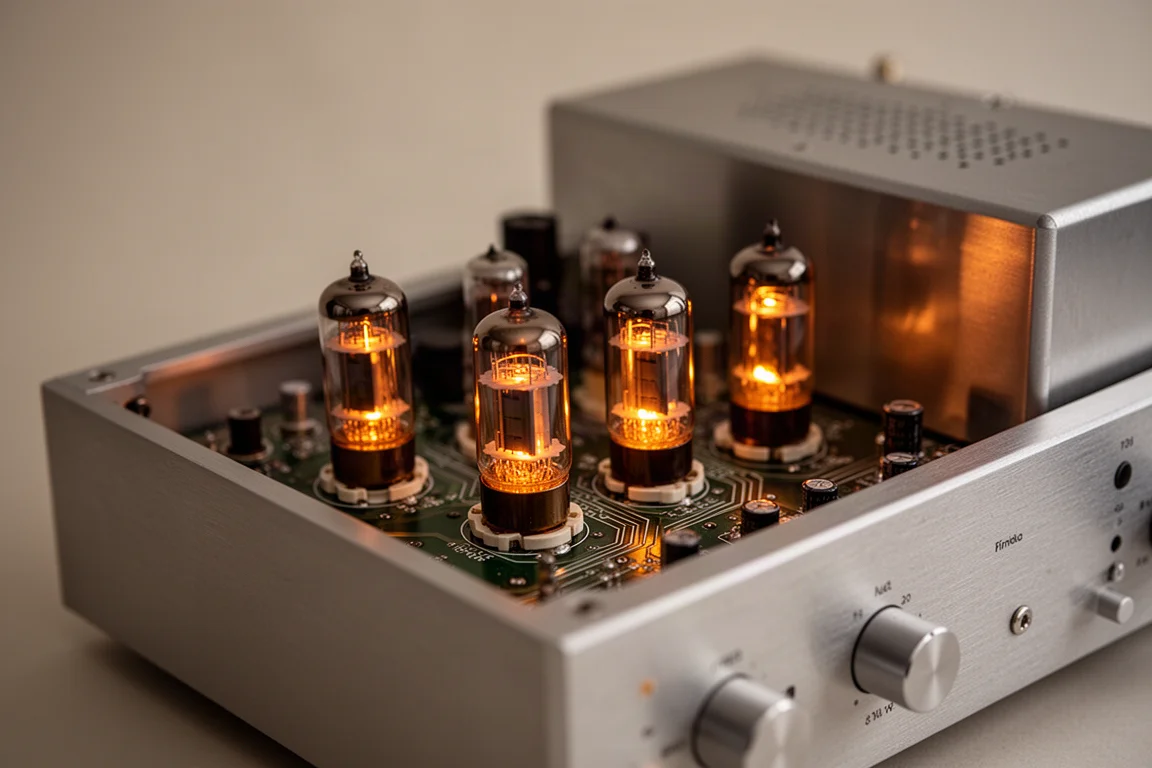
Switching to the 6SN7 glass tubes changes the character again. The sound becomes more dynamically alive and exciting, and quiet passages come through more clearly. This is not a thick, warm, blanket-over-the-speakers sound. The tubes open the presentation up and make it feel more natural. On an electronic recording built from synth textures, deliberate distortion, and fine detail, the tube stage made those qualities light up with more life.
LISST Solid-State Mode
LISST is a depletion-mode MOSFET built into a tube-shaped module that drops into the same socket. Schiit does not claim it sounds like a tube, and it does not. It has its own voice: more transparent and clearer than the tube stage, but also flatter and more solid state in character. Rock material with plenty of drive came across cleanly and without strain.
For context, a compact kit preamplifier built around a NuTube offered a different trade-off. It was more dynamic, with more vocal presence, but softer and less detailed on top. The Freya+ with LISST was the more transparent of the two, while the kit had the smoother and more flowing presentation. Neither approach is simply better; they lean in different directions.
Build, Controls, and Everyday Use
The front panel has no headphone jack, which is a notable omission given how well known Schiit is for its headphone amplifiers. This is a line-level preamplifier first and foremost.
The remote is small, all metal, and deliberately simple: volume up, volume down, mute, input selection, and mode switching. It does not try to do more than that.
Volume changes are handled by relays stepping through the attenuator, so you hear a series of soft clicks as you turn the knob. That is the price of the precise channel matching, and it is rarely distracting during music.
One physical characteristic is worth knowing before purchase. This preamplifier runs hot. The tubes get hot, and the metal parts of the chassis are hot to the touch as well. Plan for ventilation around it.
Tube Life and Long-Term Ownership
Because the tube section is powered only when it is in use, passive and buffer listening extends tube life considerably. Leaving the preamplifier on for casual listening is far less punishing than it would be on a design that keeps its tubes glowing at all times.
Schiit’s supplied 6SN7 tubes are very quiet and well behaved, which is exactly what you want in this position. Buyers who plan to roll tubes should look for a matched quad, since four matched and quiet 6SN7s are needed for the tube stage. New old stock examples are available, and 6SN7s are not in short supply.
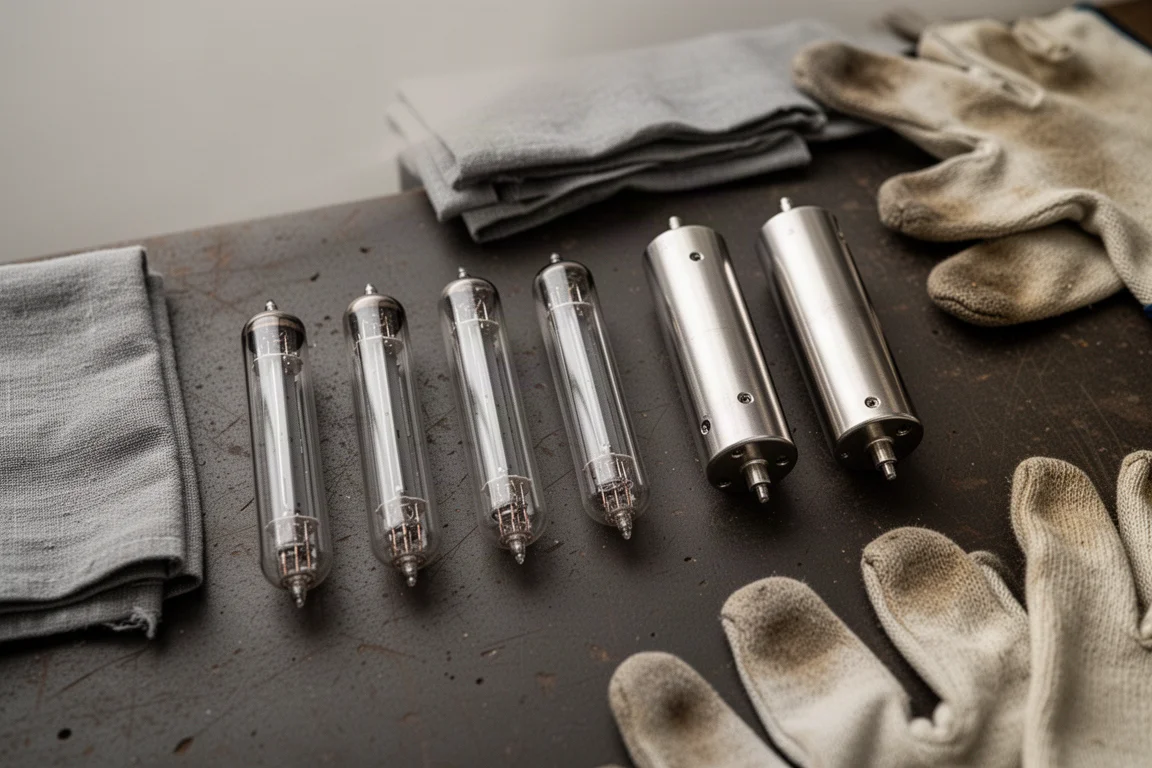
LISST provides a second kind of security. If glass tube availability ever becomes a concern, the solid-state modules drop straight in and the preamplifier keeps working. Owning both sets means four distinct sounds and a fallback that does not depend on vacuum tubes at all.
Things to Consider Before Buying
There is no headphone output, so headphone listeners will need a separate amplifier.
The chassis runs hot, so it needs clear space and should not be stacked tightly against other components.
Passive mode is the most transparent setting, but it is also the least dynamic. Listeners who want punch and weight from quiet recordings may find themselves leaving it in buffer or tube mode.
Tube rolling adds cost and effort. A matched quad of quiet 6SN7s is an extra purchase, and the price of the preamplifier itself rises when tubes are included.
The relay clicks that accompany volume changes are audible in very quiet rooms, and some listeners notice them more than others.
Buying Advice
Schiit offers the Freya+ in three configurations. Without tubes, it costs $849. With LISST solid-state modules, it costs $1,049. With 6SN7 glass tubes, it costs $1,149. Silver and black cost the same.
Choosing between them comes down to how you want to listen. Buyers who want the classic tube experience should take the 6SN7 version. Buyers who want the flexibility of a solid-state tube replacement, or who are uneasy about tube supply, should consider the LISST version. Buyers who want to explore every mode should own both, since swapping modules takes only moments.
Anyone with no interest in tubes at all can look at the Freya S instead. It is fully solid state, has no tube sockets, and costs $599.
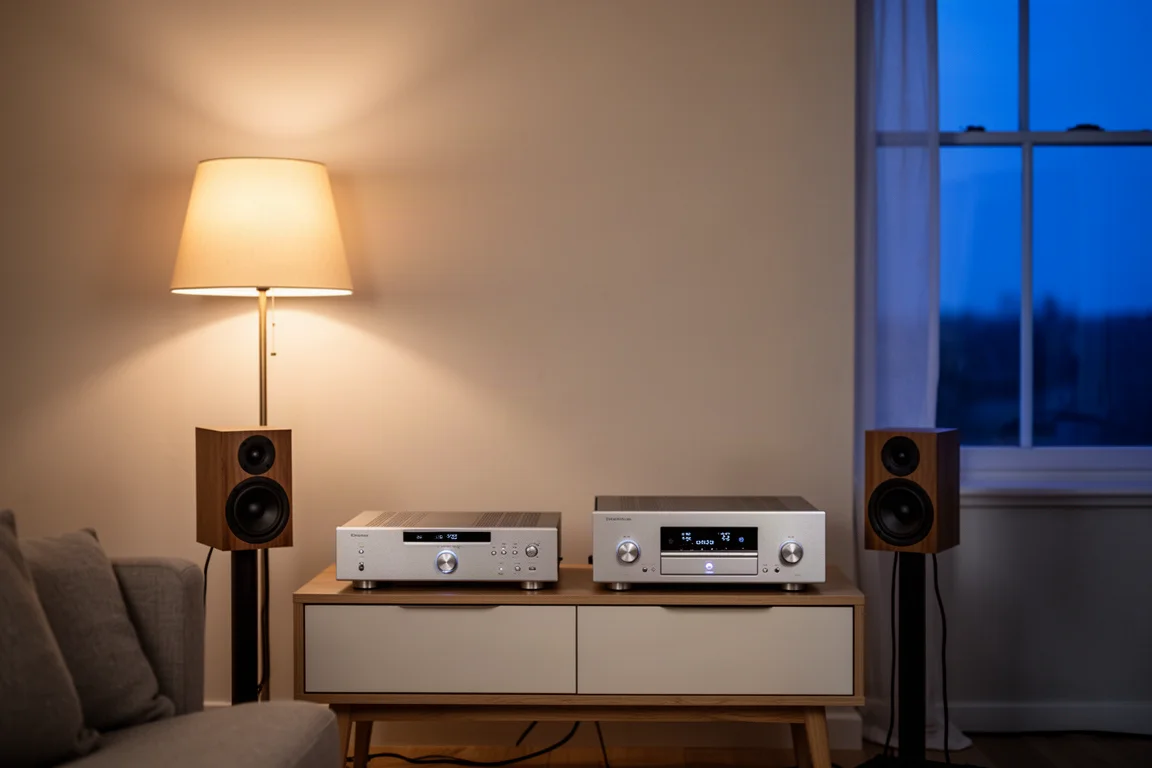
Given the flexibility on offer, the five-year warranty, and the US-sourced parts, the Freya+ represents strong value for a component that covers this much ground. There is very little else at this price that offers four distinct presentations from one chassis.
Conclusion
The Schiit Freya+ is a rare kind of preamplifier. It is not a single fixed sound at a fixed price, but a platform that lets you choose how your system presents music. Passive, buffered, glass tube, and solid-state tube modes all have something to offer, and the ability to switch between them keeps a system interesting over the long term.
For listeners who get restless with one sound, or who want insurance against the tube market, this is an easy recommendation.
Product link
View more details for Schiit Freya+
This product is mentioned in the review. Check the specifications, options, and compatibility before buying.
View more details for Schiit Freya+Further reading
Related Reviews
Hi-Fi Audio
Accuphase C-57 vs Allnic H-7000V: Two High-End Phono Stages Compared
A fully balanced solid-state phono stage with a pitch-black noise floor meets a tube design built for well-loved records. Here is how to choose between them.
Hi-Fi Audio
Active vs Passive Hi-Fi: Five Components for a Modern System
Five components that define modern active and passive hi-fi systems, with the strengths, trade-offs and setup details worth weighing before you buy.
Hi-Fi Audio
Advance Paris A10 Apex Review: A Hybrid Integrated Amplifier That Covers a Lot of Ground
A French hybrid integrated amplifier with a class A tube preamp stage, analogue power meters, and an internal DAC and phono stage good enough to make extra boxes unnecessary.