Hi-Fi Audio
Schiit Aegir 2 vs Schiit Vidar 2: Two Amplifiers, Two Different Listeners
Two near-identical Schiit power amplifiers, one built for sweetness and one built for drive, and how to decide which one belongs in your system.
Introduction
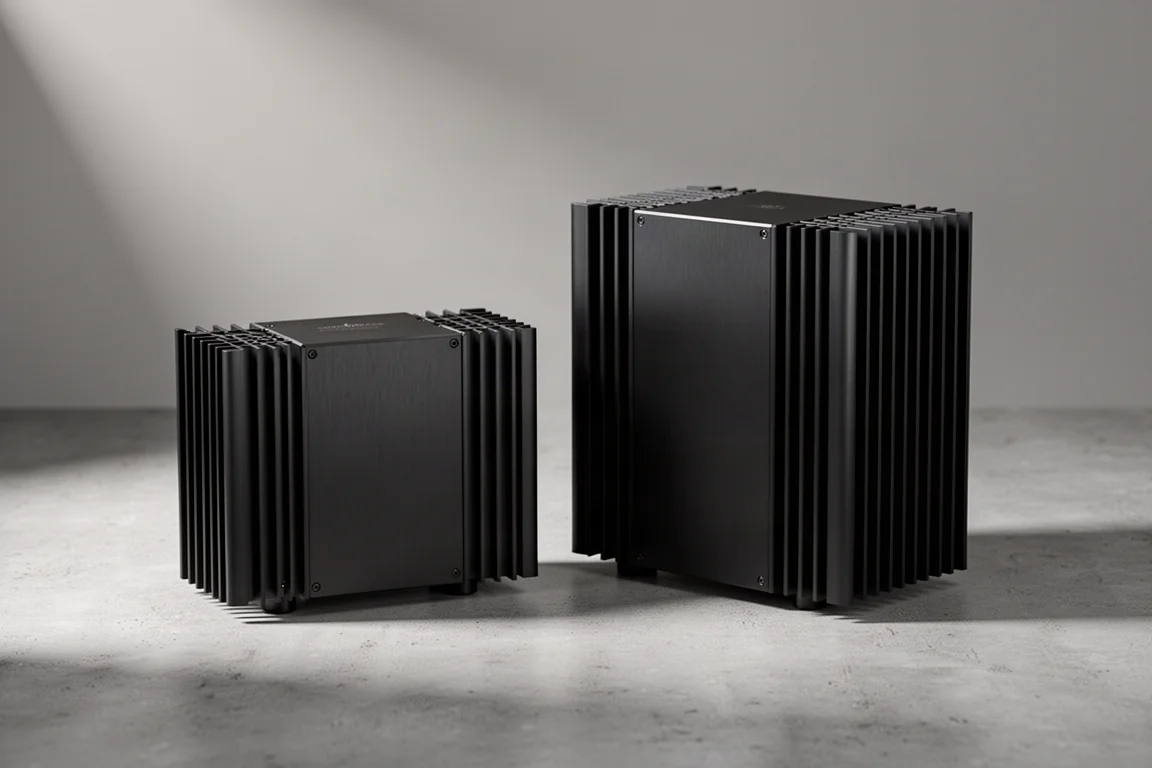
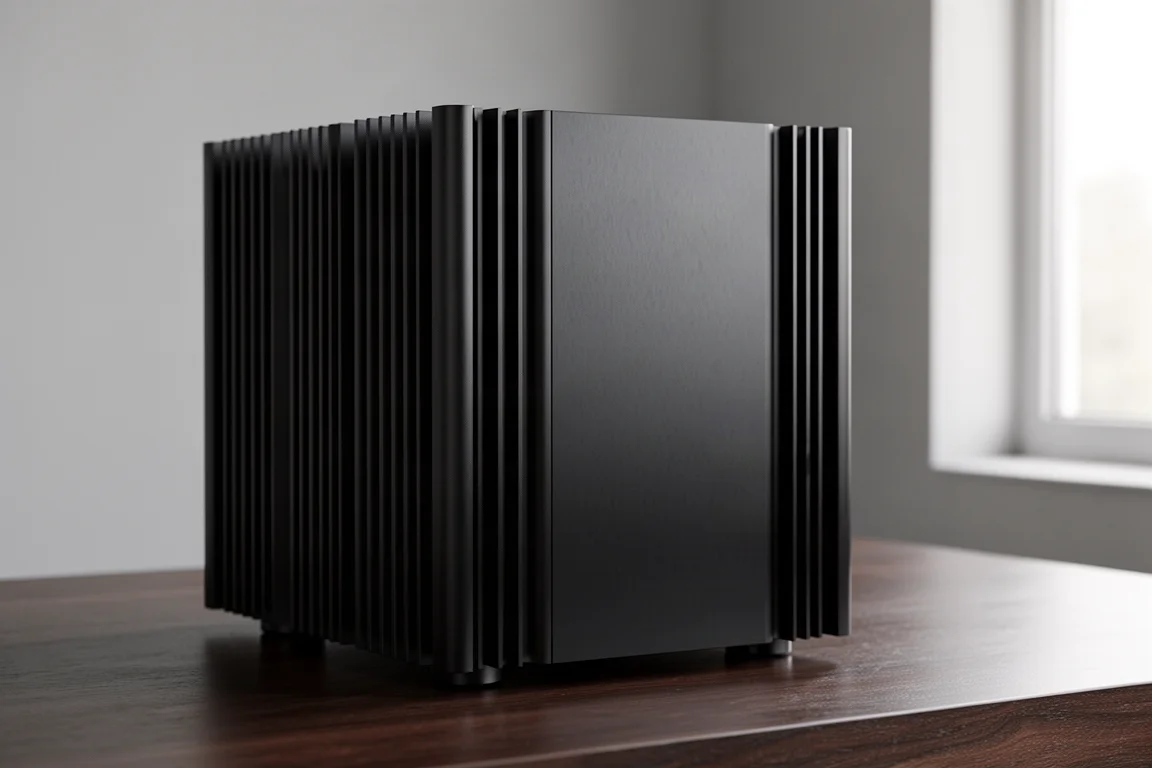
The Aegir has long been one of the more distinctive small power amplifiers on the market, and the Schiit Aegir 2 is the update that owners of the original have been waiting for. It keeps the same chassis as the model it replaces, a narrow aluminium body flanked by tall heat sinks, but the changes inside are real. The original ran hot enough to be memorable. The Aegir 2 barely gets warm, and it also gains power, moving from 20 watts per channel into 8 ohms to 30.
Sitting beside it in the lineup is the Schiit Vidar 2, an amplifier that looks almost identical, delivers 100 watts per channel into 8 ohms, and costs roughly $100 less. That combination is confusing at first glance, and it is the reason this comparison exists. These two amplifiers are not competing for the same listener. They are built for different rooms, different speakers and different volume habits, and choosing between them comes down to understanding how you actually listen.
Schiit Aegir 2: A Familiar Design, Cooler Running
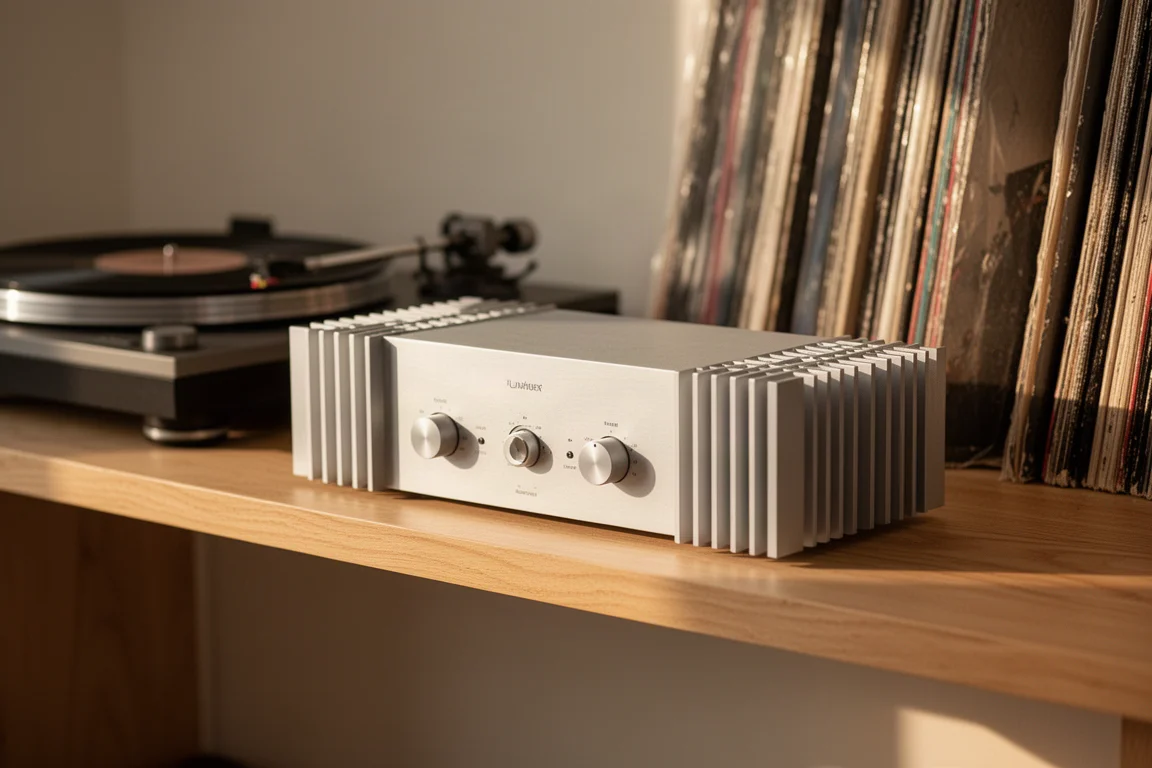
Externally, the Aegir 2 is essentially the amplifier that came before it, a compact chassis with large heat sinks on either side and a finish choice of black or silver. Inside, the design has moved on. A chunky toroidal power transformer replaces the large EI transformer of the original, and the circuit board layout has been reworked.
The headline specifications are 30 watts per channel into 8 ohms, 50 watts into 4 ohms, and 100 watts when two units are run as monoblocks. The rear panel carries a pair of chunky binding posts, a pair of RCA inputs and a single XLR input for mono operation, which means a preamplifier with XLR outputs is required to run the amplifier that way.
One number stands out. The Aegir 2 has a damping factor of 10, where the original Aegir measured 100 and the Vidar 2 also measures 100. Damping factor describes how well an amplifier controls the movement of a speaker cone. A high figure tends to produce tighter, faster bass, while a low figure gives up some of that control. Here it is a deliberate design decision rather than an oversight, and it explains a great deal about the Aegir 2’s character.
The Aegir 2 is priced at $899 in black and $949 in silver. A limited number of the original Aegir remain on sale at $699, offering 20 watts into 8 ohms, 40 watts into 4 ohms and 80 watts as a monoblock. Both are designed and made in the United States with mostly US-sourced parts and carry a five-year warranty. In the United States they are sold direct from the company, with distribution in the UK, Europe, India, Australia, Singapore and other regions.
How the Aegir 2 Sounds in Practice
Start with the overall character, which is sweet, relaxed and detailed without ever becoming hyper-detailed. It is an easy amplifier to listen to for hours, and it stays engaging rather than polite. It also sounds more powerful than its 30 watt rating suggests, with big, generous bass and a strong sense of rhythm.
Speaker pairings shape the result considerably. With the KEF LS50 Meta, a speaker that is not especially sensitive, the Aegir 2 sounded more capable than expected at moderate levels, driving the music with genuine energy. With the Klipsch RP-600M, a higher sensitivity horn design, the sound became faster and more agile, with more jump and more bottom end, a more physical experience overall. With the Pure Audio Project Duet 15, a high sensitivity design built around 15 inch woofers, the pairing was genuinely special, handling a large, dynamic orchestral score without strain.
There is one clear limit. With the Magnepan LRS Plus, a demanding panel speaker, the Aegir 2 does not have the current capability to drive it well. That is a firm no rather than a matter of taste.
Schiit Vidar 2: The Higher-Power Sibling
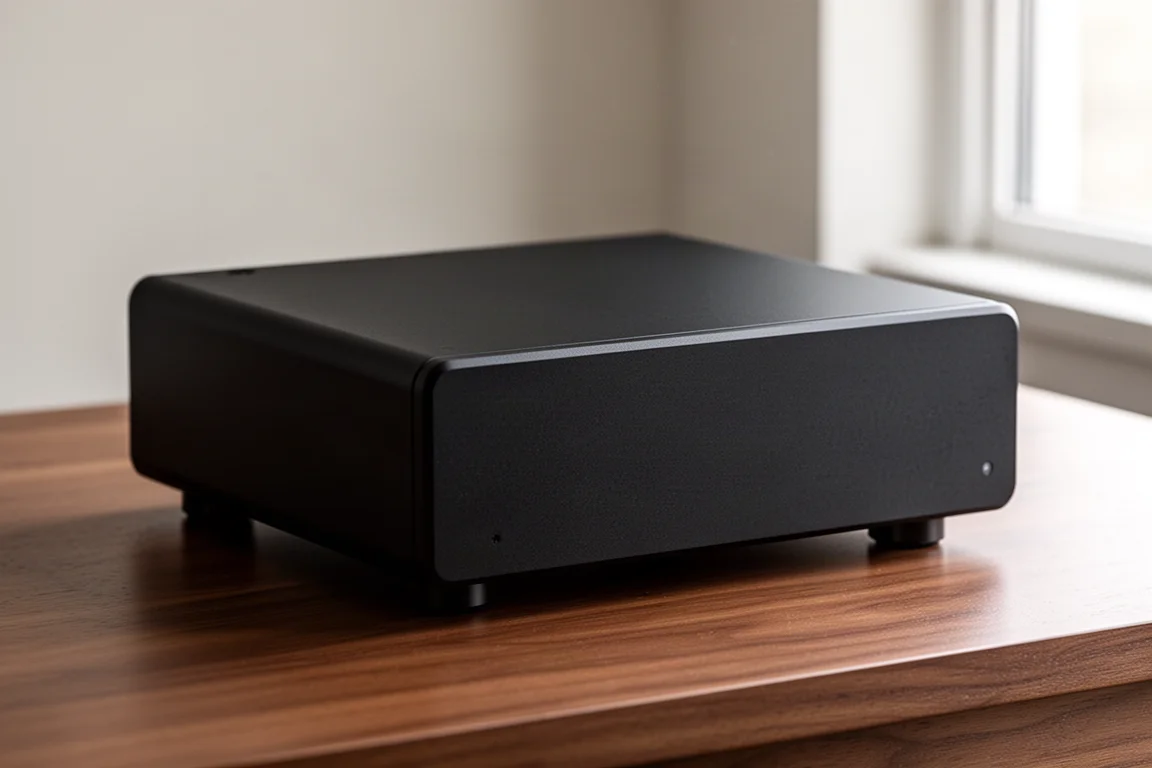
The Vidar 2 takes the same visual language and points it in a different direction. It delivers 100 watts per channel into 8 ohms, carries a damping factor of 100, and is priced around $100 below the Aegir 2. Where the Aegir 2 is sweet and forgiving, the Vidar 2 is more detailed, faster, more dynamic and higher in resolution.
That extra resolution is not a pure upgrade in every situation. On acoustic material, the Vidar 2 can make a recording feel thinner and less complete than the warmer presentation of the Aegir 2. Pushed to the same listening level through the KEF LS50 Meta, it did not come across as meatier or more powerful, despite having more than three times the rated output.
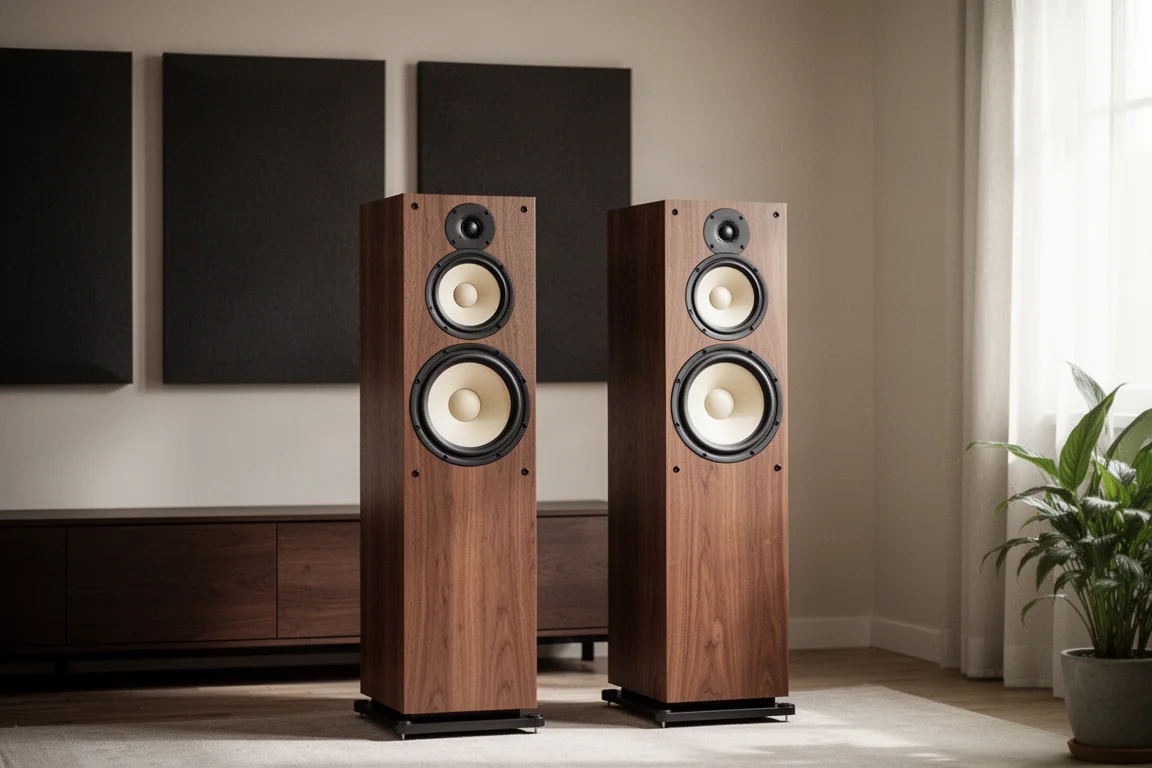
Where the Vidar 2 is unambiguously the stronger choice is with difficult speakers. The Magnepan LRS Plus, which the Aegir 2 cannot drive, is well within its capabilities, and it gets more out of that speaker for under $1,000. For anyone whose speakers demand current, that settles the question.
Power Ratings, Damping Factor, and Speaker Matching
The gap between 30 watts and 100 watts looks enormous on paper, and it matters, but it is not the first thing to consider. The more useful starting point is how loud you listen and how sensitive your speakers are. A high sensitivity speaker needs very little power to reach satisfying levels, and the Aegir 2 is comfortable in that role. A low sensitivity speaker, or a habit of playing music loud, points toward the Vidar 2 without much debate.
Room size plays a part as well. In a smaller room at moderate levels, the Aegir 2 can drive even a medium sensitivity speaker convincingly. Damping factor is the second number worth understanding. At 10, the Aegir 2 exercises less control over cone movement than the Vidar 2 at 100, which contributes to its looser, warmer low end and to the sense that it is not chasing maximum grip. Listeners who prioritise tight, fast bass will notice the difference. Listeners who prioritise tone and ease may prefer it.
Both amplifiers can be run as monoblocks, and the Aegir 2 reaches 100 watts per channel that way when two units are used, which requires a preamplifier with XLR outputs.
Listening Notes: Where Each Amplifier Excels
The Aegir 2’s greatest strength is not detail or grip but charm. It has a way of drawing a listener in, and it is unusually kind to harsh, edgy, compressed or grainy recordings, smoothing the rough edges without smothering the music. Against a reference amplifier costing more than $5,000, it sounds reserved and softer, with less transparency, less clear space between instruments and less control over large woofers. That is a fair context for anyone weighing the Aegir 2 against far more expensive electronics, and it does not undermine what the amplifier achieves at its price.
The Vidar 2, by contrast, is the amplifier to choose when detail and clarity come first. It is the more revealing of the two, and it is better at keeping complicated passages organised. The trade-off is a presentation that can feel leaner on acoustic recordings, where the Aegir 2’s warmth makes voices and instruments feel more complete.
Ownership: Warranty, Finishes, and Availability
Both amplifiers are available in black or silver finishes, and both carry a five-year warranty. Both are designed and made in the United States using mostly US-sourced parts. In the United States they are sold direct from the manufacturer, while in the UK, Europe, India, Australia, Singapore and other regions they are available through distribution.
For buyers working to a tighter budget, a limited number of the original Aegir remain available at $699. It runs hotter than the Aegir 2 and offers less power, at 20 watts into 8 ohms, 40 watts into 4 ohms and 80 watts as a monoblock, but it remains a sweet sounding amplifier in its own right.
Which Amplifier Should You Choose?
If you listen at moderate levels in a small or medium room, and your speakers are of average or higher sensitivity, the Aegir 2 is the more rewarding choice. Its forgiving, rhythmic character makes it easy to live with, and it is the amplifier to pick if you want tone and ease rather than the last word in resolution. The Klipsch RP-600M and Pure Audio Project Duet 15 pairings show what it is capable of when the speakers are not asking too much of it.
If you play music loud, own low sensitivity or panel speakers, or simply want the most detail and clarity available at this price, the Vidar 2 is the better fit. It costs less, delivers far more power, and drives demanding speakers that the Aegir 2 cannot. Neither amplifier is a compromise for the wrong listener. They are two answers to two different questions.
Conclusion
The Aegir 2 and the Vidar 2 share a chassis, a build philosophy, a five-year warranty and a price bracket, yet they are aimed at different people. The Aegir 2 is the sweeter, warmer and more forgiving amplifier, happiest with high sensitivity speakers and moderate listening levels. The Vidar 2 is the more powerful and more revealing option, and the safer choice for difficult speakers or loud playback. Match either one to the way you listen, and the decision becomes straightforward.
Further reading
Related Reviews
Hi-Fi Audio
Accuphase C-57 vs Allnic H-7000V: Two High-End Phono Stages Compared
A fully balanced solid-state phono stage with a pitch-black noise floor meets a tube design built for well-loved records. Here is how to choose between them.
Hi-Fi Audio
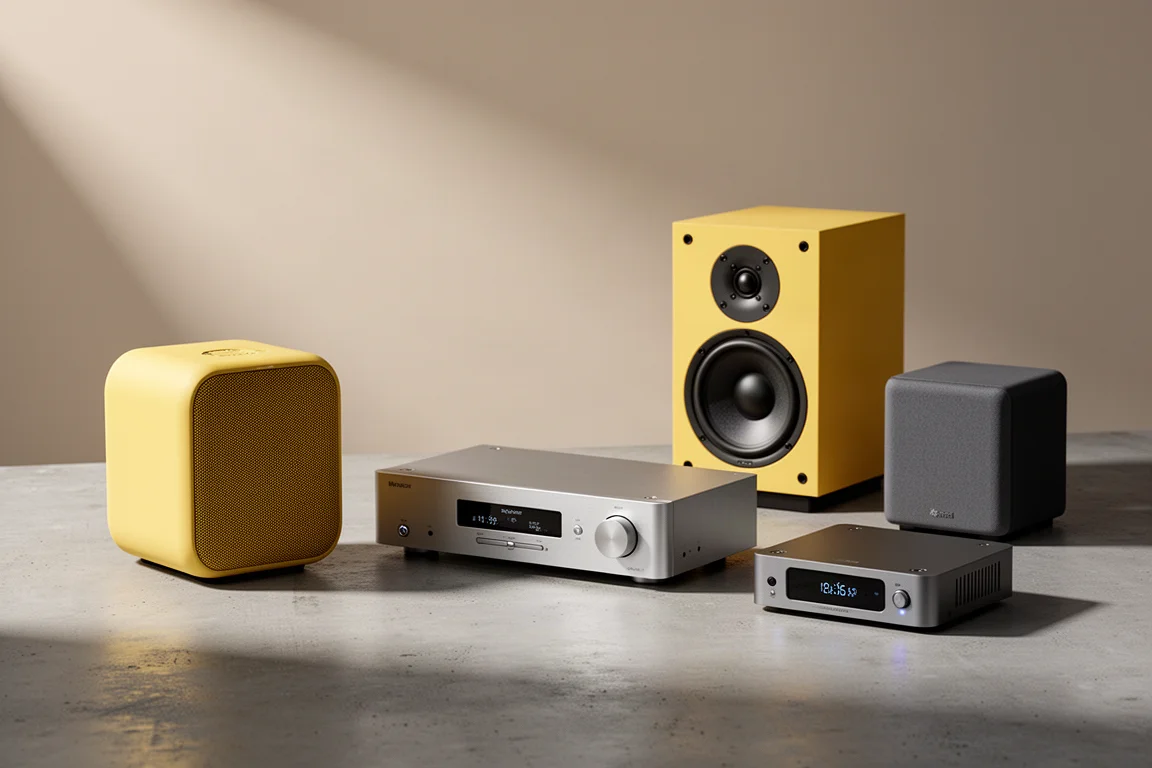
Active vs Passive Hi-Fi: Five Components for a Modern System
Five components that define modern active and passive hi-fi systems, with the strengths, trade-offs and setup details worth weighing before you buy.
Hi-Fi Audio
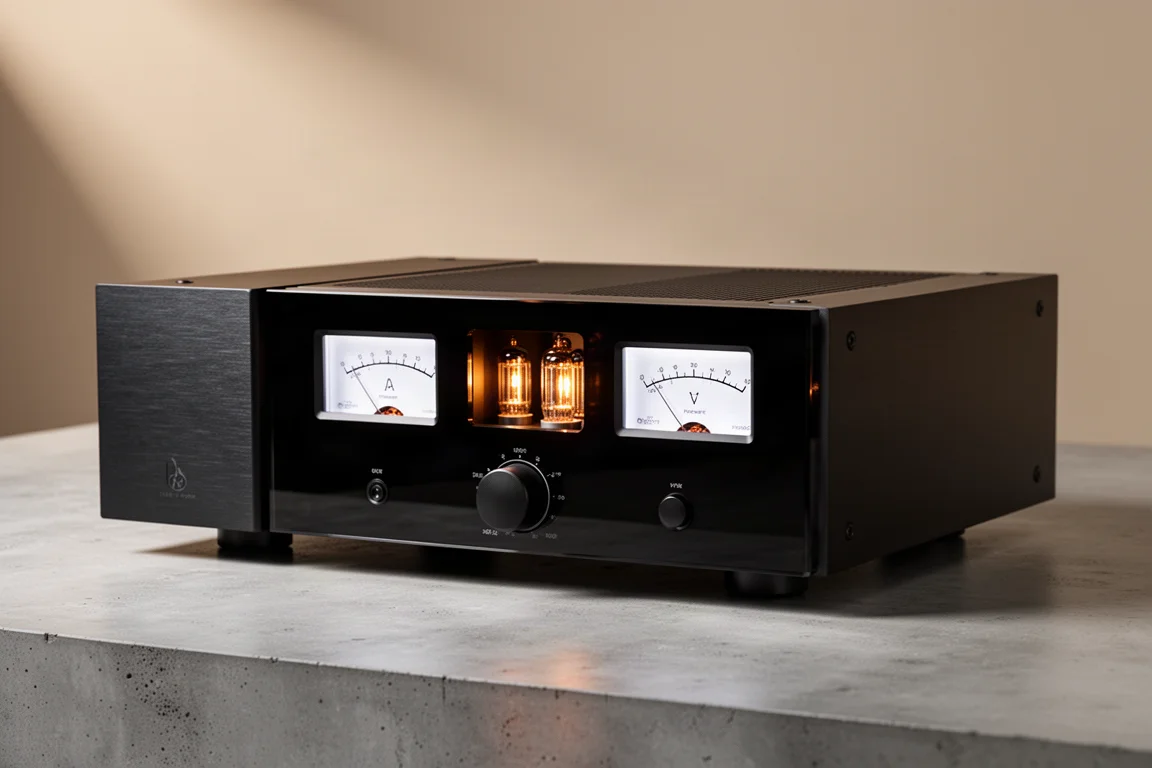
Advance Paris A10 Apex Review: A Hybrid Integrated Amplifier That Covers a Lot of Ground
A French hybrid integrated amplifier with a class A tube preamp stage, analogue power meters, and an internal DAC and phono stage good enough to make extra boxes unnecessary.