Backpacking Water Filters
Sawyer Squeeze vs Platypus QuickDraw: Which Backpacking Water Filter to Trust
A practical comparison of two squeeze-style backpacking water filters, covering field reliability, flow, storage care, and warranty support before you buy.
Introduction
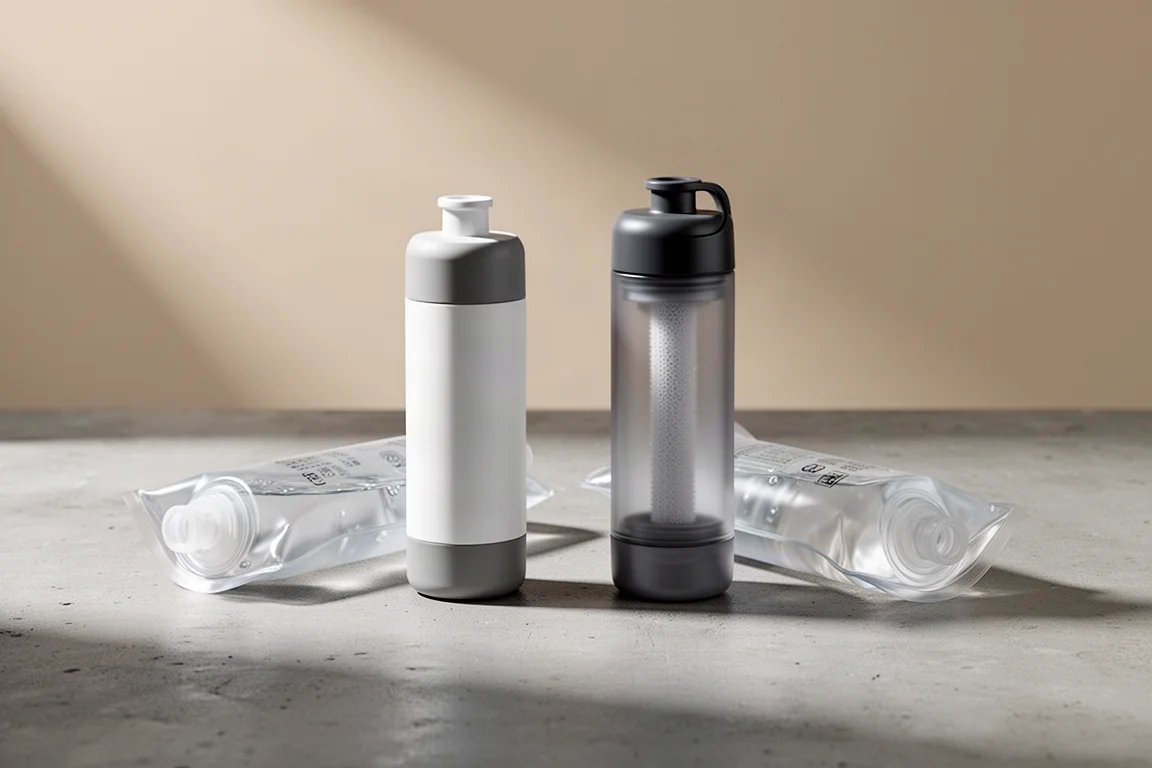
Squeeze-style hollow-fiber filters have become the default choice for backpackers who want fast water treatment without pumps, tablets, or extra bulk. Two filters dominate that conversation: the Sawyer Squeeze, a long-standing benchmark in the category, and the Platypus QuickDraw, a newer design built around the same squeeze-and-drink approach.
Both are compact, both connect to standard bottles and reservoirs, and both are sold for the same job of turning questionable backcountry water into something you can drink on the move. The difference shows up in consistency. One has built a reputation for dependable performance trip after trip, while the other has produced enough variability and support friction to give a careful buyer pause.

This comparison covers how each filter behaves in practice, what can go wrong with a hollow-fiber design, and which one is the safer purchase depending on the kind of trips you take.
What Matters Most in a Backpacking Water Filter
When a filter is responsible for every liter of water you drink on a trip, a few practical factors matter more than marketing language.
Integrity comes first. A hollow-fiber membrane either blocks contaminants or it does not, and there is no middle ground. If the fiber bundle is damaged, the filter can pass water while offering no real protection, which is why field checks and a simple integrity test matter so much.
Flow rate is the second consideration. A slow filter costs you time at every water stop, and on a long day that adds up quickly. Weight and packed size come next, though both of these filters are light and small enough that the difference is marginal.
Then there is care and storage. Squeeze filters need to be prepped before their first use so the fibers are fully wetted out, and they need to be completely dry before they go into long-term storage. Finally, brand support matters more than most buyers expect. When a filter fails, how quickly the company responds determines whether the product is a minor inconvenience or a dead end.
Sawyer Squeeze: The Trusted Baseline
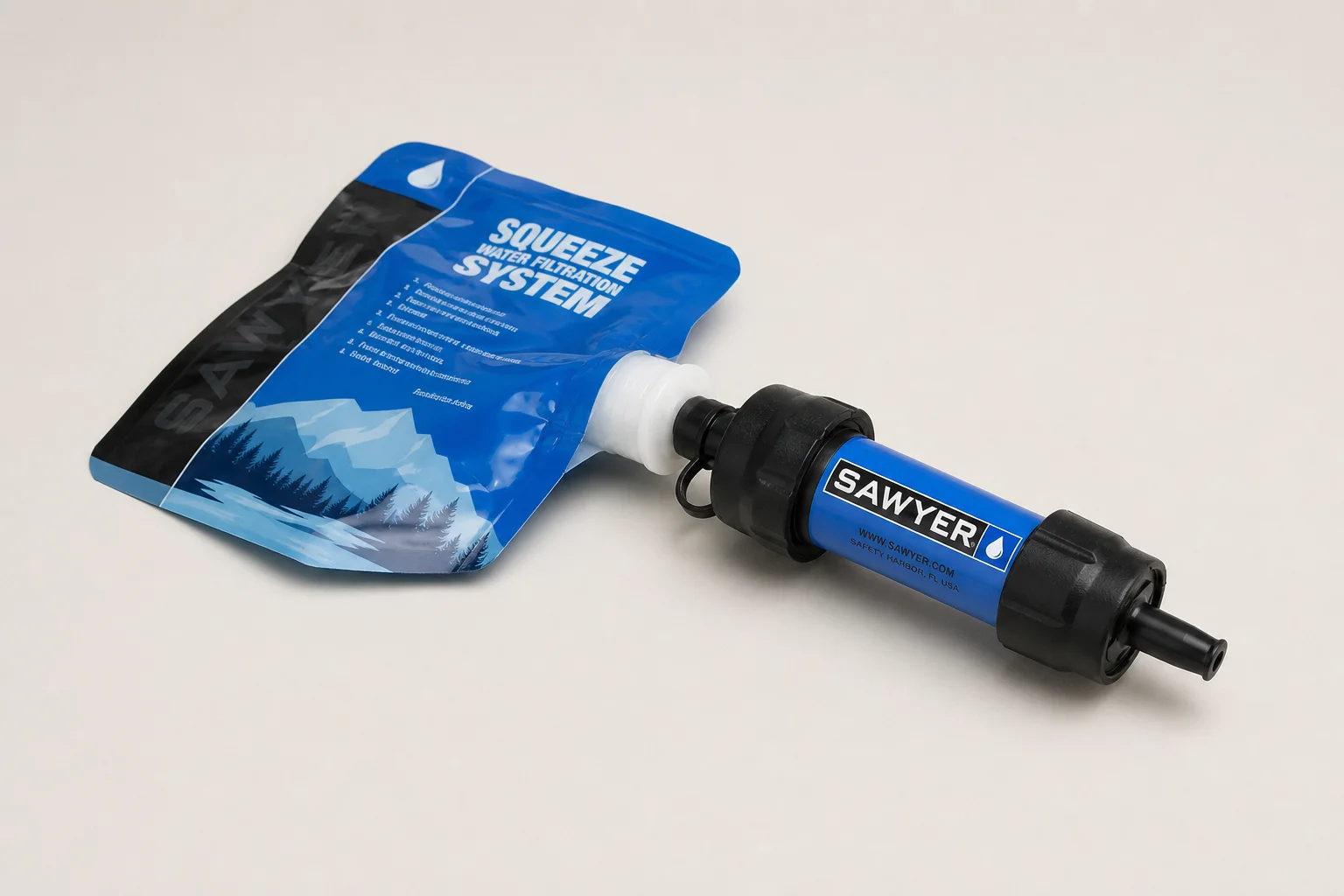
The Sawyer Squeeze is the filter that keeps finding its way back into the pack. It is lightweight, it delivers a good flow rate, and it has a long record of doing exactly what it is supposed to do. That combination is why it remains the default choice for backpackers who want one filter that simply works.
The appeal is not a single standout feature. It is predictability. You pick it up before a trip, you know how it behaves, and you do not spend the first hour at the trailhead wondering whether it will pass a field check. For safety-relevant gear, that confidence is worth more than a marginal gain in weight or flow.
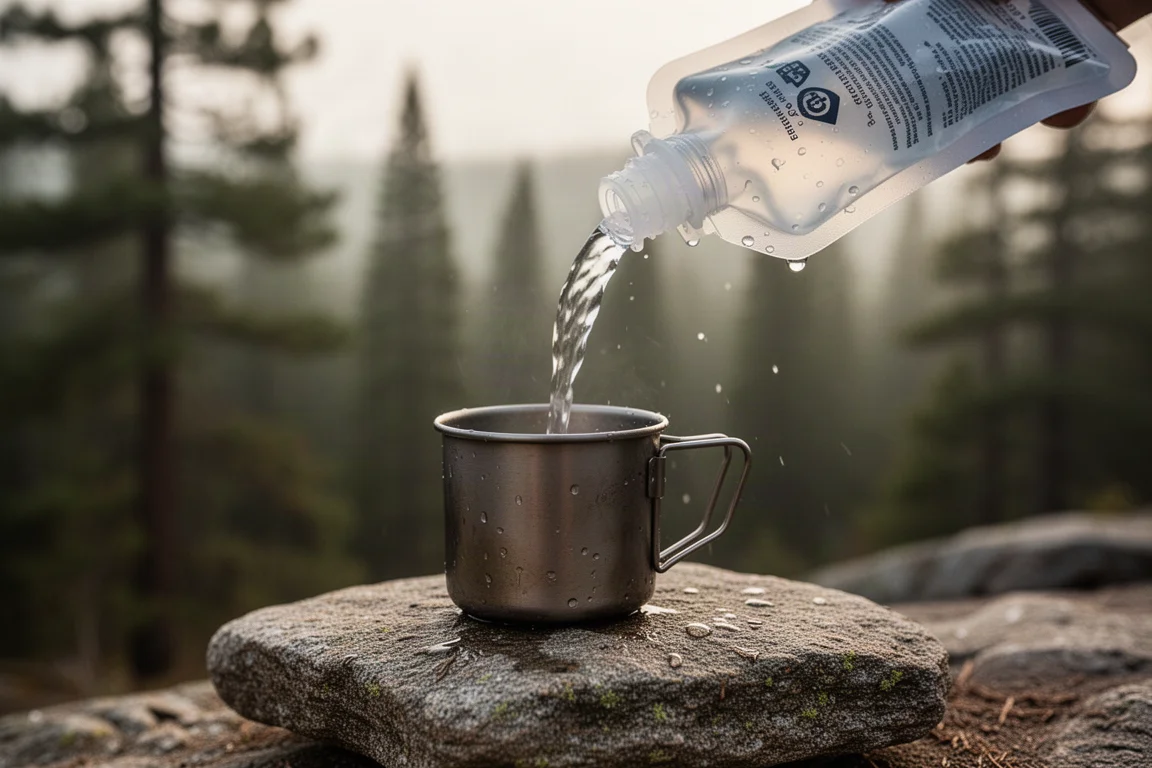
For backpackers filtering several liters a day, the combination of low weight and steady output is the main draw. It is also the filter that has never given a reason to look elsewhere, which is a meaningful endorsement in a category full of new options.
Platypus QuickDraw: Promising Design, Inconsistent Results
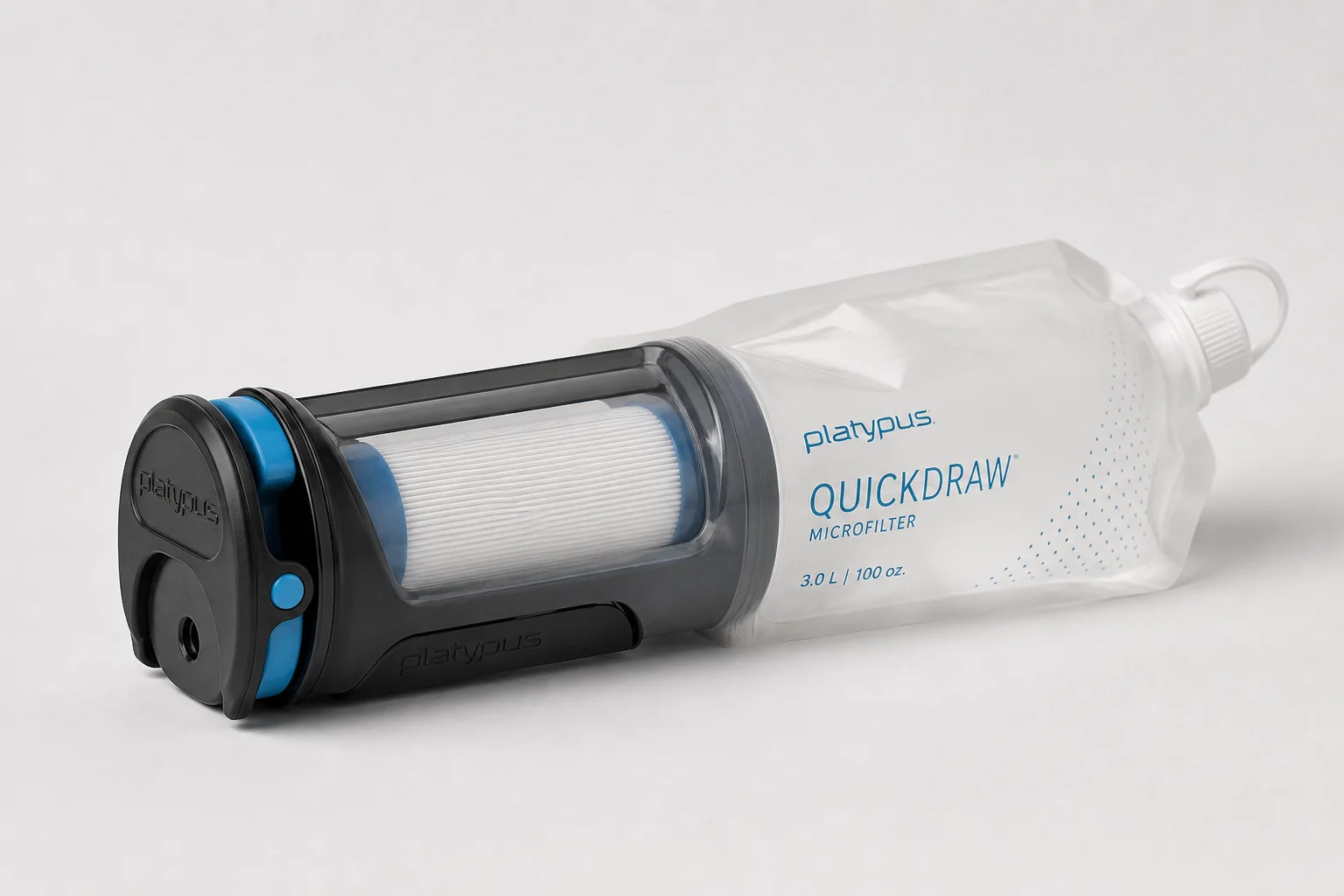
The Platypus QuickDraw sells for under $30 and approaches the same problem with a similar squeeze format. On paper it is an appealing alternative: light, compact, and priced low enough to be an easy addition to a gear list.
In practice, the experience has been mixed in ways that matter. A first unit developed mold after being stored, most likely because it was not fully dry when it was put away, and it had to be thrown out. A replacement unit arrived with a broken strand visible on the fiber bundle at the inlet side of the filter. After running roughly 20 liters of water through it to make sure the fibers were fully wetted, an integrity test produced a continuous stream of bubbles on the outlet side instead of the steady, bubble-free flow a healthy filter should show. Repeated tests gave the same result, and the filter was judged compromised out of the box.
Other users have reported problems as well, either with the filter itself or with the water bag supplied alongside it. A single faulty unit would be easy to write off at this price. The bigger concern has been the warranty process, where a submitted claim went unanswered for several weeks, leaving real uncertainty about whether a replacement would behave any differently.
Storage, Maintenance, and Field Habits
Hollow-fiber filters are sensitive to handling, and two habits matter more than any other.
The first is prepping the filter before its first trip. Running water through it so the fibers are completely wetted out takes a few minutes at home, and skipping it can make a filter perform poorly in the field for reasons that have nothing to do with a defect.
The second is drying. A filter stored while still damp can grow mold, and once that happens the unit is finished. If you are putting a filter away for months, give it more drying time than you think it needs, then give it a little more.
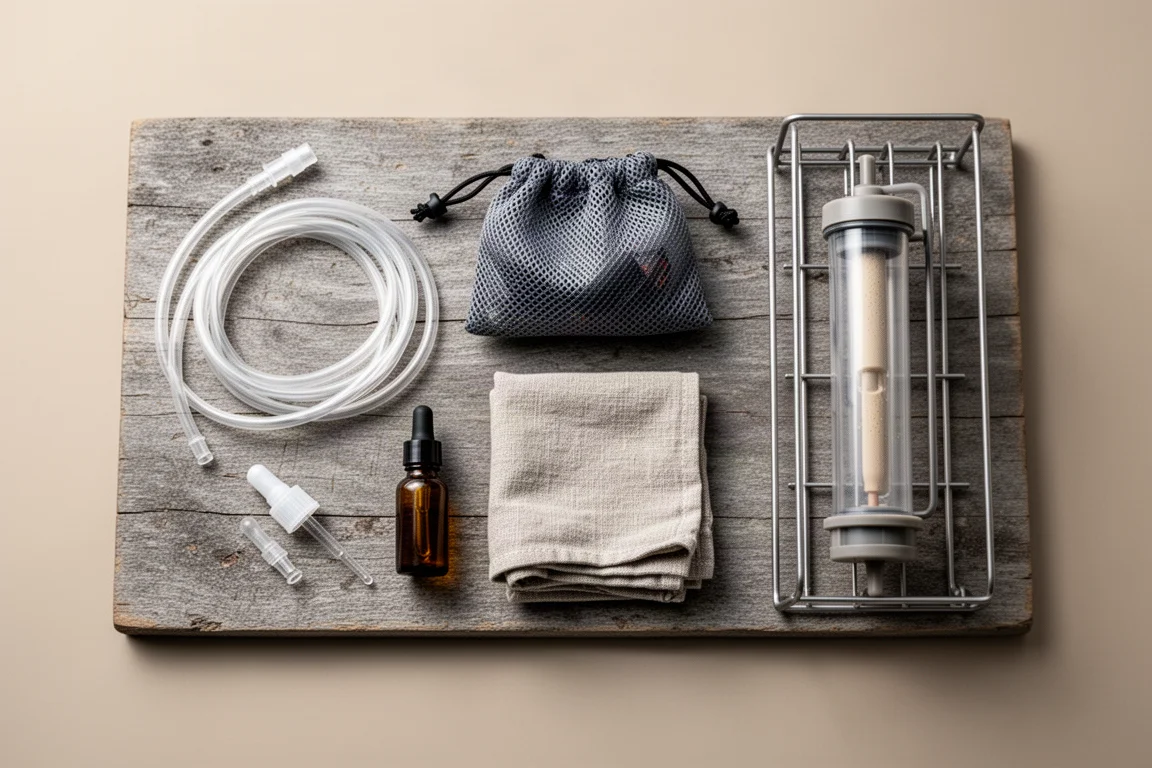
A quick integrity test is the third habit worth building. Run water through the filter, watch the outlet side, and look for a steady stream of water with no air bubbles. A continuous stream of bubbles means the membrane is compromised and the filter should not be trusted with drinking water. These checks take only a few minutes and can save a trip. Buying from a seller with a straightforward return policy also helps, since a filter that fails a test right out of the box should go back rather than into a pack.
Reliability and Warranty Support
For a sub-$30 item, it is tempting to treat a failure as disposable. That math changes when the item is the only thing standing between you and untreated water on a remote trail.
What has been most frustrating is not the defect itself but the time required to get an answer. A warranty claim that sits for weeks leaves a buyer in limbo: buy another unit of the same model and hope for better luck, or fall back on something already proven.
Response time also says something about a newer product. A company that engages quickly with early failures builds confidence in the design. A slow response does the opposite, particularly when other users are reporting similar issues with the same filter or its water bag.
Buying Advice: Matching the Filter to Your Trip
If your priority is a filter you can pick up and trust without a second thought, the Sawyer Squeeze remains the safer choice. It is light, it flows well, and it has a long record of dependable use, which is exactly what you want from a piece of gear you rely on for drinking water.
If you want to try the QuickDraw, it is inexpensive enough to be worth a look, but treat it as a product to verify rather than assume. Buy from a seller with easy returns, prep it properly before the first trip, run an integrity test at home, and store it completely dry between outings. If it passes those checks, keep it. If it does not, send it back.
Either way, the practical takeaway is the same. The filter you carry should be one you have tested yourself before you depend on it in the backcountry, and the brand behind it should be one you can reach when something goes wrong.
Conclusion
The Sawyer Squeeze and the Platypus QuickDraw look like close competitors on paper, and in many ways they are. Both are light, both are compact, and both use the same simple squeeze workflow that has made hollow-fiber filters the standard for backpacking.
The difference is trust. The Sawyer Squeeze has earned it through consistent performance and a flow rate that holds up on long days. The Platypus QuickDraw has a genuinely appealing design and a low price, but the specific failures seen here, a molded unit after storage and a brand-new filter that failed an integrity test, plus a warranty claim that went unanswered for weeks, make it hard to recommend without qualification.
Until that warranty question is resolved, the Sawyer Squeeze stays in the pack. If the QuickDraw’s support and quality control catch up with its design, it could be a strong option for budget-conscious backpackers. For now, it is a filter worth testing carefully before you bet a trip on it.
Further reading
Related Reviews
Backpacking Water Filters
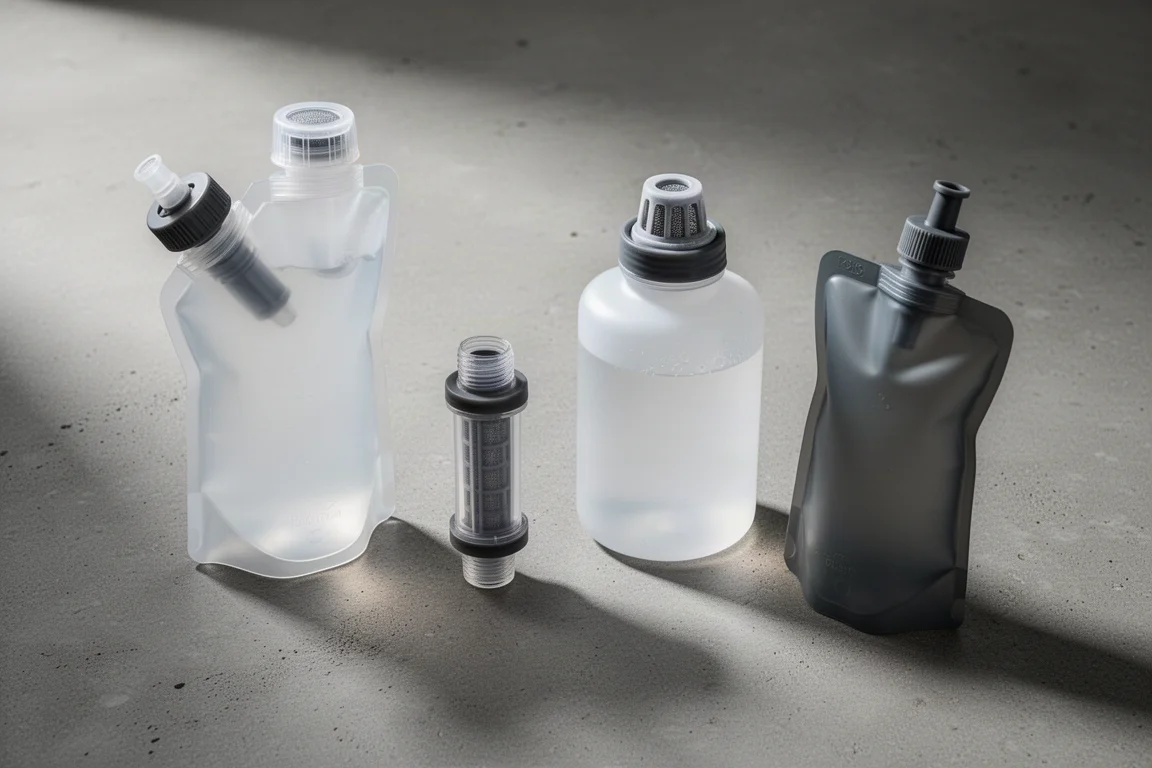
Backpacking Water Filters Compared: LifeStraw Peak Series, Sawyer Squeeze, Katadyn BeFree, and Platypus QuickDraw
A practical comparison of four hollow fiber squeeze filters, covering flow, filling, packability, weight, and thread compatibility.
Backpacking Water Filters
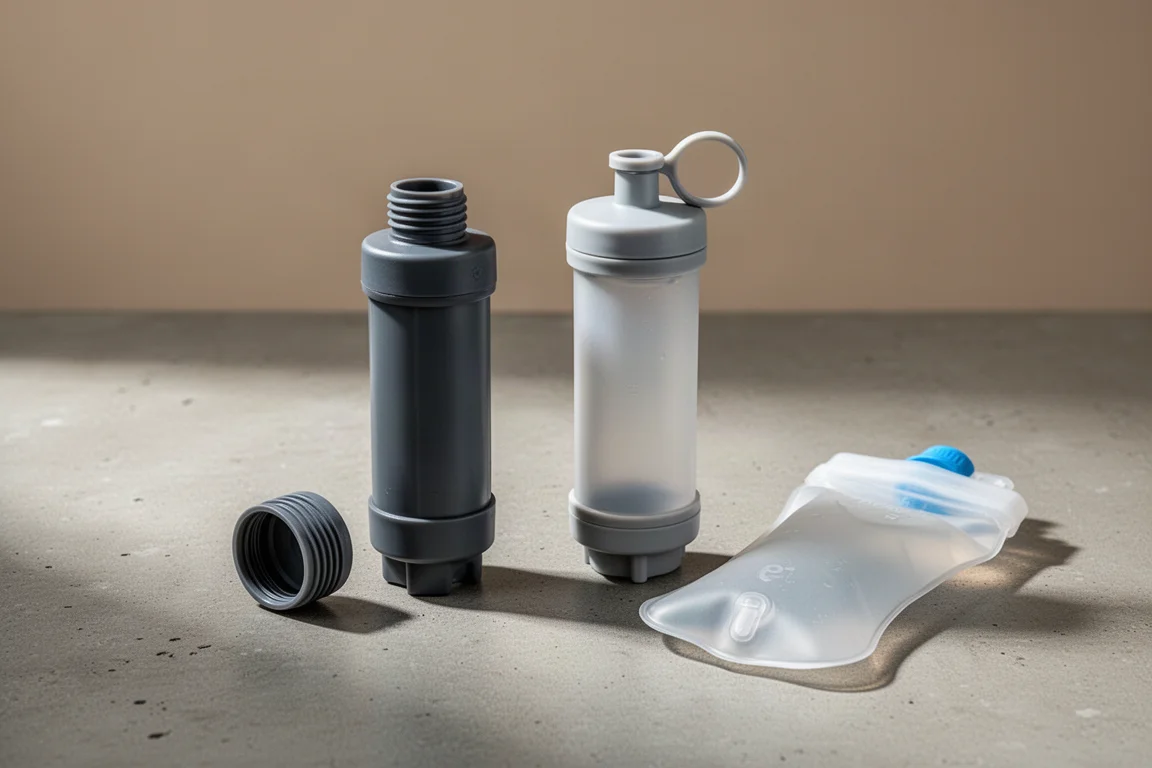
Platypus QuickDraw vs Sawyer Squeeze: Which Backpacking Water Filter to Trust
A practical side-by-side look at two lightweight squeeze filters, covering reliability, prep and storage habits, integrity testing, and what to weigh before you buy.

Backpacking Gear
Building a 10 lb Base Weight: An Ultralight Backpacking Gear List
A practical walkthrough of the ultralight pieces behind a 10 lb base weight, from a 765 g pack and a roomy one-person tent to a full camp chair and a dependable water filter.