Backpacking Water Filters
Platypus QuickDraw vs Sawyer Squeeze: Which Backpacking Water Filter to Trust
A practical side-by-side look at two lightweight squeeze filters, covering reliability, prep and storage habits, integrity testing, and what to weigh before you buy.
Introduction
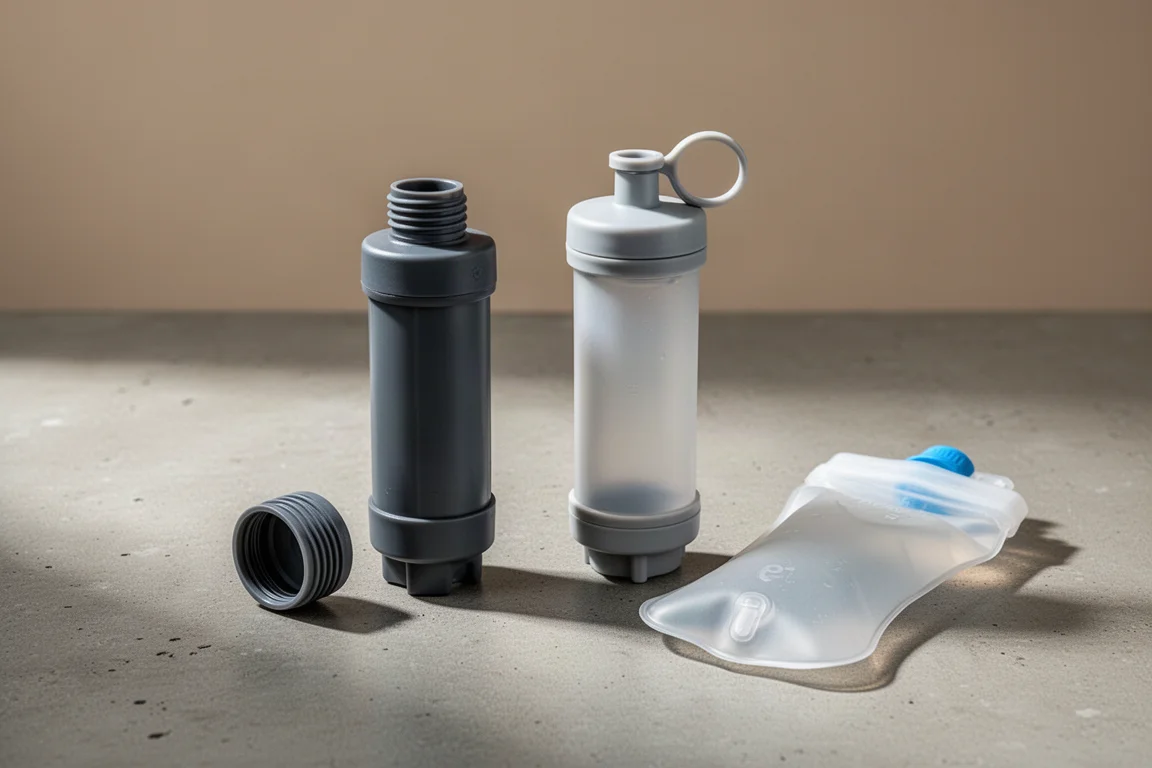
A water filter is one of the few pieces of backpacking gear that has to work every single day of a trip. When it does not, the consequences range from an inconvenient detour to a genuinely uncomfortable decision about drinking untreated water. Two squeeze-style filters come up again and again in that conversation: the Platypus QuickDraw and the Sawyer Squeeze.
Both are compact, both are light enough to disappear into a pack, and both are inexpensive enough that replacing one does not require much deliberation. The differences show up in how they behave over time, how much attention they demand before a trip, and how quickly a manufacturer responds when something goes wrong.
This comparison looks at the QuickDraw and the Squeeze side by side, including the storage and testing habits that decide whether either filter performs the way you expect.
What Matters in a Backpacking Water Filter
Reliability sits at the top of the list, ahead of weight and flow rate. A filter that performs consistently on every trip is worth more than one that saves a few grams or pushes water slightly faster, because a failure in the field usually means either carrying extra weight in treated water or treating a source you cannot fully trust.
Prep and storage habits come next. Hollow-fiber filters need to be wetted out before use and dried thoroughly before they go into storage. A filter that is put away damp can develop mold inside the housing, and a filter that was never properly prepared can underperform on the first day of a trip.
Weight, packability and flow rate matter too, and they are the easiest things to compare on paper. Price is the last piece. Squeeze filters are inexpensive gear, which makes it tempting to shrug off a bad unit and simply buy another one, but that approach hides the more useful question: is the product consistent, and does the company stand behind it?
Support deserves its own line item. When a filter arrives defective or fails an integrity check, the response time from the manufacturer determines whether the problem stays a minor annoyance or turns into weeks of uncertainty before a trip.
Platypus QuickDraw: A Capable Filter With Consistency Questions
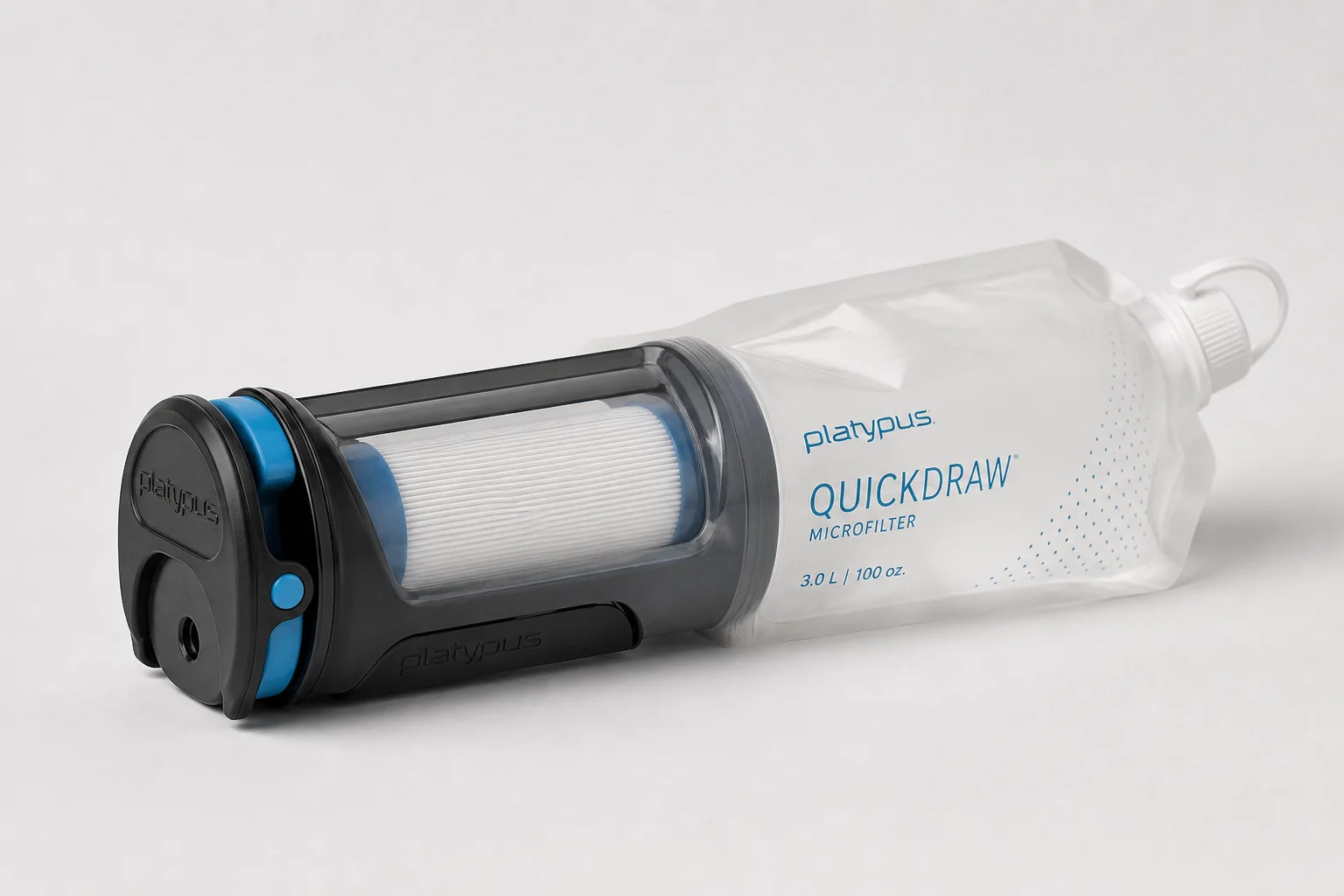
The QuickDraw is Platypus’s squeeze-style hollow-fiber filter, sold for under $30 and designed to be a compact, lightweight option for backpacking. The overall experience with it has been largely positive, and the frustrations that follow come from specific failures and from how long they take to resolve rather than from the core design.
The first unit was stored while still damp and came out of storage with mold growing inside the housing, which meant it had to be discarded. That is a storage mistake rather than a manufacturing one, and it is a useful reminder that hollow-fiber filters need to be completely dry before they go into a bin for the off-season.
The second unit raised a different concern. On opening the inlet side during preparation, broken strands were visible at the base of the fiber filter element. Roughly 20 liters of water were run through the filter to make sure the fibers were fully saturated and to avoid a false negative, and an integrity test was repeated three or four times. Each attempt produced a steady stream of bubbles on the outlet side instead of a continuous flow of water, which points to a compromised membrane on a brand-new filter. Without confidence in that result, the filter could not be taken into the field.
There is also a broader pattern worth noting: other users have reported problems with either the filter itself or the water bag supplied with it. A warranty claim on the affected unit has been open for several weeks without a response, and that wait has been the most irritating part of the whole experience. The QuickDraw remains an appealing design at its price, but consistency and support are the open questions.
Sawyer Squeeze: The Filter That Earns Its Trust
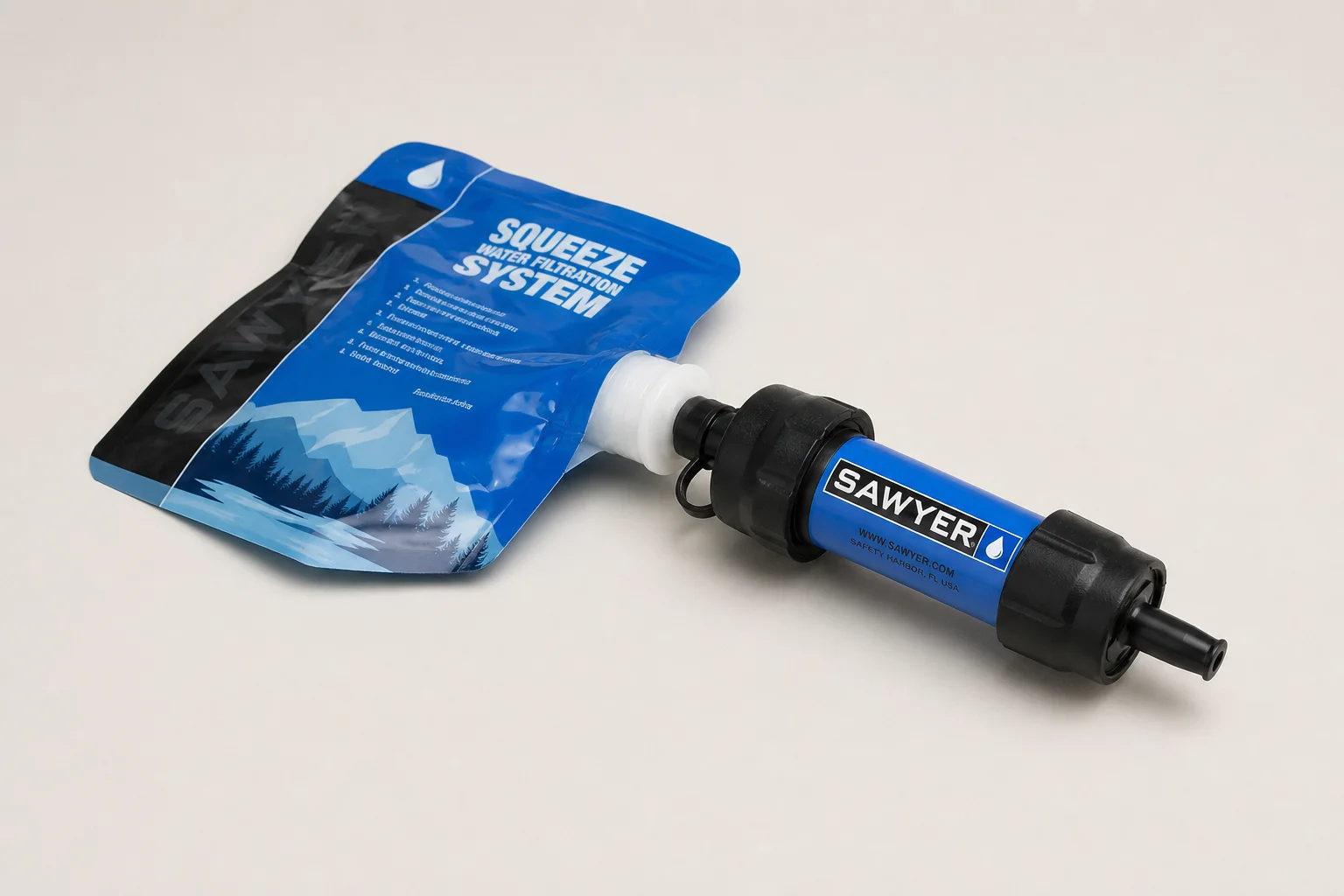
The Sawyer Squeeze is the filter that keeps finding its way back into the pack. It is lightweight, it delivers a good flow rate, and it has proven reliable across repeated trips. Those three qualities explain why it remains the default choice for backpacking rather than a placeholder until something newer arrives.
Brand trust is a real factor here, not just a marketing one. Sawyer has built a track record that holds up in repeated use, which is exactly what you want from gear that decides whether you can drink from a stream. Other filters have been tested and used over the years, including the Hydro Blue Versaflow and the Befree, but the Squeeze is the one that keeps earning its place.
For backpackers who want predictability above all else, that reliability is the whole point. The Squeeze does not ask for much beyond the normal care any hollow-fiber filter needs, and it does not leave you wondering whether today is the day it stops working.
Why Reliability Outweighs Specs on the Trail
Flow rate and weight are the numbers that sell filters, and they are genuinely useful. A faster flow rate means less time crouched at a stream, and a lighter filter means less weight on a long carry. But neither number helps if the filter fails an integrity check on the morning you planned to fill up.
Reliability is harder to quantify and easier to feel. It shows up in a filter that behaves the same way on trip ten as it did on trip one, that does not need to be babysat, and that you can hand to a hiking partner without a briefing. That is why a slightly heavier or slightly slower filter with a proven record often beats a newer design with better headline figures.
The practical takeaway is simple: treat consistency and support as part of the specification. A filter that arrives defective and takes weeks to resolve has a real cost, even when the sticker price is under $30.
Prep, Storage, and Integrity Testing
Preparation is not optional. Before a trip, wet out the filter and run water through it so the fibers are fully saturated. Failing to prepare a filter properly before heading out is one of the most common reasons a filter appears to underperform in the field, and it is entirely avoidable.
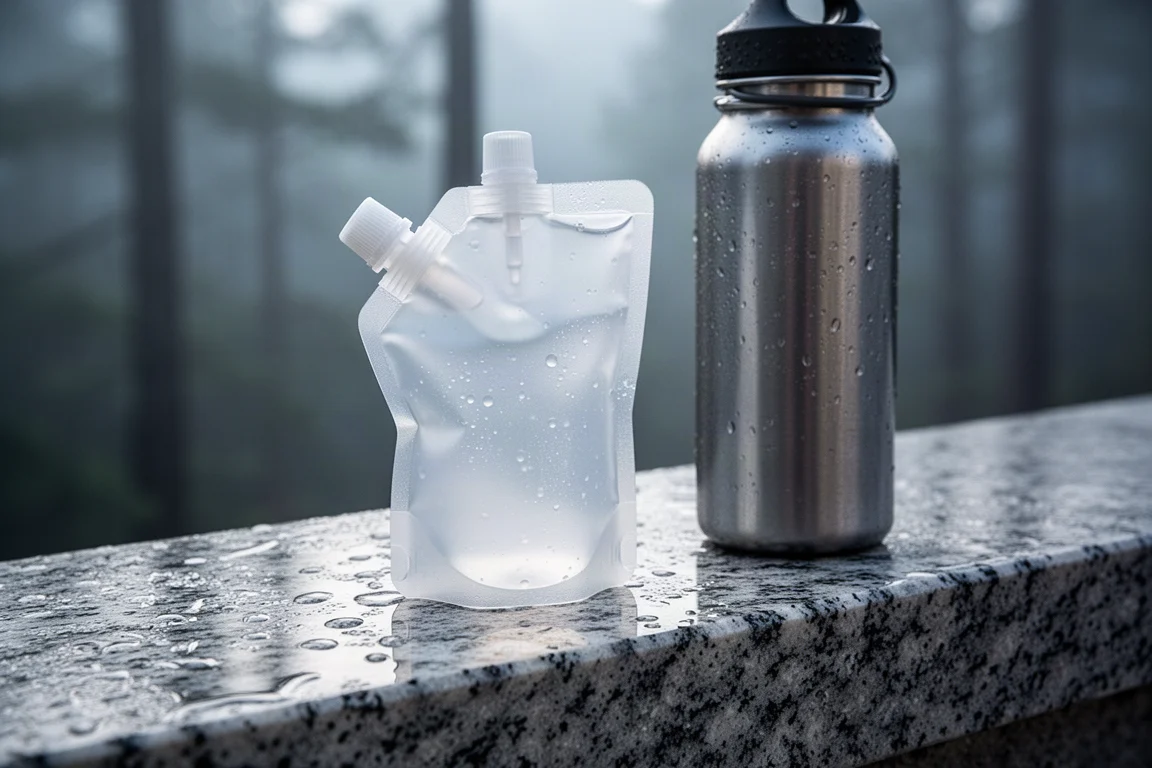
Storage deserves the same attention. After a trip, dry the filter completely before it goes into long-term storage. Running a bleach solution through it and flushing with water is one way to prepare it for storage, but the drying step is what prevents mold from forming inside the housing. A filter that is stored damp is a filter you may end up throwing away.
Integrity testing is the final habit worth building. Once the fibers are wet, watch the outlet side while water passes through. A continuous stream of water with no air bubbles indicates the membrane is intact. A steady stream of bubbles suggests the filter may be compromised and should not be relied on. Run a decent volume of water through first, and repeat the test a few times before drawing conclusions. A brand-new filter that fails this check repeatedly is not something to take into the backcountry.
Warranty and Support Considerations
When a filter fails out of the box, the manufacturer’s response becomes part of the product. A warranty claim on the QuickDraw has been open for several weeks without a reply, and that delay has been more frustrating than the defect itself.
It is fair to point out that a filter in this price range is easy to replace, and buying another one would probably solve the immediate problem. Even so, holding a company accountable for a new product on the market is reasonable, and the answer matters for anyone deciding whether to trust the same design on a long trip.
Until that question is settled, the sensible approach is to carry a filter you already trust and keep a backup in mind rather than depending on an unverified replacement.
Overall Buying Advice
For most backpackers who want one filter they can stop thinking about, the Sawyer Squeeze is the safer pick. It is lightweight, it has a good flow rate, and it has demonstrated reliability over repeated trips, which is precisely what a water filter needs to deliver.

The Platypus QuickDraw is still worth considering if you like its compact design and its price of under $30, and the overall experience with it has been positive. If you go that route, commit to the routine: prep it before every trip, dry it completely before storage, and run an integrity test before you rely on it. That routine gives you a clear answer about whether the specific unit in your hand is trustworthy.
Whichever filter you carry, treat preparation and storage as part of the gear rather than optional extras. A few minutes of care before a trip is what separates a filter that works from a filter that fails at the worst possible moment.
Conclusion
The QuickDraw and the Squeeze solve the same problem in similar ways, and both are affordable enough to be an easy purchase. The deciding factor is confidence. The Sawyer Squeeze has earned that confidence through consistent performance, good flow and light weight, while the Platypus QuickDraw remains a capable design held back by consistency questions and a warranty process that has yet to deliver an answer. Choose the filter you can verify, and verify it before every trip.
Further reading
Related Reviews
Backpacking Water Filters
Backpacking Water Filters Compared: LifeStraw Peak Series, Sawyer Squeeze, Katadyn BeFree, and Platypus QuickDraw
A practical comparison of four hollow fiber squeeze filters, covering flow, filling, packability, weight, and thread compatibility.

Backpacking Gear
Building a 10 lb Base Weight: An Ultralight Backpacking Gear List
A practical walkthrough of the ultralight pieces behind a 10 lb base weight, from a 765 g pack and a roomy one-person tent to a full camp chair and a dependable water filter.

Road Bikes
10 New Road Bikes Worth Watching: Aero, Titanium, Steel and Endurance Standouts
A practical roundup of 10 new road bikes, from aero flagships chasing single-watt gains to titanium, steel and endurance platforms built for real roads.