Mobile Tech
Satellite SOS Compared: Pixel 9, iPhone, Garmin inReach Mini 2 and Ulefone Armor 23 Ultra
A practical look at how satellite SOS works on the Pixel 9, the iPhone, the Garmin inReach Mini 2 and the Ulefone Armor 23 Ultra, including what happens when the sky disappears.
Introduction
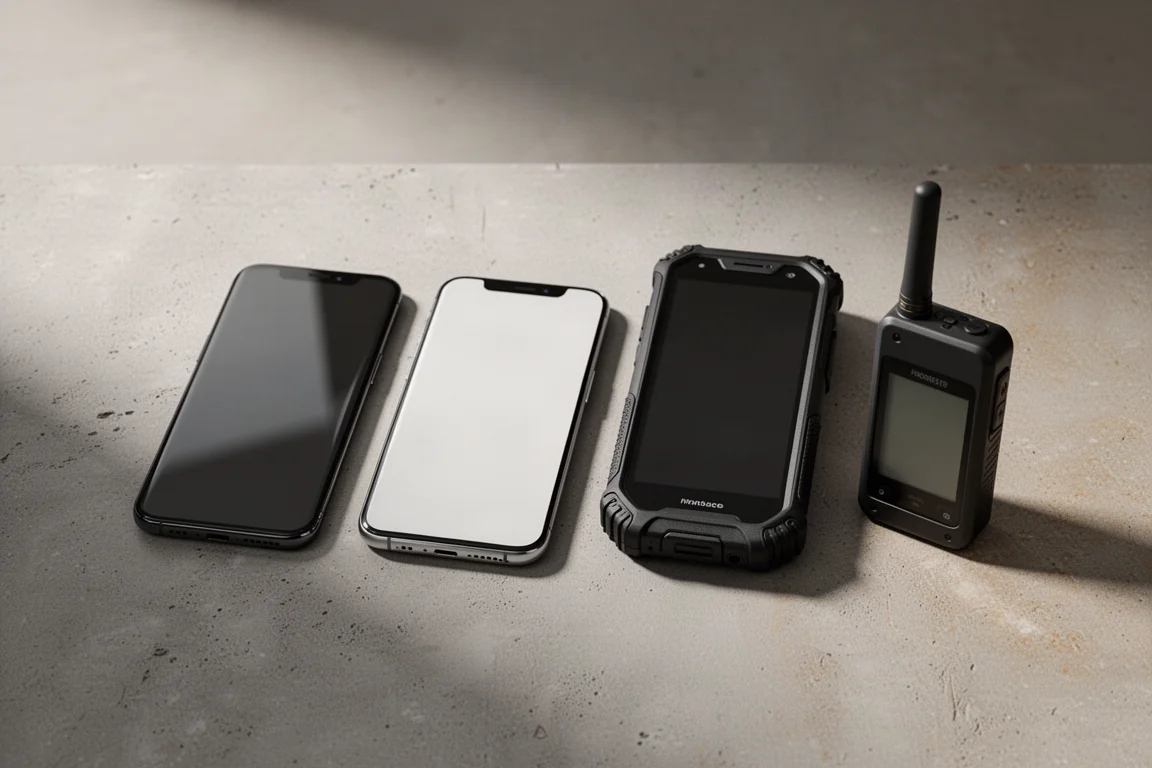
Satellite SOS has moved from a niche backcountry tool into something you can find on ordinary flagship phones. The Google Pixel 9 now offers it, the Apple iPhone has carried it for several generations, the Garmin inReach Mini 2 has long been the reference point for dedicated satellite messaging, and the Ulefone Armor 23 Ultra adds two-way satellite texting on top of emergency alerts.
The interesting question is not whether these devices can talk to a satellite. It is how they behave when conditions are less than perfect, and what each one asks of you in the moment you actually need it.
What Satellite SOS Feels Like in the Field
Every one of these systems starts in a similar place. You open a settings menu, launch a demo or a real emergency flow, answer a short questionnaire about your situation, and turn off the cellular connection so the device is forced onto the satellite link. Demo modes are genuinely useful here, because the sequence is not something you want to learn for the first time while injured.
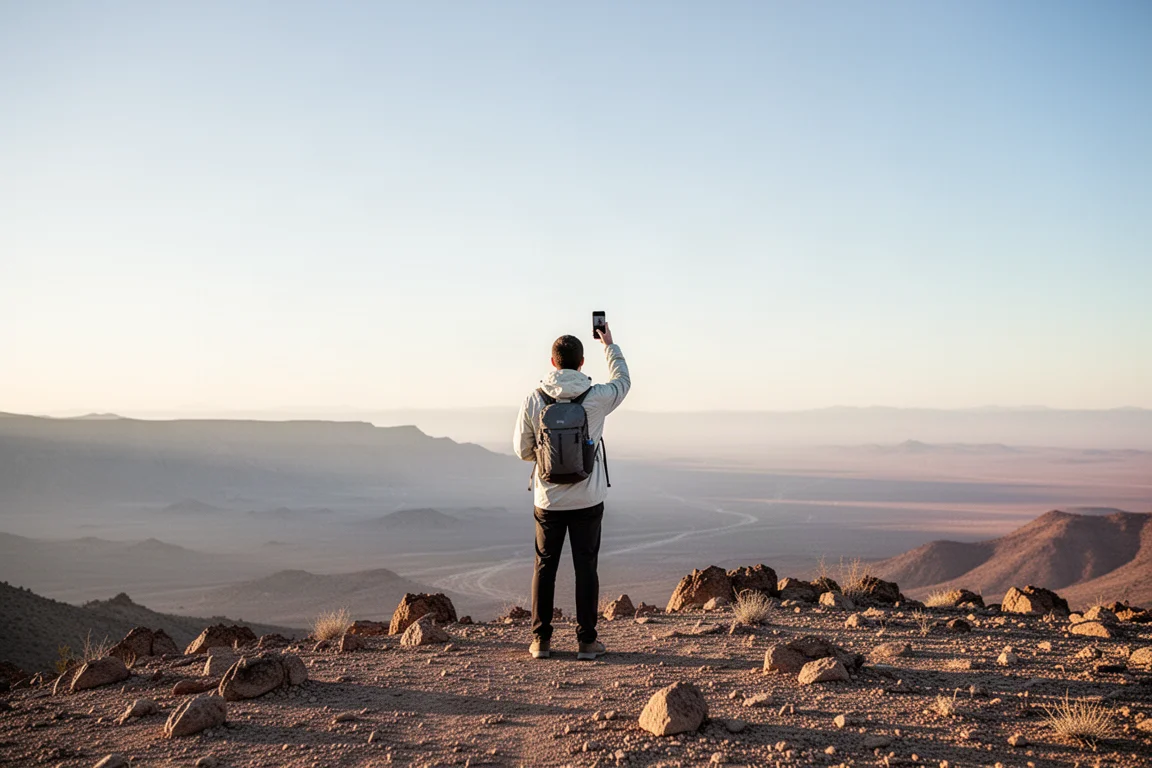
From that point the experiences diverge. Some systems want the device held steady in one position. Others ask you to keep re-aiming as the satellite tracks across the sky. That single difference shapes how the whole process feels when your hands are cold and your patience is thin.
Google Pixel 9: Satellite SOS on a Geostationary Network
The Pixel 9 connects through a geostationary satellite, which sits far higher above the Earth than the low Earth orbit satellites used by some competing systems. Because that satellite stays in roughly the same position relative to the ground, alignment is a one-time job. You match a dot inside a circle, calibrate the compass, and then keep the phone in place. Once locked, the connection holds even if the phone shifts slightly, and a small status window at the top of the screen shows the link while you type. The connection is handled by a dedicated satellite service rather than by the mobile network.
The trade-off is scope. The Pixel 9’s satellite footprint has been limited to the continental United States, with the expectation that it will expand over time, and the feature covers SOS messaging rather than everyday texts. Emergency calls are answered by Garmin Response, and devices supported by that service are eligible for separate search and rescue insurance purchased directly.
Apple iPhone: Satellite SOS Through Low Earth Orbit
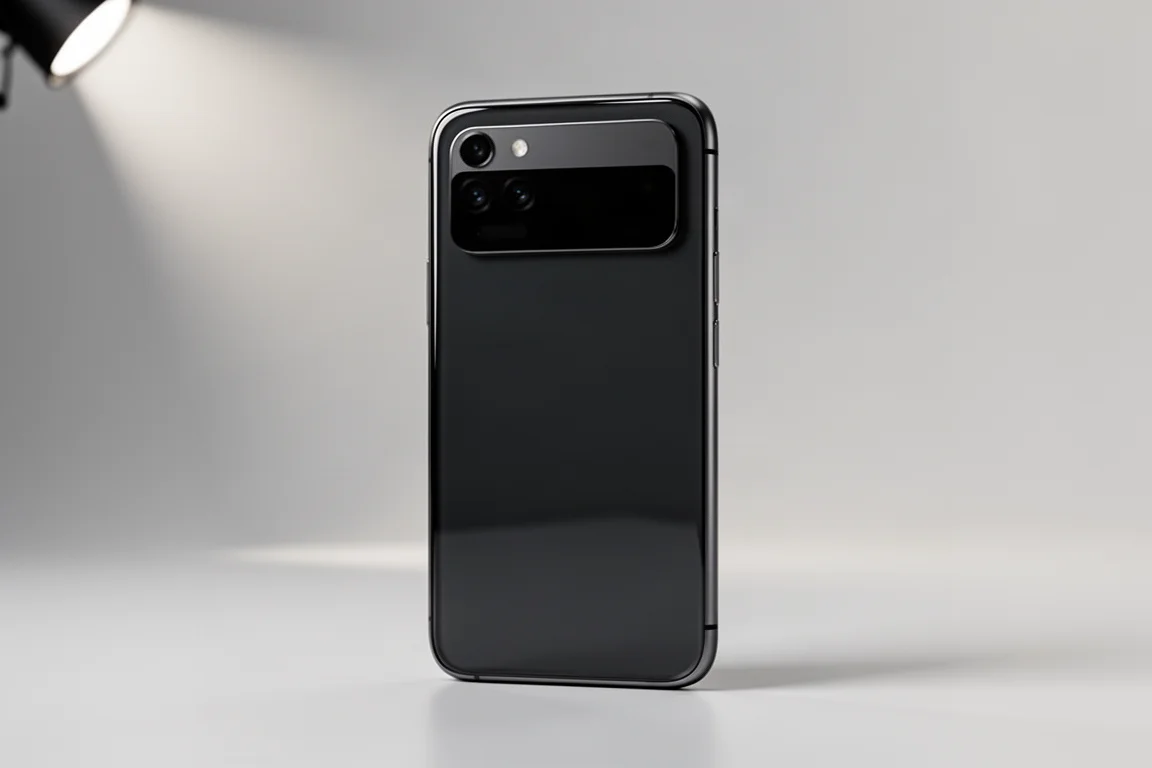
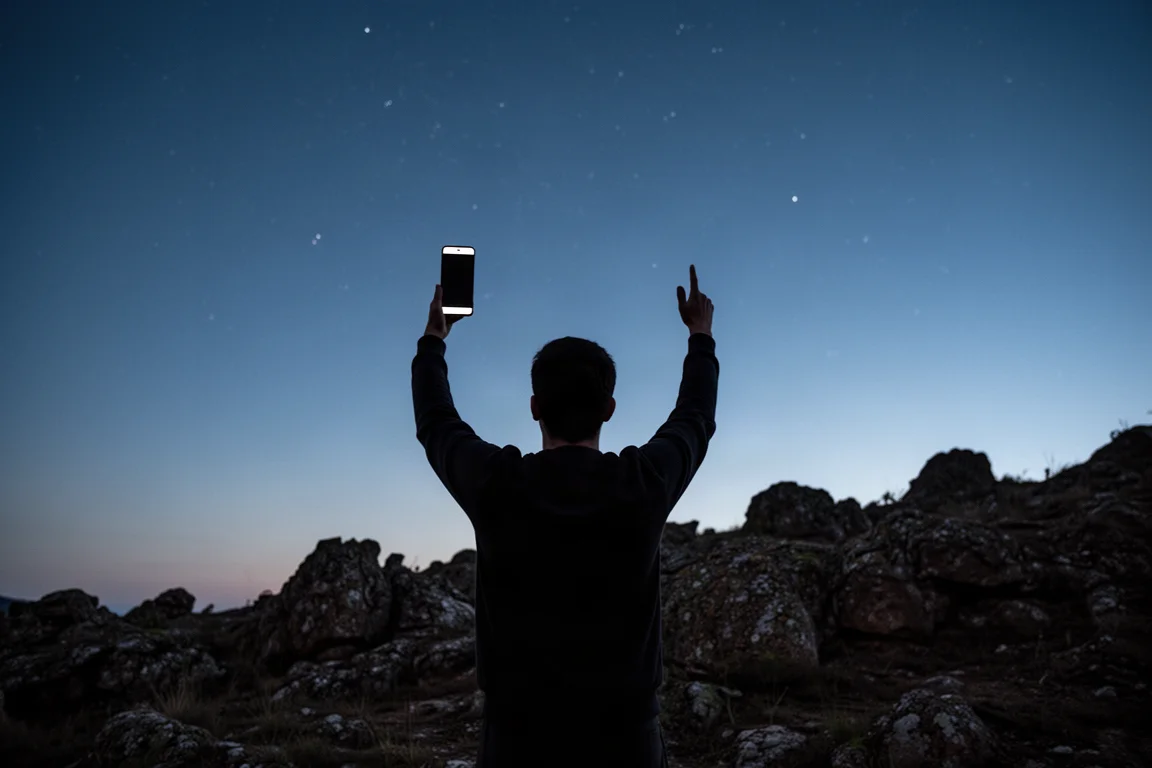
The iPhone takes the opposite approach. It uses low Earth orbit satellites that are constantly moving, so the phone has to know where they are and point you toward one. Satellite position data is downloaded to the device in the background, and during a session you keep the phone aimed at the satellite as it travels, following an on-screen indicator. There is also a progress bar during the send, which gives a clearer sense that something is happening.
Coverage is broader in one sense and narrower in another. Satellite SOS on the iPhone is supported in a number of countries around the world, but not everywhere, and availability depends on where you are. Apple has also announced that iPhone 14, 15 and 16 models will be able to send regular text messages over satellite with iOS 18, which matters because ordinary messaging can stop an emergency from escalating into an SOS call in the first place.
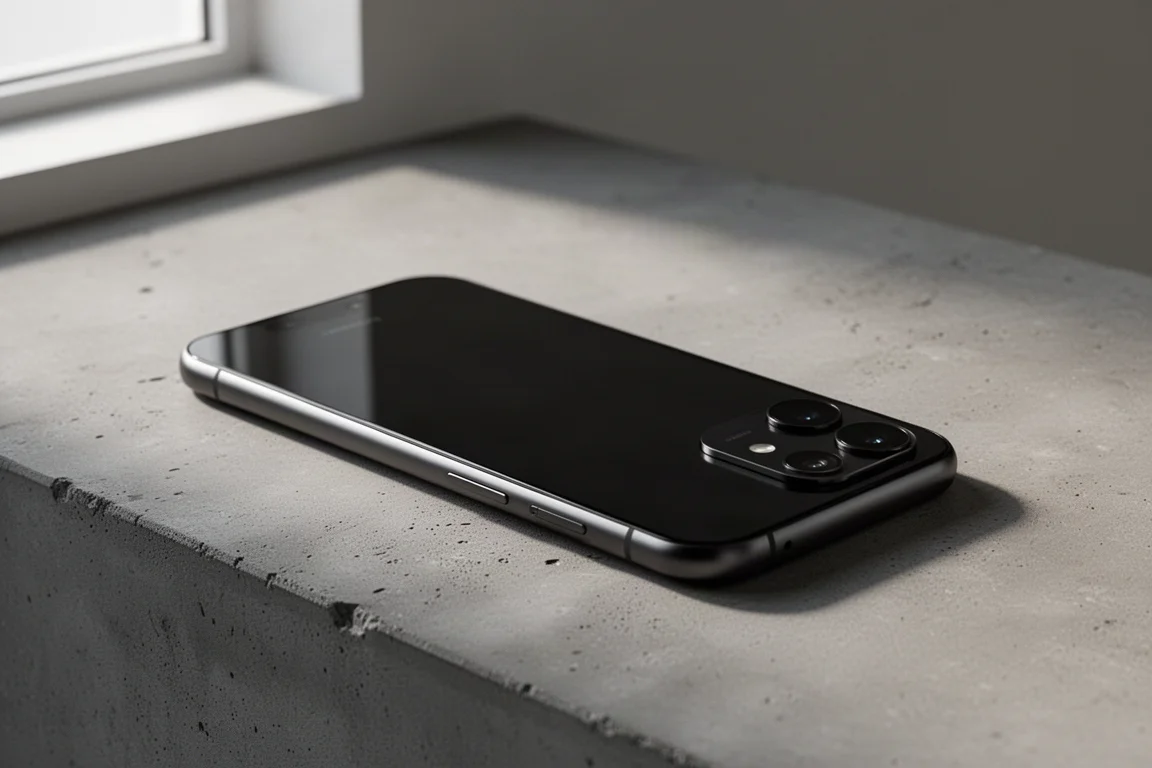
Garmin inReach Mini 2: A Dedicated Satellite Messenger
The inReach Mini 2 is the specialist in this group. It runs on the Iridium constellation, which offers worldwide coverage, and its antenna simply needs to be pointed up rather than carefully aimed at one specific moving satellite. Messages do take longer to leave and longer to get a reply back, and that gap is not guaranteed to close. Even in favourable conditions, a connection can fail.
That slower, less certain rhythm is the price of a device built purely around satellite communication rather than borrowing the capability from a phone.
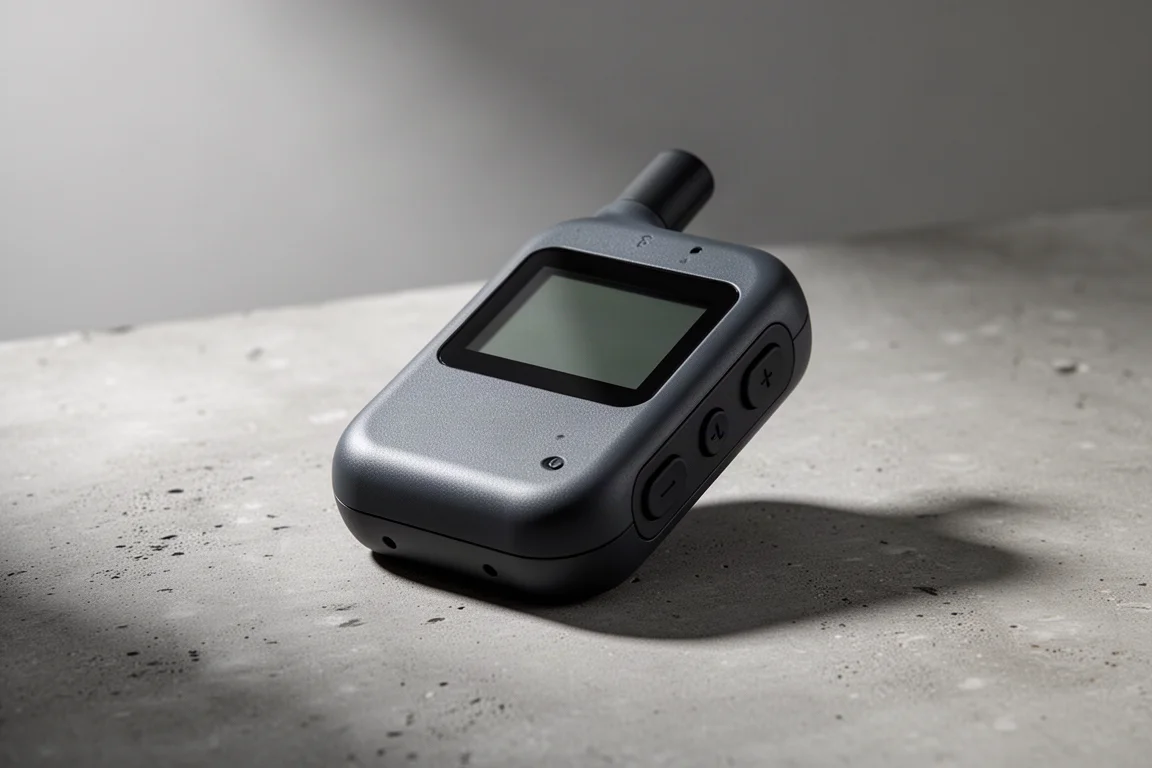
Ulefone Armor 23 Ultra: Satellite SOS and Text Messaging
The Armor 23 Ultra shows what else is possible on Android. It uses the same geostationary satellite network as the Pixel 9 but requires its own service plan, and it goes beyond emergency alerts: it can send and receive ordinary two-way text messages over satellite, something the Pixel 9 does not do at present. Early use in the Grand Canyon worked well, but reliability has been inconsistent since.
That inconsistency is instructive. The satellite network, the chipset, the antenna design and the phone software all have to work together, and a clear sky is not on its own a guarantee of a connection. On a day with completely open conditions and the same network that carried the Pixel 9’s message, this phone could not establish a link at all.
Testing in a Slot Canyon
A slot canyon is a useful stress test because the walls block most of the sky. At the mouth of a canyon, where high walls stand on both sides but open sky remains overhead, the Pixel 9 connected after a slightly longer wait than usual. The iPhone struggled on its first attempt, requiring repositioning and re-aiming, and did not connect. The inReach Mini 2 took its customary longer time, but the message eventually went out. A second attempt with the iPhone succeeded, so all three devices worked at the canyon mouth.
Deeper inside, where the passage narrows, the picture changed completely. The iPhone could not obtain a GPS fix, which halts the process before an SOS can even be composed. The Pixel 9 stalled on its preparing screen for around ten minutes and never got a position. The inReach Mini 2, given roughly the same amount of time, also failed to send. Receiving a GPS signal in a canyon is possible, particularly with multiband positioning, but receiving is not the same as transmitting back to a satellite.
That is worth remembering rather than dismissing. Satellite SOS has been used successfully in rescues from canyons in Utah, so a difficult location is not a reason to skip the attempt. It is simply a reminder that terrain can defeat any of these systems.
Coverage, Cost, and Rescue Considerations
The satellite networks involved have very different footprints. Iridium, used by the inReach Mini 2, offers full global coverage. The Global Star constellation behind Apple’s satellite SOS is supported in many countries but not all of them. The Pixel 9’s satellite footprint has been limited to the continental United States.

Cost is a separate question from coverage. Whether a backcountry rescue ends up costing you anything depends on a range of factors, including your location and the kind of assistance required. For Pixel 9 owners, Garmin Response handles the SOS call, and any device supported by that service is eligible for search and rescue insurance bought separately.
None of these systems is a substitute for judgement. They are best treated as one more layer of preparation, alongside telling someone your plans and carrying the basics.
Conclusion
Satellite SOS on a phone is genuinely useful, and the gap between a phone and a dedicated messenger is narrower than it once was. The Pixel 9 is the simplest of the phone options to operate once it has a lock, thanks to its fixed geostationary connection, but its satellite footprint has been limited to the continental US and it does SOS only. The iPhone offers satellite SOS across a wider set of countries and has regular satellite messaging announced for recent models, at the cost of actively aiming at a moving satellite. The Garmin inReach Mini 2 remains the most dependable choice for worldwide travel and two-way messaging. The Ulefone Armor 23 Ultra shows how much more a phone can do with satellite texting, provided the connection cooperates.
Whichever device you carry, rehearse the demo flow before you need it, keep as much sky open as you can, and try the SOS anyway if you are stuck.
Further reading
Related Reviews

Backpacking Gear
Building a 10 lb Base Weight: An Ultralight Backpacking Gear List
A practical walkthrough of the ultralight pieces behind a 10 lb base weight, from a 765 g pack and a roomy one-person tent to a full camp chair and a dependable water filter.

Road Bikes
10 New Road Bikes Worth Watching: Aero, Titanium, Steel and Endurance Standouts
A practical roundup of 10 new road bikes, from aero flagships chasing single-watt gains to titanium, steel and endurance platforms built for real roads.
Bikepacking Gear
11 Bikepacking Essentials for Long-Distance Cycling
Eleven bikepacking essentials for long-distance cycling, from a steel gravel frame and a two-person tent to helmet lights, packable gloves, and a frame bag that puts weight in the right place.