Outdoor Tech
Best Satellite Communicators for Backcountry Safety: What to Know Before You Buy
A practical guide to satellite messengers and emergency communicators, from the Garmin inReach Mini 2 and GPSMAP handhelds to ZOLEO, Bivy Stick, Somewear, SPOT Gen4, the iPhone 14 and the Apple Watch Ultra.
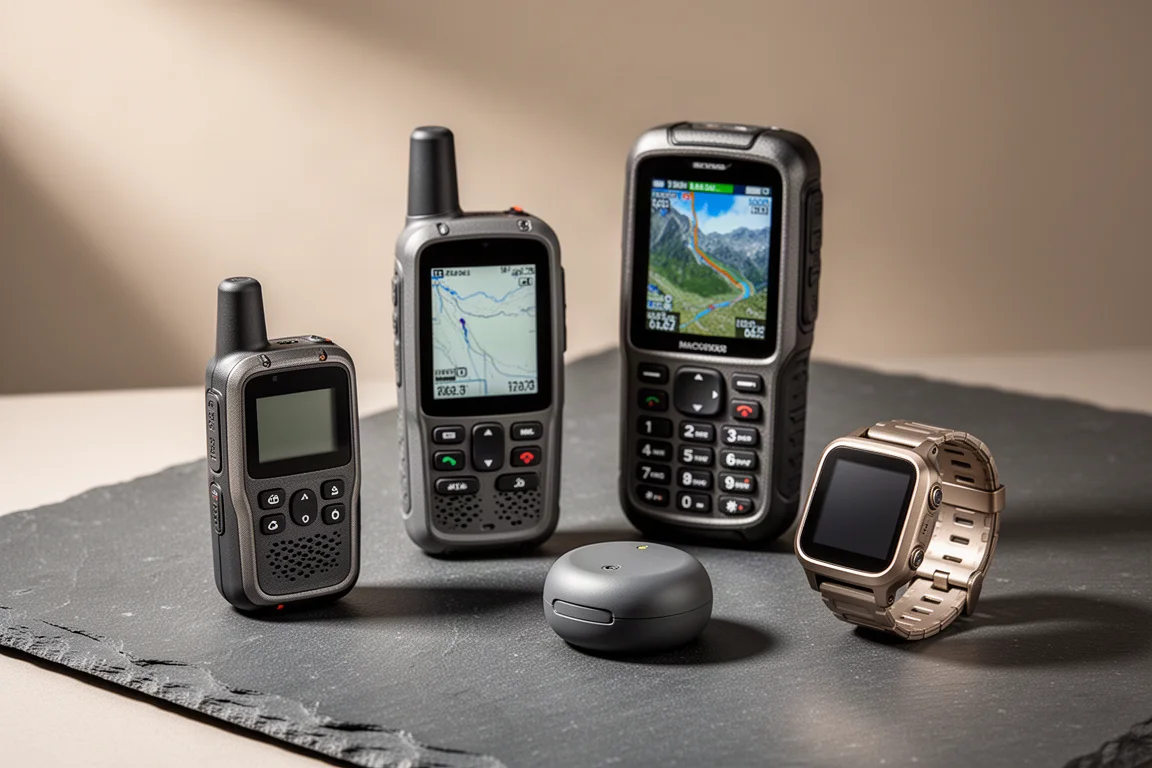
Introduction
Satellite communicators have moved from expedition-only equipment to something many hikers, riders and backcountry travellers treat as standard kit. The appeal is straightforward: when there is no cell signal, you can still send a message or call for help.
The devices below take different approaches to that job. Some are compact messengers built around two-way texting, some combine messaging with full handheld navigation, and some are phones and watches that add satellite features to hardware you may already carry. Working out which category fits your trips is most of the decision.
What These Devices Have in Common
The dedicated messengers in this group, including Garmin’s inReach and handheld models, ZOLEO, Bivy Stick and Somewear, are built on the Iridium satellite network. Rather than operating their own satellites, these companies buy time on that network to send messages back and forth. That is why the hardware often looks similar in capability while the plans look very different.
SPOT’s Gen4 takes a different route, running on the Globalstar network instead. Globalstar is also the network behind the satellite features on the iPhone 14, which makes for an interesting comparison even though the two products are aimed at different buyers.

Once the network question is set aside, the real differences between these devices come down to two things: the feature set and the way the plans are structured. Some services charge per message, while others bundle certain capabilities such as tracking or weather into the subscription. That distinction matters more than the hardware itself, because two devices can look equally capable on paper and feel completely different after a year of service.
Garmin inReach Mini 2
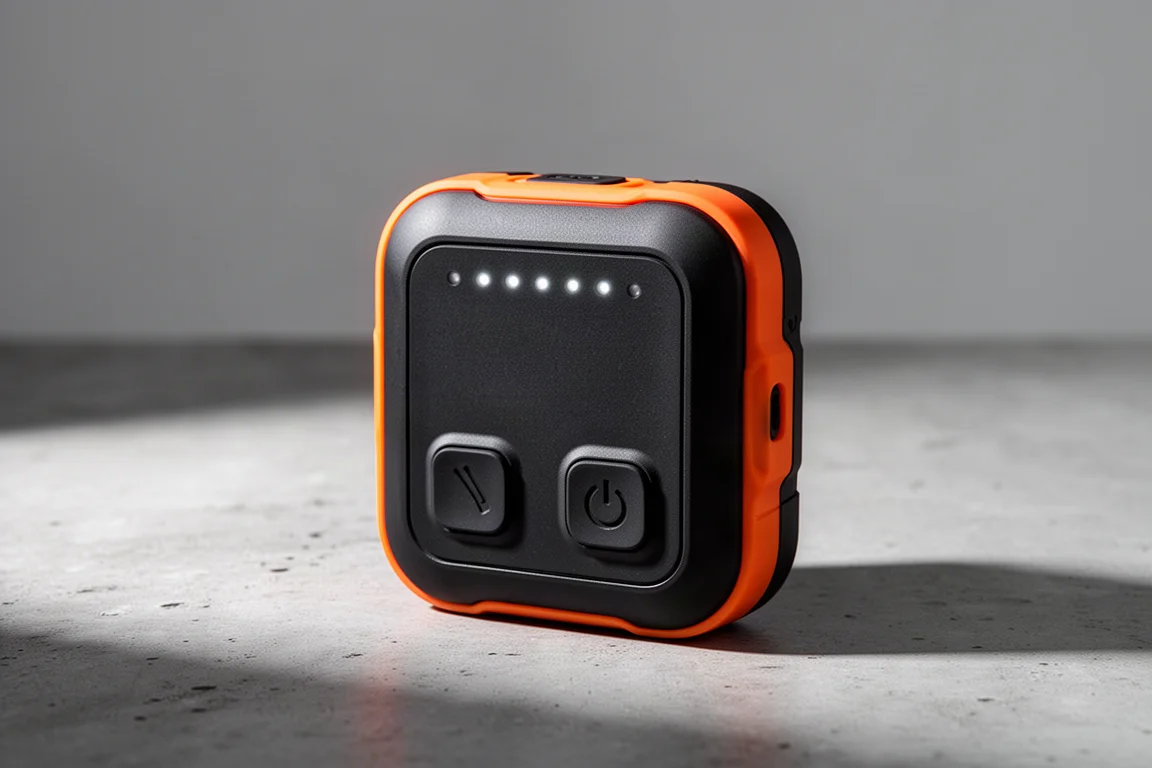
The inReach Mini 2 is the compact option, and it is the one that tends to get picked up for lighter trips where the goal is simply to stay in contact. A small LCD screen and physical buttons let you scroll through menus and confirm what you are doing without pulling out a phone, which matters most when you are cold, rushed or a little panicked.
Its real advantage over a phone’s satellite features is two-way messaging. Being able to send non-emergency texts, not just an emergency alert, is what separates an inReach from the basic check-in and SOS functions built into the iPhone 14. You can message family, confirm a delayed return, or ask for advice before a situation escalates.
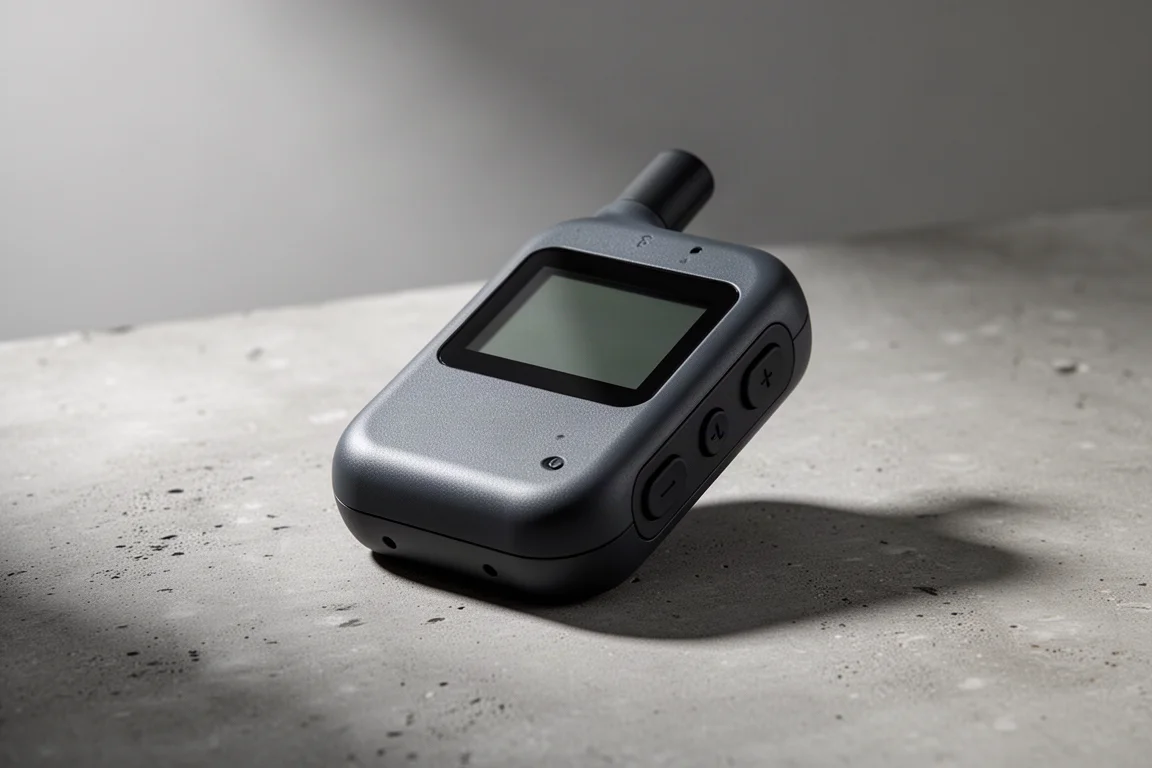
Garmin GPSMAP 66i
For more demanding trips, the GPSMAP 66i pairs satellite messaging with full handheld navigation, so a map and route guidance act as a backup alongside the ability to call for help. It suits people who would rather carry one device that covers both jobs than a compact messenger plus a separate navigator.
That combination is aimed at longer routes and unfamiliar terrain, where knowing where you are is as important as being able to raise the alarm. For a casual afternoon walk it is more device than most people need.
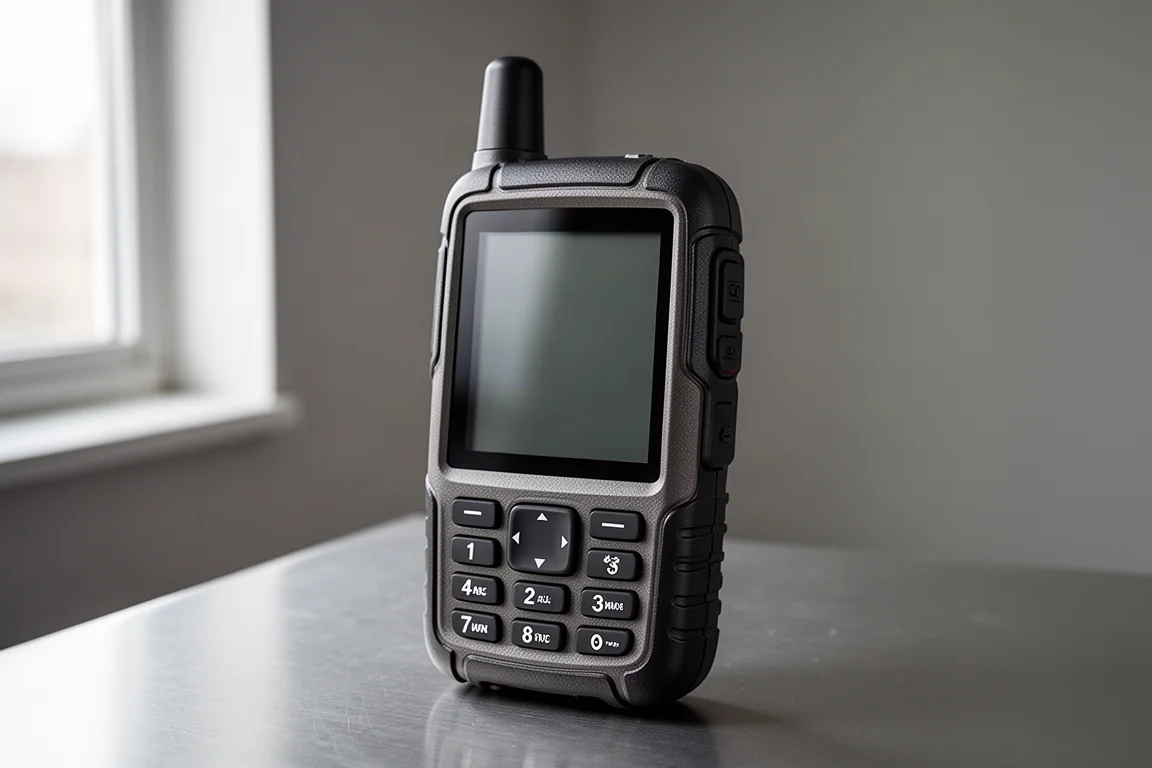
Garmin GPSMAP 67i
The GPSMAP 67i is the newest arrival in that larger handheld line, adding another option for anyone who wants a full-size navigation platform with satellite messaging built in. It is the version to consider if you would rather buy the latest model than the previous generation.
For most day hikes it is more device than you need. Where it earns its place is on longer routes, unfamiliar terrain and trips where you want real navigation confidence alongside emergency contact.
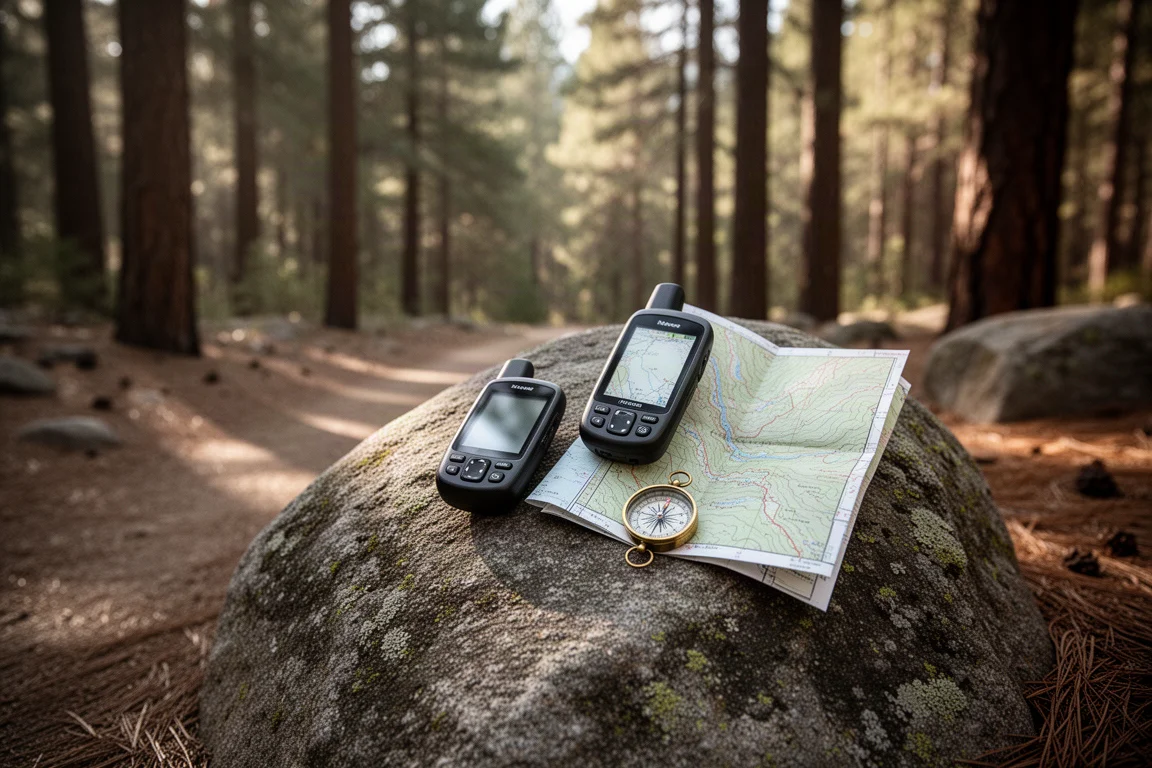
That pairing, a large screen for maps plus two-way satellite messaging, is the reason this category exists at all. A compact messenger keeps you in touch; a handheld like the 67i keeps you oriented as well.
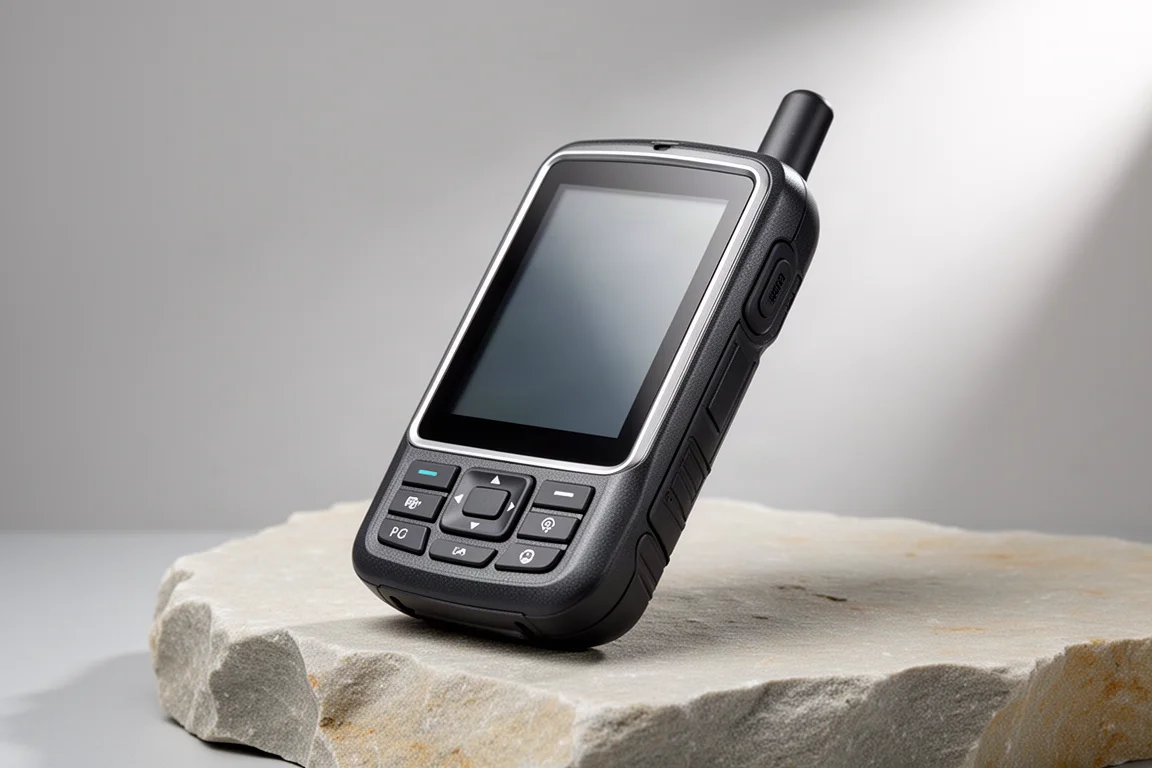
ZOLEO
ZOLEO is one of the Iridium-based messengers, which means it is built on the same satellite network as Garmin’s devices rather than on its own infrastructure. When the underlying network is shared, the decision comes down to the feature set and the shape of the plan.
That is worth taking seriously, because plans differ in how they charge. Some are set up around paying per message, while others include certain capabilities such as tracking or weather within the subscription. Read the plan terms before you read the spec sheet.
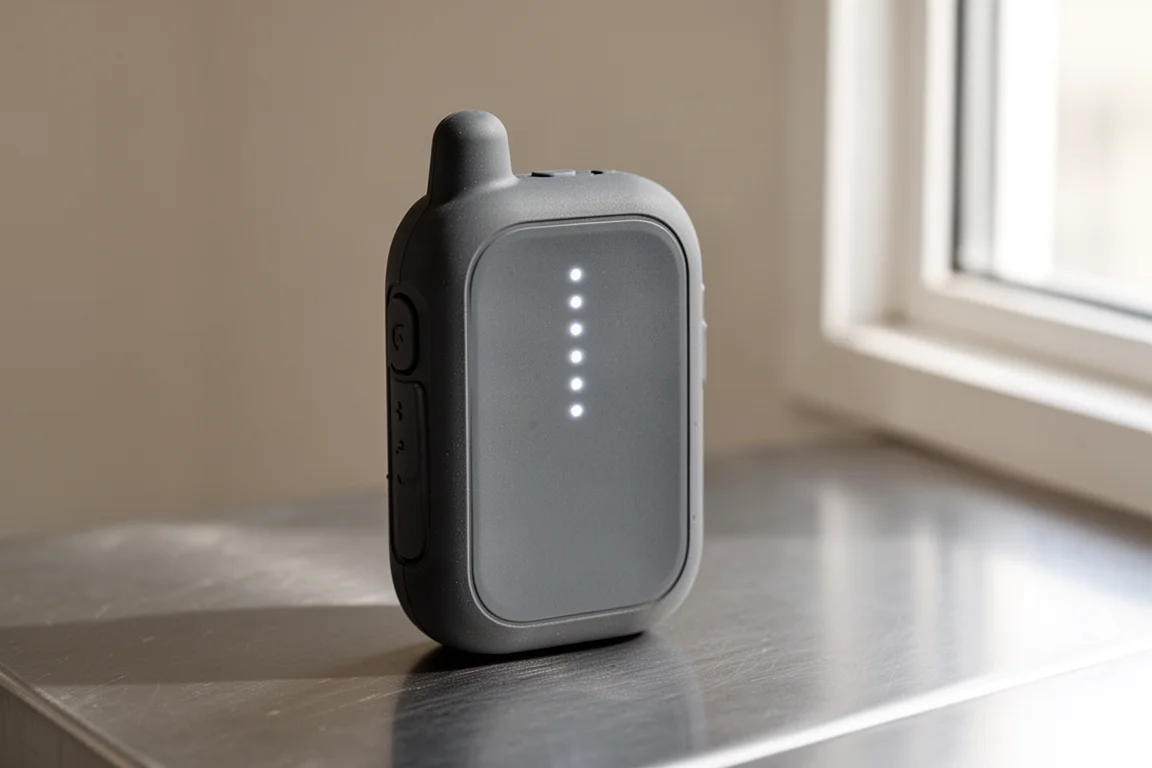
Bivy Stick
The Bivy Stick follows the same pattern: Iridium connectivity, with the practical differences showing up in features and plan design rather than in the satellites behind it. It is a reasonable candidate for anyone who wants a dedicated messenger and is willing to compare subscription terms carefully.
Because the network is shared with the other Iridium devices here, the useful comparison is between what each service includes and what it charges for, not between the hardware alone.
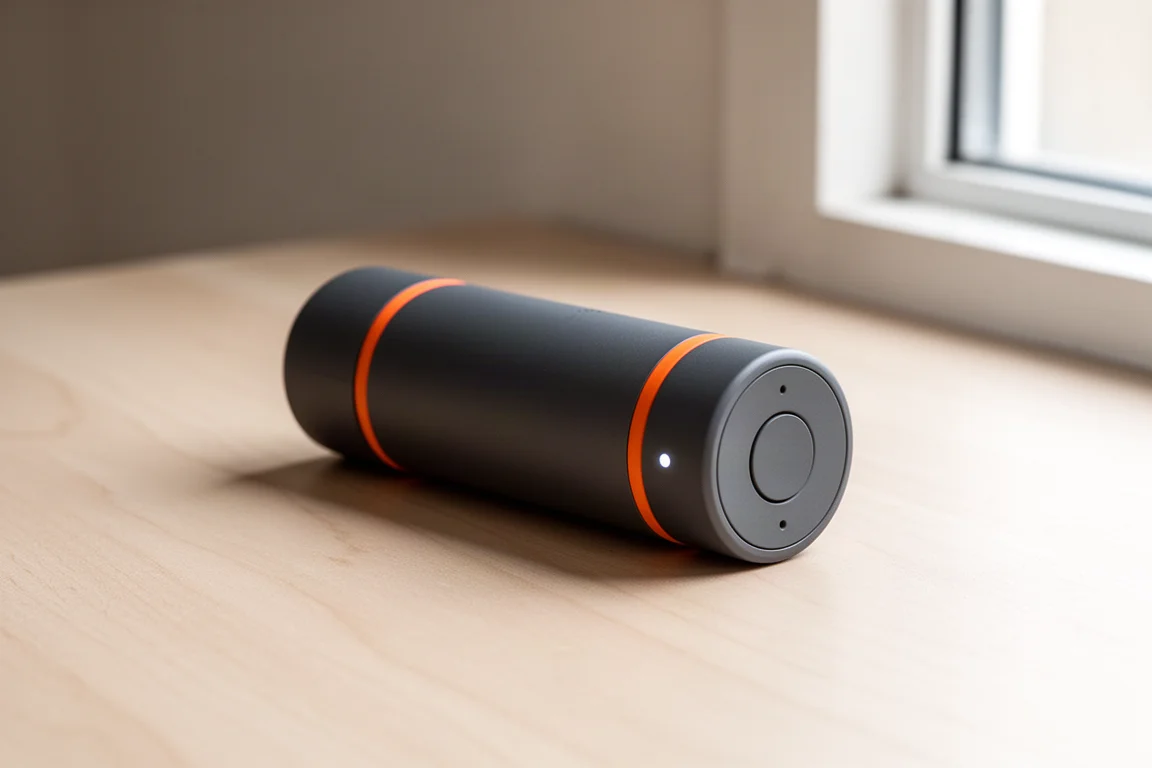
Somewear
Somewear rounds out the group of Iridium-based messengers. Like ZOLEO and Bivy Stick, its case rests on the feature set and how the plan is structured, so it is worth reading the subscription details line by line before deciding.
For buyers comparing these three, the practical approach is to list what you actually want included, whether that is tracking, weather or simple per-message pricing, and then match it against the plan rather than the product photo.
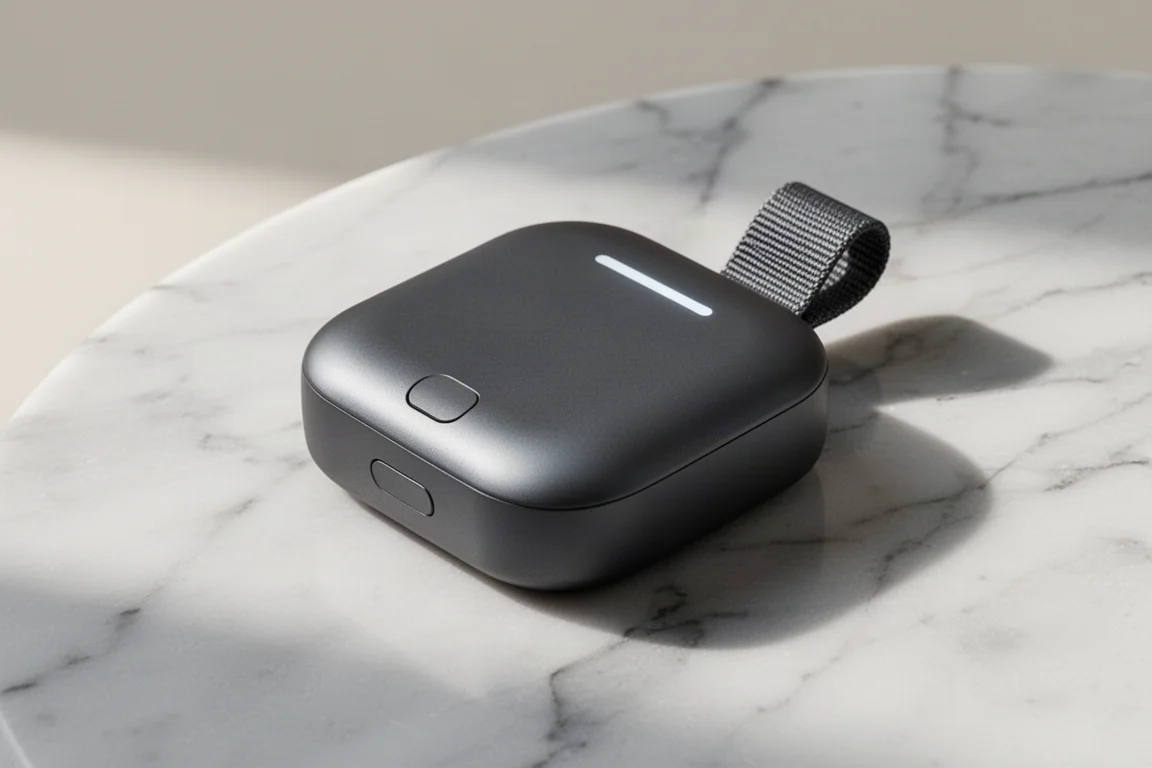
SPOT Gen4
SPOT’s Gen4 is the exception in this group, running on the Globalstar network instead of Iridium. Globalstar is also the network behind the satellite features on the iPhone 14, which makes for an interesting comparison, though the two products are aimed at different buyers.
For anyone weighing it up, the network choice matters mainly for how you think about coverage and the terms of the service plan rather than for the device in your hand. It is a straightforward option for buyers who want a simple dedicated messenger.
Apple iPhone 14
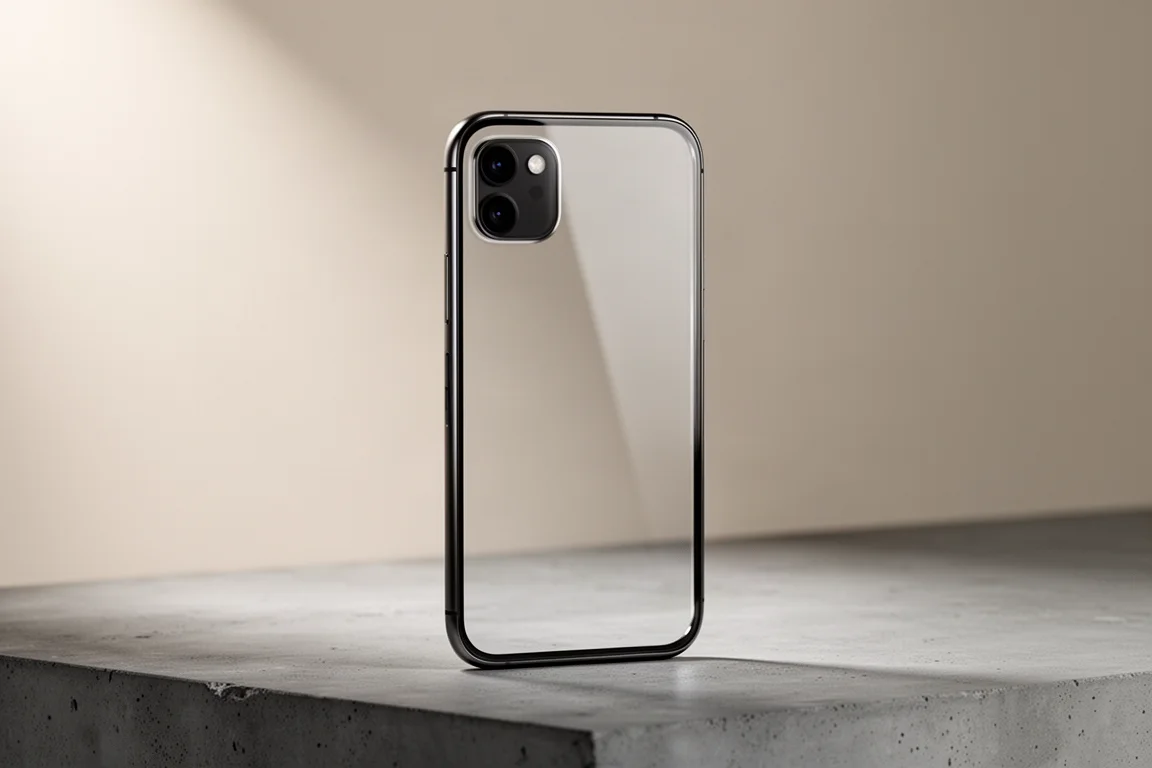
The iPhone 14 was the point where satellite connectivity reached a mainstream phone, using the Globalstar network. Its satellite feature set is deliberately narrow: basic check-in and SOS rather than full two-way texting.
That makes it a genuinely useful backup layer if the phone is already in your pocket. It is not a replacement for a dedicated messenger if you want to send and receive ordinary messages in the backcountry, and it is best treated as a second line rather than the primary one.
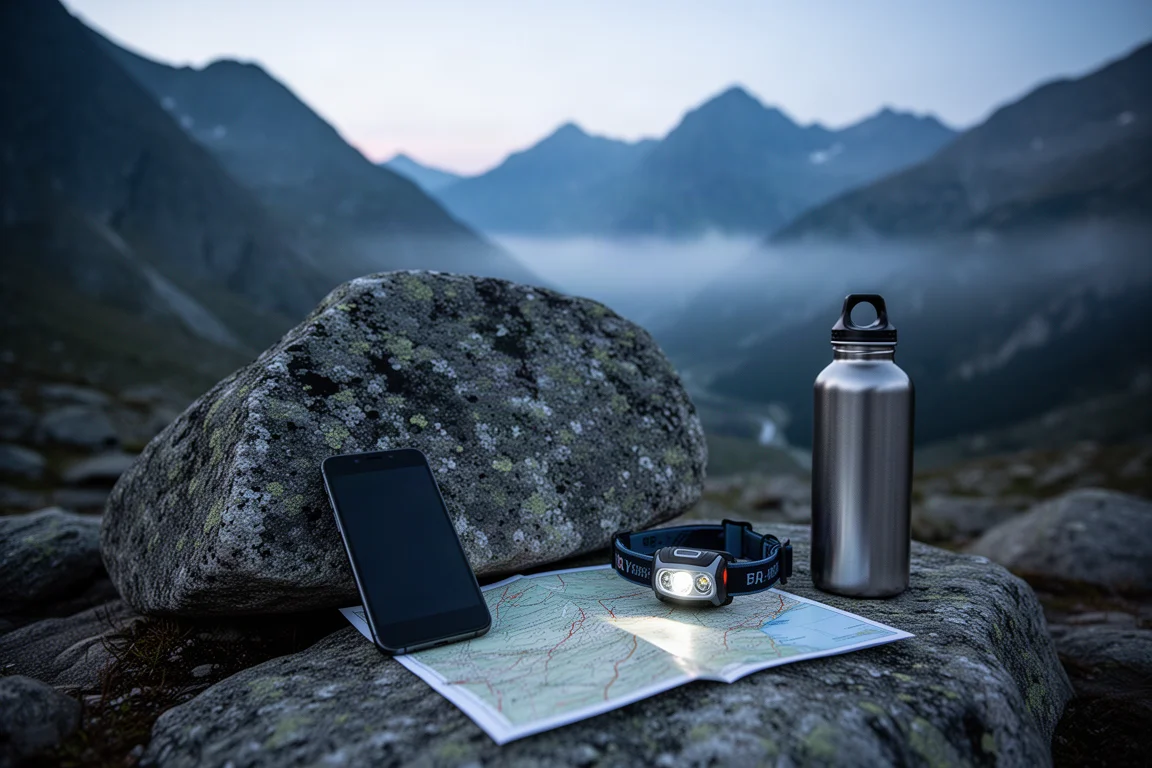
Where it fits best is as insurance you already own. Pair it with a dedicated messenger for anything serious and you have two independent ways to raise the alarm, which is a sensible arrangement for anyone who spends real time off grid.
Apple Watch Ultra
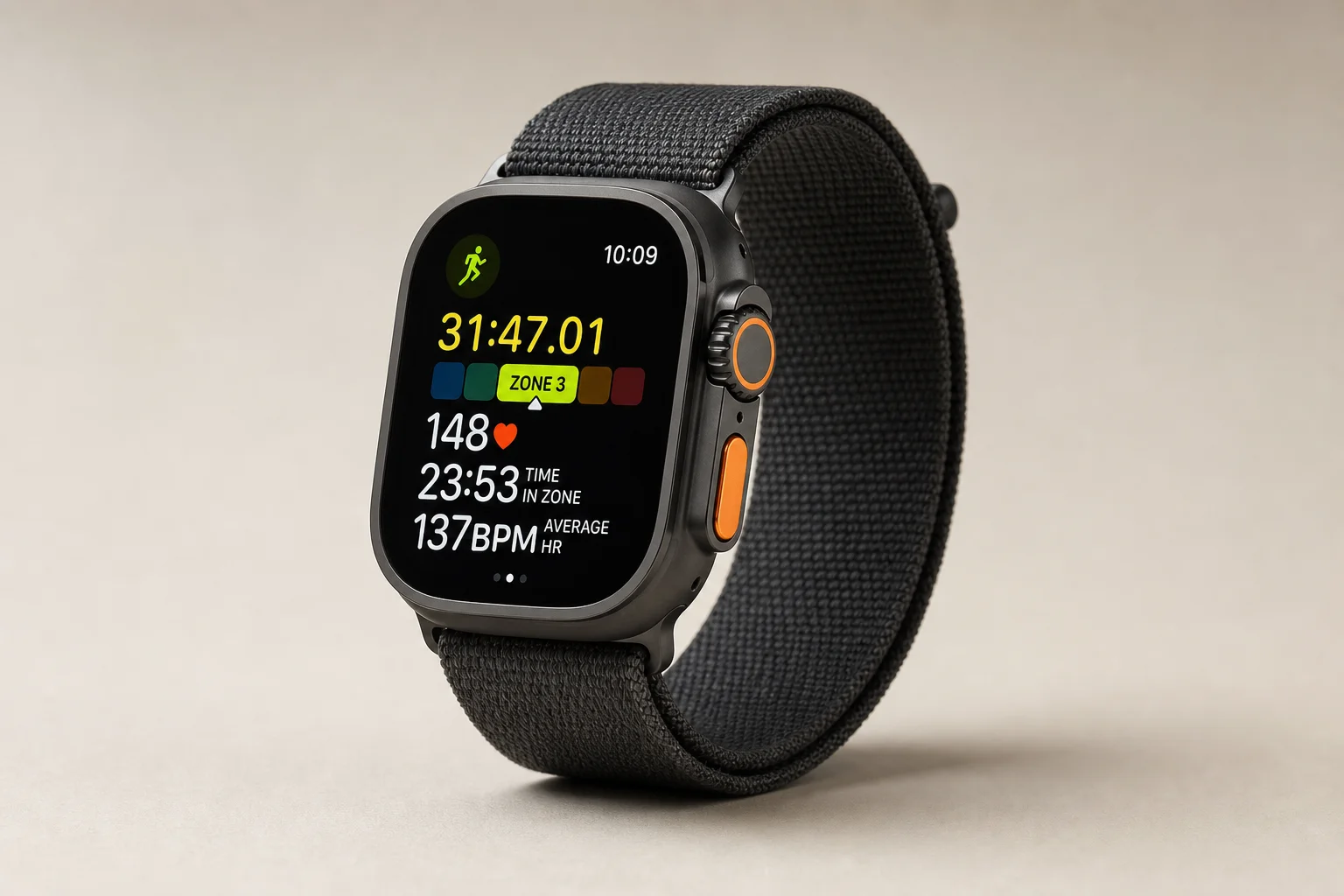
The Watch Ultra is a tough, long-battery smartwatch rather than a satellite communicator, and it is worth being clear about that before buying it for navigation. It will track your route and guide you back the way you came, which is genuinely useful if you need to retrace your steps to a trailhead.
What it does not do is provide bundled point-to-point navigation to a destination. If you want directions from A to B in unfamiliar terrain, that capability is not part of the package, and it is the most common disappointment for buyers who expect it to compete directly with a handheld GPS.
What Happens When You Press SOS
The fear that stops people from pressing the button is the bill. On Garmin devices and the other messengers here, there is no charge for opening an SOS conversation, and a genuine backcountry rescue is not billed the way many people assume. You pay for negligence, not for needing help.
Costs can still appear downstream. A backcountry rescue moves you from the wilderness to the front country, and from there a ground ambulance or an air ambulance may take over. Those are ordinary medical transport expenses, and insurance often covers part of them, though a deductible is likely.
The practical takeaway is that hesitation is the bigger risk. These are two-way communicators, so you can open a conversation, ask for advice and let responders decide what is appropriate. A delay while you weigh up the cost of a rescue can turn a manageable situation into a much worse one.
Overall Buying Advice
Start with the job you actually need done. If you want a small, self-contained device with a screen and buttons for two-way texting on ordinary trips, the inReach Mini 2 is the natural starting point. If you want navigation and satellite messaging in one handheld, the GPSMAP 66i or the newer 67i makes more sense, and the 67i is the one to look at if you prefer the latest version of that larger platform.
If you are comparing the Iridium-based messengers against each other, the hardware matters less than the plan. ZOLEO, Bivy Stick and Somewear all use the same satellite network, so the deciding factors are the feature set and whether the plan charges per message or bundles extras such as tracking and weather.

The iPhone 14 is a sensible backup if you already carry one, but treat it as a second layer rather than the primary plan: its satellite feature covers check-in and SOS, not everyday two-way texting. The Apple Watch Ultra is a rugged watch with strong battery life that can track your route and guide you back the way you came, but it is not a satellite communicator and it does not offer bundled point-to-point navigation.
It is also worth watching the category rather than rushing in. More satellite-capable devices and phones are expected to arrive, and that competition should push both pricing and plan structures in a friendlier direction for buyers.
Conclusion
There is no single best device here, only the best match for how you travel. A compact messenger like the inReach Mini 2 covers the basics with two-way texting and a screen you can actually read in bad conditions. A handheld such as the GPSMAP 66i or 67i adds navigation for people heading further out. The Iridium-based ZOLEO, Bivy Stick and Somewear compete on features and plan structure, SPOT Gen4 offers a Globalstar alternative, and the iPhone 14 and Apple Watch Ultra make useful supporting tools rather than replacements.
Whichever you choose, the important part is that you can reach someone when there is no signal, and that you never hesitate to press the button when it is needed.
Further reading
Related Reviews
Outdoor Tech
PeakDo LinkPower Starlink Mini Battery Review: Reliable Off-Grid Power
A TSA-compliant 99Wh battery that clips directly onto the Starlink Mini dish, offering over four hours of run time and USB-C solar charging.
Outdoor Tech
Satellite Messaging Showdown: iPhone 14, Garmin inReach Messenger Plus, and Hiboy P6
Apple's built-in satellite messaging, Garmin's photo and voice capable communicator, and an affordable all-terrain e-bike compared on hardware, coverage, and cost.
Outdoor Tech
Apple Watch vs Garmin: Which Outdoor Watch Should You Buy?
A practical comparison of the Apple Watch Ultra, Apple Watch SE, Garmin Fenix 6, and Garmin Epix for daily wear and outdoor use.