Outdoor Tech
Satellite Messaging in 2026: Garmin Messenger Plus vs iPhone 14, Plus the Hiboy P6
A practical comparison of Garmin Messenger Plus and iPhone 14 satellite messaging, covering antennas, coverage, batteries, and running costs, plus the Hiboy P6 all-terrain e-bike.
Introduction
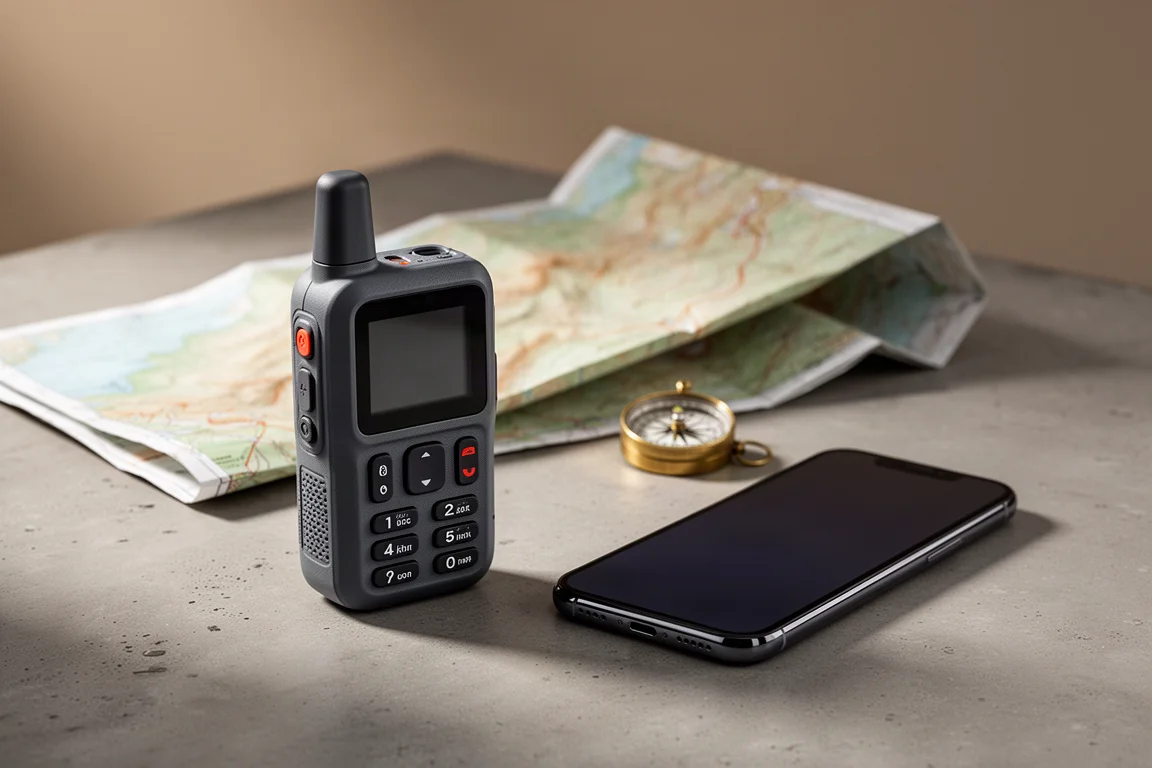
Satellite messaging has moved from specialist add-on to mainstream feature. With iOS 18, recent iPhones can send and receive two-way messages almost anywhere in the world, and Garmin has answered with the Messenger Plus, a dedicated communicator that can send photos and voice messages from the backcountry. Both solve the same problem, staying in contact when there is no cell signal, but they solve it in very different ways.
This guide compares them on antennas, coverage, battery life, and running costs, then looks at a third product for readers who would rather put their outdoor budget into something that moves: the Hiboy P6 all-terrain e-bike.
What Matters Most in a Satellite Communicator
Four questions decide how useful a satellite messenger will be in practice: how easily it finds a satellite, when it lets you start using the satellite network, how long it runs on a charge, and what it costs to keep the service active.
Hardware design is the first differentiator. A phone is not a dedicated satellite device. It is built to be sleek and thin, which leaves very little room for a satellite antenna, so the user has to help the phone see the satellites to get a clear signal. A dedicated communicator can hang off a pack and communicate with satellites without being turned to face them.

Network choice matters just as much. Coverage, message reliability, and how far you can travel all depend on the satellite constellation behind the device, and not every network offers genuinely global reach.
Cost is the final variable, and it is often the one that settles the decision. Some satellite services come bundled with hardware people already own, while dedicated communicators pair a device purchase with a monthly plan. That difference shapes who each option actually suits.
Garmin Messenger Plus: Satellite Photos and Voice Messages
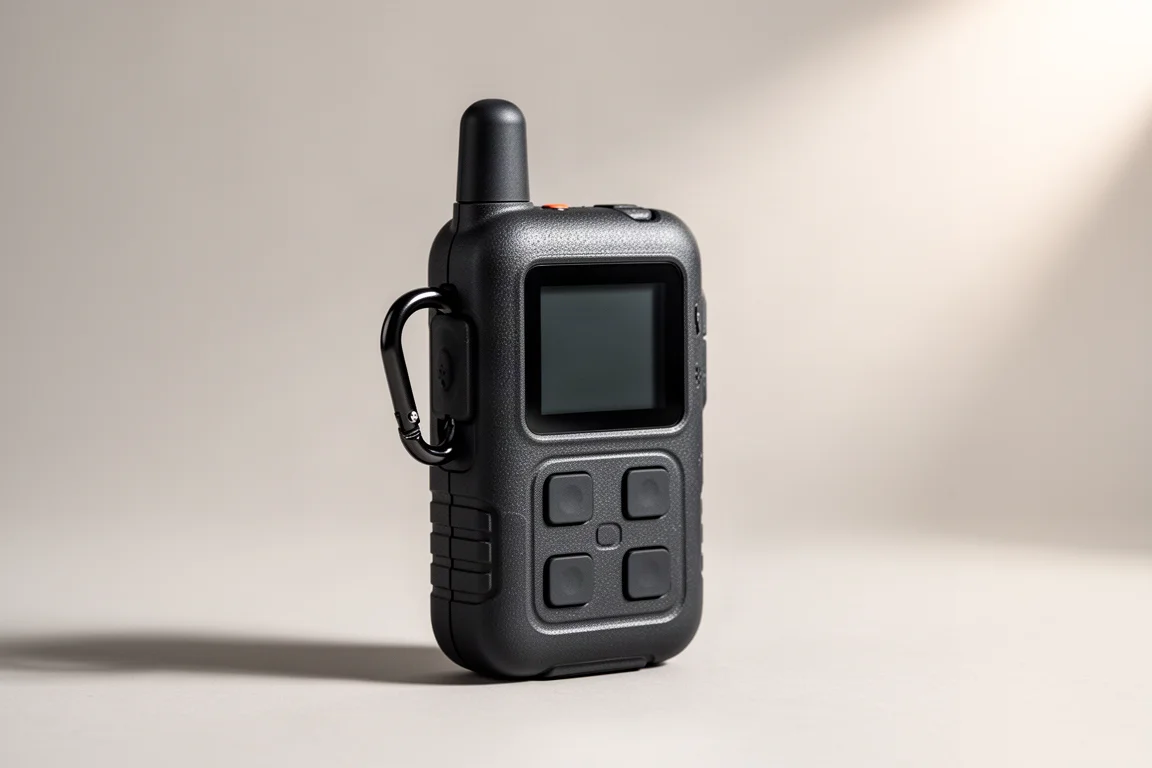
The Garmin Messenger Plus is a new satellite communicator that does something no other satellite communicator has managed so far: it can send pictures and voice messages anywhere in the world. It runs on the Iridium network, which offers genuinely global reach and more reliable message delivery than the Globalstar network used for iPhone satellite messaging.
Daily use is straightforward. Switching the paired phone into airplane mode makes the Messenger Plus start sending over satellite automatically, even in the middle of a city, so there is no need to wait until the last bar of cell service disappears. The battery lasts for days, and the unit can charge a phone like a battery bank. If the phone runs out of power, the built-in screen is small but still allows sending and reading messages and triggering SOS. Live tracking lets friends and family follow progress in real time, and a trackback feature helps retrace your steps if you lose the trail.
The trade-off is cost. The device is $500 if you want photo and voice messaging, and service starts at $8 a month for emergency SOS. Tracking is $29 a month, unlimited messaging is $50 a month, and even on that top plan you only get 50 photo or voice messages.
Apple iPhone 14: Free Satellite Messaging With iOS 18
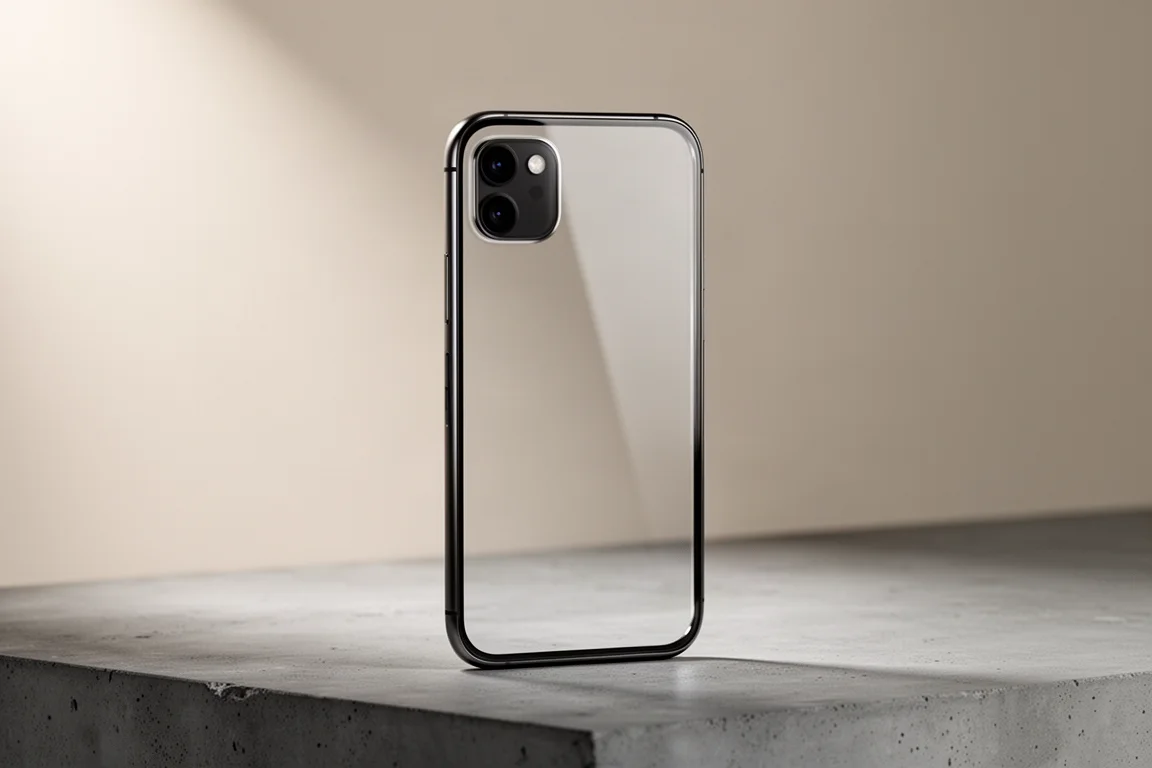
On an iPhone 14 or newer, iOS 18 adds two-way satellite messaging almost anywhere in the world with no separate device required. Emergency SOS and messaging are included at no additional monthly service charge, which is the clearest advantage the phone has over a dedicated communicator: the hardware is already in your pocket.
The limitations show up in the details. Satellite messaging cannot be started until the phone is completely out of cell range, so a single bar of service blocks it and the phone keeps trying the cellular network instead. Satellite messages cost more to send than ordinary texts, which is why the feature is gated this way, but it is frustrating on the edge of coverage where a message simply will not go out. Aiming is the second issue. Turning the phone to face the satellites can put the screen out of view, which pushes you into turning your whole body, an awkward move if you are injured.

Battery life is the third constraint. An iPhone 14 can struggle to last a normal day at home without running dry, and staying out of airplane mode while waiting for a reply means the phone keeps searching for signal, which drains it faster.
Coverage is the fourth. The iPhone uses the Globalstar network, which does not offer full global coverage, and satellite messaging currently works only in the US and Canada. Messages are also dropped more often on Globalstar than on Iridium.
Apple has not said how long the free period will last or what the service will cost if it starts charging, which is worth keeping in mind for anyone planning around the feature for years to come.
iPhone vs Garmin: Antennas, Coverage, and Monthly Costs
Placed side by side, the two options diverge on nearly every practical measure. The iPhone wins on convenience and upfront cost: messaging is native to the phone, there is nothing extra to carry, and there is no monthly fee at present. The Messenger Plus wins on everything that happens once you are genuinely off grid, including a dedicated antenna that does not need to be aimed, a global Iridium network, multi-day battery life, phone charging, live tracking, trackback, and SOS from the device itself if the phone dies.
The subscription gap is the sharpest difference. Garmin service starts at $8 a month for emergency SOS and climbs to $50 a month for unlimited messaging, and the photo and voice message allowance is capped even on the highest tier. The iPhone satellite features are free for now, though Apple has not committed to how long that will last.
That combination is why the phone is hard to argue against for occasional use, and why a dedicated communicator still makes sense for anyone who treats satellite contact as a primary safety tool. If Apple eventually starts charging, cheaper service plans may be the only thing that keeps stand-alone satellite messengers competitive.
Hiboy P6: An All-Terrain E-Bike for Paved Roads and Trails
Not every outdoor purchase needs to be about emergency communication. The Hiboy P6 is an all-terrain e-bike that handles paved roads and trails thanks to 26 by 4 inch all-terrain tires. Fat bike tires are actually more stable and easier to balance than standard bike tires for two physical reasons: they put more surface area in contact with the ground for better traction, and they carry more mass spinning around the tire, which increases angular momentum and helps the bike stay upright.
The P6 pairs an efficient motor with a durable battery and a comfortable riding design, and it sits among the more affordable options on the market. It is on sale at $959, while many e-bikes sell for well over $1,000 and some reach as much as $4,000.

One practical note before buying: trail access rules vary by location, so it is worth confirming that the paths you plan to ride are open to e-bikes before committing.

What Each Option Suits Best
The iPhone 14 route suits people who already carry a recent iPhone and want a no-extra-cost emergency option for occasional hikes, day trips, and travel within the US and Canada. The Garmin Messenger Plus suits anyone who travels far from coverage, wants photos, voice messages, and live tracking, and is prepared to pay a device price plus a monthly plan. The Hiboy P6 suits riders who want one bike for pavement and trail and would rather keep the spend under $1,000.
Buying Advice: Matching the Device to the Trip
Start with how you will actually use it. If satellite contact is a convenience for a handful of trips a year and you already own an iPhone 14 or newer, the built-in messaging is a sensible first option, because it adds no hardware and no monthly charge while the free period lasts. If satellite contact is part of your safety planning, the Messenger Plus earns its price with global Iridium coverage, aimed-free operation, multi-day battery life, live tracking, and SOS from the device itself.

Budget settles the rest. A $500 device plus $8 to $50 a month is a real commitment, so it is worth asking how many messages you actually need to send before choosing a plan. On the bike side, the P6 keeps the entry point low at $959, which leaves more room in the budget for the gear that keeps you in contact when the signal disappears.
Conclusion
Satellite messaging now comes in two shapes: a feature built into a phone you already own, and a dedicated communicator that does more but costs more. The iPhone 14 with iOS 18 is the easier place to start, especially while it remains free. The Garmin Messenger Plus is the stronger tool for anyone who spends real time beyond cell coverage, and the Hiboy P6 is the value pick for readers whose next purchase is a bike rather than a beacon.
Further reading
Related Reviews
Outdoor Tech
PeakDo LinkPower Starlink Mini Battery Review: Reliable Off-Grid Power
A TSA-compliant 99Wh battery that clips directly onto the Starlink Mini dish, offering over four hours of run time and USB-C solar charging.
Outdoor Tech
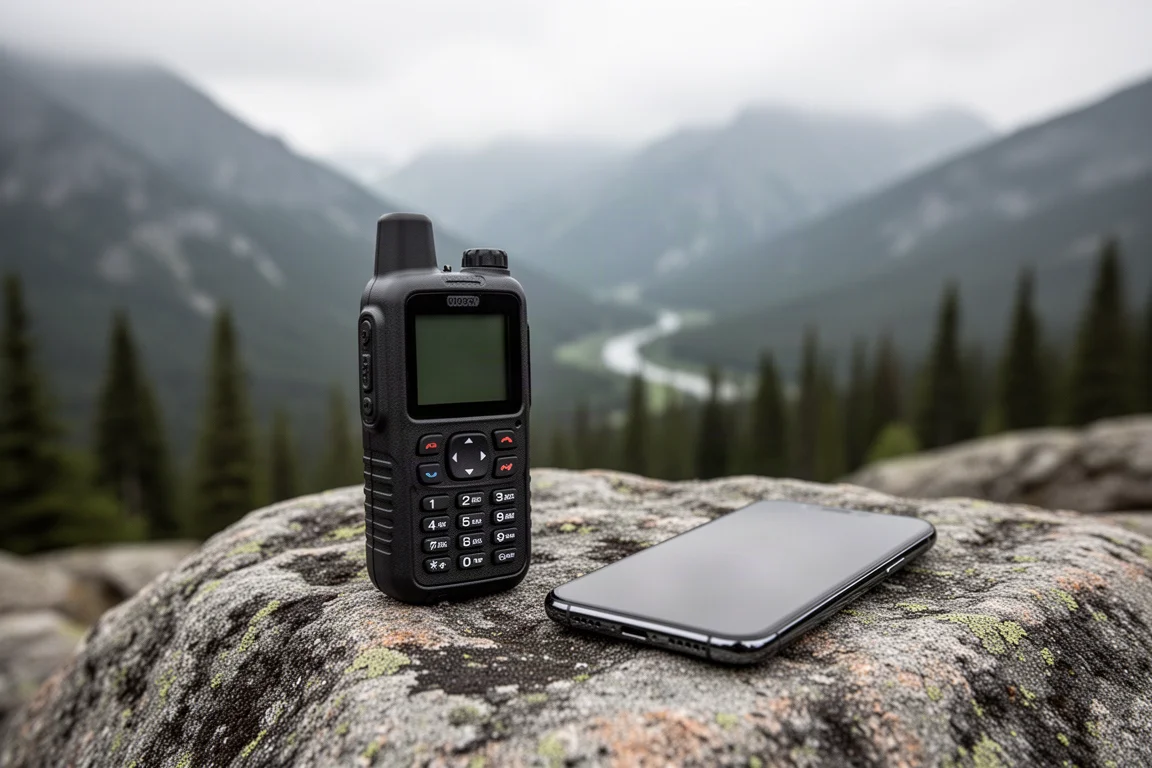
Satellite Messaging Showdown: iPhone 14, Garmin inReach Messenger Plus, and Hiboy P6
Apple's built-in satellite messaging, Garmin's photo and voice capable communicator, and an affordable all-terrain e-bike compared on hardware, coverage, and cost.
Outdoor Tech
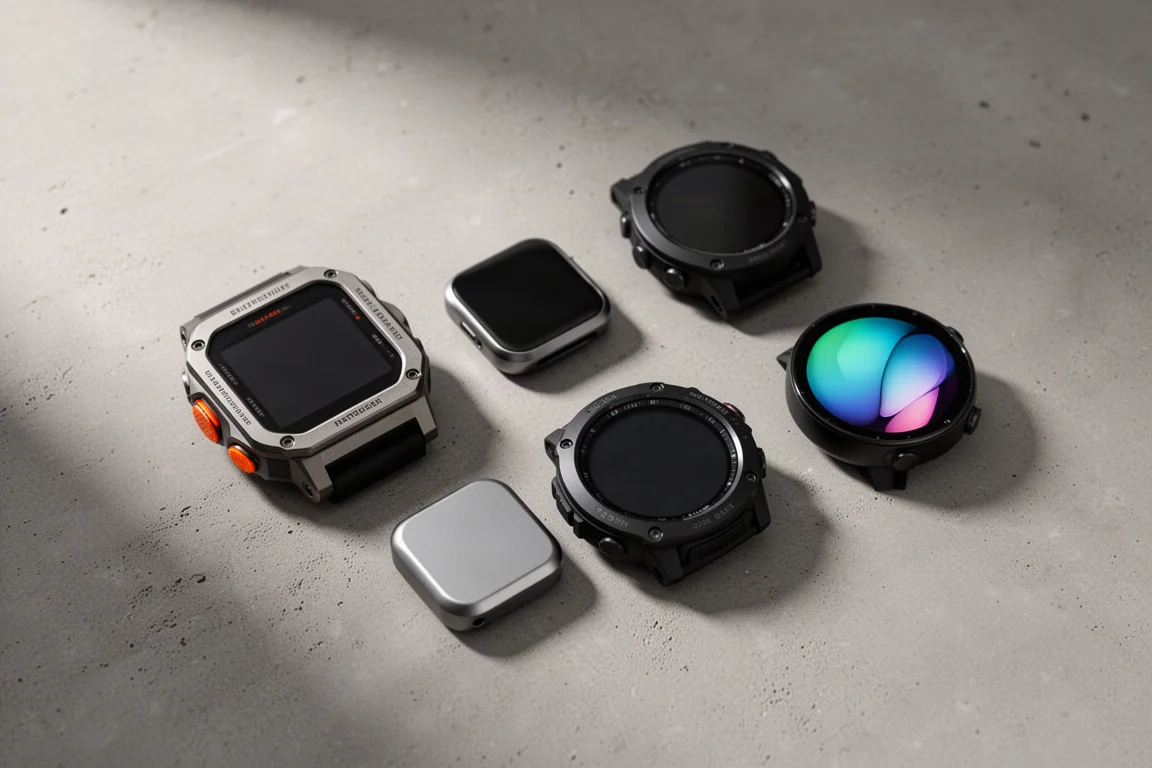
Apple Watch vs Garmin: Which Outdoor Watch Should You Buy?
A practical comparison of the Apple Watch Ultra, Apple Watch SE, Garmin Fenix 6, and Garmin Epix for daily wear and outdoor use.