Satellite Messaging
Satellite Messaging Compared: Pixel 9, Galaxy S25, iPhone 16 and Garmin inReach
Verizon now offers free satellite texting on the Pixel 9 and Galaxy S25. Here is how phone based satellite messaging compares with Apple, Starlink and a dedicated Garmin inReach.
Introduction
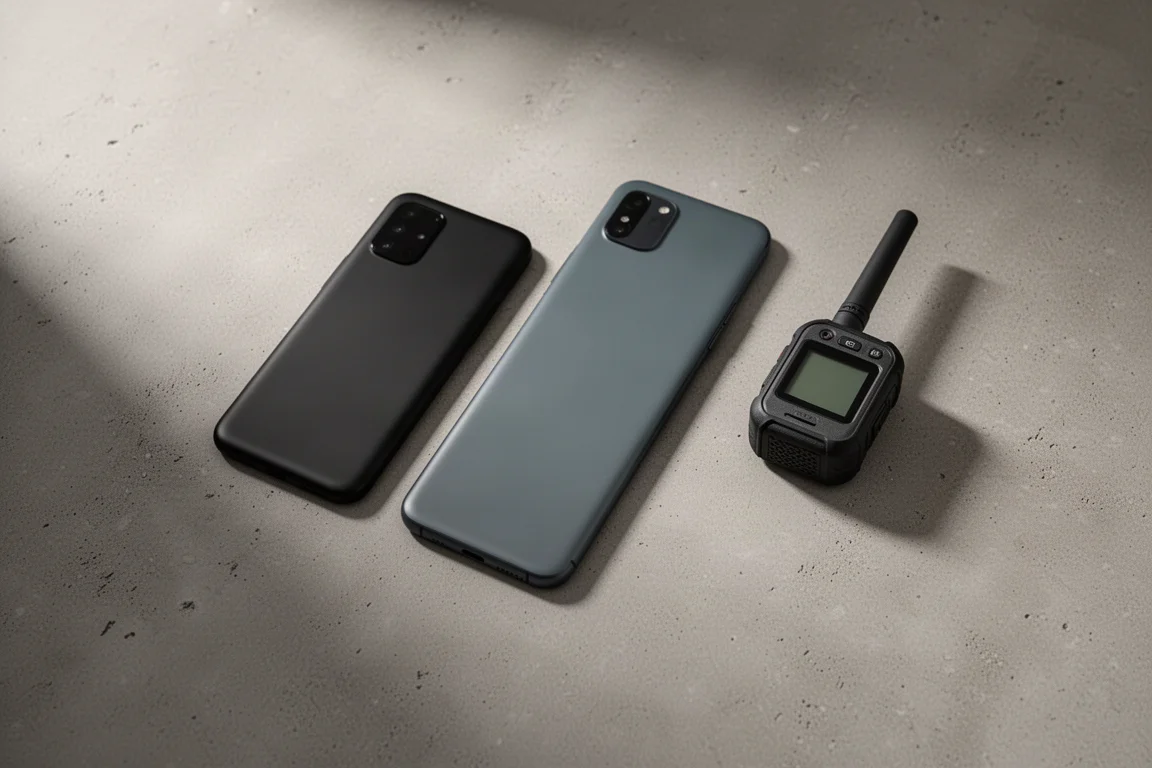
Satellite messaging has moved from a specialist backcountry tool to a feature you can find on an everyday phone. Verizon now offers free satellite text messages on the Google Pixel 9 and the Samsung Galaxy S25, so owners of those handsets can send and receive texts with no cell tower in range. The natural question is how that stacks up against Apple’s satellite messaging on the iPhone 16, against T-Mobile’s Starlink service, and against a dedicated communicator such as the Garmin inReach.
This guide covers how each option behaves once you are out of coverage, where the practical differences show up, and which one suits the kind of trips you actually take.
How Phone Satellite Messaging Works
On the Pixel 9 and the Galaxy S25, satellite messaging lives inside the native Messages app, with nothing extra to install. Android 15 or above is required. When the phone loses its terrestrial connection, a prompt appears asking whether you want to connect to a satellite. Accepting it opens a screen where you center a bubble inside a circle to aim the phone at the satellite.
The aiming step is the part that stands out. Unlike the satellites used by Apple, Starlink and the Garmin inReach, the satellites behind this Verizon feature are geostationary, sitting thousands of miles above the Earth in a fixed position rather than tracking across the sky. Because the satellite does not move, the link holds as long as the phone keeps pointing in the same direction. Once alignment is correct, the large aiming dialog shrinks to a small box in the corner and you can type freely.
Delivery is quick: messages typically go out in under a minute, and often within seconds. In a cross platform check, texts exchanged between a Verizon Pixel 9 and an iPhone 16 using Apple’s satellite messaging travelled in both directions at a similar pace, generally under a minute each way. If you are camping with a friend who carries a satellite enabled iPhone, that kind of interoperability is genuinely useful.
One difference from Starlink is worth noting. This is not an always on service that constantly scans for a connection. You connect to the satellite explicitly to send and receive, and you disconnect when you are finished.
Google Pixel 9: Verizon Satellite Texting in the Native Messages App
The Pixel 9 has carried this capability for some time, and the flow is straightforward: aim, connect, type, disconnect. Text messages generally clear in under a minute, and there were no failed sends while the phone stayed centered and connected.
Emergency use follows a similar pattern. Hitting SOS or placing an emergency call means pointing the antenna at the satellite and answering a questionnaire. That questionnaire is sent to Garmin Response, the same emergency coordination center used by Garmin inReach products. That distinction matters. A 911 call center is built around car crashes, heart attacks and domestic incidents, while Garmin Response is set up for backcountry emergencies such as an injury high on a mountain or a boat taking on water, and for connecting the right people to that situation.
For comparison, Apple routes its emergency questionnaire to a 911 call center, while T-Mobile’s Starlink service sends a text to 911 and forwards it with location information to a 911 call center equipped to handle it.
Samsung Galaxy S25: The Same Verizon Satellite Messaging Feature
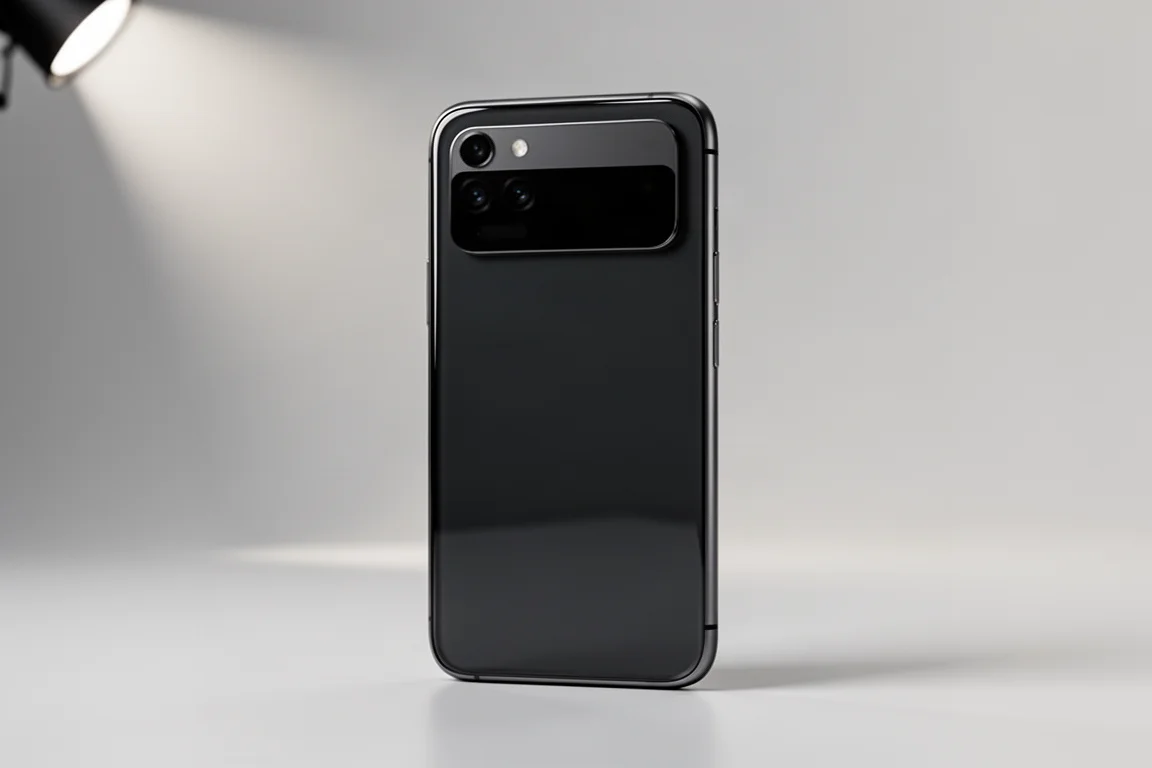
Verizon’s free satellite messaging applies to the Galaxy S25 as well. The experience matches the Pixel 9: the native Messages app, Android 15 or above, the same centering step, and the same explicit connect and disconnect cycle. Because the satellites are geostationary, the phone does not have to chase a moving target, it simply has to stay pointed the right way.

For Galaxy S25 owners, the practical appeal is having basic off grid texting on a phone you already carry, without extra hardware or a separate messaging subscription. Verizon’s satellite messaging is currently available in a limited set of places, so it is worth confirming coverage for the areas you plan to visit.
Apple iPhone 16: Satellite Messaging and Emergency SOS
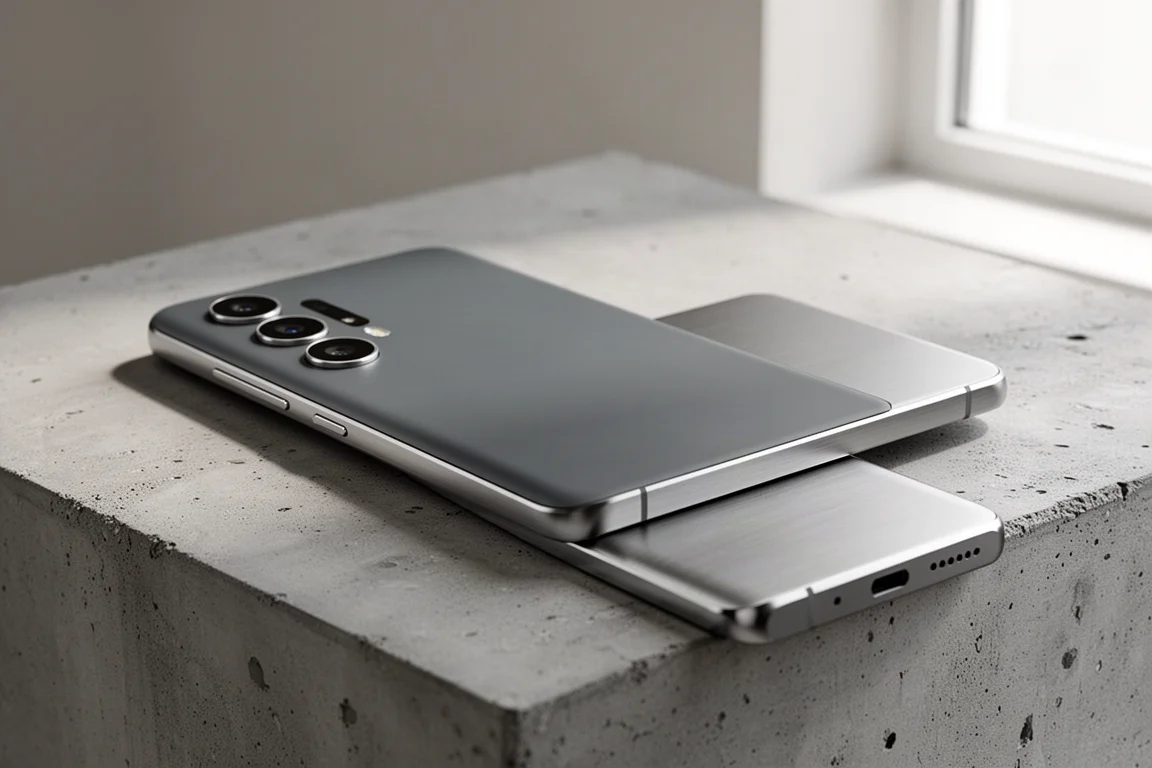
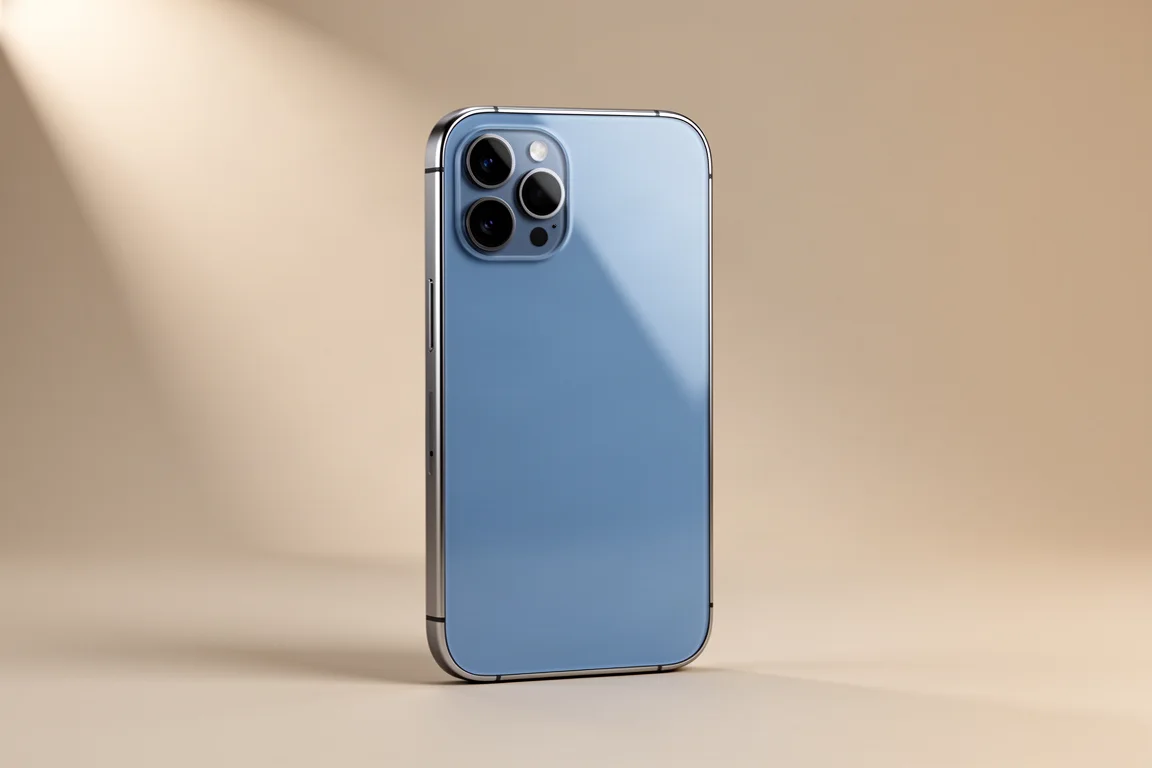
Apple’s system relies on low Earth orbit satellites a few hundred miles up, which means the phone has to be aimed at a satellite that is moving overhead. The interaction still feels familiar: center the bubble in the circle and hold the phone steady. Apple’s emergency questionnaire goes to a 911 call center rather than a dedicated backcountry coordination center.
Cross platform messaging works in both directions. An iPhone 16 using Apple’s satellite messaging exchanged messages with a Verizon Pixel 9 at roughly the same speed, generally under a minute per message. Apple’s satellite SOS has been available for several years and has been credited with notable rescues, which supports treating it as a credible safety feature rather than a novelty.
Garmin inReach: The Dedicated Backcountry Communicator
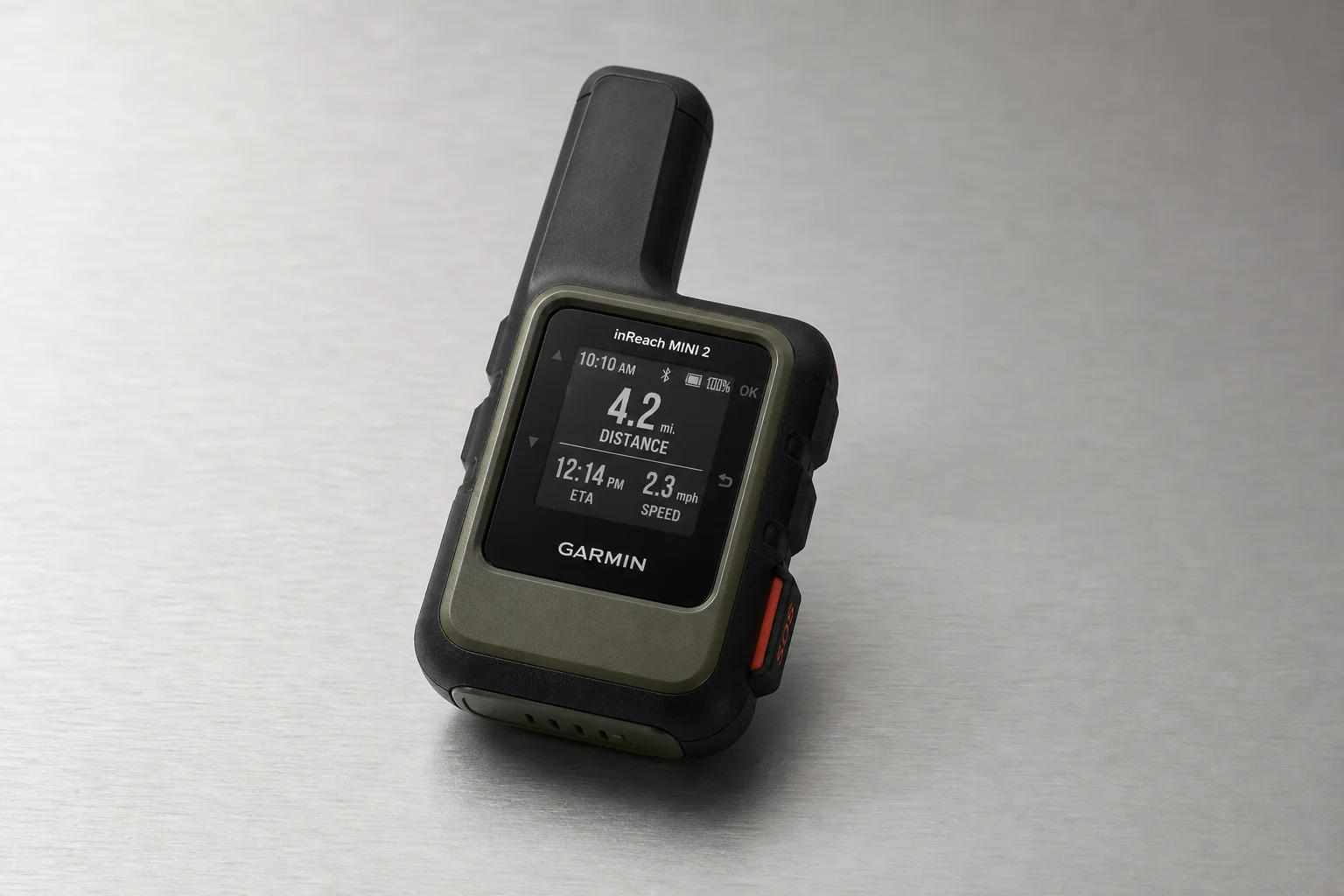
The inReach remains a different class of device. It is built as a rugged outdoor instrument rather than a phone, it offers worldwide coverage, and its battery lasts considerably longer than a smartphone’s. Messaging runs through a paid Garmin service plan, which is where the cost difference shows up against free phone based satellite messaging.
Where the inReach earns its place is dependability. A smartphone is a capable, well built device, but it is not designed as a rugged outdoor instrument and its battery is not built to last the way the inReach’s is. For a trip where the device may be your lifeline, that gap is the deciding factor. For routine messaging with family or friends, the phone based option can comfortably replace paying for a Garmin messaging plan, and it can reach other satellite enabled phones as well.
The Network Behind the Feature: Skylo
Much of the plumbing behind phone satellite messaging comes from Skylo. The company does not own satellites. Instead it builds a layer around the satellite system. Modules inside the phone detect that you are not connected to a cell tower, then Skylo encrypts and packages the text and broadcasts it through its network to a satellite partner. The satellite bounces the message back to Earth, Skylo leases time from the ground stations that receive it, and the message is forwarded to the recipient’s carrier. The same path works in reverse.
Skylo’s technology already appears in the HMD OffGrid, the Motorola Defy Satellite Link and a range of non consumer products. Its footprint extends around the world, and wider availability in more markets is largely a matter of regulatory approval rather than technical capability.
Which Satellite Messaging Option Fits Your Trip?
The honest answer depends on what you are asking the device to do.
If you are a casual hiker, or not a hiker at all, and you mainly want the reassurance of being able to text from a national park or a remote campsite, phone based satellite messaging covers that well, and on the Pixel 9 and Galaxy S25 it is currently free through Verizon. A dedicated communicator is probably more than you need.
If your trips take you well beyond coverage and you want something you can depend on in a genuine emergency, the case for a rugged dedicated communicator is stronger. Worldwide coverage, a longer lasting battery and a purpose built body are difficult to argue with.
It is also worth planning around the reliability of the service you choose. Starlink connectivity in the backcountry has come through roughly three quarters of the time in practice, even when there was no cell coverage, so it tends to arrive eventually but cannot be relied on at any given moment. Phone based satellite messaging requires a deliberate connection step, so it is best treated as something you set up when you need it rather than something running quietly in the background.
Conclusion
Phone satellite messaging has become a genuinely useful outdoor tool. On the Pixel 9 and Galaxy S25 it is built into the app you already use, it sends quickly, it can reach satellite enabled iPhones, and emergency requests are handled by a center that specializes in backcountry incidents. For everyday reassurance, that is a lot of capability at no extra cost.
For the trips where the stakes are highest, a dedicated communicator such as the Garmin inReach still holds the advantage in ruggedness, coverage and battery life. Many people will find the two options complement rather than replace each other, and the right pick comes down to how far out you go and how much you want to depend on the device you are carrying.
Further reading
Related Reviews

Backpacking Gear
Building a 10 lb Base Weight: An Ultralight Backpacking Gear List
A practical walkthrough of the ultralight pieces behind a 10 lb base weight, from a 765 g pack and a roomy one-person tent to a full camp chair and a dependable water filter.

Road Bikes
10 New Road Bikes Worth Watching: Aero, Titanium, Steel and Endurance Standouts
A practical roundup of 10 new road bikes, from aero flagships chasing single-watt gains to titanium, steel and endurance platforms built for real roads.

Bikepacking Gear
11 Bikepacking Essentials for Long-Distance Cycling
Eleven bikepacking essentials for long-distance cycling, from a steel gravel frame and a two-person tent to helmet lights, packable gloves, and a frame bag that puts weight in the right place.