Outdoor Tech
Satellite Messaging Compared: iPhone 14, Garmin Messenger Plus, and Hiboy P6
How native iPhone satellite messaging compares with a dedicated Garmin communicator on hardware, networks, battery life, and running costs, plus a value all-terrain e-bike.
Introduction
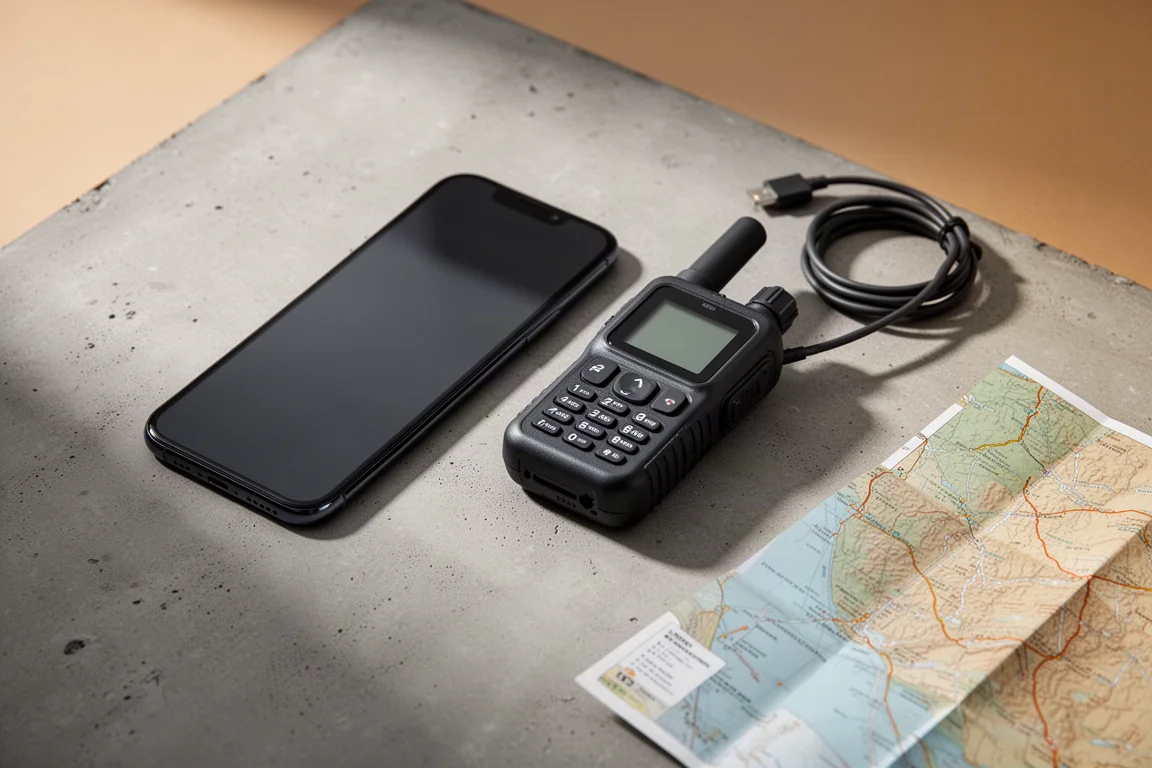
Satellite messaging has quietly become one of the most useful pieces of outdoor technology a person can carry, and two very different products arrived at the same moment to prove it. Apple added two-way satellite messaging to iPhone with iOS 18, removing the need to pair a separate device for basic messages. Garmin responded with the Messenger Plus, a dedicated communicator that can send photos and voice messages. A third product in this roundup, the Hiboy P6, speaks to readers whose version of getting outside looks more like a ride than a summit push.
This guide compares the three on the details that decide whether you actually enjoy using them: how the hardware handles satellites, how long the batteries last, what the networks cover, and what each option costs over time.
What Changed With Satellite Messaging
Until recently, two-way messaging beyond cell coverage required a dedicated satellite device paired with your phone. iOS 18 changed that by allowing two-way satellite messaging almost anywhere in the world, straight from an iPhone.
The trade-off is physical. A phone is designed to be sleek and thin, which leaves very little room for a satellite antenna, so the device needs help finding the sky. Depending on where the satellites are, turning the phone alone can put the screen out of view, which then means turning your whole body to keep reading. That is manageable on a sunny ridge and considerably less pleasant if you are injured and trying to stay still.

The practical result is a messaging experience that works but demands attention. You aim the phone, wait for a satellite, and hold position while the message goes out. Dedicated communicators are built around that constraint rather than fighting it, which is why the hardware you carry still matters.
Apple iPhone 14: Satellite Messaging Without Extra Hardware
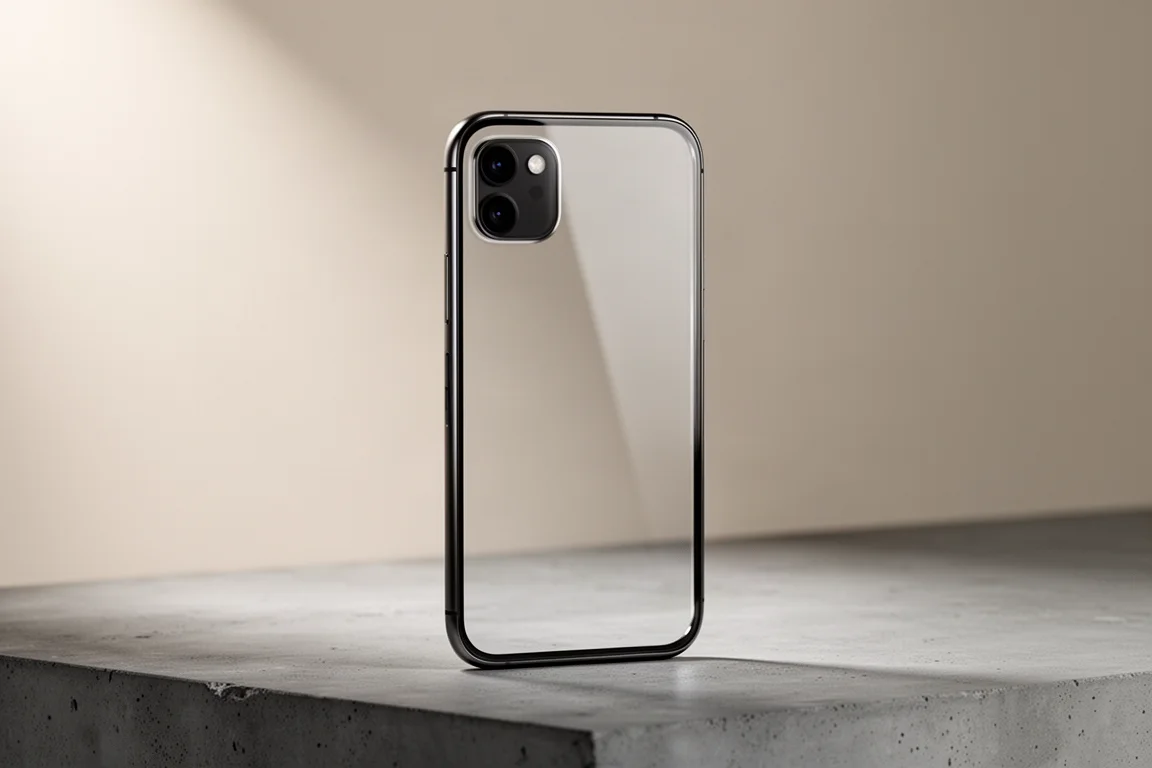
The main argument for the iPhone route is that nothing extra is needed. Messaging and Emergency SOS are native to the phone, and for iPhone 14 or newer both are included at no additional monthly service charge at the time of writing. For occasional trips just outside coverage, that combination is hard to beat on convenience.
Two limitations are worth understanding before you rely on it. The first is that satellite messaging cannot be started until the phone is completely out of cell range. With even one bar of service, the phone insists on the cellular network, and if that single bar is not strong enough to actually send a message, there is no manual switch to satellite. The reasoning is cost: satellite messages are more expensive to send than ordinary texts, so the phone avoids them whenever any cellular signal exists.
The second is battery life. An iPhone 14 may not make it through a normal day at home without needing a charge, and on the trail the phone is often doing double duty as a GPS and a camera. Airplane mode helps, but leaving it on means no incoming messages. Turn it off to receive a reply and the phone constantly searches for signal, which drains the battery quickly. A power bank becomes standard kit.
There is also the network question. Apple uses the Globalstar network, which does not offer full global coverage, and Apple satellite messaging currently works only in the United States and Canada. Globalstar also appears to drop messages more often than the Iridium network used by dedicated communicators. Finally, Apple has not said how long the free satellite period will last or what it will cost if the company starts charging.
Garmin Messenger Plus: Photos, Voice, and Global Coverage
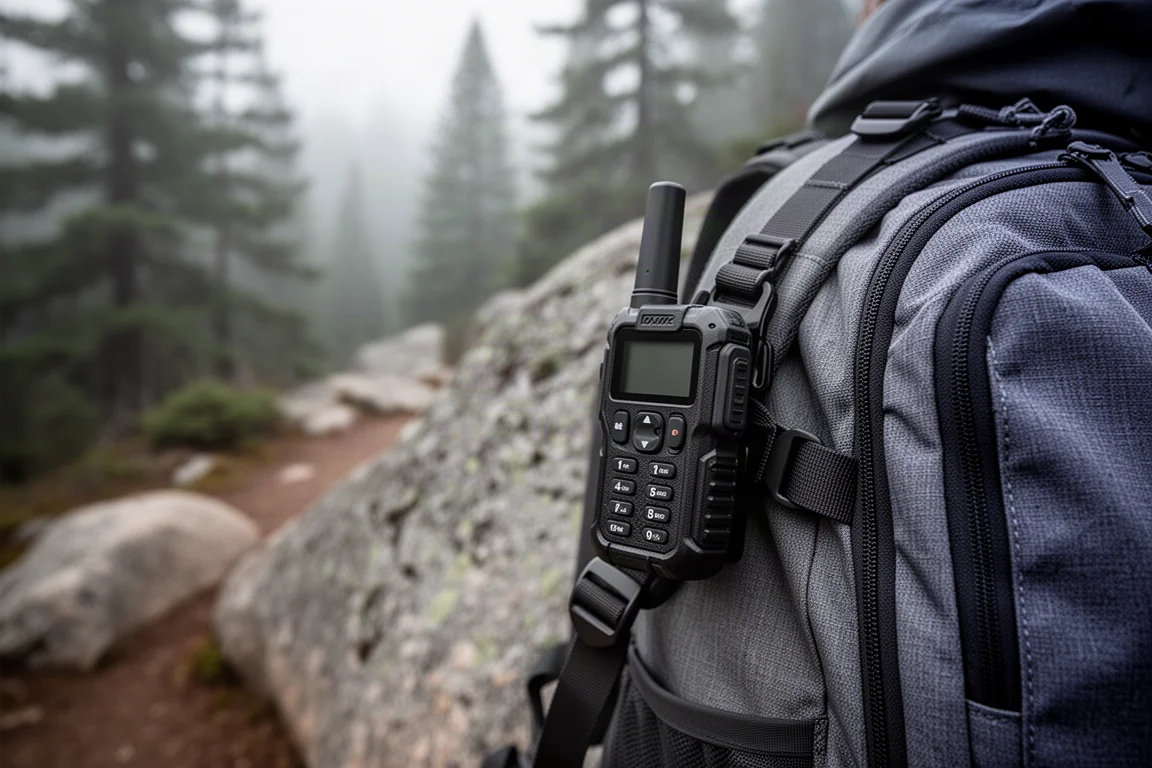
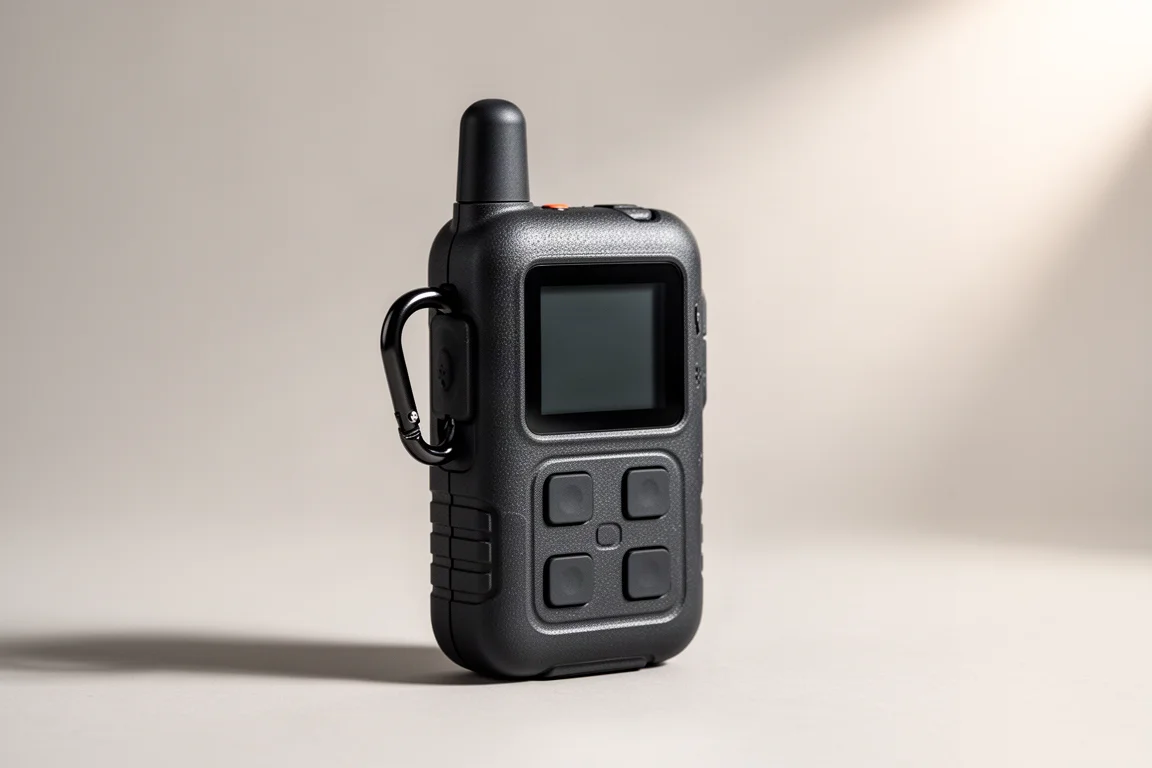
Garmin’s answer is a purpose-built communicator that can send pictures and voice messages anywhere in the world, a capability other satellite communicators have not offered. It clips to a pack and communicates with satellites without being aimed at them, so you are not holding a pose while a message goes out.
The practical advantages stack up quickly. If cell service is failing but not gone, switching to airplane mode pushes the Messenger Plus onto satellite automatically, even in the middle of a city, which solves the one-bar problem directly. Battery life is measured in days rather than hours, and the unit can top up a phone like a power bank. If the phone dies, the built-in screen still lets you send, read, and call SOS. That screen is small, so pairing with a phone is easier for longer messages, but the fallback exists.
The Messenger Plus runs on the Iridium network, which provides genuinely global coverage rather than regional coverage. Live tracking lets friends and family follow where you are and where you have been in real time, and a trackback feature helps retrace your steps if you lose the trail.
For anyone who travels far from roads or outside North America, those features add up to a different category of reliability rather than a nicer interface. The catch is the ongoing cost, which the later sections cover.
Hiboy P6: An All-Terrain E-Bike for Mixed Terrain
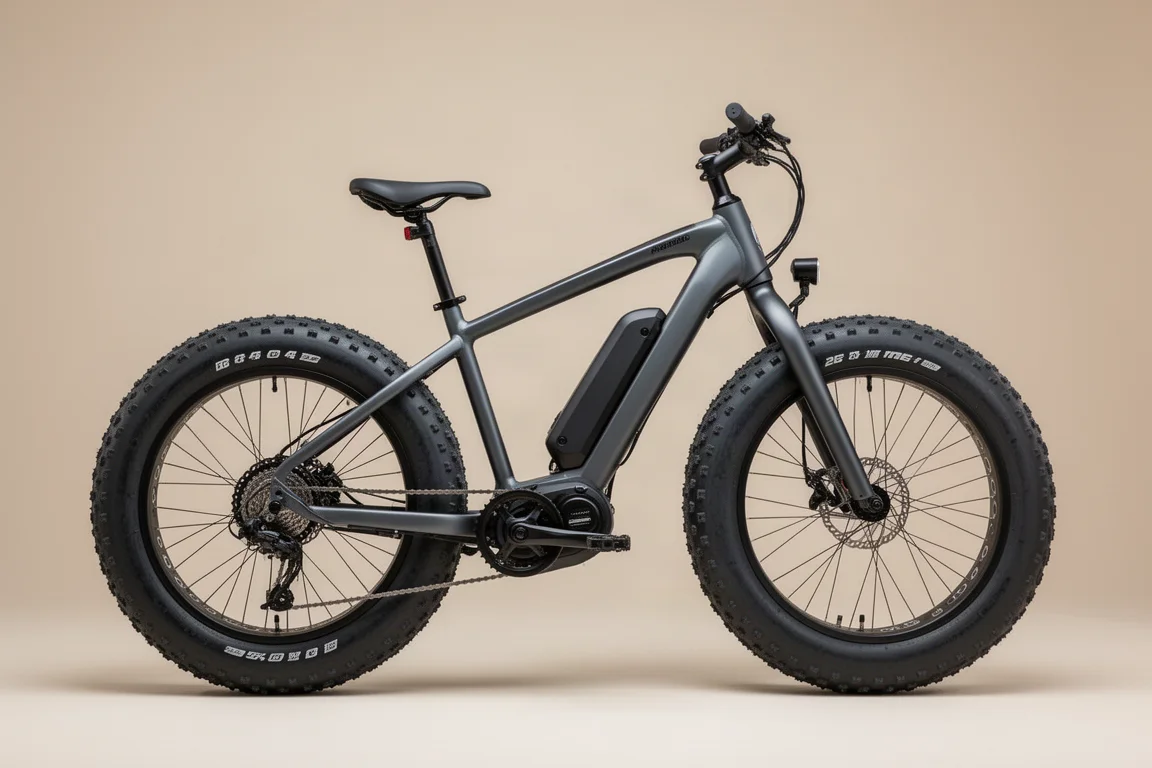
The Hiboy P6 is a true all-terrain e-bike, at home on paved roads and on trails thanks to its 26 by 4 inch all-terrain tires. Fat tires like these are more stable and easier to balance than standard bike tires for two reasons: more surface area contacts the ground for better traction, and more mass spins around the tire for greater angular momentum, the physics that keeps a rolling wheel upright.
The P6 is also one of the more affordable e-bikes on the market, on sale for $959 at the time of writing, while many e-bikes cost over $1,000 and some reach $4,000. It combines an efficient motor with a durable battery and a comfortable riding design, which makes it a sensible single bike for riders who want both city streets and dirt paths.
Cost of Ownership: Hardware, Plans, and Limits
Running costs separate these options more sharply than hardware does. Satellite messaging and Emergency SOS are included with an iPhone 14 or newer at no extra monthly charge at the time of writing, though Apple has not confirmed how long that arrangement will continue.
Garmin works differently. Emergency SOS requires at least $8 per month, and anything beyond basic SOS is charged per message and per image. Live tracking runs $29 per month, and unlimited messages run $50 per month, all on top of a device that costs around $500 if you want photo and voice capability. Even at $500 for the hardware plus $50 per month, the plan includes only 50 photo or voice messages.
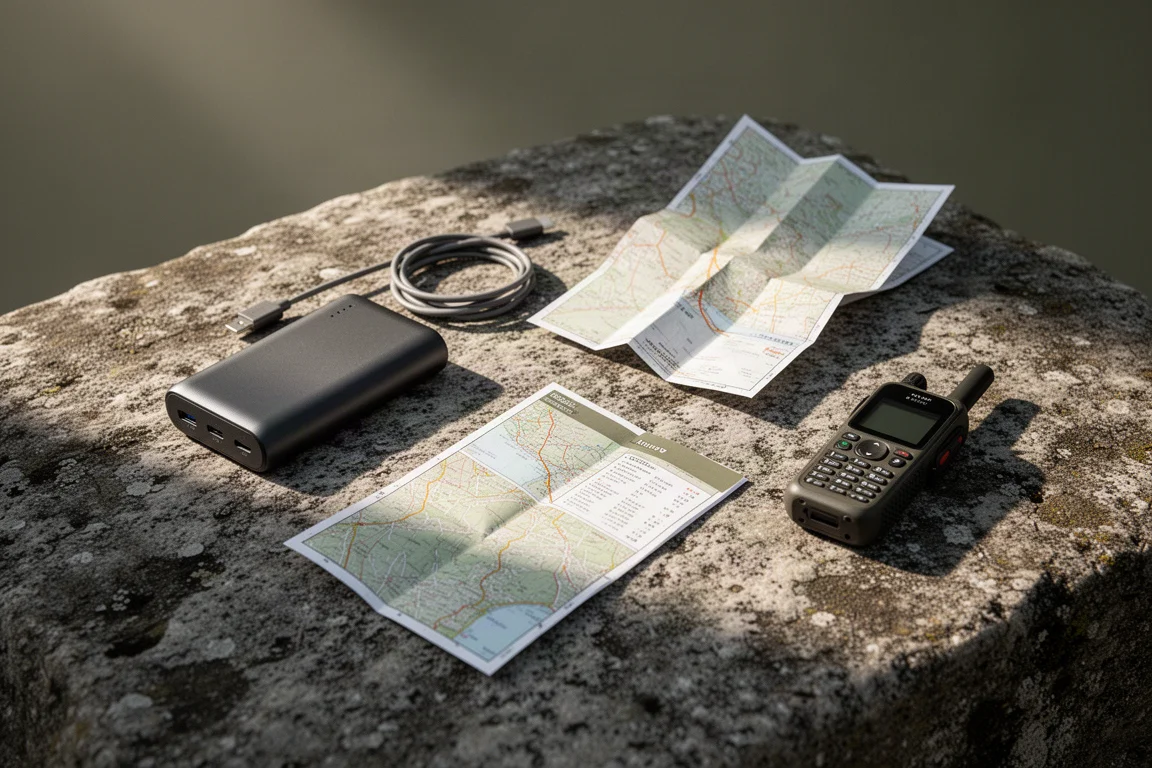
Photos from the backcountry are genuinely nice to send, and voice messages can carry more detail than typing on a small screen. The question is whether that capability is worth a monthly bill that continues long after the trip ends. For a handful of trips a year, the math is difficult to justify. For regular remote travel, it is far easier.
Who Each Option Suits Best
iPhone satellite messaging fits hikers, riders, and travelers whose trips stay inside the United States and Canada, who leave coverage only occasionally, and who would rather not carry or pay for a second device.
The Garmin Messenger Plus fits people who go further and more often: international travel, long routes far from roads, or situations where you want SOS to work even if your phone is dead or out of charge.
The Hiboy P6 fits riders who want one affordable bike that handles pavement and trail without a specialist build, and who value stability and traction over outright speed.
Final Buying Advice
If your outings are occasional and domestic, iPhone satellite messaging is the simpler and cheaper route, and the hardware is already in your pocket. If you travel internationally, spend long days far from roads, or want a communicator that keeps working when your phone does not, the Garmin Messenger Plus justifies its subscription. If your outdoor plans lean toward riding, the Hiboy P6 delivers all-terrain capability at a price that is far easier to justify than most e-bikes.

Before buying, check the current terms rather than assuming last year’s arrangement still applies. Apple has not committed to how long free satellite access will last, Garmin’s plan pricing and message limits can change, and e-bike pricing moves with promotions.
Conclusion
Both satellite approaches work, and they solve different problems. The iPhone wins on cost and convenience for occasional use in North America. The Garmin Messenger Plus wins on coverage, battery life, and resilience when the trip gets serious. The Hiboy P6 is a separate but sensible addition for readers who want to spend more time outside on two wheels, at a price that leaves room in the budget for the rest of the kit.
Further reading
Related Reviews
Outdoor Tech
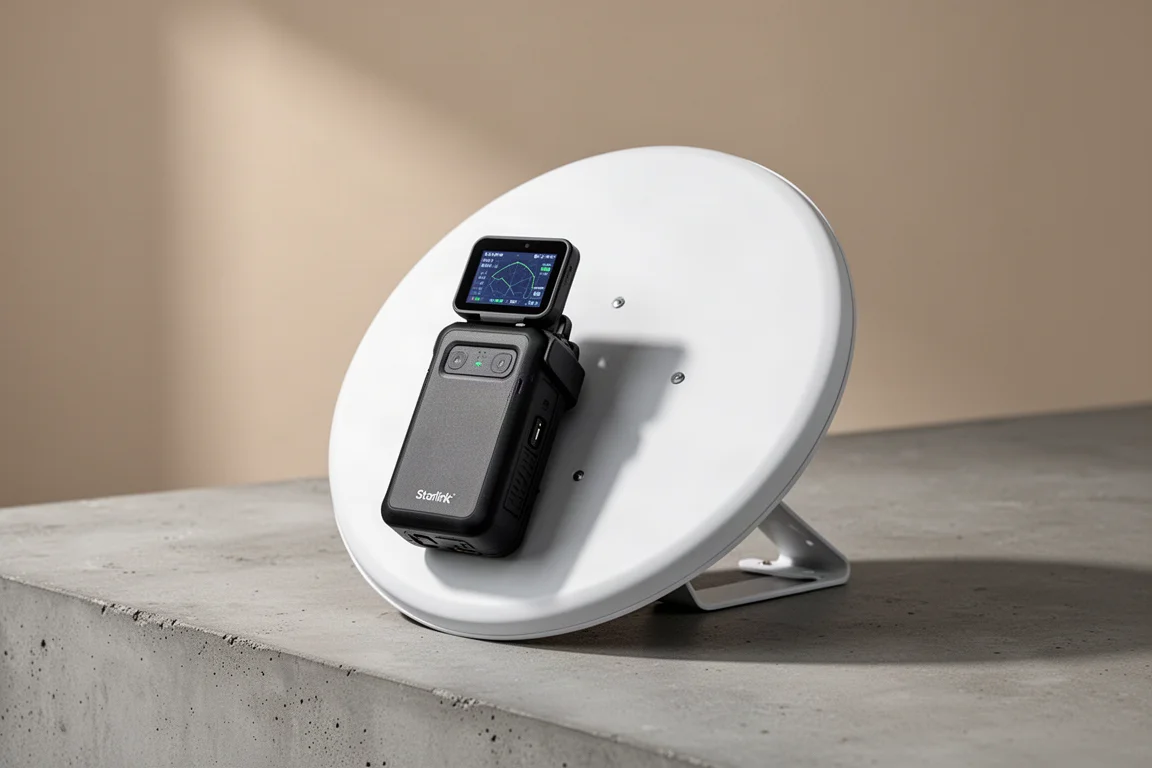
PeakDo LinkPower Starlink Mini Battery Review: Reliable Off-Grid Power
A TSA-compliant 99Wh battery that clips directly onto the Starlink Mini dish, offering over four hours of run time and USB-C solar charging.
Outdoor Tech
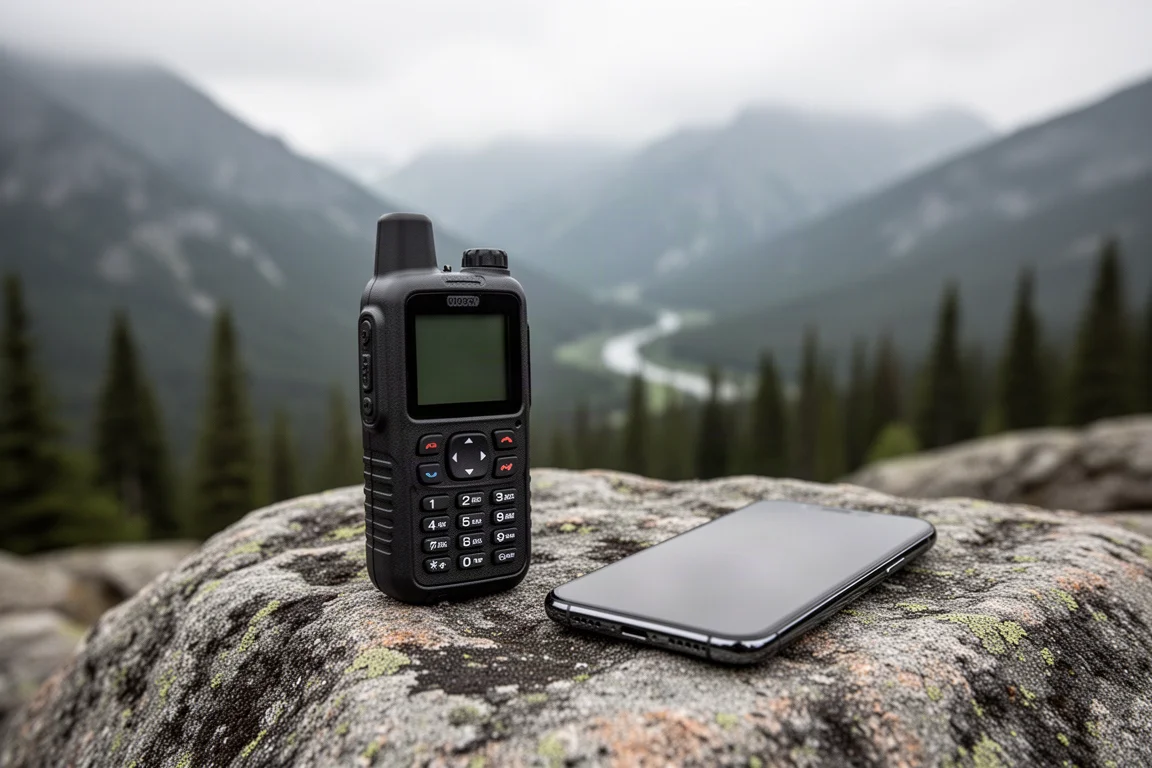
Satellite Messaging Showdown: iPhone 14, Garmin inReach Messenger Plus, and Hiboy P6
Apple's built-in satellite messaging, Garmin's photo and voice capable communicator, and an affordable all-terrain e-bike compared on hardware, coverage, and cost.
Outdoor Tech
Apple Watch vs Garmin: Which Outdoor Watch Should You Buy?
A practical comparison of the Apple Watch Ultra, Apple Watch SE, Garmin Fenix 6, and Garmin Epix for daily wear and outdoor use.