Downhill Mountain Bikes
Saracen Myst Review: A Mullet-Only Downhill Race Bike Built for World Cup Pace
The Saracen Myst goes mullet only, with a redesigned rear suspension, a mid-stroke flip chip and a development story shaped by World Cup downhill racing.
Introduction
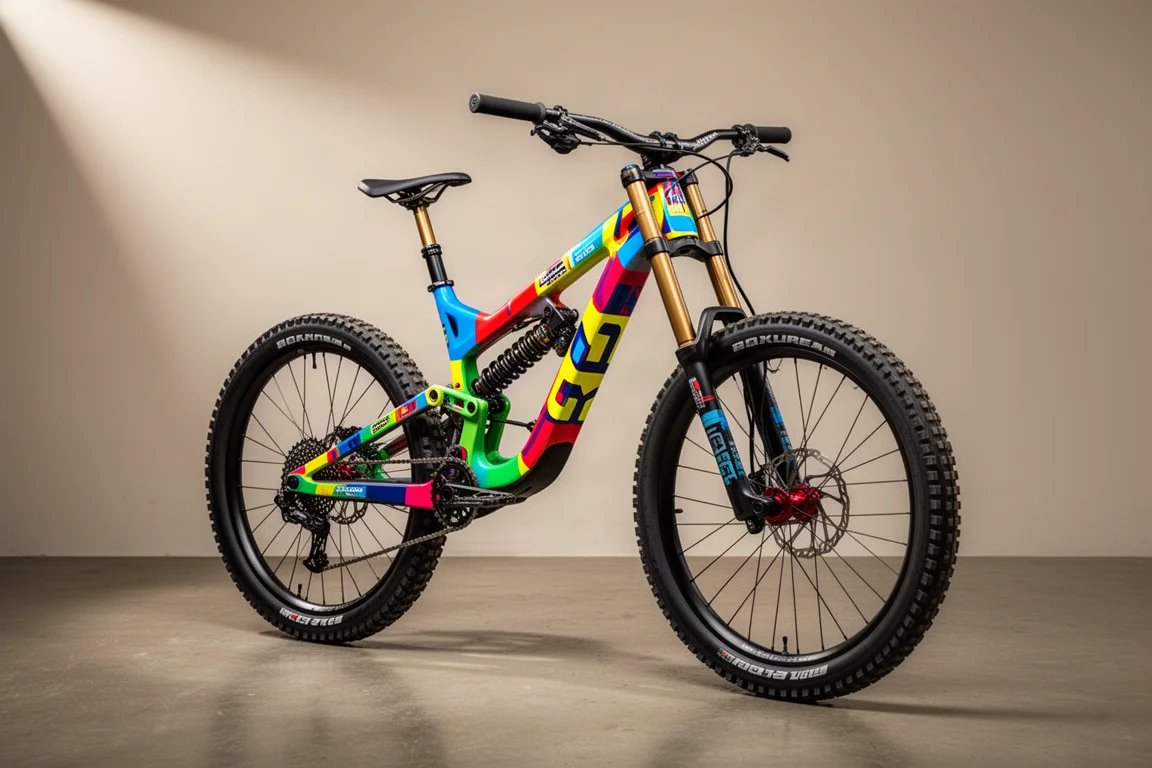
The Saracen Myst is the brand’s downhill race platform, and the latest version has been rebuilt around one clear decision: it is mullet only, running a larger front wheel with a smaller rear wheel. The bike was developed with input from Matt Walker, the 2020 World Cup series winner, and it sits alongside a broader Saracen range that covers downhill, trail and jump bikes.
The change is easy to state and meaningful in practice. The new Myst keeps the character that made the previous bike competitive, then adds a redesigned rear suspension layout, more braking performance for modern race tracks, and a frame built to be tuned quickly between runs.
Who This Bike Is For
This is a downhill race bike first. The mullet layout was chosen after the previous 29-inch setup was raced for a period and then compared against a mixed-wheel configuration. The verdict from the team’s lead rider was immediate: the smaller rear wheel felt like no compromise, with rolling speed that matched a 29-inch bike while giving more room to move on the bike and encouraging a more aggressive riding position.
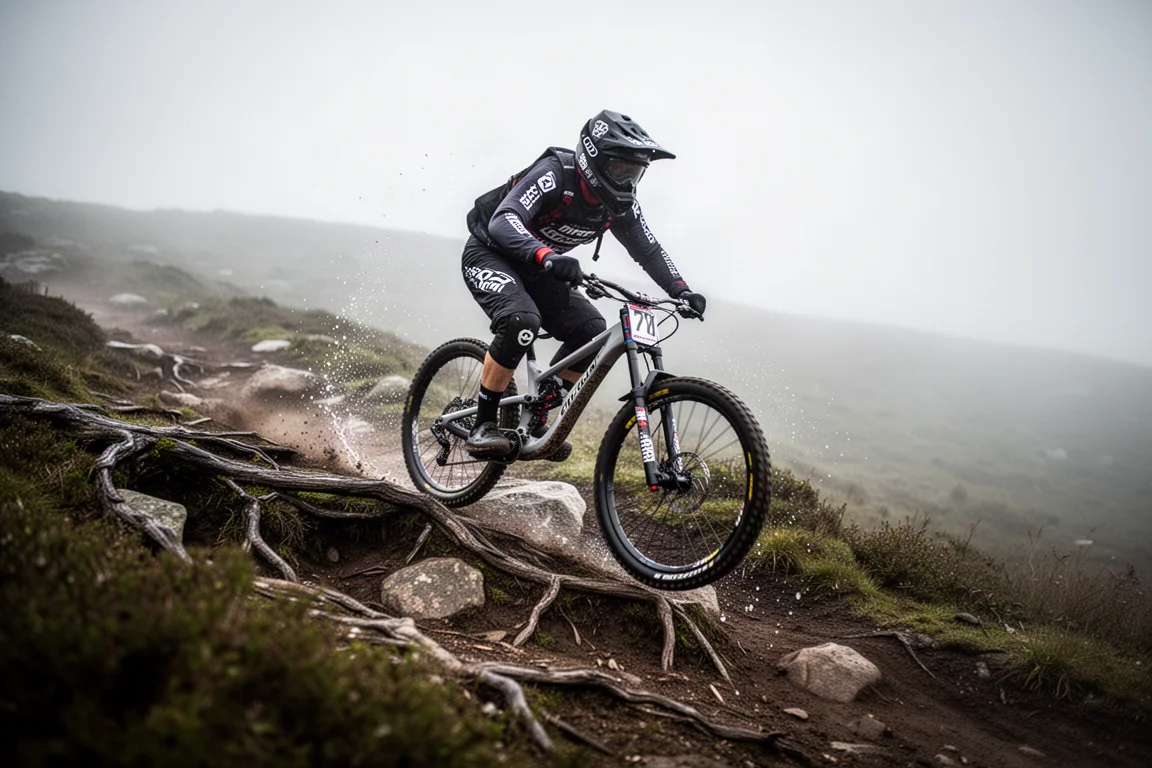
That combination suits riders who want the rollover and stability of a bigger front wheel but prefer the extra clearance, tighter rear end and more forgiving body position that a smaller rear wheel provides. If you race downhill, or ride steep, rough descents where braking stability and rear-wheel freedom matter more than outright rolling speed, the Myst is aimed squarely at you.
Frame and Suspension Development
The previous Myst used a straightforward single pivot with a linkage. The new bike is visibly more complex, and the design process started from a feeling rather than a spreadsheet: what the rider wanted more of, followed by the engineering work needed to deliver it.
Two goals shaped the layout. The first was reducing weight and lowering the centre of gravity. The second was tuneability, with linkage parts that can be swapped quickly and efficiently to change how the bike behaves.
That tuning intent carries through to a small flip chip at the front of the shock, which alters the suspension curve with a focus on mid-stroke support. On a track like Fort William, which is not especially steep and rewards carrying speed, the team runs more mid-stroke support. On a steep track with big holes, such as Val di Sole, the chip goes the other way, giving less mid-stroke support so the bike sits deeper into its travel.
Race Setup Details
The team’s race setup is deliberately firm. The lead rider runs five volume tokens and 93 PSI in the fork, a 525 spring on the rear shock, and body weight of roughly 77 to 78 kilograms. Rebound is fast, because the bike is travelling so quickly and hitting holes so rapidly that the suspension needs to recover fast to keep up. It is a setup built for a full-effort race run, not for a casual lap of local trails.
Compression tuning is handled through the five options offered to factory teams each season. The team currently runs the fourth of those five tunes, which is one step away from the stiffest available.
Wheels are a DT Swiss FR 1500 set built in-house at the factory. Tyres are the Maxxis Minion DHR II, a long-standing favourite that works well at Fort William, where a little rain actually improves the track as the gravel and grit bind together and add grip. A spike tyre is not considered necessary there. When conditions turn very dry, dusty or loose over hardpack, an Assegai on the front becomes the alternative. The setup runs standard tubeless with no inserts, and the rider is clear that a well-sorted suspension setup reduces, though cannot eliminate, the puncture risk on a track as punishing as Fort William.
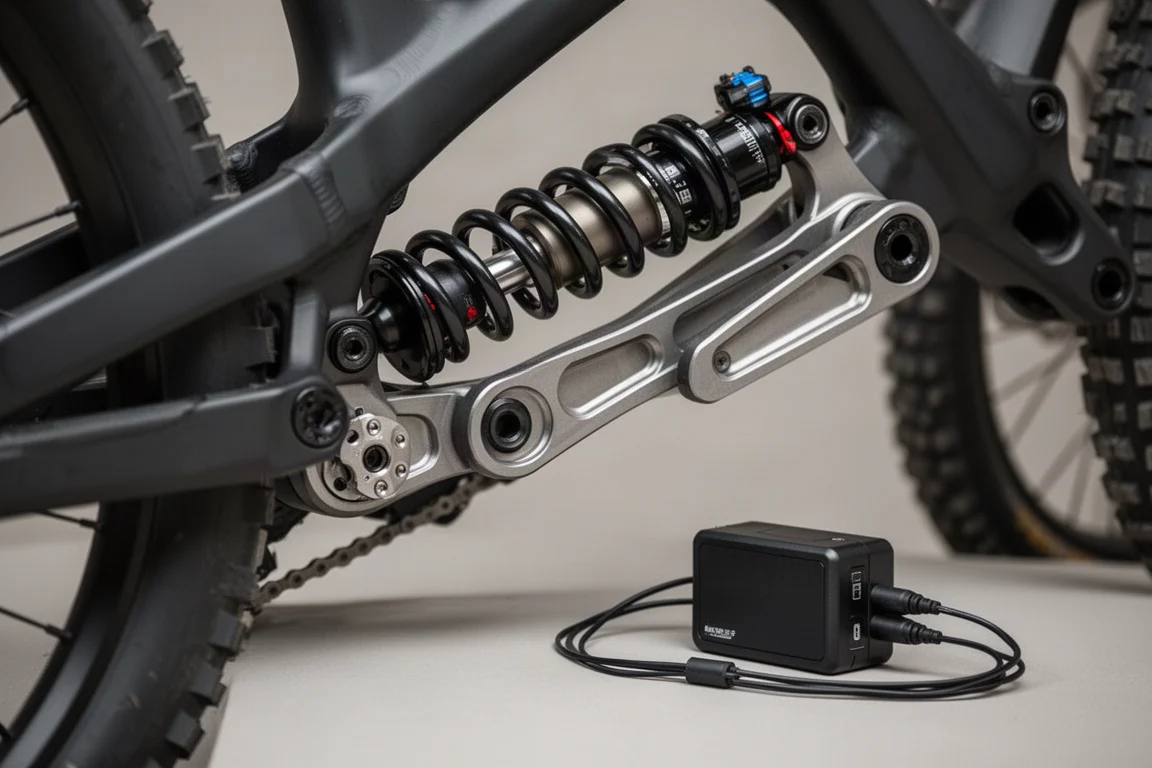
Data collection is a permanent part of the programme. A telemetry system is hard-wired into a port on the front of the down tube, with a box mounted on top and two suspension pots feeding information back. The mechanic reviews the data alongside the rider’s feedback throughout practice, and the system is even run during qualifying, which is the first full-speed effort of the weekend and the best available estimate of what a race run will demand.
Main Strengths
The clearest strength is continuity. The geometry and pedalling efficiency that made the previous Myst so well liked were carried across, so riders stepping onto the new bike should recognise the way it feels and pedals.
Braking was a specific development target, and for good reason. World Cup tracks have become faster and rougher, and the previous bike received significant work in this area. The new frame continues that push.
The mullet-only approach is also a strength rather than a limitation for the right rider, delivering the rolling speed of a bigger front wheel alongside the room and clearance of a smaller rear wheel.
Finally, the suspension platform is genuinely adjustable. Linkage parts can be changed quickly, and the flip chip gives a simple, track-side way to shift mid-stroke support without rebuilding the shock.
Braking, Cockpit, and Contact Points
The race bike runs Shimano XTR brakes rather than the heavier-duty Saint option, and the reasoning is purely about lever feel. The rider is quick to point out that the Saint is an exceptional brake in terms of power and that the XTR setup does not lack power either. The preference comes down to a lever that simply feels better in the hand.
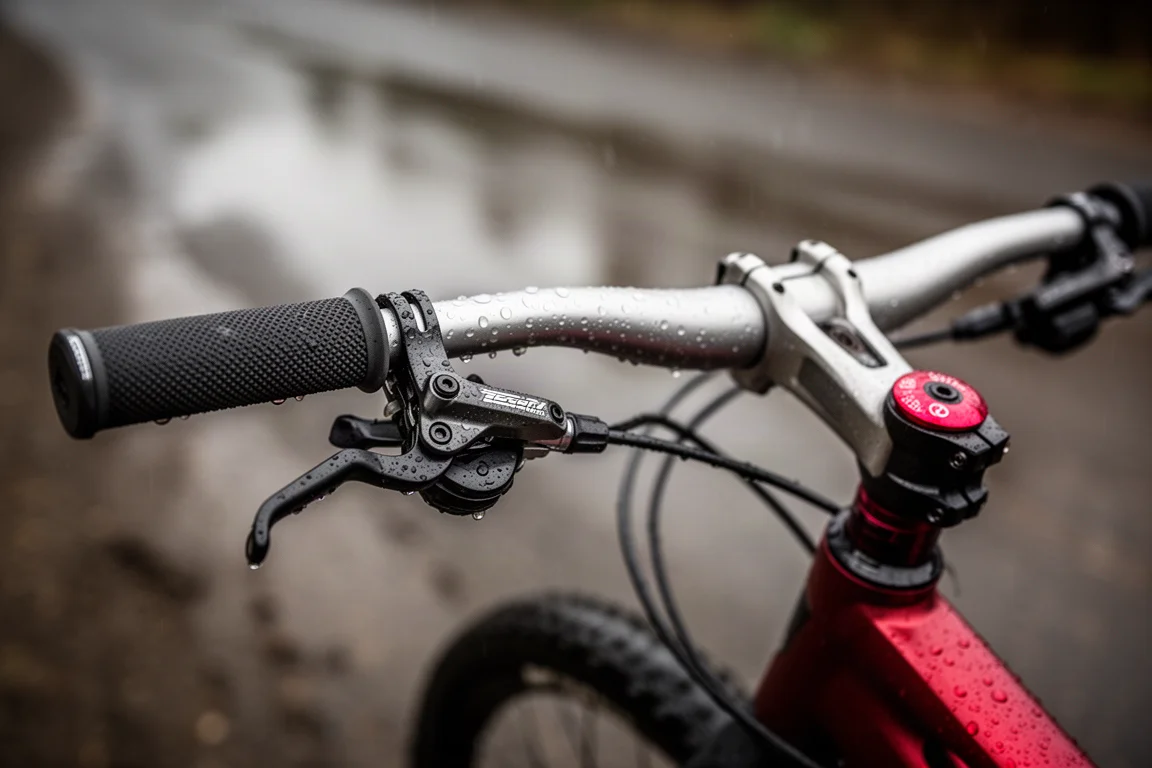
The cockpit uses a ProTaper 35 setup with a 30 mm rise bar at 780 mm wide, a width the rider has kept for years because it feels comfortable. ODI Longneck grips are a long-standing choice thanks to consistent performance in both wet and dry conditions. Stack height is moderate rather than extreme, sitting slightly below what is typical in the race paddock.
At the pedals, Shimano Saint units have been used for an entire career without issue. Cleat tension is set as tight as it will go, with a couple of clicks backed off only while a new cleat beds in, giving a very firm, ski-binding-like connection.
Things to Consider Before Buying
The first consideration is the wheel format. The new Myst is mullet only, so riders who prefer a full 29-inch setup, or who want to run matched wheels, will need to look elsewhere.
The second is the bike’s focus. The setup described here is a World Cup race setup: very firm, with fast rebound. On local trails or a casual bike park lap, that kind of tune would feel harsh, and the rider is upfront that most people would dislike it. The production bike ships with its own settings, but the platform is clearly built around race pace on rough, fast tracks rather than all-day comfort.
Punctures are another honest reality. Fort William is famously hard on tyres and wheels, and while good suspension setup helps, damage is difficult to prevent entirely. Riders who ride similarly aggressive terrain should budget for tyres and rims as consumables.
Buying Advice
If you race downhill or ride steep, demanding descents and want a bike developed with direct World Cup feedback, the Myst makes a strong case. The mullet layout, the tuneable linkage and the flip chip all give you room to shape the bike around your terrain rather than adapting your riding to a fixed setup.
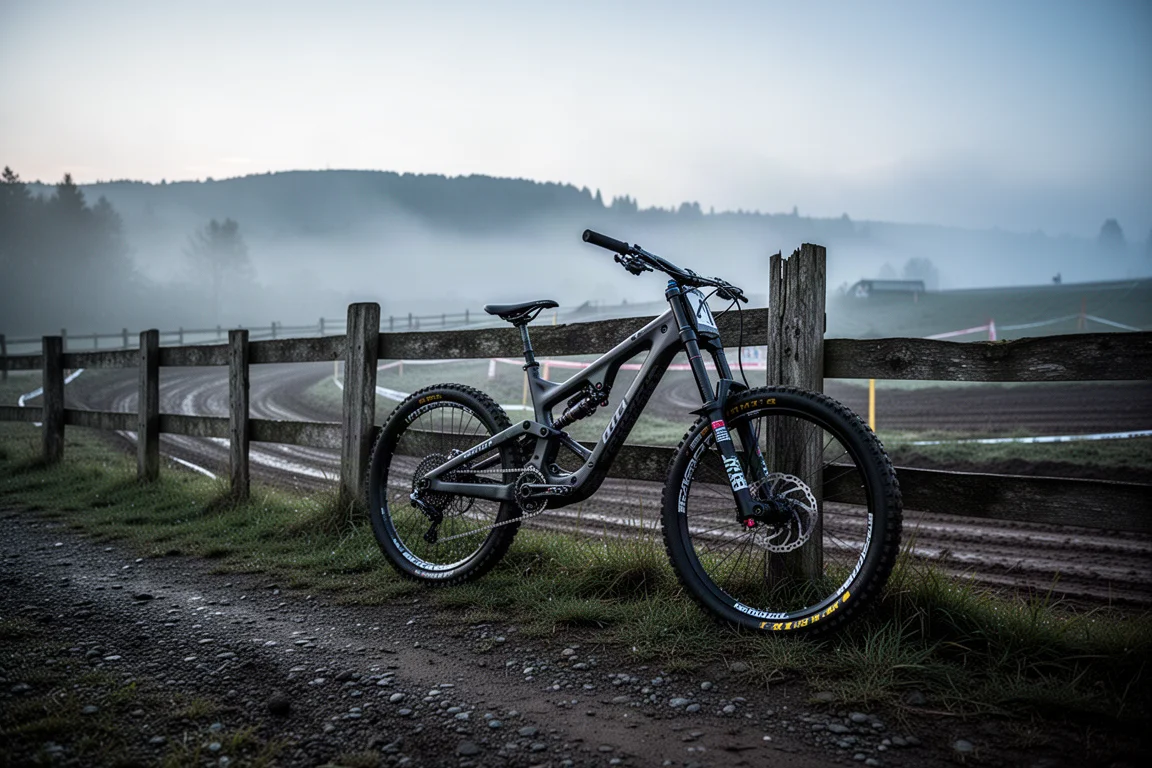
Think about the tracks you actually ride before committing. If your local terrain is steep and holey, the ability to dial back mid-stroke support and let the bike sit into its travel is a genuine advantage. If you spend most of your time on faster, less steep trails where carrying speed is the priority, the more supportive setting is the one you will live in.
Because the Myst is a specialist race machine, it is worth confirming current pricing, frame options, sizes and availability with a Saracen dealer before ordering, and asking how the stock suspension setup compares with the firm race tune described here.
Conclusion
The Saracen Myst is a focused downhill bike with a clear point of view. Going mullet only was a deliberate choice made after real comparison, and the surrounding changes, a more sophisticated rear suspension layout, a mid-stroke flip chip, quick-swap linkage parts and a stronger braking package, all point in the same direction.
It rewards riders who want a race bike they can tune, and it asks them to accept that the platform is built for speed over comfort. For the right rider on the right tracks, that trade is exactly the point.
Product link
View more details for Saracen Myst
This product is mentioned in the review. Check the specifications, options, and compatibility before buying.
View more details for Saracen MystFurther reading
Related Reviews
Road Bikes
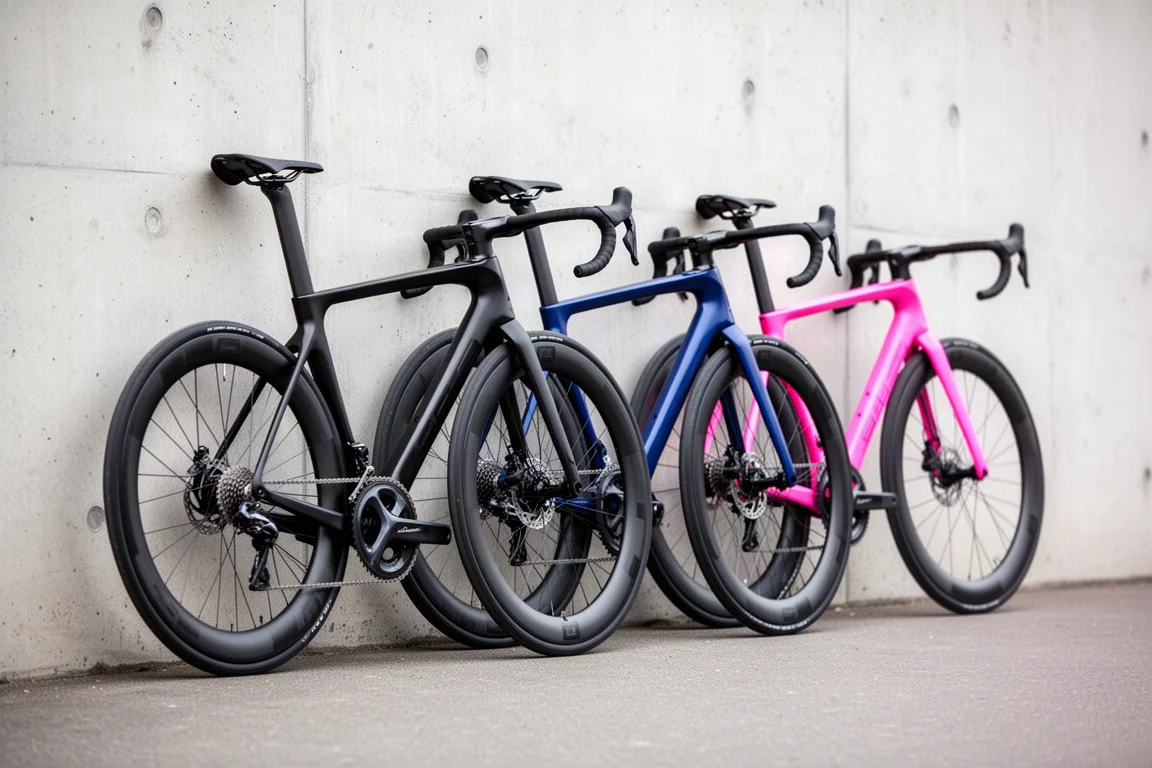
2026 Tour de France Road Bikes: Six Race Machines Worth a Closer Look
Six race bikes from the 2026 Tour de France grid, reviewed for paint, silhouette, wheels and the specification details that matter to buyers.
Road Bikes
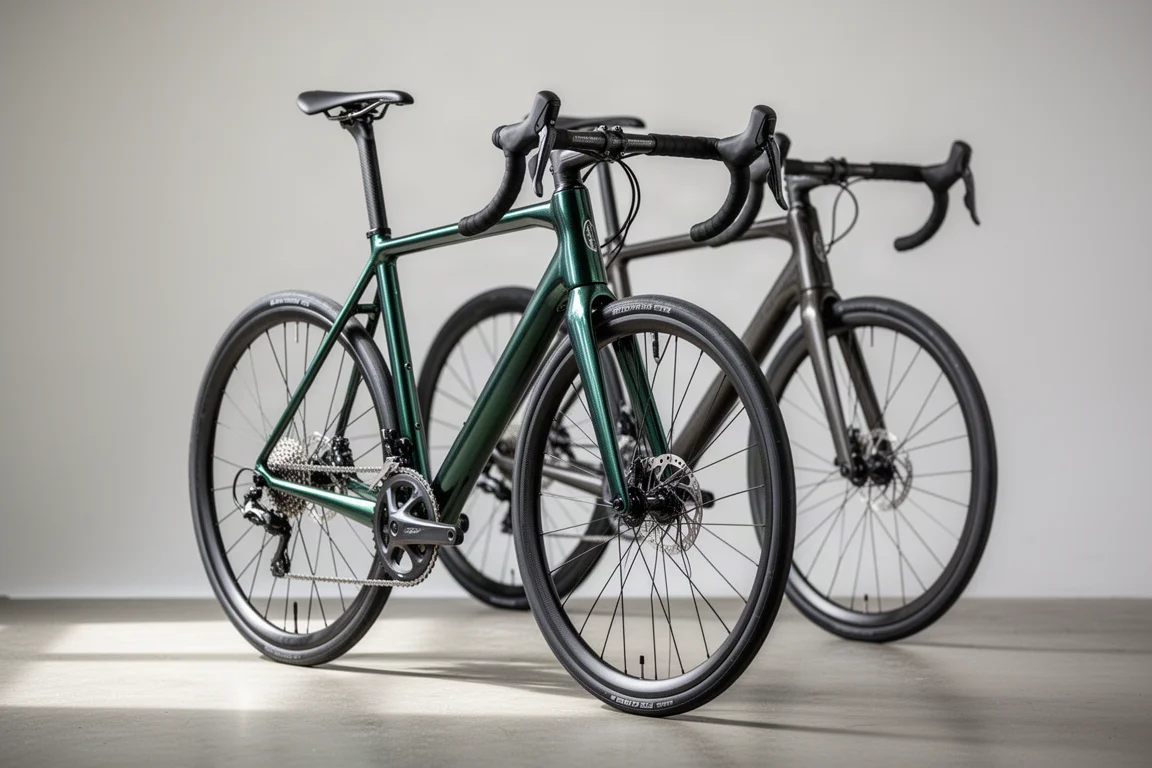
Aluminum vs Carbon Road Bikes: Trek Emonda ALR 5 and Rivals Compared
The Trek Emonda ALR 5 sits roughly 150 grams above its carbon sibling while costing far less. Here is how it compares with three rival aluminum race bikes.
Aero Road Bikes
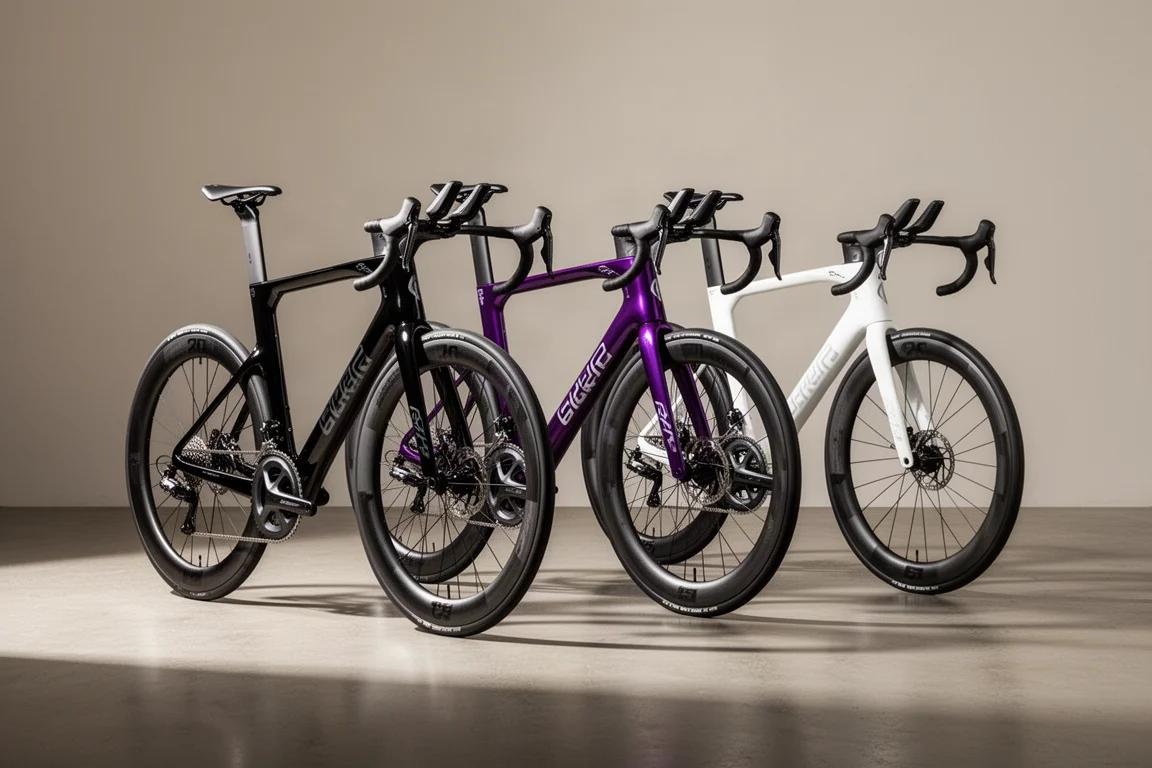
Best Aero Road Bikes 2025: Five Race-Proven Platforms
Five aero road bikes that shaped the category, from a team favourite with a distinctive front end to designs that blur the line between aero and all-round race machines.