Road Bikes
Aluminum vs Carbon Road Bikes: Trek Emonda ALR 5 and Rivals Compared
The Trek Emonda ALR 5 sits roughly 150 grams above its carbon sibling while costing far less. Here is how it compares with three rival aluminum race bikes.
Introduction
For years the received wisdom in road cycling has been simple: carbon is lighter, stiffer and faster, and aluminum is the compromise you accept while saving up. The Trek Emonda ALR 5 makes that assumption much harder to defend.
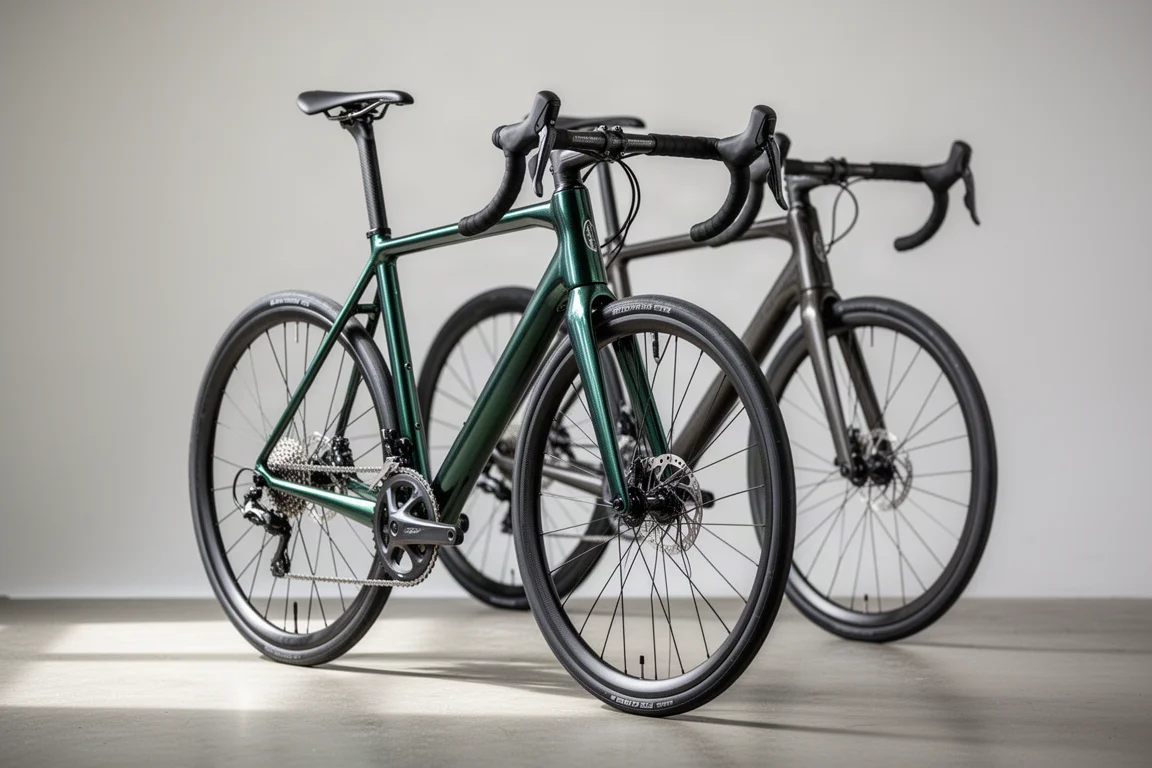
Trek’s entry point into its lightweight all-round climbing platform pairs a hydroformed aluminum frame with a carbon fork. The claimed frameset weight is 1,663 grams for frame and fork together, only 34 grams more than the carbon Emonda SL frameset. A complete size 56 Emonda ALR 5 weighs just over 9 kilograms, roughly 150 grams more than the carbon Emonda SL5, while costing almost a third less.
That is a narrow enough margin to change the whole buying conversation. This guide looks at the Emonda ALR 5 alongside the bikes it competes with most directly: the carbon Emonda SL5, the Specialized Allez Sprint Comp and the Cannondale CAAD13 Disc 105.
What Separates a Good Aluminum Race Bike
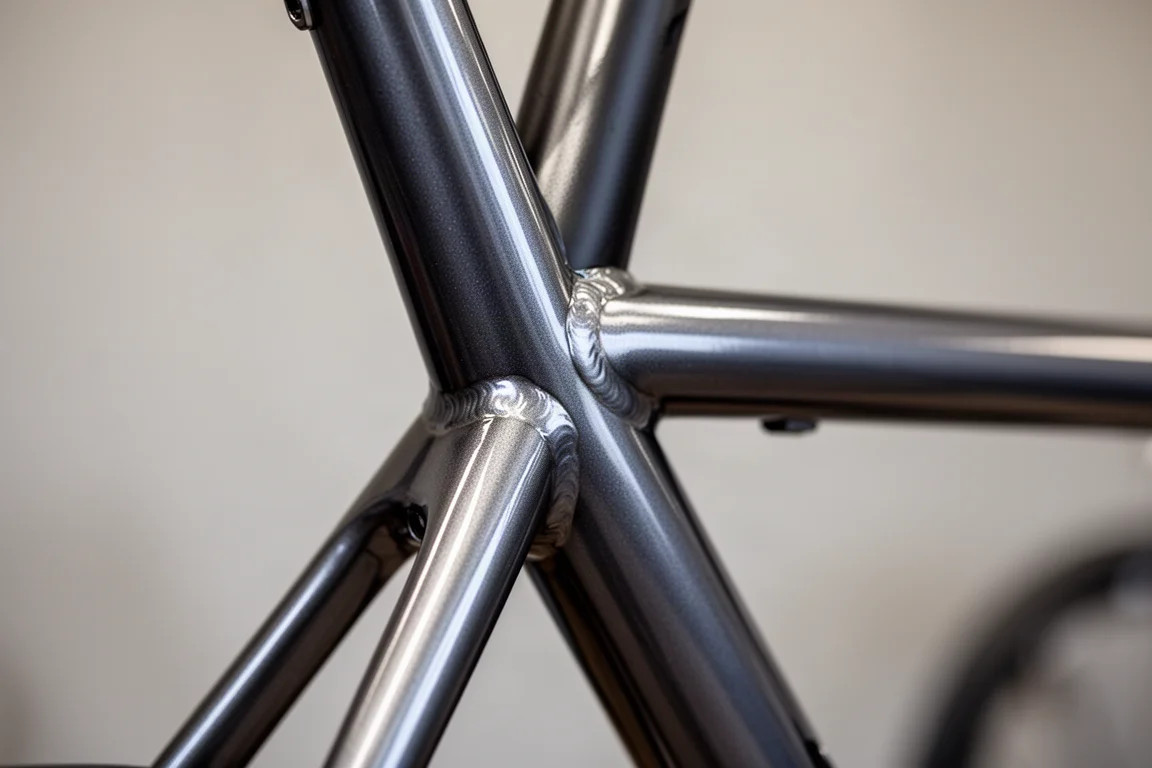
A competitive aluminum race frame has to do three things well: keep weight reasonable, feel stiff under power, and look like a frame worth keeping. The Emonda ALR manages all three. The welds are clean, with visible joints around the rear dropouts and much subtler work around the head tube, and the overall finish reads as premium rather than budget.
Trek has also borrowed aerodynamic shaping from higher up the range. The down tube and fork use truncated aero profiles, and the cables run fully internally through the upper headset bearing, which Trek claims reduces drag. Notably, Trek has not published wind tunnel figures to back that up, and for most riders the practical difference will be small either way. What matters more is that the internal routing does not restrict front-end adjustment.
That last point is worth dwelling on. A round steerer, a standard 27.2 millimetre seatpost and a non-integrated front end mean the Emonda ALR is easy to fit and easy to modify later. Riders who like to fine-tune their position, or who simply want to swap a stem without special tools, will appreciate the restraint. It is a genuine advantage over fully integrated designs, and one that pays off over years of ownership rather than on a spec sheet.
Trek Emonda ALR 5: Aluminum Value With a Light Frame
The ALR 5 comes with an 11-speed Shimano 105 mechanical groupset and a set of practical, affordable components. In fact, most of the parts list is shared with the carbon Emonda SL5, which costs considerably more. Shifting at the rear is quick and precise, braking and lever ergonomics are excellent, and front shifting is genuinely good for a mechanical setup. Mechanical groupsets are more sensitive to cable stretch and setup, but when dialled in properly, 105 is a reminder that electronic shifting is a preference rather than a requirement.
Gearing is climbing friendly, with 50/34 chainrings paired to an 11-32 cassette and a short cage rear derailleur. A medium cage derailleur would have opened up more cassette options, but for everyday road riding the stock setup covers the ground well.
Geometry uses Trek’s H1.5 fit, which sits between the older, racier H1 and the more relaxed H2. Most riders should be able to dial in either a long, low position or something shorter and more upright. The frameset is offered in eight sizes from 47 to 62 centimetres, which is good news for riders at the extremes of the sizing range.
On the road, the bike is quick to respond and easy to manoeuvre, and the ride quality at the rear is notably smooth despite the basic aluminum seatpost. There are, however, a few areas where the build shows its price. The Bontrager Verse Comp saddle is heavily padded and not especially comfortable over longer distances, and the low-end Bontrager tyres feel sluggish when you push the pace. The Bontrager Paradigm SL rims have a usefully wide 21 millimetre internal width and are tubeless ready, but the wheelset as a whole is heavy.
Trek Emonda SL5: The Carbon Step Up
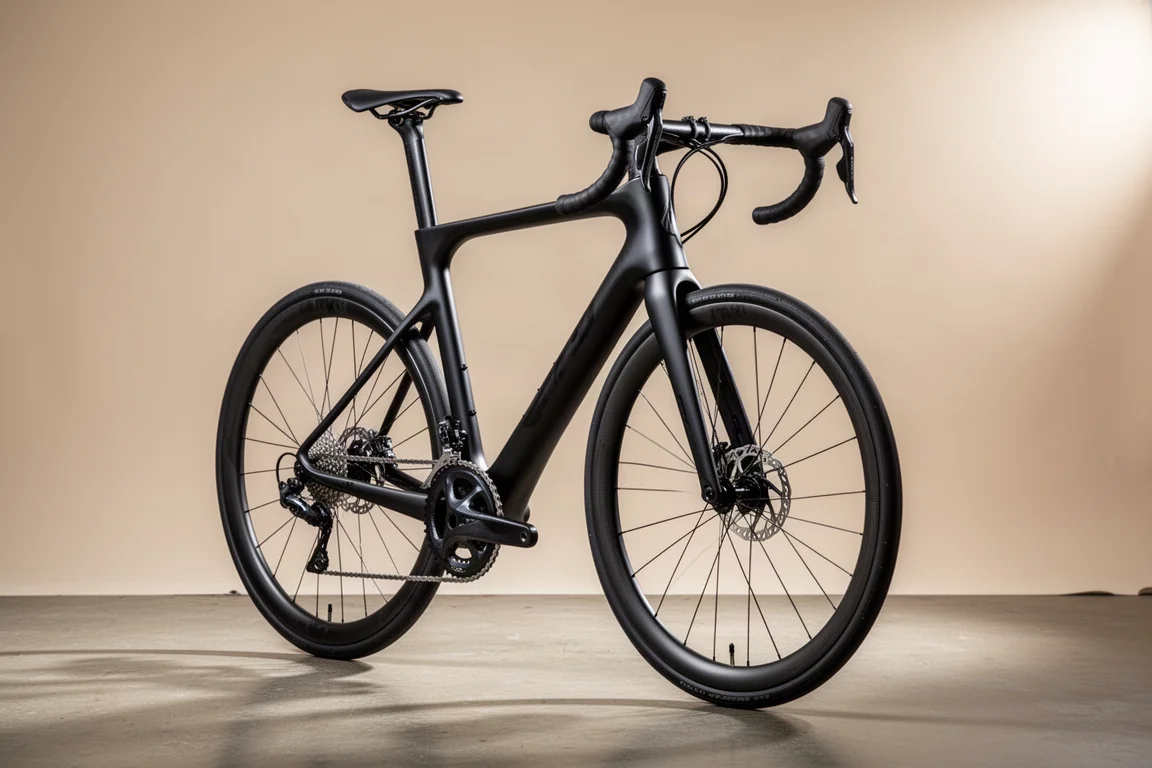
The Emonda SL5 is the carbon counterpart, and it shares an almost identical component list with the ALR 5. The difference is the frame material and the roughly 150 grams it saves on total bike weight. Its carbon frameset is 34 grams lighter than the aluminum one, and the complete bike sits at a noticeably higher price.

What the SL5 does not change is the riding position or the overall character of the bike. Both models use the same H1.5 geometry and much of the same finishing kit, so the choice between them comes down to weight, budget and material preference rather than fit or handling.
Specialized Allez Sprint Comp: Sharper Handling
The Allez Sprint Comp is the most race-focused aluminum bike in this comparison. Its geometry is slightly more aggressive than the Emonda ALR’s, with a touch less trail to speed up front-end handling and a lower, longer riding position. The frame is also a little more aero-optimised.
It sits in the same overall weight class as the Emonda ALR 5, which means the differences come down to feel rather than numbers. The Allez Sprint feels the racier of the two, quicker to turn in and more eager under hard efforts, at the cost of some everyday comfort.
As with most bikes at this price, the stock build is not flawless, and a quality frameset paired with less inspiring components is a common pattern unless you buy direct from a brand. That is worth factoring in when comparing complete bikes rather than frames.
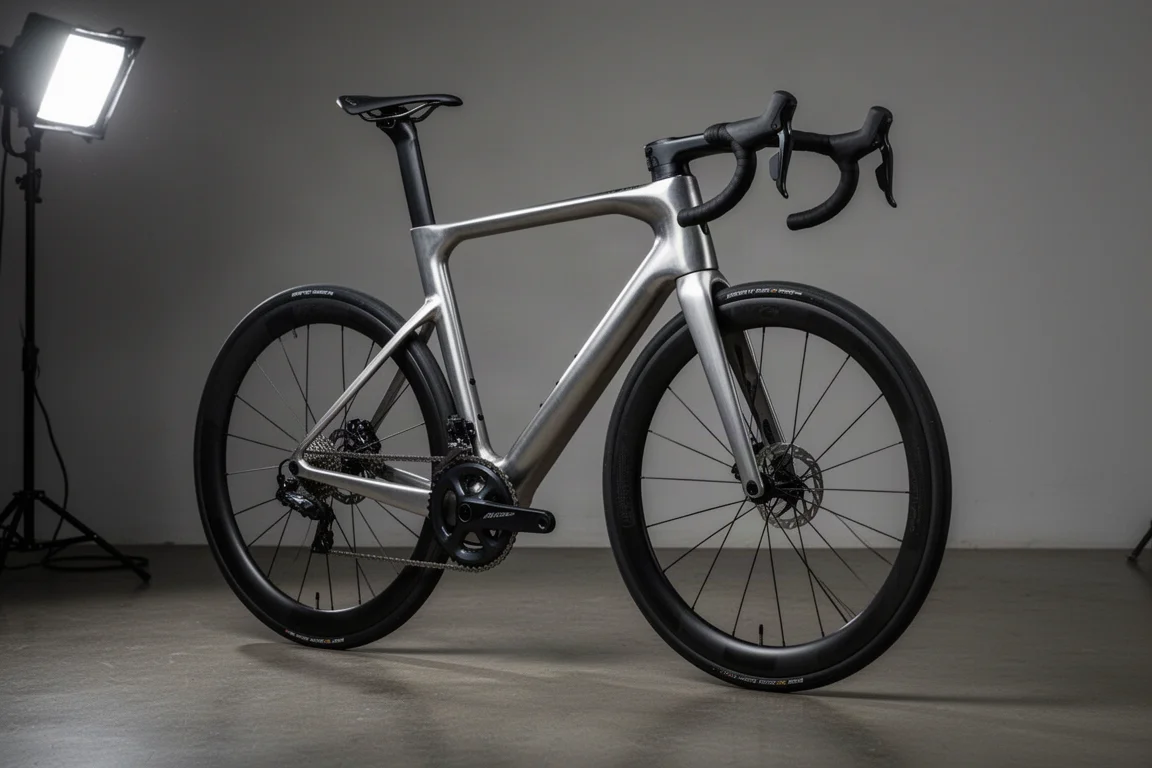
Cannondale CAAD13 Disc 105: Traditional Simplicity
The CAAD13 Disc 105 takes a more conventional approach. It has a traditional silhouette and, importantly, does not route its cables fully internally. For riders who service their own bikes or simply prefer not to deal with routing through the headset, that is a genuine advantage rather than a shortcoming.
In weight terms it is competitive with the Emonda ALR 5, so the decision between them is about character and maintenance rather than performance on paper. The CAAD13 is the choice for riders who want a fast aluminum frame without the modern integration that can complicate ownership.
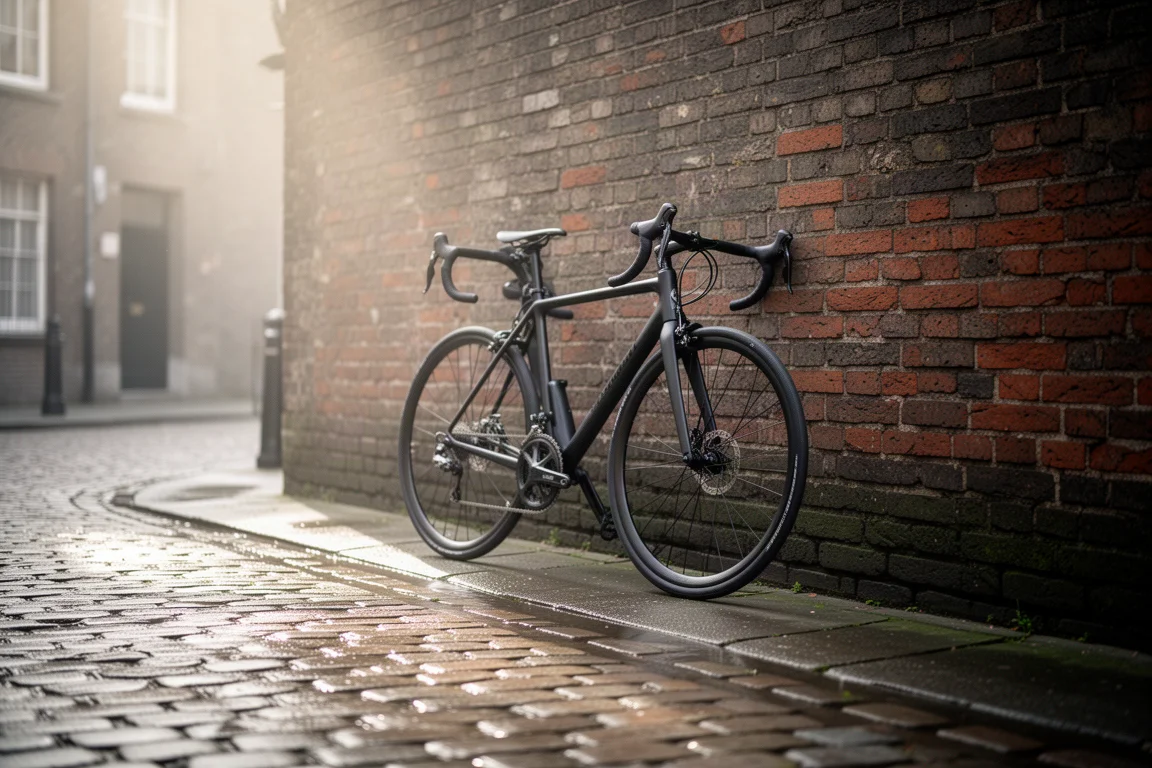
Comparing the three aluminum options side by side, there is very little to separate them in outright pace. The Allez Sprint leans racier, the Emonda ALR sits in the middle with a marginally more relaxed personality, and the CAAD13 prioritises simplicity. None of them gives away much to a carbon frame at a comparable price.
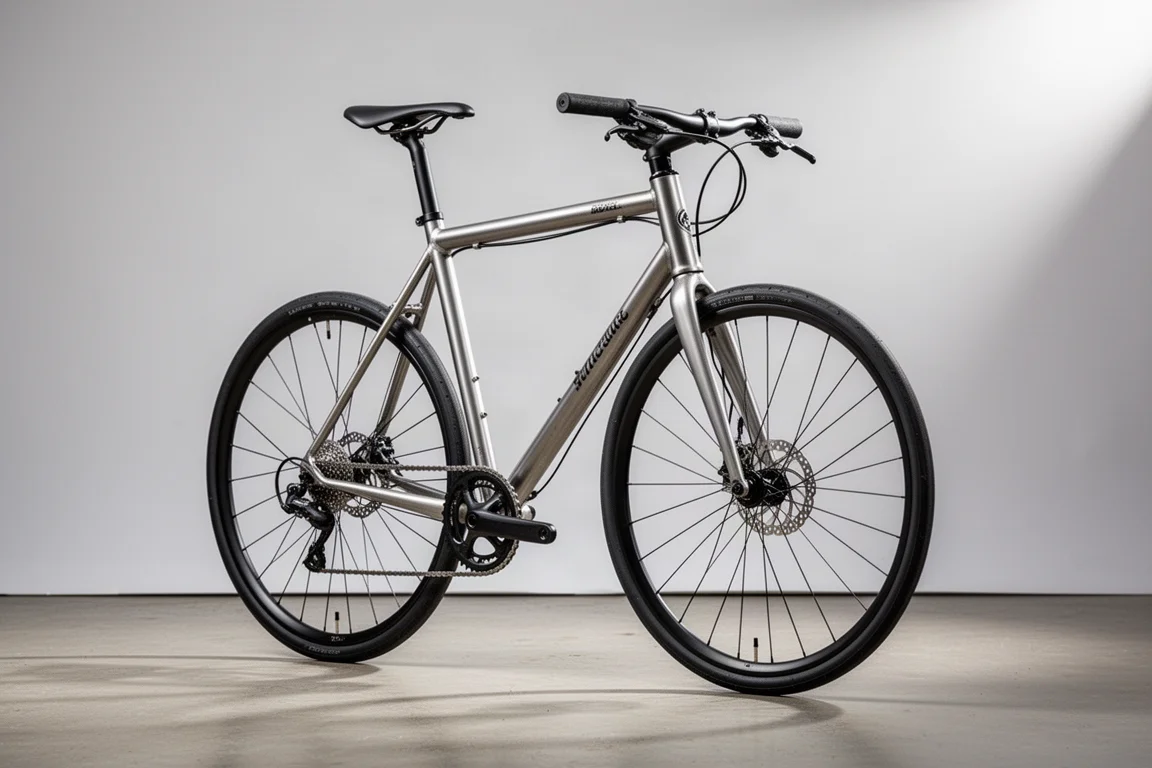
Upgrades and Long-Term Ownership
If you buy the Emonda ALR 5, the sensible order of upgrades is straightforward. Tyres come first: the stock Bontrager rubber holds the bike back more than anything else, and a better set of road tyres will sharpen the feel immediately. Next is the saddle, which is a personal choice but worth changing if the standard padded model does not suit you.
Wheels are the bigger investment. The stock wheelset is heavy, and a lighter set, whether aero aluminum or carbon, would change the bike’s character noticeably. Lighter aero aluminum wheelsets are available at more accessible prices, and they are a reasonable middle path between keeping the stock wheels and committing to carbon.
The good news is that the frameset is worth building around. With a round steerer, a standard seatpost diameter and no proprietary front end, the Emonda ALR is a platform you can upgrade gradually rather than replace wholesale.
Buying Advice
The Trek Emonda ALR 5 is the most affordable route into Trek’s lightweight climbing platform, and the weight penalty against its carbon sibling is small enough to be largely academic for most riders. If you want that platform and would rather spend the saved money on better tyres and wheels, the ALR 5 is the logical pick.
The Emonda SL5 makes sense if the weight saving matters to you and the higher price is not a barrier, since the components are effectively the same. The Allez Sprint Comp is the better choice for riders who want sharper, more aggressive handling and a slightly more aero frame. The CAAD13 Disc 105 suits anyone who prefers traditional cable routing and simpler home maintenance. All four are close enough in performance that fit, feel and the upgrade path should decide it.
Conclusion
Aluminum race bikes have closed most of the gap to carbon, and the Trek Emonda ALR 5 is the clearest example. It weighs roughly 150 grams more than the carbon Emonda SL5, carries the same groupset and geometry, and costs substantially less. The Specialized Allez Sprint Comp brings a racier edge, and the Cannondale CAAD13 Disc 105 keeps things simple and traditional.
The right answer depends on what you value: the lowest cost of entry to a proven platform, the small weight advantage of carbon, sharper handling, or easier maintenance. On the evidence available, aluminum deserves a place in that conversation rather than a footnote.
Further reading
Related Reviews

Road Bikes
10 New Road Bikes Worth Watching: Aero, Titanium, Steel and Endurance Standouts
A practical roundup of 10 new road bikes, from aero flagships chasing single-watt gains to titanium, steel and endurance platforms built for real roads.
Road Bikes
2026 Tour de France Road Bikes: Six Race Machines Worth a Closer Look
Six race bikes from the 2026 Tour de France grid, reviewed for paint, silhouette, wheels and the specification details that matter to buyers.
Road Bikes
3T Strada Italia Review: A Radical Aero Road Bike That Rides Smooth
A made in Italy carbon aero road bike with a deep head tube, wide tire clearance and a genuinely comfortable ride. Here is what to know before buying.