Road Bikes
2026 Tour de France Road Bikes: Six Race Machines Worth a Closer Look
Six race bikes from the 2026 Tour de France grid, reviewed for paint, silhouette, wheels and the specification details that matter to buyers.
Introduction
The 2026 Tour de France start list works as a snapshot of the modern road race market. Six bikes on this year’s grid are worth a closer look, not for their results, but for what they reveal about paint, silhouette, wheels and the small specification choices that owners live with long after the race is over.
Some of them are genuinely striking. Others are the kind of machine you only notice once someone points out the details. Both types matter if you are shopping for a race bike, because the same decisions that make a frame look anonymous in a bunch can also make it easier to live with day to day.
What to Look For in a Modern Race Bike
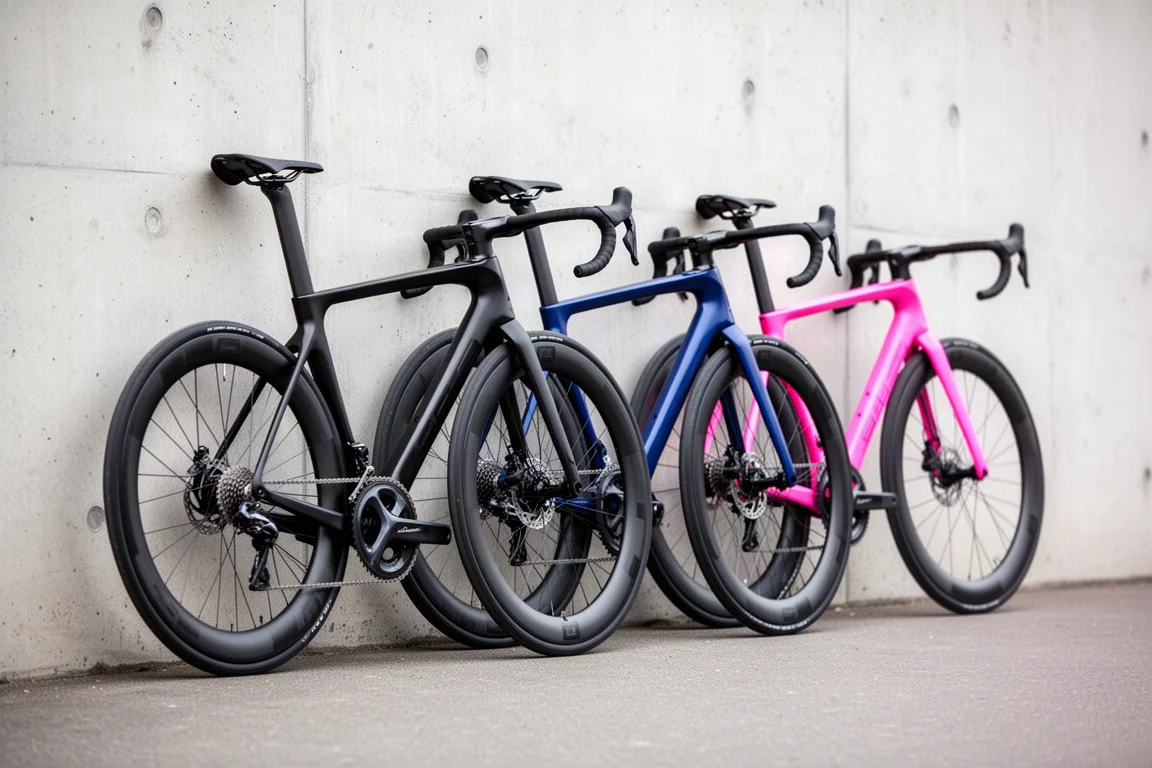
Paint is the first thing most riders react to, and it is also the cheapest thing for a brand to change. A strong colour scheme does a lot of work in a group, where a black frame disappears and a bright one stays legible from a distance. Several teams also match their frames to their kit, which reads well in photographs but leaves buyers with a look tied to one specific season.
Wheels are the second variable, and often the most divisive. Deep rims with bold graphics add character, while plain black rims tend to age better and are easier to swap if your taste changes later.
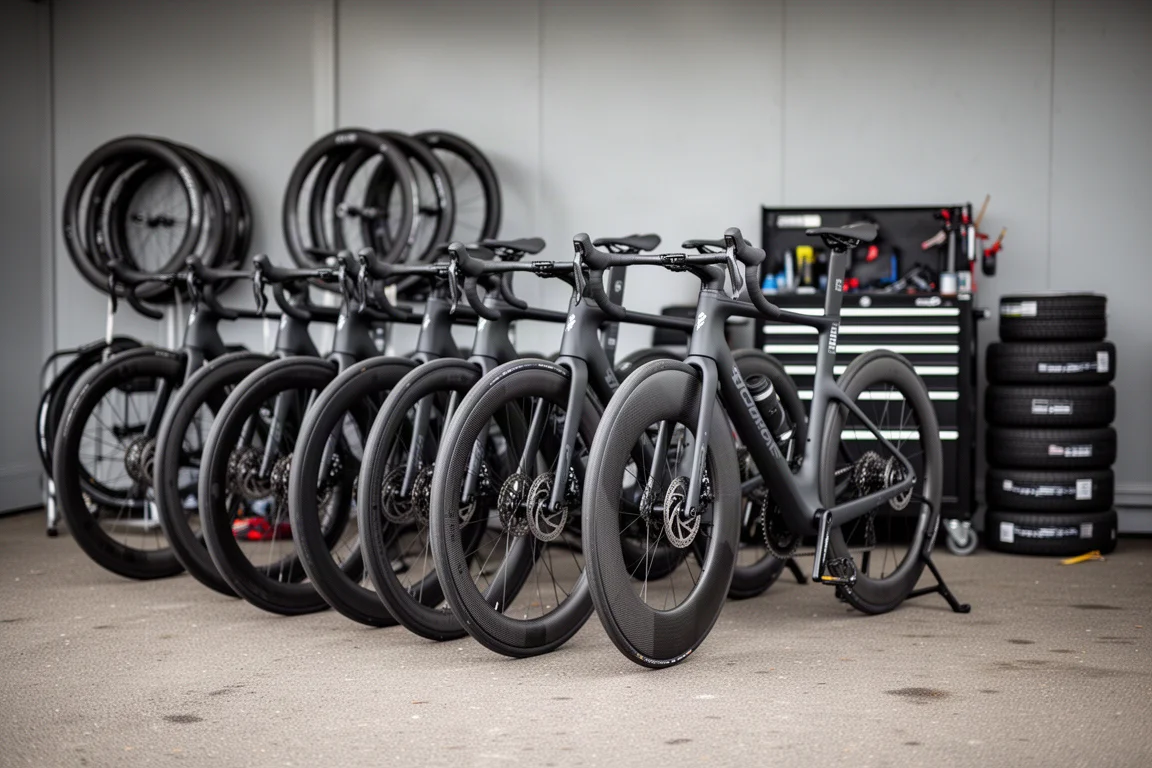
The third consideration is the cockpit and the frame’s overall approach. A bike should either commit to aerodynamics or commit to slim, classic tube shapes. The awkward middle ground, where a frame is neither, is what makes some of these machines feel forgettable.
Canyon Aeroad
Canyon supplies the Aeroad to more than one team on the grid, including Alpecin-Fenix in a near-black finish and Movistar in a very dark blue that reads almost black at a distance. Canyon’s own marketing describes the Aeroad as the fastest bike in the race, a claim every brand in this category makes in some form, so it is best treated as positioning rather than proof.
The finish is more interesting than the colour suggests, with a mottled, textured surface that catches light differently across the frame. The one specification worth checking carefully is the cockpit: Canyon offers a handlebar that can be adjusted in width, but it is not fitted to every build, so confirm which bar ships with the exact model you are considering.
Wilier Filante
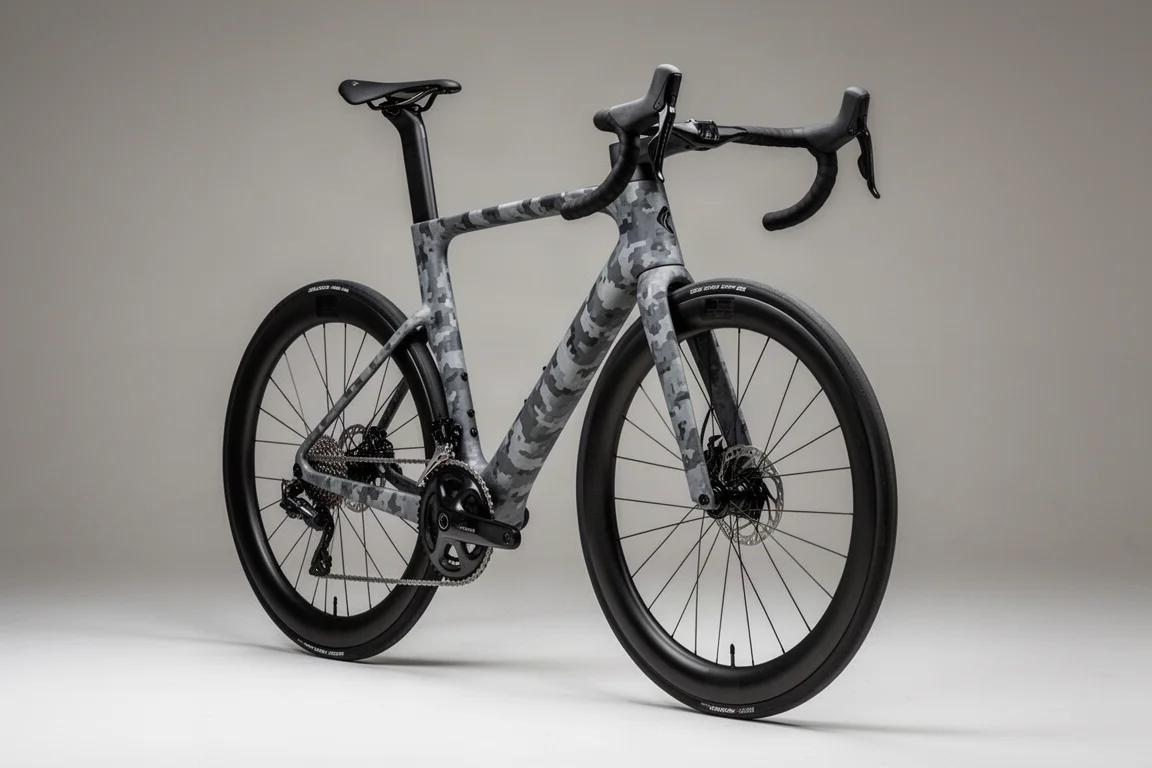
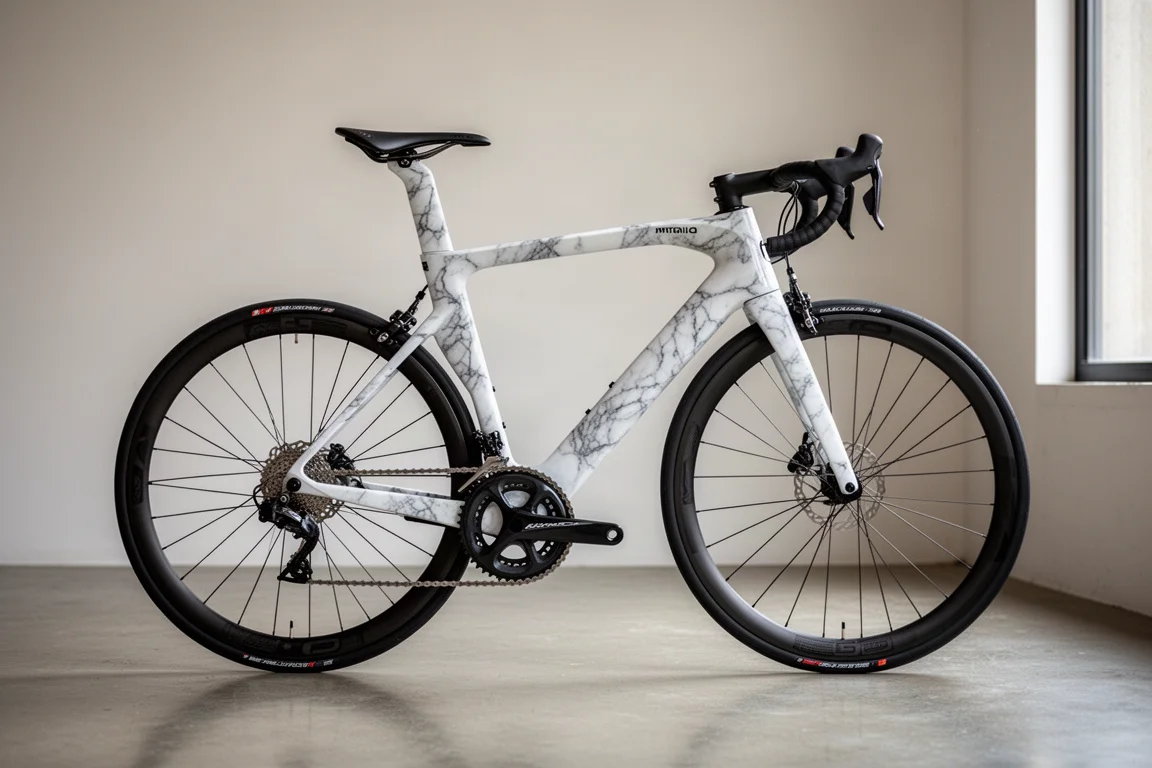
Wilier’s new Filante is one of the more distinctive frames in the race. The brand’s logo is among the better ones in the peloton, and the frame itself holds up to a second look rather than relying on colour alone to carry it.
The wheels are the point of contention. They use a bold graphic treatment that reads as playful rather than technical, and they will either make the bike for you or push you towards a swap. Everything else about the build is tidy, and the frame alone is arguably worth the price of entry.
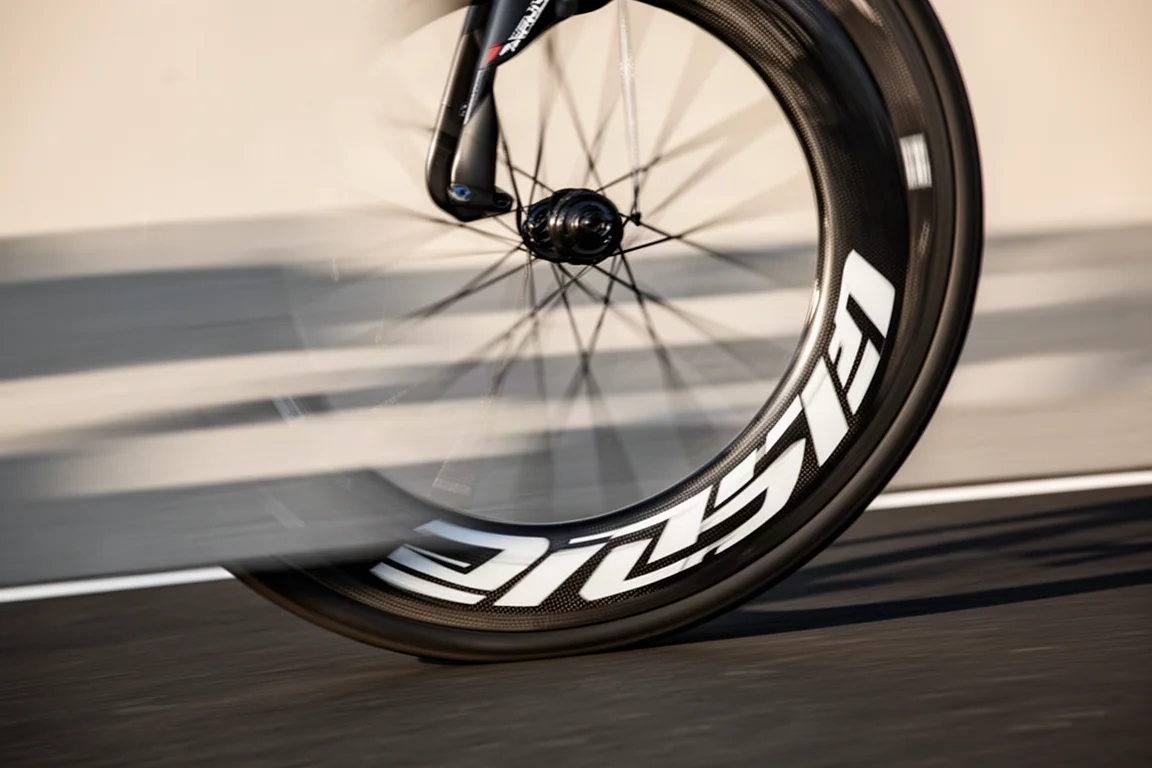
Riders who want a bike that stands apart from a sea of black frames will find more to like here than a spec sheet suggests, and changing wheels later is a straightforward way to alter the bike’s whole character.
Trek Madone Generation 8
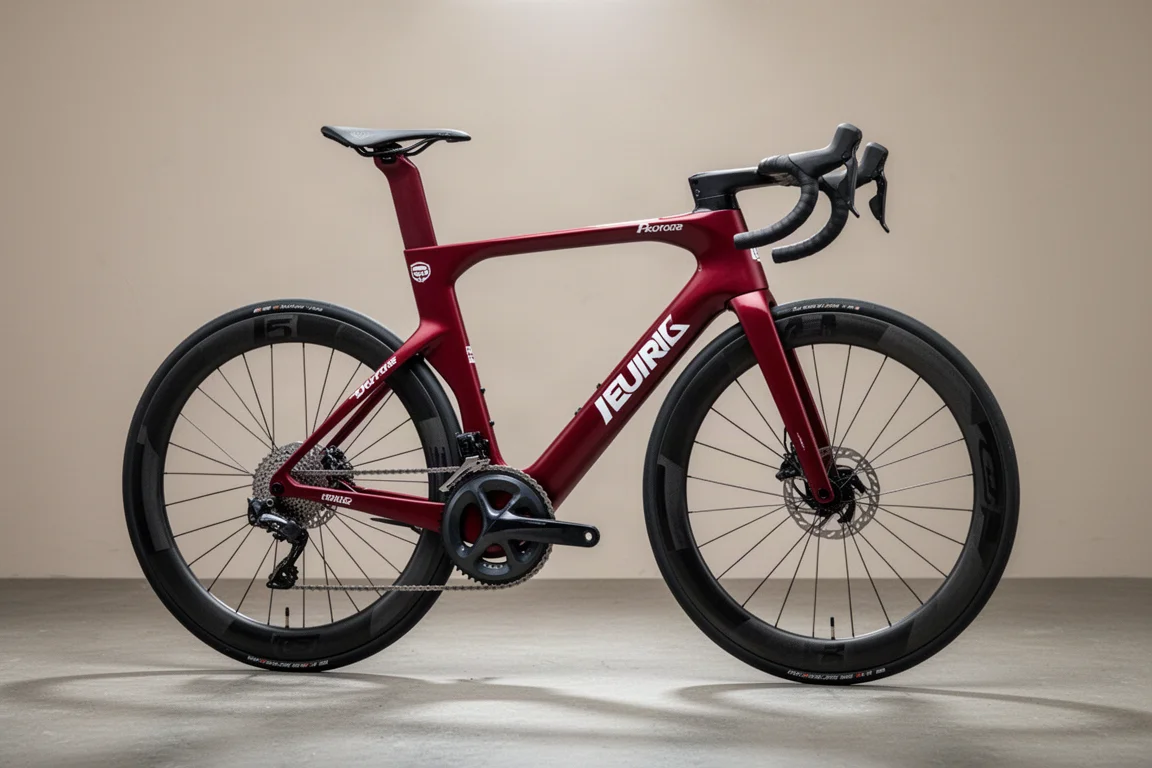
Trek’s Madone has been through a lot of iterations, and the current generation keeps the rear cutout that has defined the last few versions. It is a polarising detail: it gives the bike a technical, wind-cheating look, and it is the first thing people point out when they see it.
The paint does the rest of the work. Trek has leaned into strong primary colours, and the frame ties closely to the team kit. In a bunch, that combination makes the bike easy to spot, and it holds up better in photographs than yet another matte black machine.
Orbea Aero M10i
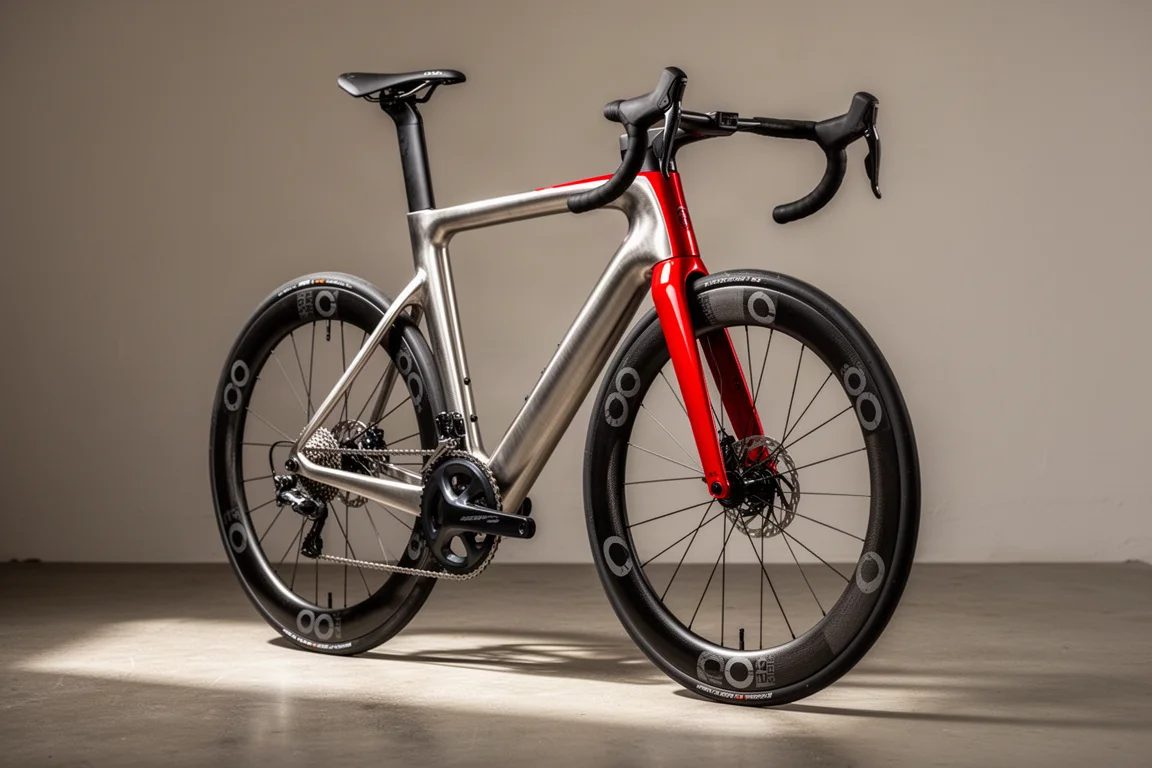
Orbea’s aero platform stands out for its finish rather than its shape. The frame mixes a brushed metal look with a glossier red, so it reads as expensive without shouting about it. The wheels carry circular graphics that split opinion: they add creativity to an otherwise restrained frame, and they are the first thing you would change if you wanted a quieter build.
It is worth noting that Orbea also offers a non-aero model with slim tube shapes, which many riders consider the better-looking bike in the range. If you are drawn to the brand but not to aero silhouettes, that is the one to look at.
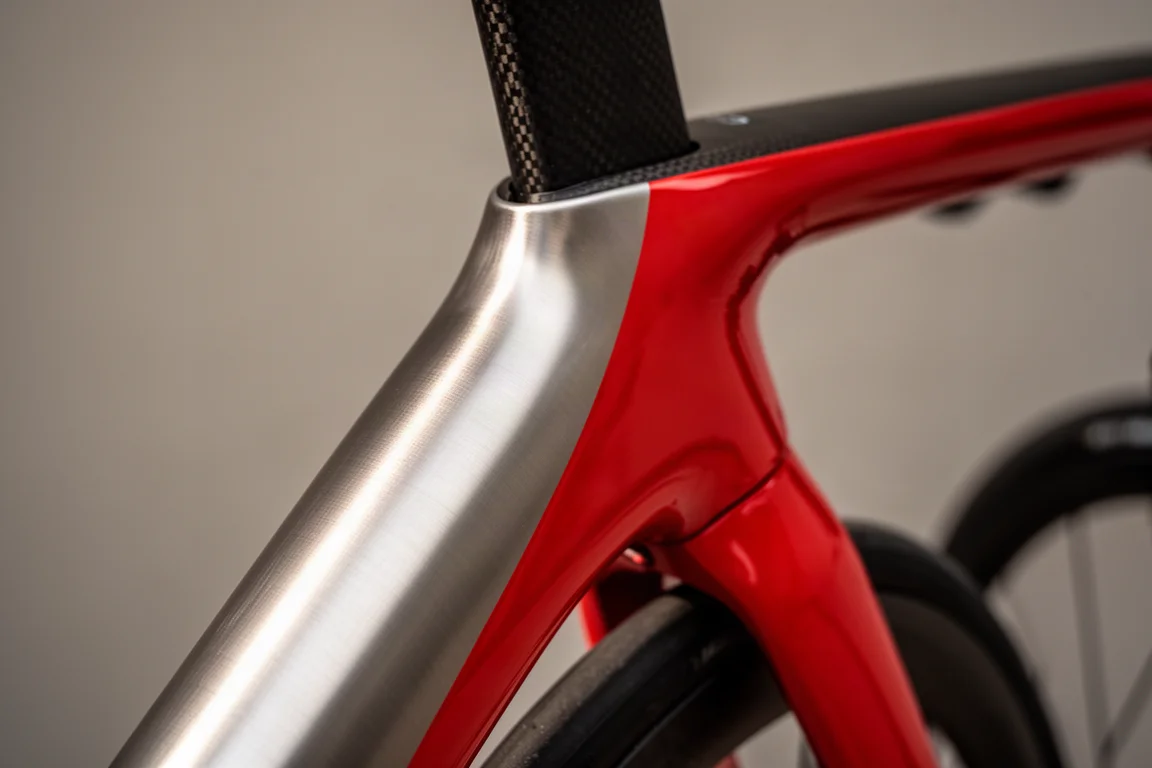
The Aero M10i makes most sense for riders who want the aero profile but still want a frame that looks different from the standard black race bike.
Scott Foil
The Scott Foil arrives in black and white, and that is essentially the whole story. It is a clean, unfussy design, but it is also the least visually distinctive bike on this list, and that matters when the Tour de France is a brand’s biggest shop window.
There is a reasonable argument for the approach. Brands sell far more of the plain black version than the wild one-off paint jobs, so the bike that reaches customers is often the one that disappears in a group. That logic does not make the Foil more exciting to look at, and the price asked for this level of finish is hard to justify when the frame offers so little to catch the eye.
Look 795 Blade RS
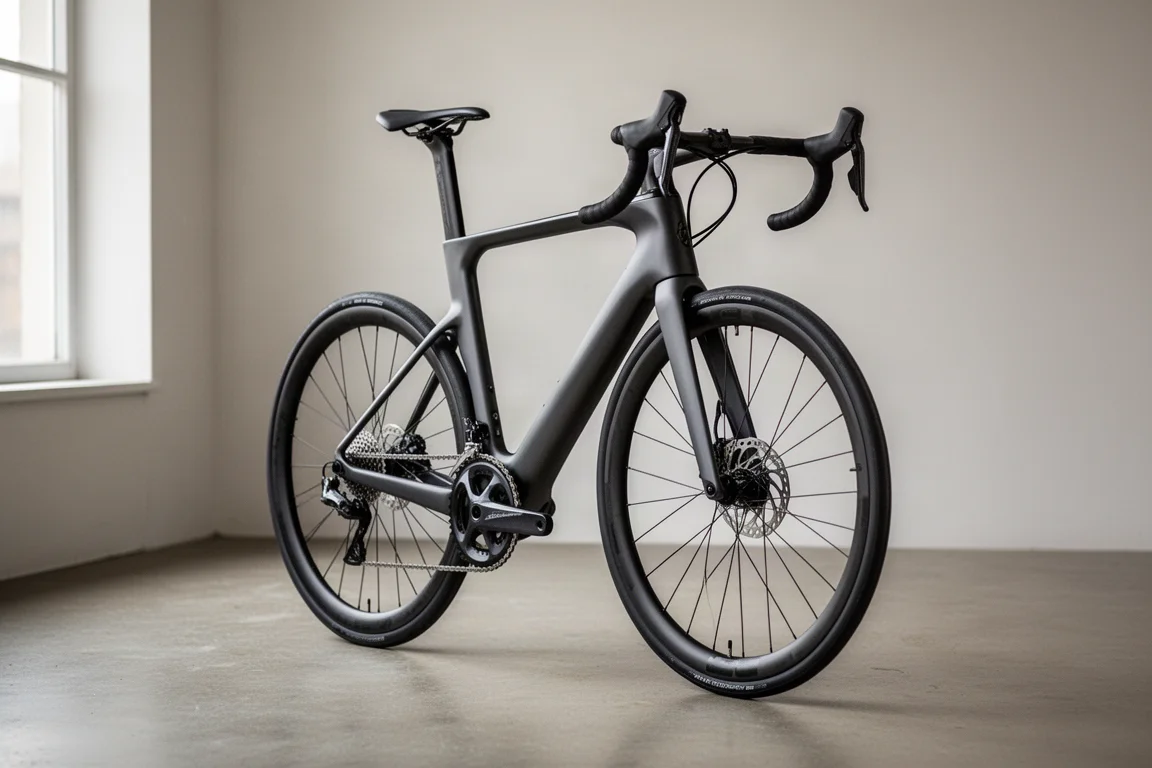
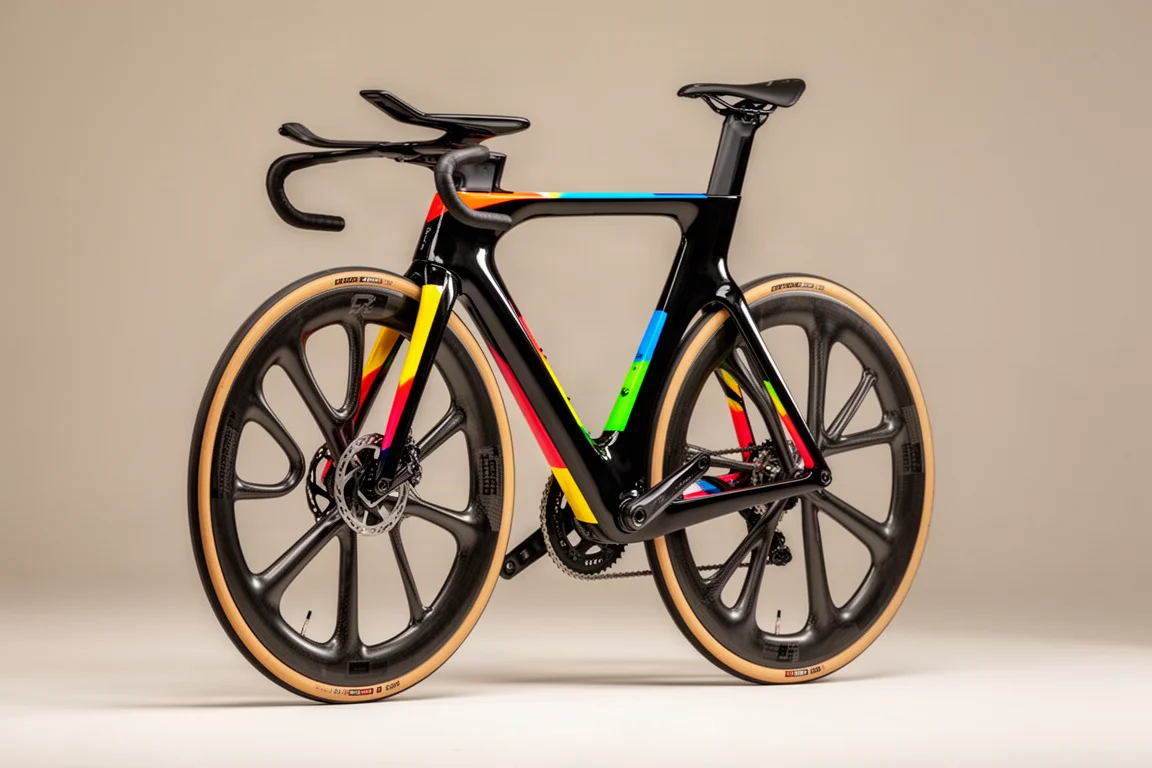
Look’s 795 Blade RS is the bike that proves a black frame does not have to be dull. Team Cofidis runs it with a Campagnolo groupset, a rare sight in the modern peloton, and the build pairs tan-wall tyres with a spoke pattern that is genuinely interesting once you notice it.
The paint uses a splash of primary colour against the black base, which is enough to lift the whole bike without turning it into a billboard. It is the least boring black bike in the race, and the details reward a close look.
Overall Buying Advice
Decide first whether you want a bike that stands out or one that blends in. Both are valid, and the answer changes which of these frames makes sense for you. If you ride in a group and want to be seen, colour and finish matter more than a handful of grams.
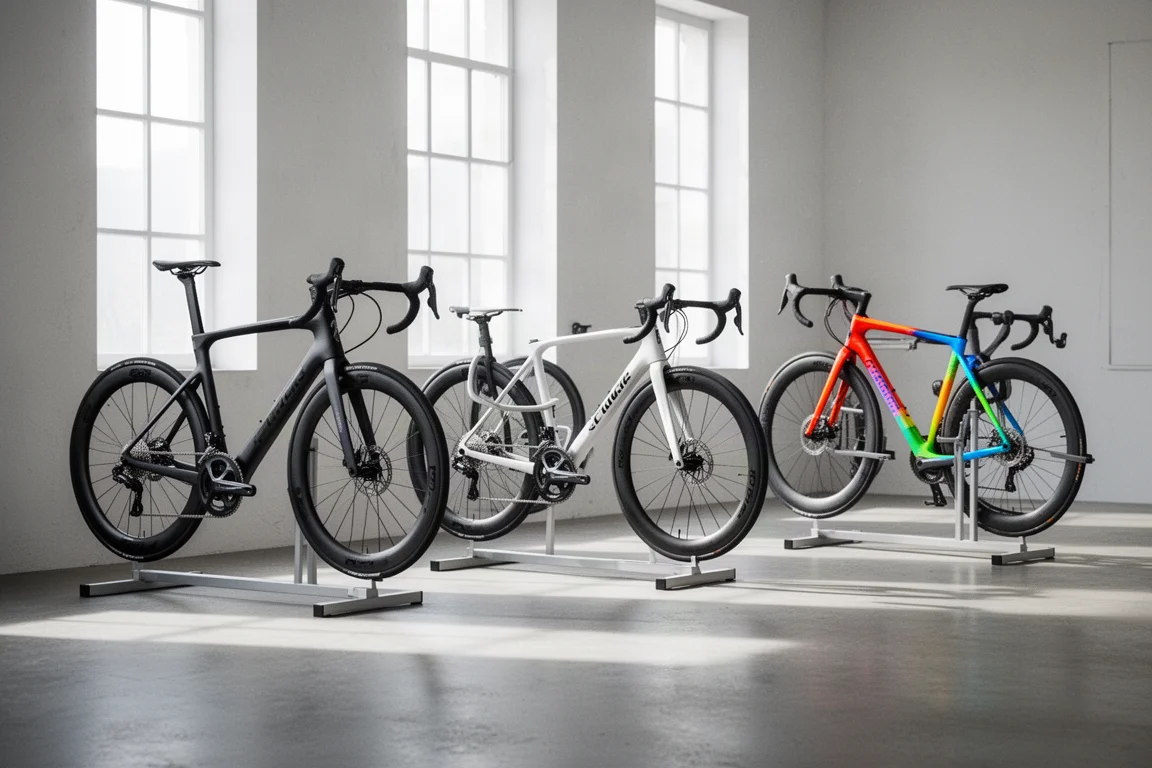
Check the cockpit specification before you order, particularly on builds where an adjustable bar is optional rather than standard. Wheels are the easiest and most effective change you can make later, so it rarely pays to reject a frame purely because of its stock rims. Finally, keep some price discipline: race bikes at this level are expensive, and the plainest paint does not automatically mean the smallest bill.
Conclusion
Paint is not a specification, but it is the thing you look at every time you walk into the garage. The Wilier Filante and the Look 795 Blade RS reward riders who want character, the Trek Madone Generation 8 balances that with a technical rear cutout, the Orbea Aero M10i brings an unusual brushed finish, the Canyon Aeroad is the quiet aero option with a cockpit detail worth verifying, and the Scott Foil is the one to choose only if you actively want a blank canvas.
Further reading
Related Reviews

Road Bikes
10 New Road Bikes Worth Watching: Aero, Titanium, Steel and Endurance Standouts
A practical roundup of 10 new road bikes, from aero flagships chasing single-watt gains to titanium, steel and endurance platforms built for real roads.
Road Bikes
3T Strada Italia Review: A Radical Aero Road Bike That Rides Smooth
A made in Italy carbon aero road bike with a deep head tube, wide tire clearance and a genuinely comfortable ride. Here is what to know before buying.
Road Bikes
51 Seeker Review: A Lightweight Road Bike Built for Real-World Riding
A close look at the 51 Seeker, a lightweight carbon road bike with a higher stack, room for 40mm tires and a notably smooth ride, plus the trade-offs to weigh before buying.