Aero Road Bikes
Best Aero Road Bikes 2025: Five Race-Proven Platforms
Five aero road bikes that shaped the category, from a team favourite with a distinctive front end to designs that blur the line between aero and all-round race machines.
Introduction
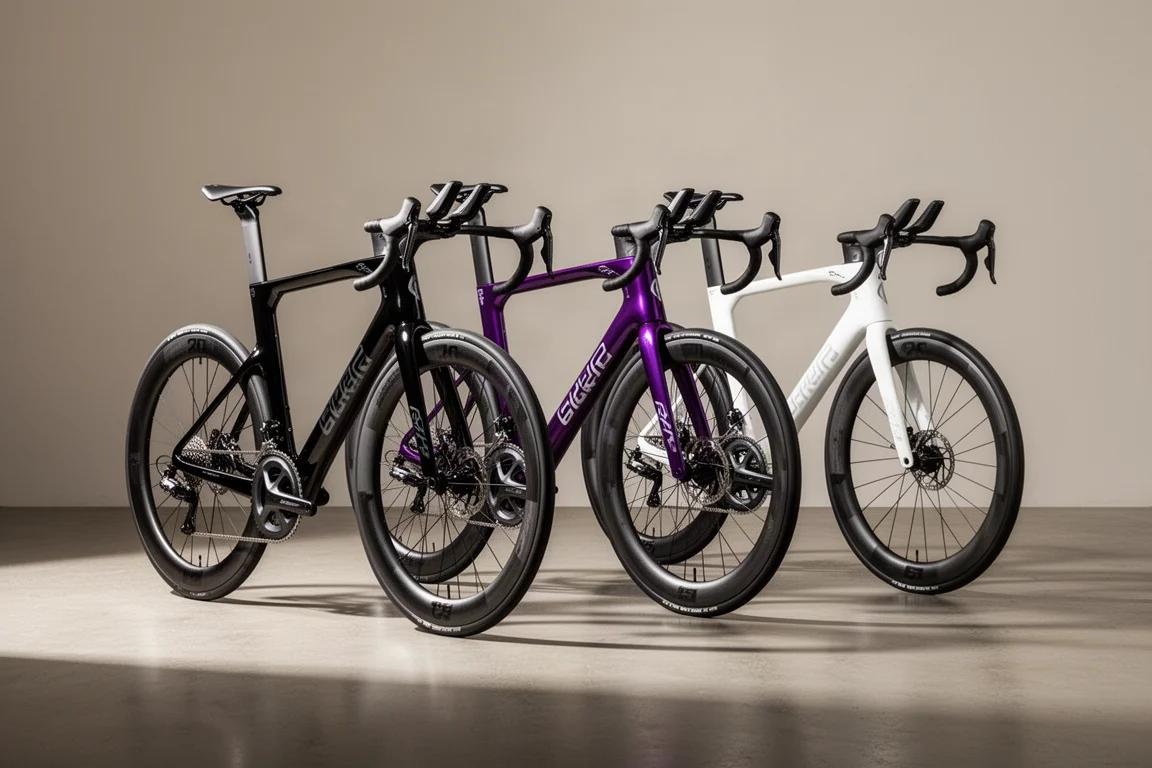
Aero road bikes have never been faster, and the margins at the front of a race are smaller than ever. For riders who race, or who simply want a bike that rewards hard efforts, frame choice is one of the most consequential decisions in a build.
This list covers five aero platforms that have shaped the category, from a team favourite with a distinctive front end to machines that quietly blur the line between aero and all-round race design.
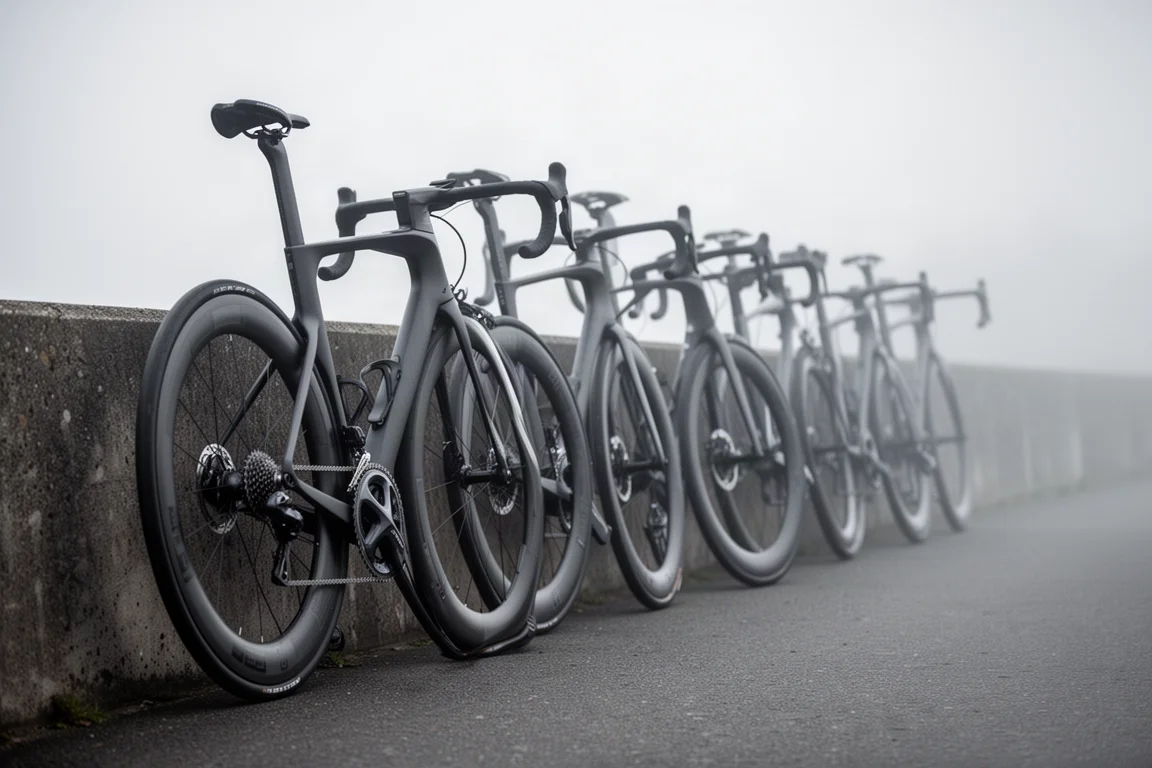
Each of these bikes has a clear reason to be here: race results, a design idea that moved the category forward, or a level of real-world usability that goes beyond wind-tunnel numbers. They are presented without ranking, because the right choice depends far more on your terrain and position than on any single figure.
What This List Covers
All five platforms are aero road bikes in the classic sense: carefully shaped tubes, integrated front ends, and a focus on reducing drag at race speeds. They are not budget options, and they are not endurance bikes with aero styling.
The most interesting thread running through them is how much the category has shifted. Where early aero bikes chased maximum tube depth, several current designs favour slimmer profiles that improve ride comfort and trim weight. That makes them far more usable on mountainous terrain than their predecessors, and it is why the line between an aero bike and an all-round race bike has become genuinely blurry.
Cervélo S5: The Team Favourite
The S5 has been a fixture at the front of major races and remains one of the most recognisable aero frames in the peloton. In a top-tier team build it is typically paired with SRAM Red AXS components, Reserve wheels, and tan-wall tyres, a combination that looks as fast as it rides.
The most distinctive feature is the V-shaped stem, which divided opinion when this generation first appeared and has since become part of the bike’s identity. Cervélo also offers a one-by model straight off the shelf, built with a 13-speed SRAM Red AXS cassette and a 50-tooth chainring, which is about as modern as a production road setup gets.
Giant Propel: Aero Since 2013
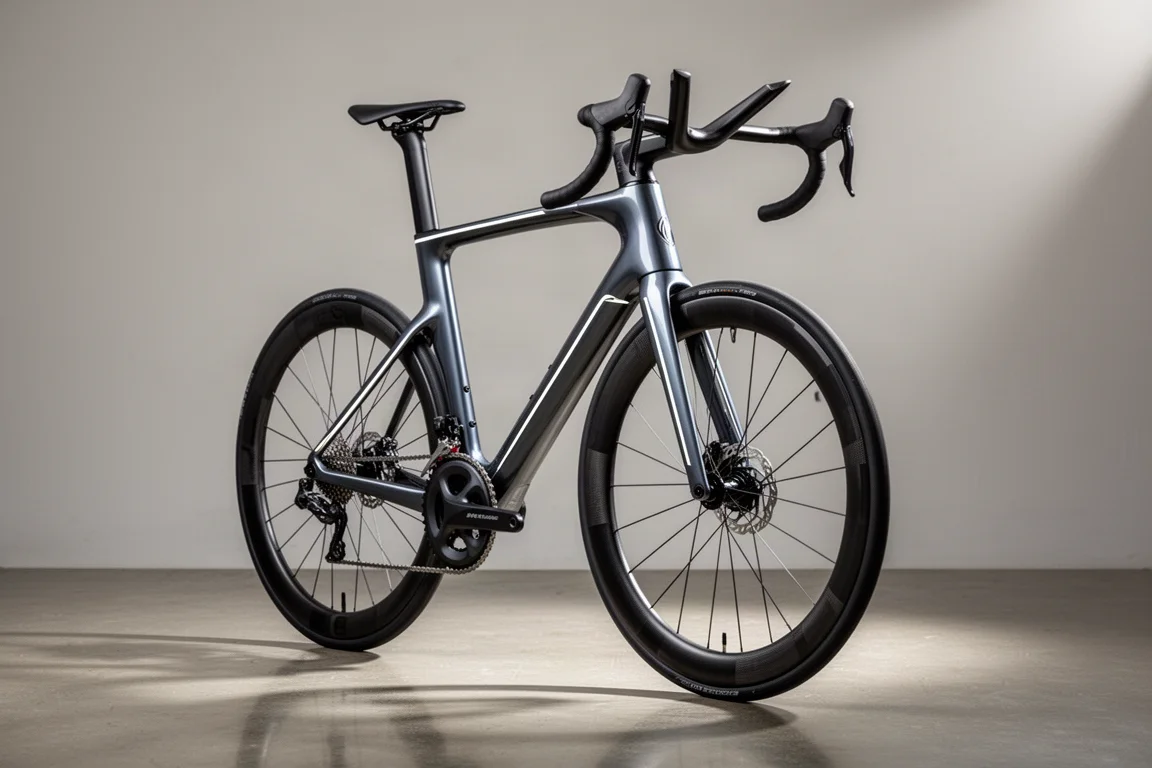
The Propel was one of the first aero-specific road bikes when it arrived in 2013, well ahead of the curve with deep aero tubes and brake calipers hidden behind the fork to cheat the wind. It is still raced at WorldTour level by men’s and women’s teams, wearing a purple and silver colourway that stands out in the bunch.
The current generation follows the modern trend: slimmer tubes that improve ride comfort and drop weight, making the bike more usable when the road points uphill. The horizontal top tube and clean lines give it a purposeful, uncluttered look that has aged well.
Trek Madone: A Full Aero System
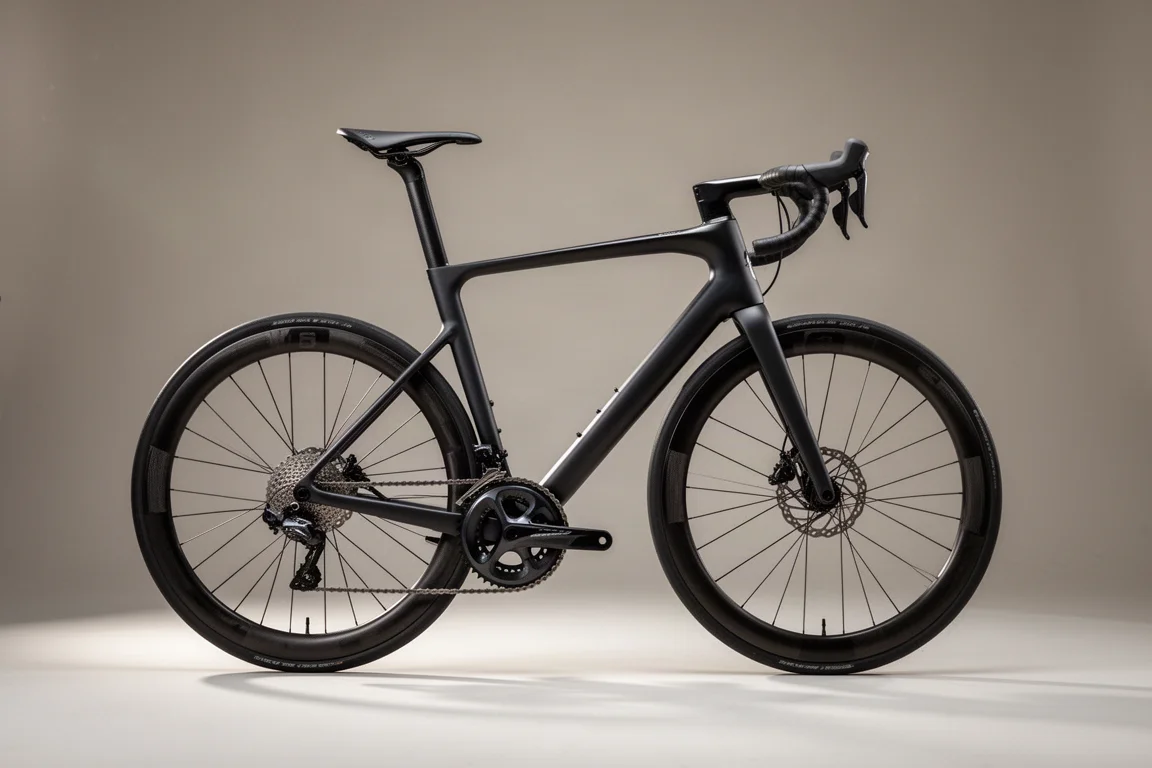
The Madone is one of the most radical-looking bikes in the pro peloton, largely because of the IsoFlow design that first appeared on the previous generation and still divides opinion. Trek developed the current bike around real-world riding conditions with the rider in mind, and the result is a platform that works as a complete system rather than a frame in isolation.
Part of that system is a pair of custom aero bottles, which Trek claims save almost two watts over a standard round bottle. The Madone has taken wins at major races, and the latest version has effectively replaced the lightweight Émonda in Trek’s line-up. Trek has even released a 6.4 kg build that sits outside UCI weight rules, which raises a fair question: is this still an aero bike, or has it become an all-round race bike?
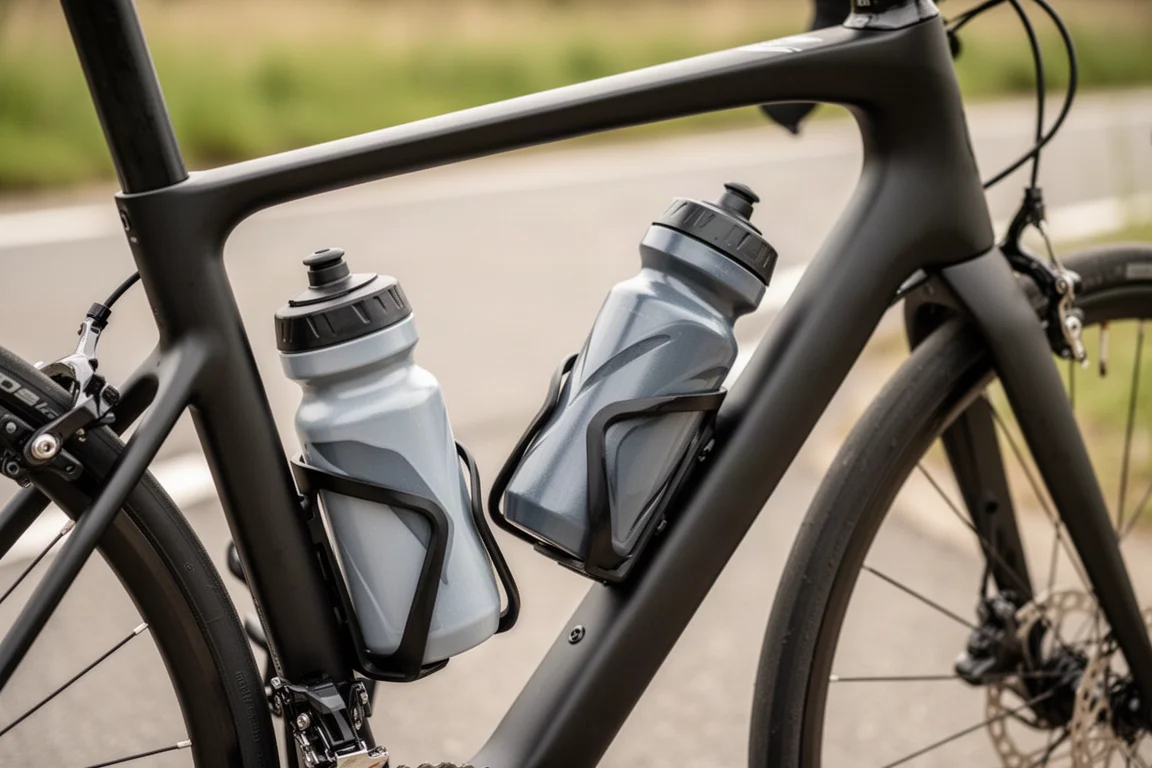
That blurring of categories is one of the most interesting developments in modern race bike design, and it is a large part of why the Madone belongs on this list.
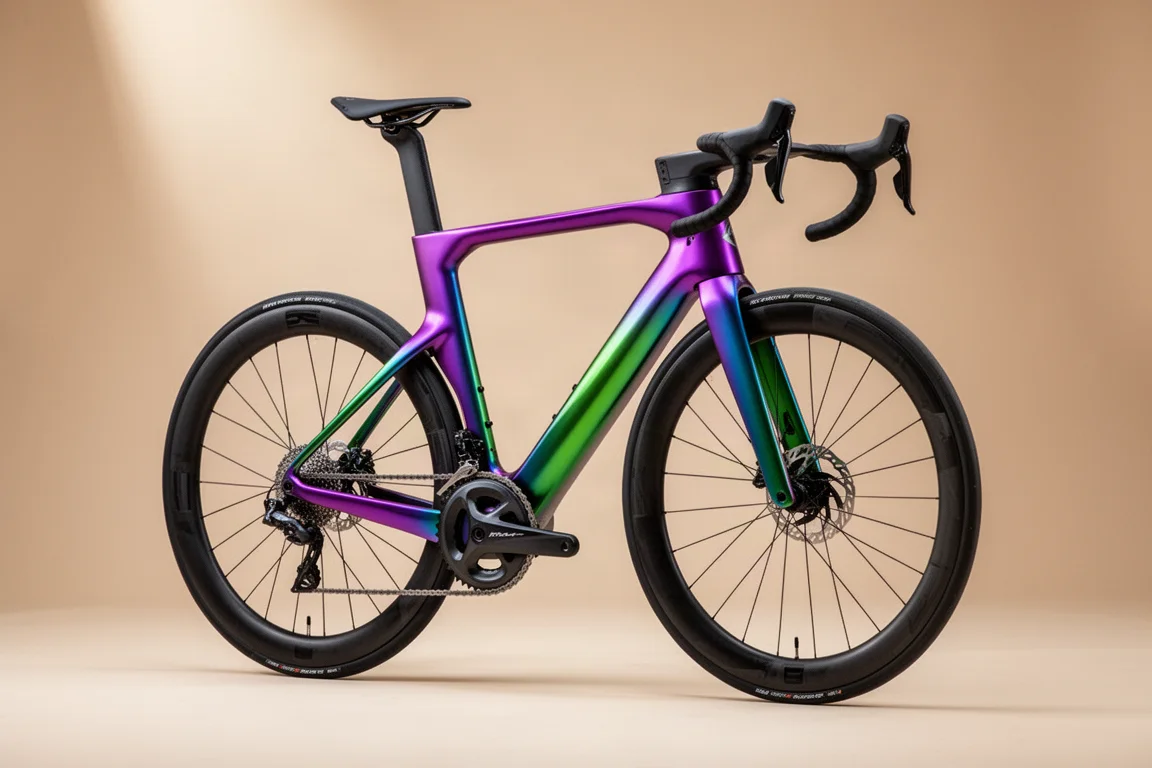
Canyon Aeroad: Deep Tubes With Rough-Road Credentials
The Aeroad is an unashamed aero weapon, with dramatic deep tube profiles and a name that leaves no doubt about its priorities. Canyon also offers the option to swap the standard drop handlebars for a more aero flared setup, a reminder that the rider contributes as much drag as the frame does.
Aero bikes once meant sacrificing comfort, but the Aeroad has proven itself at some of the roughest and most demanding races on the calendar, helped in no small part by generous 32 mm tyre clearance. For riders who want aero speed without giving up rough-surface capability, that combination is difficult to argue with.
Scott Foil: Time Trial Thinking for the Road
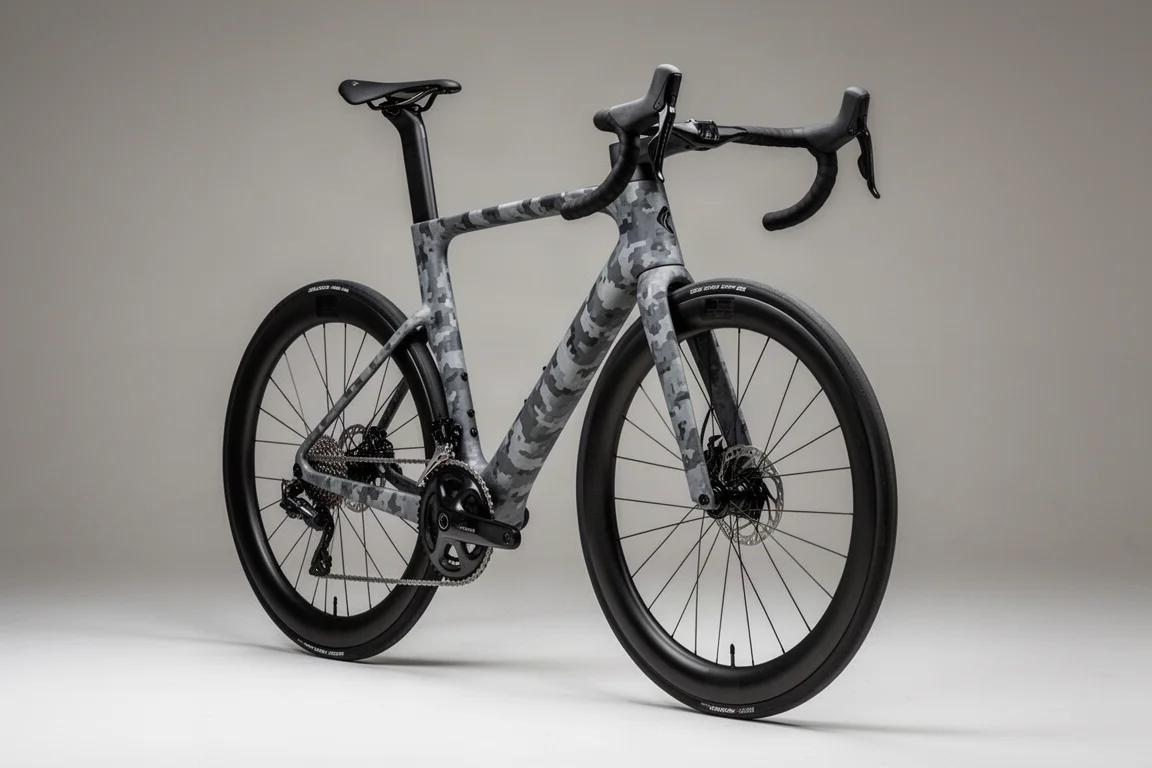
The Foil has a strong claim to being the bike that changed how pros think about aero road frames. A previous generation took a landmark victory in 2016 and marked a shift in how riders choose their equipment, showing that aero bikes are more versatile than their name suggests.
The latest Foil is not currently raced at the top level of the sport, but it still gets regular exposure through second-tier racing. Look at Scott’s Plasma time trial bike and the inspiration for the Foil’s tube shapes is obvious: a very deep fork, with that shaping carried right across the whole head tube. It simply looks fast.
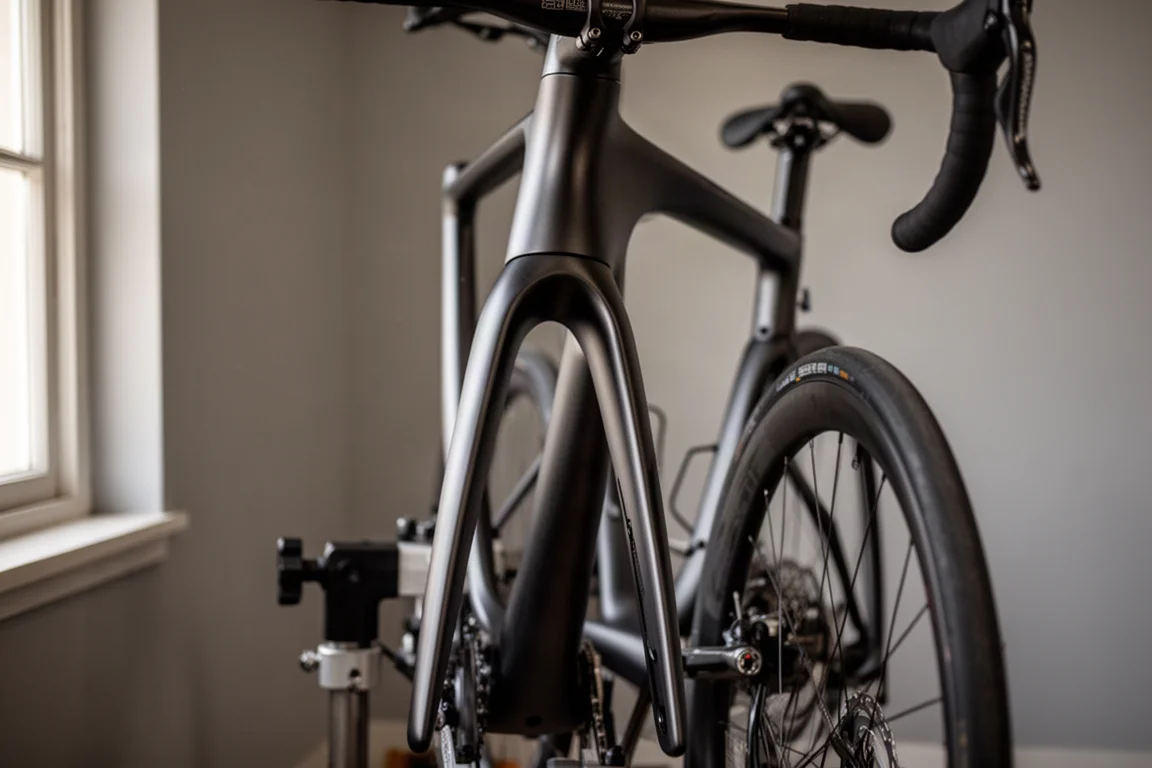
That time trial influence is what sets the Foil apart in this group. It is a road bike built with the same aerodynamic intent as a dedicated TT machine, and the silhouette makes that clear at a glance.
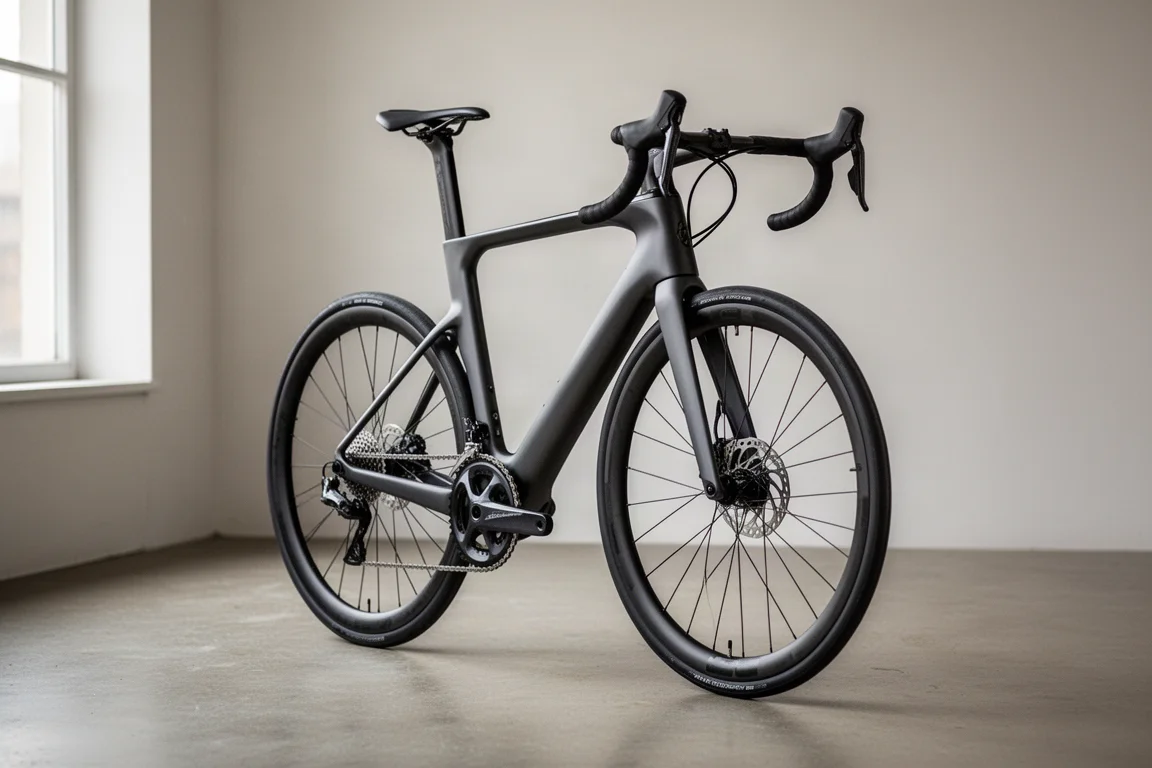
Buying Advice: Matching an Aero Bike to Your Riding
All five of these bikes are fast, and none of them carries the comfort penalty that aero road bikes were once known for. The differences that matter most are fit, front-end design, and how much of your riding happens on smooth tarmac versus rougher surfaces.

Riders who race on flat and rolling terrain will get the most from the deepest, most aggressive designs. If your rides include long climbs or rough roads, the newer generation of slimmer, lighter aero frames with clearance for wider tyres is likely to be the better match. Specification matters as much as the frame here, and the component package on a given build often changes the experience more than the frameset itself.
Conclusion
The aero road bike category has matured to the point where speed no longer has to come at the cost of usability. The Cervélo S5 and Trek Madone sit at the aggressive, system-driven end of the spectrum, the Giant Propel and Canyon Aeroad balance aero depth with rough-road capability, and the Scott Foil brings unmistakable time trial thinking to a road frame.
Any of the five can be the right bike, provided it matches the terrain you actually ride and the position you can hold. Choose on that basis, and the aerodynamic advantage becomes something you feel on every hard effort rather than a number on a spec sheet.
Further reading
Related Reviews
Aero Road Bikes
Best Aero Bikes 2026: Six Picks for Speed, Value and All-Round Performance
A practical guide to the best aero road bikes for 2026, covering outright speed, stability, all-round balance and the strongest value options.
Aero Road Bikes
Best Aero Road Bikes From the 2025 Tour: Five Race Machines Compared
Five aero road bikes raced at the 2025 Tour de France Grand Départ, compared on build weight, measured tyre width and cockpit design.
Aero Road Bikes
Cervélo S5 Review: A Closer Look at the Updated Aero Road Bike
The updated Cervélo S5 brings a one-piece cockpit, revised tube shapes and a new Reserve 57/64 wheelset. Here is what changed and who the build suits.