Electric Mountain Bikes
Santa Cruz Heckler SL vs Whyte E-Lyte: Two Lightweight Electric Mountain Bikes Compared
A head-to-head look at two carbon lightweight electric mountain bikes, covering motor character, climbing position, suspension feel, battery range, and value.
Introduction
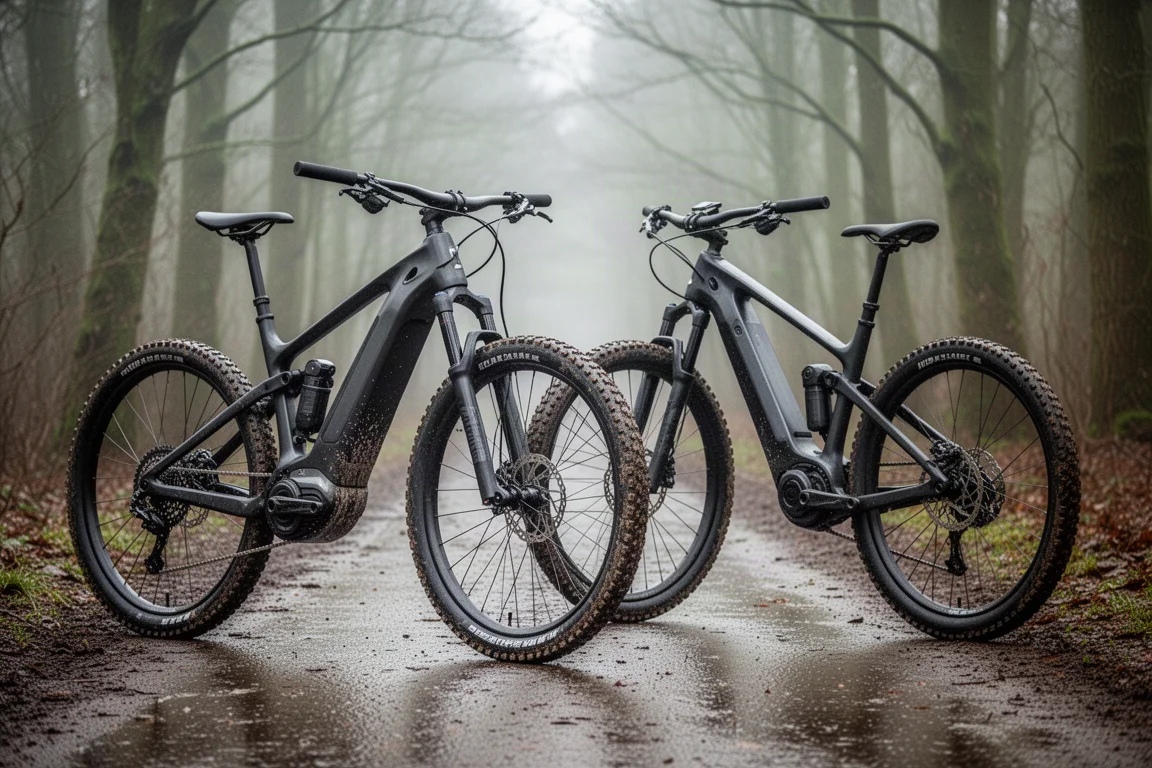
Lightweight electric mountain bikes live or die by balance. A motor that flatters your legs, geometry that keeps the front wheel planted, and suspension that stays composed when the trail turns rough all matter as much as each other. Two carbon-framed contenders show how differently that balance can be struck: the Santa Cruz Heckler SL and the Whyte E-Lyte.
Both bikes share the same broad brief. They are long, slack and low, they run mid-power motors, and they keep weight close to that of a conventional trail bike. Where they diverge is in seated position, motor cadence, and the way each chassis wants to be ridden.
This comparison walks through what they share, where they differ, and which rider each one suits.
What These Two Lightweight eMTBs Have in Common
Both frames are carbon. The Heckler SL uses Santa Cruz’s more affordable C carbon, which keeps cost down at a fractional weight penalty compared with the brand’s lighter CC layup. The E-Lyte uses a unidirectional carbon layer designed to be both strong and light.
Mechanics get a few shared courtesies. Both route cables internally through ports on the head tube rather than through the headset, and both use UDH. There is chain slap and underside protection on each, and both front triangles have room for a water bottle, a range extender, or tools.

Geometry lands in similar territory. Both bikes carry a 64 degree head angle, a 77 degree seat tube angle on paper, and a 480 mm reach in size large. Both also use flip chips to switch between high and low positions, the Heckler SL in the rear shock mount and the E-Lyte through an offset shock eyelet.
The small print differs. The Heckler SL runs size-specific chainstays, at 446 mm on a large, while the E-Lyte keeps a fixed 450 mm across sizes. Bottom bracket height is 340 mm on the Heckler SL and a lower 334 mm on the E-Lyte.
Santa Cruz Heckler SL: Fazua Drive and Playful Handling
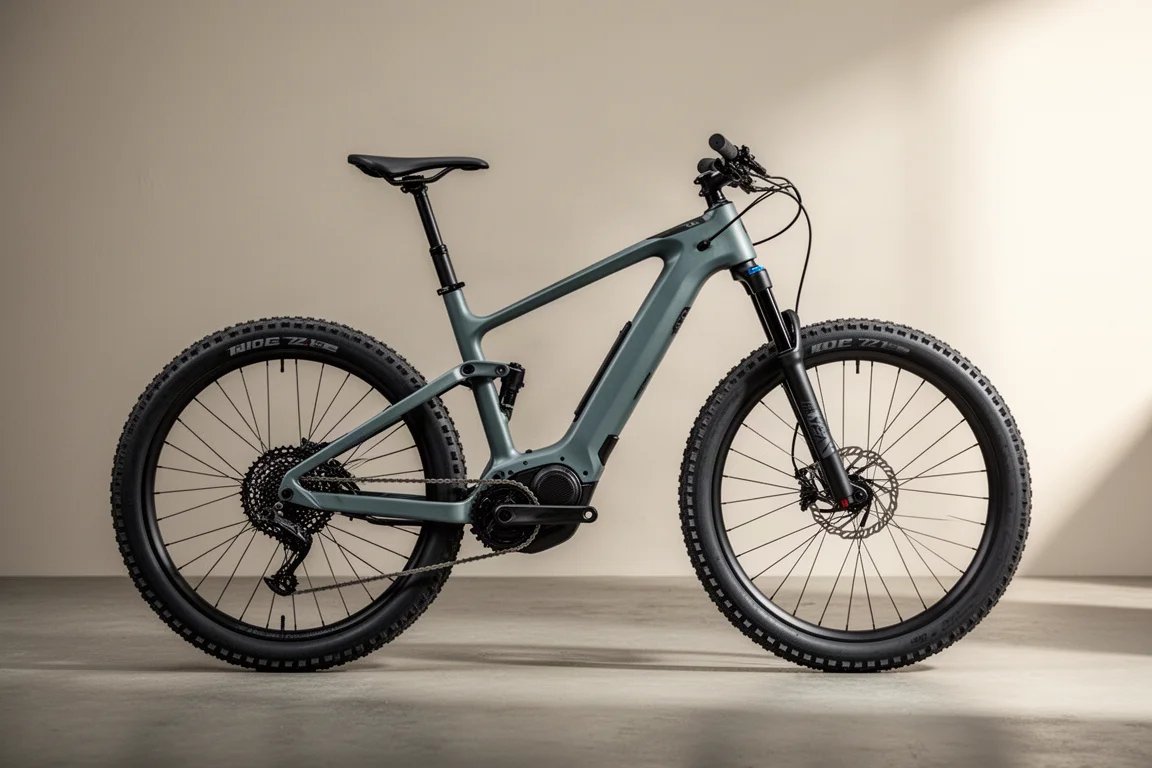
The Heckler SL pairs its carbon frame with a Fazua Ride 60 motor producing 60 Nm of torque and a peak output of 450 W, fed by a 432 Wh battery. Peak torque and power arrive at a relatively low 78 RPM, so the motor stays helpful for riders who turn the pedals slowly.
Suspension is 150 mm at the rear, with the shock mounted low above the bottom bracket and compressed by twin co-rotating links. RockShox Select Plus Lyric and Super Deluxe dampers handle the work, a step below the range-topping Ultimate models but without dulling performance. The drivetrain is SRAM GX transmission, the wheels are Reserve alloy hoops, and braking comes from SRAM Code. Both tires use EXO casings.
On the trail, the Heckler SL is the more playful of the two. It pops, bounces and jumps well, changes direction easily, and stays confidently controlled while doing it. The suspension is supportive with generous bottom-out resistance, though it is not the most active: it absorbs everything in three bumps rather than tracking the ground with surgical precision. Ridden hard and pushed into the terrain, it responds with speed and dynamism.
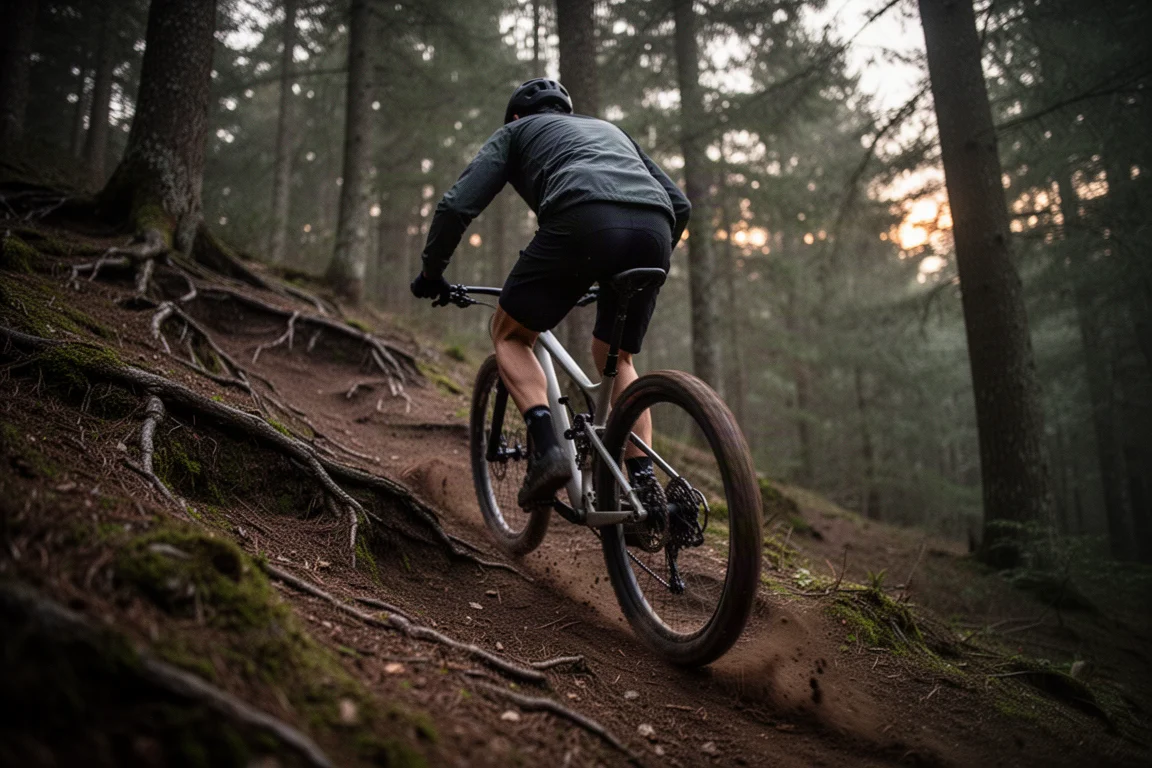
Climbing is where compromises show. The seated position sits rearward, placing hips behind the bottom bracket, and on steep gradients the front wheel is eager to go light. Without deliberate weight shifts towards the bars, steering accuracy and rear grip become a juggling act.
Whyte E-Lyte: Bosch Power and Composed Handling
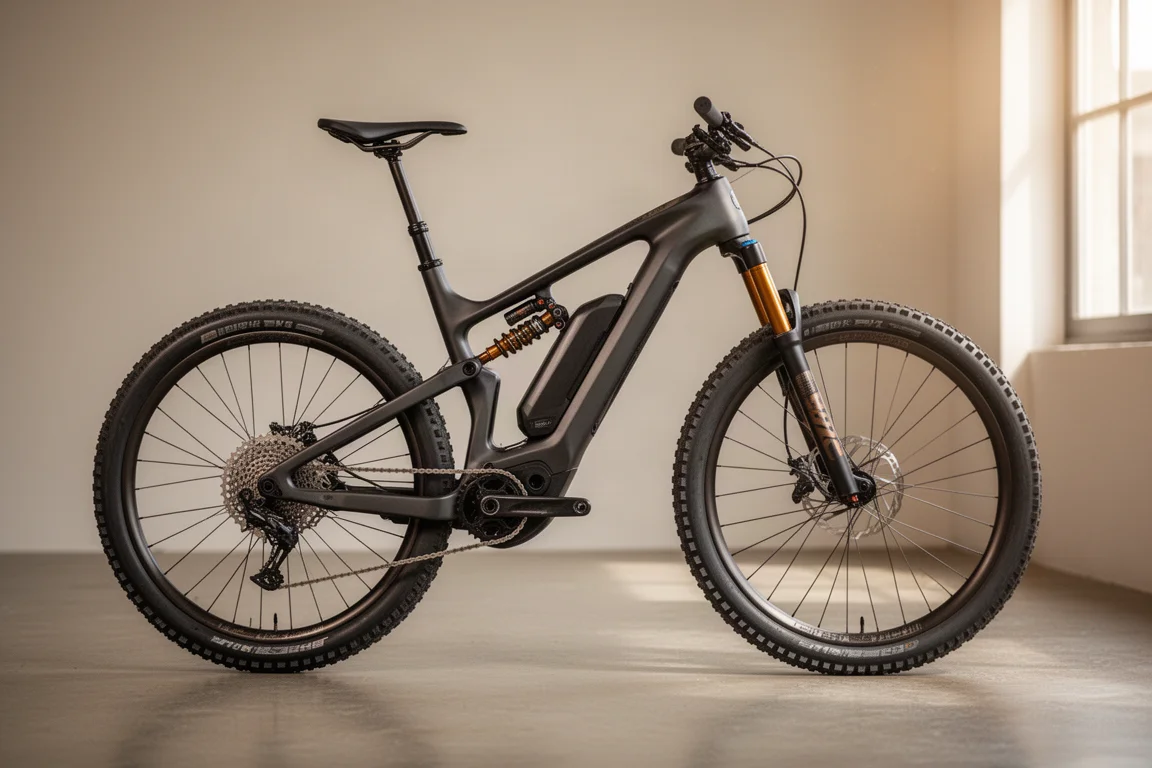
The E-Lyte runs Bosch’s Performance Line SX motor, which delivers 55 Nm of torque but a much higher 600 W peak output, drawing on a 400 Wh battery. Peak torque and power arrive at 104 RPM, which rewards a faster pedalling cadence.
Its Horst link suspension provides 142 mm of rear travel with the shock mounted under the top tube. Fox Factory dampers, a 36 fork and a Float X shock, sit at the top of the range. The bike rolls on own-brand carbon wheels, stops with Hope brakes, and uses an EXO casing front tire with a burlier EXO+ rear. A 36 tooth chainring drives the system.
Descending is the E-Lyte’s strongest suit. Everything feels in the right place: bars high, bottom bracket low, and a 652 mm stack that gives plenty of bike to push against without feeling like you are going over the bars. It holds lines and sticks turns with minimal rider input while still leaving the rider in control. The low-slung weight keeps it composed and balanced in choppy terrain, with front and rear ends staying level with the horizon, closer in stability to a much heavier bike.
The rear end is supportive but firm, and suits fast riding with intent. Back off, and the 142 mm of travel can feel punishing, with limited reserves to cover rider mistakes. A softer setup improves comfort but bottoms out too regularly when pushed.
Climbing Compared: Seated Position and Motor Cadence
Seat tube angles look identical on paper, but the two bikes put riders in very different places. The E-Lyte’s position is neutral, placing hips over the bottom bracket, which boosts pedalling comfort and efficiency. Combined with a relatively short 630 mm top tube, it creates an upright, enduro-style position that commands control. Small weight shifts are enough to handle tight switchbacks, and the front wheel stays weighted without forcing it.
The Heckler SL takes the opposite approach. Its rearward bias means riders must actively shift weight forward to keep the front wheel planted. That is manageable, but it uses up attention that would otherwise go into line choice.
Motor character flips the advantage. The Fazua’s assistance is generous and well suited to lower cadences, and its gearing lets it pedal much like an unassisted bike. The Bosch is stronger at peak output but wants to be spun quickly. Drop the cadence on a steep, slow climb and the assistance bogs down, leaving leg power to fill the gap. The large chainring also limits how much drive can be put through the pedals.
Suspension, Descending Feel and Rider Input
The two chassis ask for different riding styles. The Heckler SL is a hammer: push it into the trail, smash it over roots and rocks, and it rewards an aggressive approach. Its 150 mm of travel and supportive damping suit that treatment.
The E-Lyte is calmer and more composed, with a mature feel that extends beyond what its 142 mm travel figure suggests. Ridden fast and hard, it is dynamic and stable across a wide range of terrain, and it feels closer to a 160 mm travel bike than the numbers imply. It does need managing rather than abusing, and mistakes are punished more than on a bike with deeper reserves.
Battery Range, Extenders and Everyday Practicality
Battery life is a strong point for both. Used conservatively, the Fazua’s 432 Wh battery can cover well over 2,500 m of ascent on a single charge, and even with generous use of the motor’s boost function it exceeded 1,000 m.
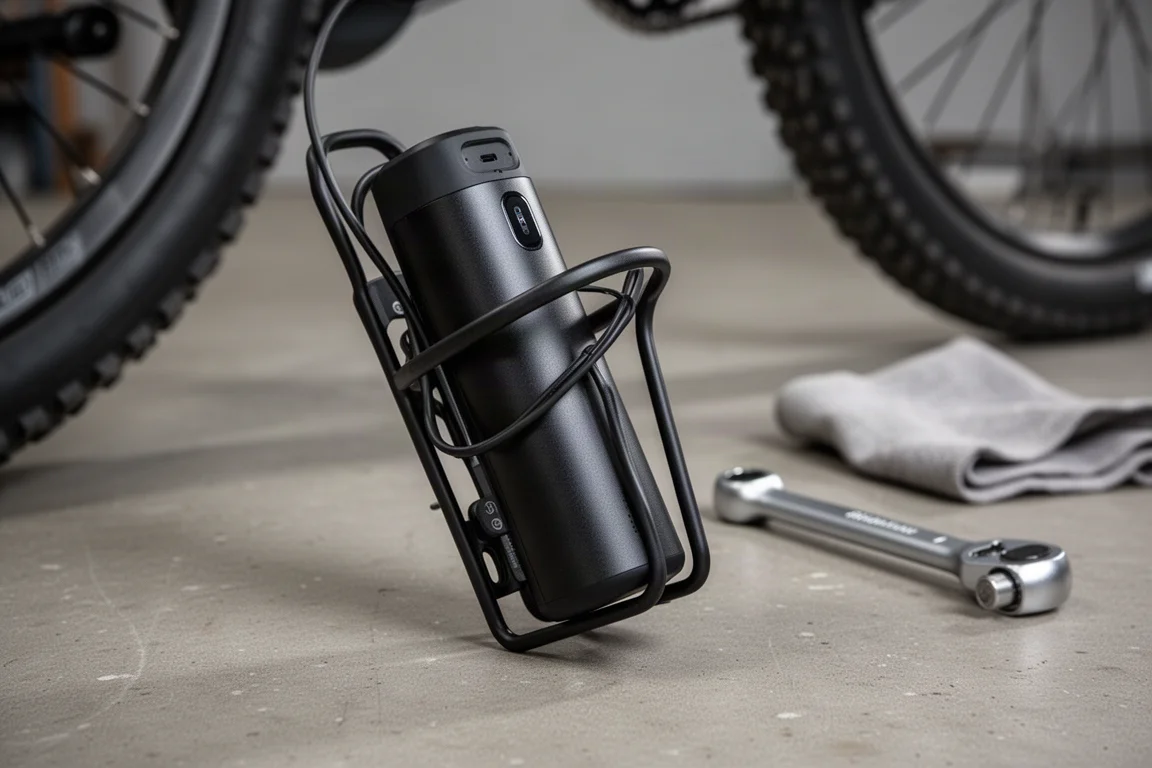
The Bosch unit is similarly frugal. On Turbo alone it consistently exceeded 1,000 m of climbing, and adding the 250 Wh range extender pushes that past 1,500 m. Both motors are compatible with range extenders, but only Bosch’s 250 Wh external battery is currently available. Fazua’s 200 Wh version has been promised but has not yet materialised.
Prices, Specifications and Value
The Heckler SL is the less expensive bike at £8,799 and also the lighter one at 19.54 kg. The E-Lyte costs £9,999 and weighs 19.62 kg. That 80 g gap is meaningless on the trail, but the lower figure and lower price both look better on a shop floor.
The E-Lyte’s extra outlay buys a notably higher specification: Fox Factory suspension front and rear, carbon rims, and Hope brakes that are more powerful than the Heckler SL’s SRAM Code units. The Heckler SL counters with a lower price and a chassis that many riders will find more immediately fun.
Buying Advice: Which Lightweight eMTB Suits You
Choose the Heckler SL if you want a lightweight eMTB that feels playful and poppy, if you prefer turning a slower cadence, and if you are happy to ride actively on steep climbs to keep the front wheel weighted. Its lower price and lighter weight are real advantages, and the Fazua motor’s low-cadence delivery and long battery life make it easy to live with.
Choose the E-Lyte if climbing position and composure matter most. Its neutral seated position, stable descending manners, and higher-spec build suit riders who ride fast with intent and want a bike that stays calm when terrain gets choppy. Be prepared to spin a faster cadence on steep gradients, and consider a smaller chainring if your local climbs are particularly steep.
Conclusion
These are two genuinely different takes on the lightweight electric mountain bike. The Heckler SL is the more playful machine, with a motor that suits relaxed cadences and a price that undercuts its rival. The E-Lyte is the more composed one, with a neutral climbing position, a stable and mature descender, and a stronger specification.
Weighing the whole package, the Whyte E-Lyte edges ahead as our pick. Its handling is calm and composed, its climbing position is exemplary, and its few faults are easy to forgive, particularly given that a relatively inexpensive chainring change addresses the motor’s appetite for high cadence.
Further reading
Related Reviews
Electric Mountain Bikes
Best E-Mountain Bikes: Five Electric Trail and Enduro Bikes Compared
A practical look at five electric mountain bikes, from a lightweight carbon trail build to long-travel enduro machines, with the trade-offs that matter before you buy.
Electric Mountain Bikes
Best Electric Mountain Bikes 2026: Four Price Points Compared
Four electric mountain bikes from £999 to £9,999 compared on motor power, battery capacity, weight, and trail performance.
Electric Mountain Bikes
Best Electric Mountain Bikes: Five E-MTBs Worth Shortlisting
Five full-suspension electric mountain bikes compared, from lightweight trail machines to full-power enduro rigs, with the strengths and trade-offs to weigh before buying.